






 01
The Beauty & Function of Japanese Soy Sauce Dispensers
Learn how materials, lid styles and spout design influence pouring control, everyday use and the appearance of a Japanese table setting.
Read the guide
Discover the design, materials and ceramic traditions behind shōyu-sashi — Japanese vessels created for controlled pouring and everyday use.
01
Learn how materials, lid styles and spout design influence pouring control, everyday use and the appearance of a Japanese table setting.
Read the guide 02
Discover more than four centuries of Arita porcelain and the regional craft tradition behind several of our most distinctive soy sauce dispensers.
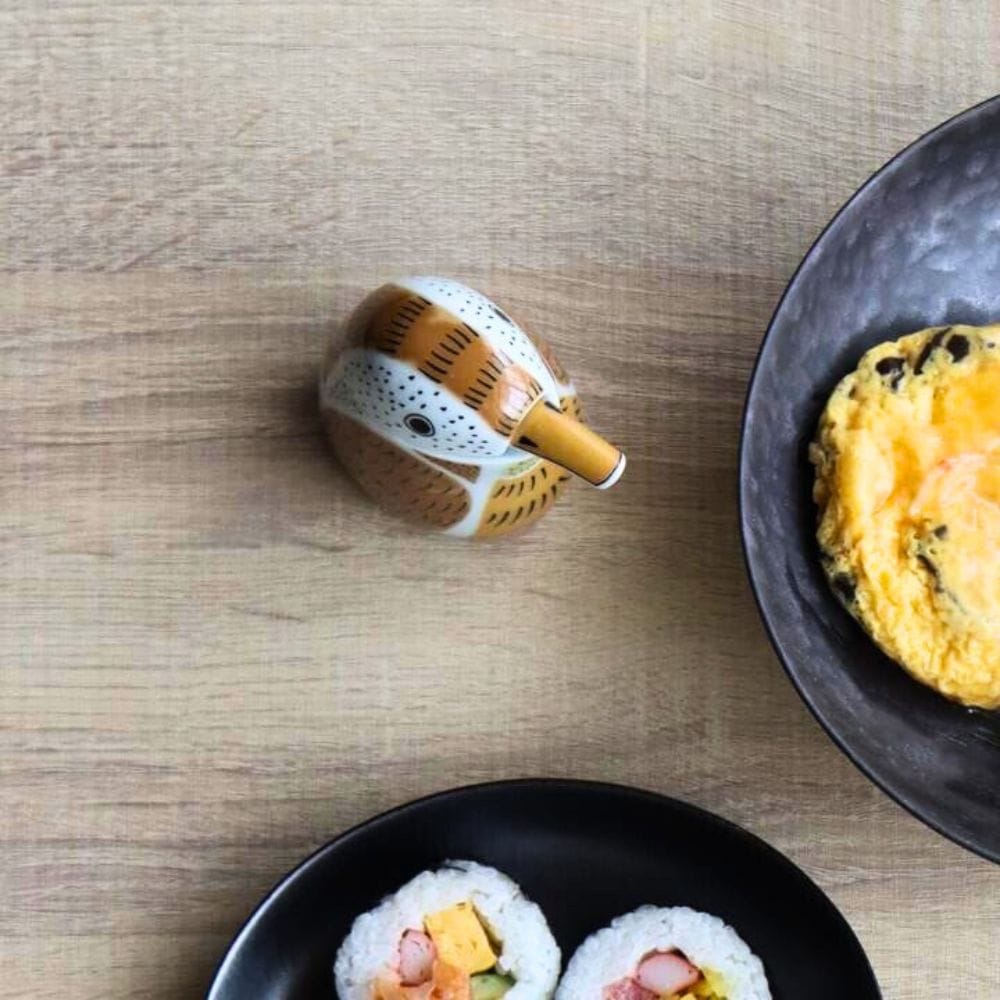
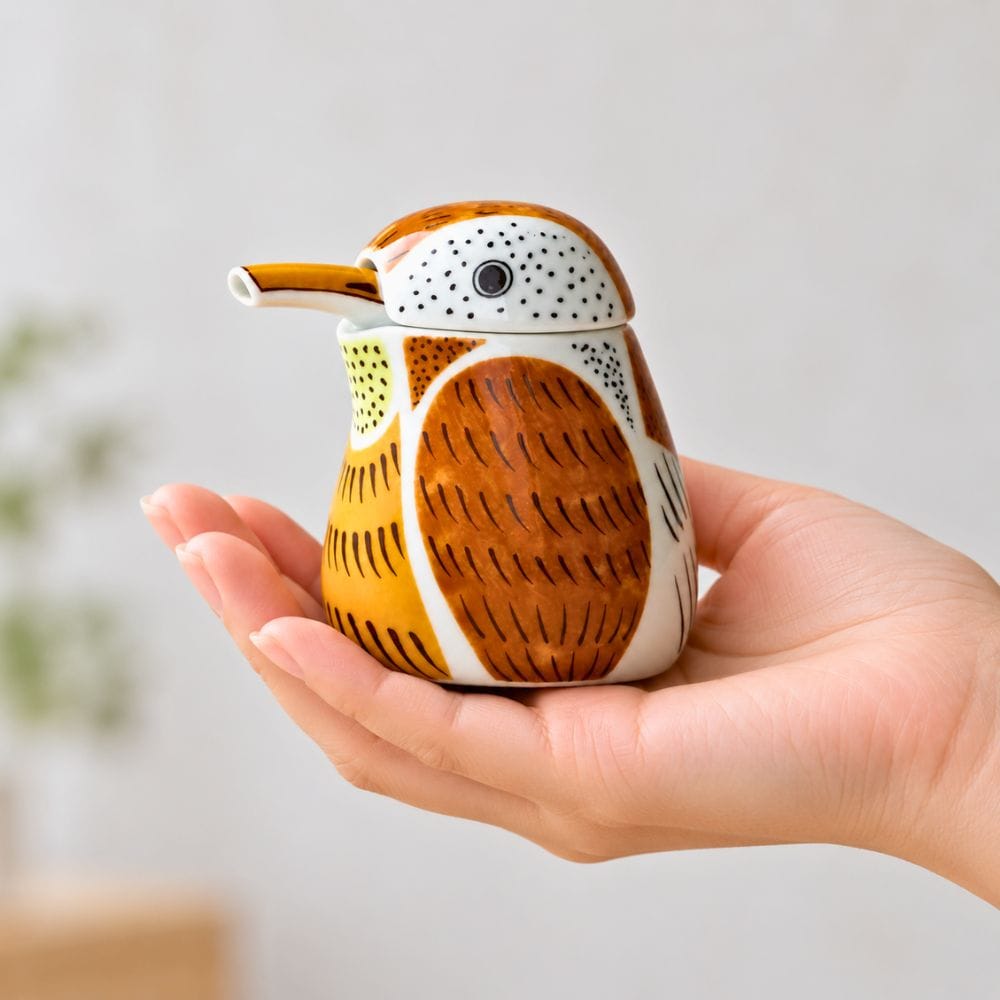
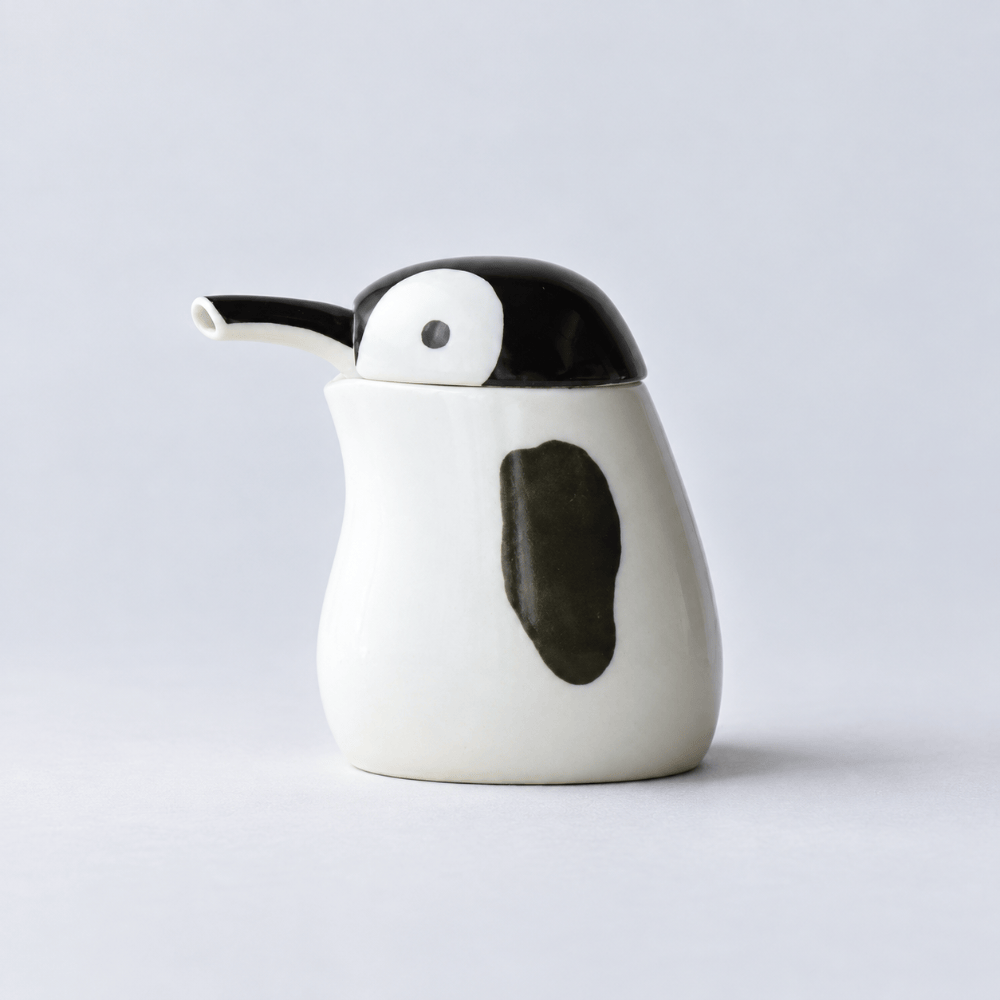
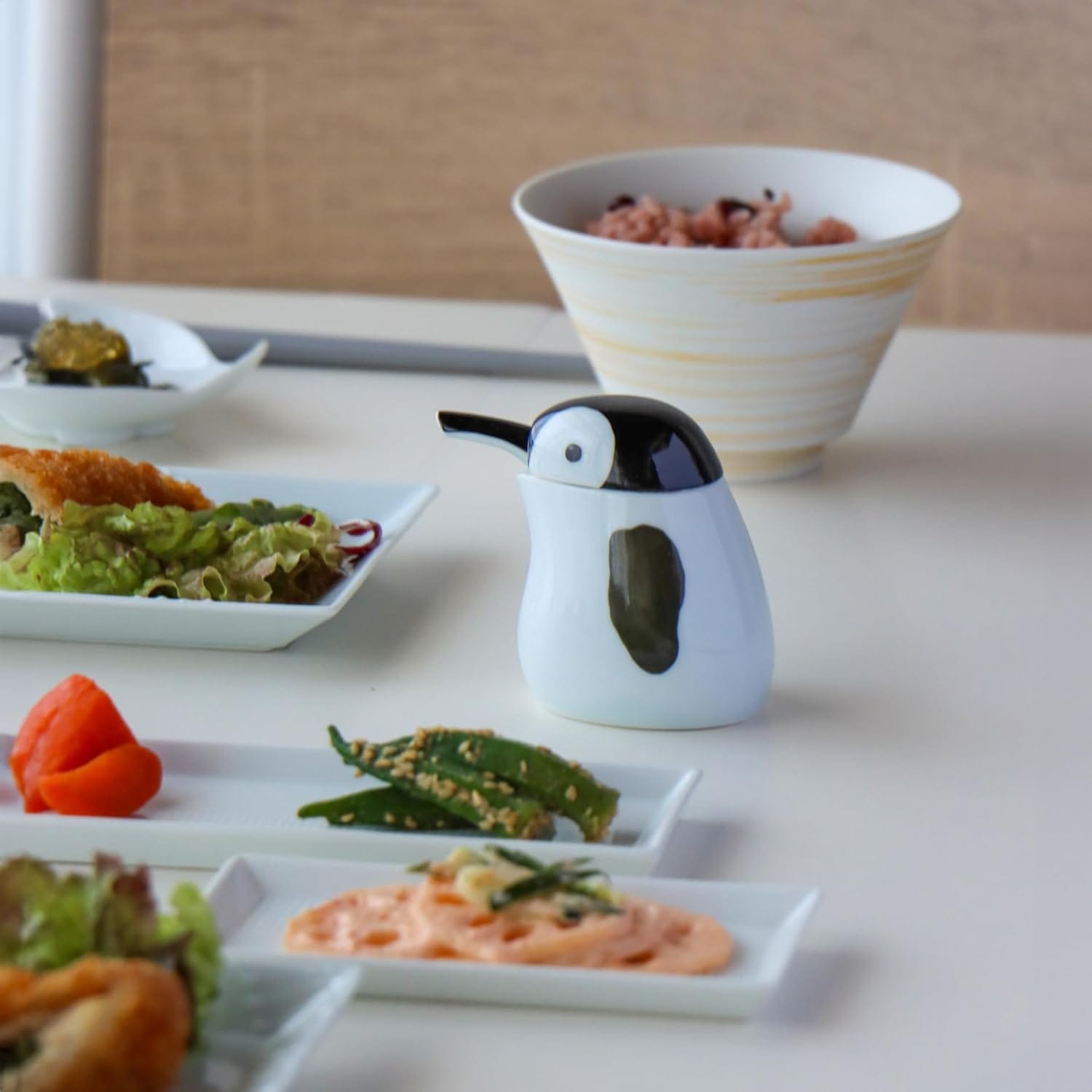
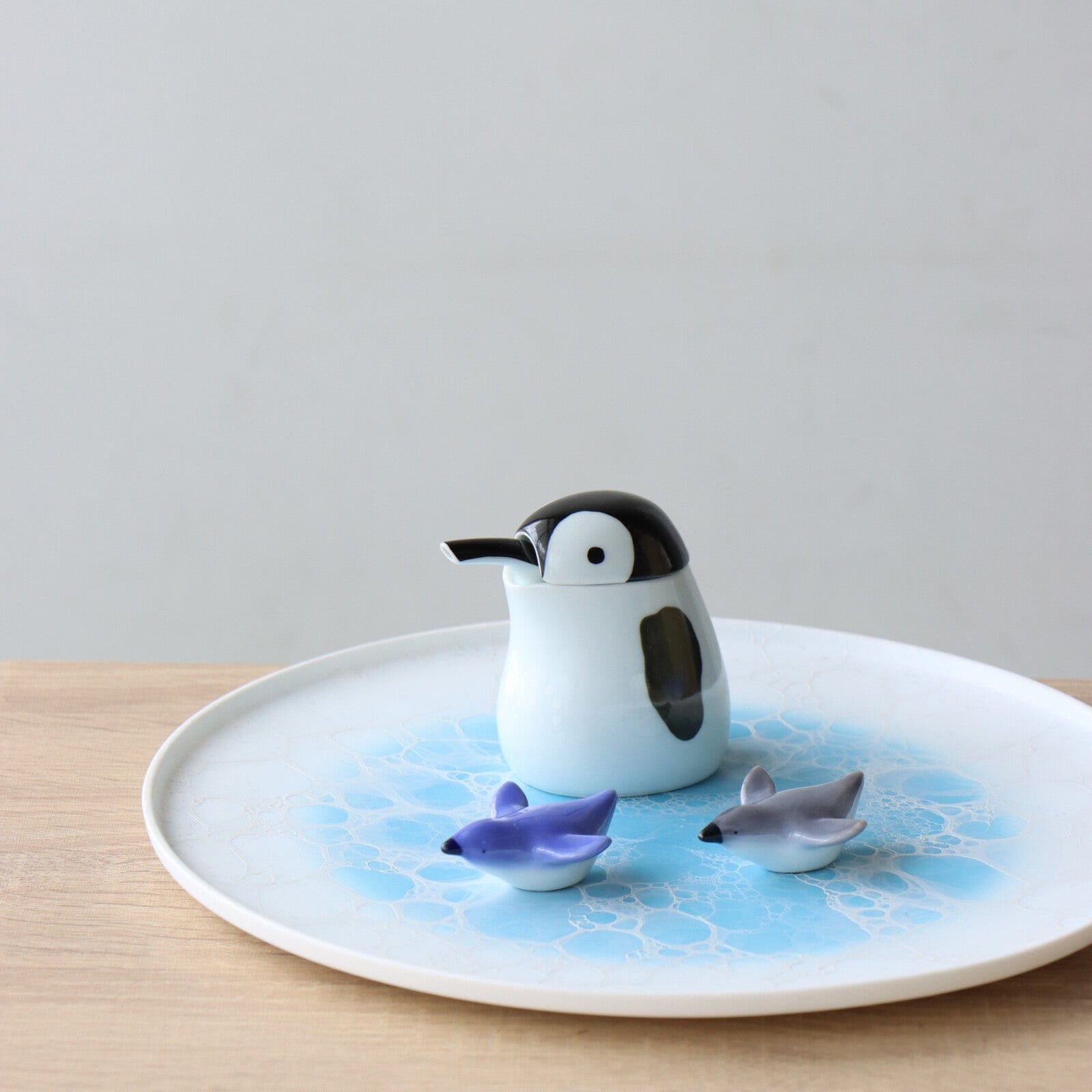
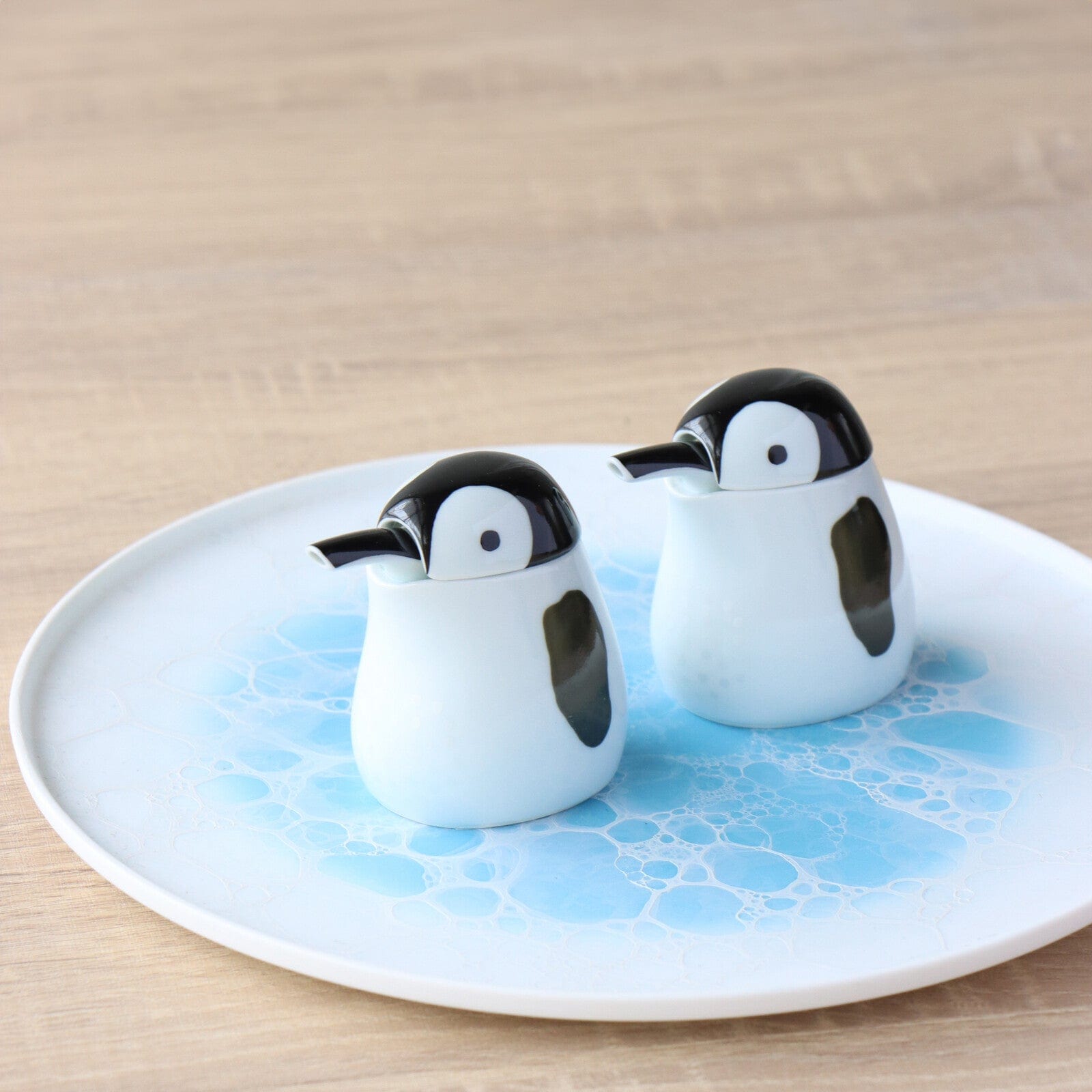
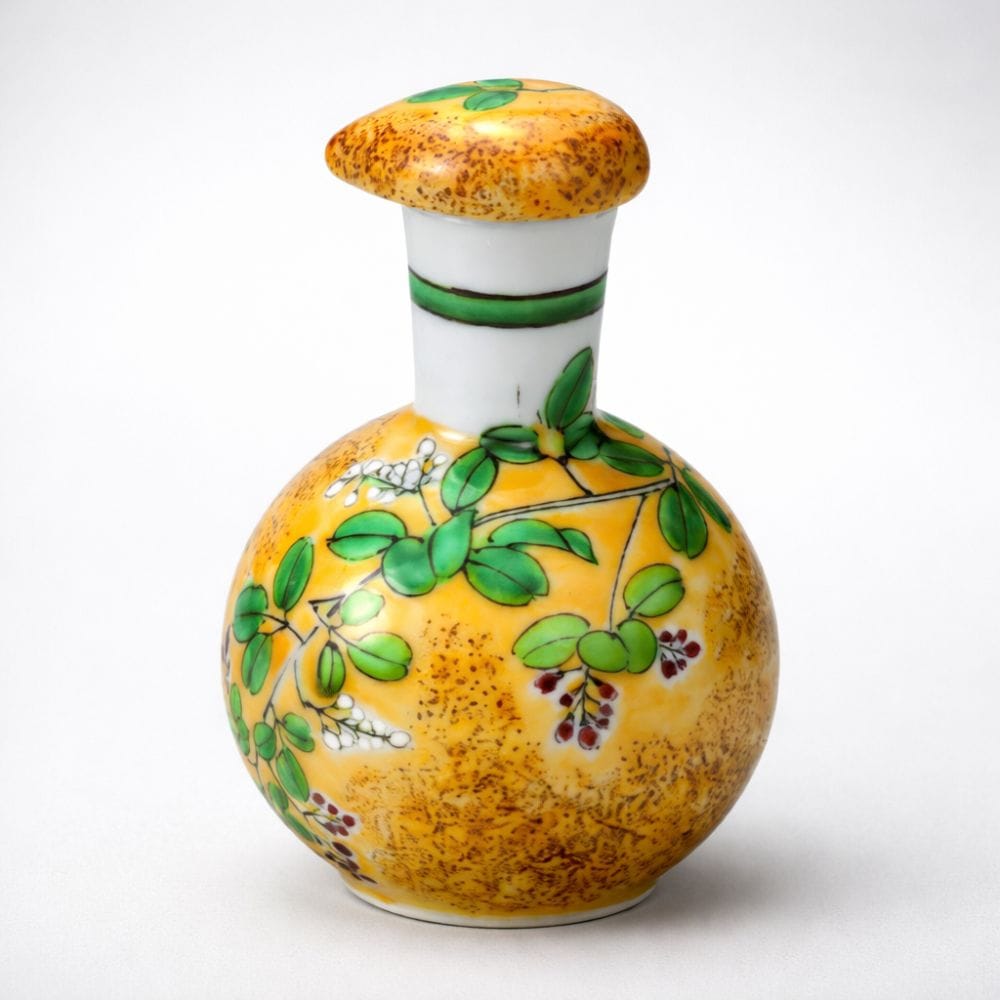
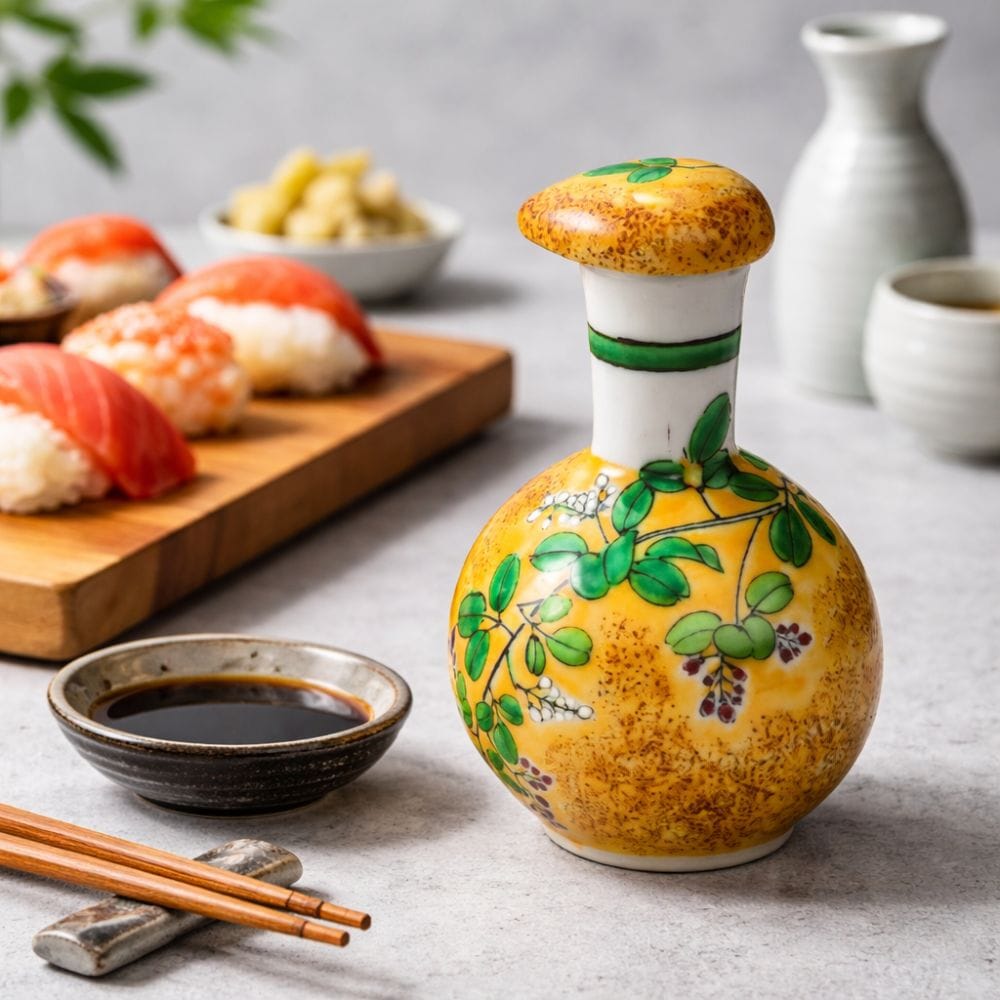
Read the articleIn Japan, a soy sauce dispenser is commonly known as a shōyu-sashi. It is designed to make small, controlled pours easy at the table, whether seasoning sushi, rice, tofu or shared dishes.
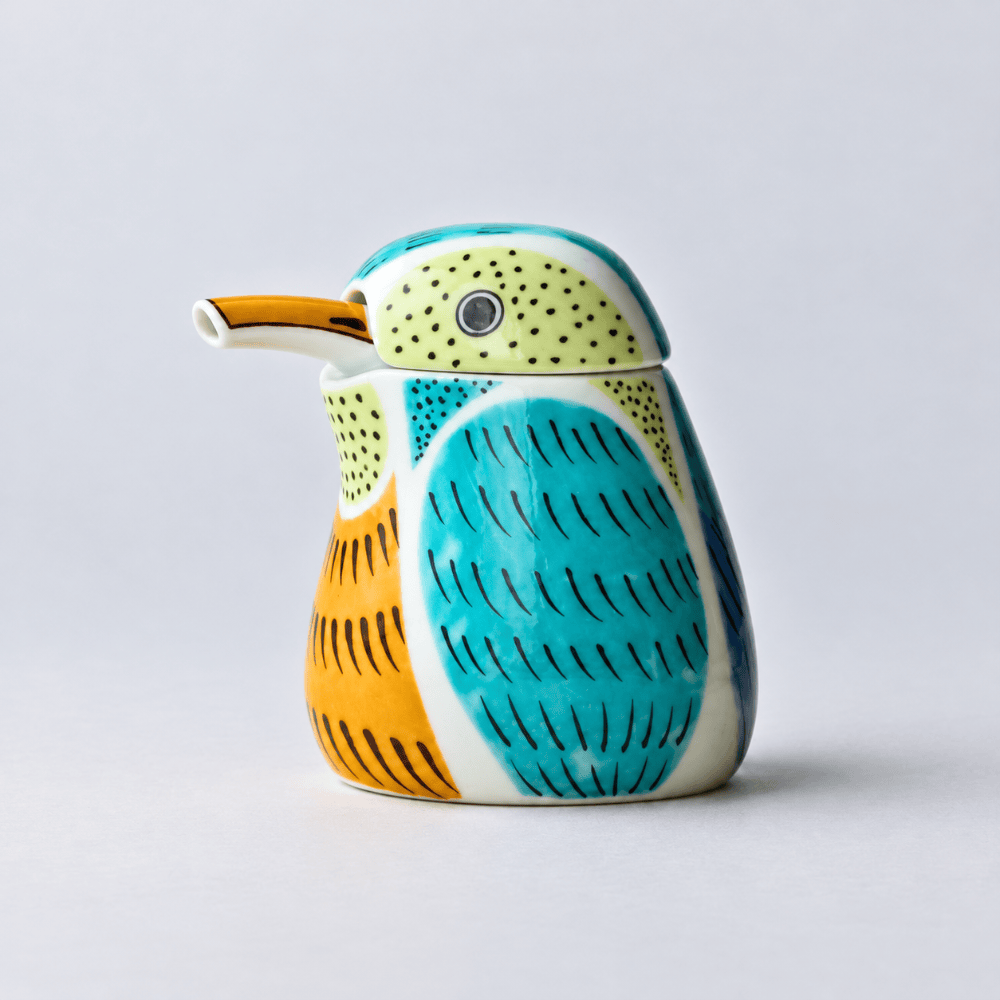
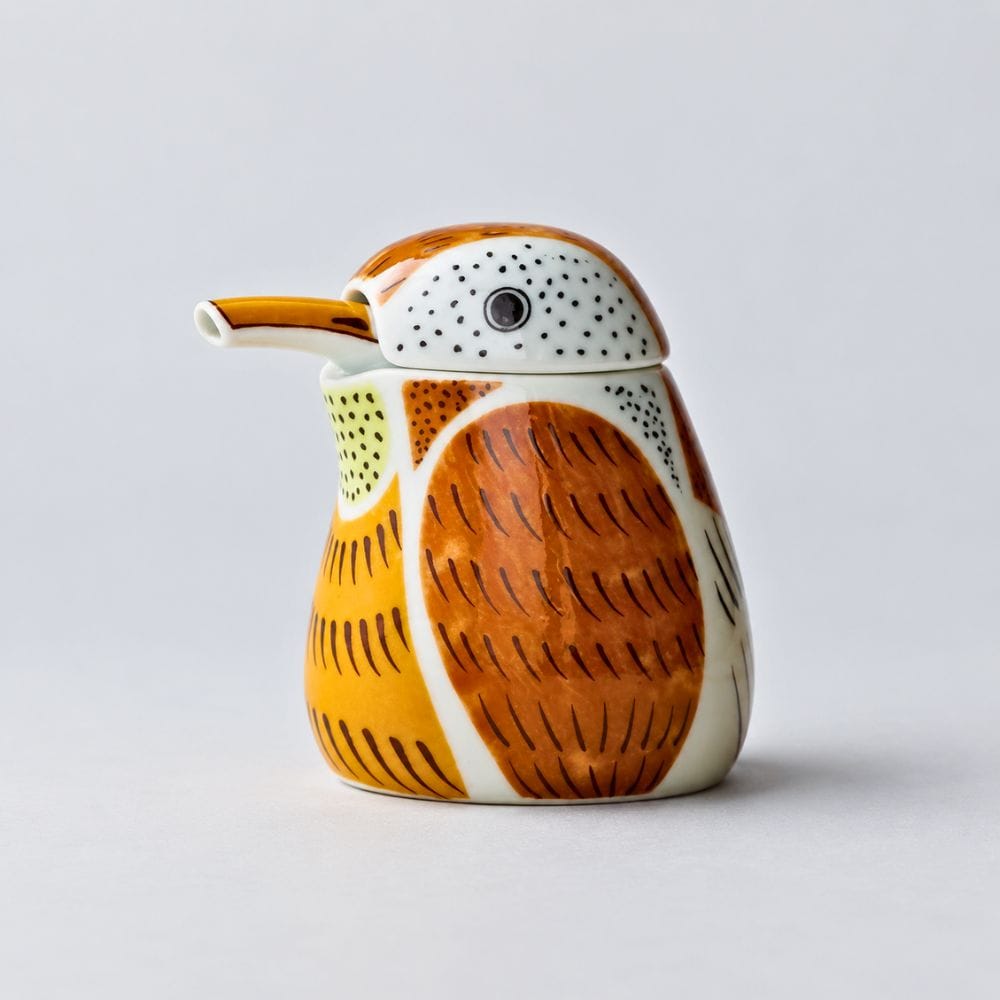
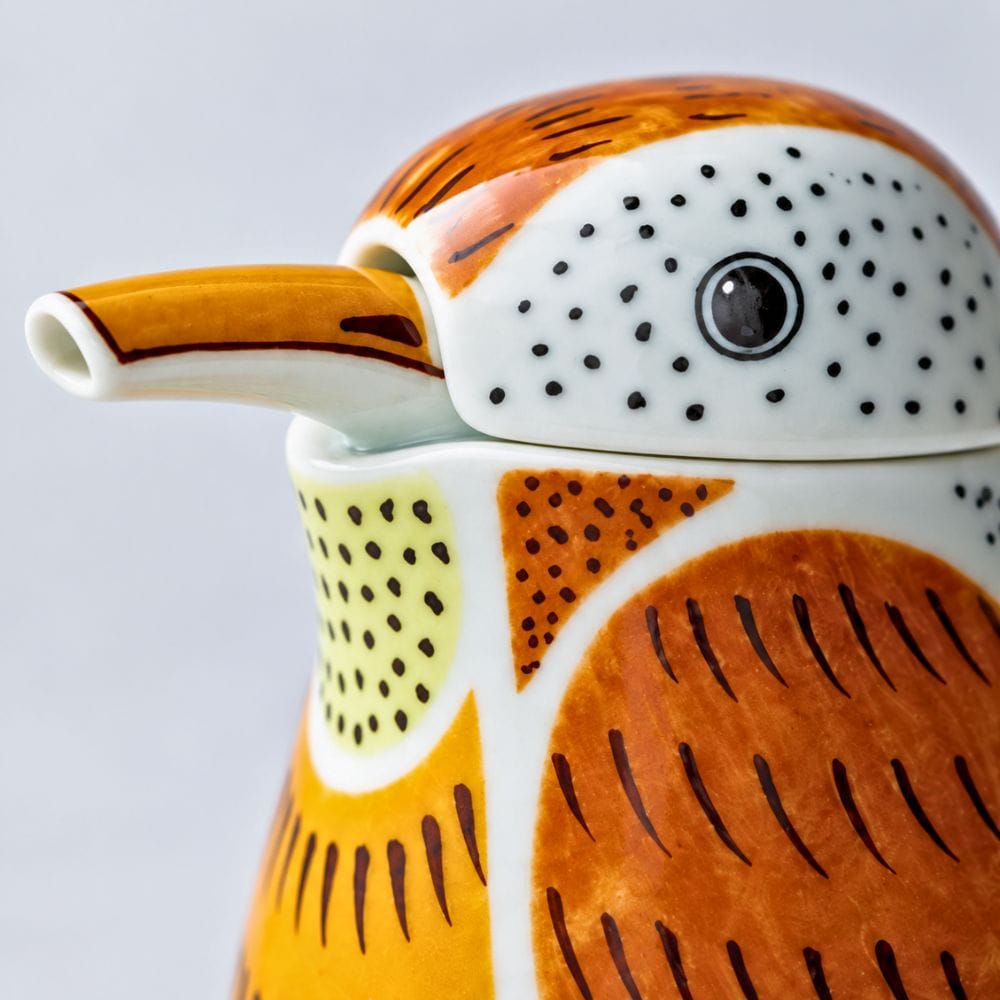
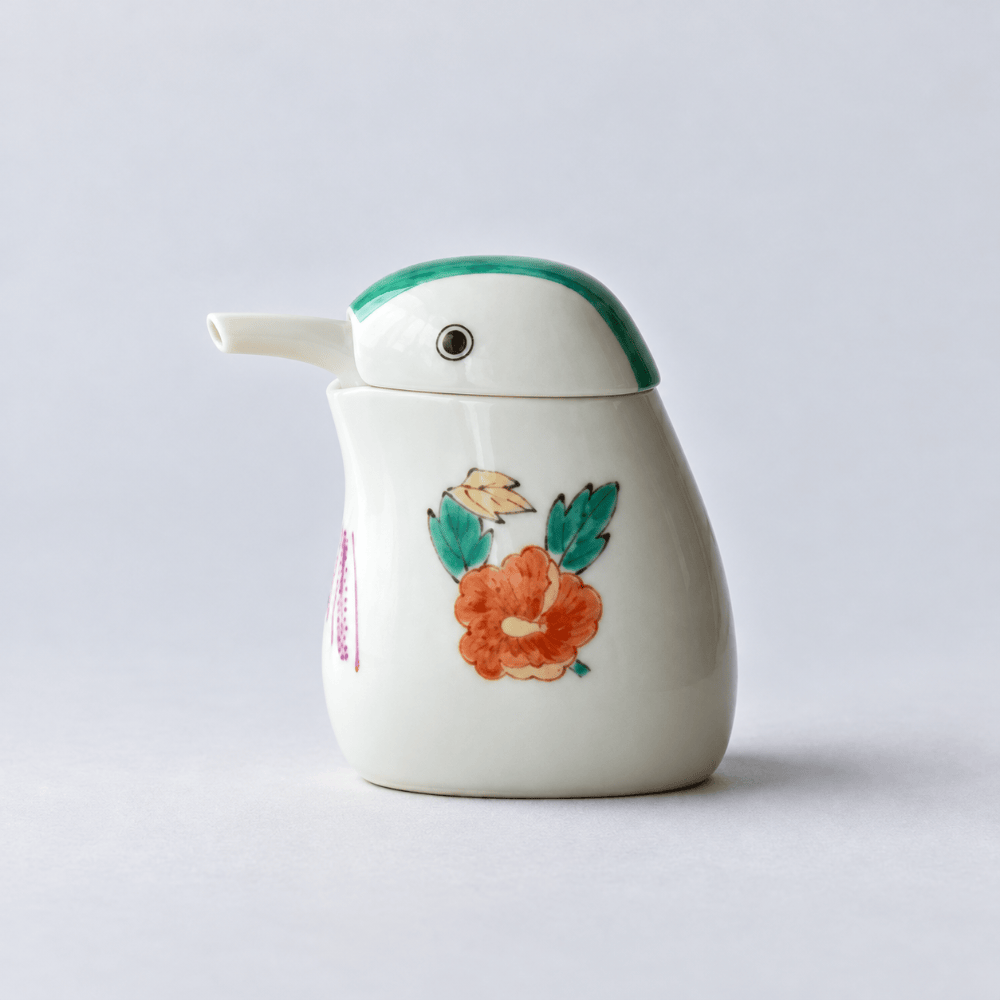
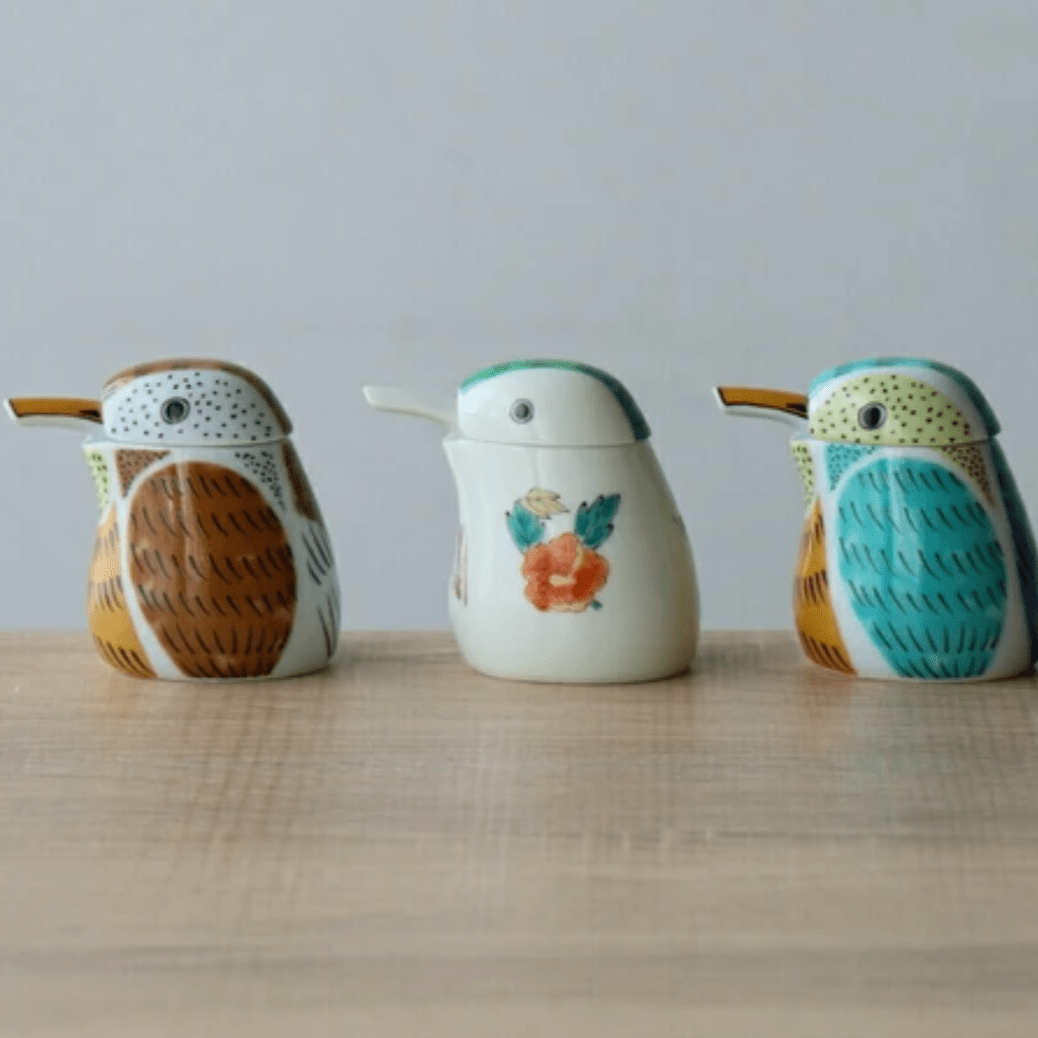
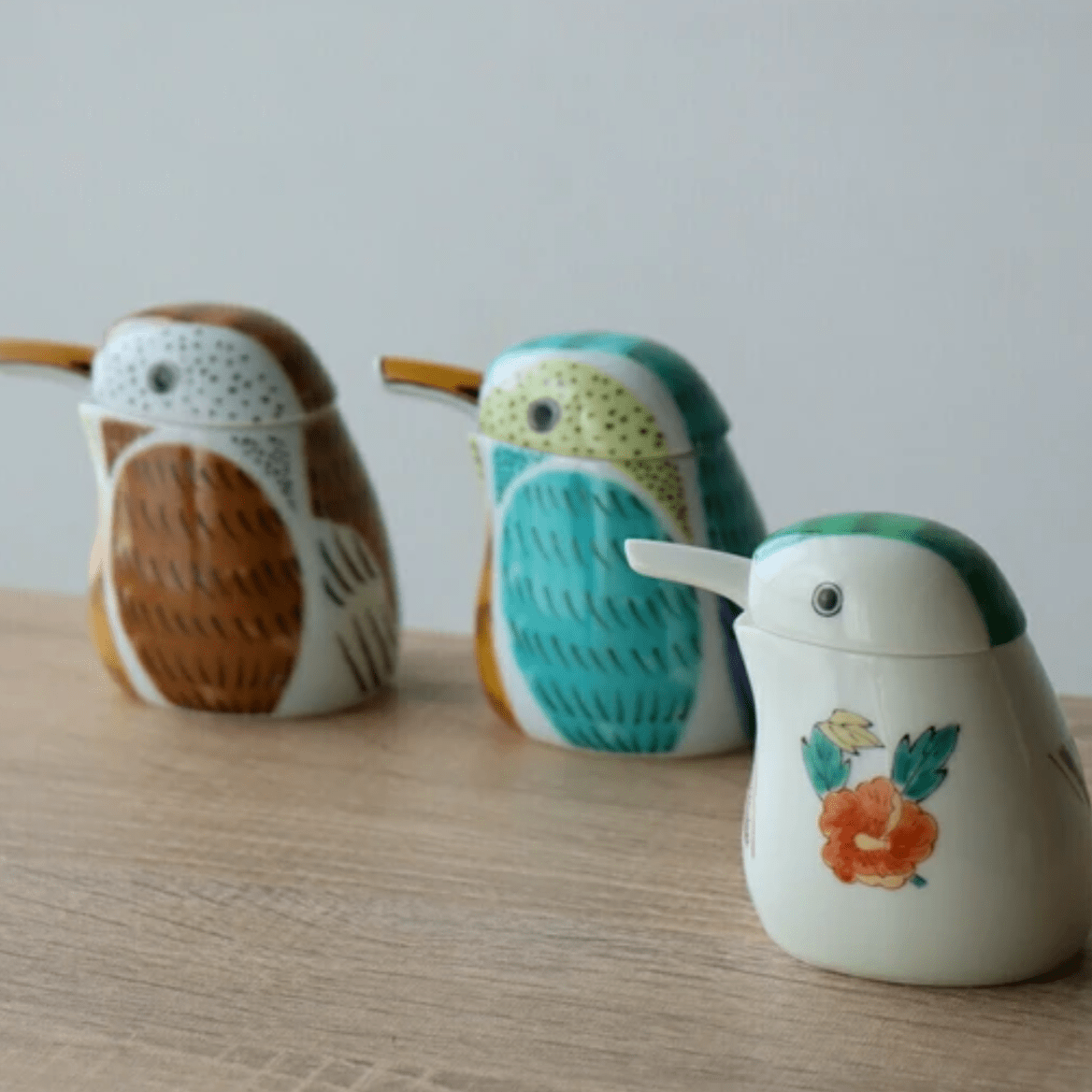
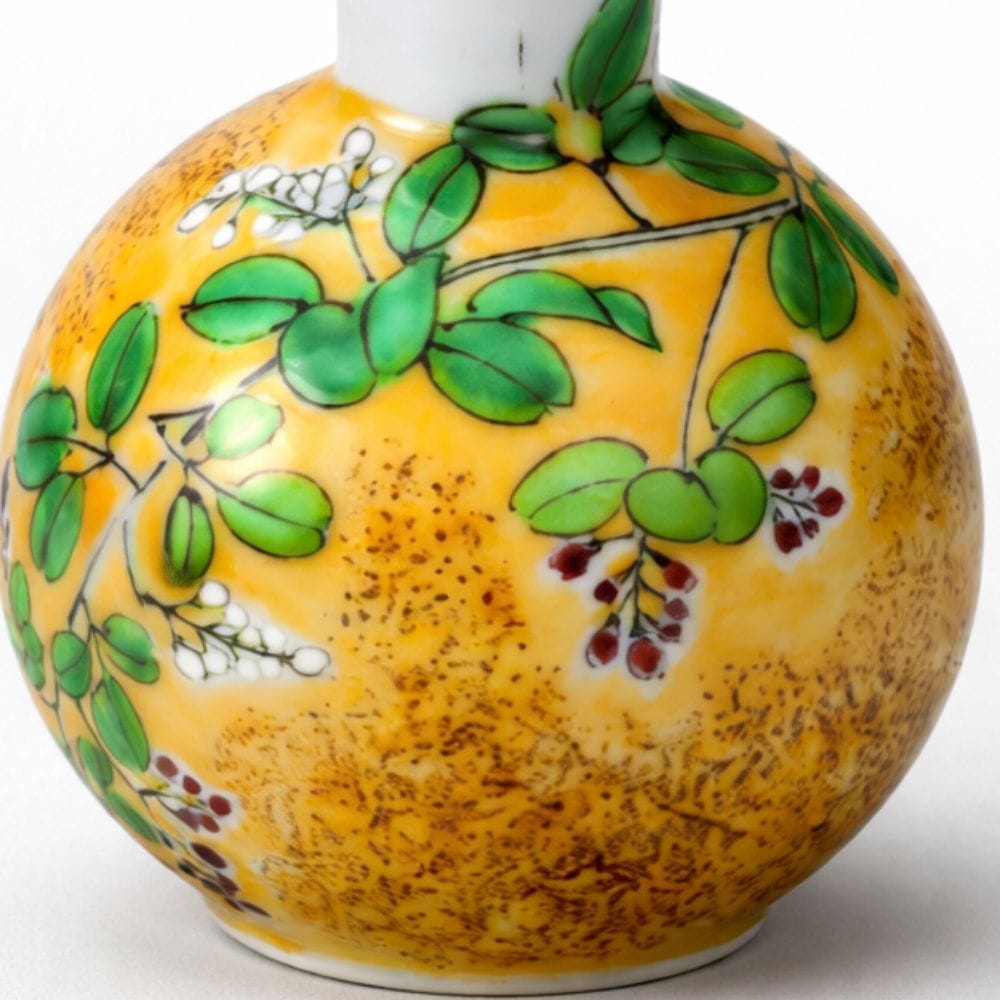
Japanese dispensers range from quiet everyday forms to highly decorative porcelain pieces. Regional traditions such as Arita, Kutani and Seto bring different approaches to shape, glaze and decoration, giving each piece its own character.
A good dispenser balances appearance with function. Spout shape, lid fit, weight and the way the vessel sits in the hand all affect how comfortably and precisely it pours during everyday use.
Practical answers to help you choose and use a Japanese soy sauce dispenser.
Shōyu-sashi is the Japanese term for a soy sauce dispenser. It is a small table vessel designed to hold soy sauce and allow controlled pouring directly onto food or into a dipping dish.
A well-designed dispenser should feel comfortable in the hand and provide a controlled pour. Spout shape, lid fit, balance and capacity all influence how easy it is to use at the table.
Many can also be used for other light liquid seasonings such as ponzu or vinegar. We recommend checking the individual product information, especially for thicker sauces or strongly acidic liquids.
Arita ware is especially associated with fine porcelain and precise forms, while Kutani ware is known for richly decorated surfaces and expressive color. Both traditions produce distinctive tableware, but their visual character can be quite different.
Yes. The dispensers in this collection are made in Japan and selected from Japanese kilns, workshops and specialist makers. Product pages provide the specific ware, region or kiln information where available.
Pair your soy sauce dispenser with plates, bowls and chopsticks selected for the everyday Japanese table.