








 01
How to Choose a Japanese Knife
Gyuto, Santoku, Petty and more: understand the different Japanese knife shapes and find the blade that best suits the way you cook.
Read the guide
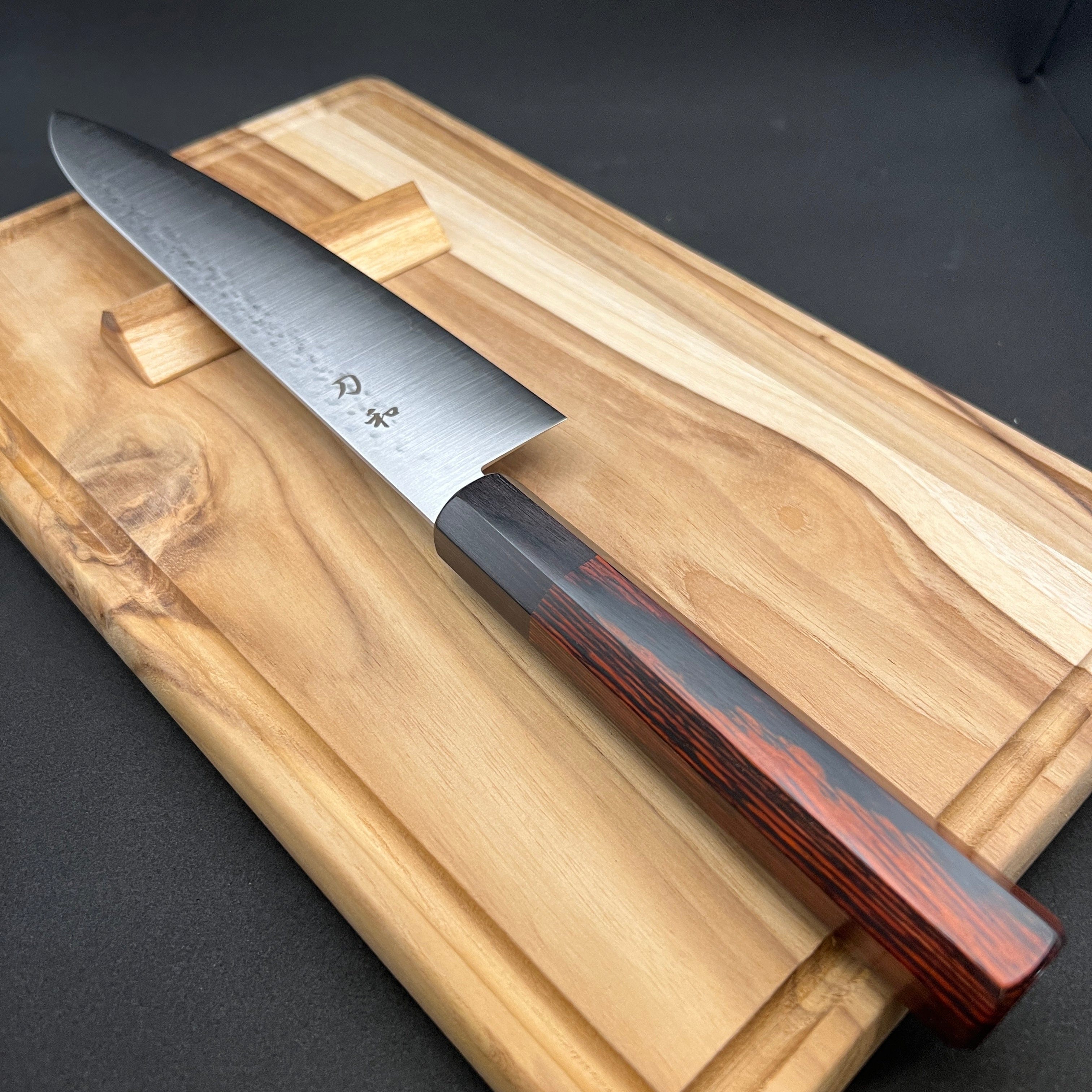
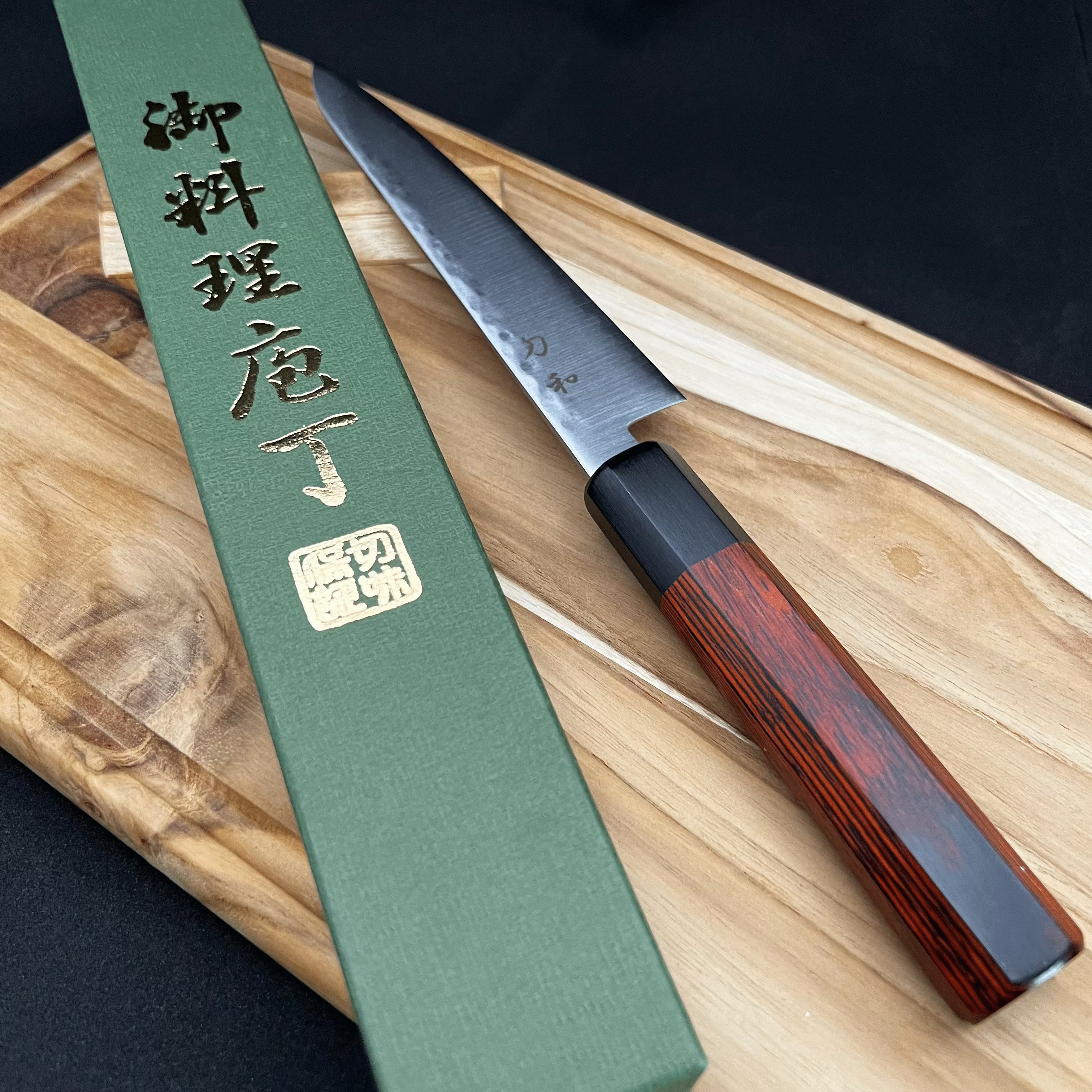
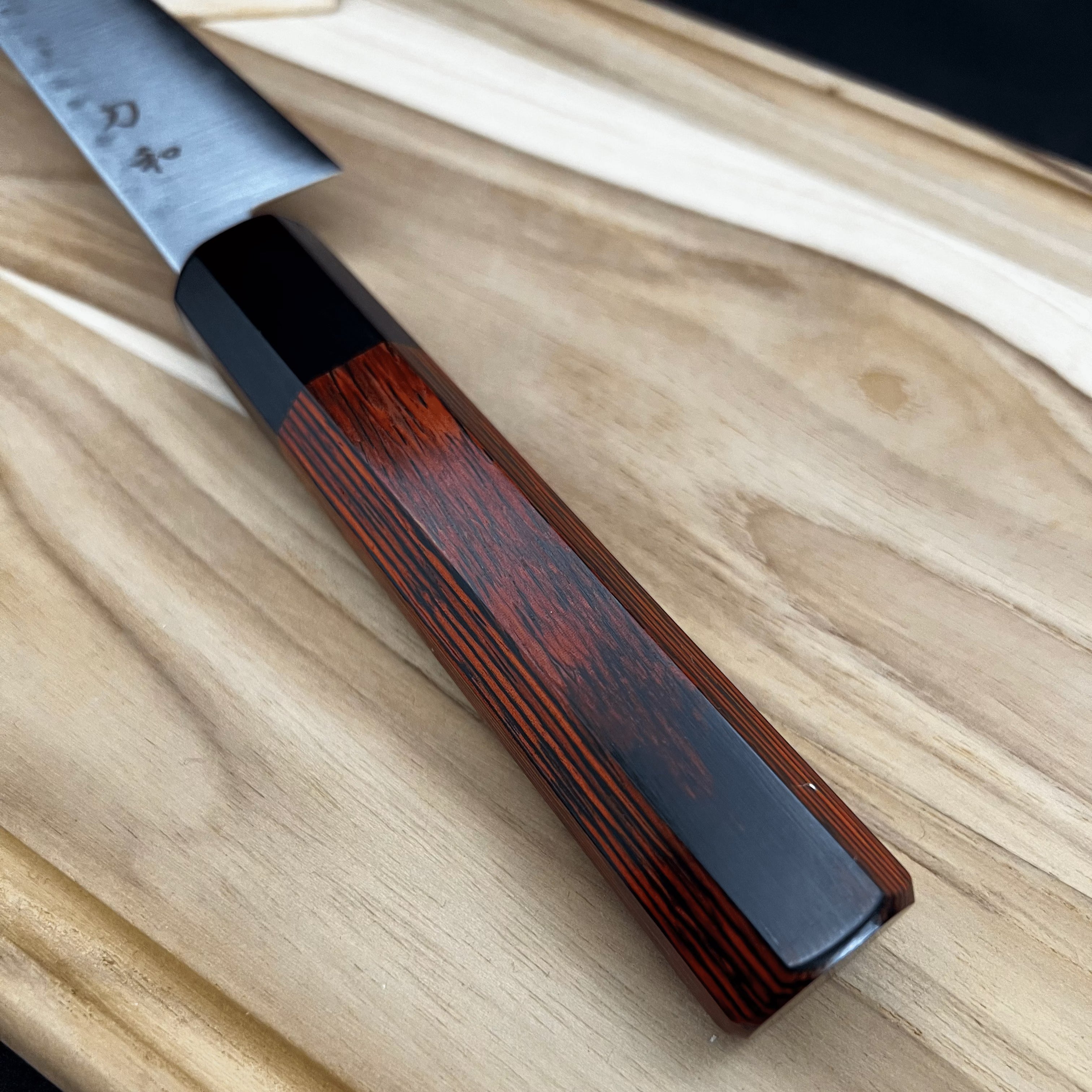
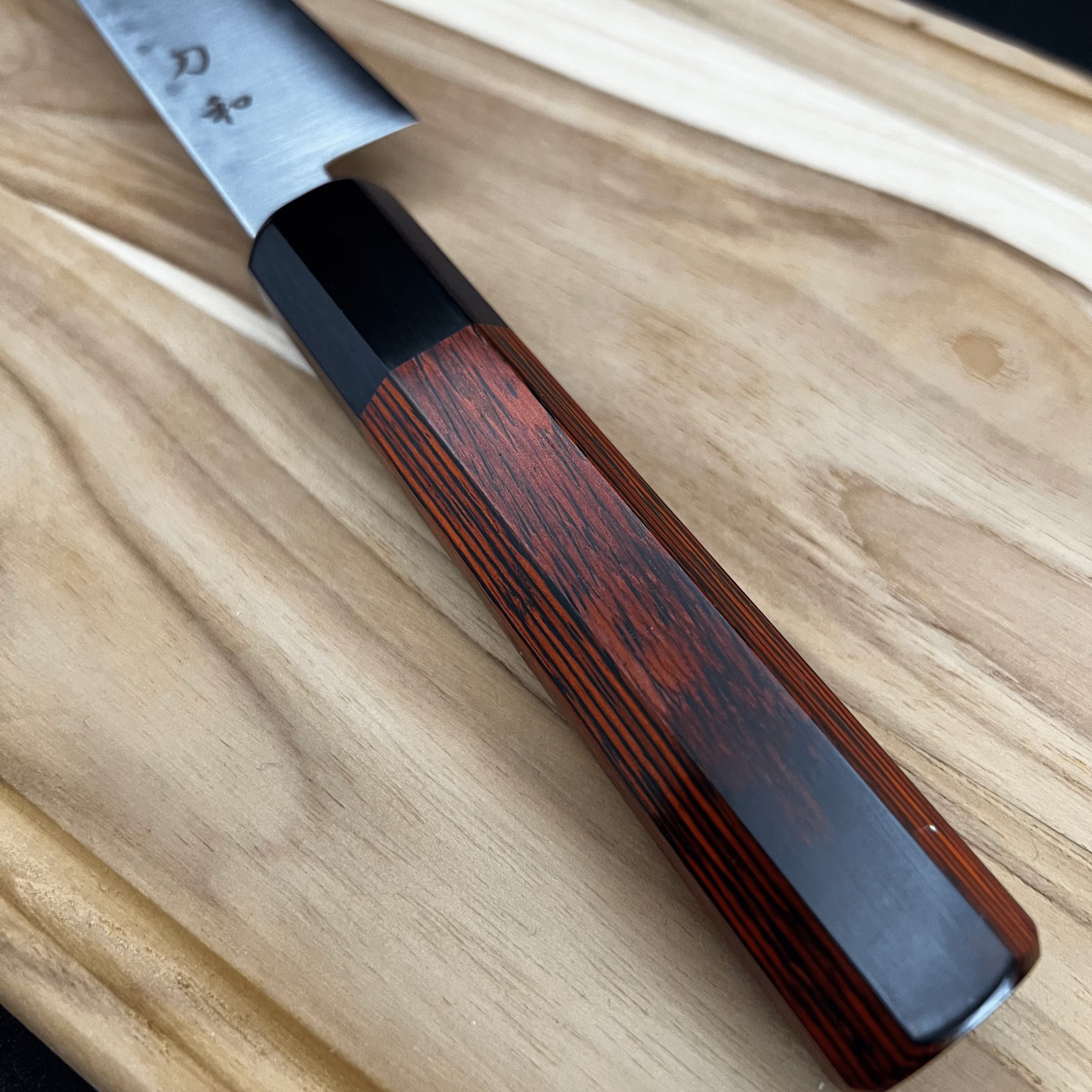
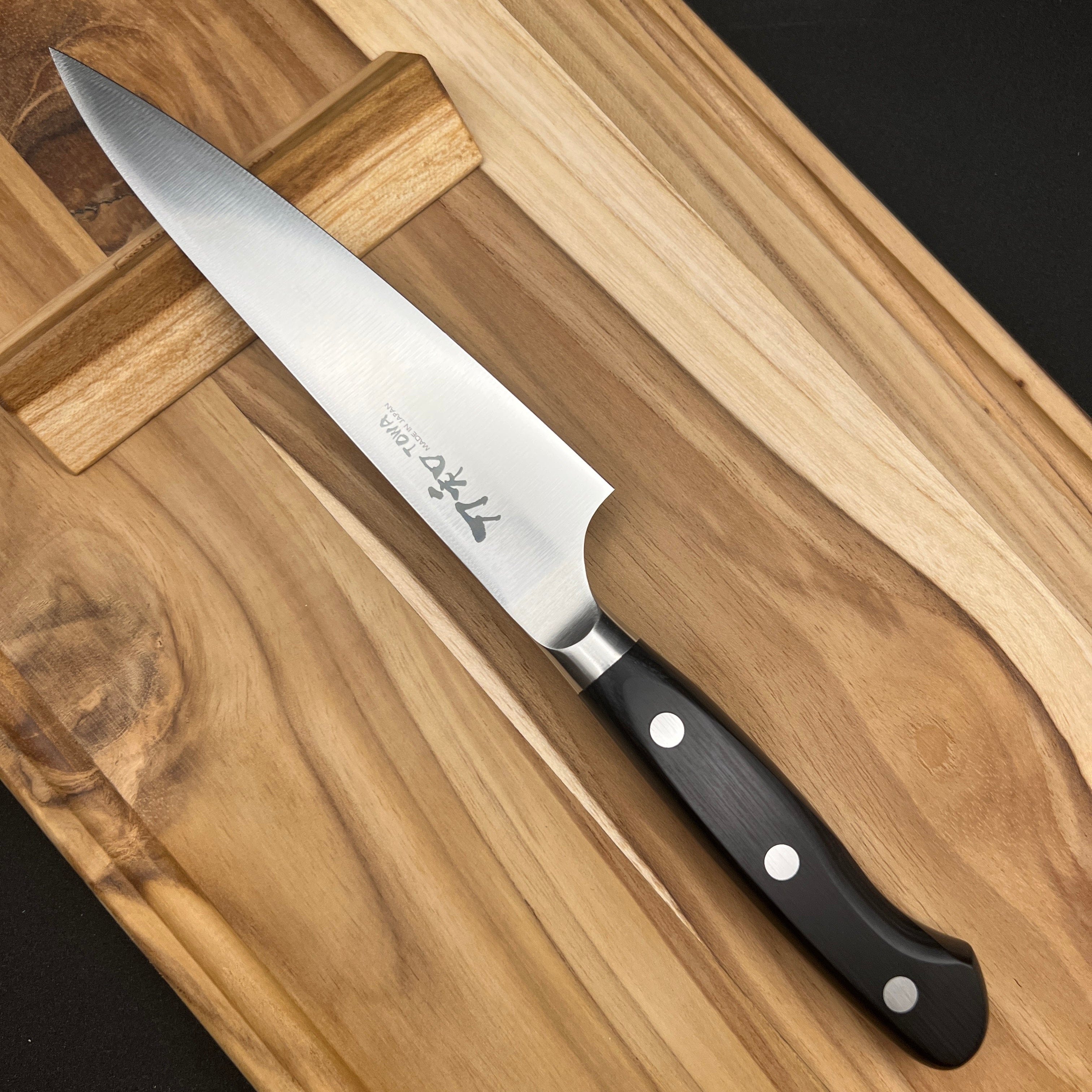
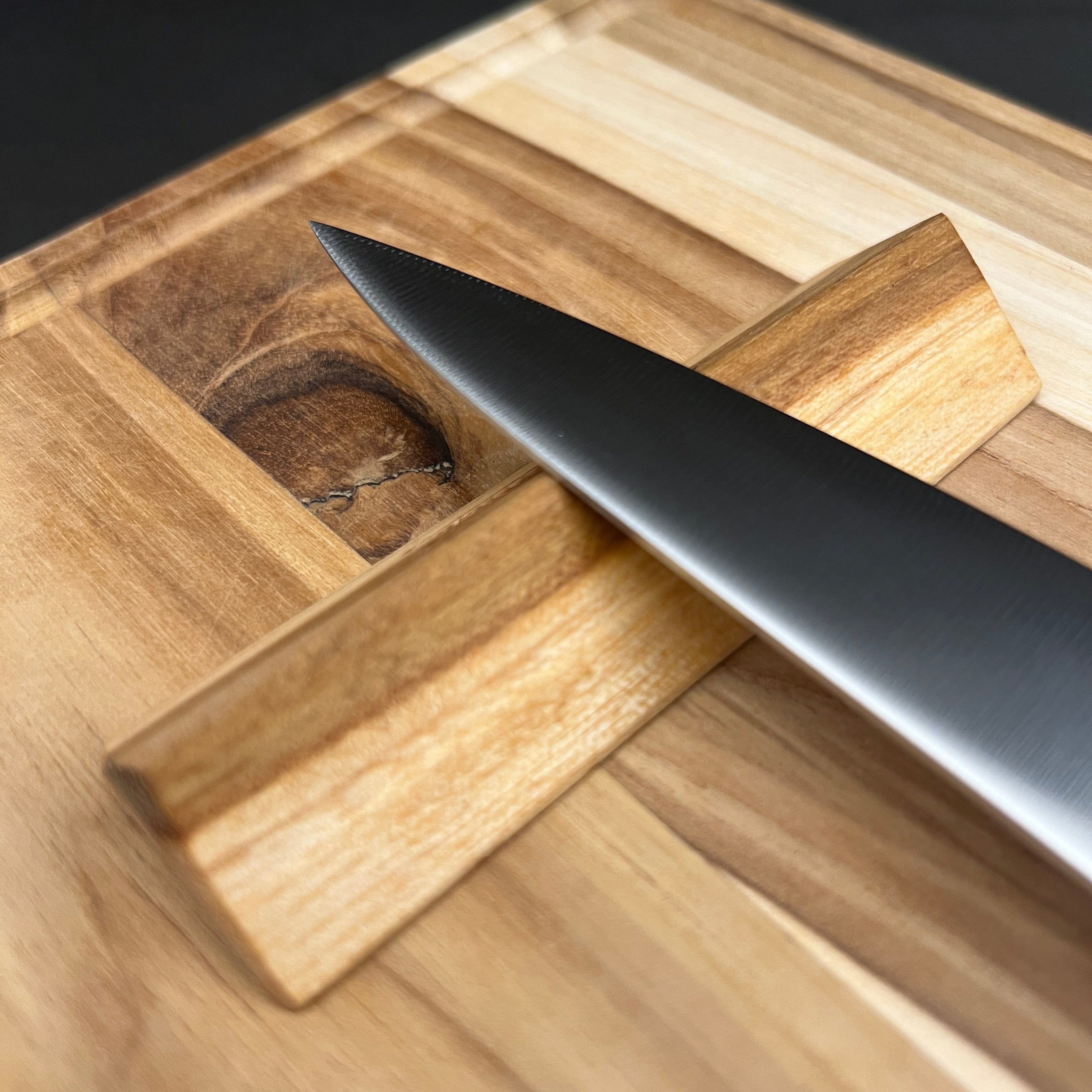
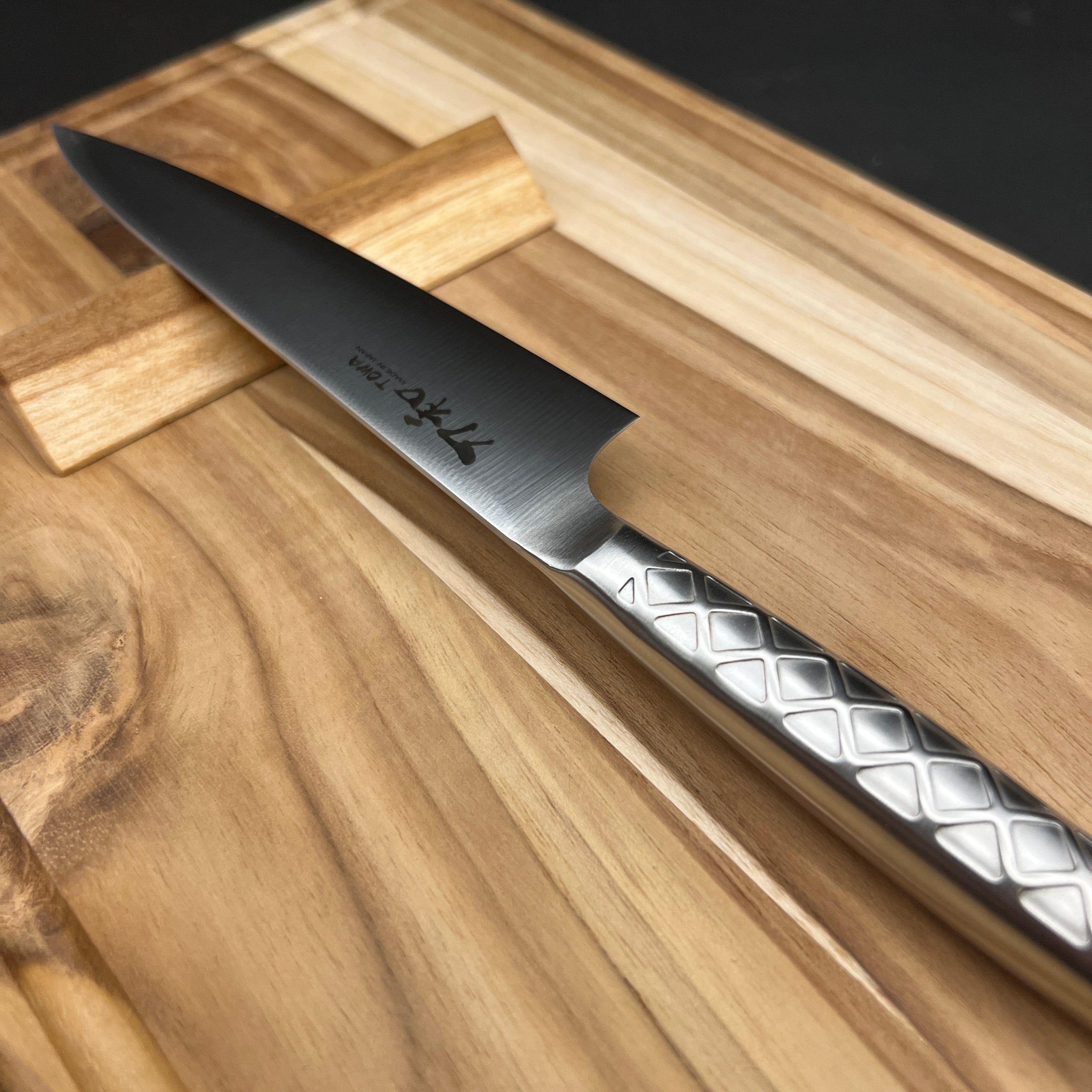
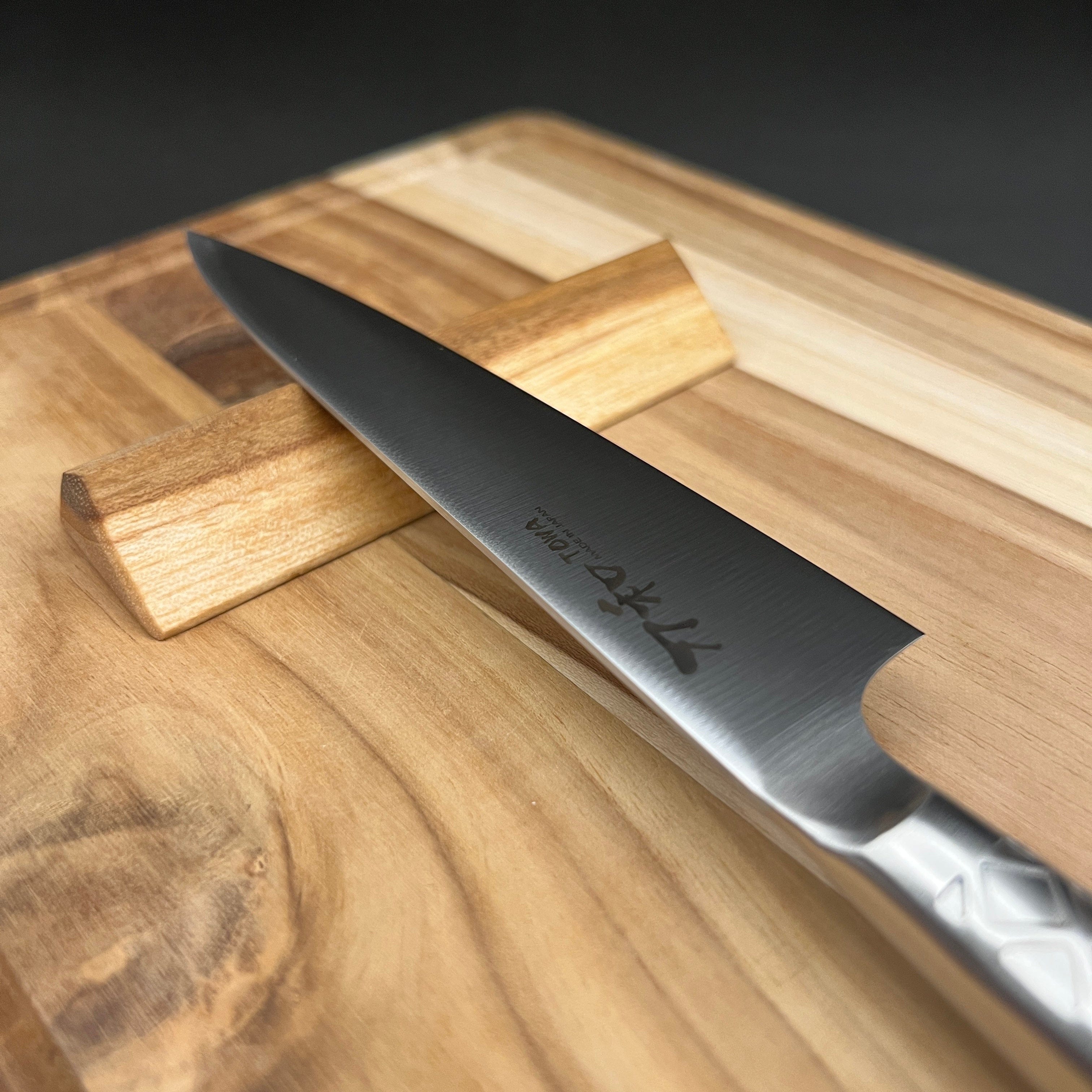
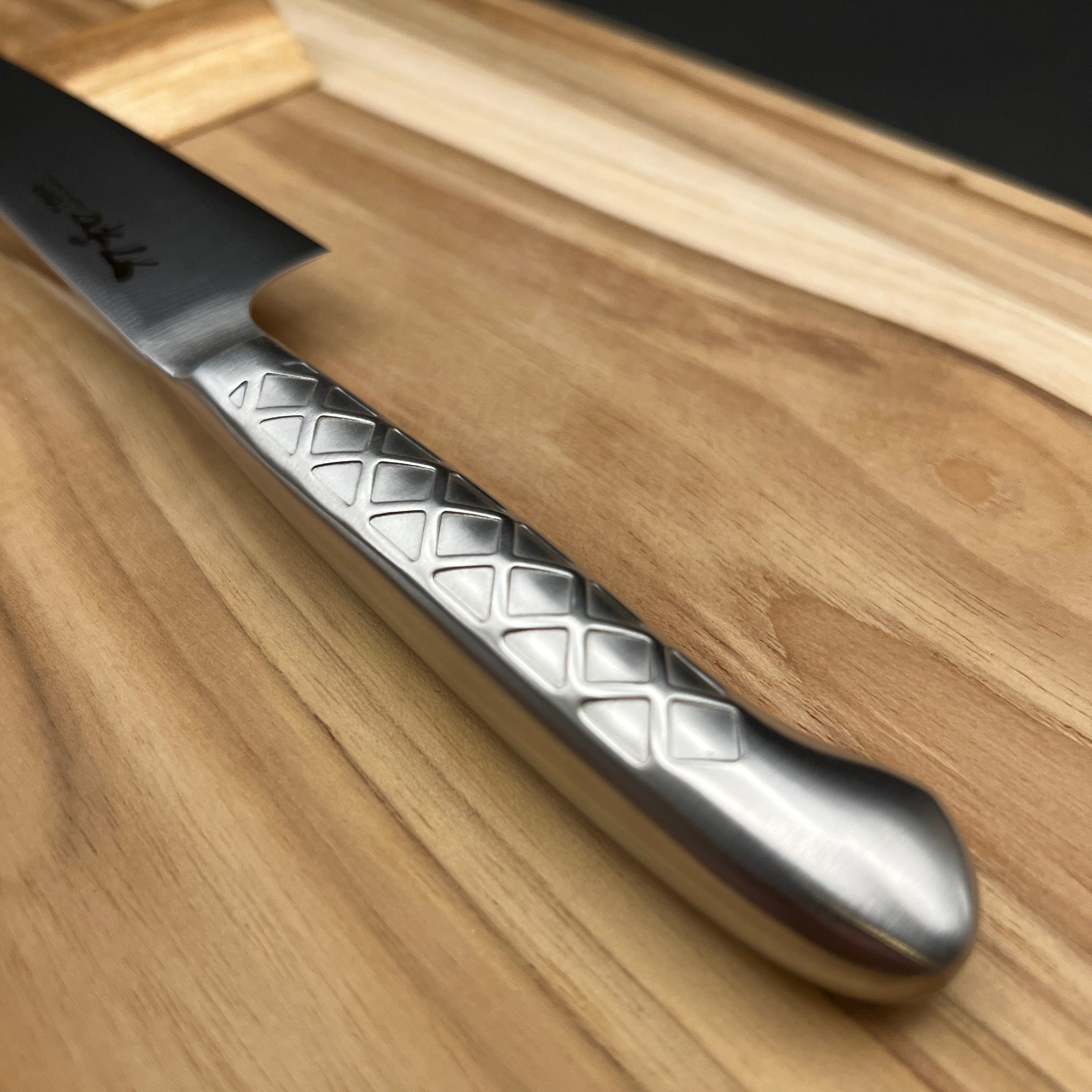
Sword Japanese Hammer-Eye Octagonal Petty Knife – 5.9 inches (15 cm), Red
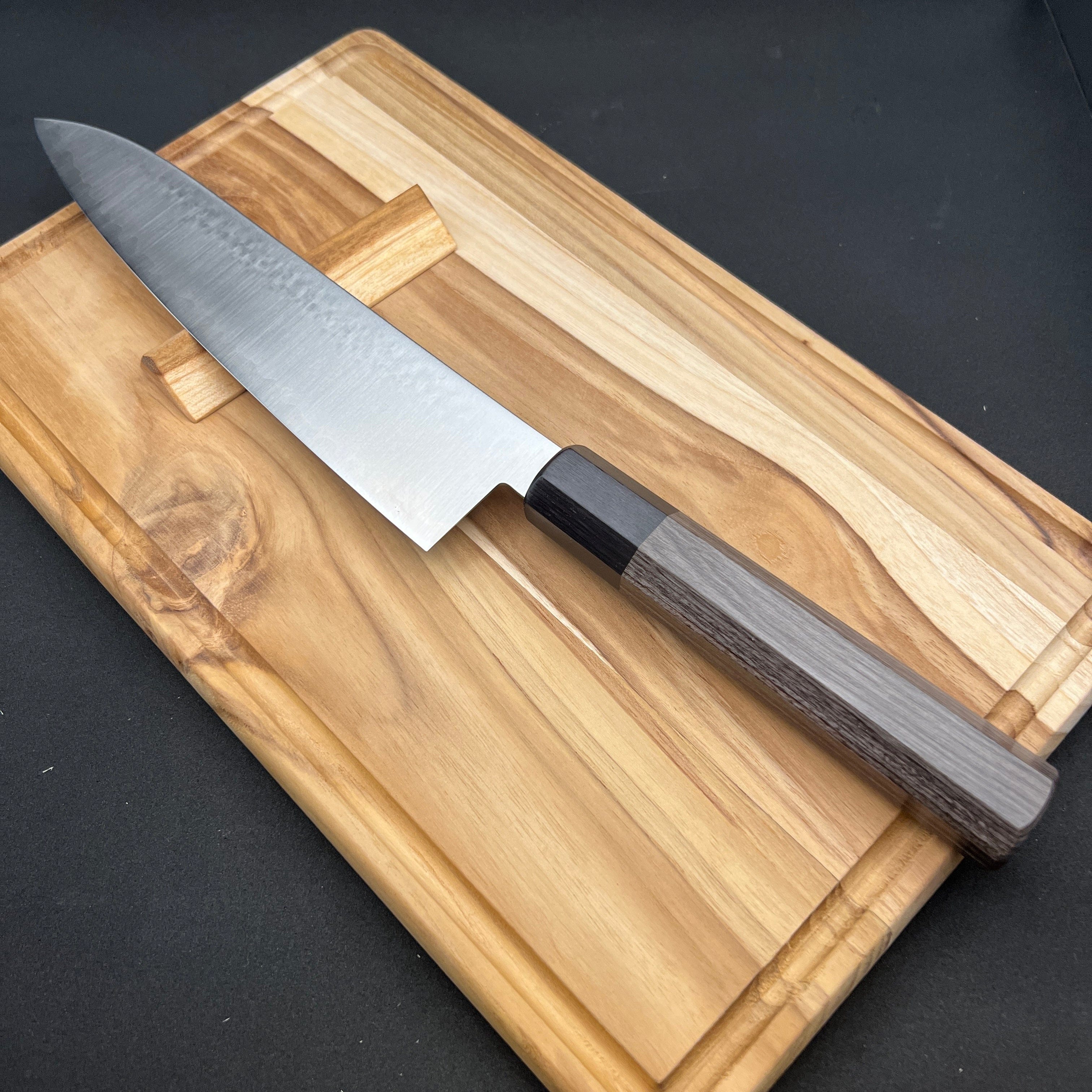
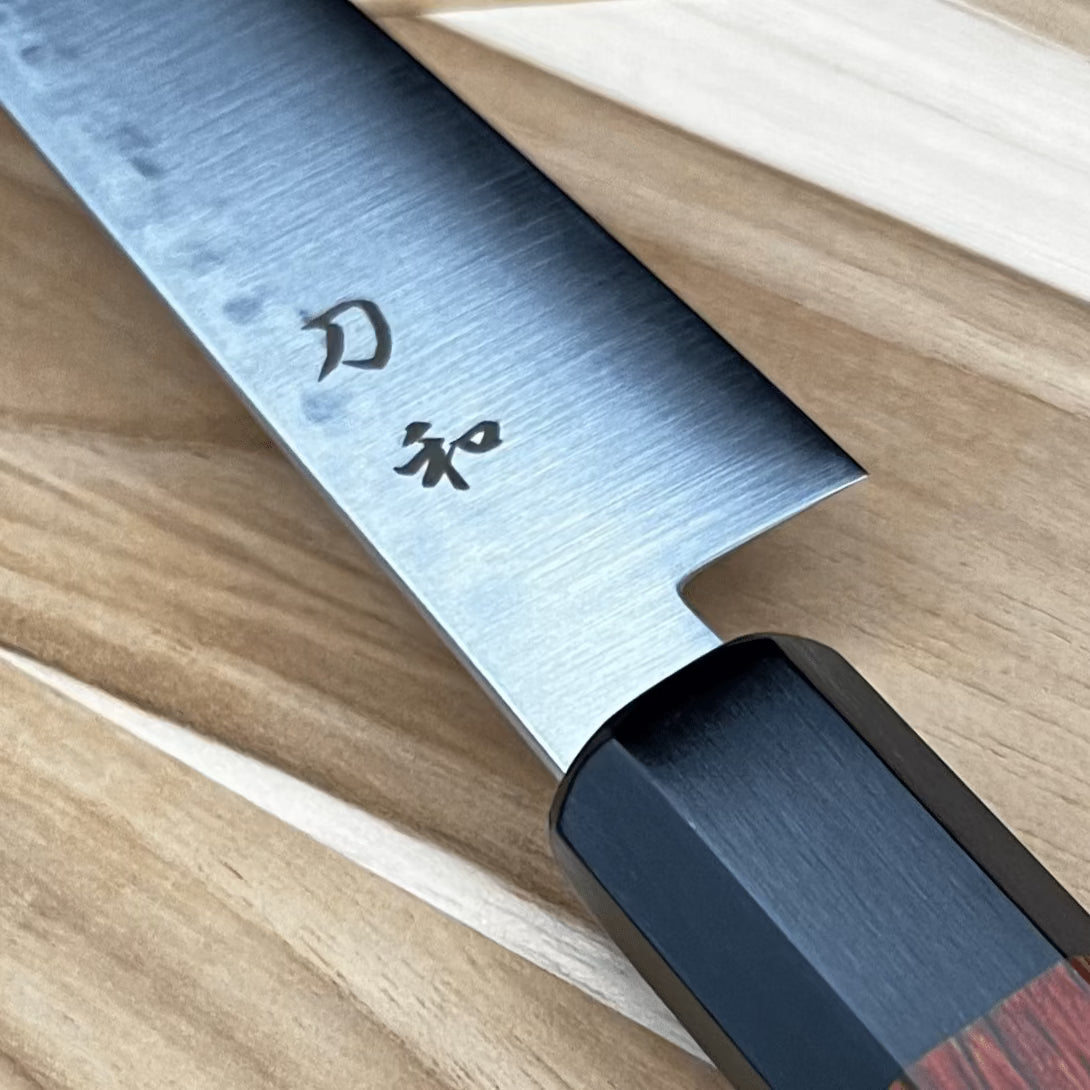
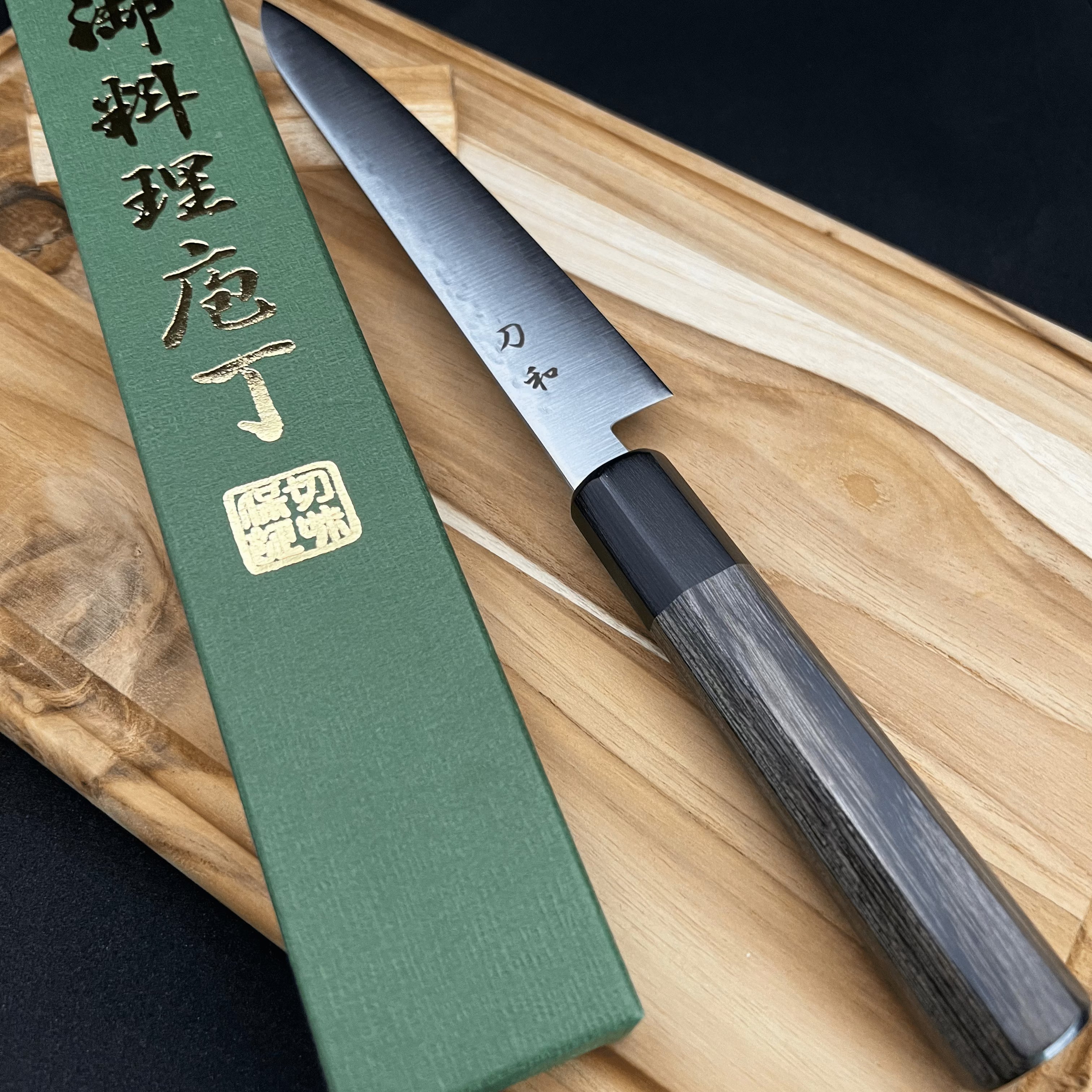
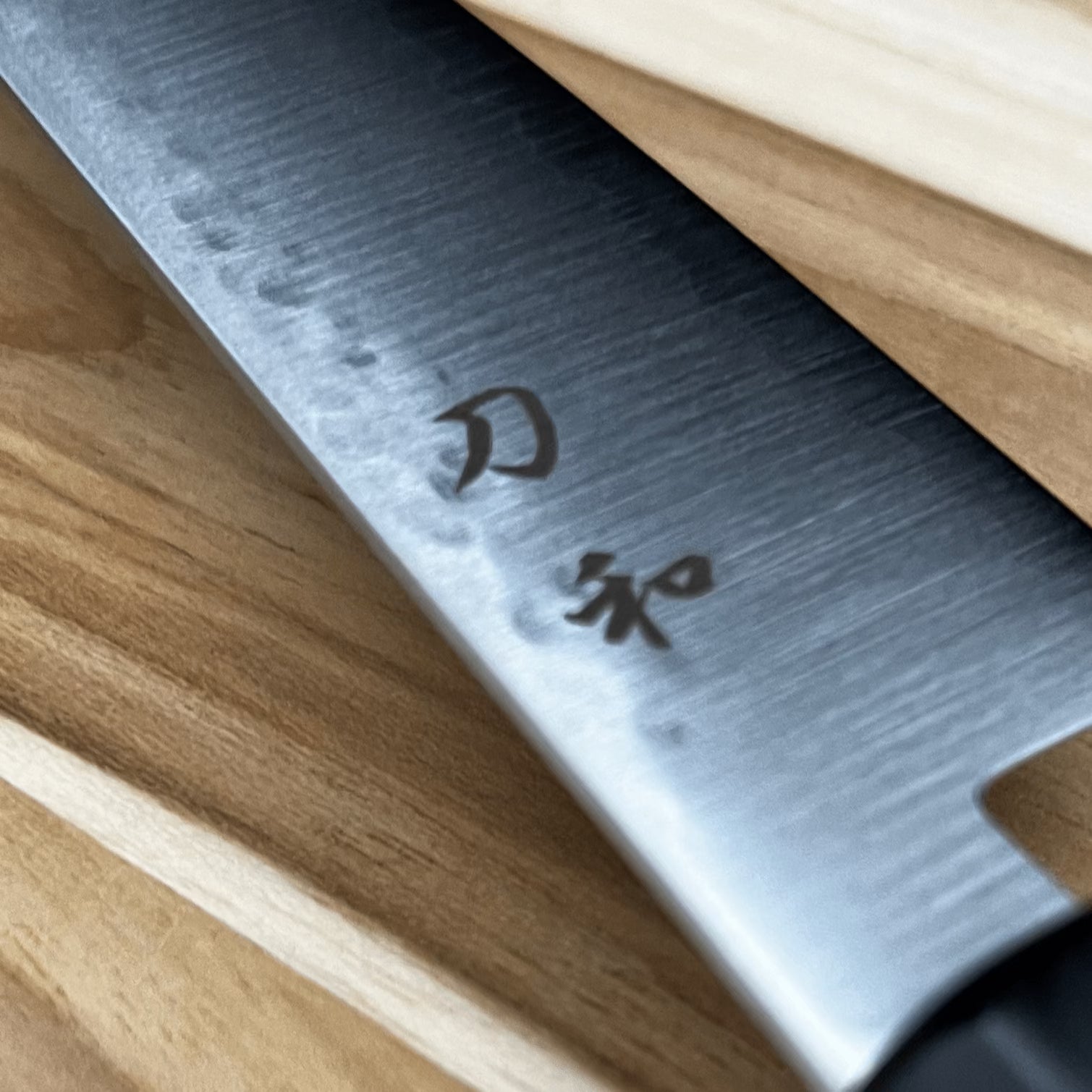
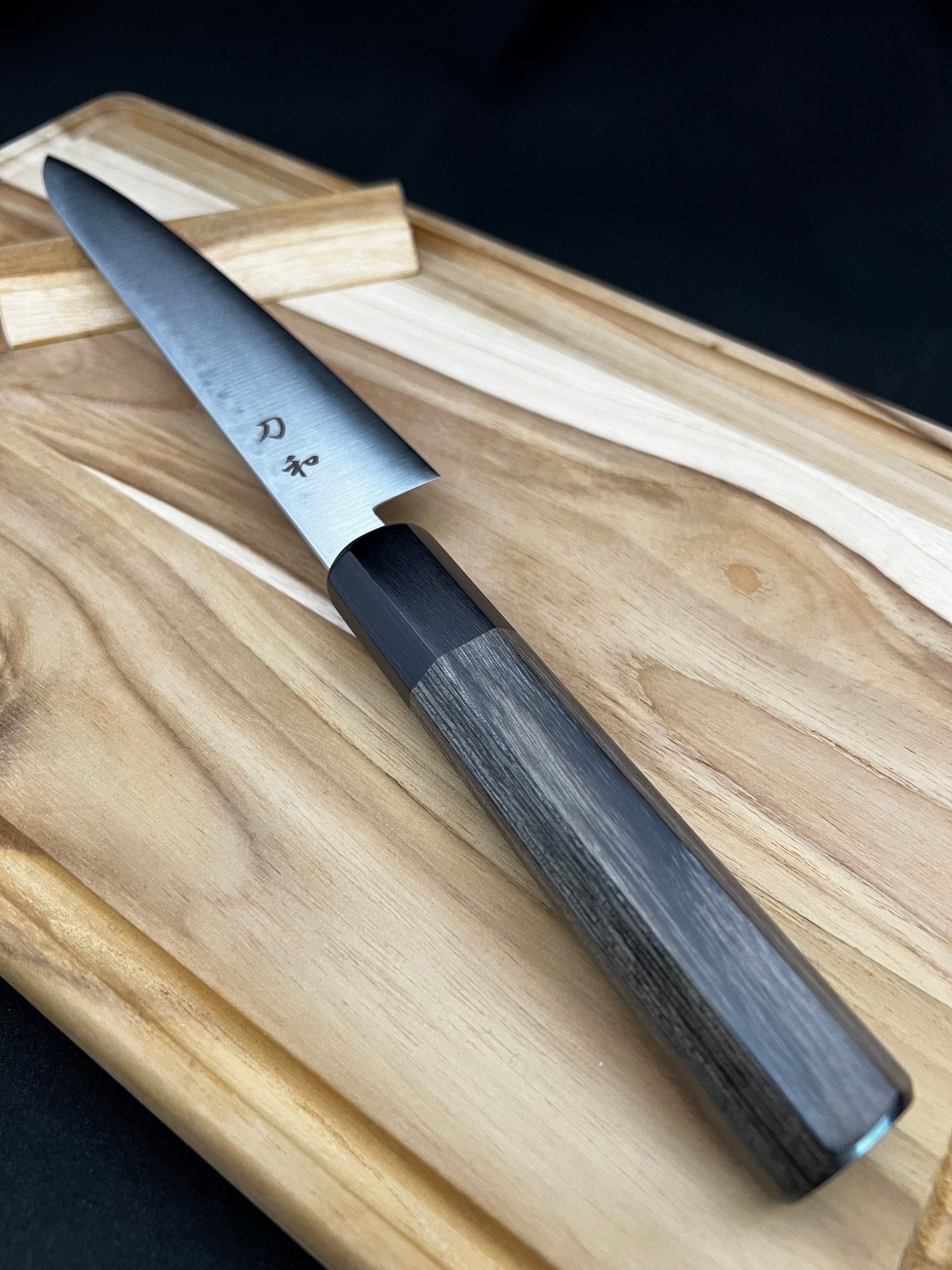
Sword Japanese Hammer-Eye Octagonal Petty Knife – 5.9 inches (15 cm), Gray
Practical guides to help you choose the right Japanese knife, understand its purpose and keep its edge performing beautifully.
01
Gyuto, Santoku, Petty and more: understand the different Japanese knife shapes and find the blade that best suits the way you cook.
Read the guide 02
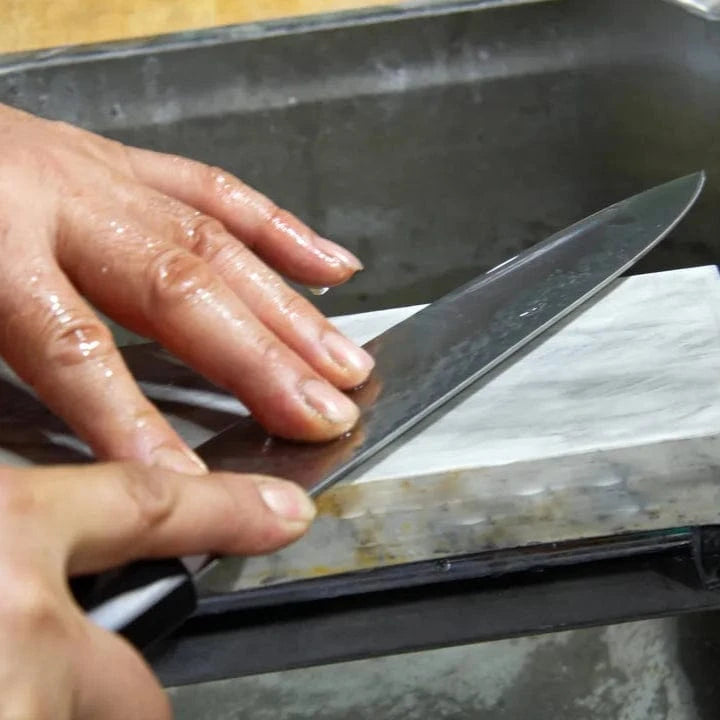
Learn how whetstones, sharpening angles and proper technique help maintain a clean, precise edge and extend the life of your Japanese knife.
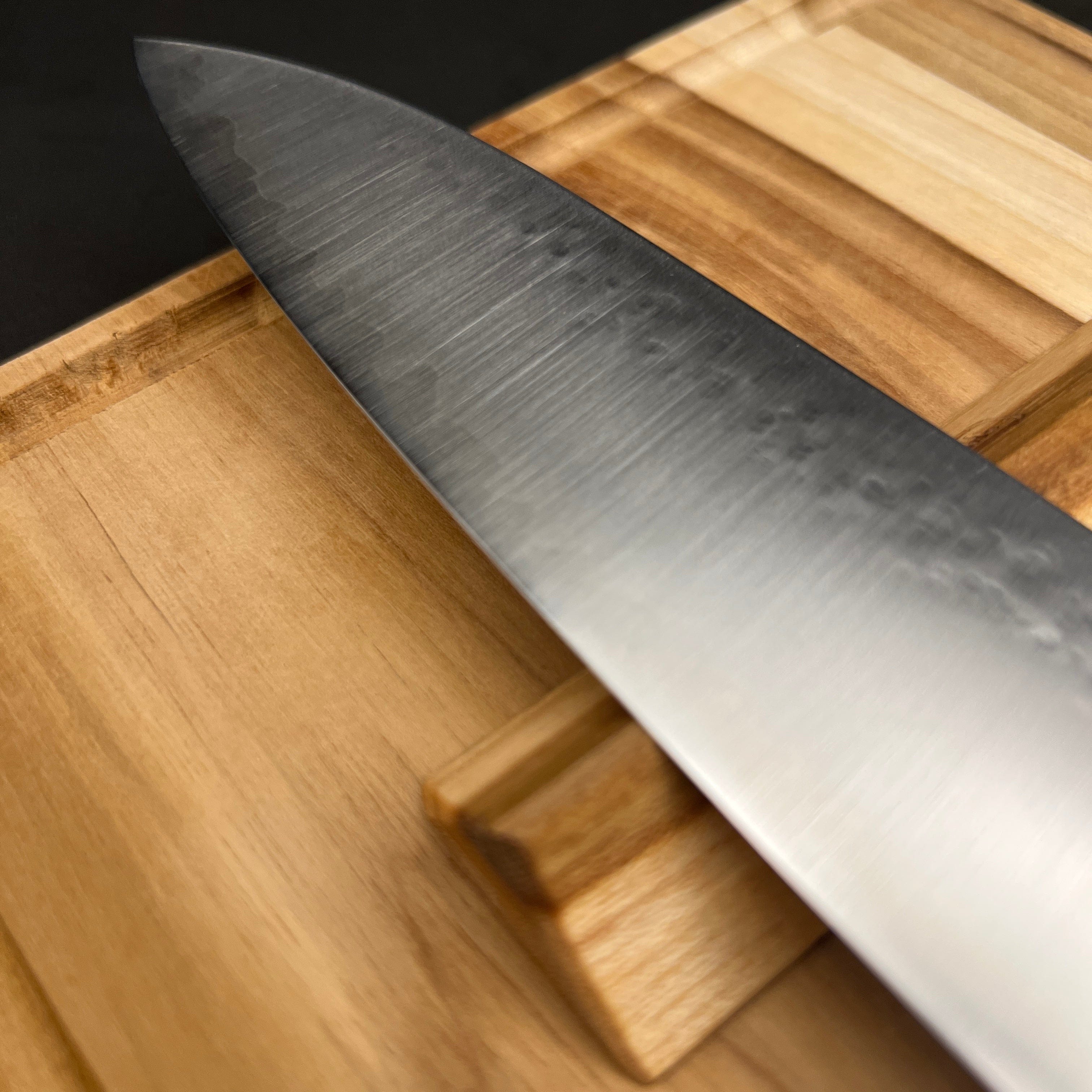
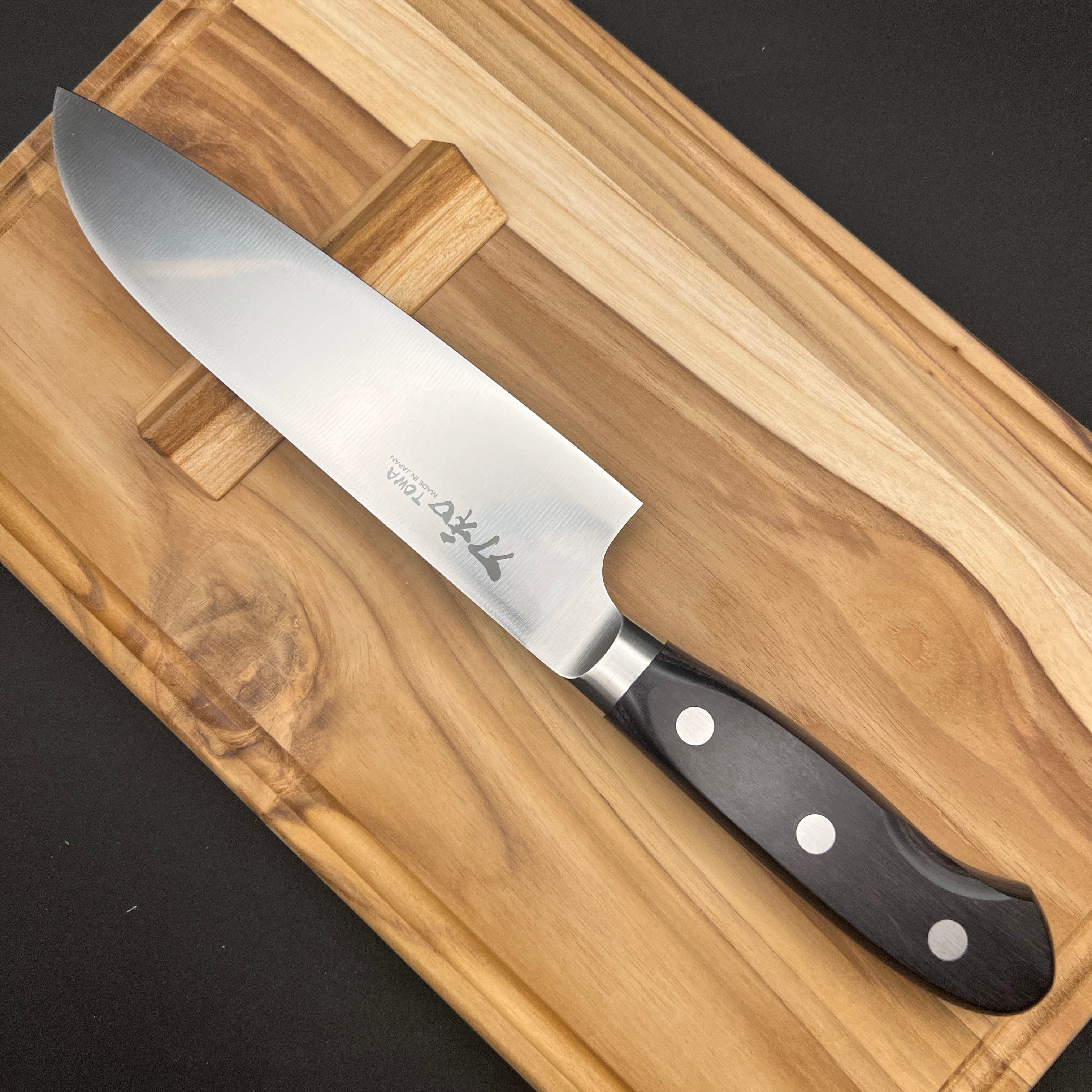
Read the guideA Japanese kitchen knife is designed around precision, balance and control. Blade length, profile, steel and handle all influence how the knife moves through ingredients and how it feels in the hand.
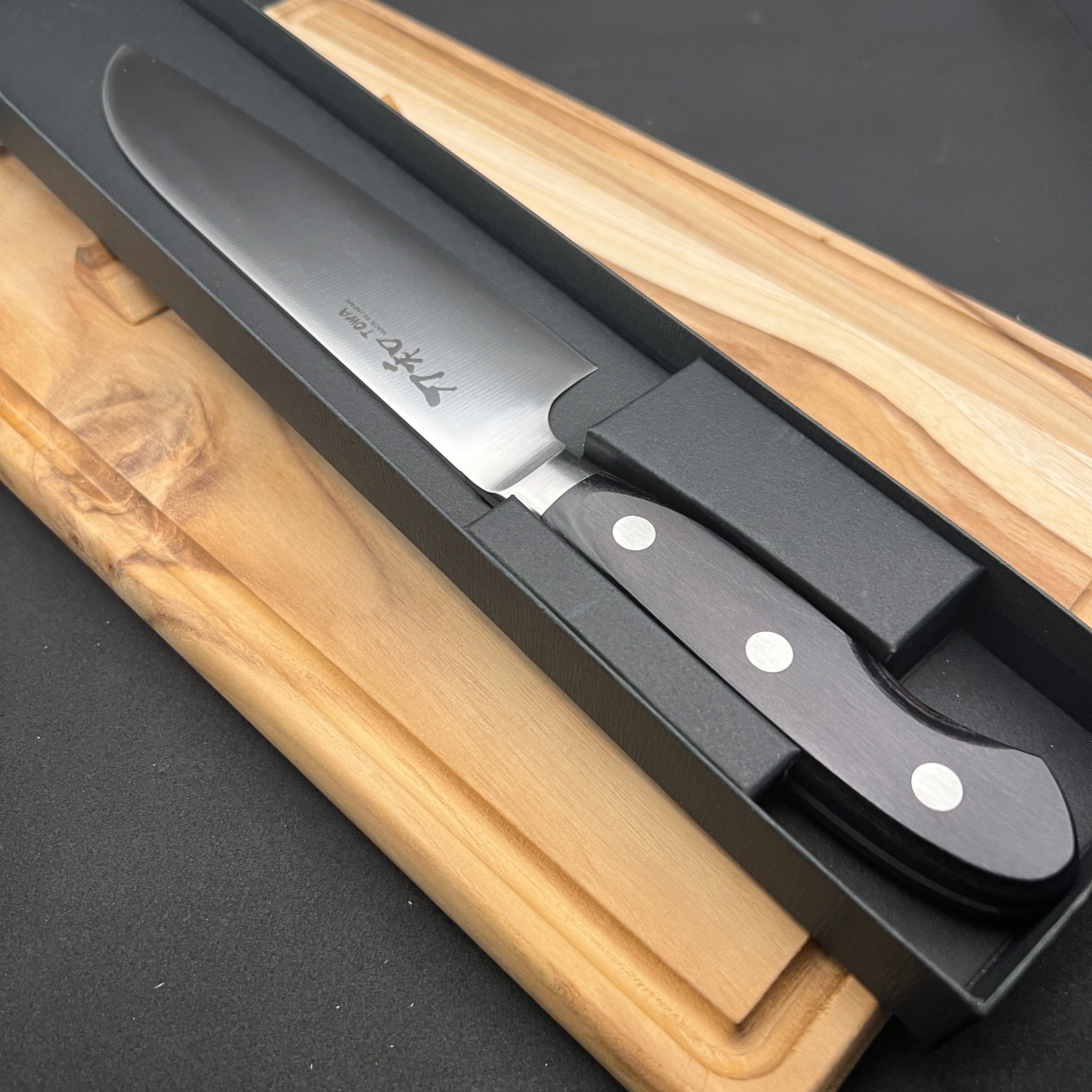
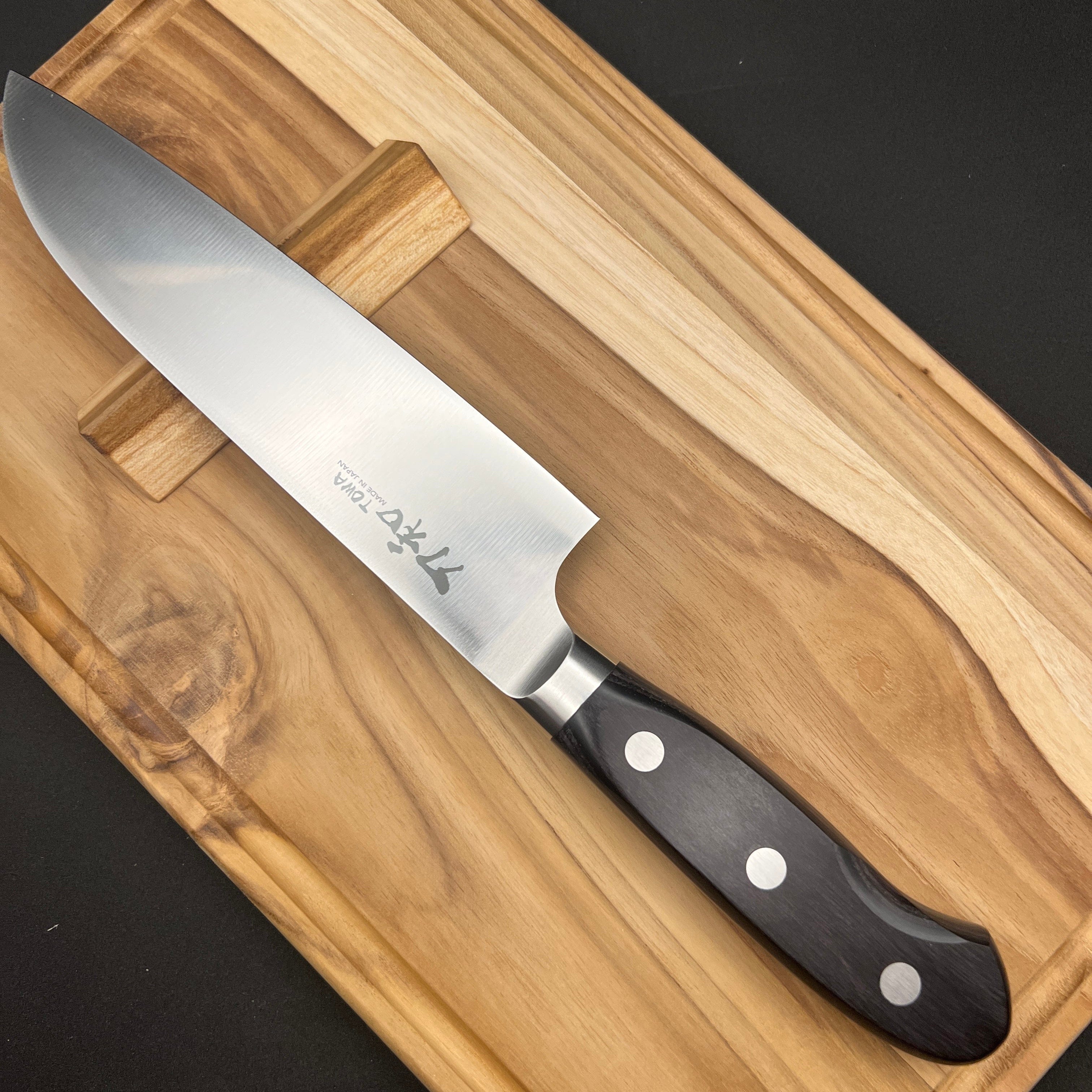
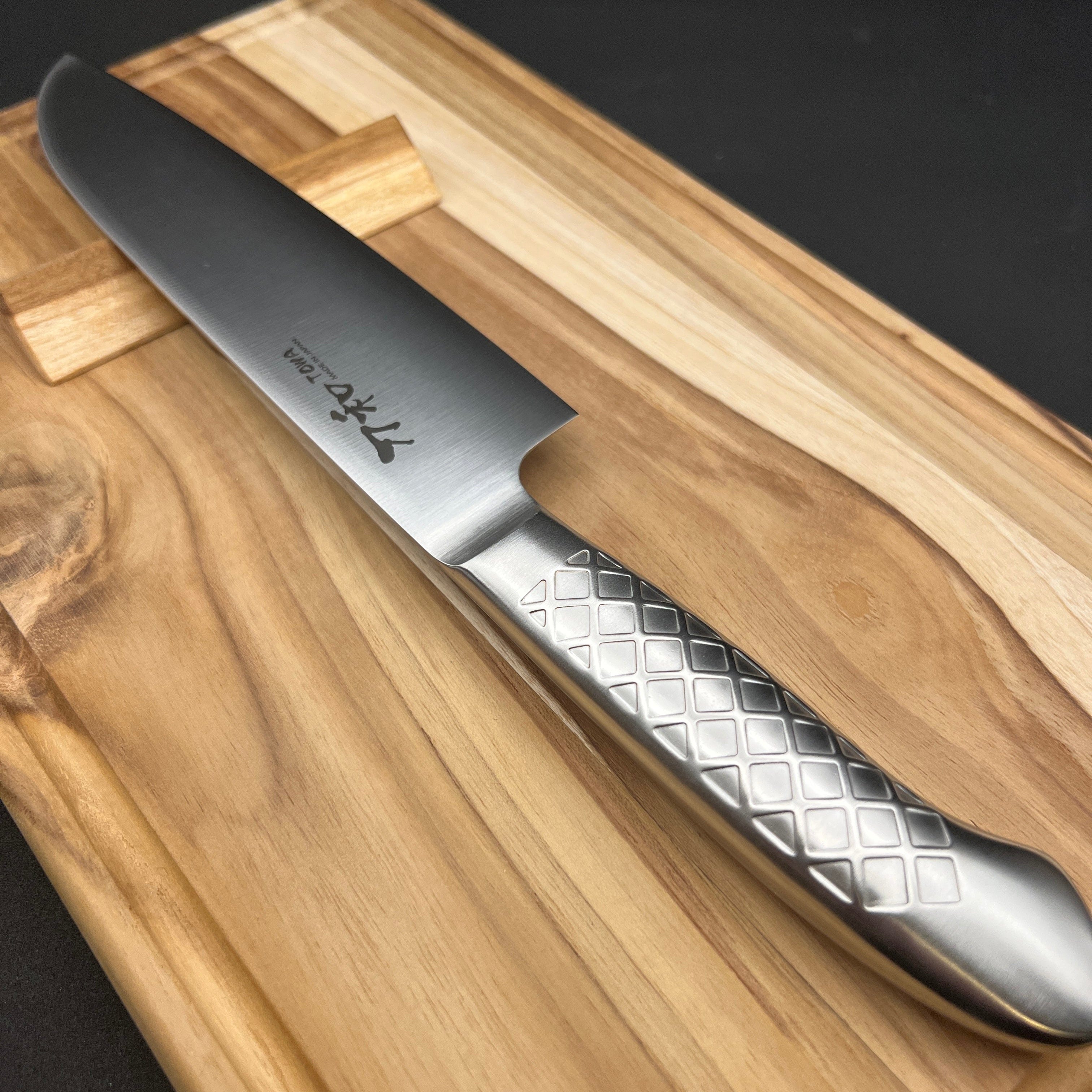
Our collection includes versatile chef and santoku knives, compact petty knives and specialised bread knives. Several of our Towa blades are made in Seki City, Gifu, one of Japan’s best-known centres of blade making.
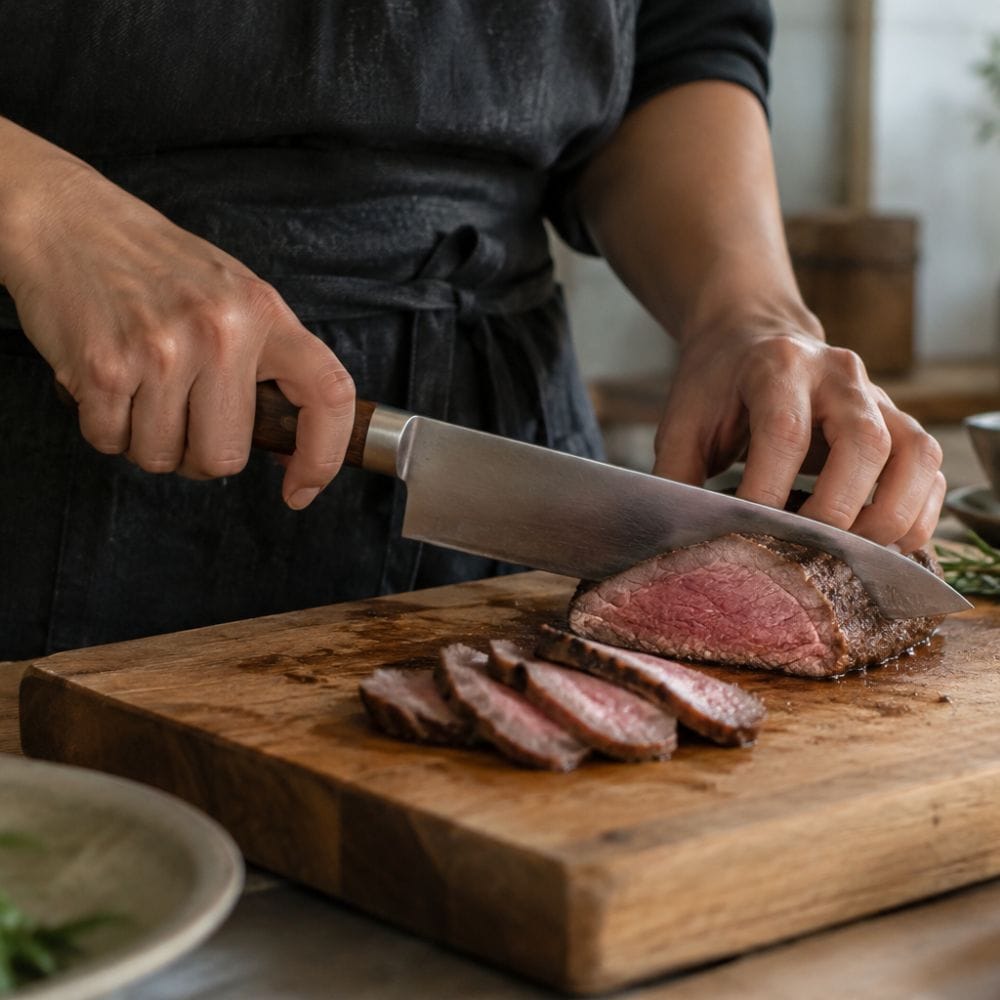
The right knife depends less on having the largest or most elaborate blade than on choosing a shape that suits the way you cook. A chef or santoku knife makes an excellent everyday choice, while a petty knife excels at smaller, more precise work.
Practical answers to help you choose, use and care for your Japanese knife.
For most home cooks, a santoku or chef knife is the most versatile place to start. Both handle everyday slicing, chopping and preparation well. A petty knife is an excellent second knife for fruit, herbs, trimming and other smaller tasks.
A chef knife offers a longer blade and plenty of versatility for larger preparation tasks. A santoku is generally more compact and works especially well for everyday chopping, slicing and dicing. A petty knife is smaller and more agile, making it ideal for precision work and smaller ingredients.
Yes. The knives in this collection are made in Japan. Several of our Towa knives are produced in Seki City, Gifu Prefecture, a region with a long history of Japanese blade making.
Follow the care instructions provided for each knife, as materials and construction differ between models. In general, wash the blade soon after use, dry it thoroughly and store it so the edge is protected. Sharpening periodically with an appropriate whetstone will help maintain cutting performance.
From preparation to serving, discover Japanese tools and tableware designed to complement the way you cook.


