










 01
The Story of the Japanese Cup
Discover how shape, touch and everyday use helped define Japanese cup forms, from handleless tea cups to refined regional ceramic traditions.
Read the article
Explore the forms, materials and ceramic traditions that give Japanese cups their distinctive feel and character.
01
Discover how shape, touch and everyday use helped define Japanese cup forms, from handleless tea cups to refined regional ceramic traditions.
Read the article 02
Learn how porcelain and ceramic differ in weight, texture, finish and everyday feel, and how those differences shape the experience of using a Japanese cup.
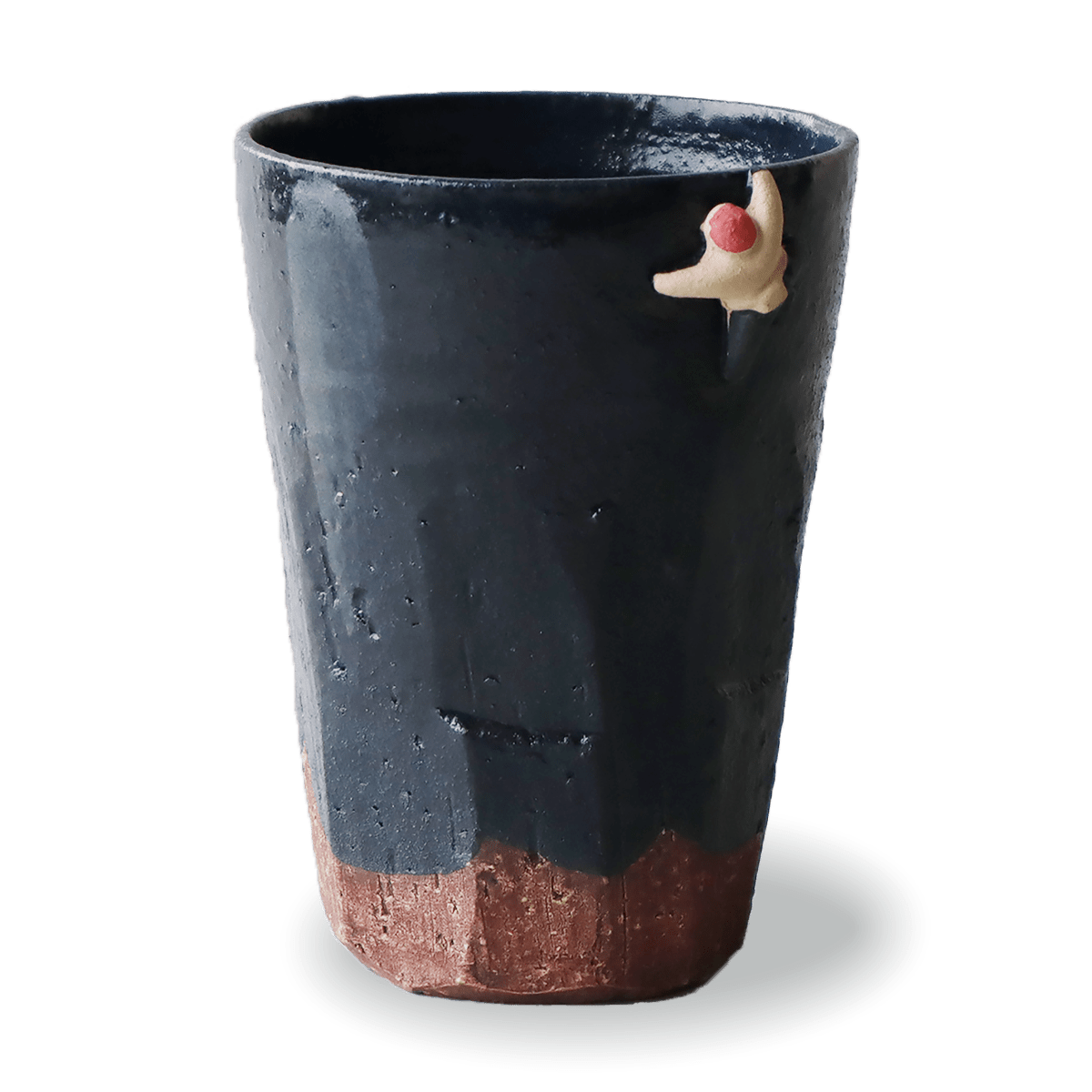
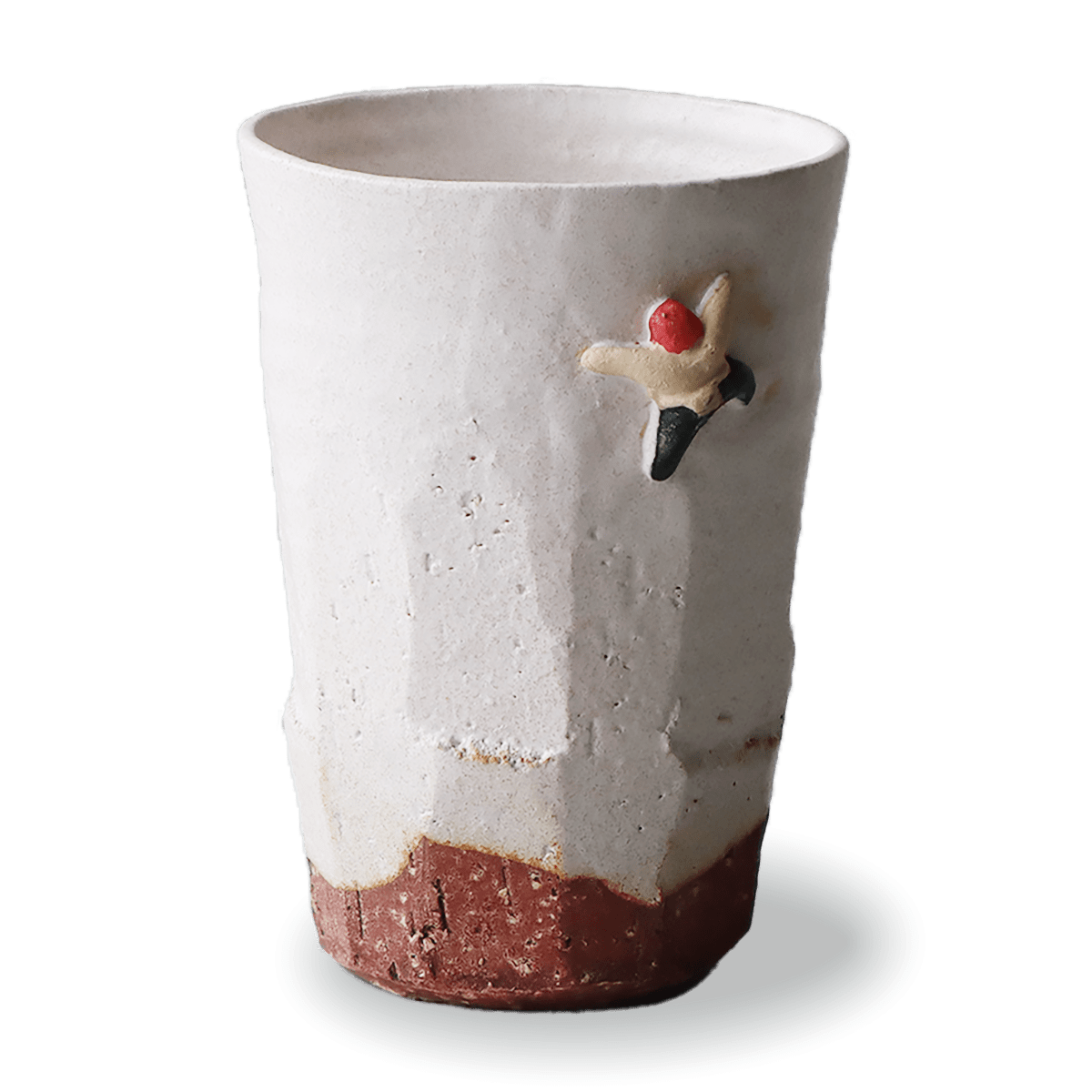
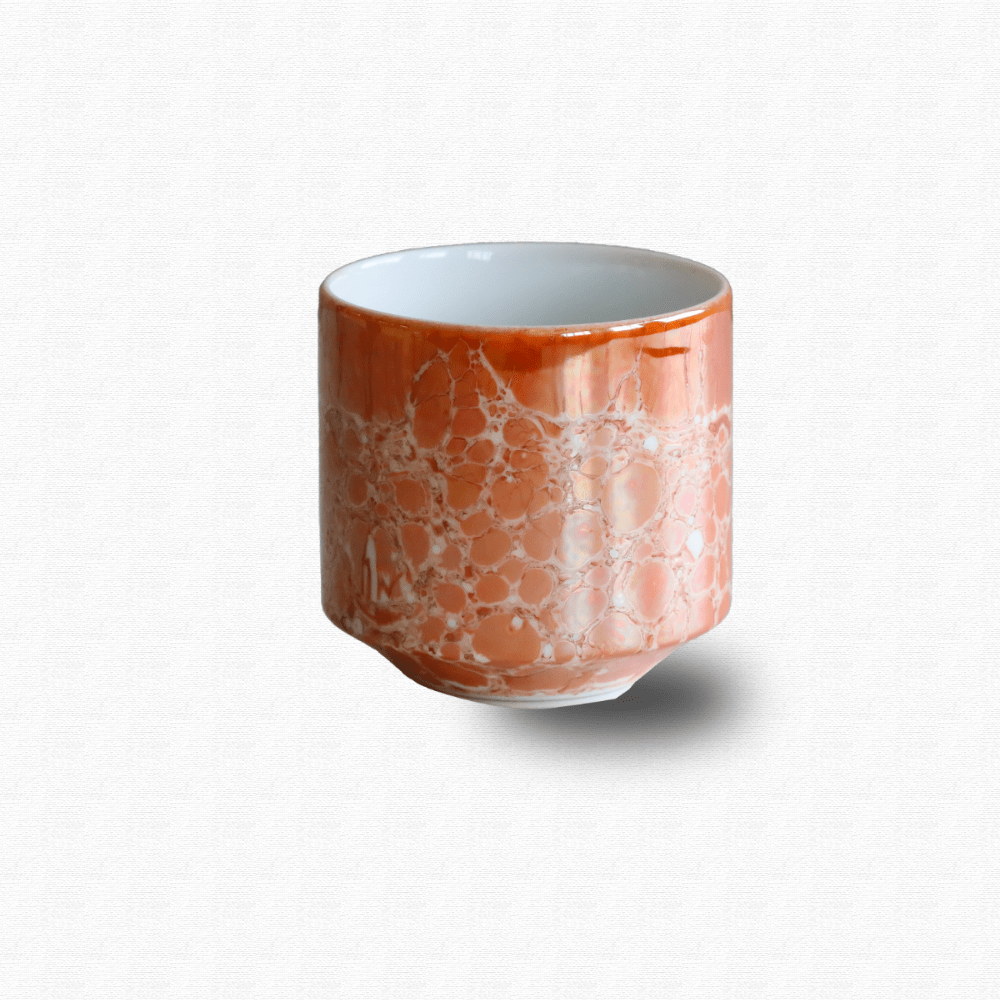
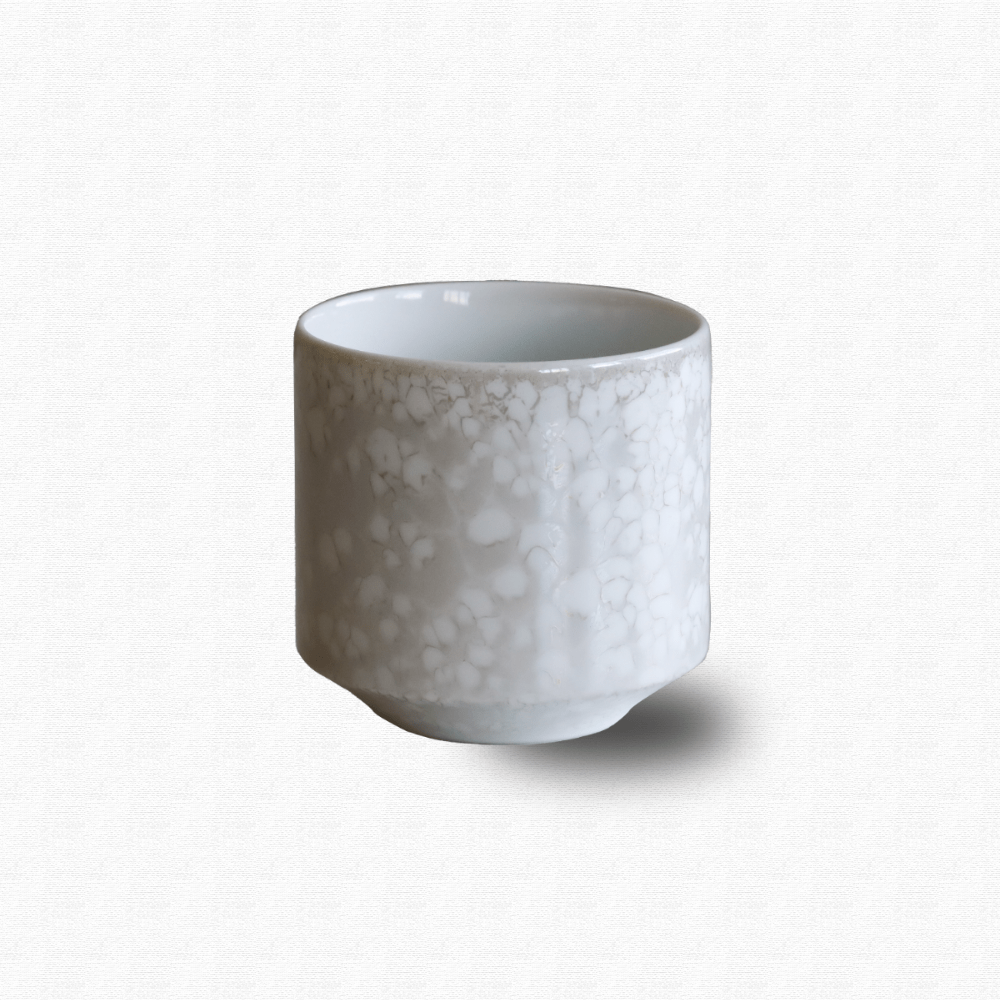
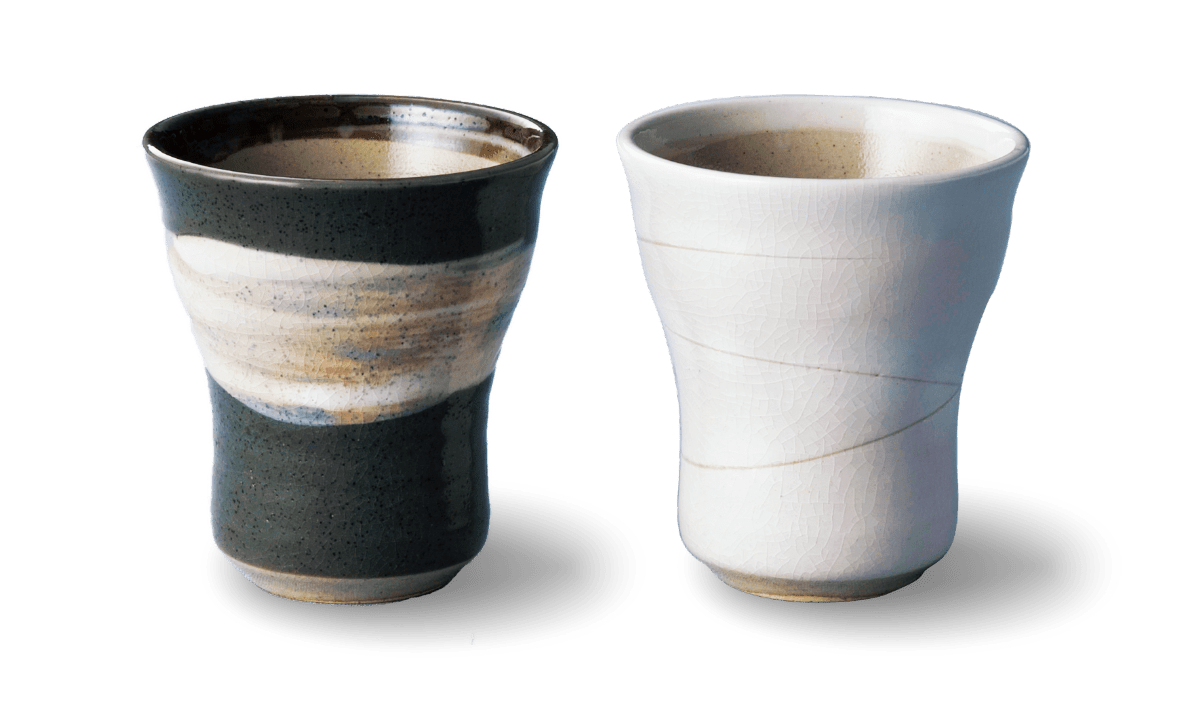
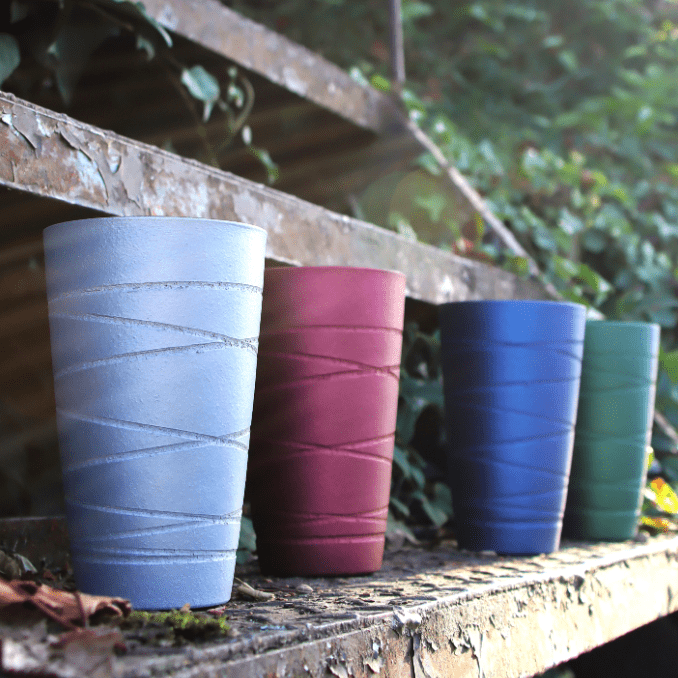
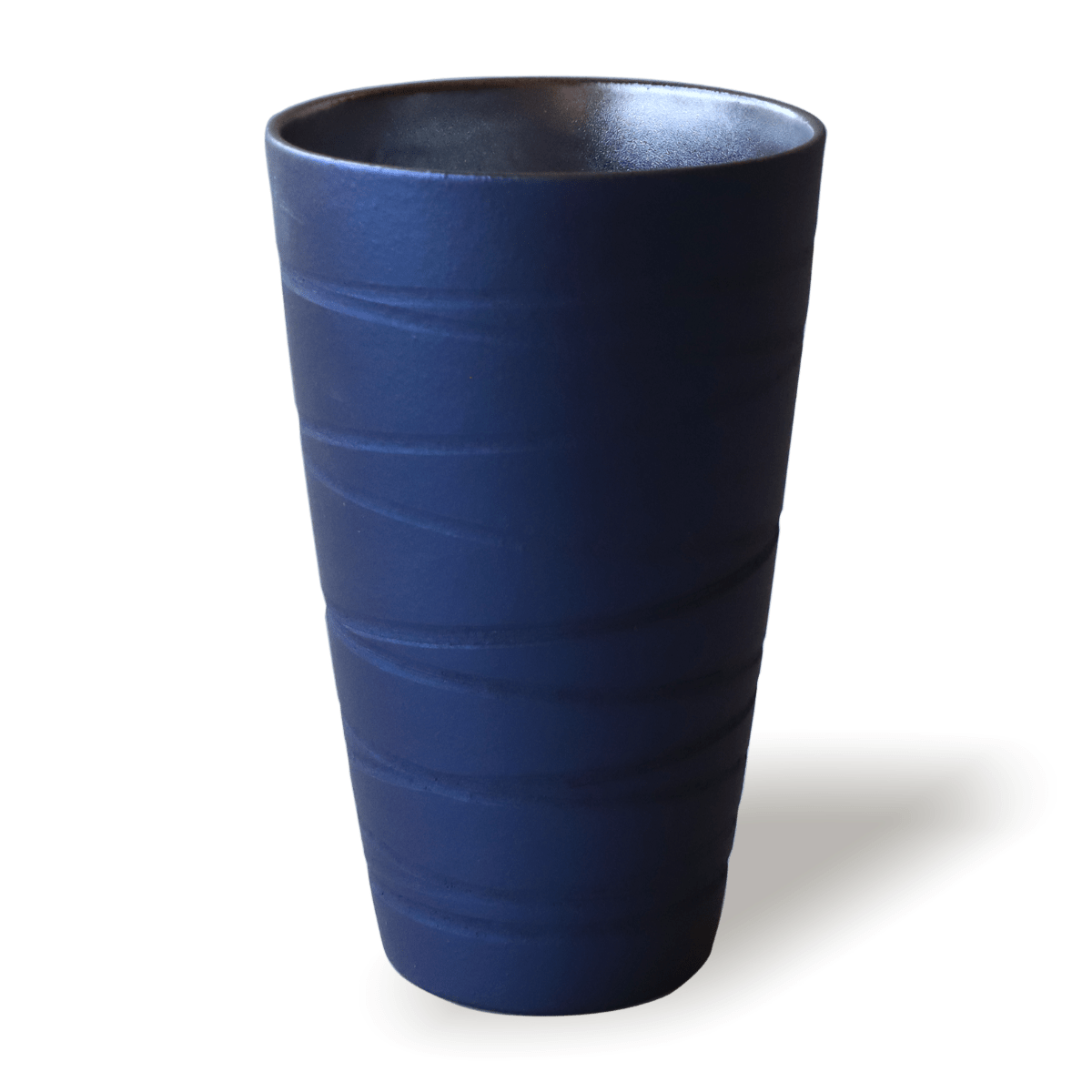
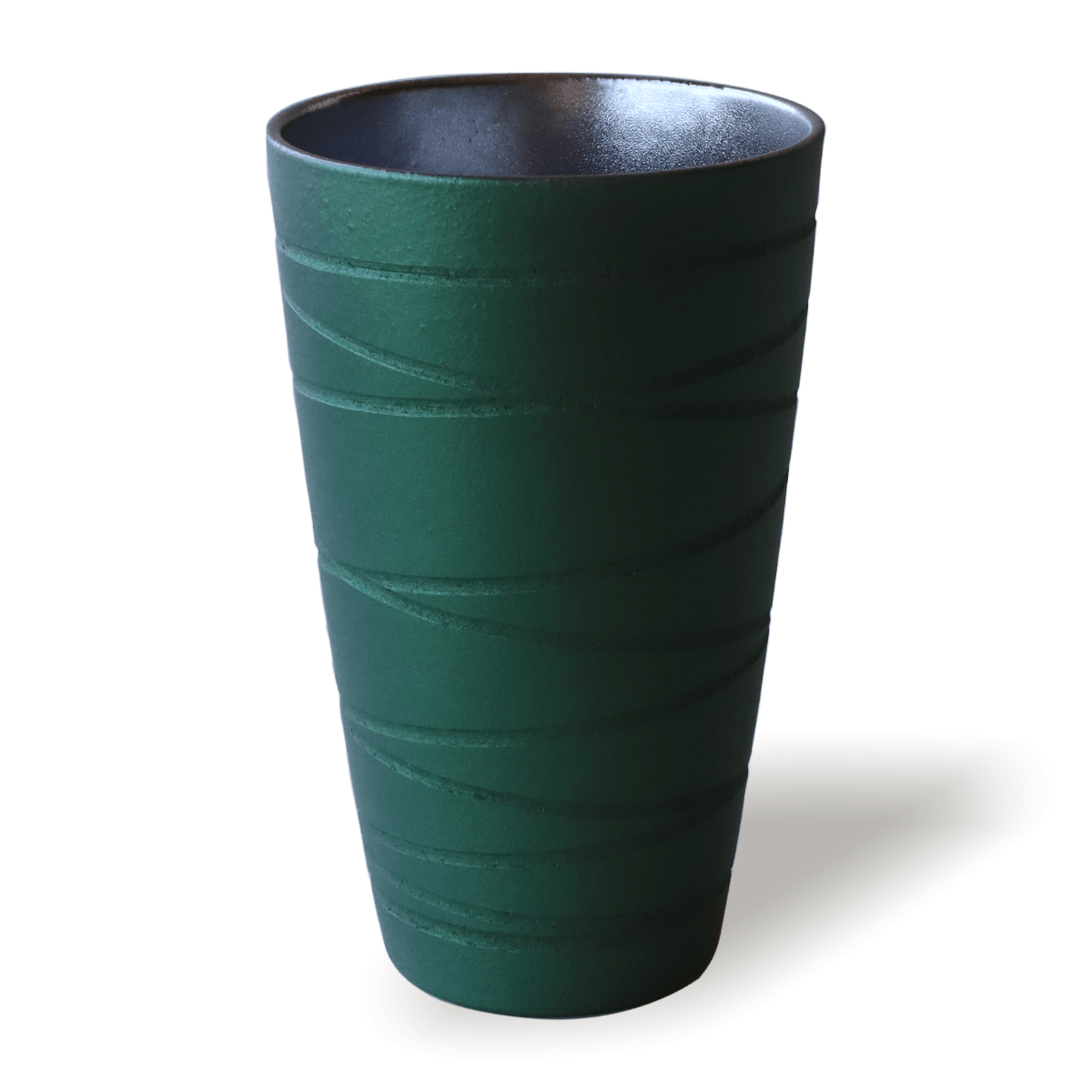
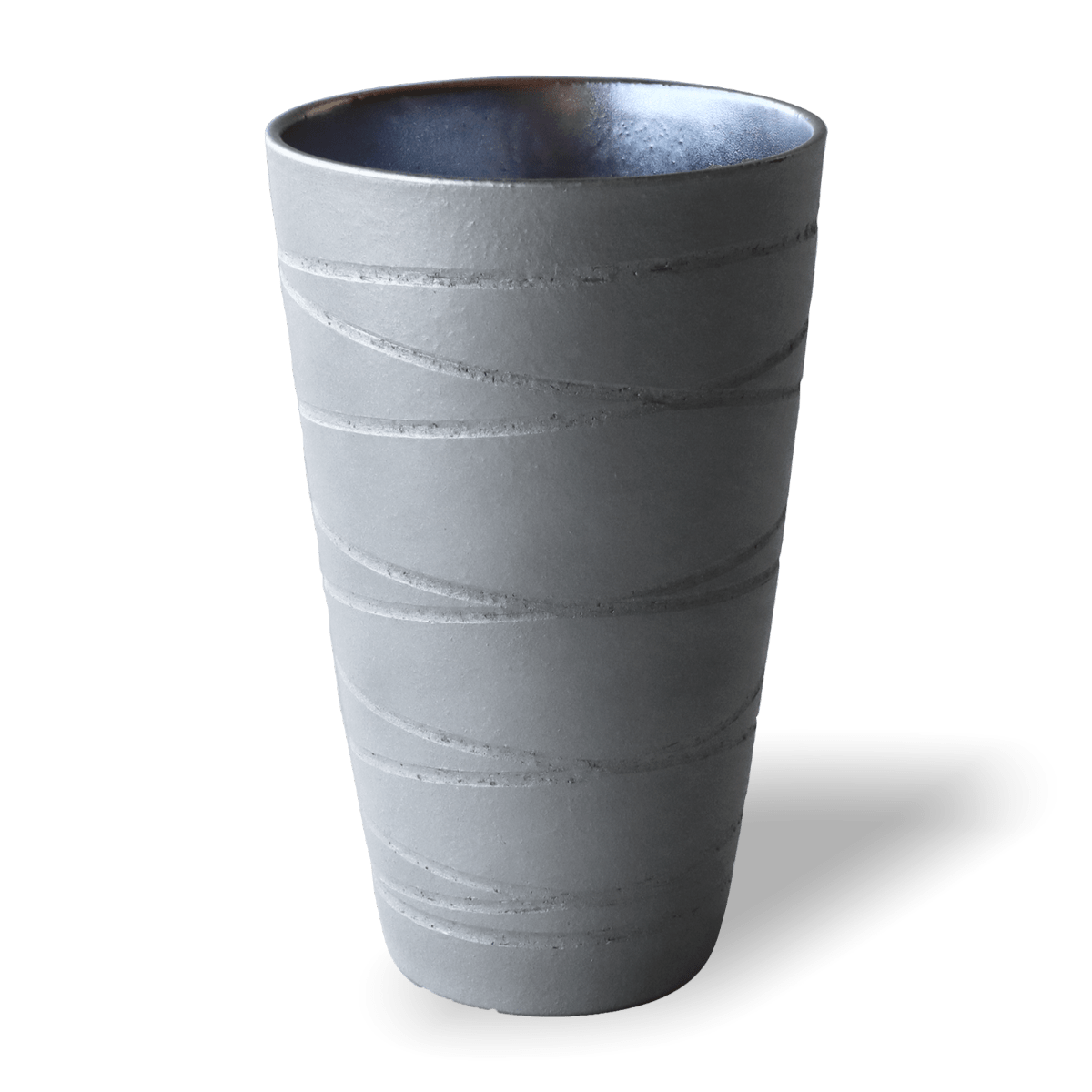
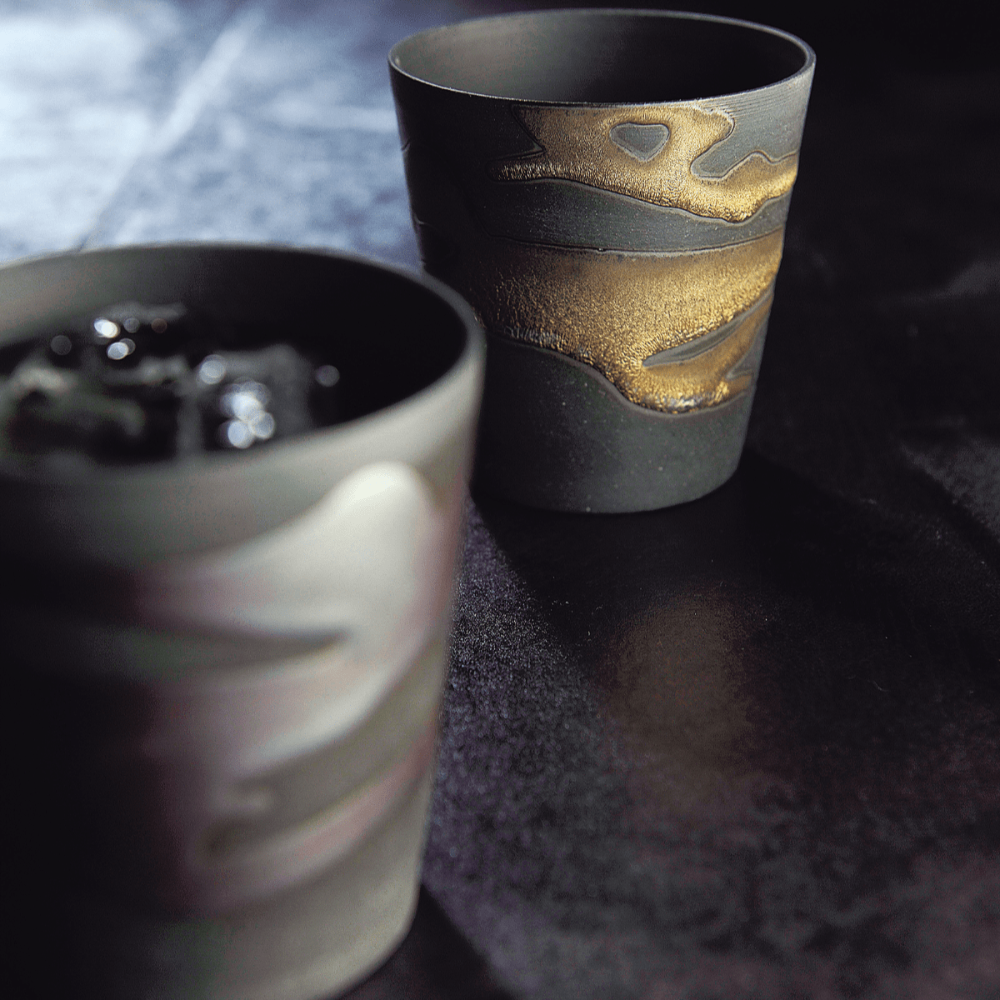
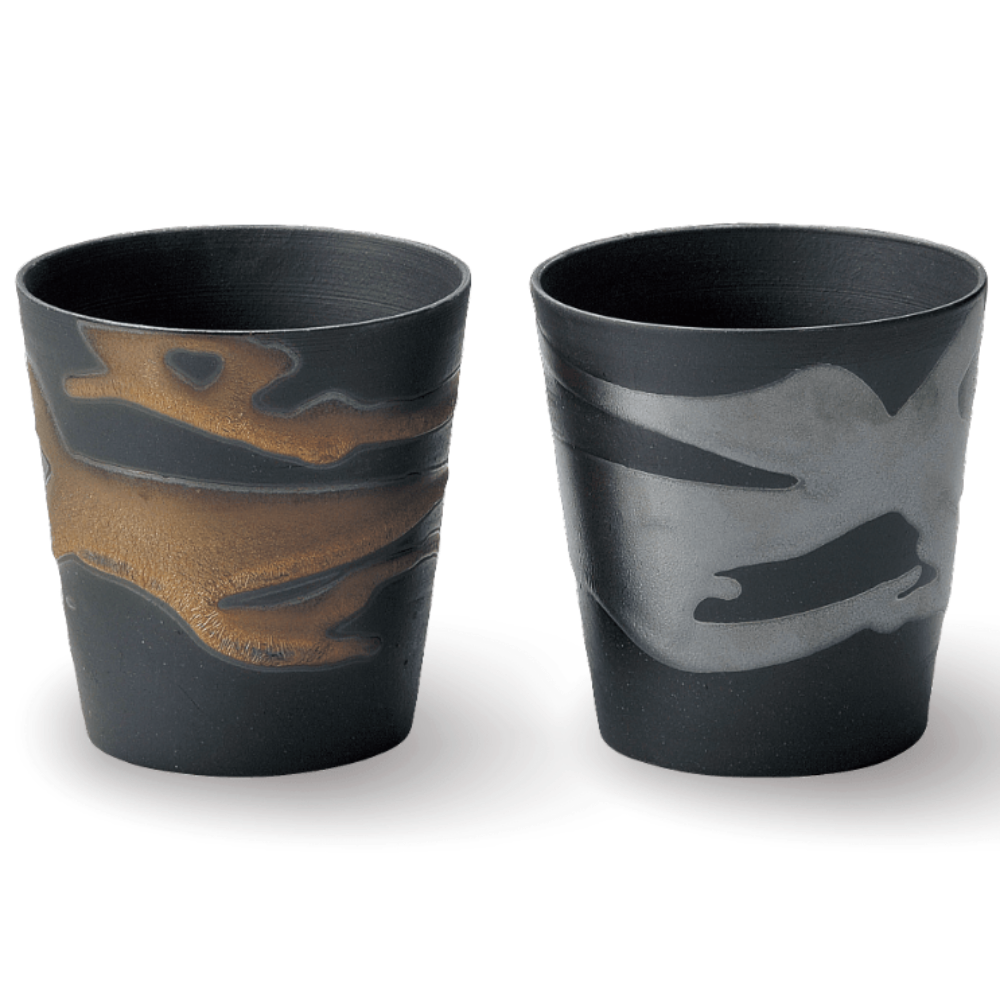
Read the guideJapanese cups are shaped around the simple experience of holding and drinking. From compact handleless forms to taller tumblers and substantial cups, proportion, rim and weight all influence how a vessel feels in the hand.
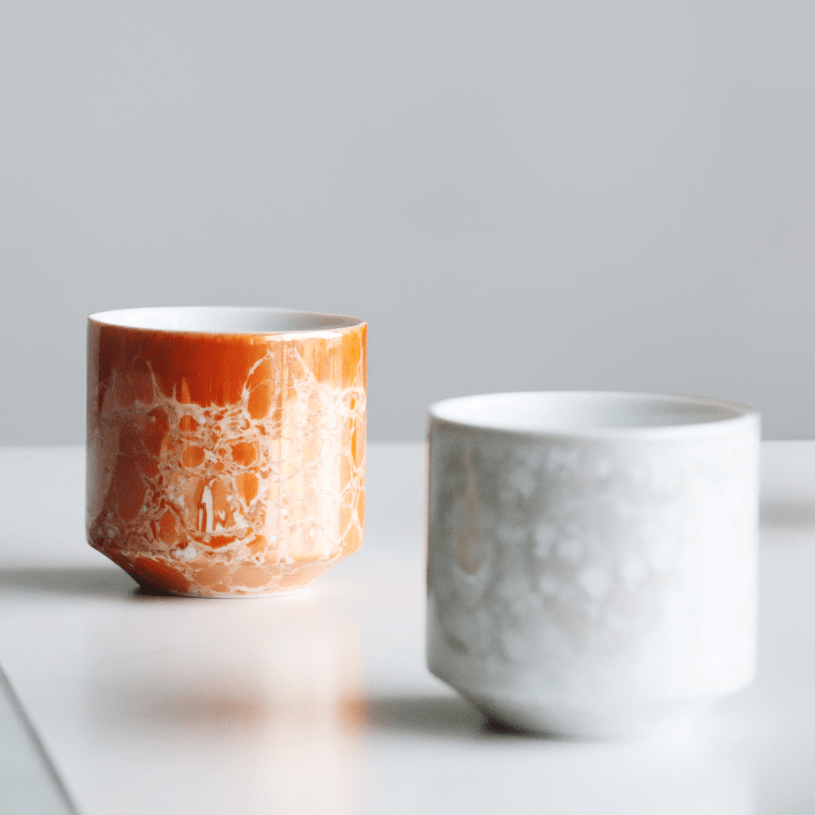
Material plays an equally important role. Porcelain can create a lighter, smoother profile, while stoneware and other ceramics often bring more texture, depth and variation through their clay and glaze.
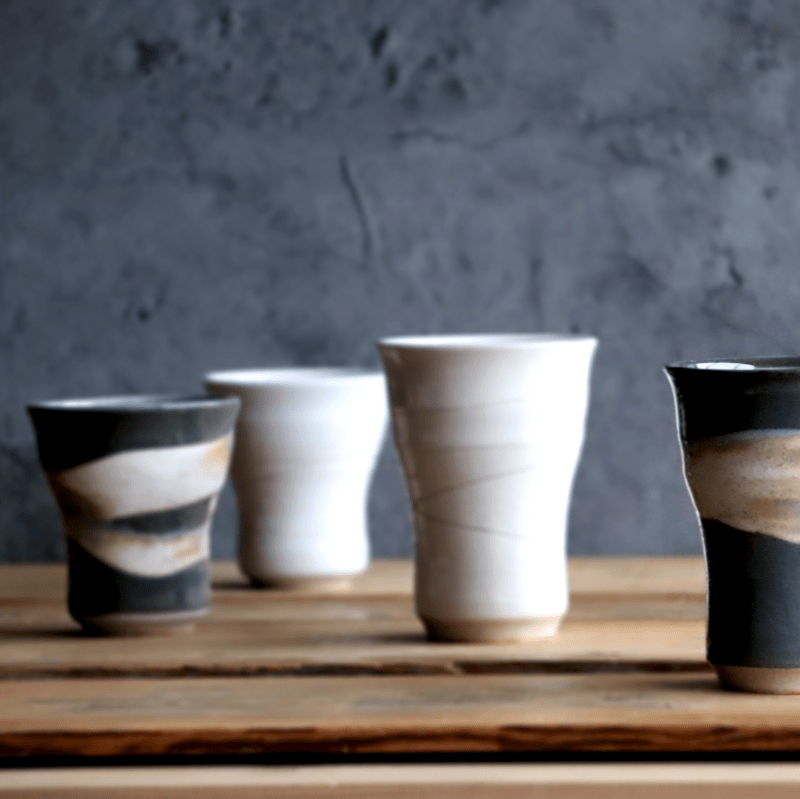
Across Japan, different ceramic traditions give cups their own character through shape, decoration, firing and finish. The result is drinkware that can feel refined, rustic, expressive or quietly functional while remaining suited to everyday use.
Practical answers to help you choose a Japanese cup for everyday use.
Japanese cups often place particular emphasis on proportion, texture and the way the vessel feels when held. Many are handleless, allowing the shape, clay and glaze to become part of the drinking experience.
Depending on their size and material, Japanese cups can be used for tea, water, sake, beer and other drinks. Because individual pieces vary, we recommend checking the product page for capacity, heat suitability and care information.
Porcelain generally feels smoother and can be lighter and more refined, while stoneware often has a more tactile surface and substantial feel. Neither is inherently better; the choice depends on the drinking experience and appearance you prefer.
Smaller cups suit modest servings and slower drinking, while taller cups and tumblers are useful for larger pours. Exact capacity varies considerably, so check the dimensions and volume shown on each product page before choosing.
Care depends on the clay, glaze and decoration of the individual cup. Gentle washing is generally appropriate, but dishwasher, microwave and heat suitability can vary. Always follow the care guidance provided on the individual product page.


