











 01
How to Choose a Japanese Teapot
Learn the differences between kyusu and other Japanese teapot forms, and how size, material, handle style and filter design affect brewing.
Read the guide
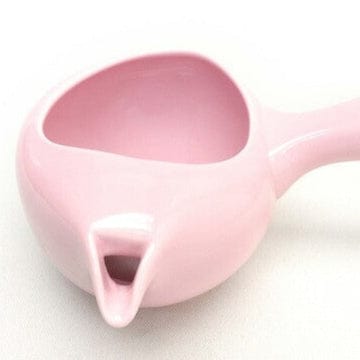
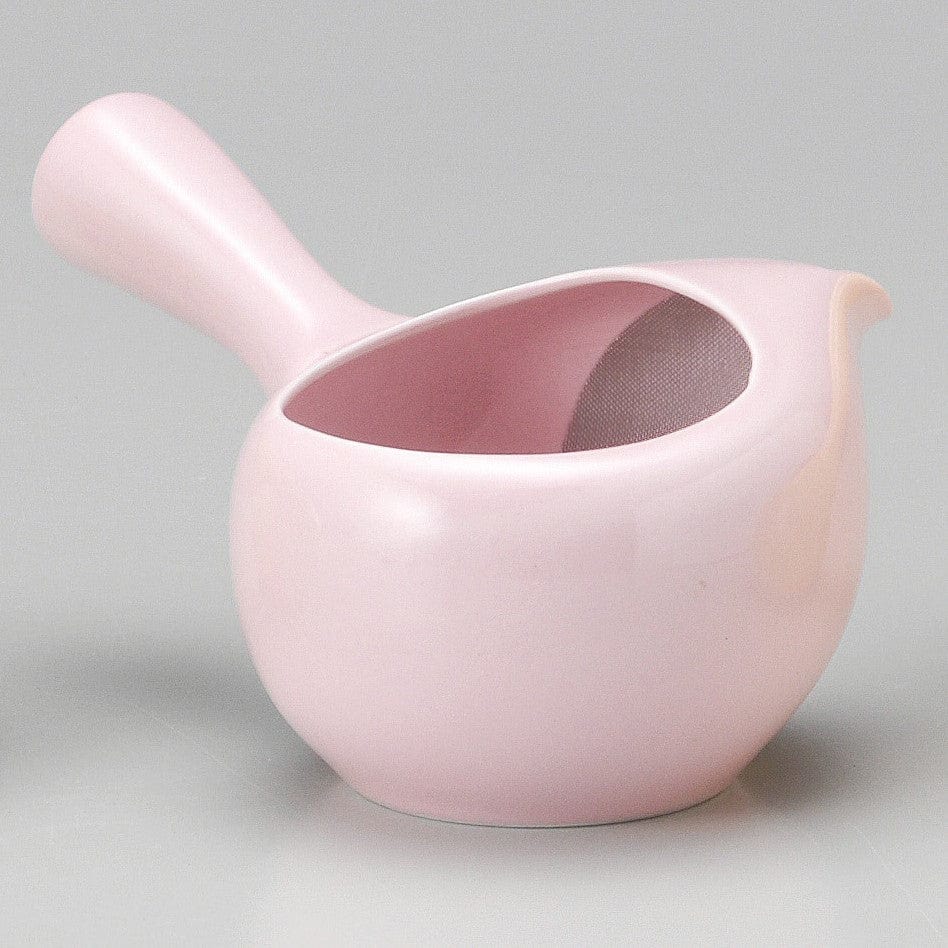
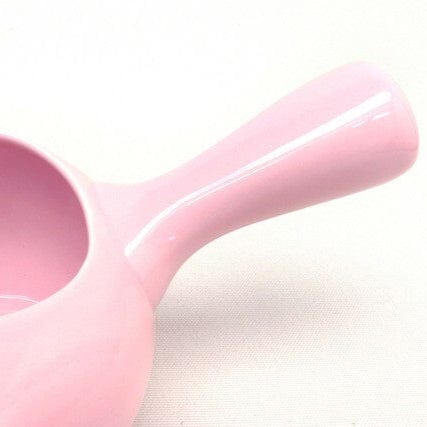
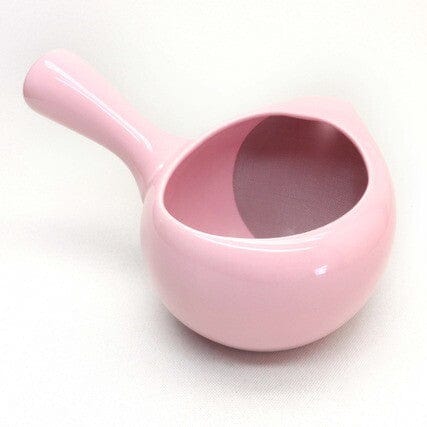
Chaamiru Lid Less Tea Pot (Pink)
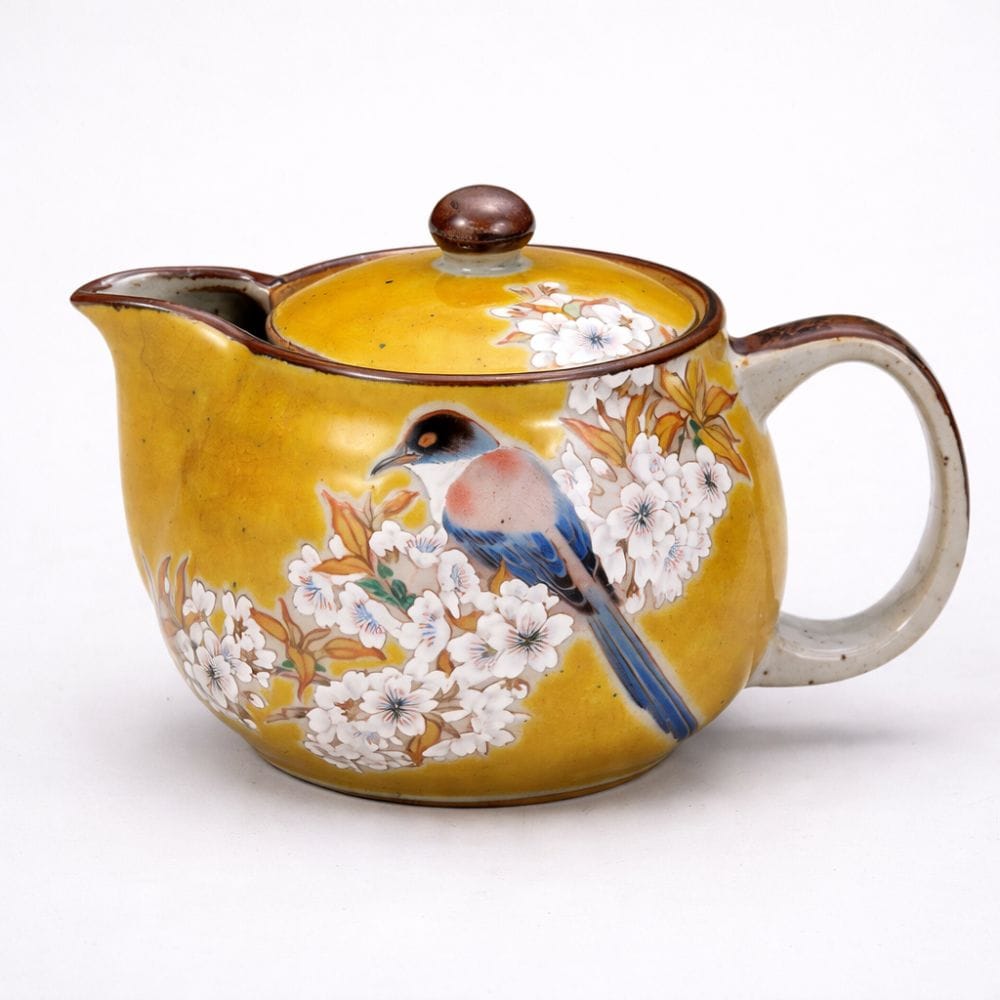
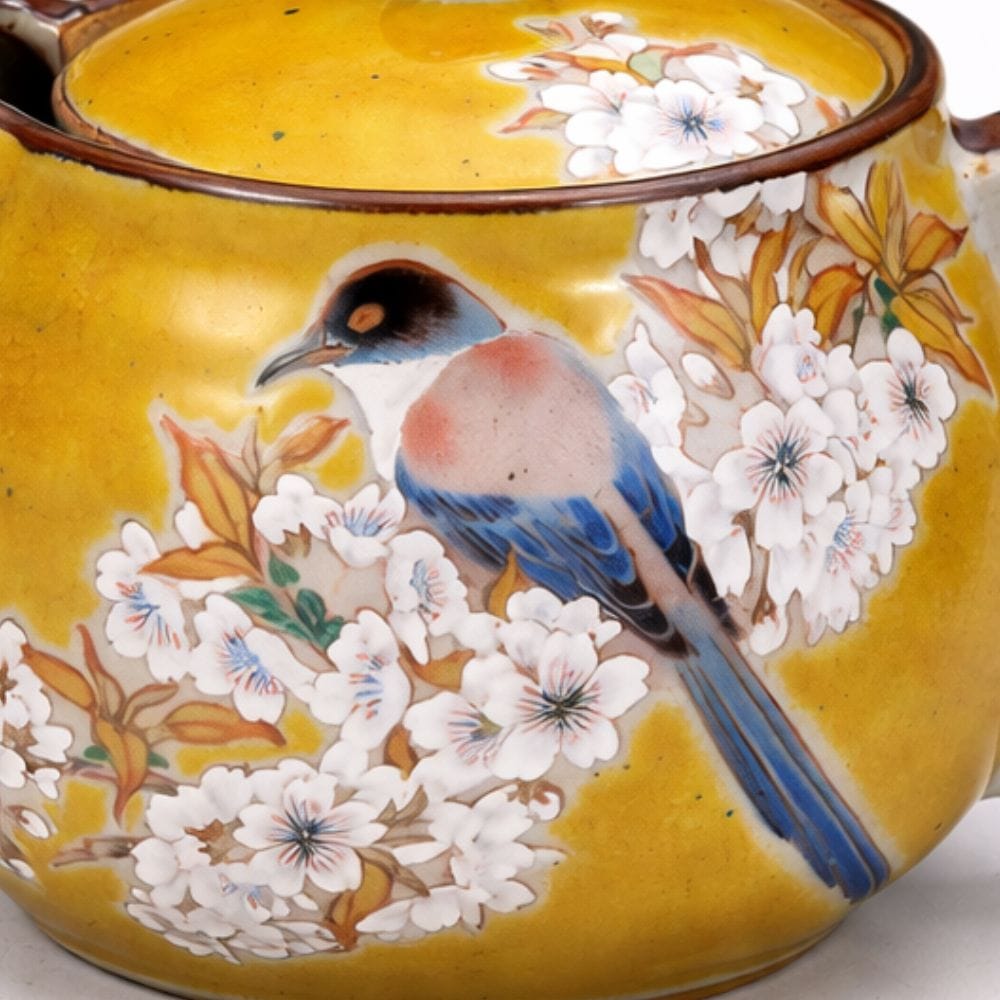
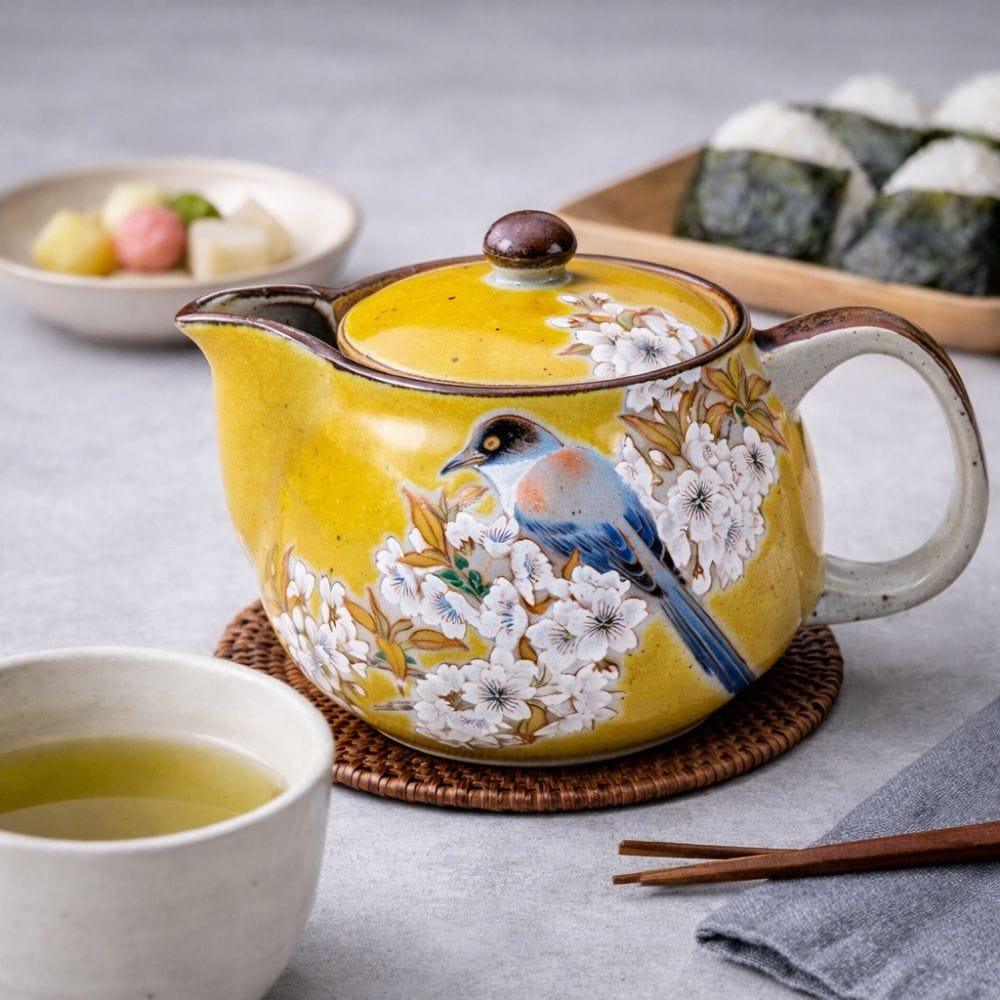
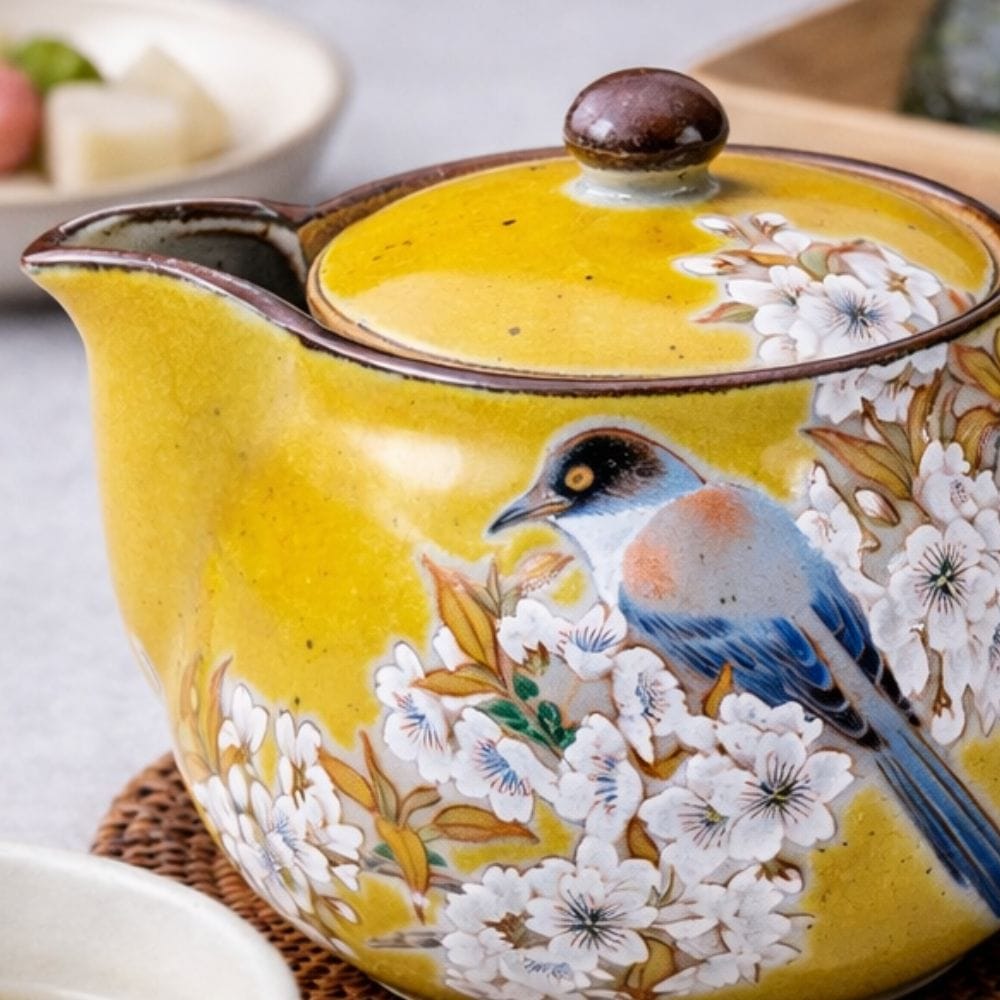
Seiho Shudei Kiritate Sakura Printed Tea pot
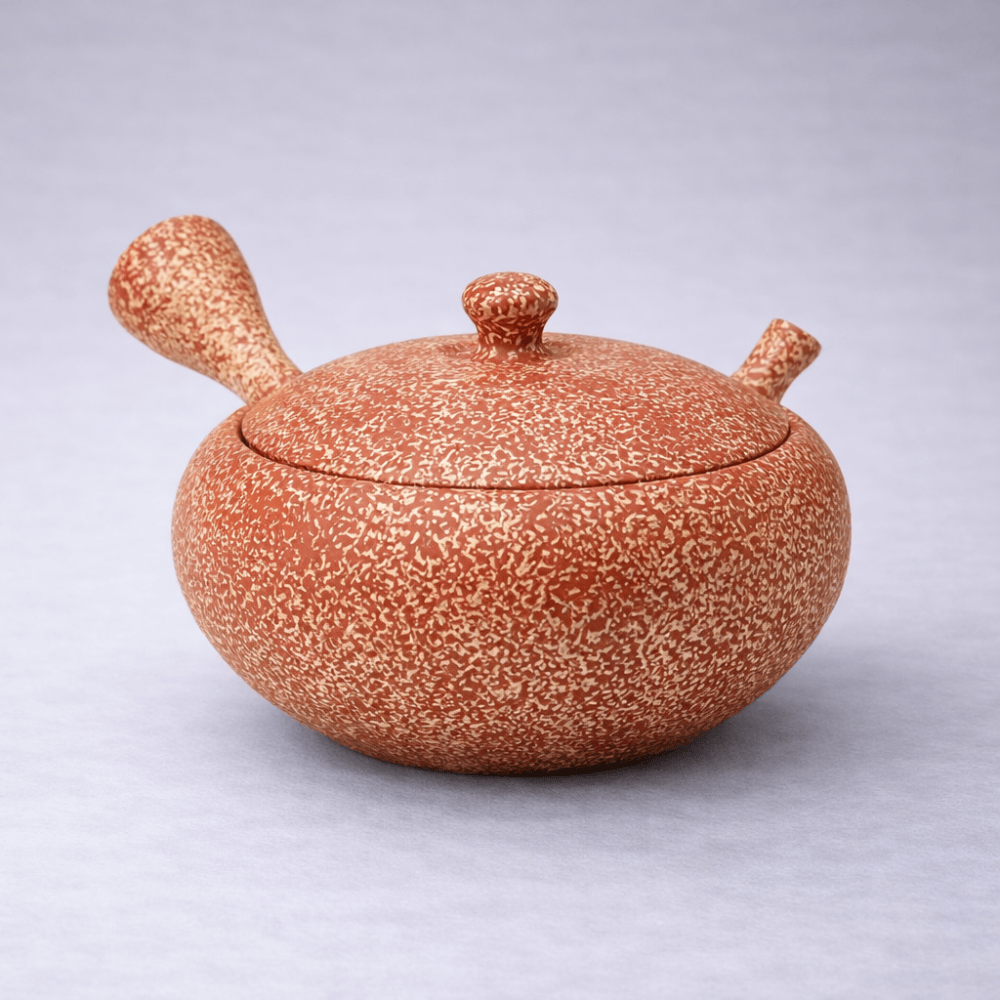
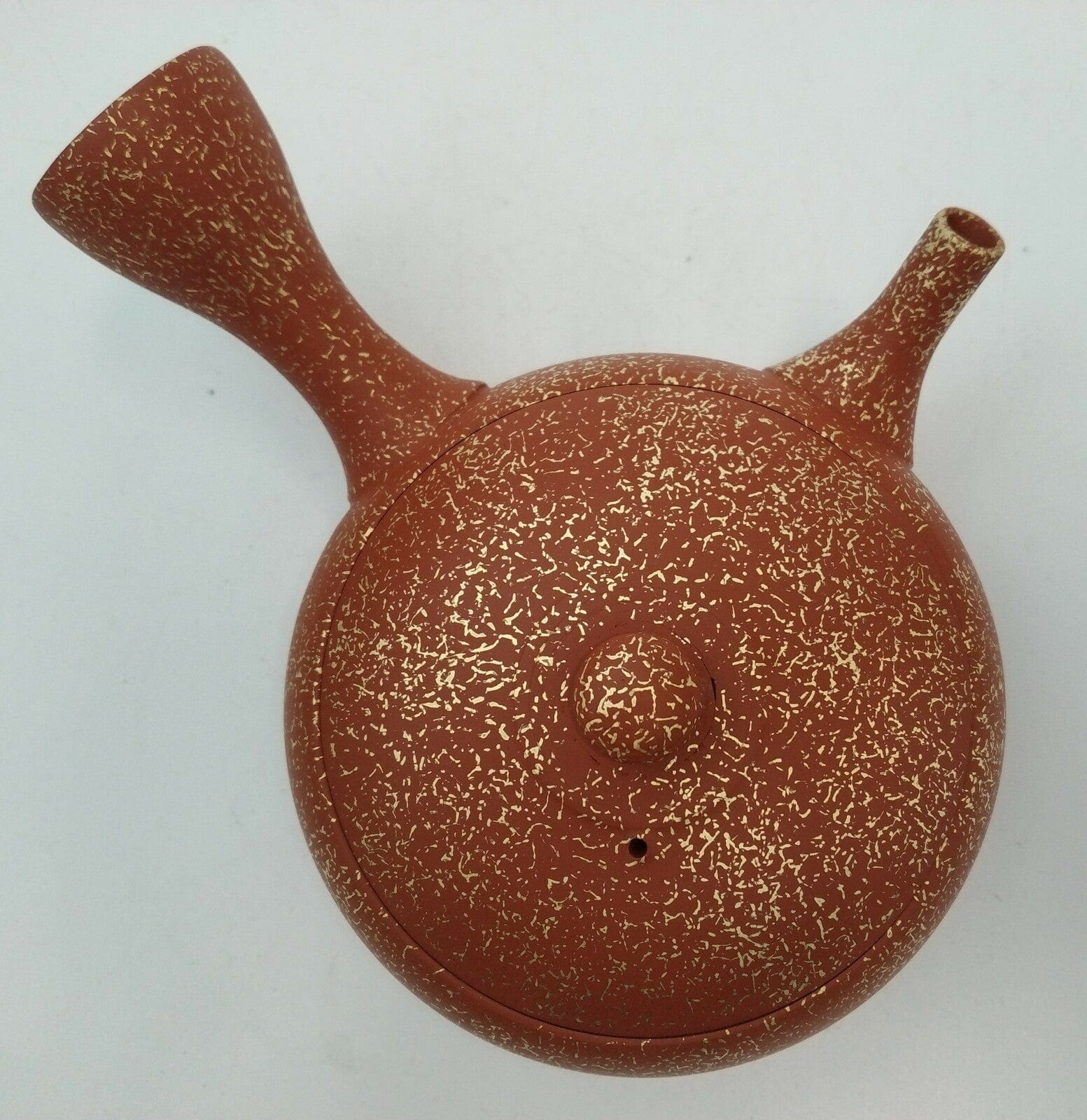
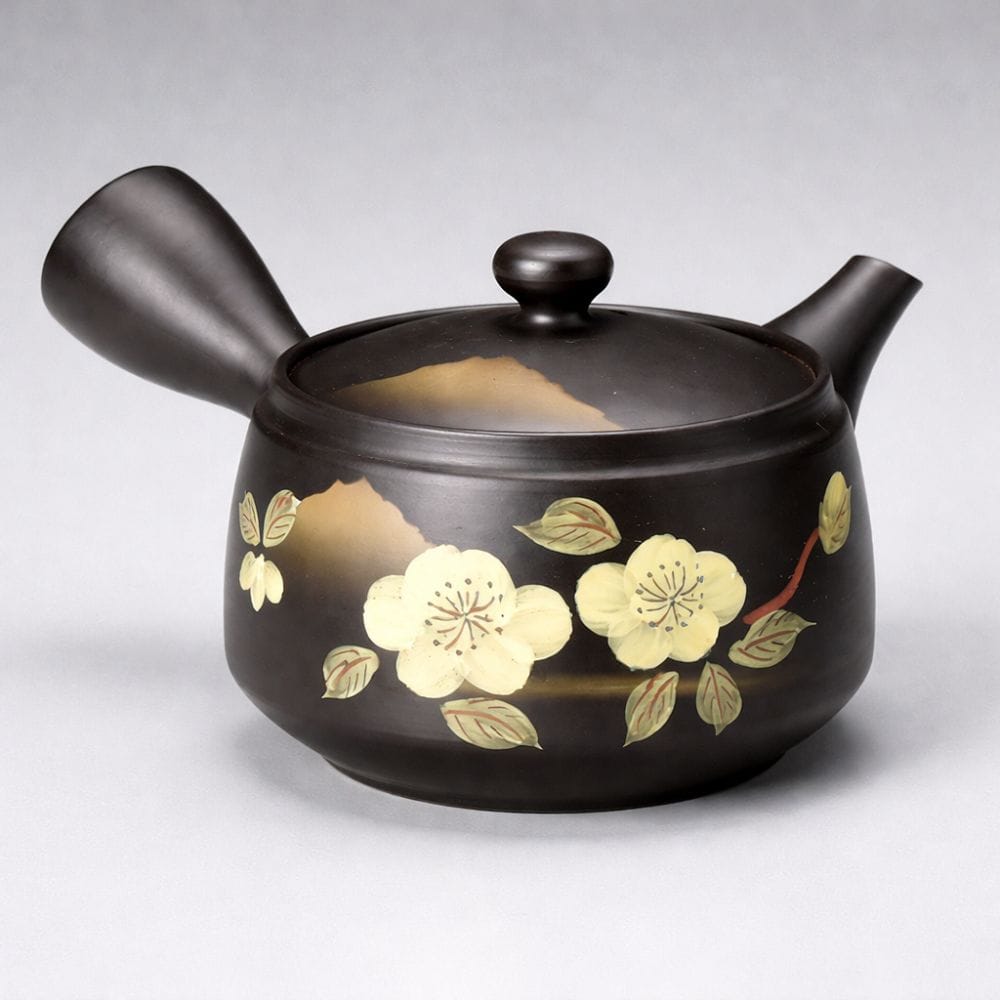
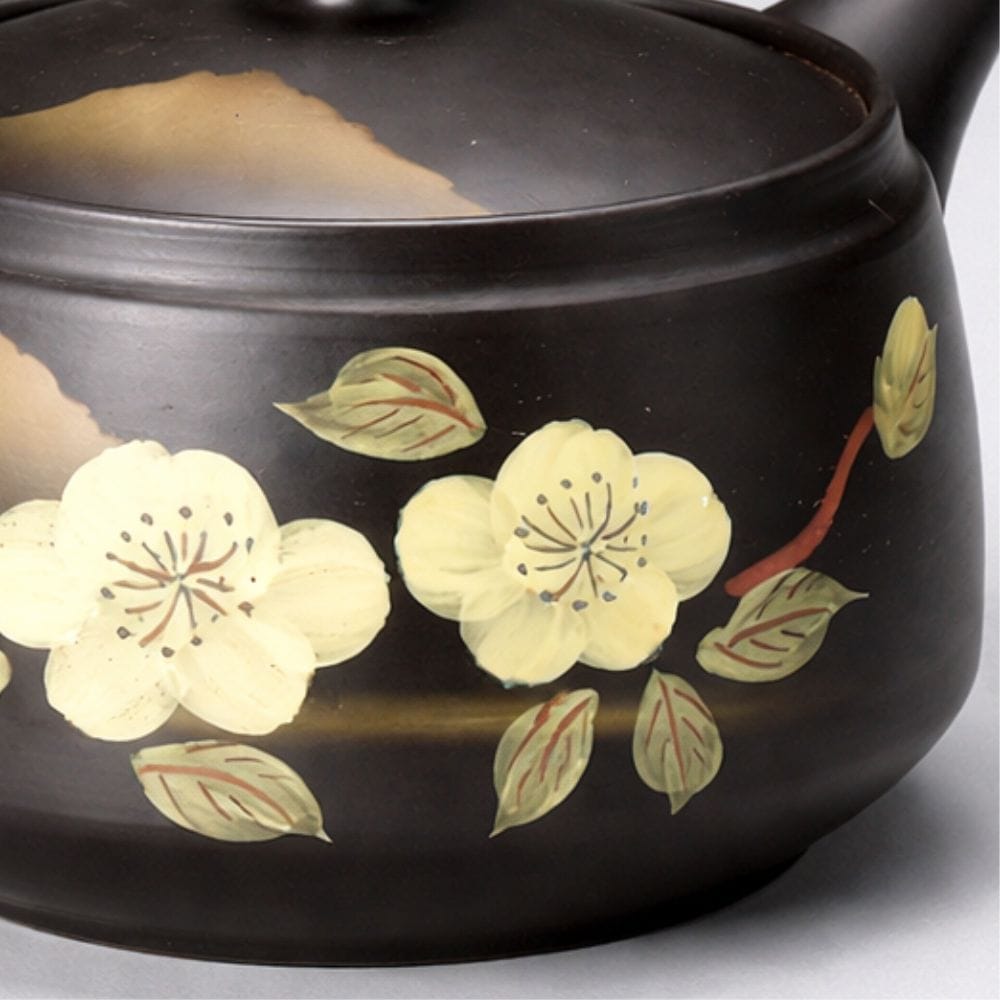
Golden Sakura Tokoname Tea Pot
Explore kyusu forms, materials and brewing styles, and learn how to choose a Japanese teapot that suits the tea you enjoy.
01
Learn the differences between kyusu and other Japanese teapot forms, and how size, material, handle style and filter design affect brewing.
Read the guide 02
Discover how Tokoname and other Japanese clays influence heat, texture and the experience of brewing green tea in a traditional kyusu.
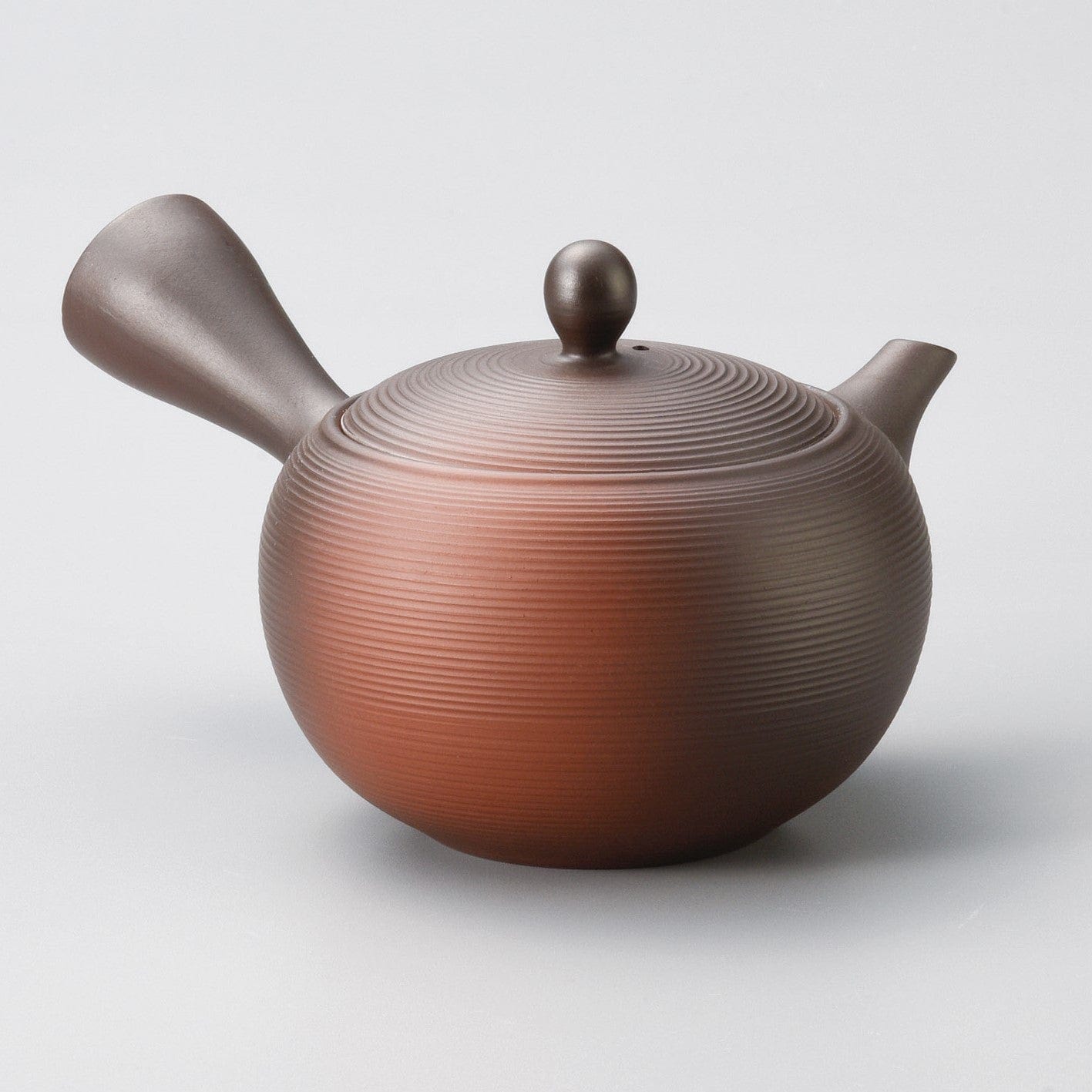
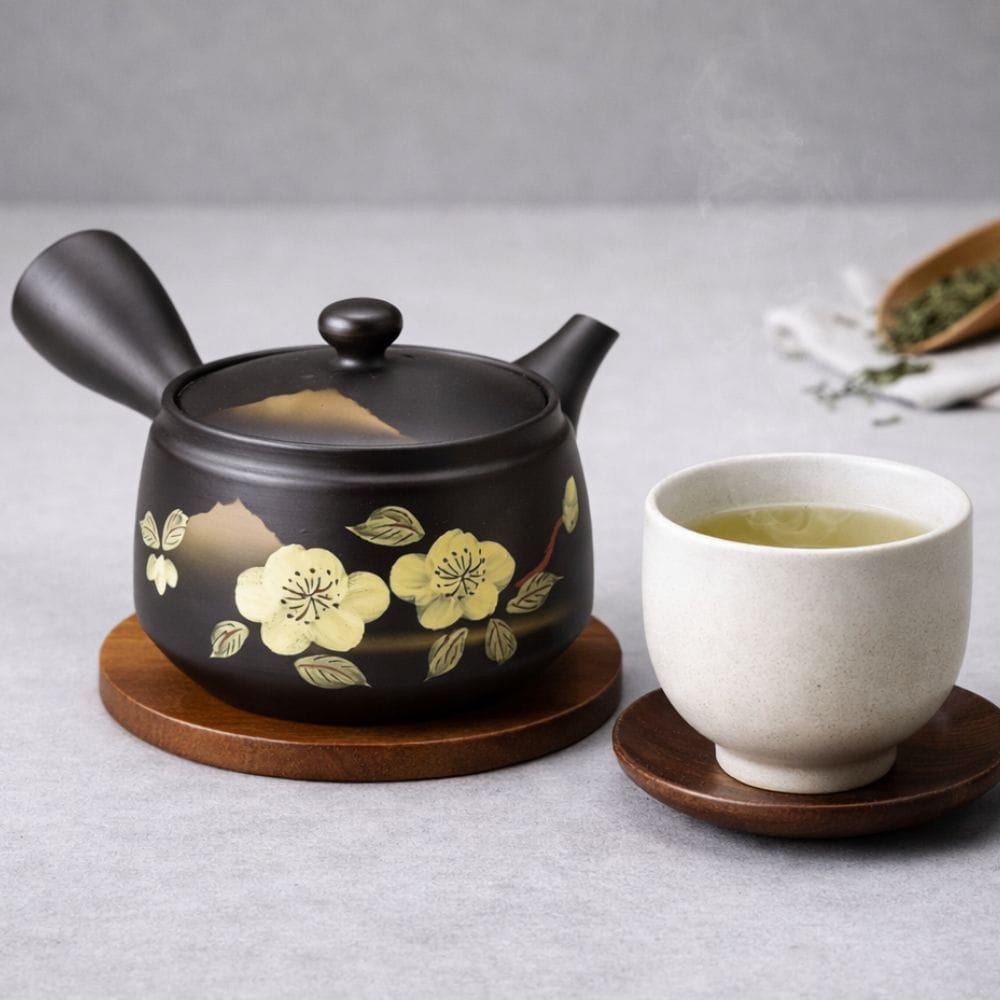
Read the articleJapanese teapots are designed around the way tea is prepared and poured. The best-known form is the kyusu, a compact teapot often associated with brewing Japanese green teas such as sencha, gyokuro and bancha.
Shape and handle position influence how a teapot feels in use. Side-handled kyusu are designed for controlled pouring, while rear-handled and top-handled forms offer different balances and suit different serving styles.
Material also contributes to the character of the teapot. Unglazed clay, glazed stoneware and porcelain each offer a different tactile and visual experience, making the choice as much about how you enjoy preparing tea as the tea itself.
Practical answers to help you choose and care for a Japanese teapot.
Kyusu is a Japanese term for a teapot used for brewing tea. It is often associated with a side-handled form, although Japanese teapots are also made with rear and top handles. Many are designed specifically for brewing loose-leaf green tea.
Choose according to the number of people you normally serve and the style of tea you prepare. Smaller teapots work well for one or two cups and repeated infusions, while larger pots are more practical when serving several people.
Clay teapots tend to have a warmer, more tactile feel and some unglazed clays can gradually develop character through repeated use. Porcelain has a smooth, non-porous surface and is generally well suited to brewing different varieties of tea in the same pot.
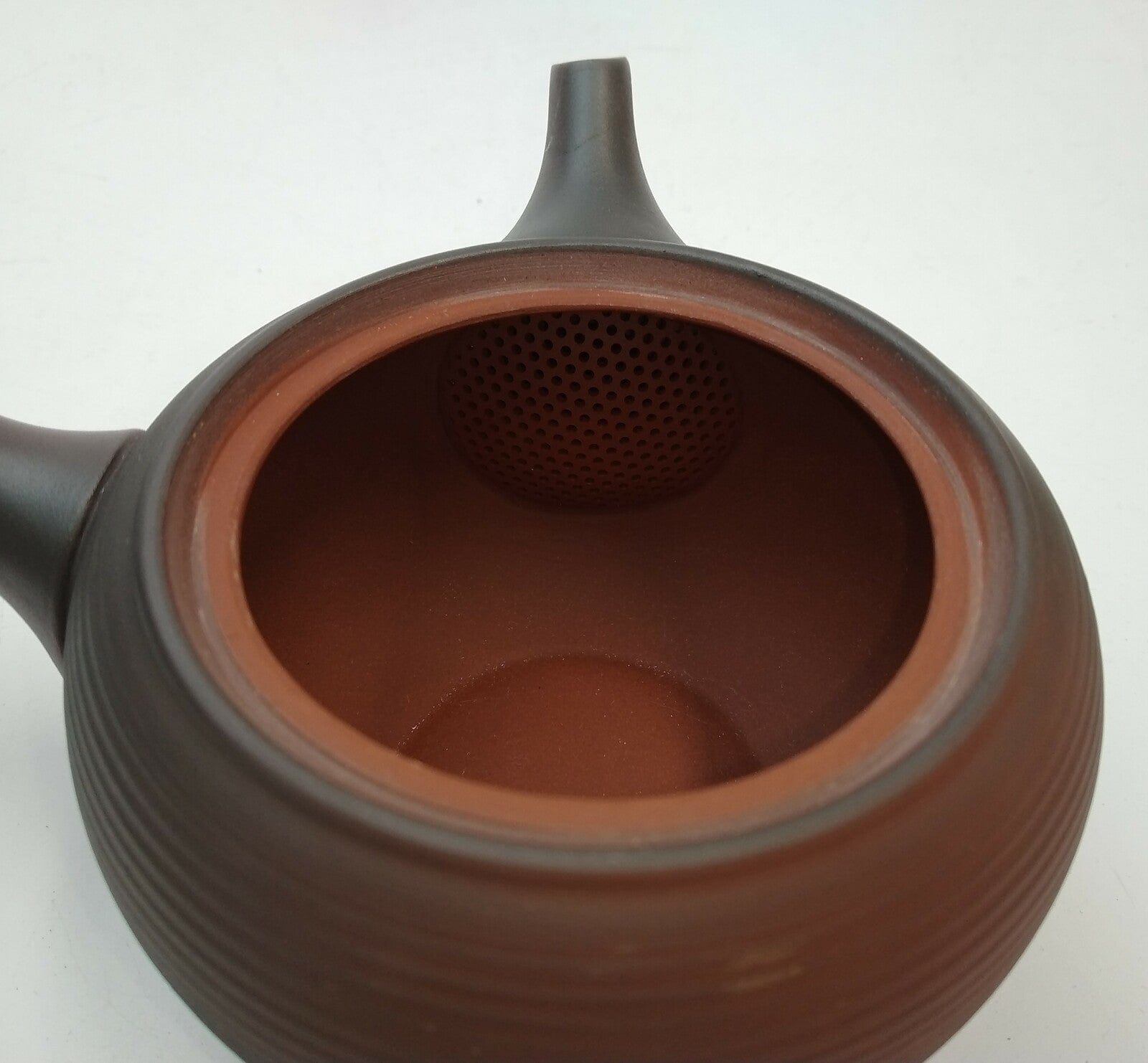
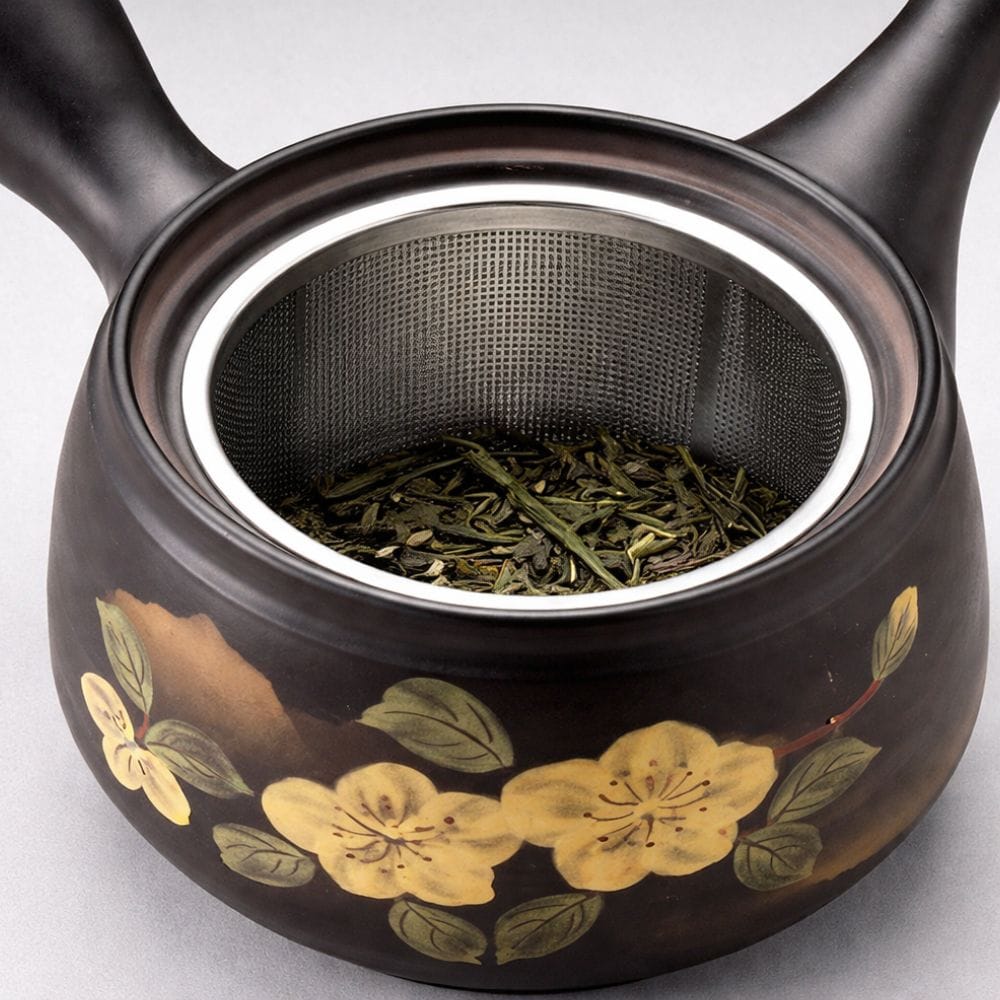
Many Japanese teapots include an integrated filter or strainer designed for loose-leaf tea, but the construction varies by model. Check the individual product page for the filter type and other specific features of each teapot.
Allow the teapot to cool before rinsing it gently and letting it dry completely with the lid removed. Care requirements can vary between unglazed clay, glazed ceramics and porcelain, so always follow the instructions provided for the individual piece.


