
 01
Japanese Flower Arrangement: The Art of Ikebana
Discover how line, space and seasonal stems shape the art of ikebana, offering a thoughtful approach to arranging flowers.
Read the guide
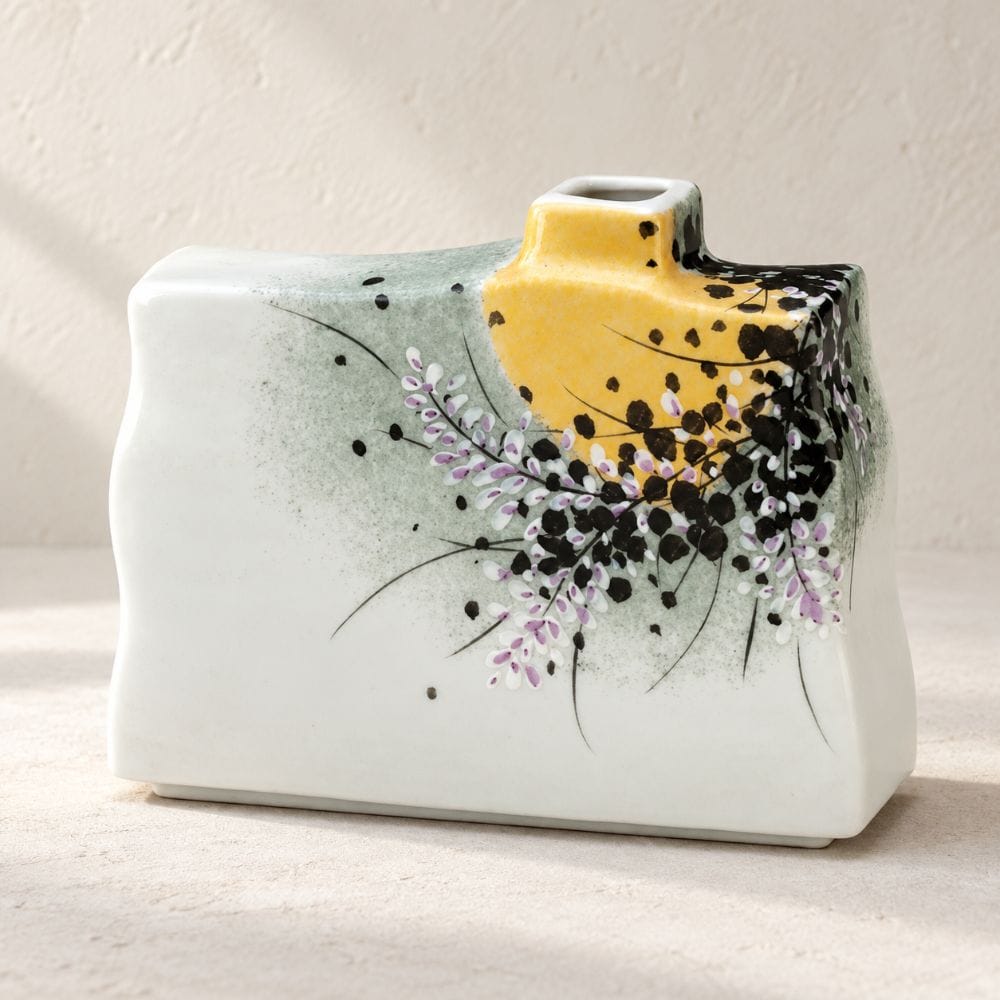
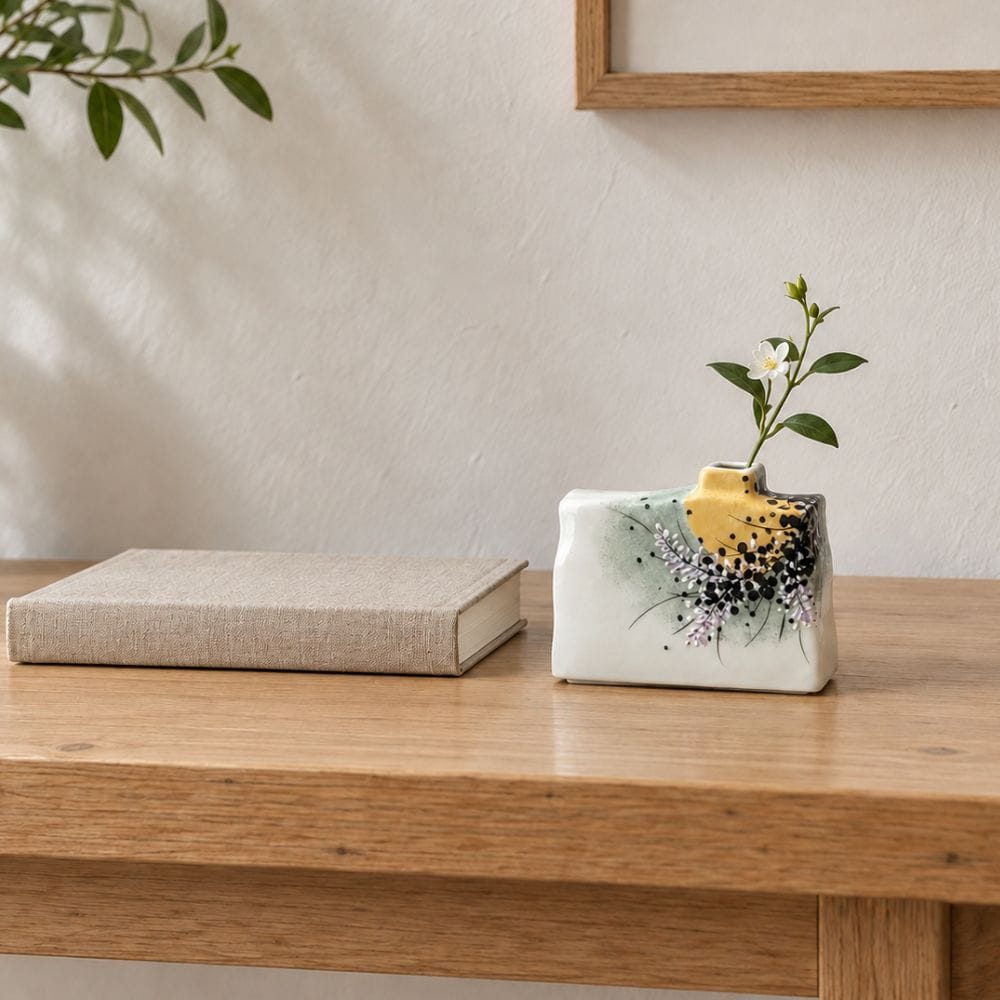
Explore Japanese vases chosen for their expressive shapes, delicate details and distinctive finishes. Styled with a single stem or displayed on their own, these decorative vases bring quiet character to a shelf, console or thoughtfully set table.
Explore Japanese flower arrangement and thoughtful interiors, with inspiration for bringing vases into your home.
01
Discover how line, space and seasonal stems shape the art of ikebana, offering a thoughtful approach to arranging flowers.
Read the guide 02
Explore the materials, craftsmanship and design principles behind Japanese interiors, including the place of ikebana vessels in the home.
Read the articleJapanese vases bring shape, colour and texture to a room, whether filled with flowers or displayed on their own. A compact vessel can give a single stem a quiet presence, while a sculptural silhouette can become the focal point of a shelf or console.
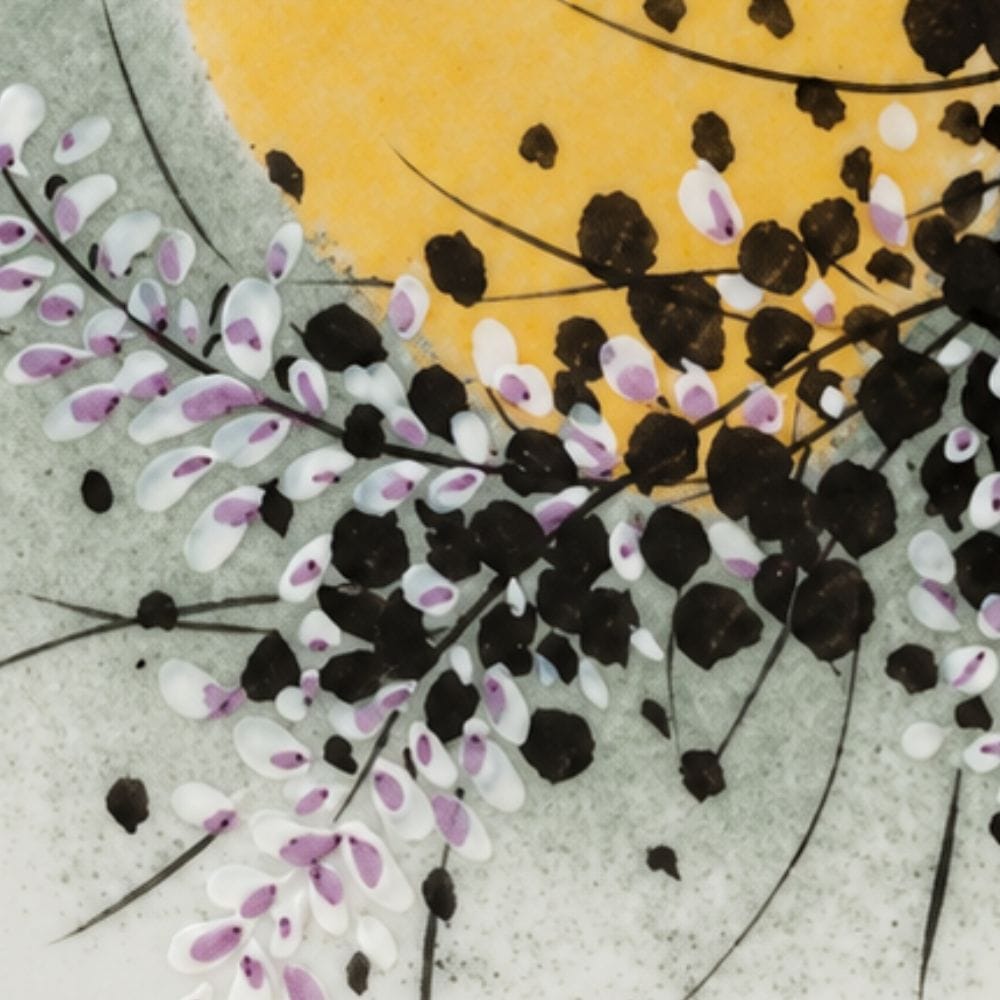
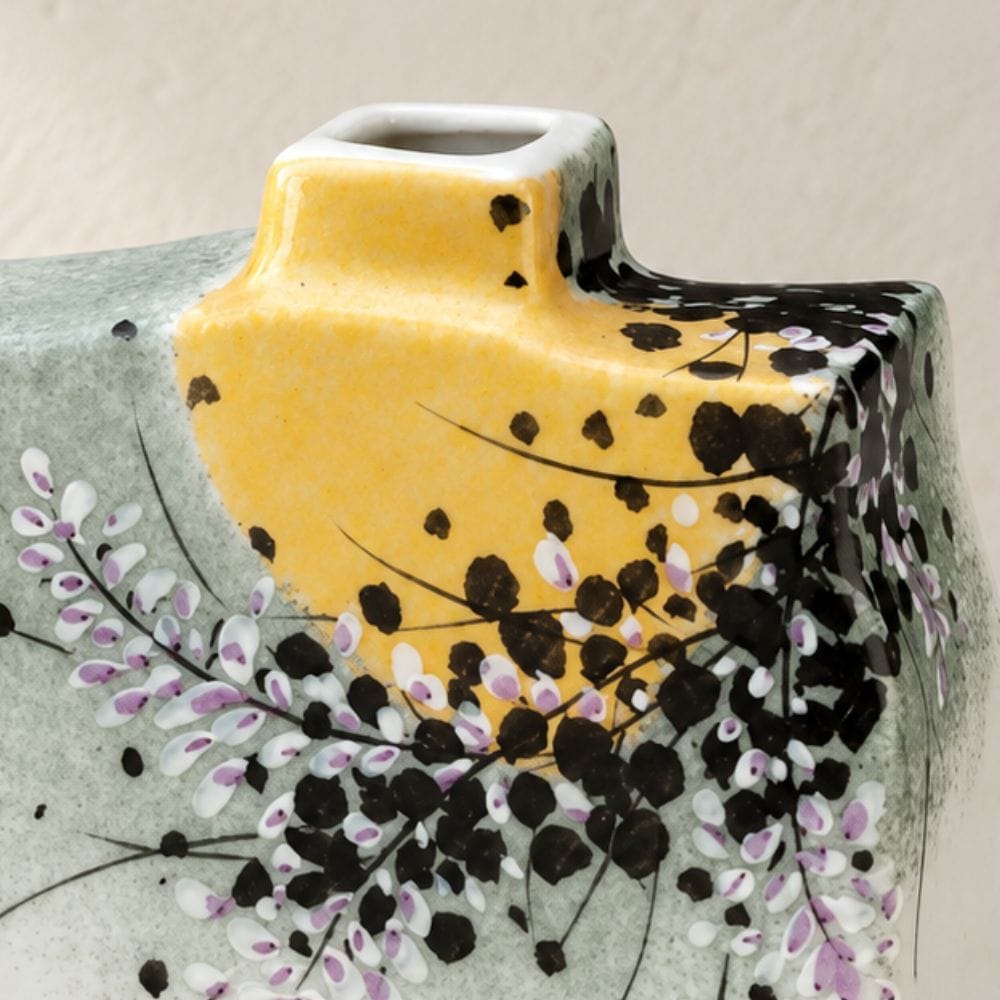
When choosing a decorative vase, consider its proportions as well as its finish. A narrow opening helps gather a few stems; a wider mouth gives an arrangement more room to spread. Painted details and textured surfaces can be enjoyed with simple foliage or left unobscured.
Check the height, width, depth and opening measurements on each product page. These details help you judge how a vase will sit in your space and which flowers it can accommodate. For fresh arrangements, confirm that the individual piece is suitable for holding water.
Practical answers on size, flower arrangements and everyday care.
Start with where you plan to display it and the flowers you enjoy. Compare the vase’s height, width and depth with your shelf or table, then check the opening size. A compact, narrow-necked vase can suit a few stems, while a broader opening allows a fuller arrangement. Keep enough space around the vase to appreciate its shape.
A bud vase is usually a small vessel with a narrow opening for a single flower or a few stems. An ikebana vase is used for Japanese flower arrangement and may be tall, shallow or sculptural. Some arrangements use a kenzan, or pin holder, to support the stems; the vessel and support should suit the arrangement you want to create.
Suitability varies by material, glaze and construction. A glazed surface alone does not guarantee that a ceramic vase is watertight. Check the individual product’s instructions before adding water. If it is described as decorative only, use it for dry arrangements or display it empty.
Let the silhouette and surface decoration be the focus. Place the vase on a shelf, console or side table with some clear space around it. A simple background helps painted details stand out, while nearby objects of different heights can create a balanced display.
Follow the care instructions supplied with the individual vase. For routine dusting, use a soft cloth and avoid abrasive cleaners. If the piece is suitable for water and hand washing, clean it gently with mild soap, rinse and allow it to dry. Avoid sudden temperature changes, and do not assume it is dishwasher-safe.