

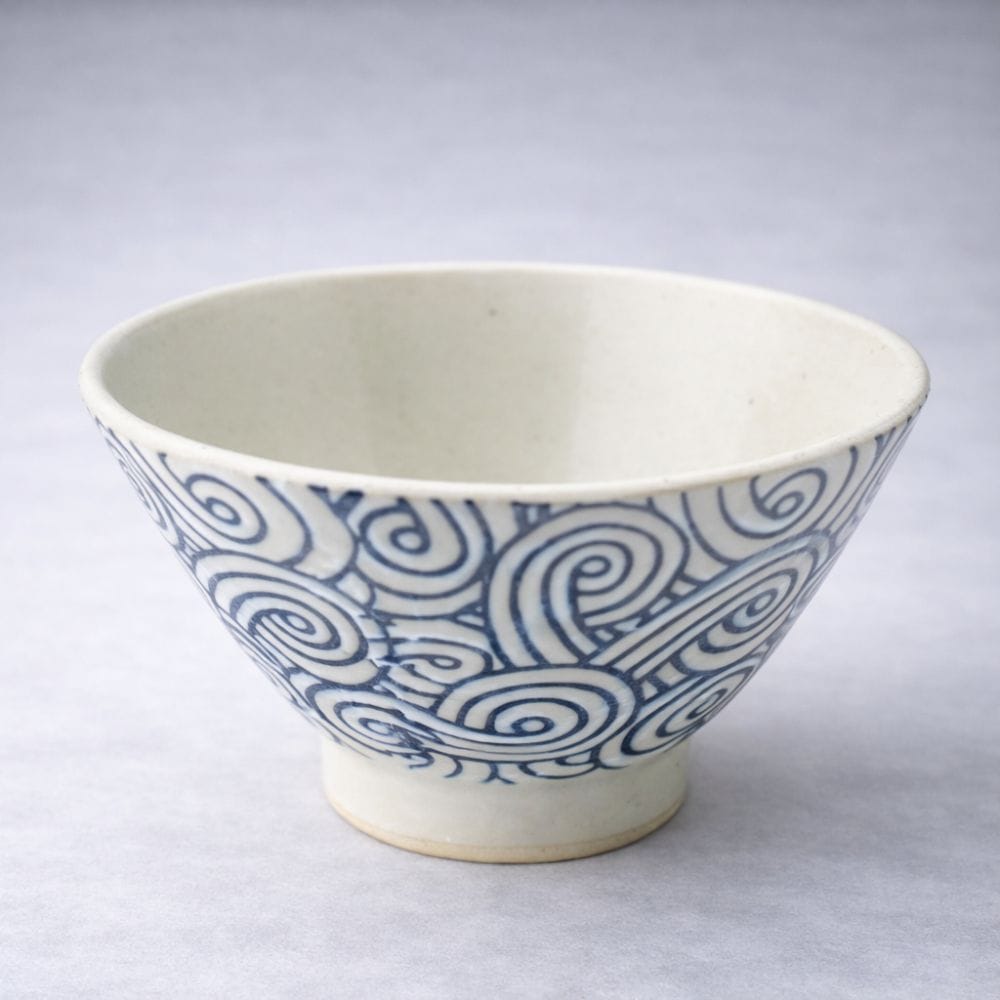
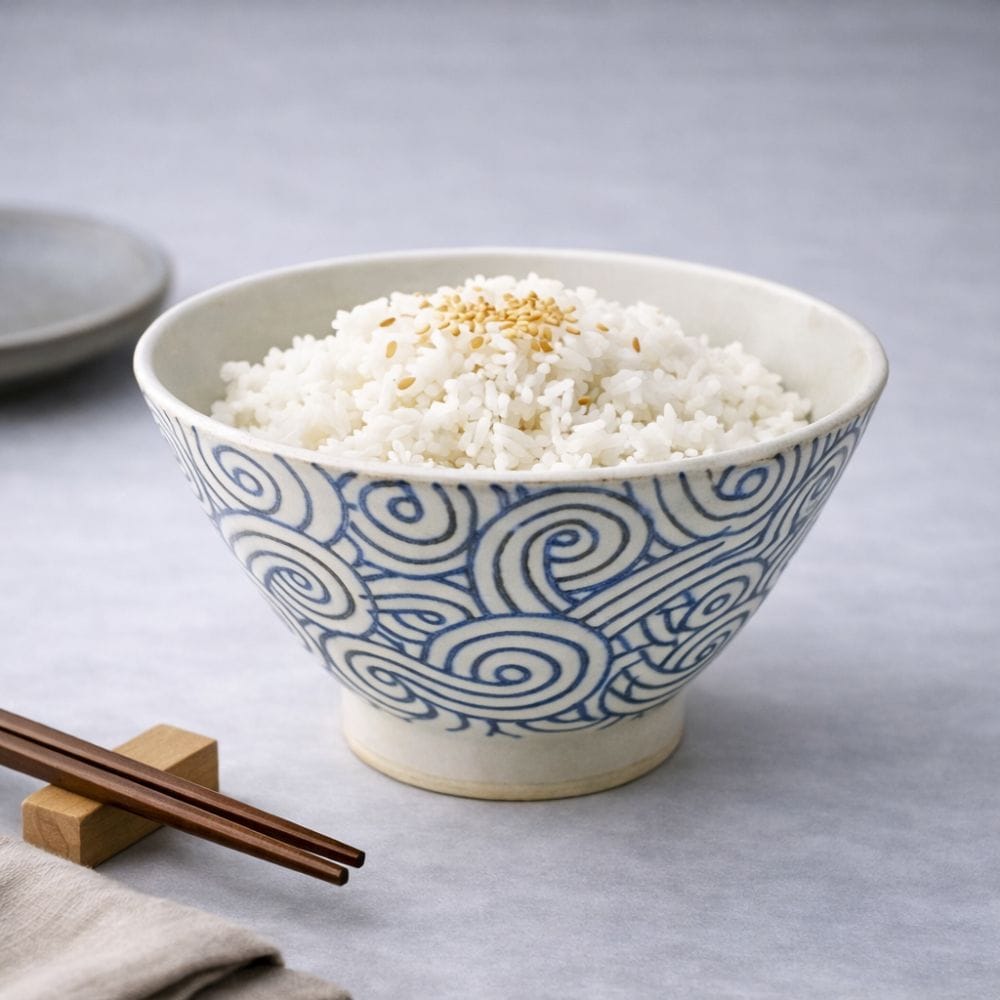
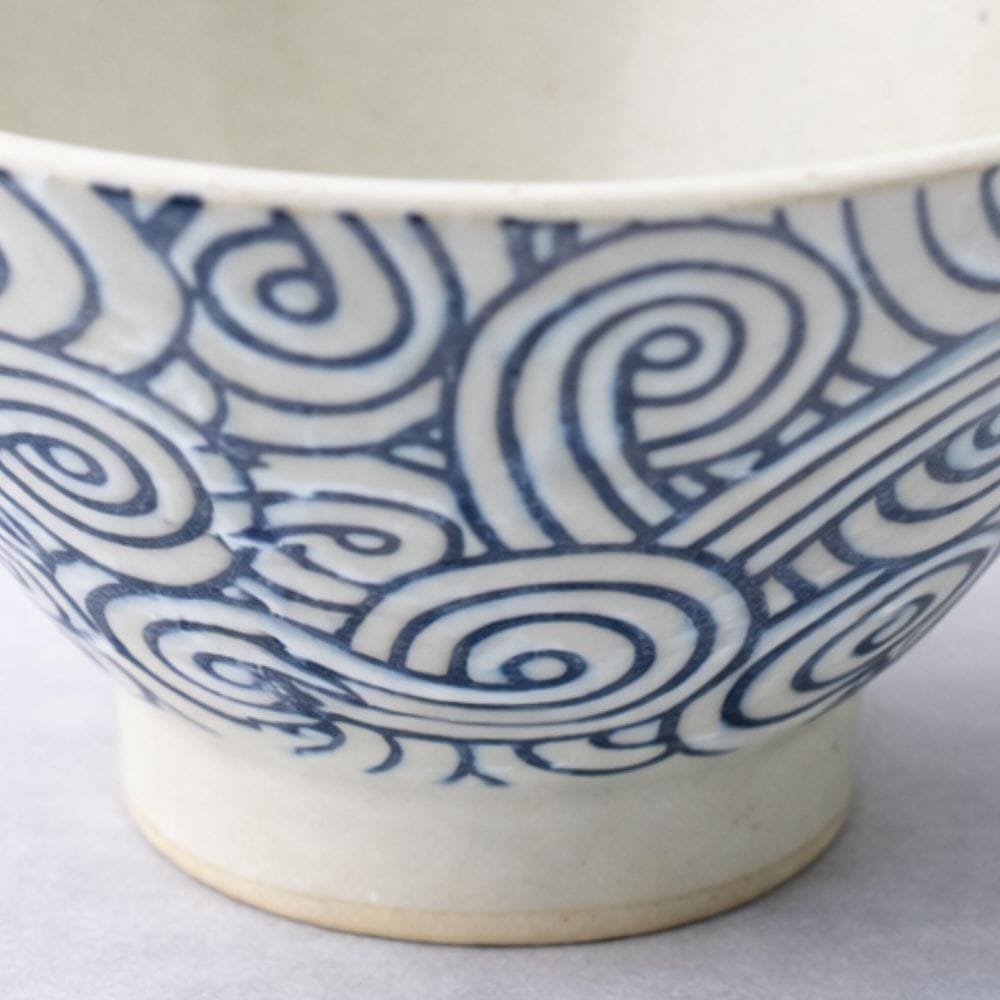
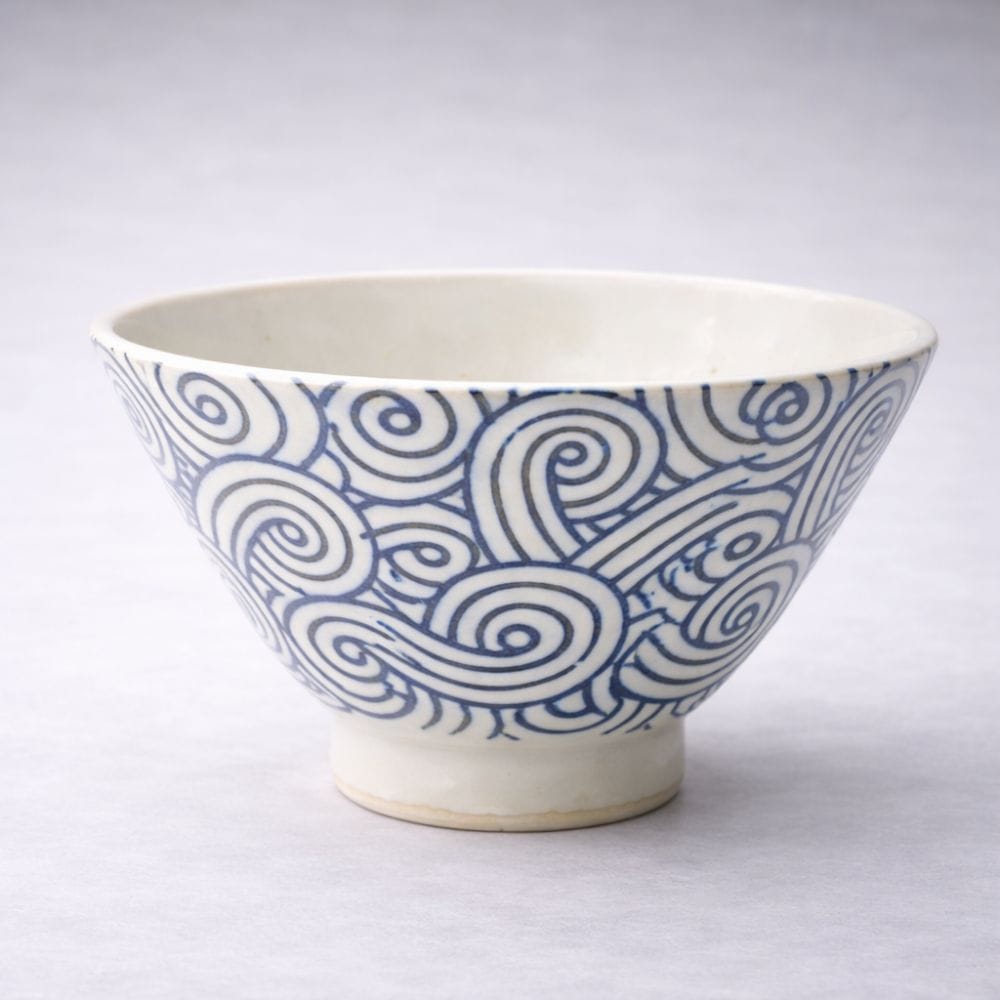
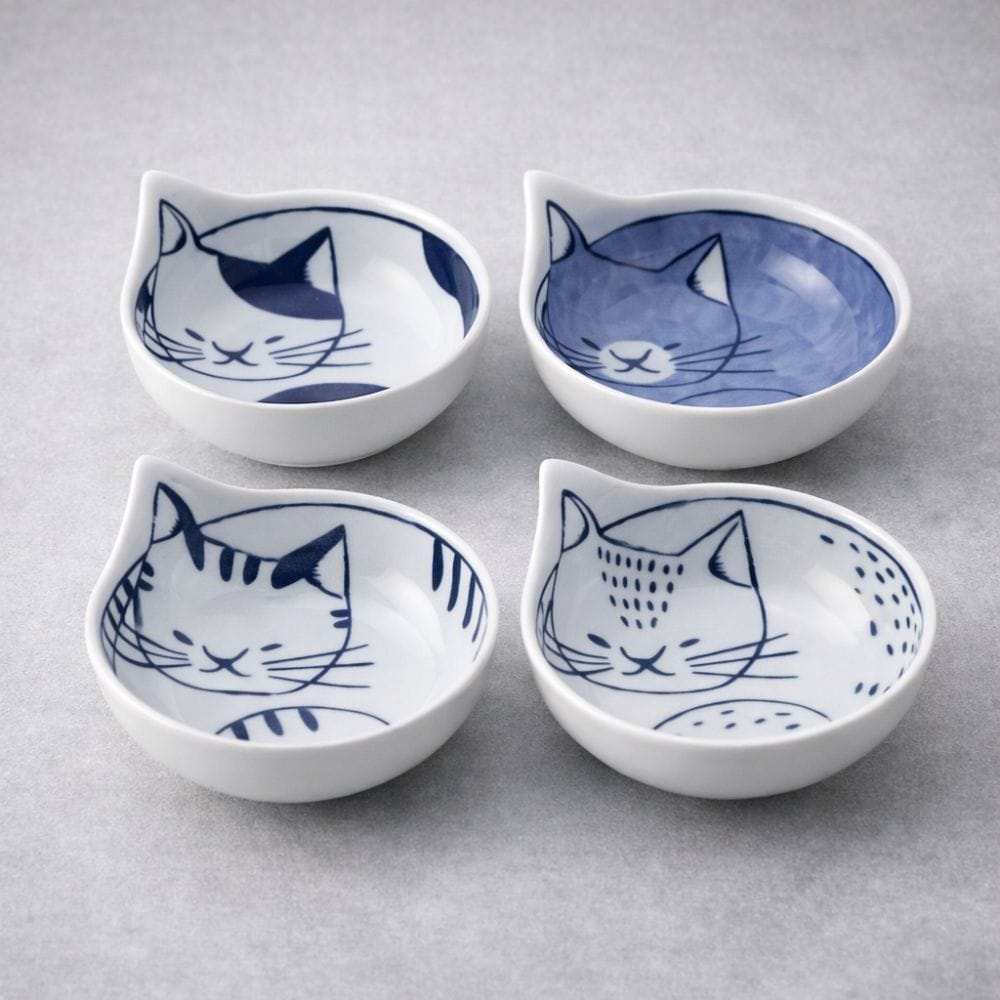
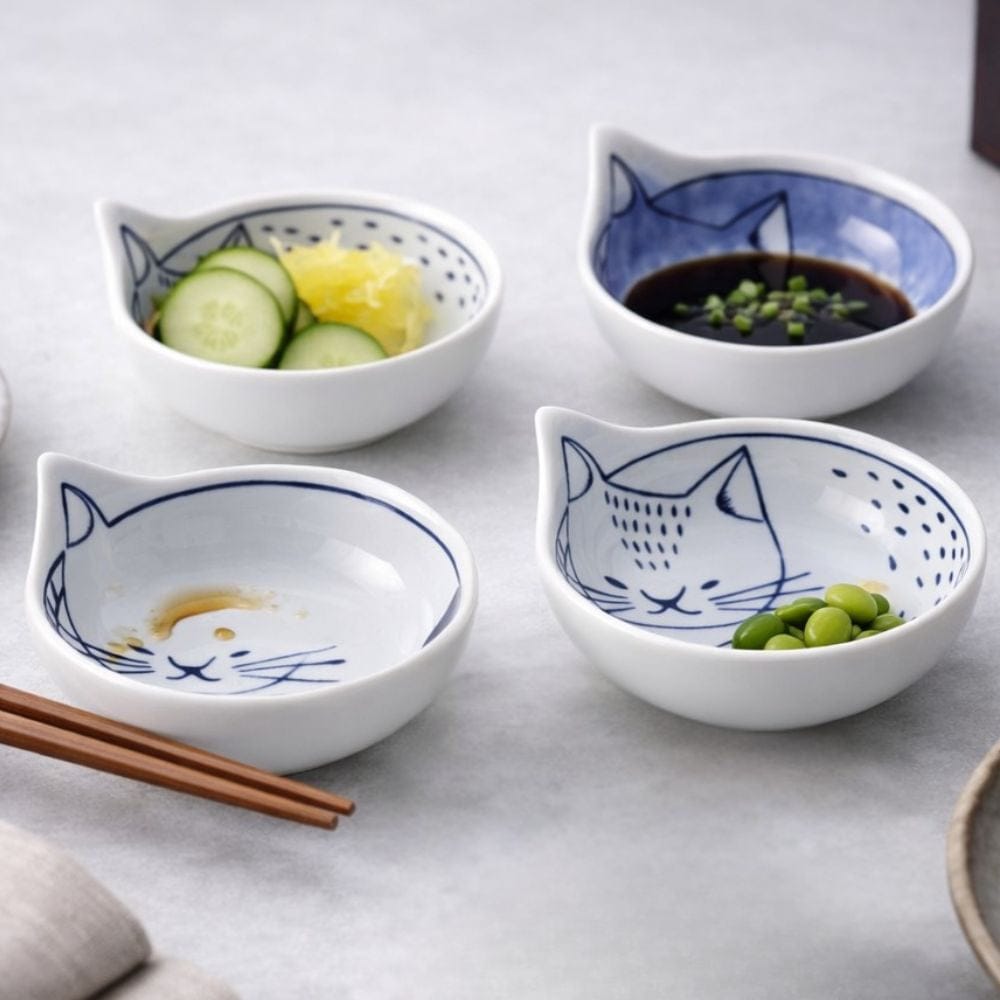
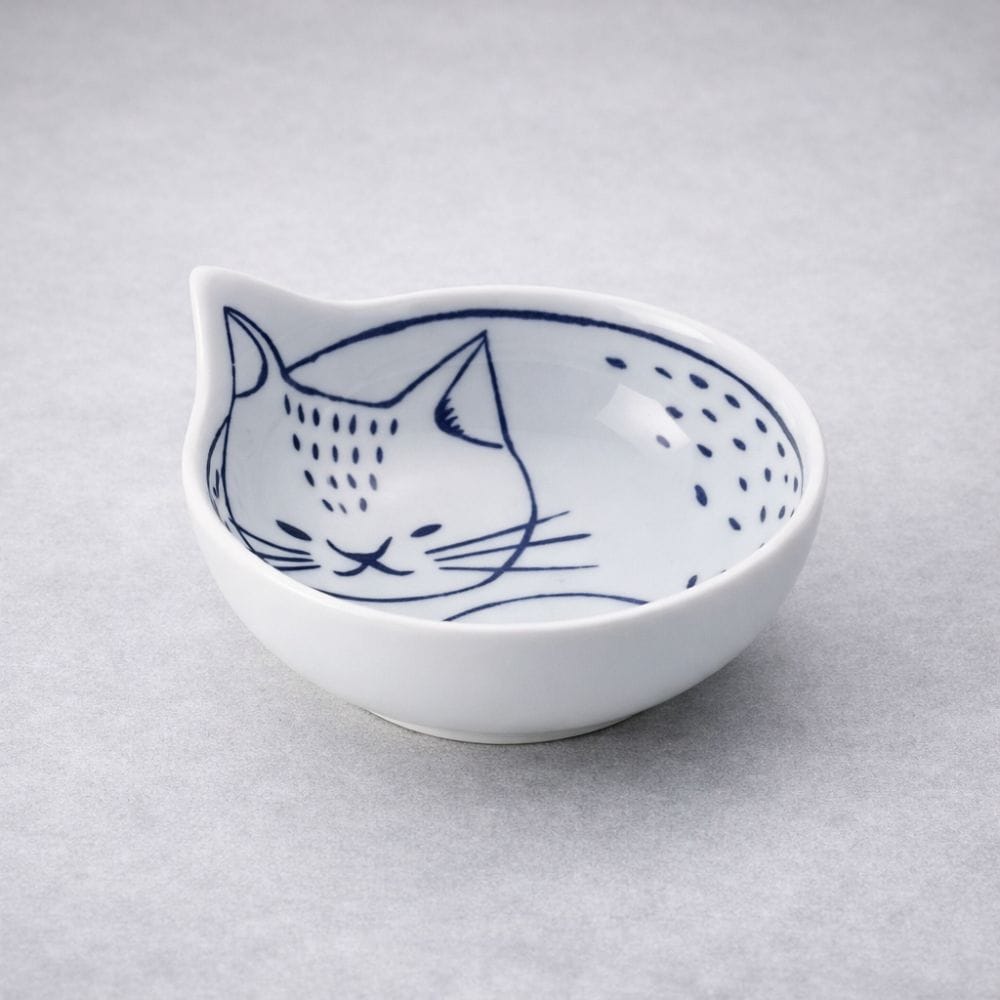
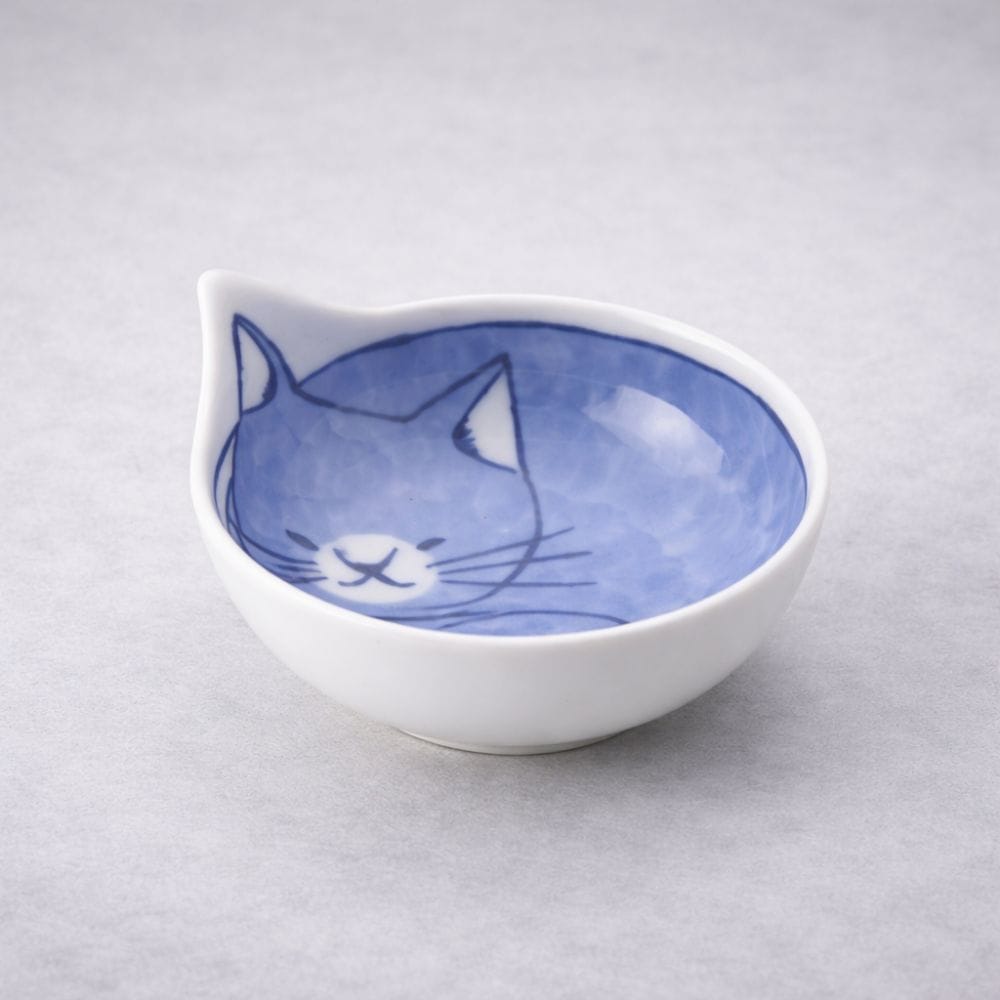


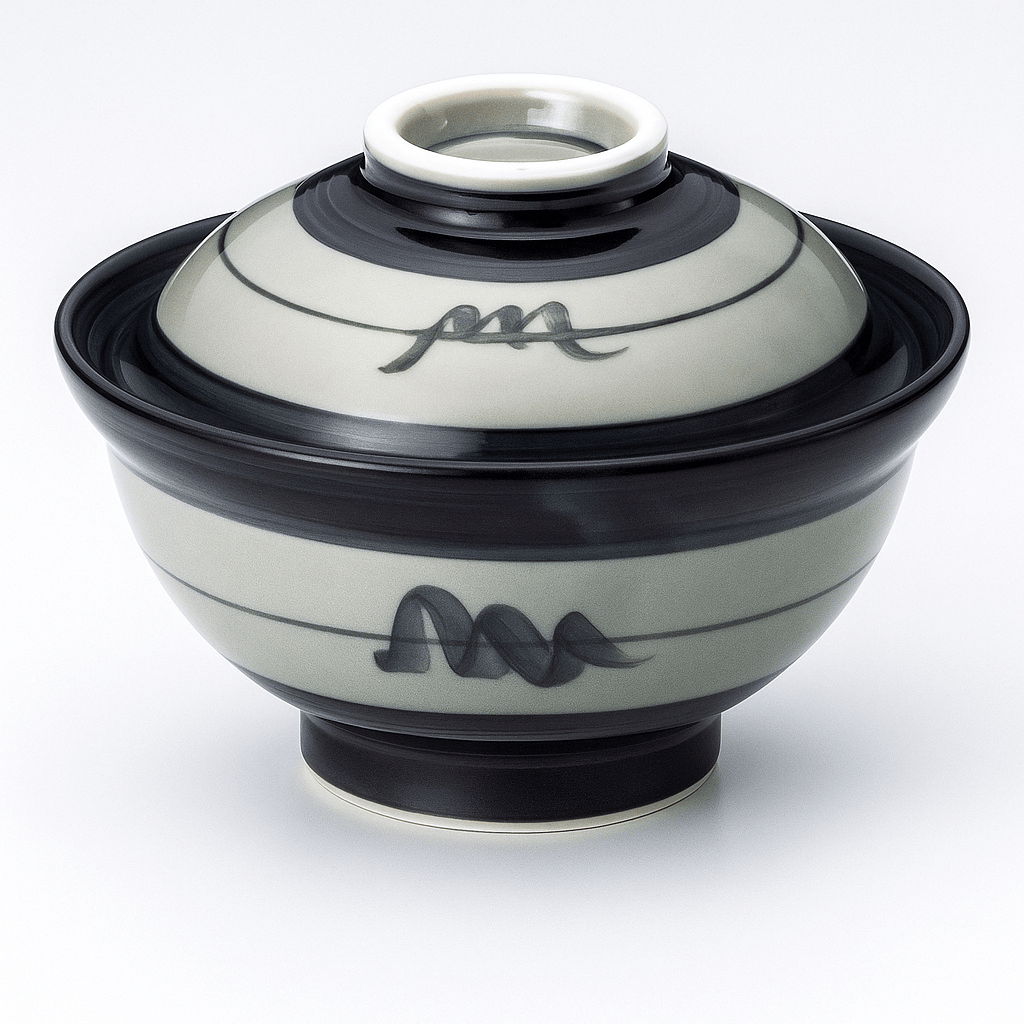
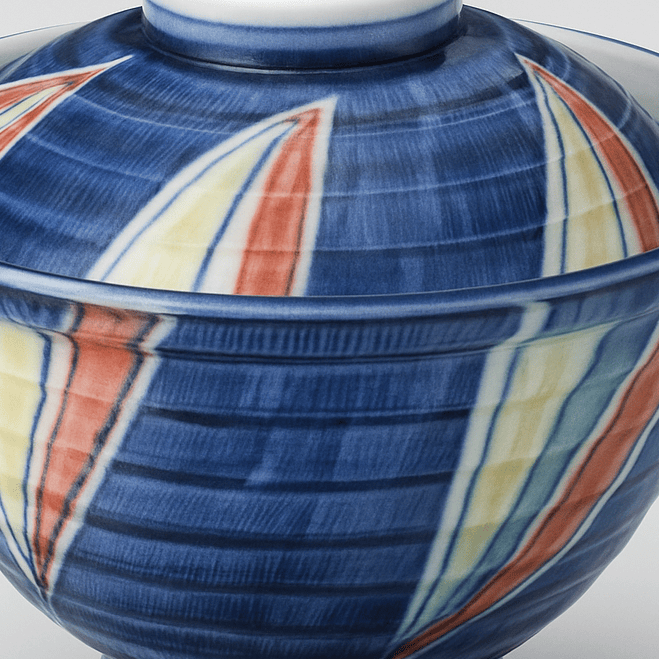
![Hana Matsuri Rice Bowl, Small Plate & Chopstick Set [Pair] Hana Matsuri Rice Bowl, Small Plate & Chopstick Set [Pair]](http://myjapaneseworld.com/cdn/shop/files/hana-matsuri-rice-bowl-small-plate-chopstick-set-pair-1229378028.jpg?v=1774531896&width=1000)
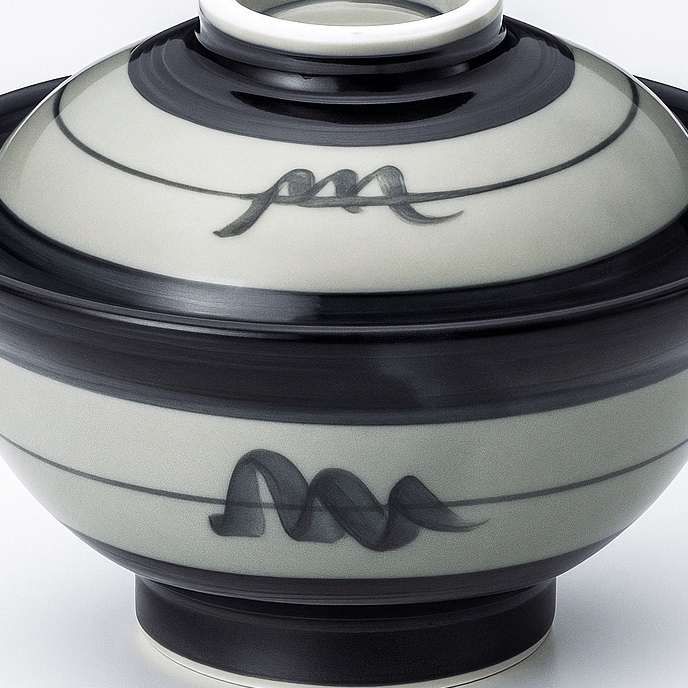
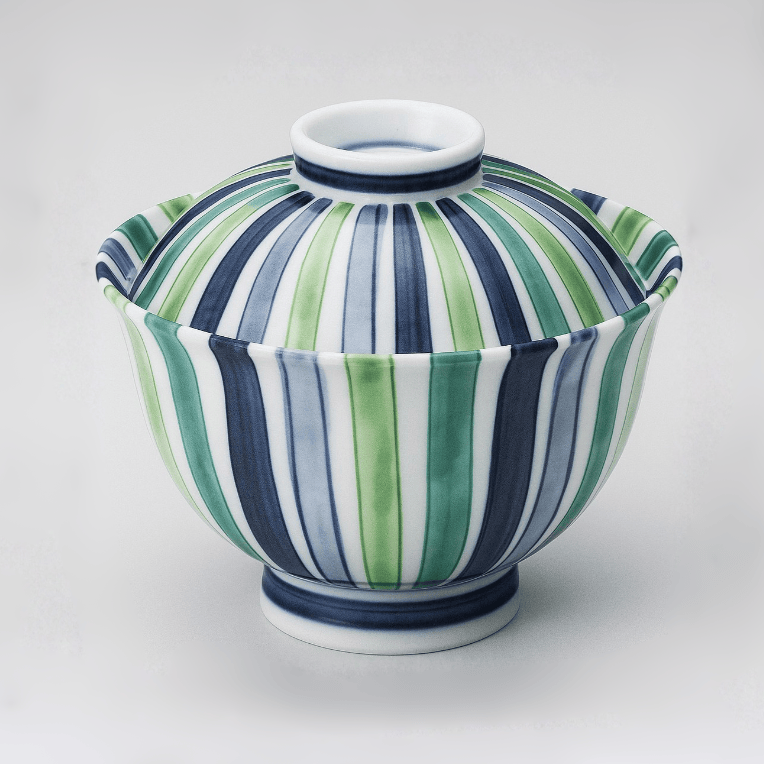
![Hana Matsuri Rice Bowl, Small Plate & Chopstick Set [Pair] Hana Matsuri Rice Bowl, Small Plate & Chopstick Set [Pair]](http://myjapaneseworld.com/cdn/shop/files/hana-matsuri-rice-bowl-small-plate-chopstick-set-pair-1229378031.jpg?v=1774531869&width=1000)
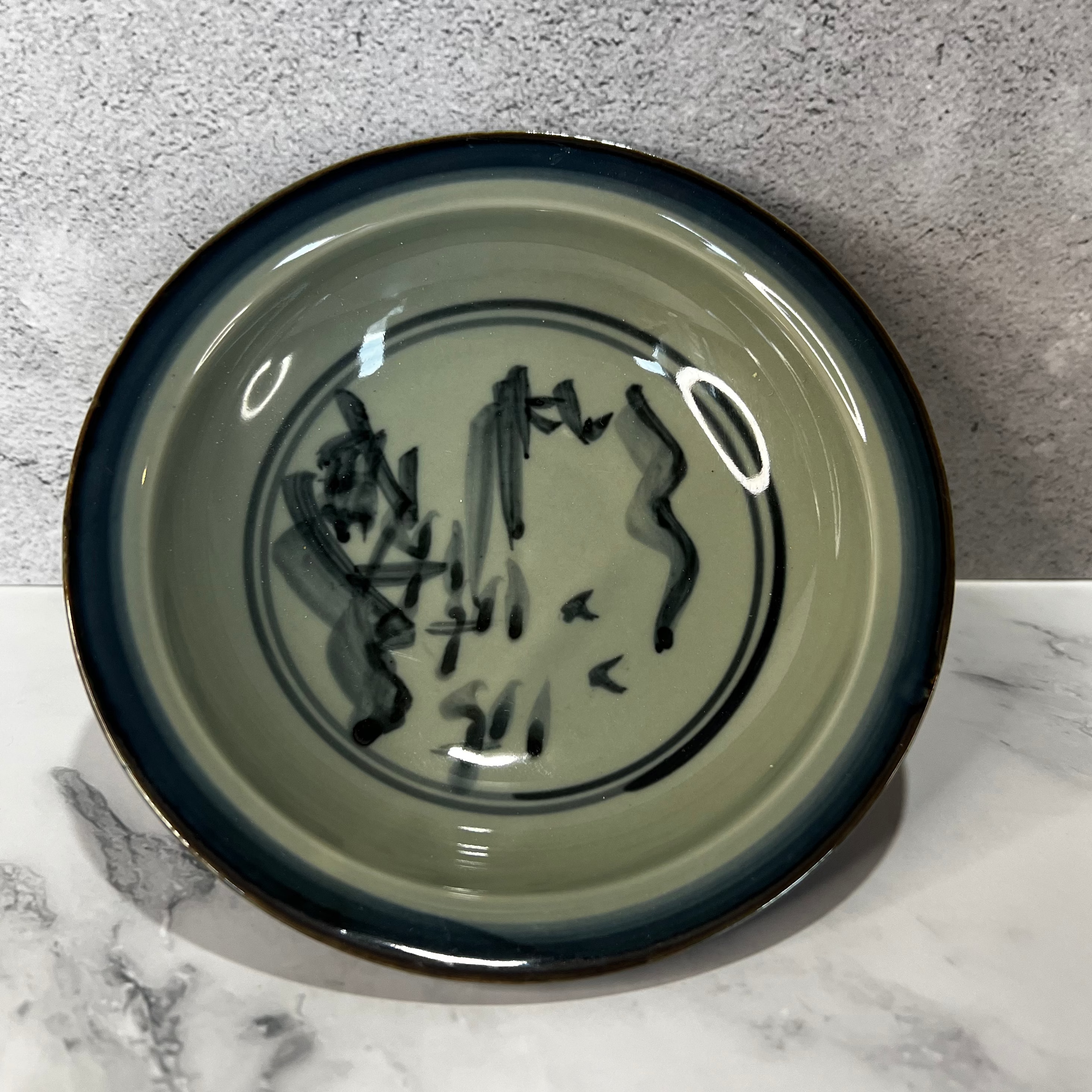
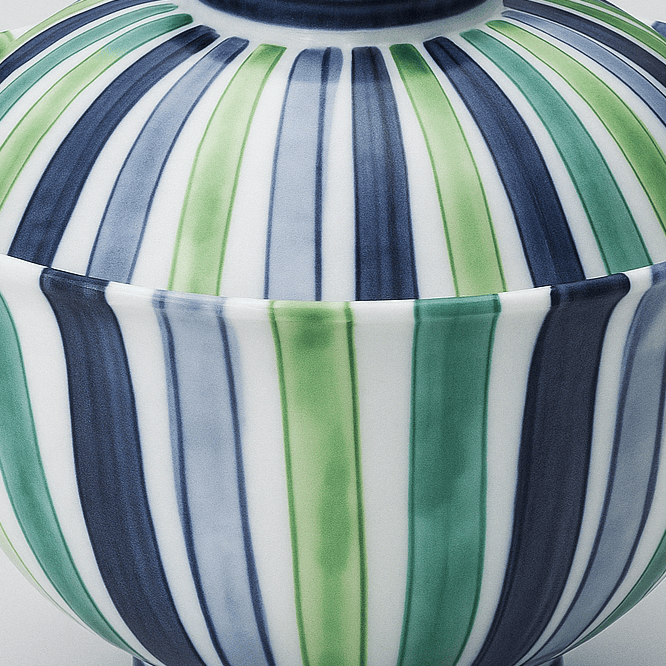
![Hana Matsuri Rice Bowl, Small Plate & Chopstick Set [Pair] Hana Matsuri Rice Bowl, Small Plate & Chopstick Set [Pair]](http://myjapaneseworld.com/cdn/shop/files/hana-matsuri-rice-bowl-small-plate-chopstick-set-pair-1229378029.jpg?v=1774531836&width=1000)
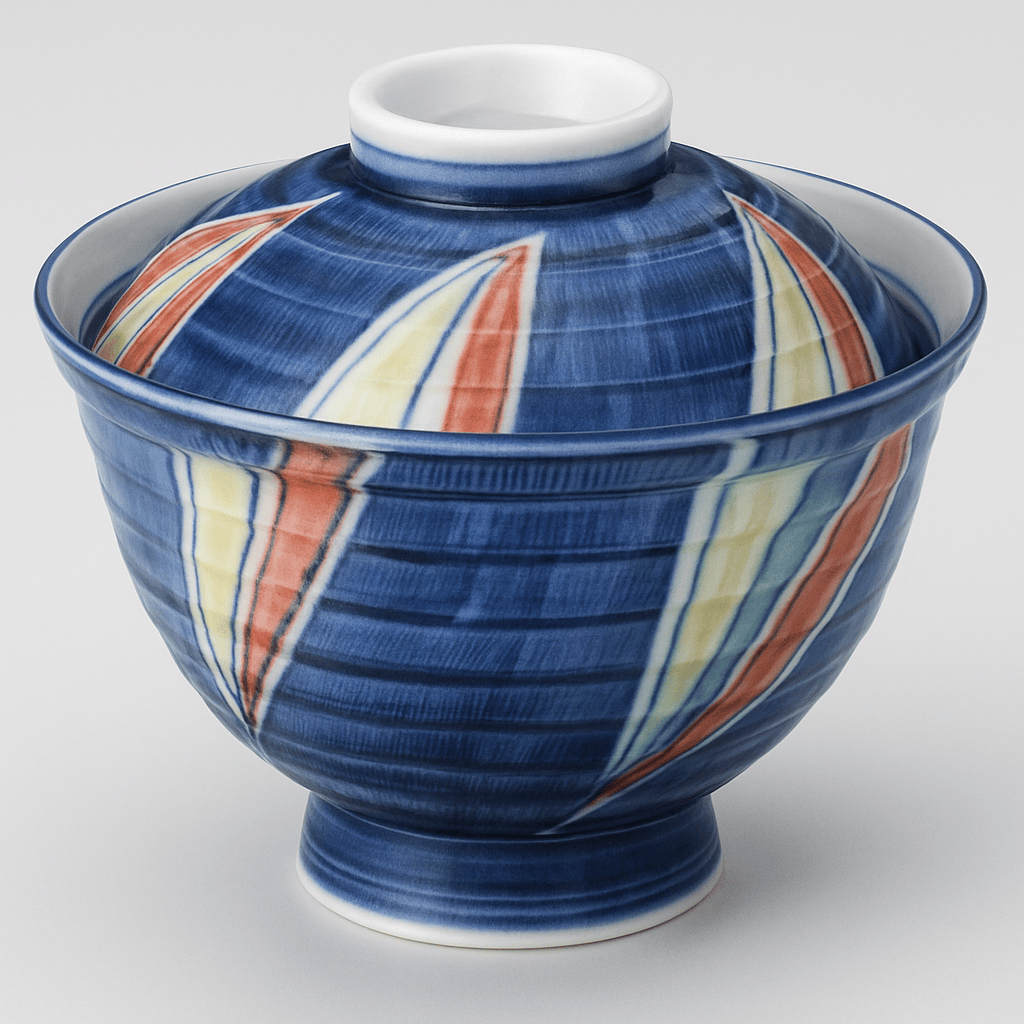
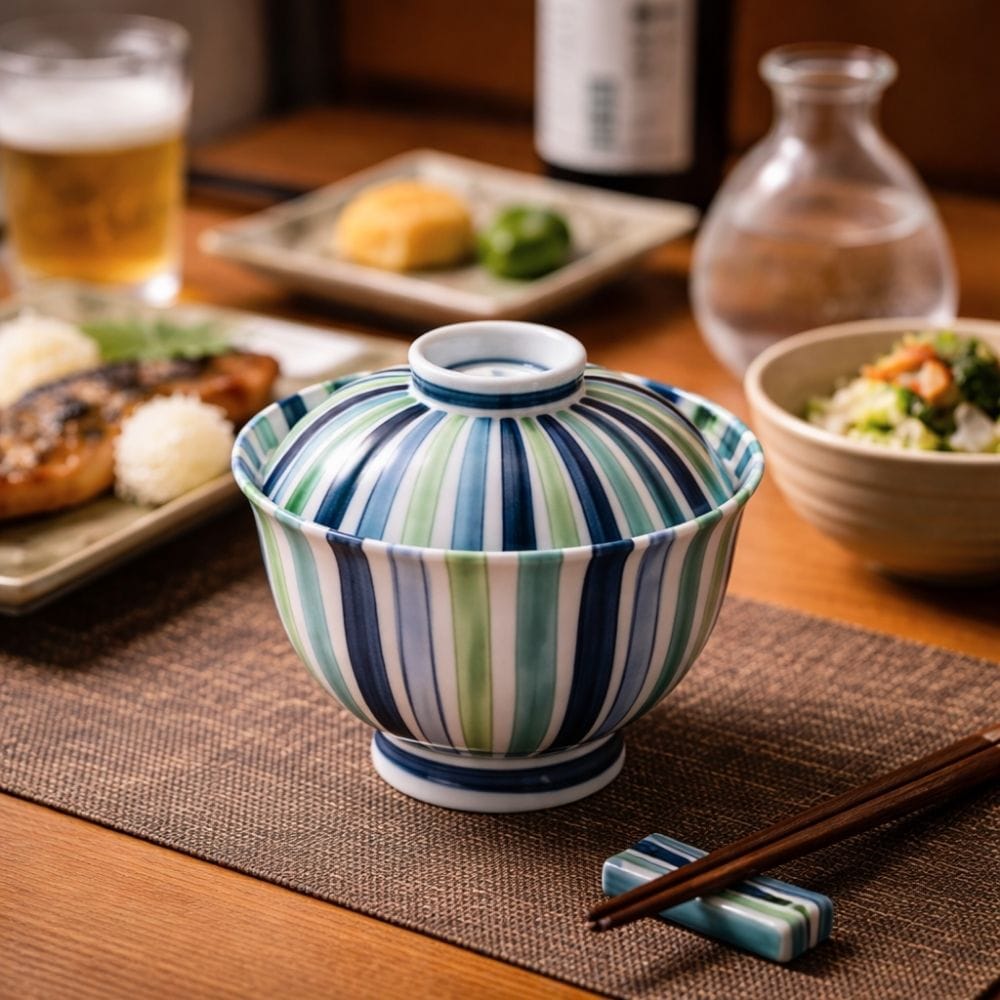
![Hana Matsuri Rice Bowl, Small Plate & Chopstick Set [Pair] Hana Matsuri Rice Bowl, Small Plate & Chopstick Set [Pair]](http://myjapaneseworld.com/cdn/shop/files/hana-matsuri-rice-bowl-small-plate-chopstick-set-pair-1229378030.jpg?v=1774531809&width=1000)
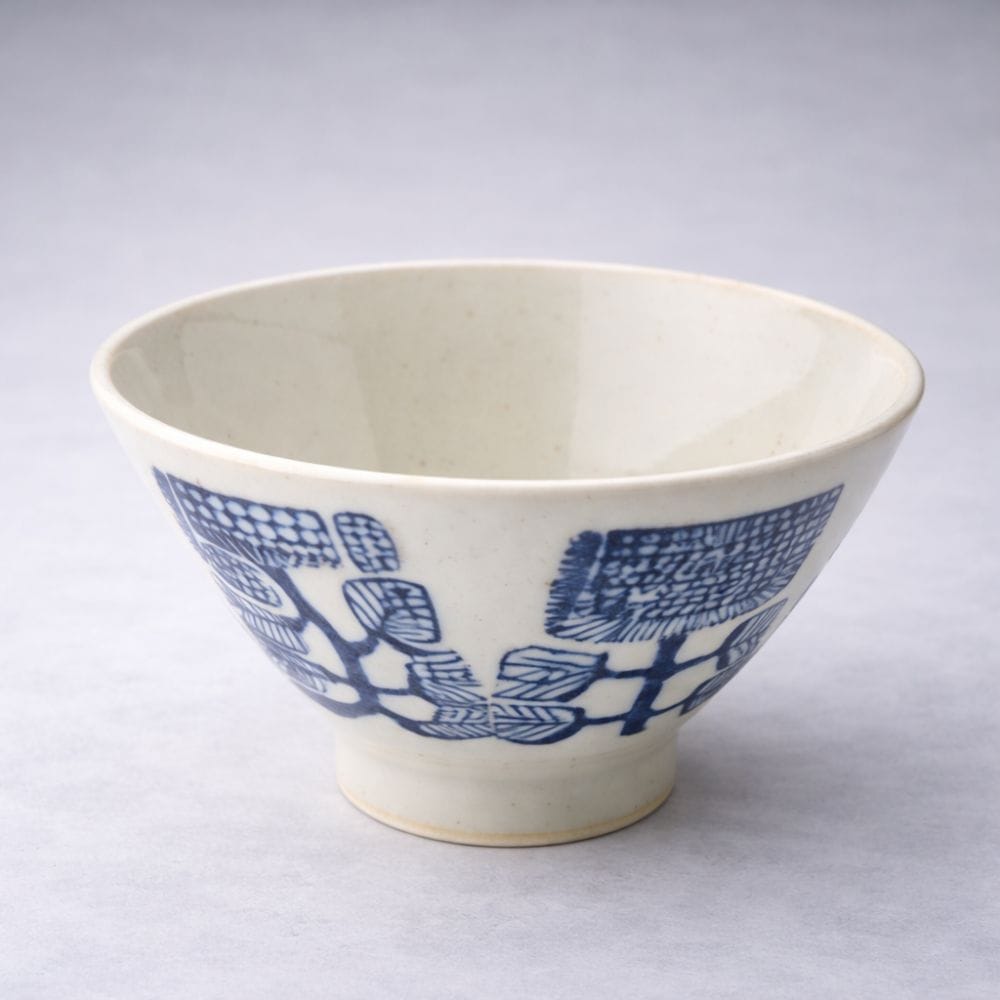
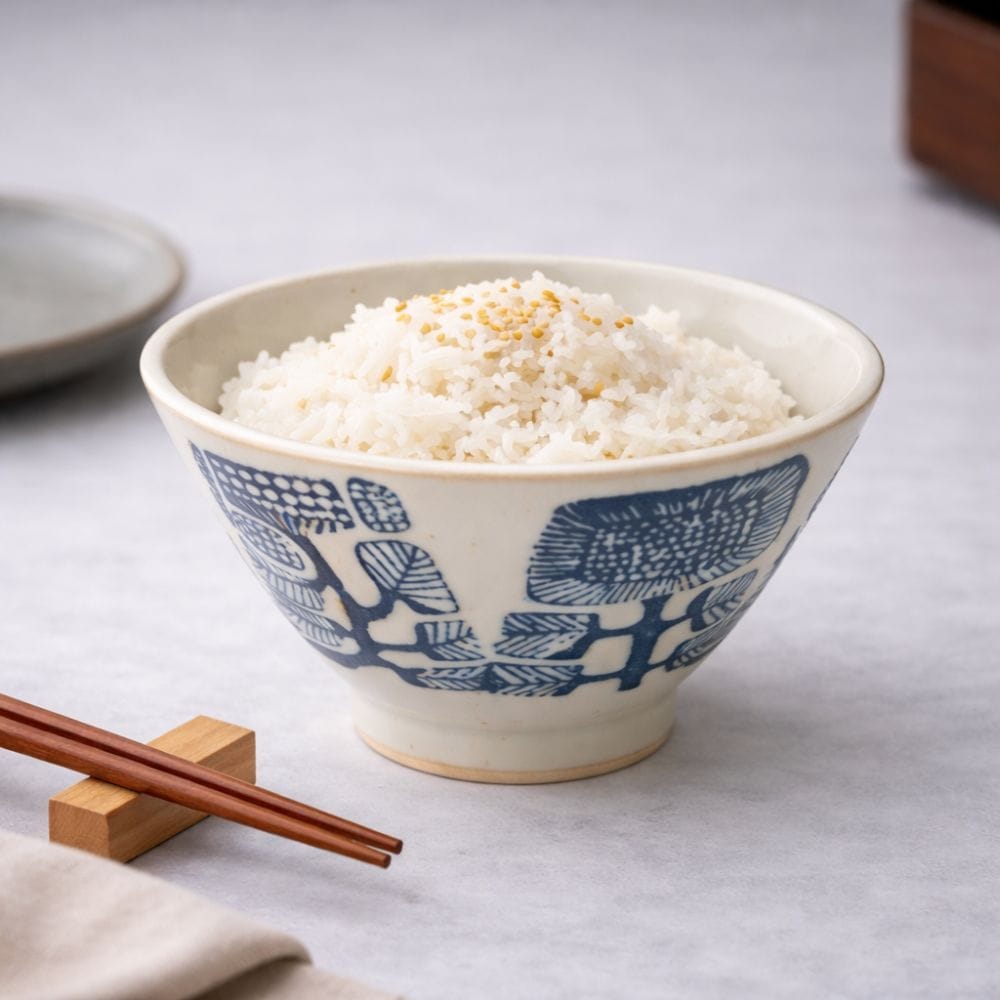
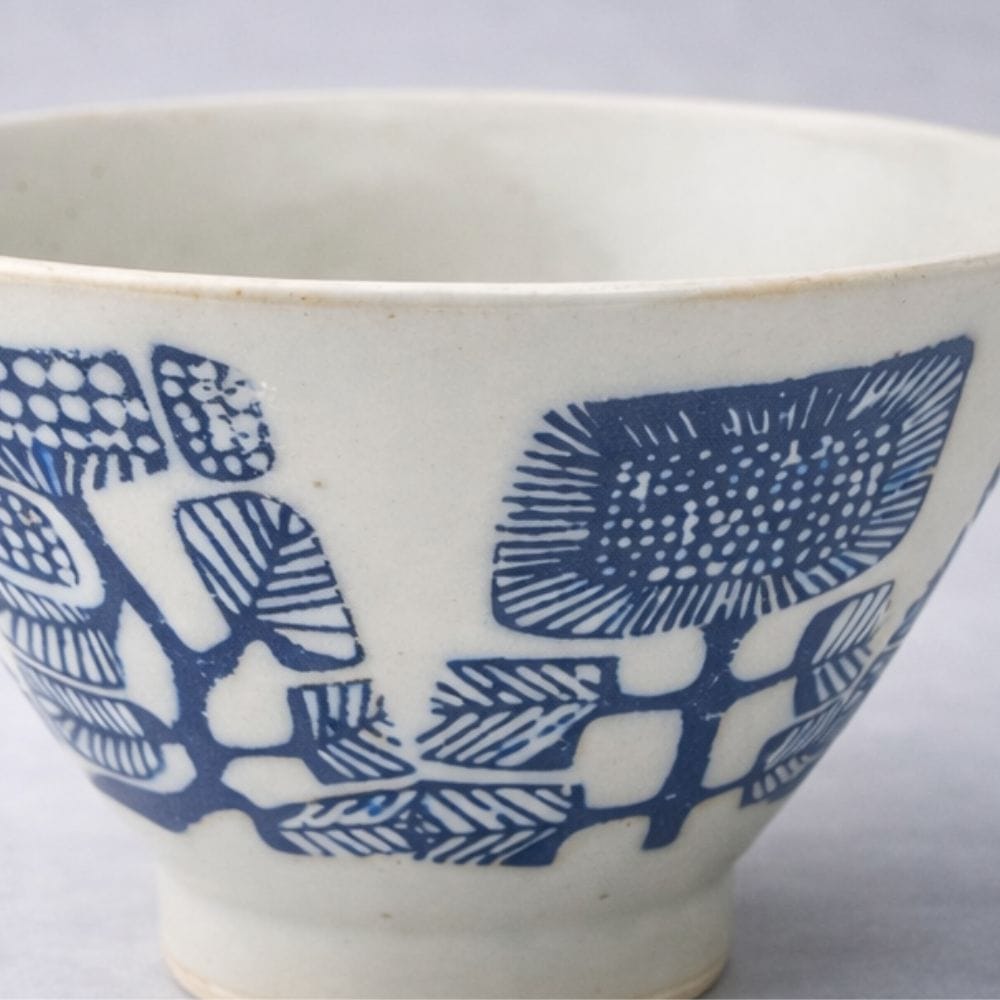
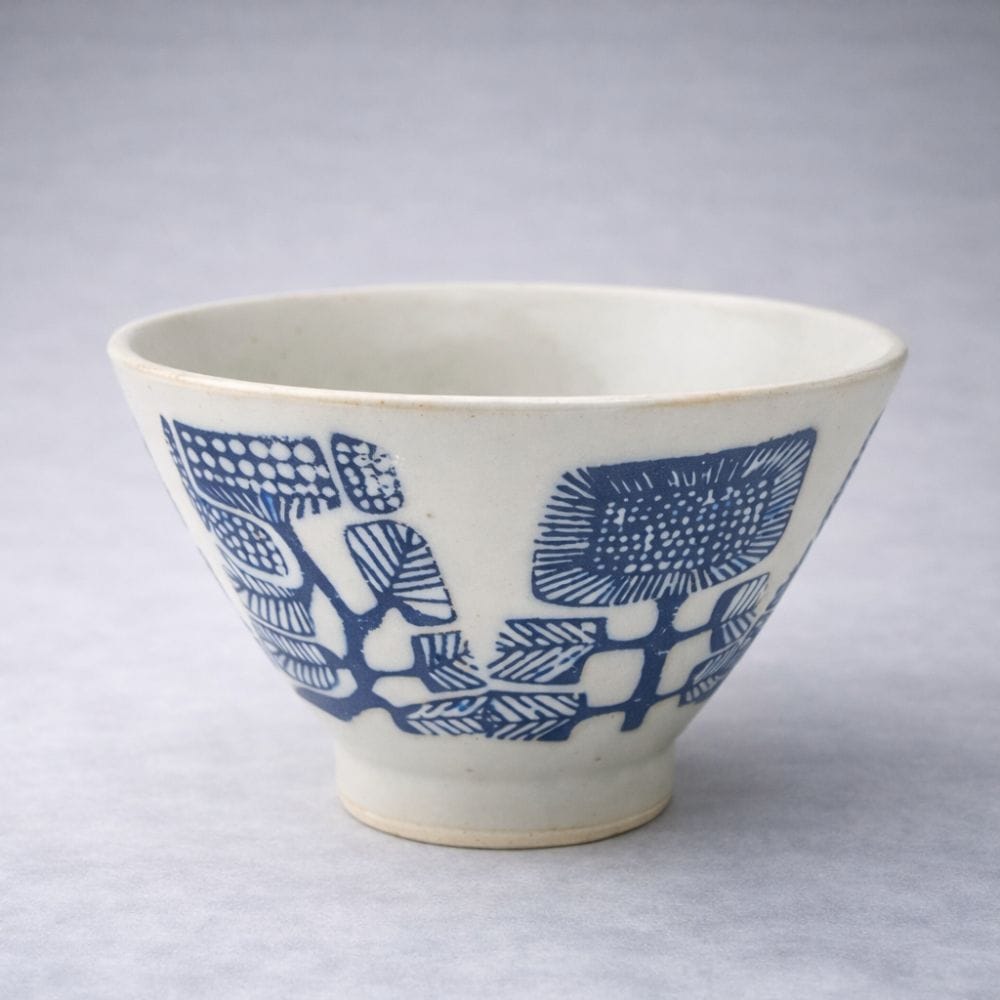

 01
01
Japanese Rice Bowls: A Guide to Form & Use
Learn how size, shape, material and regional style affect the way a Japanese rice bowl feels in the hand and works at the table.
Read the guide
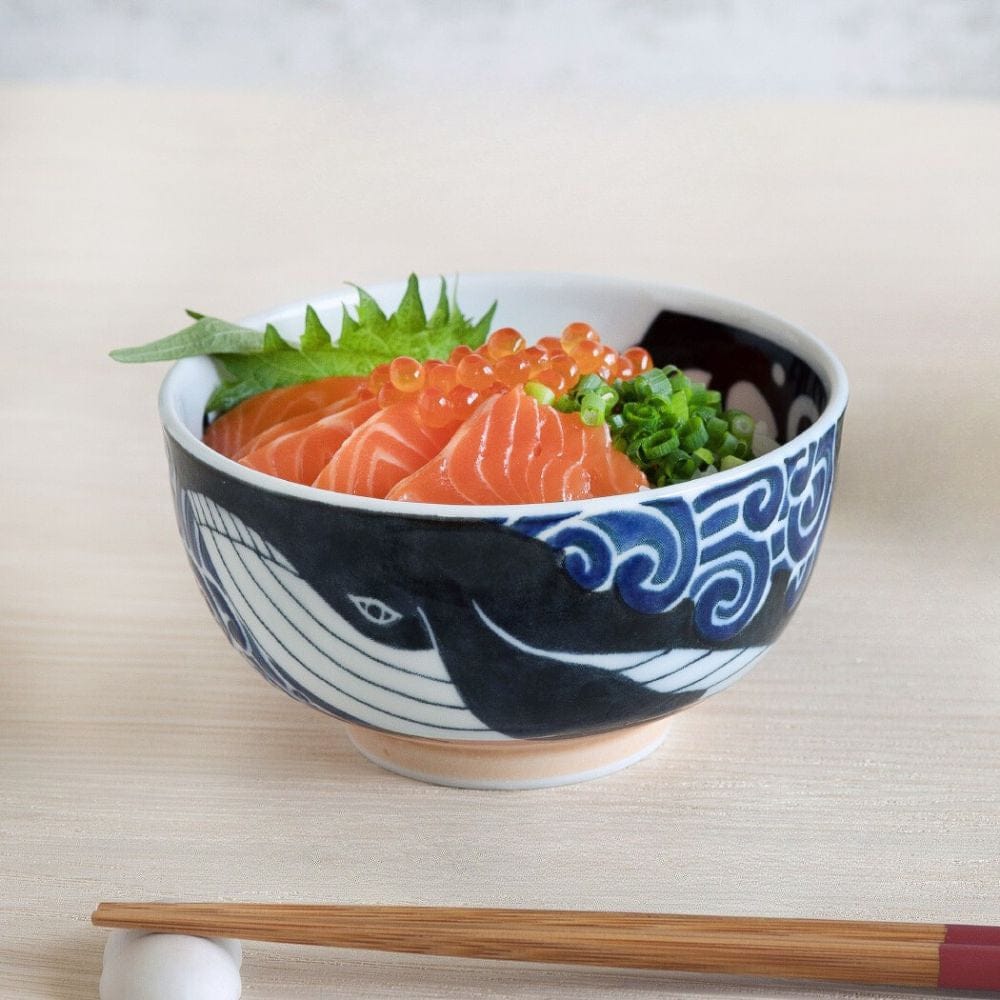
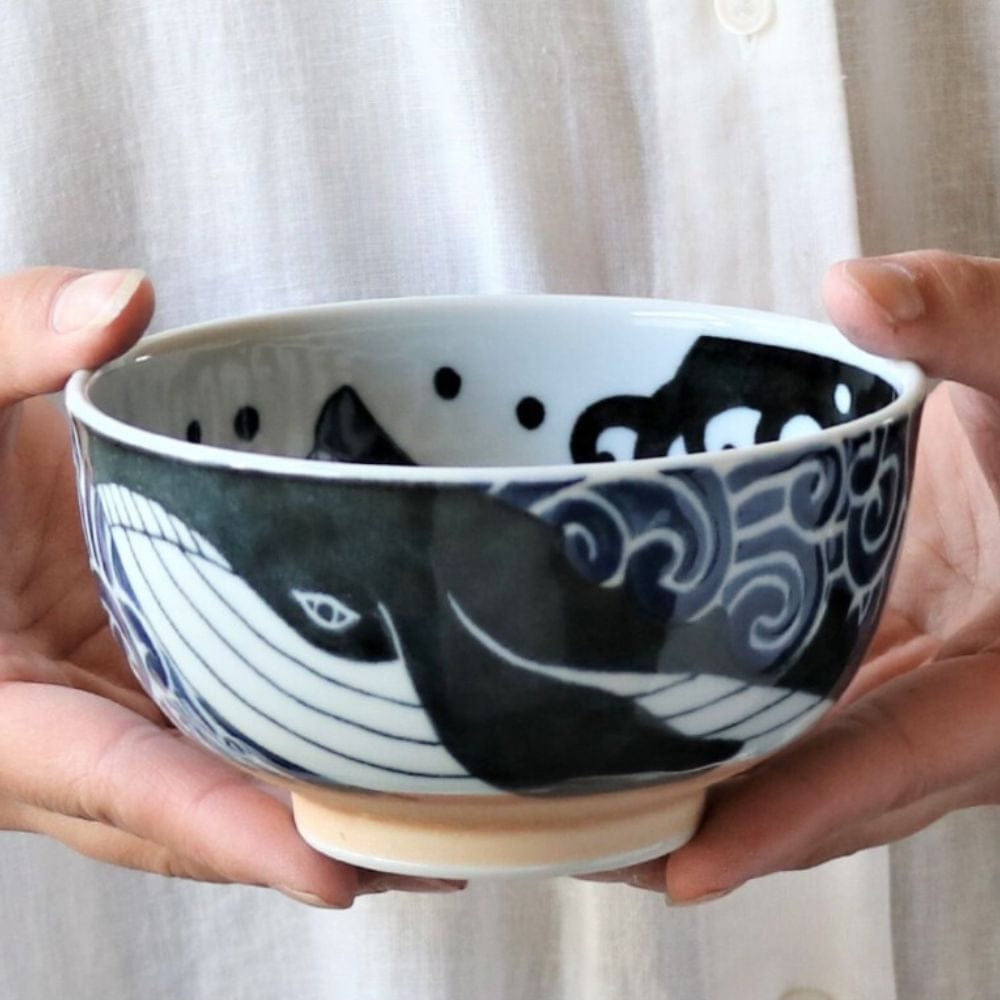
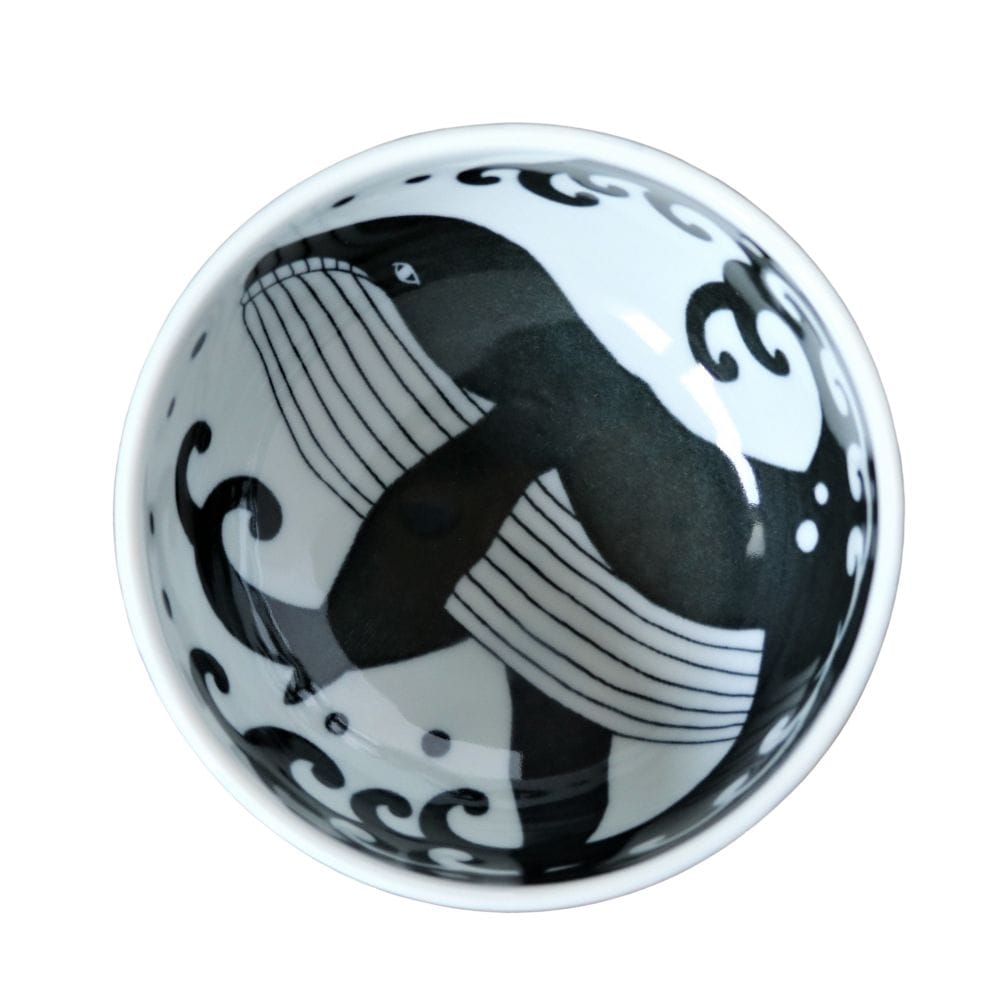
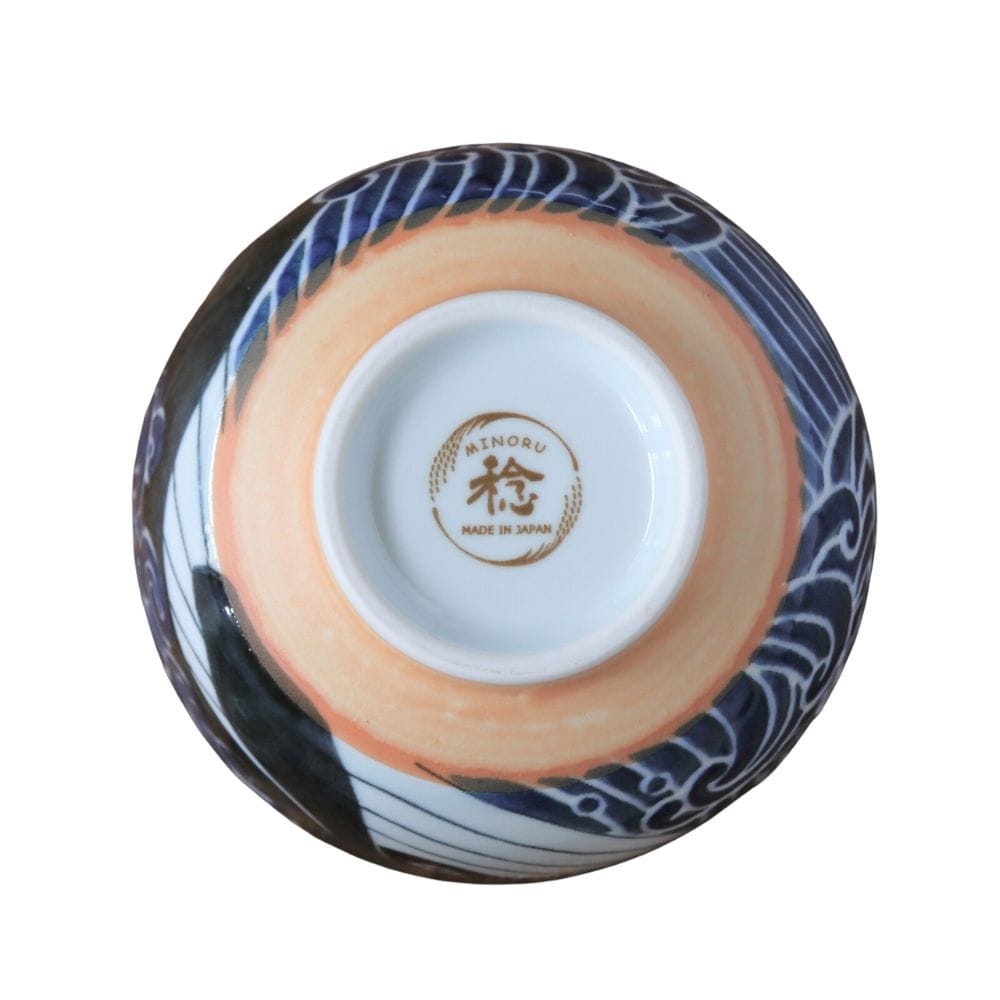
Hana Matsuri Rice Bowl, Small Plate & Chopstick Set [Pair]
Explore how size, depth, material and regional ceramic traditions shape the bowls used for rice, donburi and everyday Japanese meals.
01
Learn how size, shape, material and regional style affect the way a Japanese rice bowl feels in the hand and works at the table.
Read the guide 02
02
Discover why donburi bowls are deeper and more generous in size, and how shape and material suit rice dishes, noodles and hearty meals.
Read the articleIn Japan, bowls are chosen according to the food they are intended to serve. Compact rice bowls are designed for individual portions, while deeper donburi and ochazuke bowls accommodate larger meals, toppings, broth and tea.
Shape, weight and depth all affect how a bowl feels in daily use. A smaller bowl can sit comfortably in the hand while eating rice, whereas deeper forms provide the volume needed for donburi, noodles and more substantial dishes.
Japanese ceramic traditions also give each bowl its own character. Hasami and Arita porcelain can feel refined and precise, while other regional wares introduce different glazes, textures and decorative approaches to the everyday table.
Practical answers to help you choose the right Japanese bowl for everyday meals.
A Japanese rice bowl is an individual bowl traditionally used for serving steamed rice. It is generally smaller than a donburi bowl and shaped to be comfortable to hold in one hand during a meal.
Rice bowls are usually smaller and intended for a side portion of rice. Donburi bowls are larger and deeper, giving enough room for rice topped with meat, fish, vegetables or other ingredients, and they are also useful for noodles and hearty one-bowl meals.
For everyday rice, a compact bowl that sits comfortably in the hand is usually the most practical choice. If you plan to serve donburi, ochazuke, noodles or larger portions, a deeper and more generous bowl will be more versatile.
Lidded bowls are traditionally used for foods where retaining warmth, aroma or presentation matters. Depending on their size and shape, they can be used for rice dishes, soups, simmered foods and other individual servings.
Yes. The bowls in this collection are made in Japan and selected from Japanese ceramic makers, kilns and specialist workshops. Individual product pages provide the specific ware, region or maker information where available.
Build an everyday Japanese table with deeper bowls, small plates and serving pieces designed to complement your rice bowls.


