





 01
Japanese Pruning Shears: Craft, Materials & Care
Explore the materials, designs and care considerations behind Japanese pruning shears, with guidance on choosing tools for the garden.
Read the guide
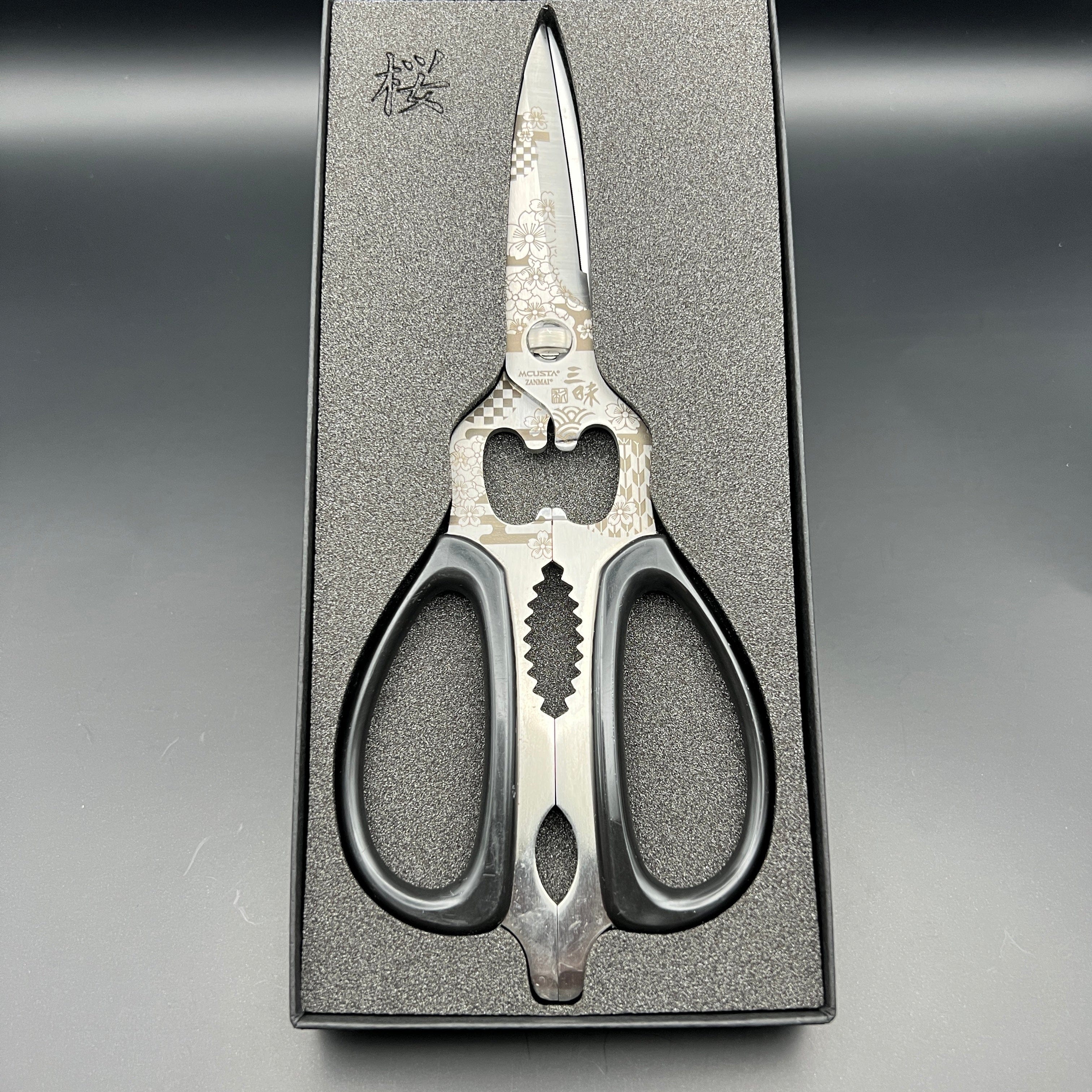
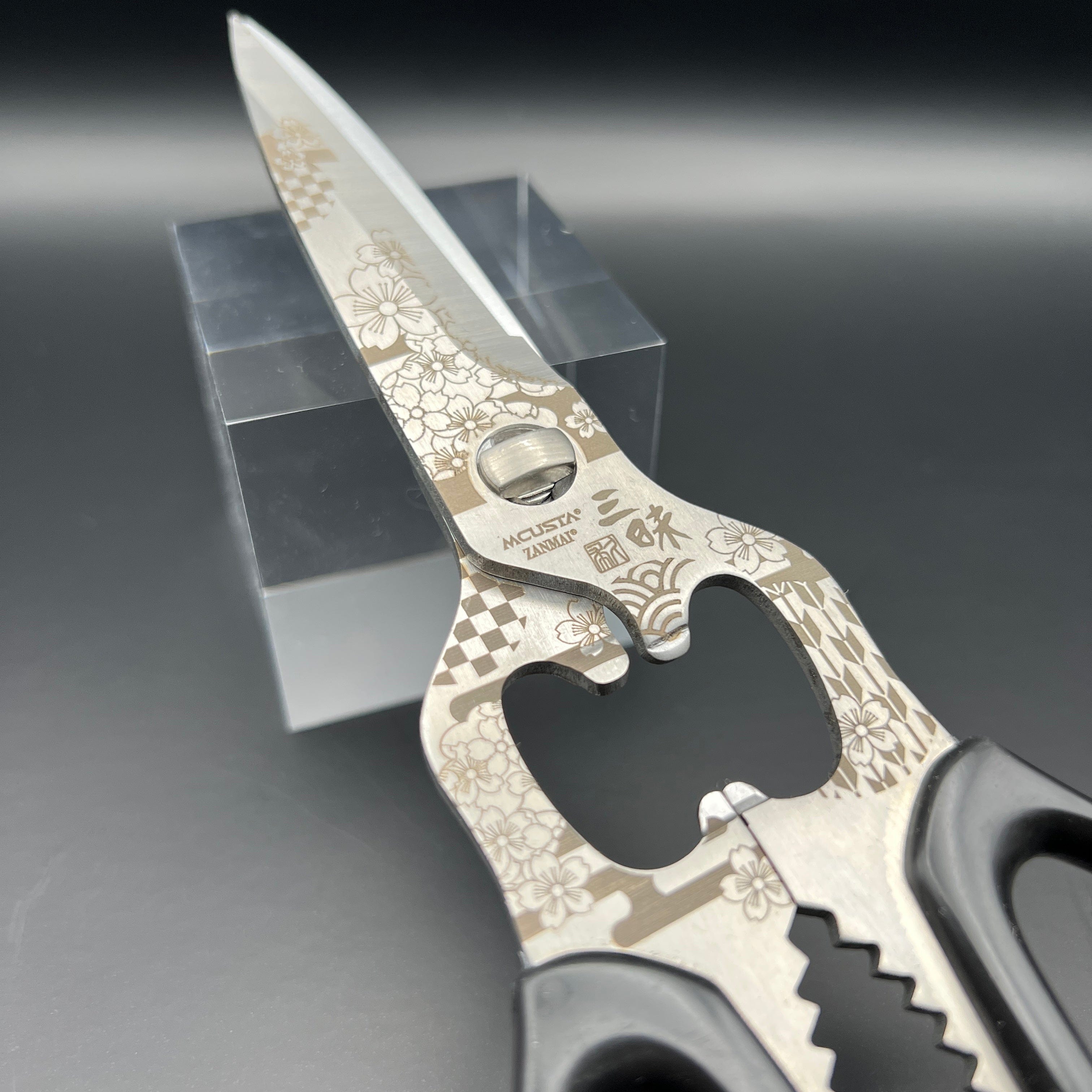
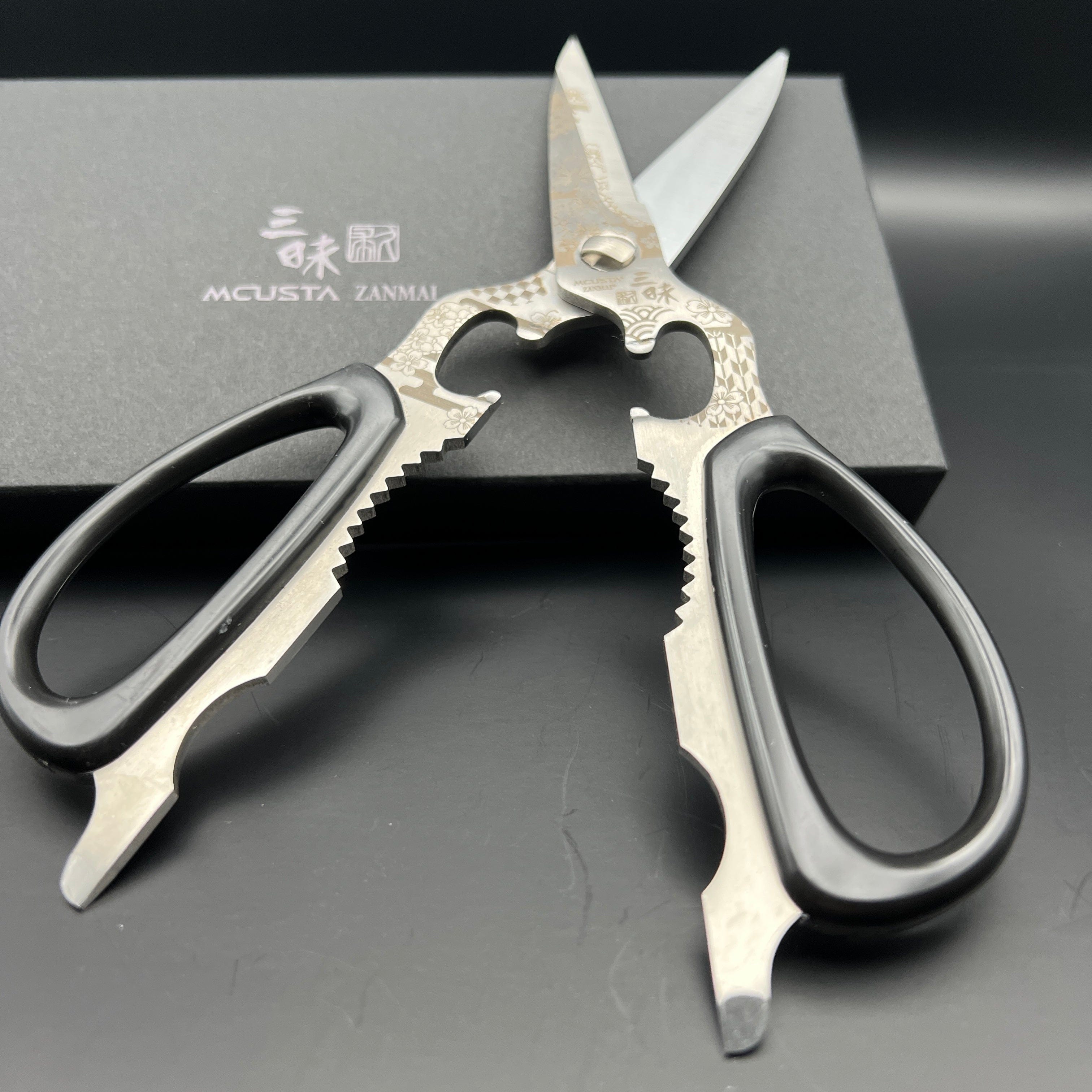
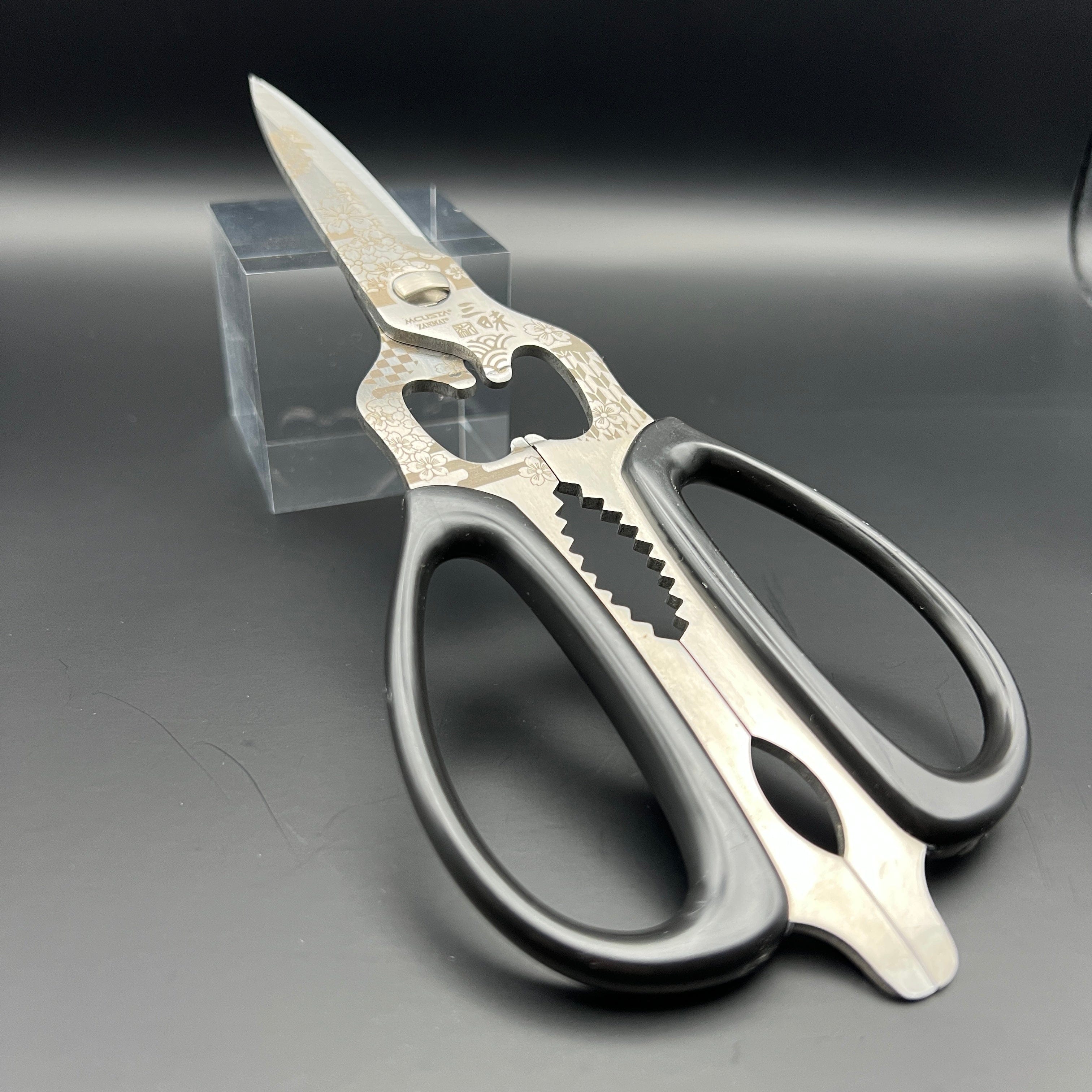
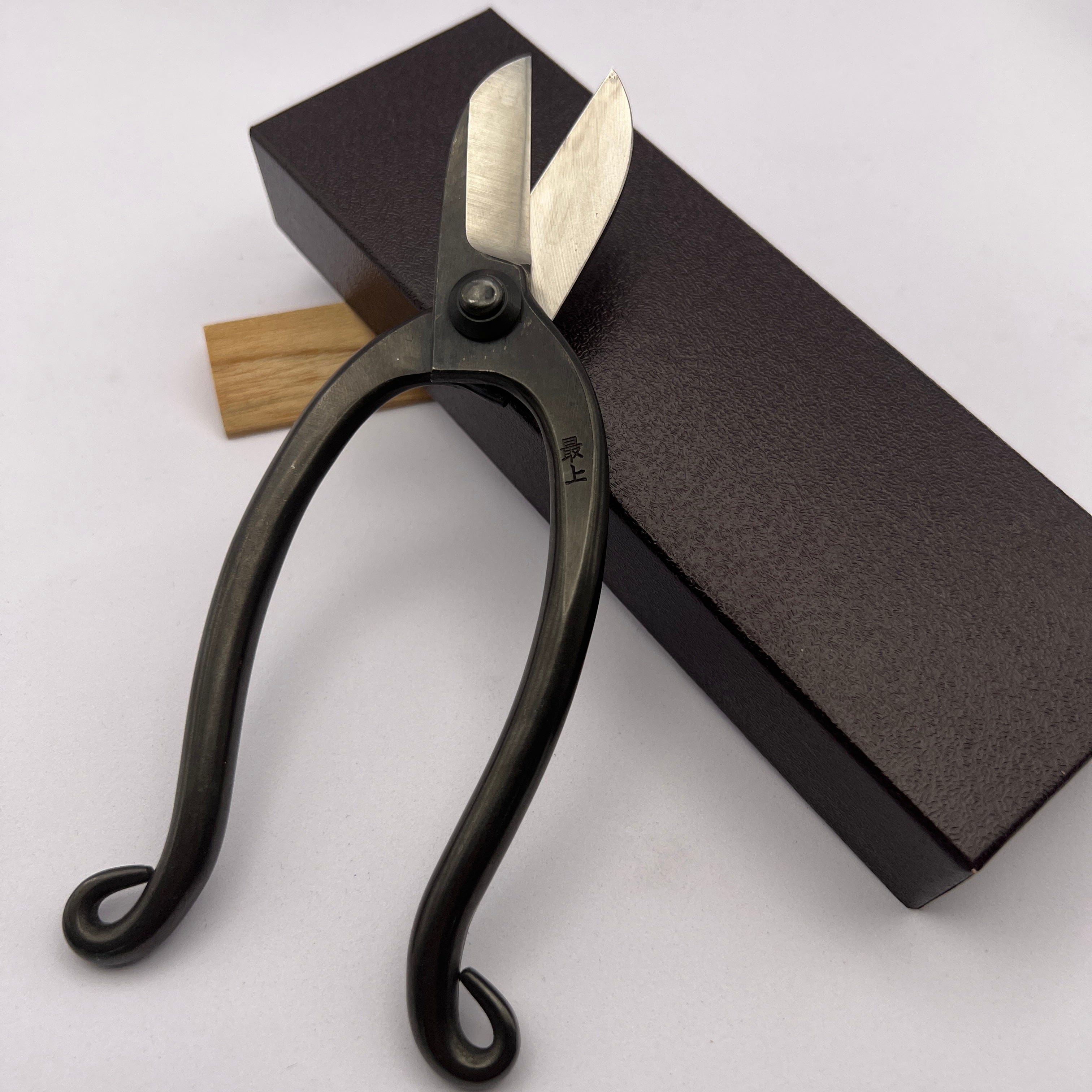
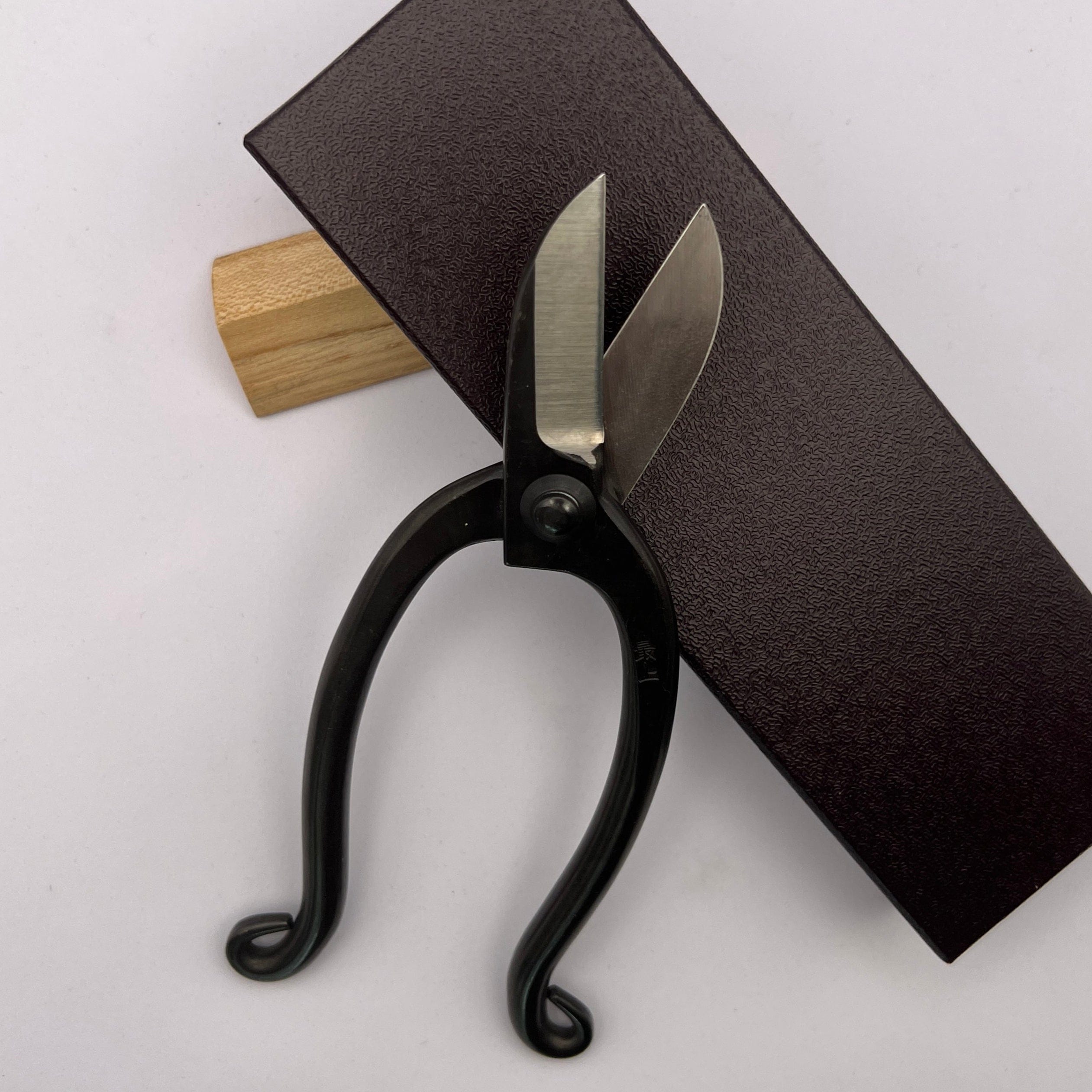
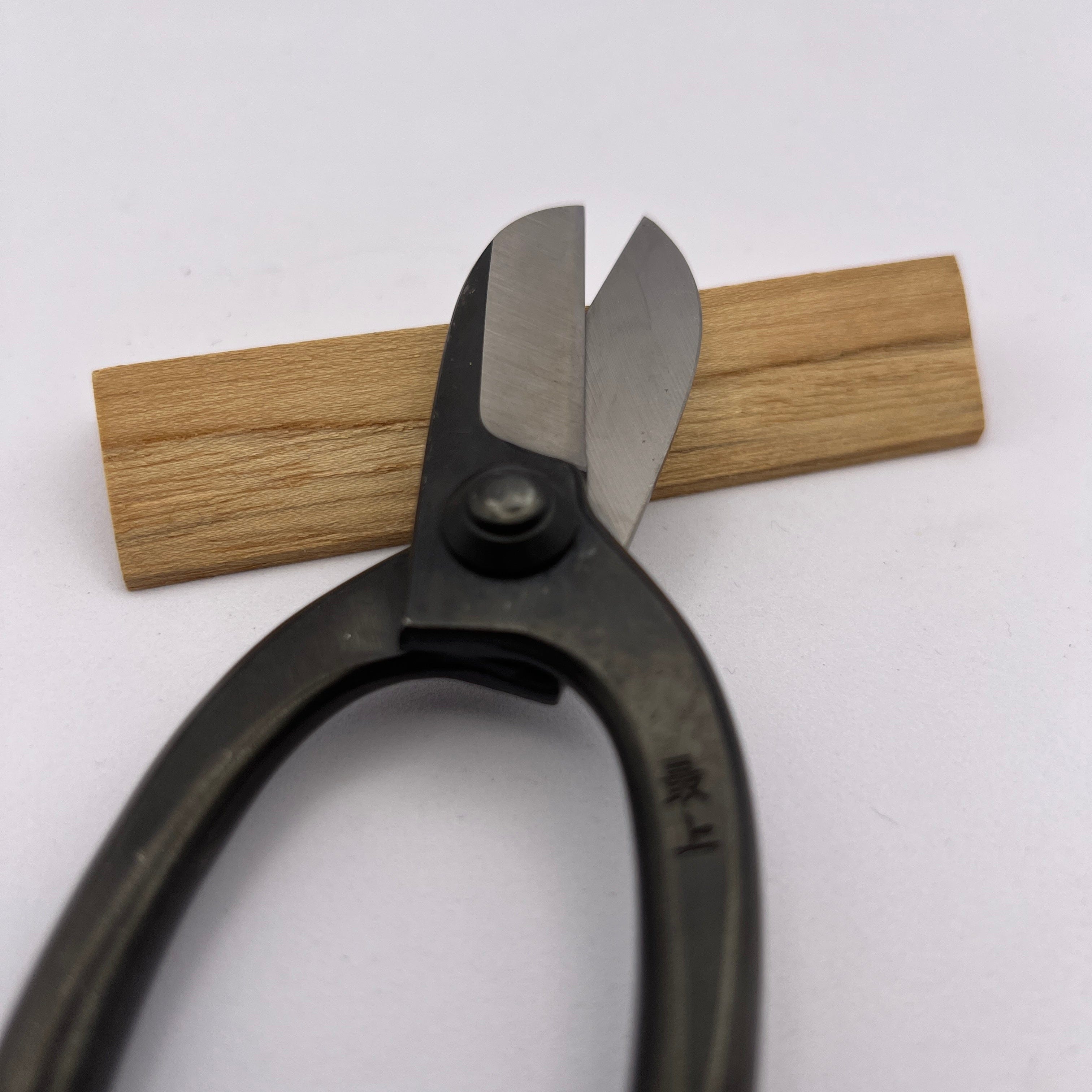
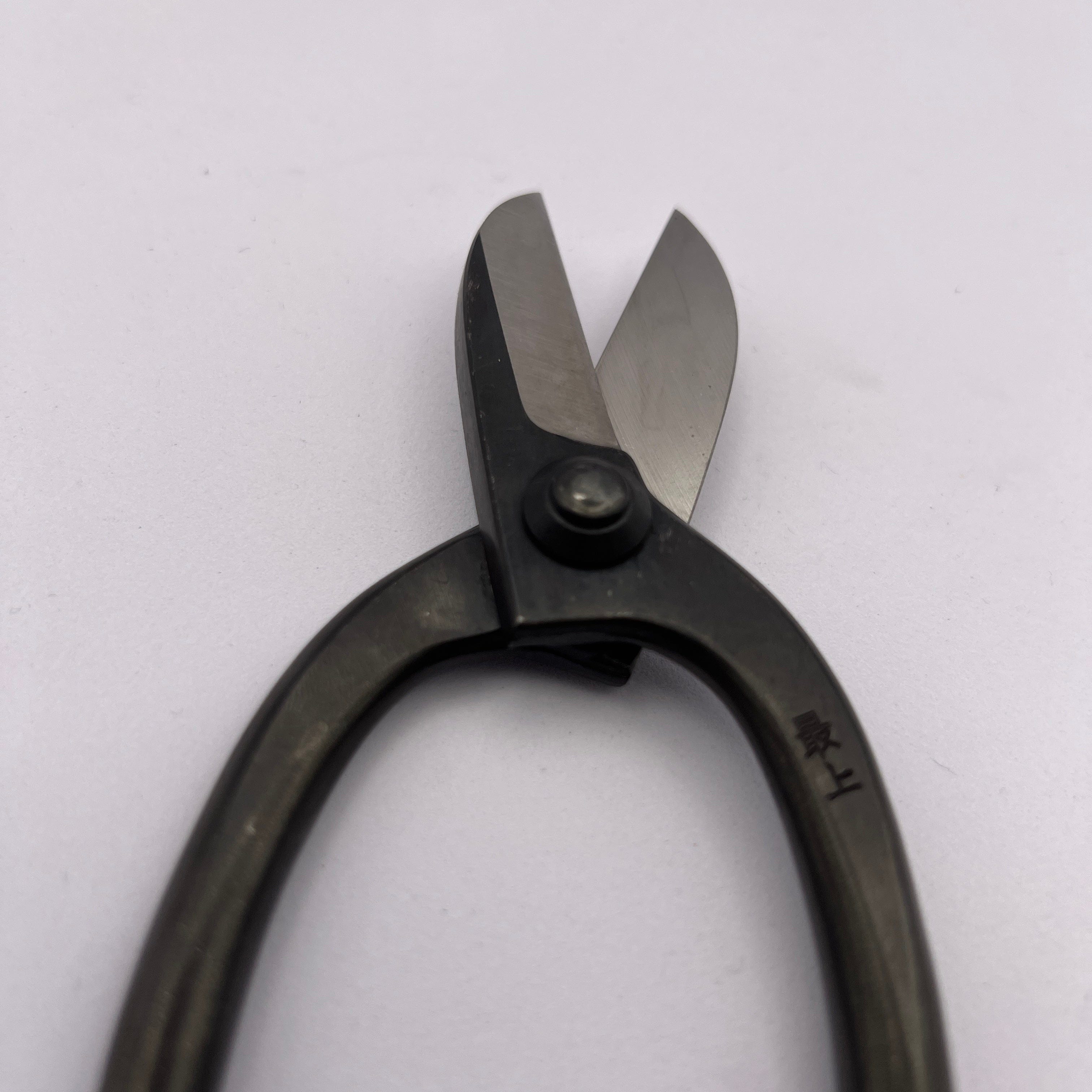
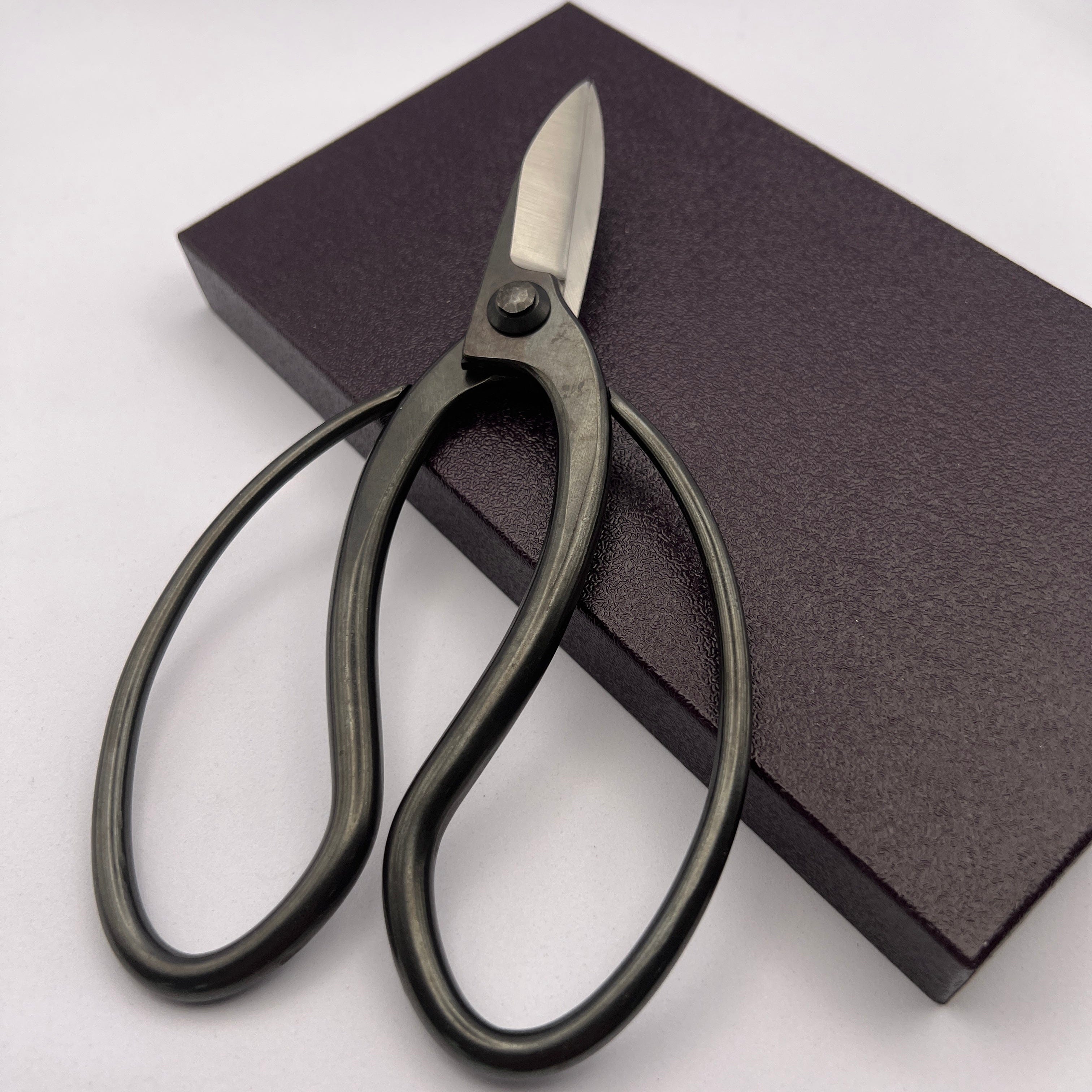
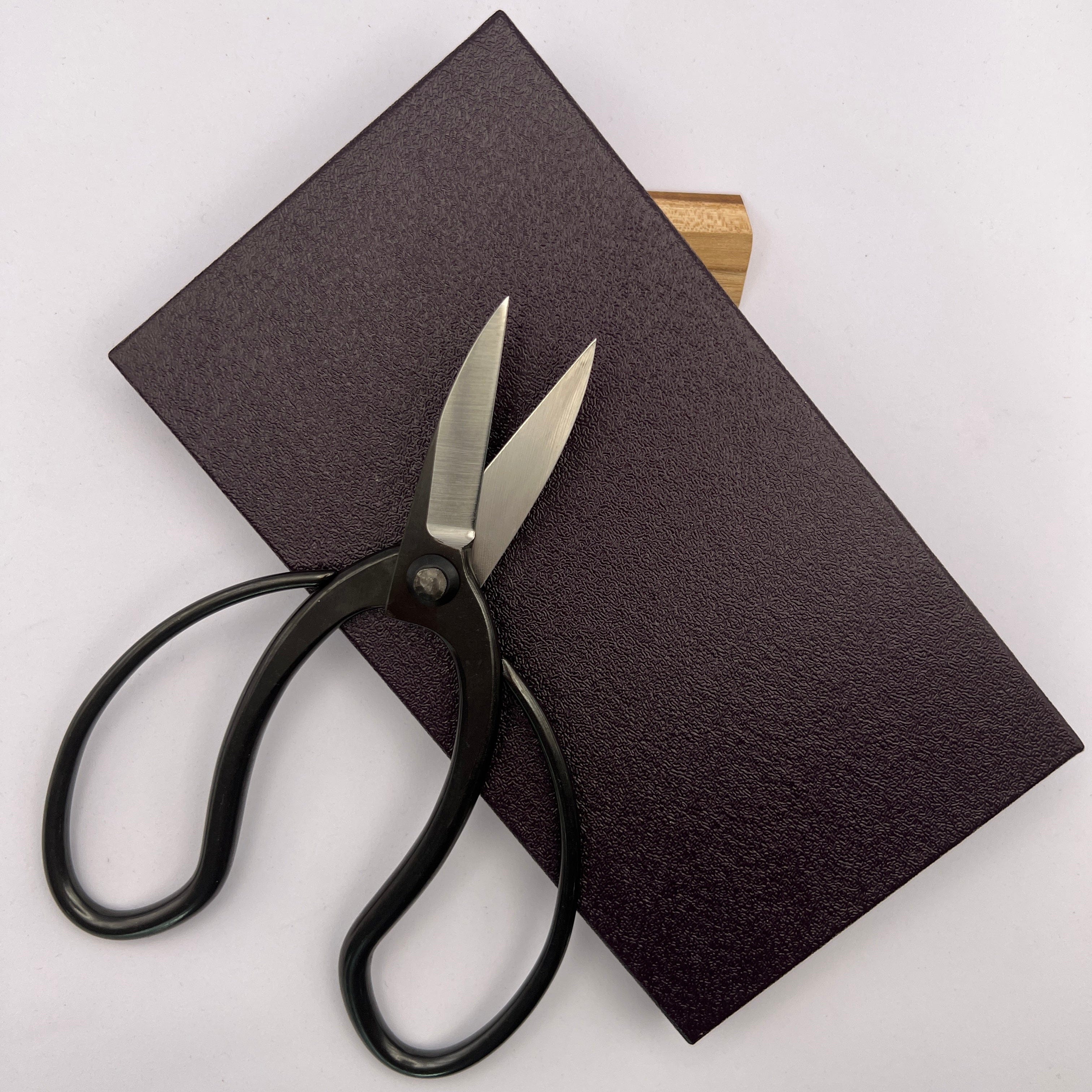
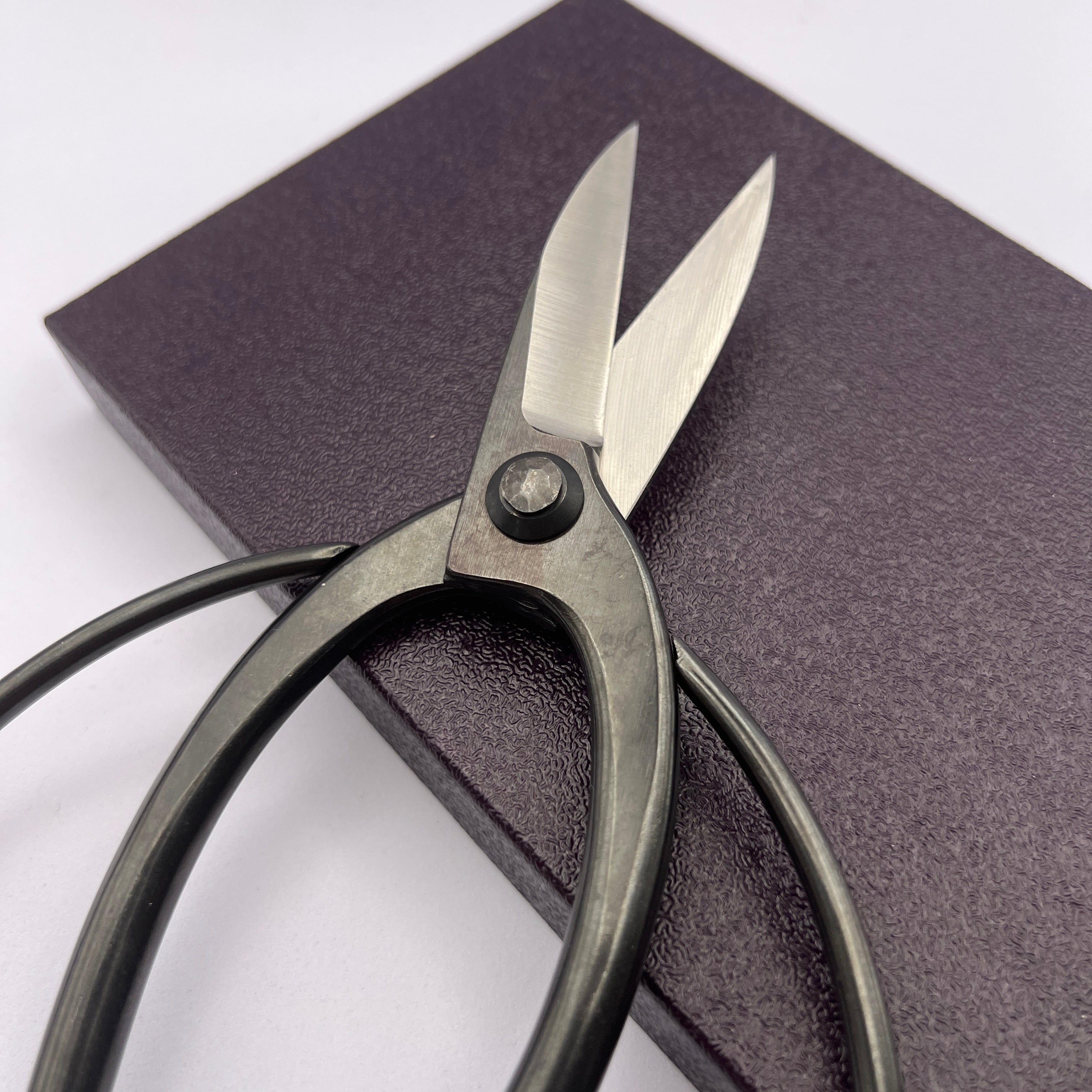
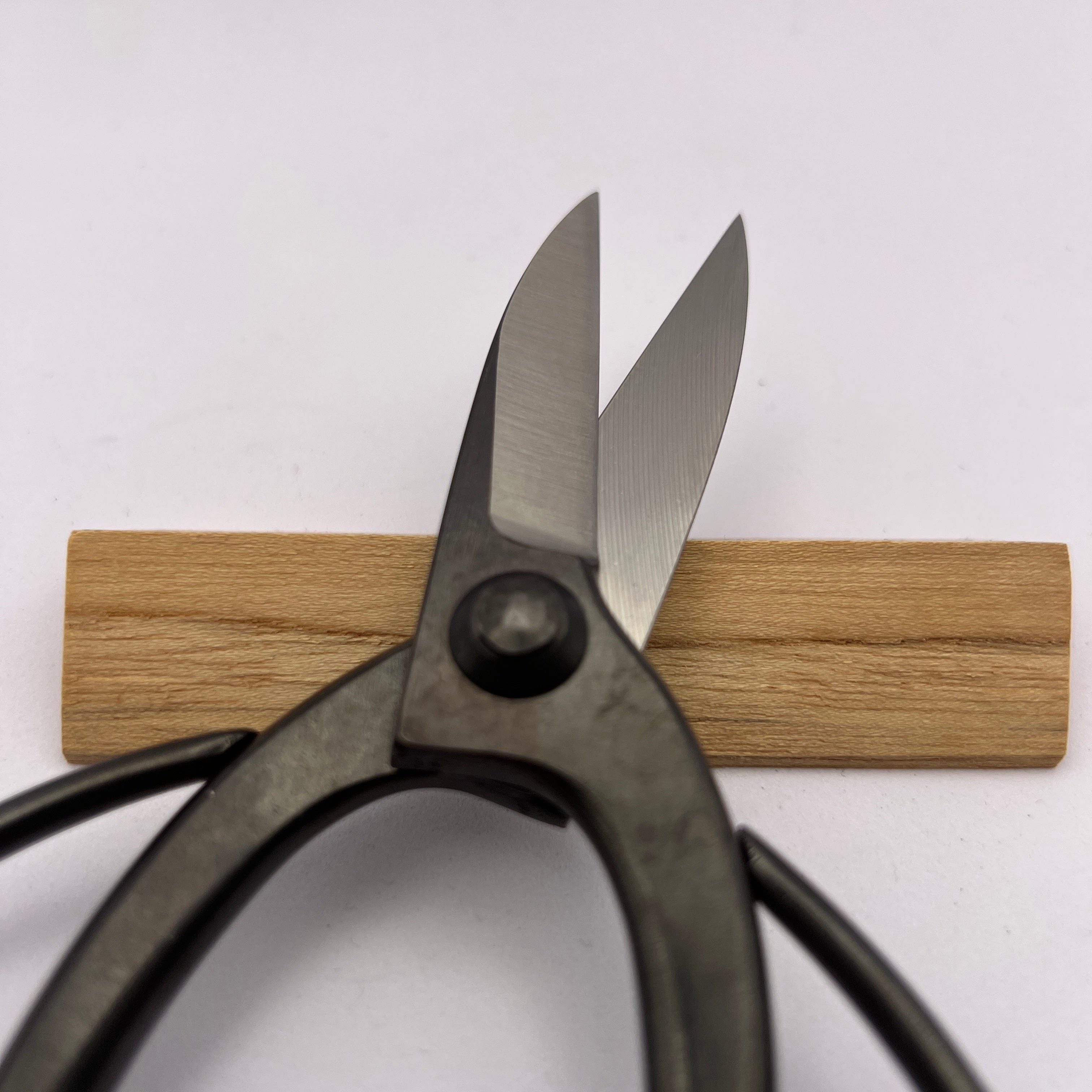
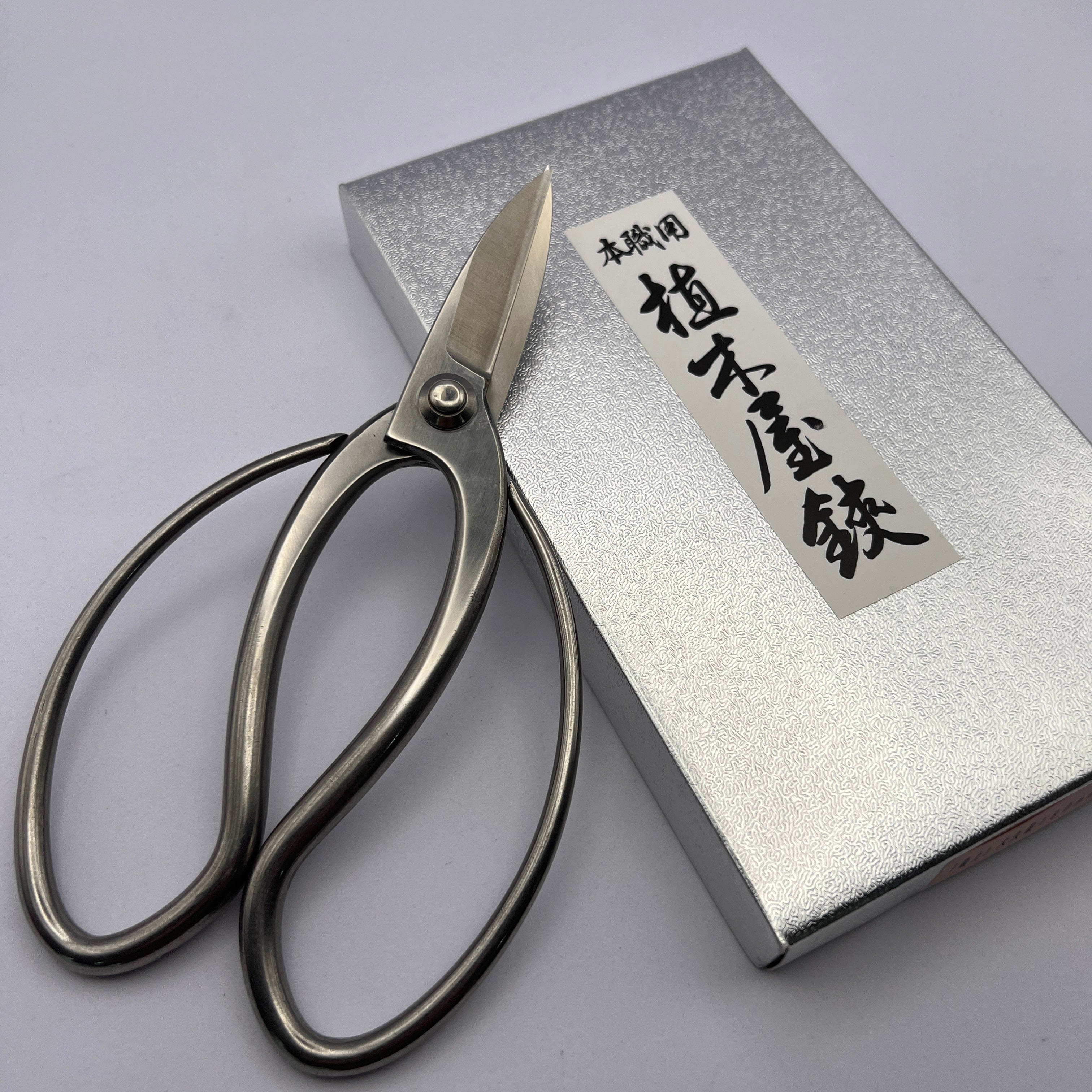
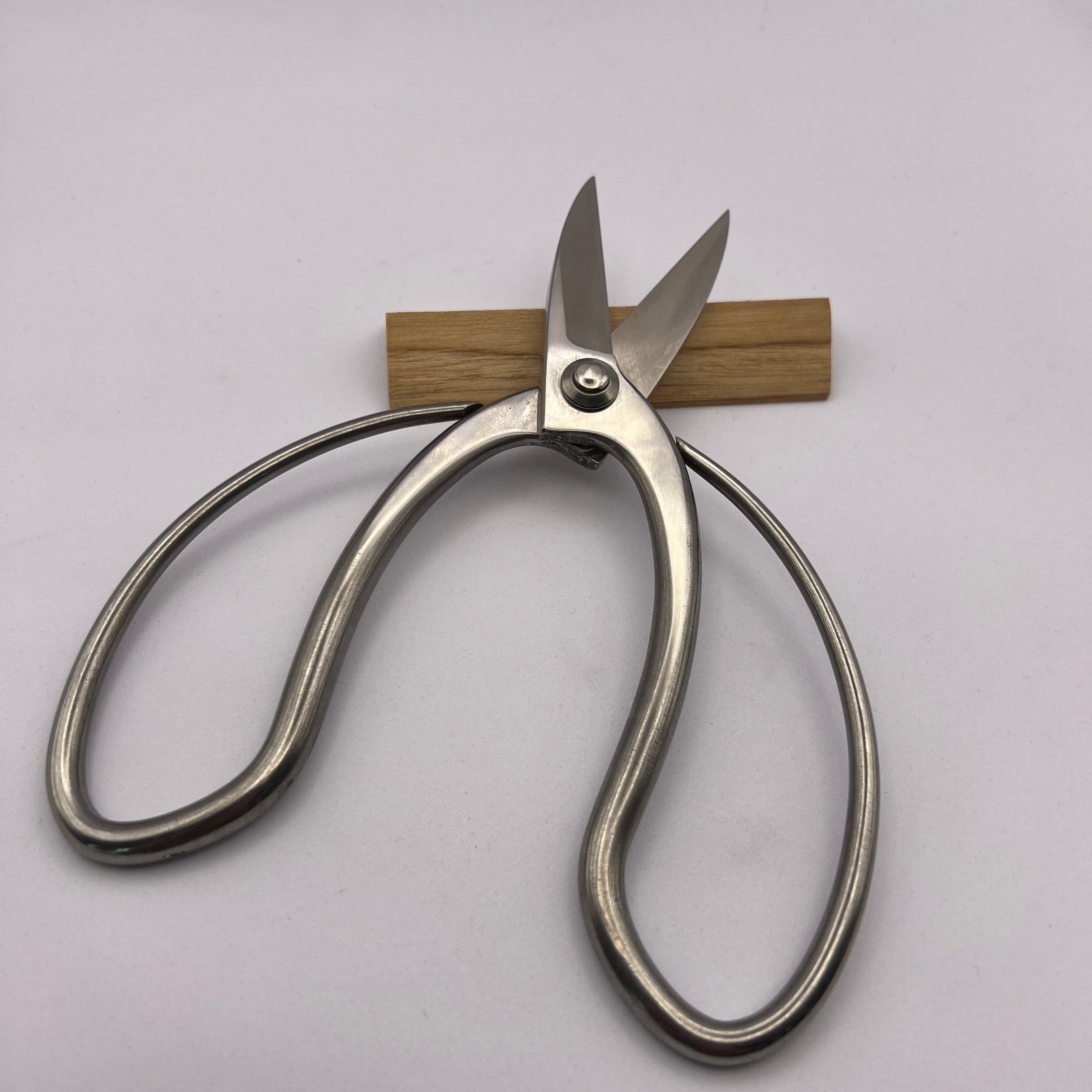
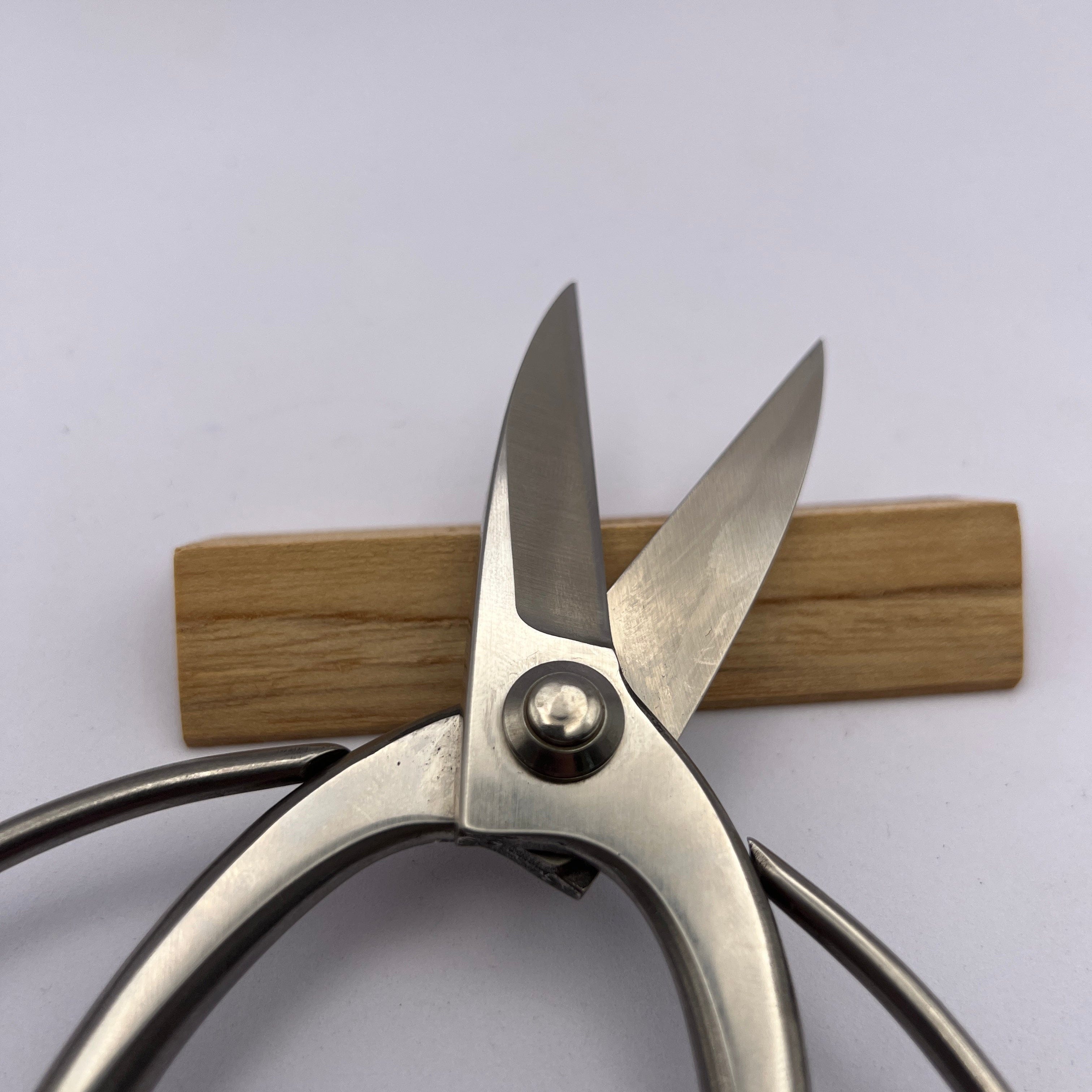
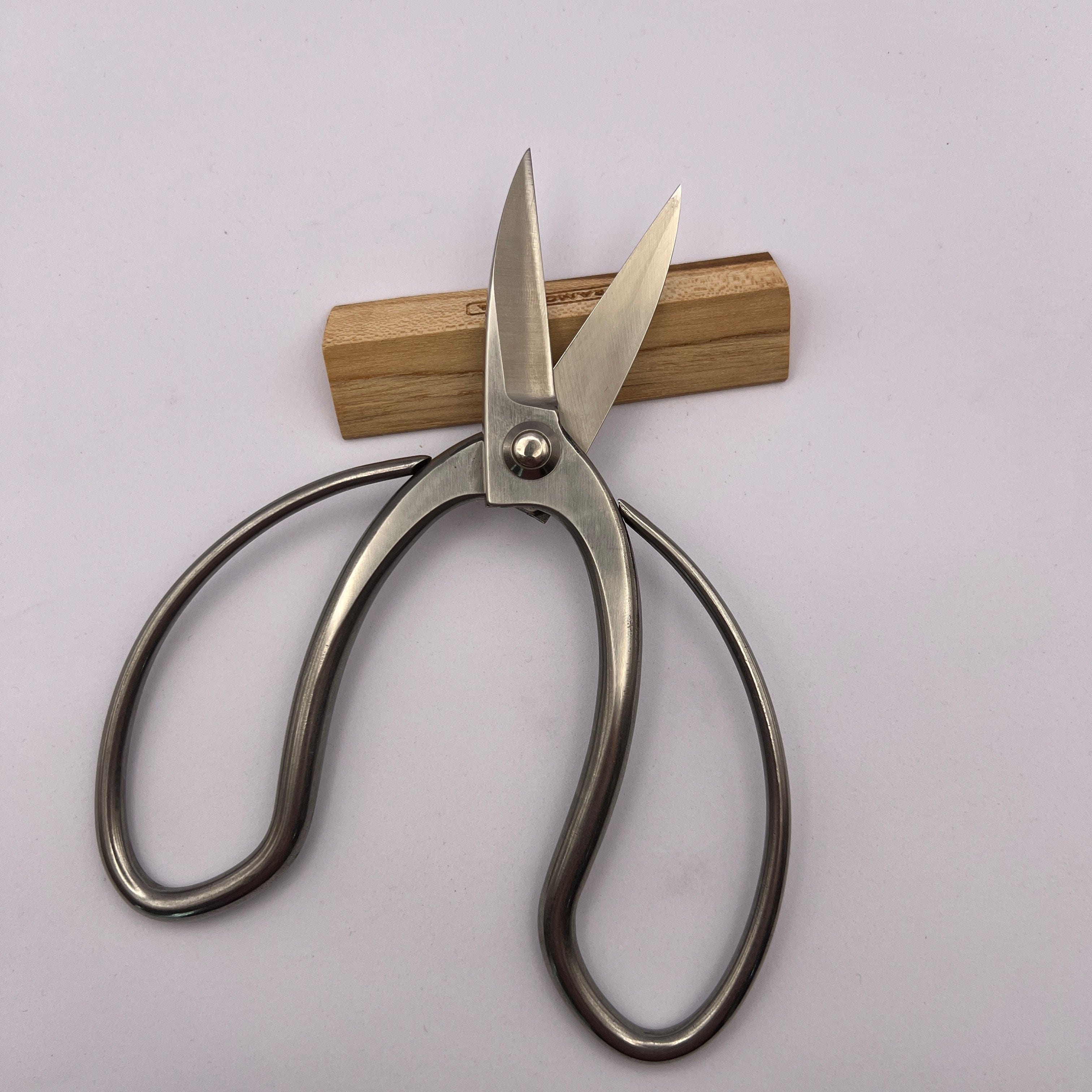
Sakura Multifunction Japanese Scissors – 8.7 inches (22 cm)
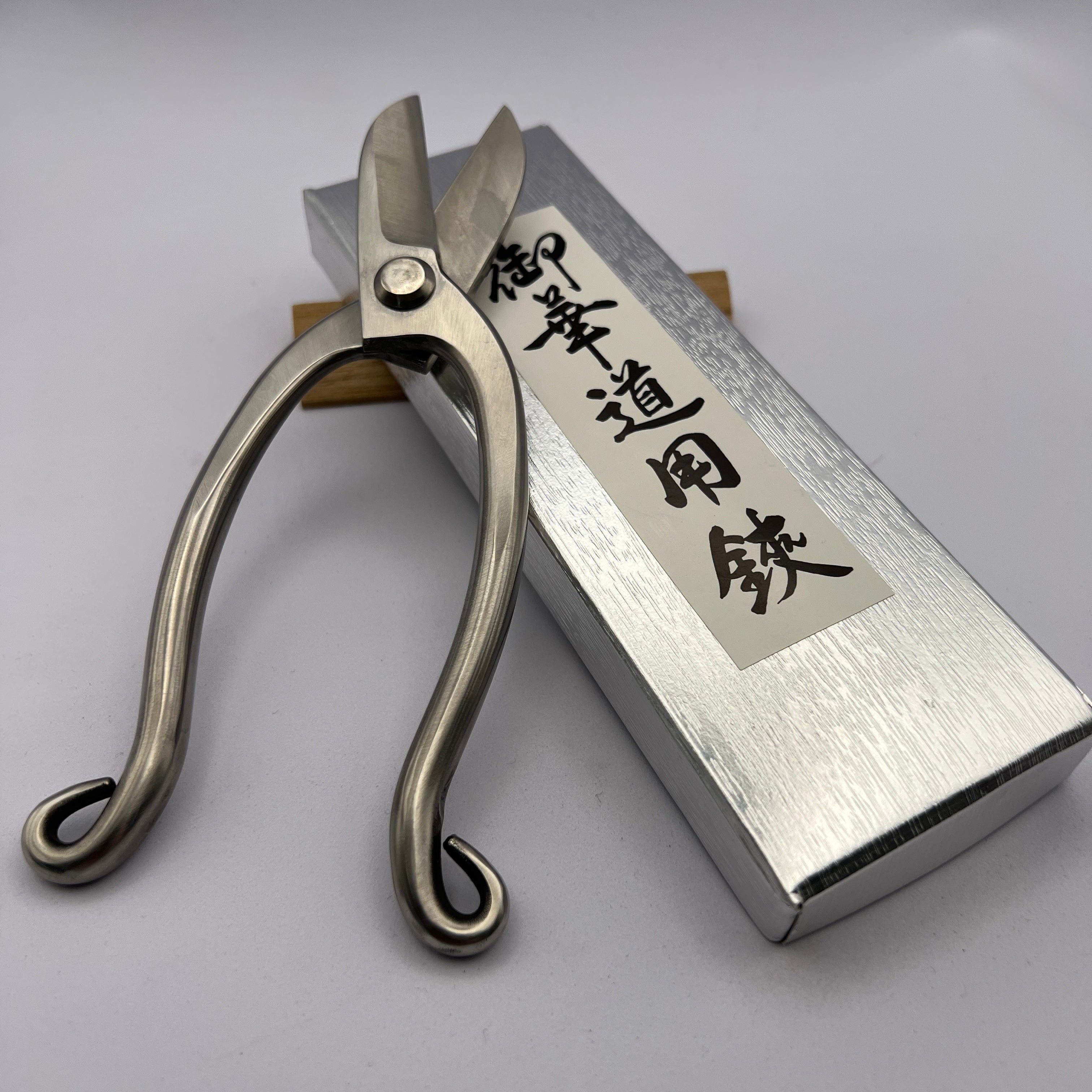
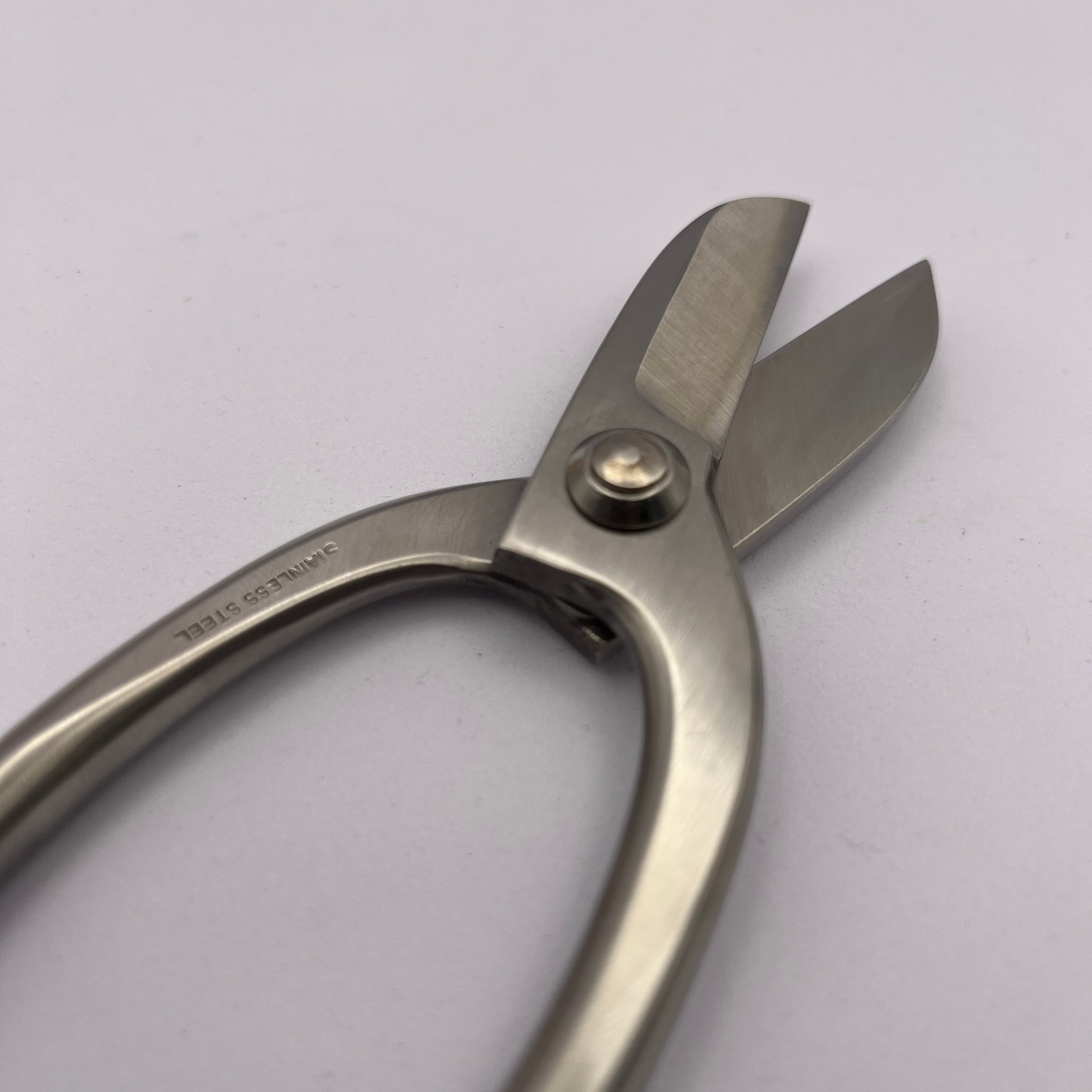
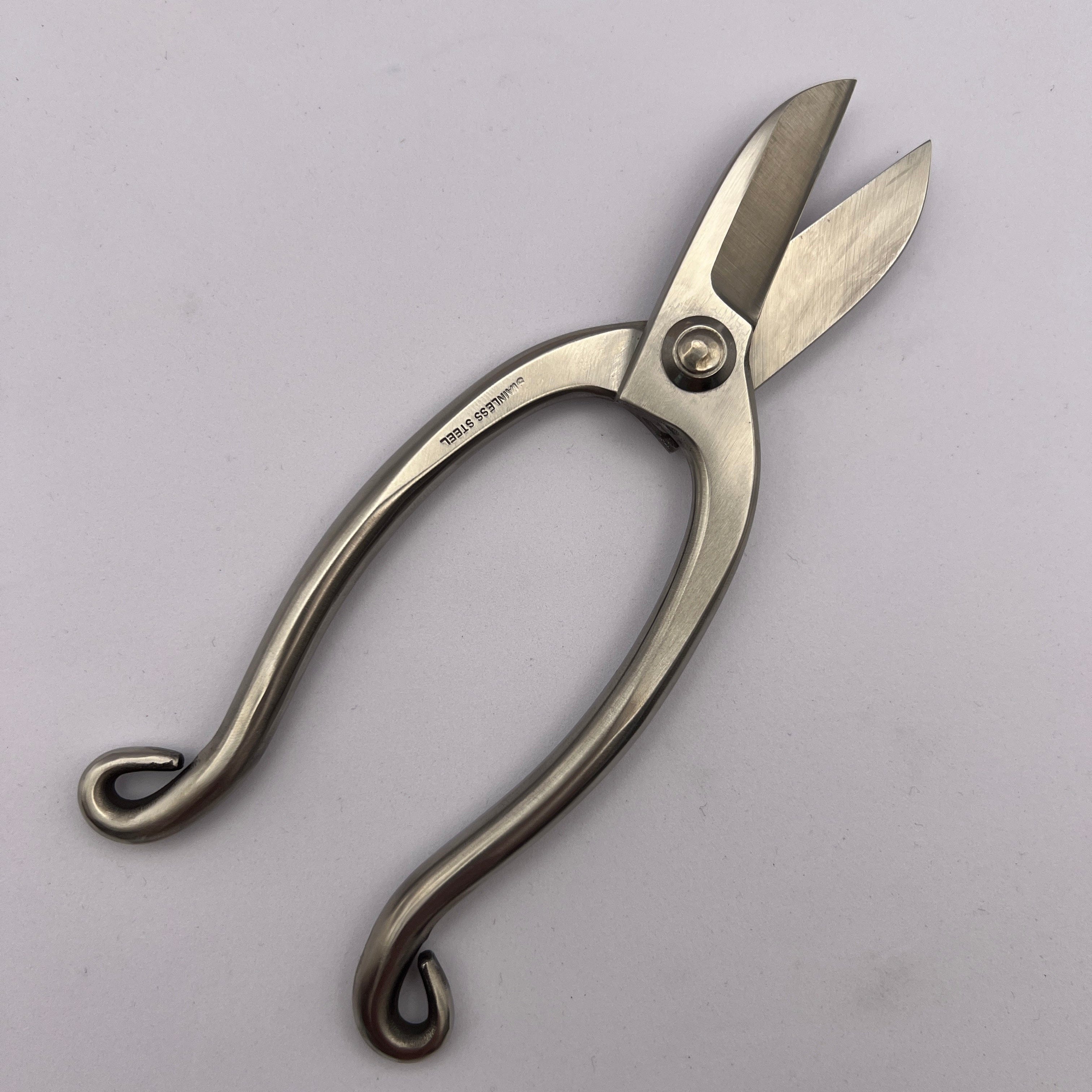
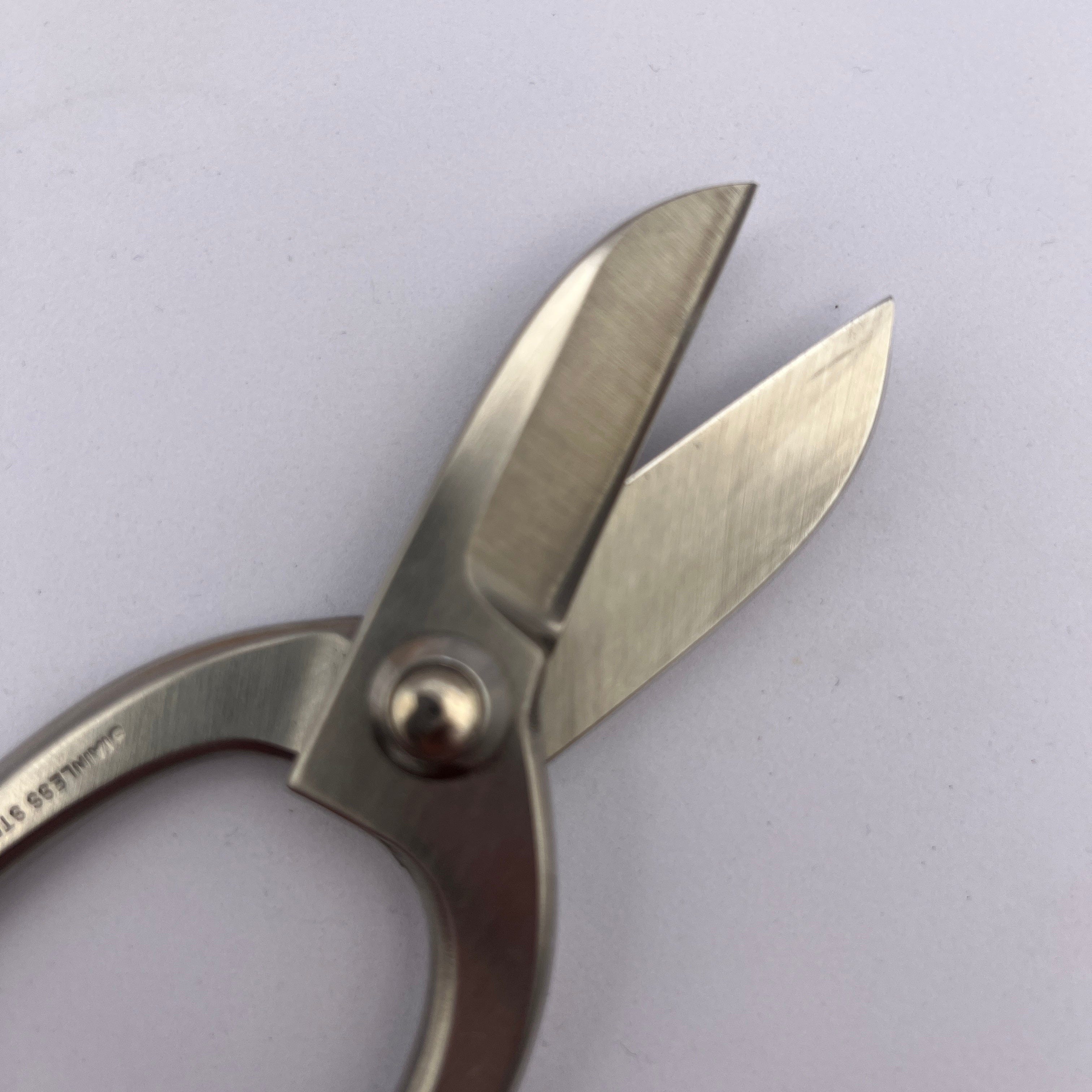
Stainless Steel Flower Scissors
Stainless Steel Bonsai Scissors
Explore Japanese pruning tools and the art of flower arranging, with guides to materials, tool selection and creative practice.
01
Explore the materials, designs and care considerations behind Japanese pruning shears, with guidance on choosing tools for the garden.
Read the guide 02
Discover the principles and styles of ikebana, and the role of Japanese flower scissors in preparing stems for an arrangement.
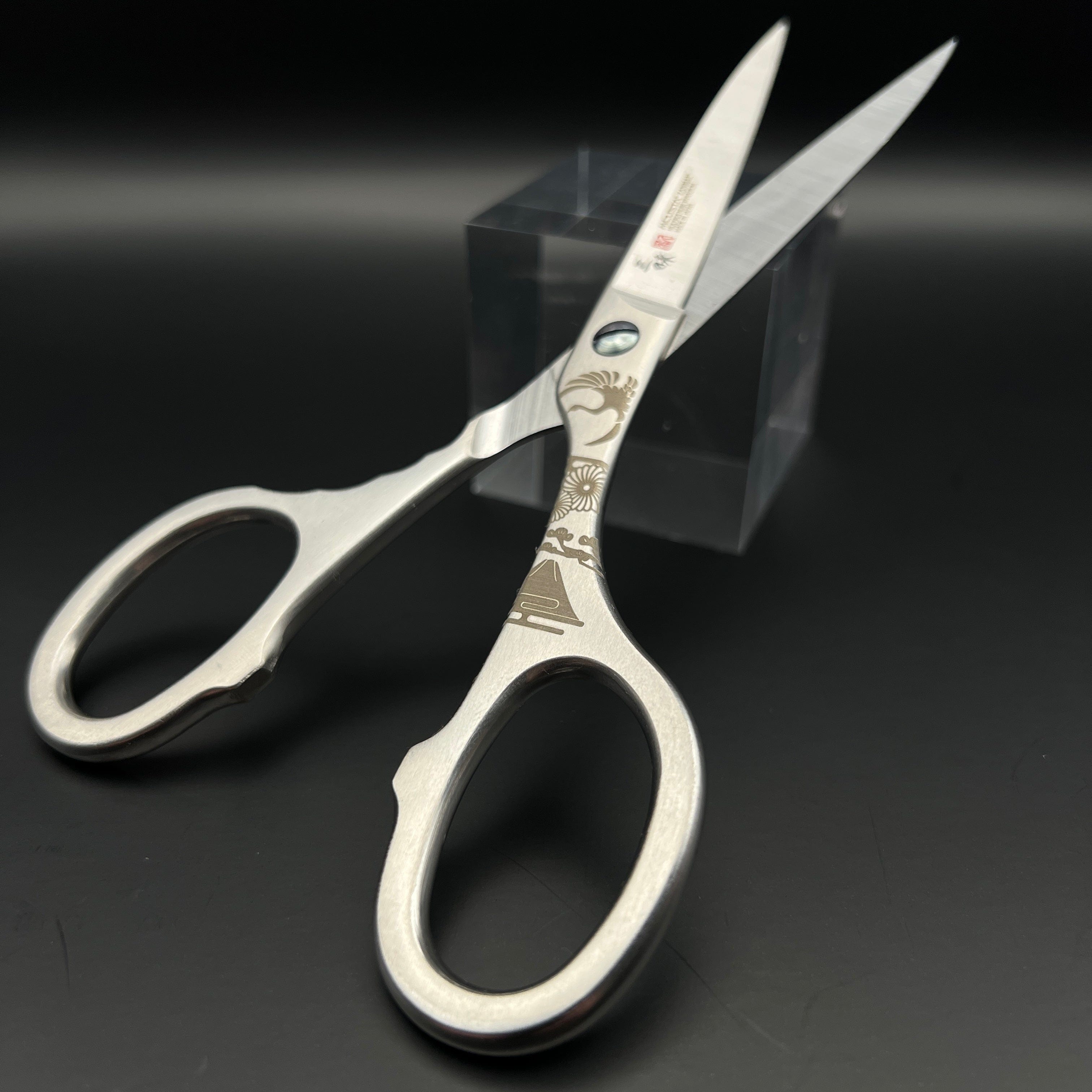
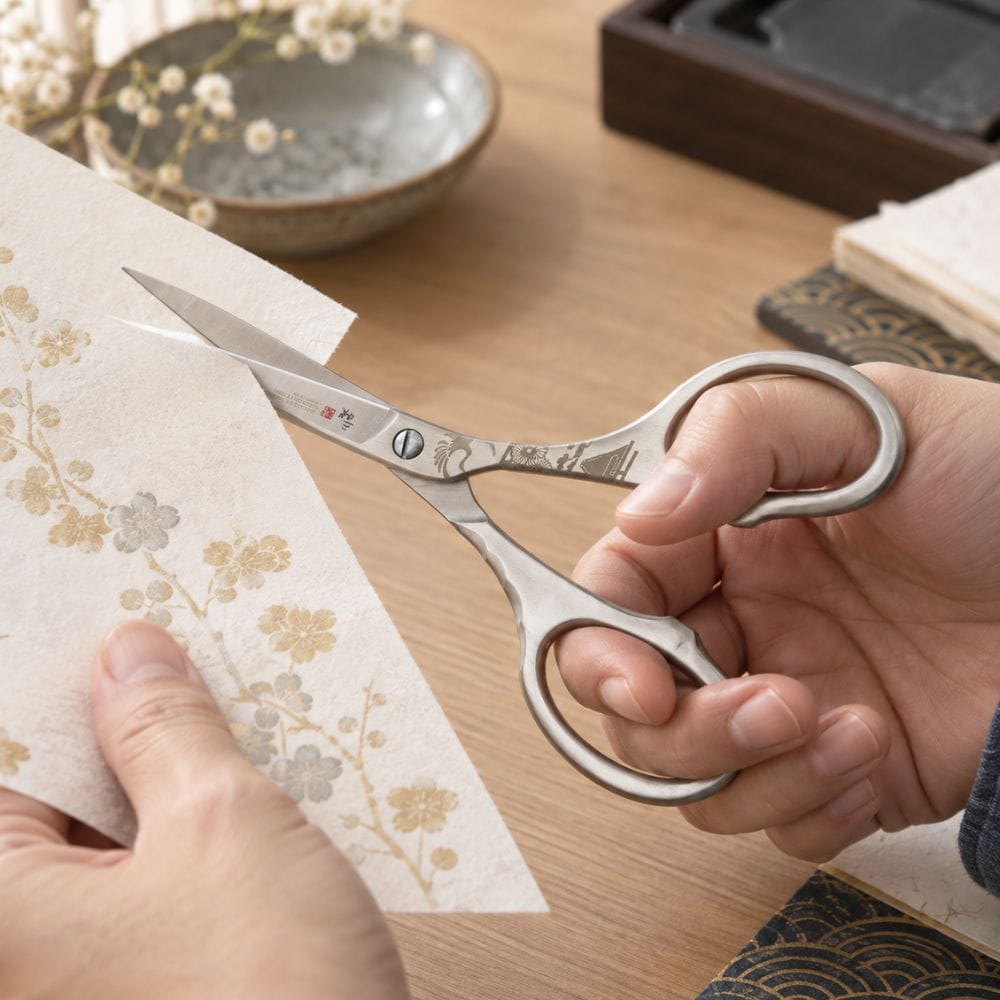
Read the articleJapanese scissors bring purposeful design to tasks ranging from detailed paper cutting to flower arranging and bonsai care. This collection includes craft scissors, flower scissors and bonsai scissors, with different blade shapes and handle designs suited to different kinds of work.
Blade length, tip shape and the way the handles fit your hand all influence how a pair feels in use. A compact craft design serves a different purpose from scissors intended for stems or plant maintenance. Choose according to the stated use of each model, rather than assuming one pair can handle every material.
The selection includes designs made in Seki, Gifu Prefecture, alongside specialist tools for plant care. Check each product page for its origin, steel, dimensions and care instructions. For inspiration, explore our guide to Japanese flower arrangement and ikebana.
Practical answers to help you choose the right scissors and care for them.
Start with what you plan to cut. Choose craft scissors for the paper or craft materials specified on the product page, flower scissors for suitable stems, and bonsai scissors for the plant-care tasks described for that model. Compare blade length, overall size and handle shape, and check any stated cutting limits.
Flower scissors are intended for preparing stems for arrangements, while bonsai scissors are designed for maintenance and shaping work on bonsai. Blade and handle shapes vary, and some uses overlap. Check the individual model’s intended use and cutting capacity; neither name means it can cut thick or woody branches.
Forged describes a manufacturing process; stainless steel describes the material. A pair of scissors can be both forged and made from stainless steel. Compare the steel, construction and intended use listed for each product. Stainless steel resists corrosion but still needs cleaning and drying after use.
Remove debris after use and dry the blades thoroughly before storing them in a dry place. Follow the product’s instructions for washing and lubrication, including any oil recommended for the pivot or blades. Avoid soaking or dishwasher cleaning unless expressly approved by the maker. If cutting becomes difficult, seek advice from a sharpener experienced with scissors.
Handedness depends on the blade arrangement as well as the handle shape. Symmetrical handles alone do not mean scissors are suitable for both hands. Check the product details for a left-handed or ambidextrous designation. If this is not specified, contact us before ordering so we can confirm suitability for the model you want.


