



 01
Choosing Japanese Pruning Shears
Explore blade types, materials and handling, with guidance on choosing pruning shears and keeping them in good condition.
Read the guide
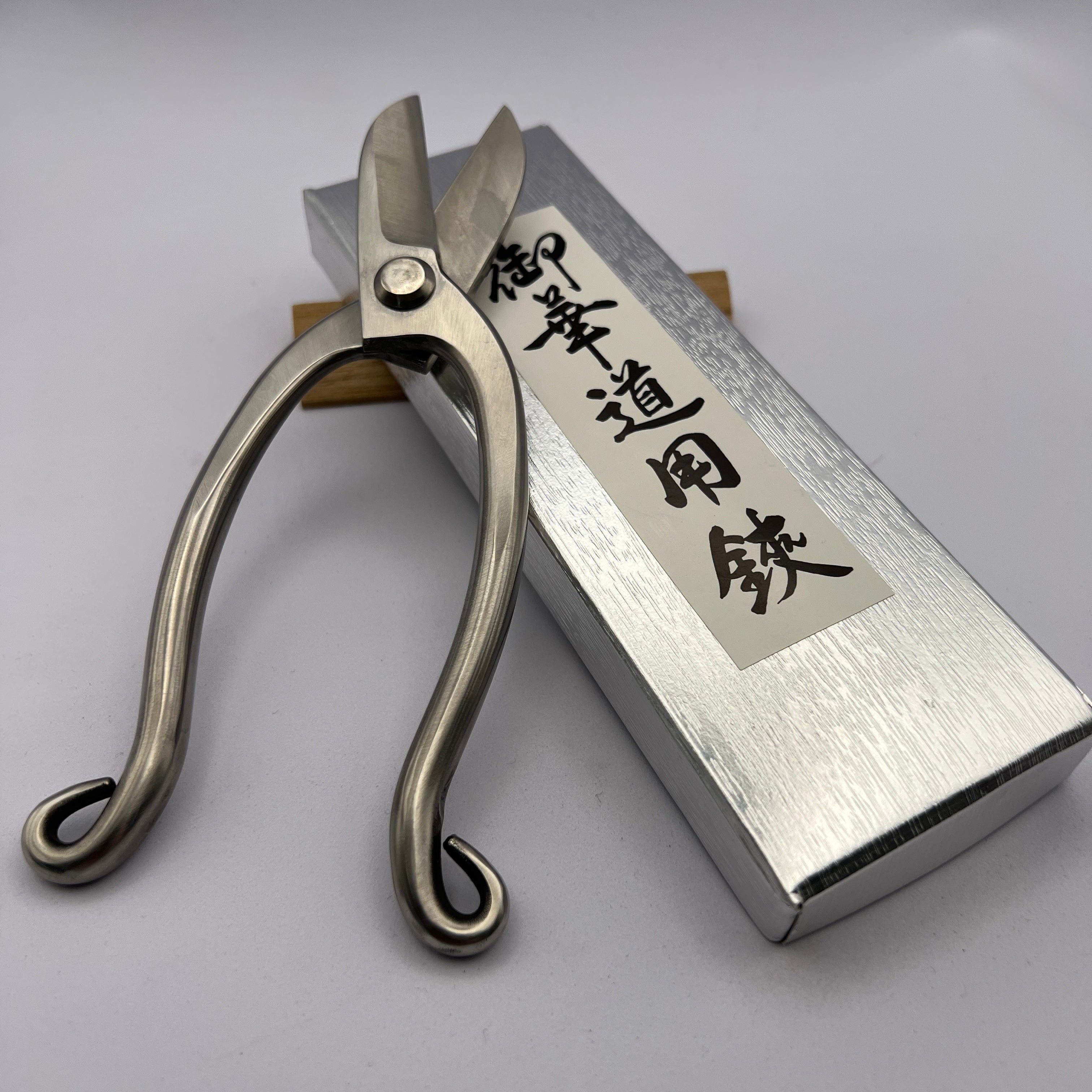
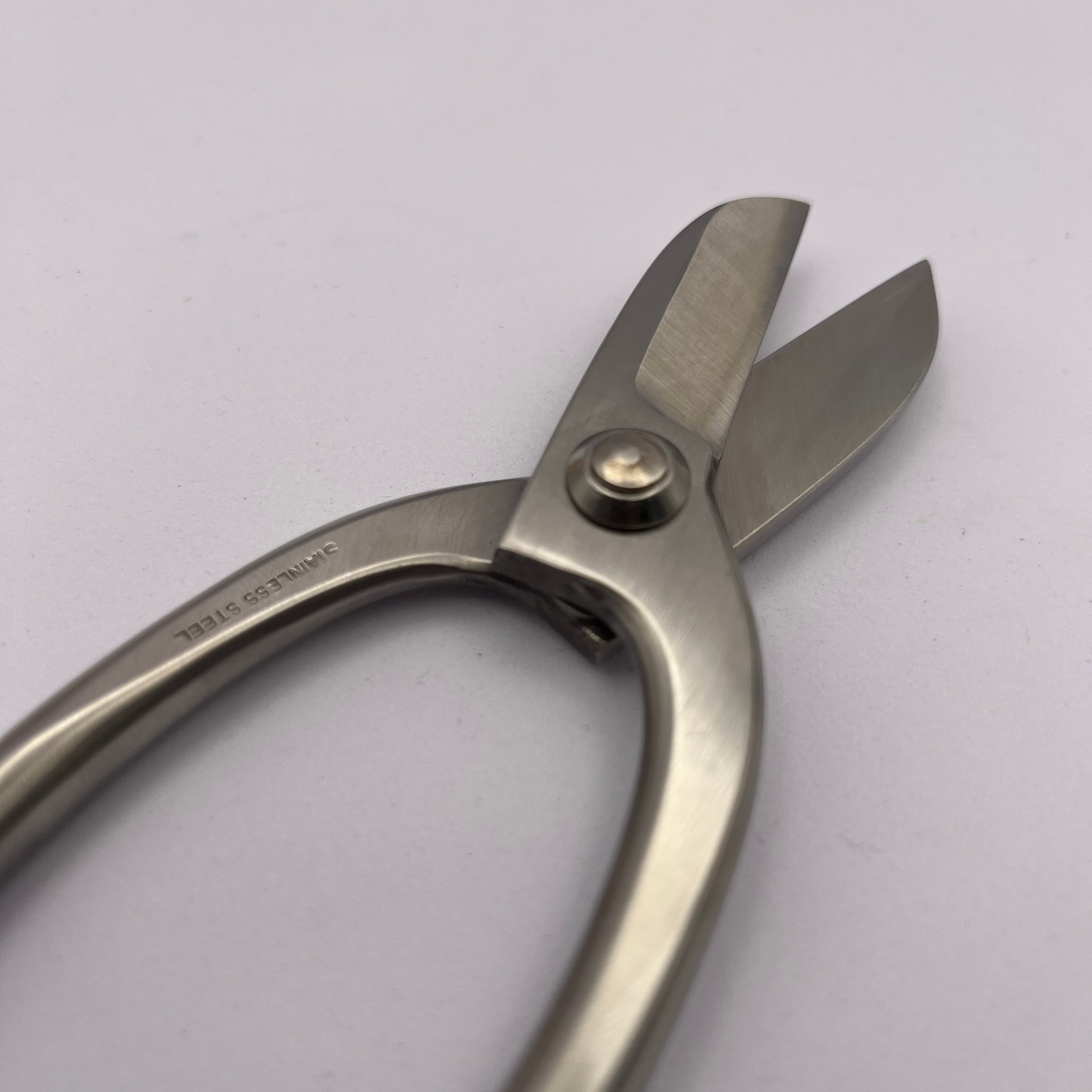
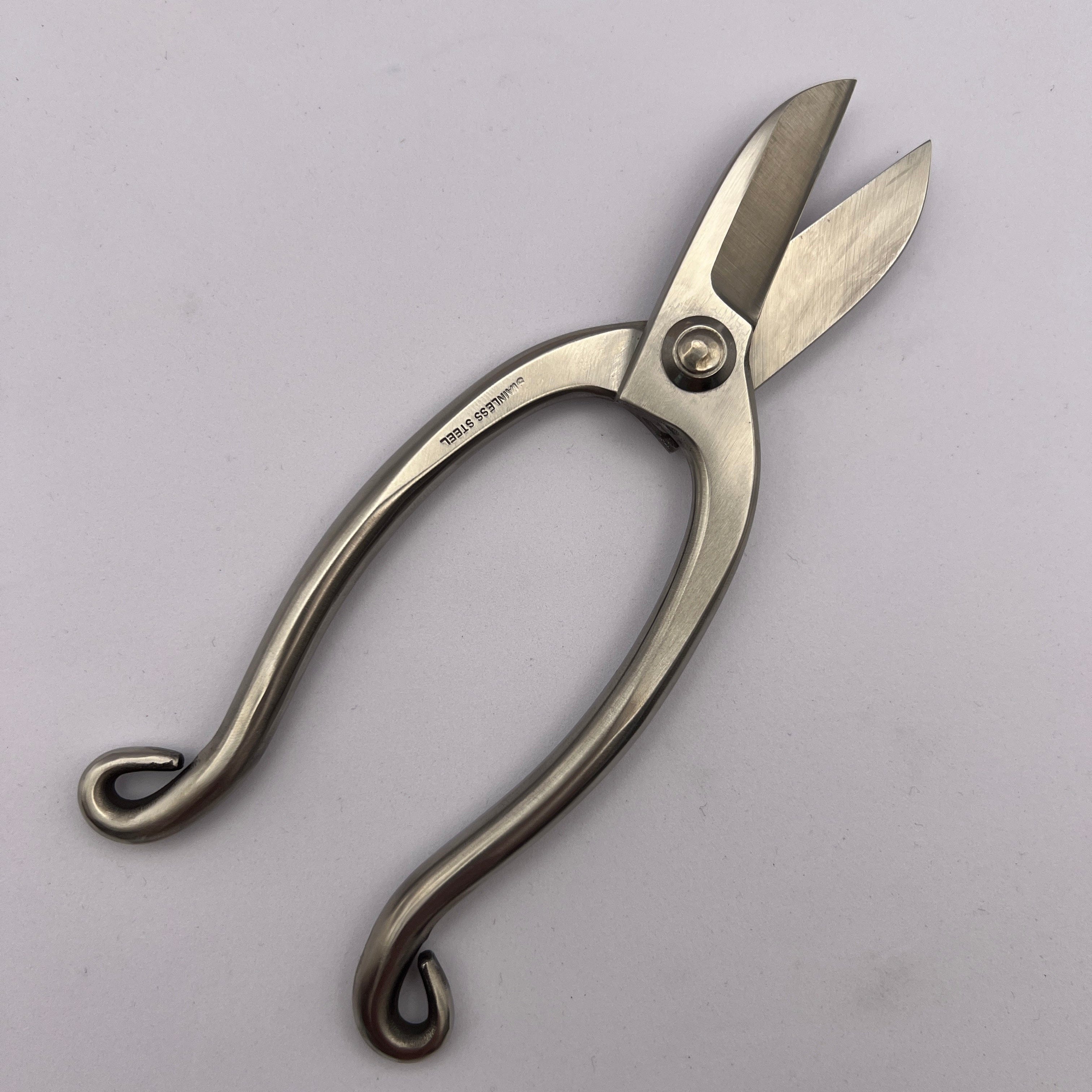
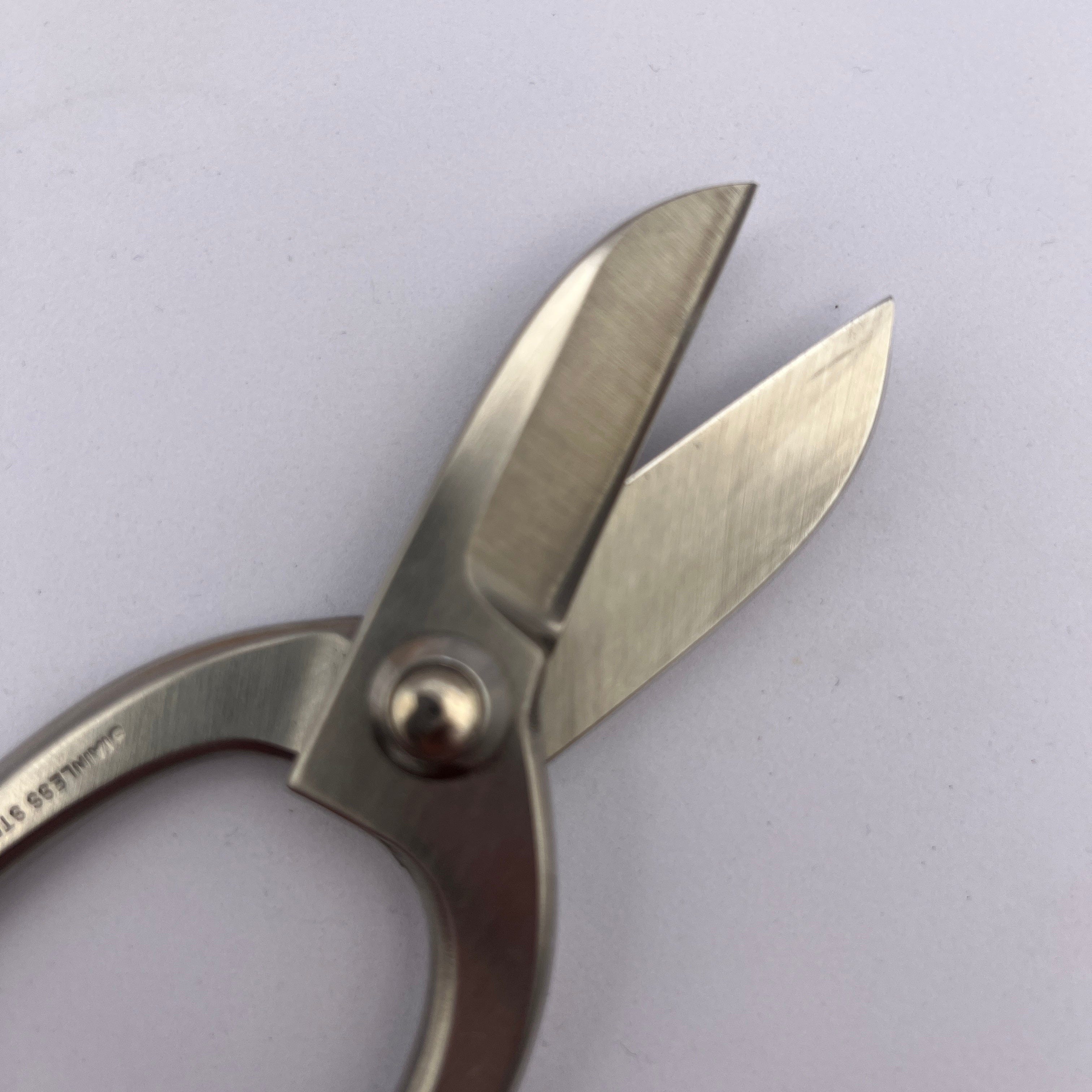
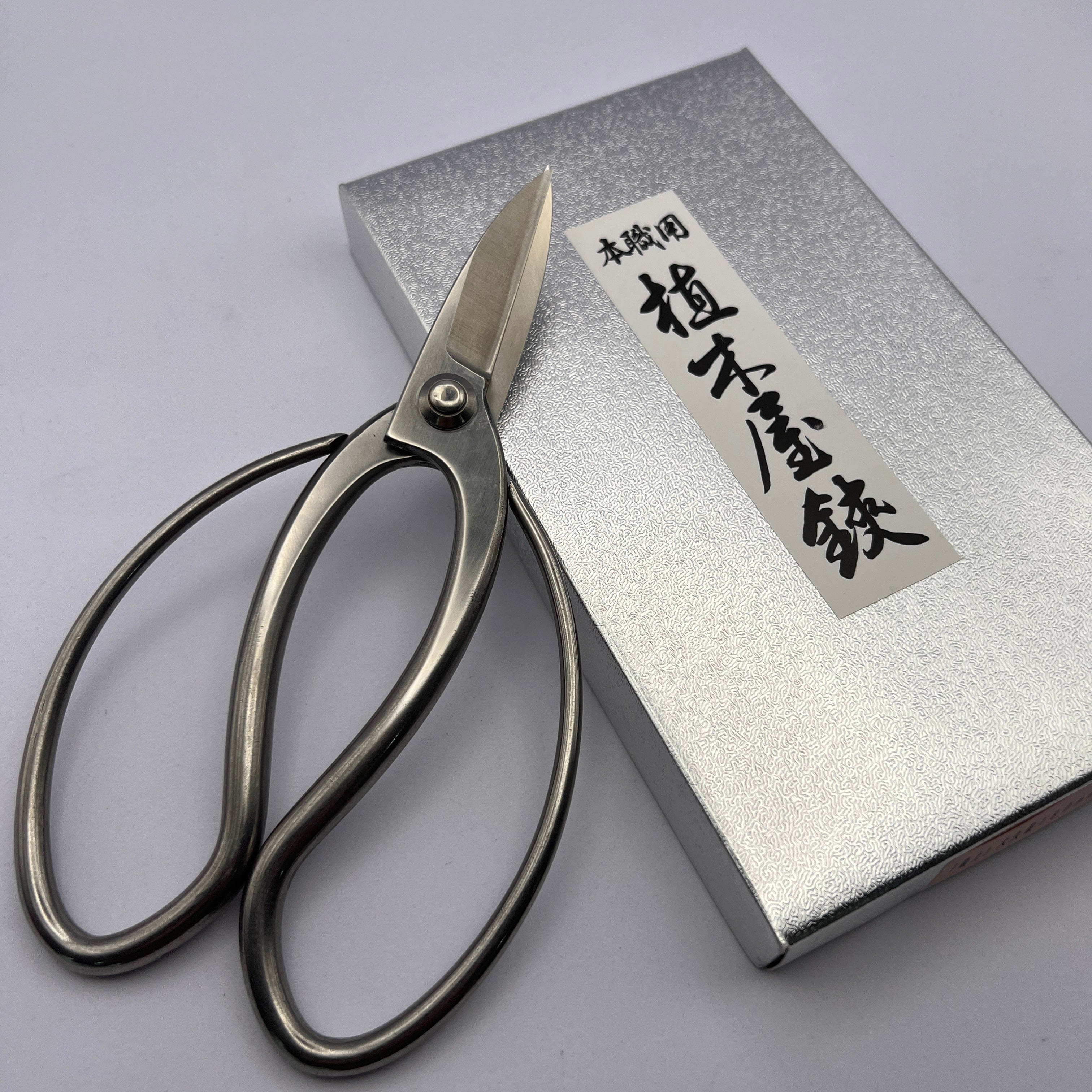
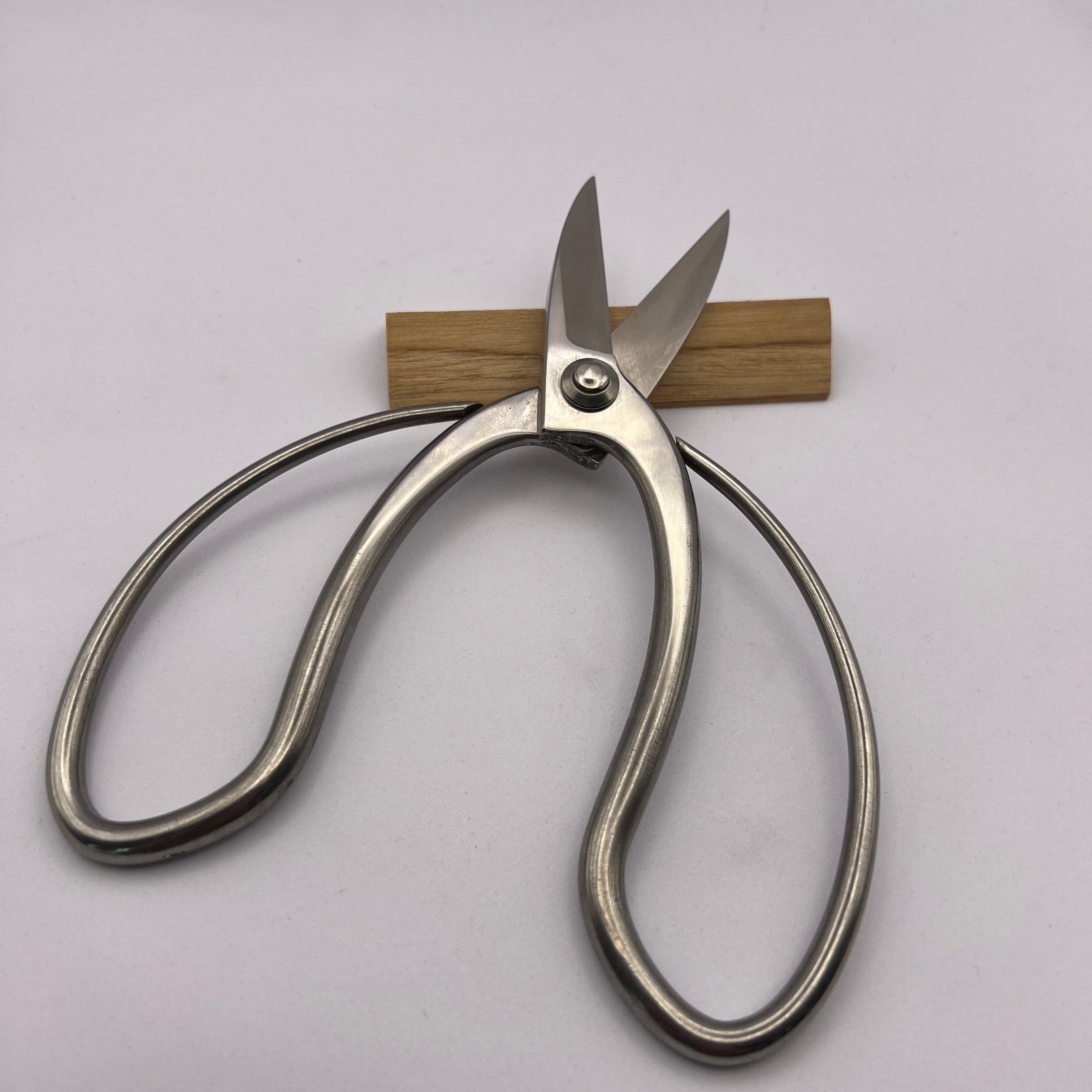
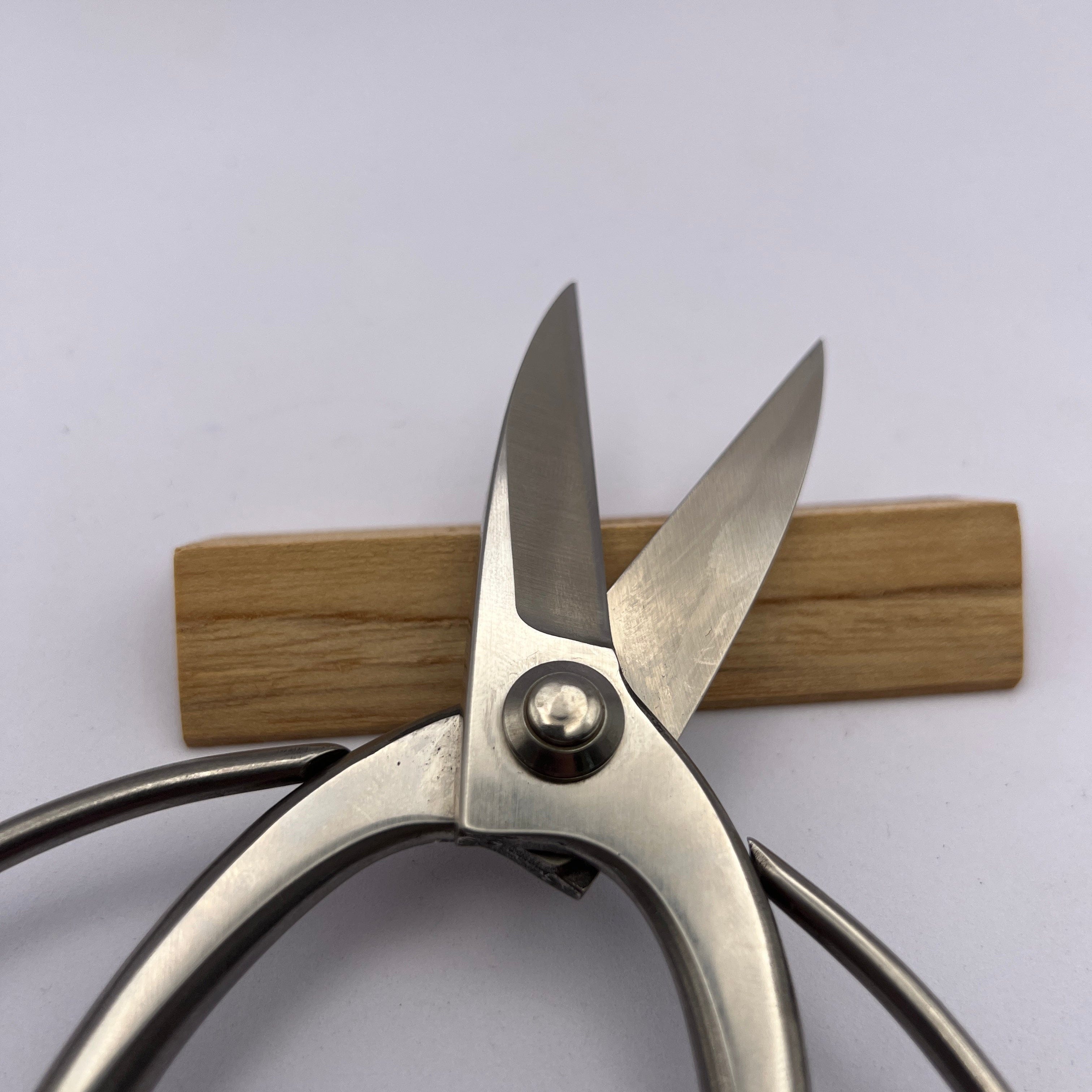
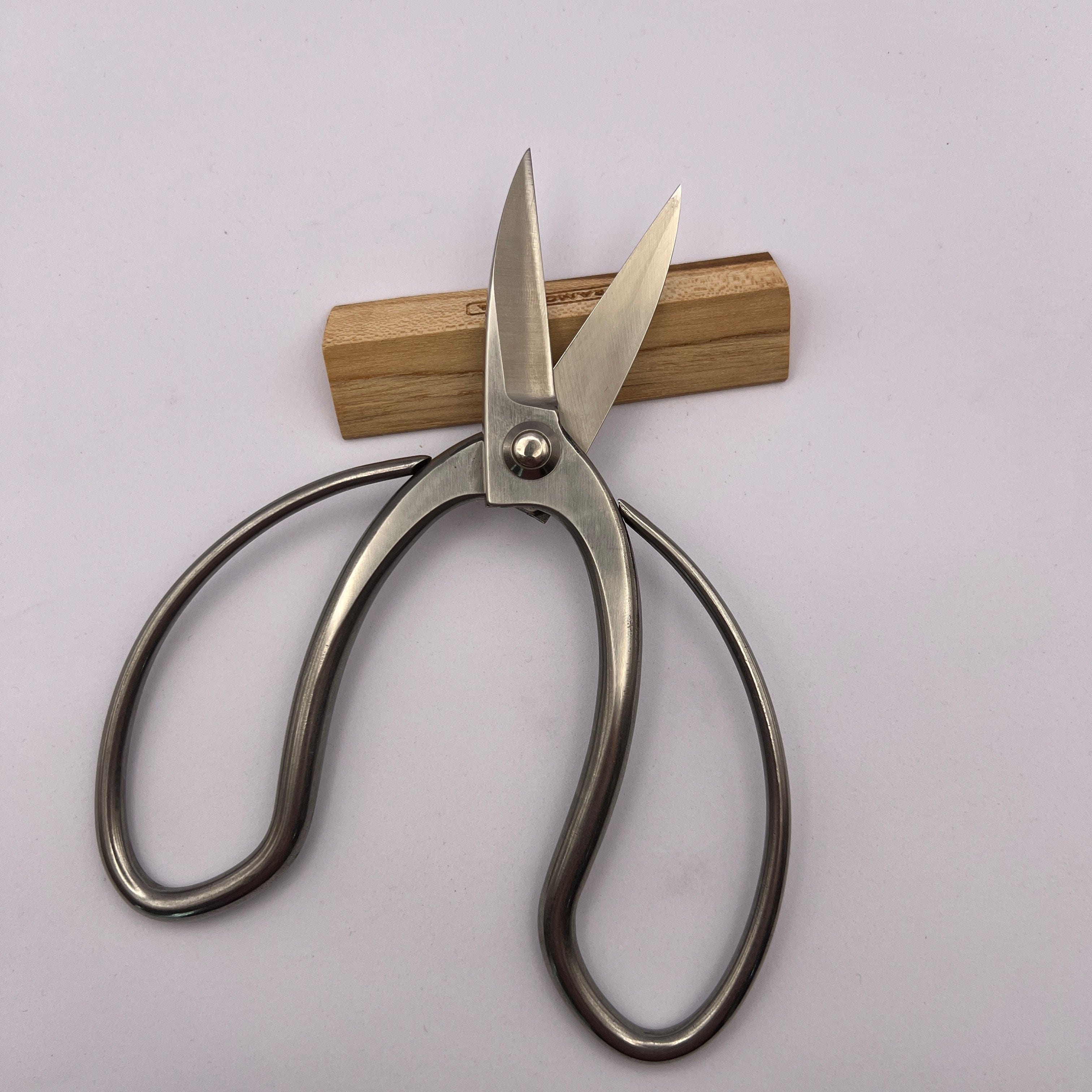
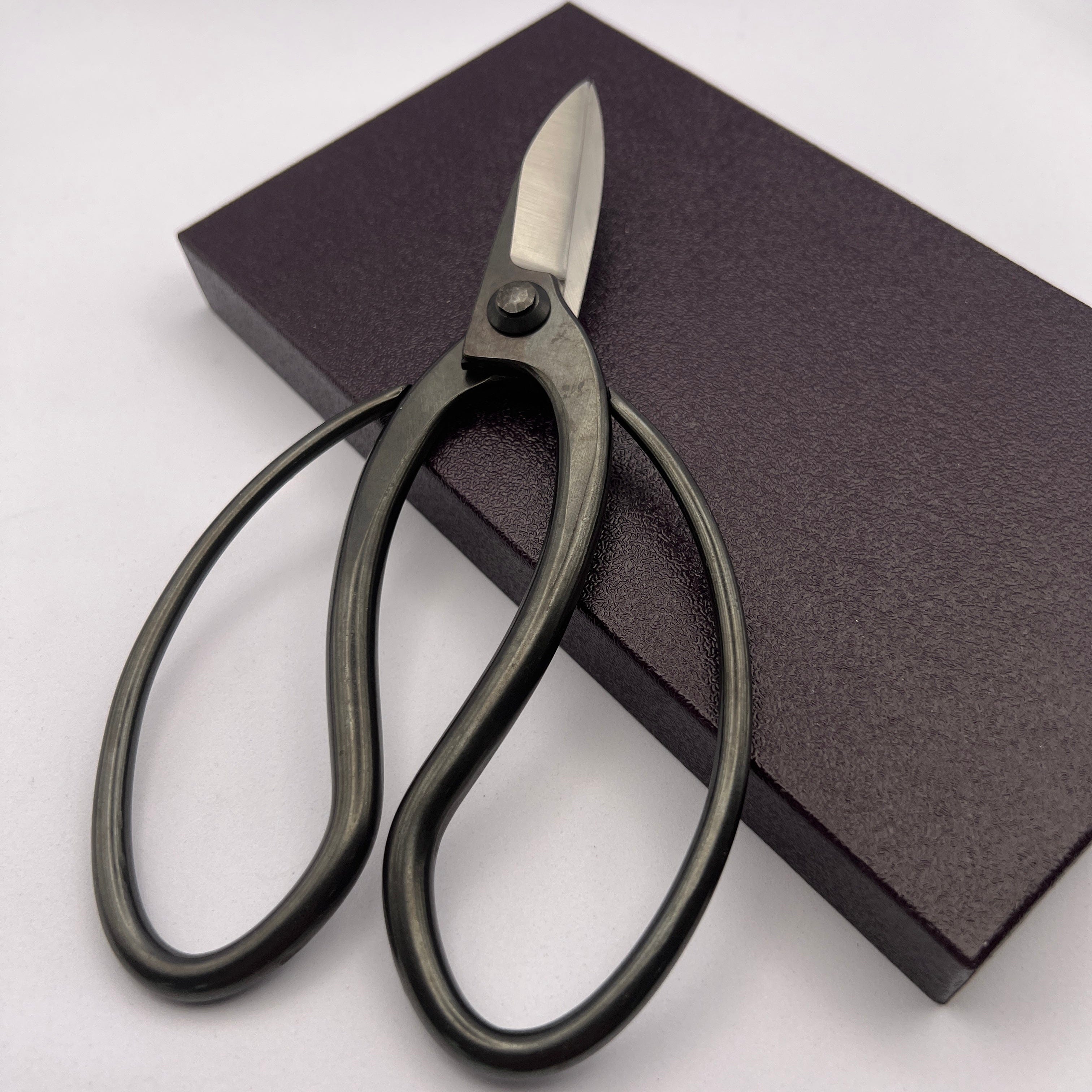
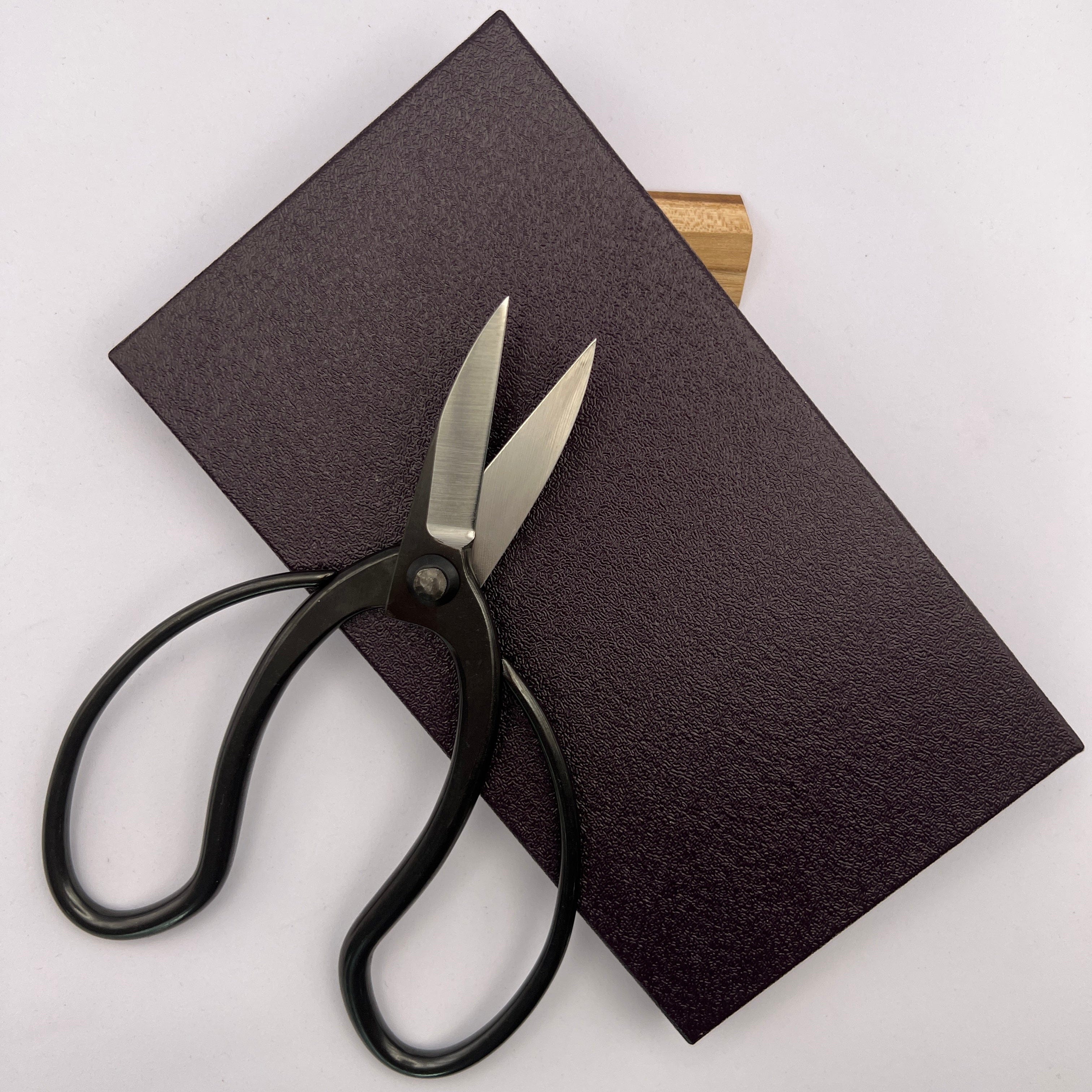
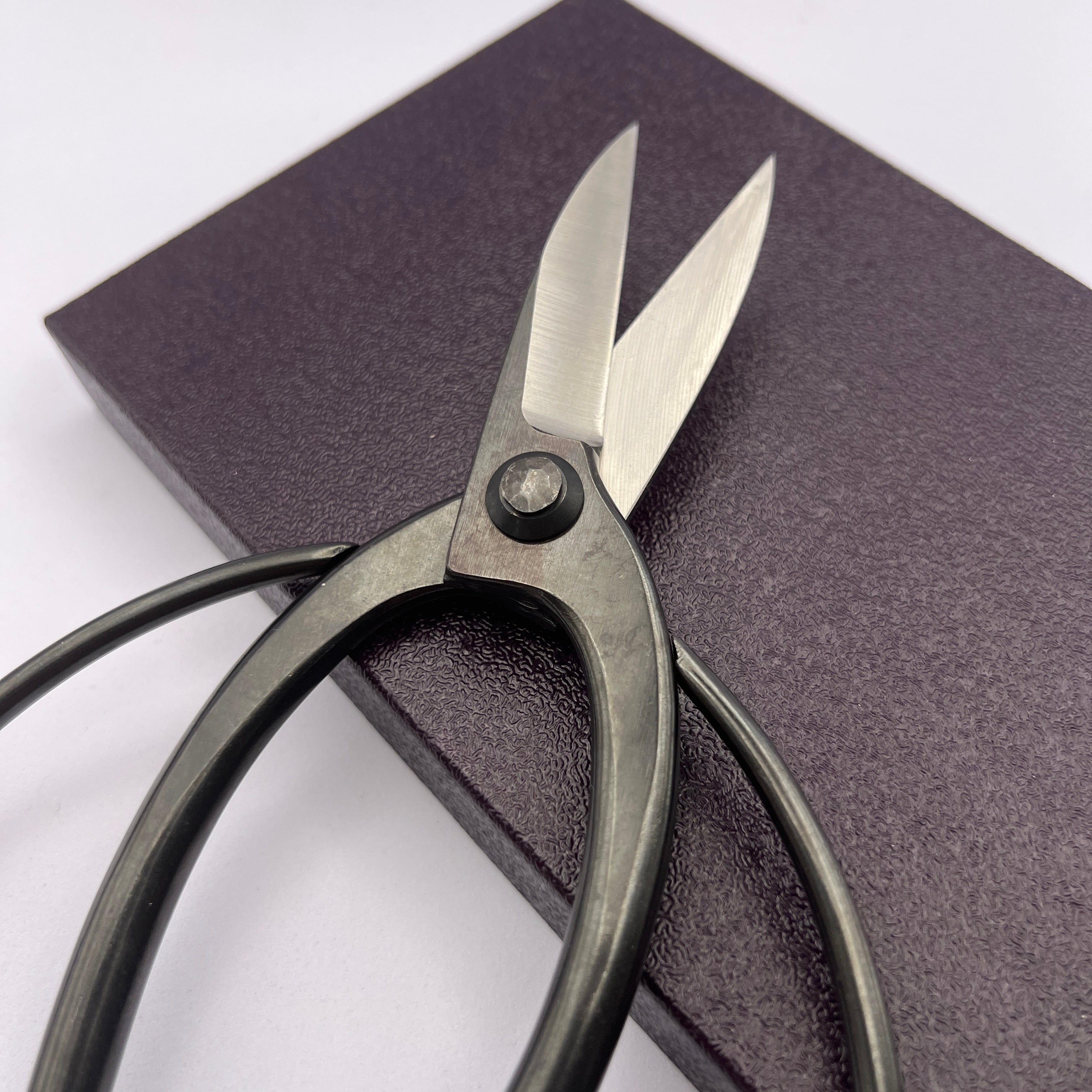
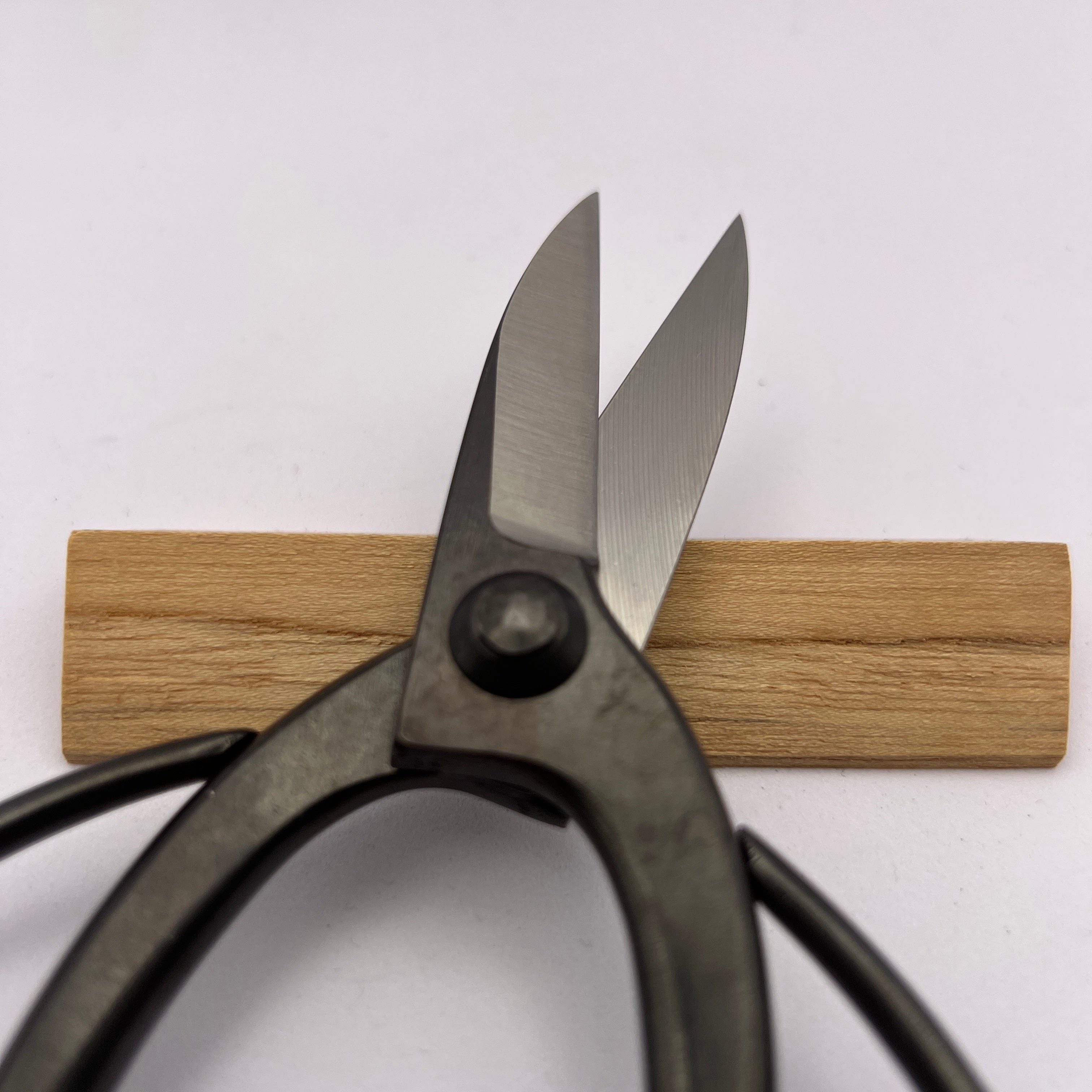
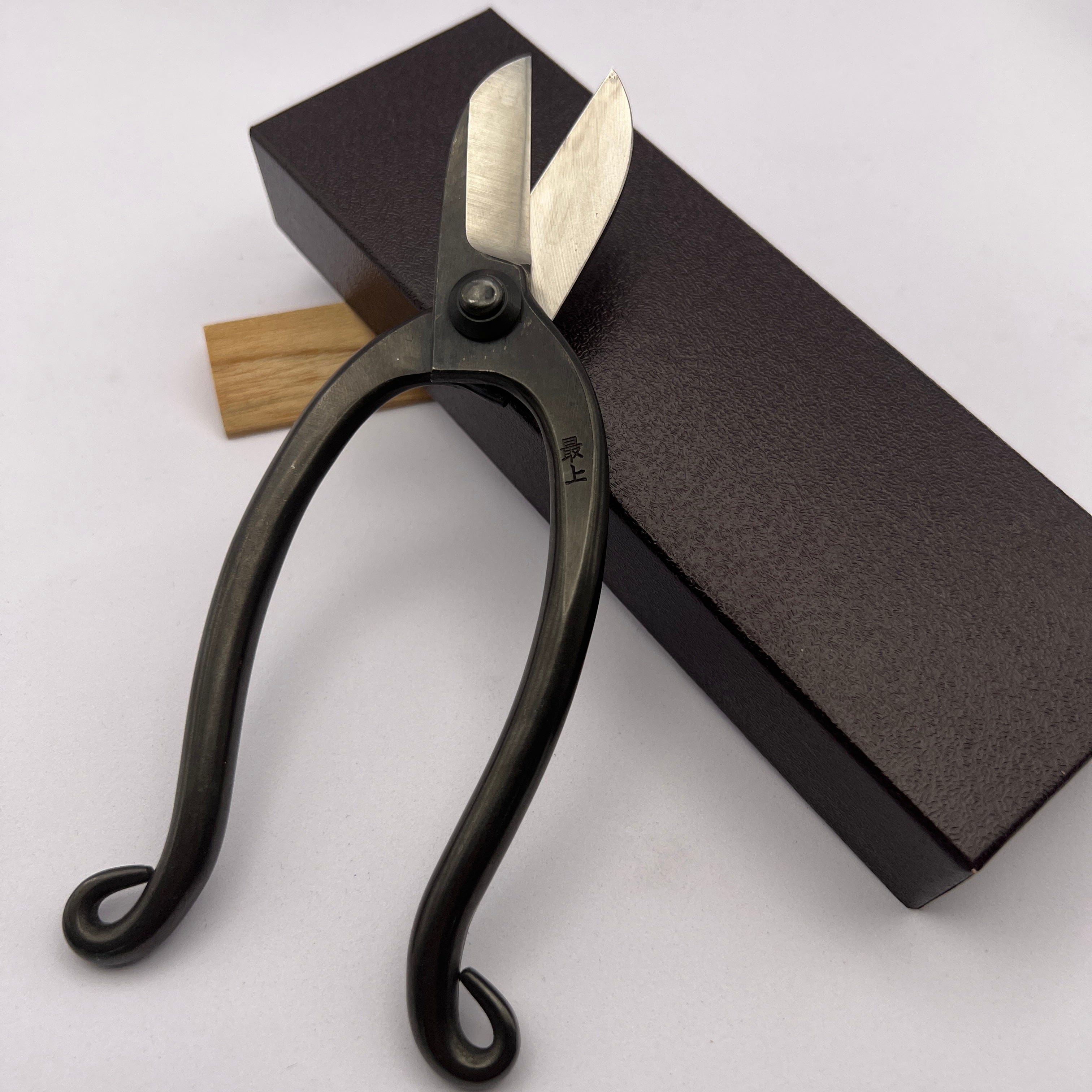
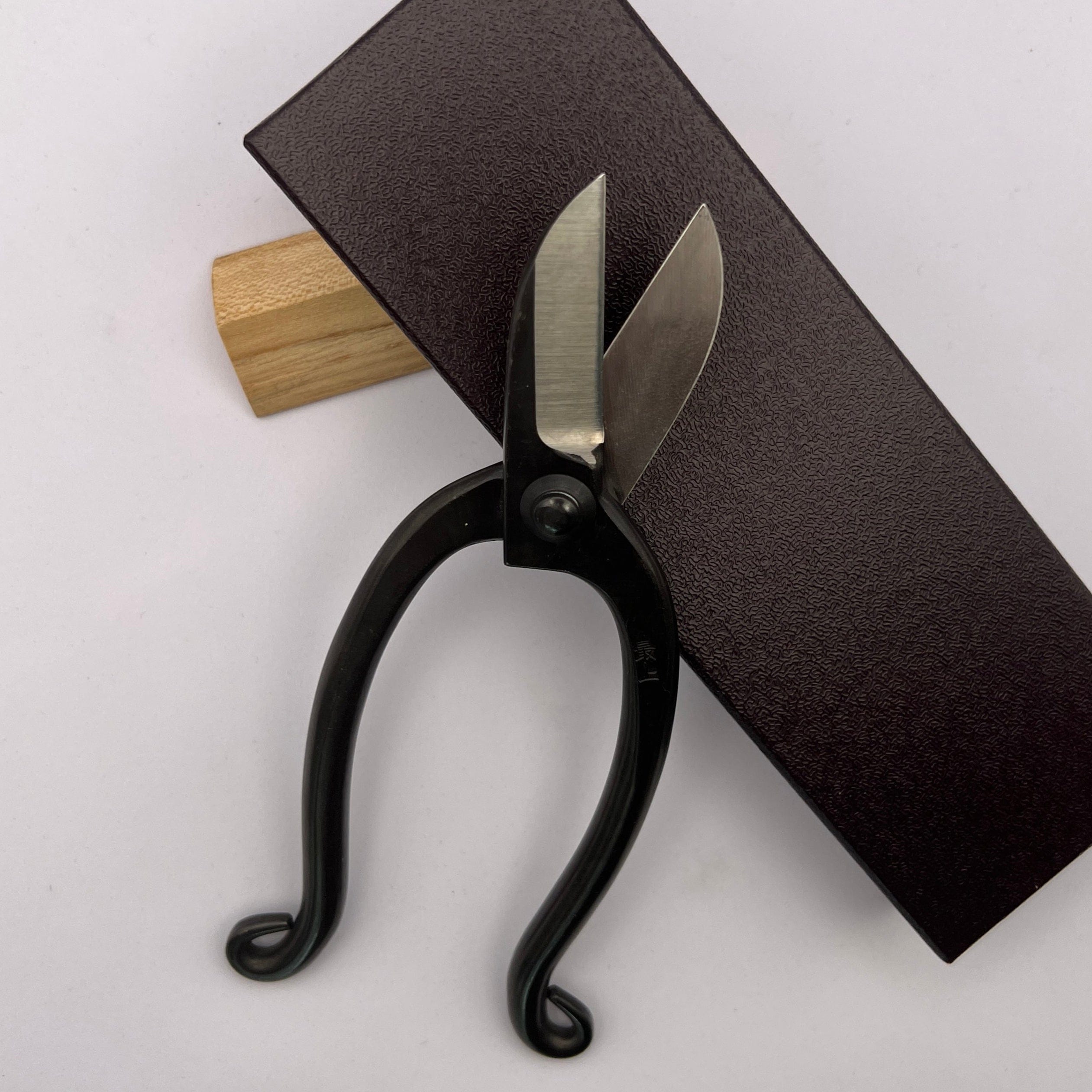
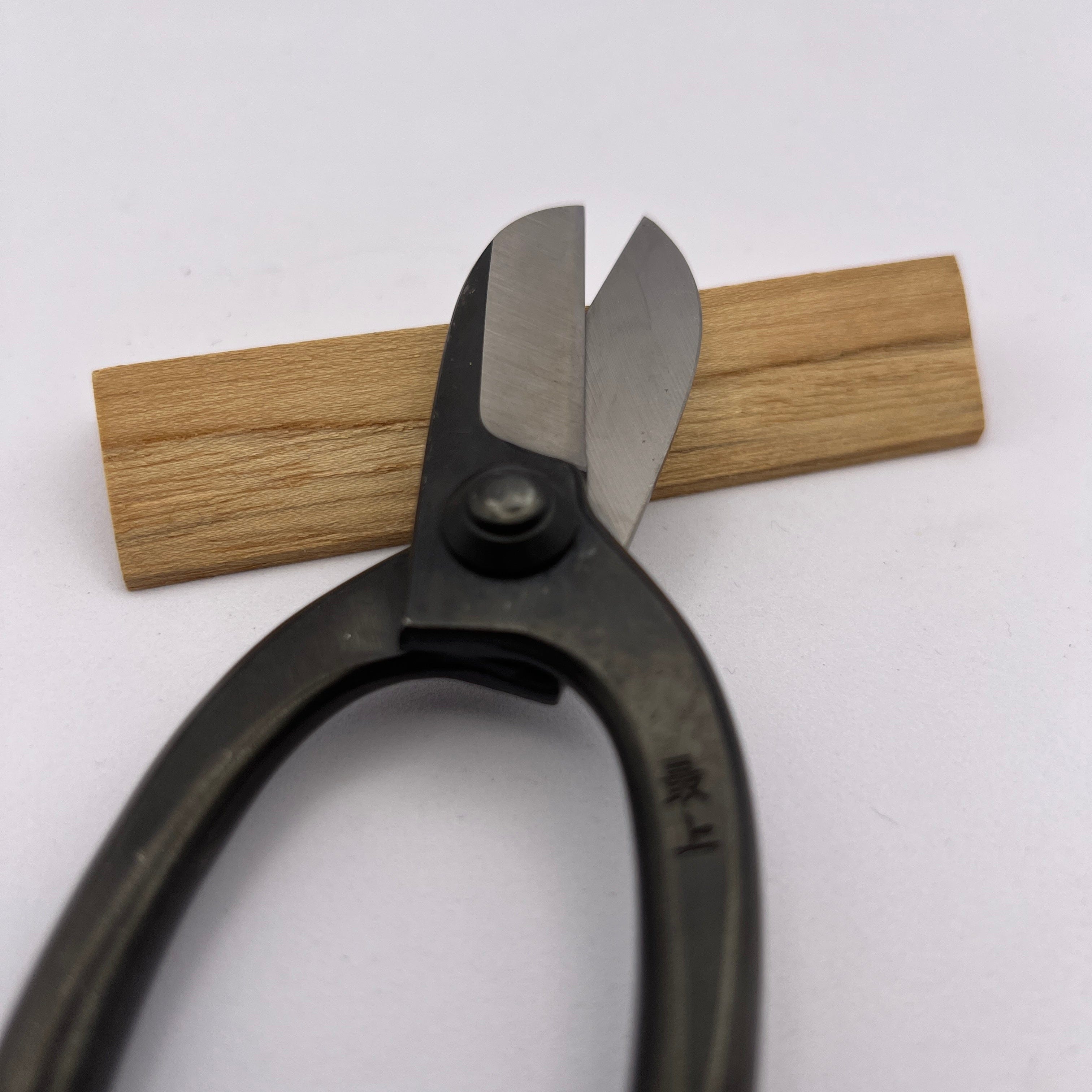
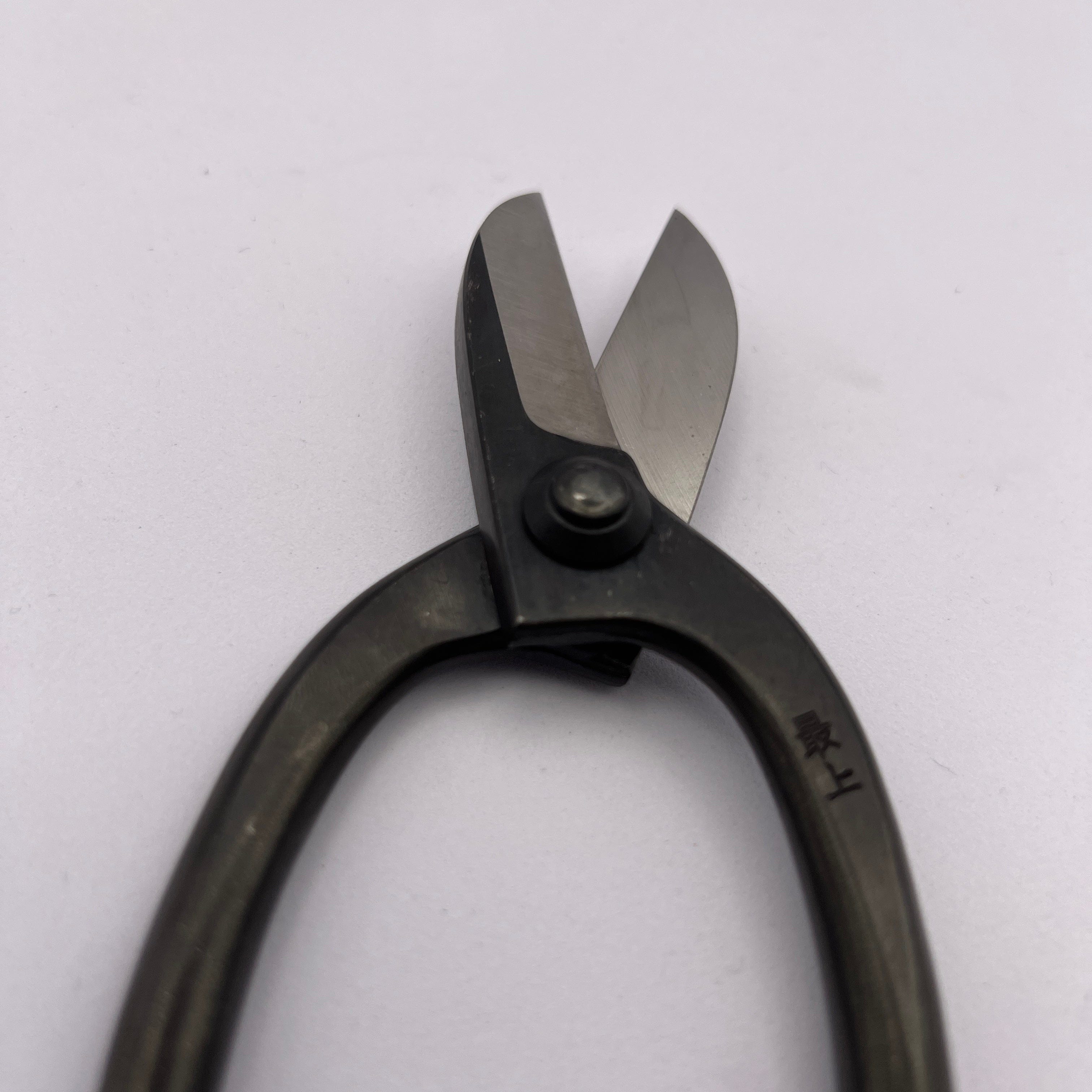
Stainless Steel Flower Scissors
Stainless Steel Bonsai Scissors
Explore how to choose pruning tools and care for bonsai, with practical guides for thoughtful work in the garden.
01
Explore blade types, materials and handling, with guidance on choosing pruning shears and keeping them in good condition.
Read the guide 02
Learn about placement, watering, soil and pruning, and how to build a care routine around the needs of your bonsai.
Read the articleJapanese gardening tools bring care and control to the small tasks that shape a garden. This collection focuses on bonsai and flower scissors for tending new growth, refining plant form and preparing stems for arrangements.
Choose for the work you do most often. Consider the blade shape, handle opening, overall length and weight, then check the intended use of each tool. A pair suited to detailed trimming is not a substitute for cutters designed for thicker branches.
Good care is part of owning a cutting tool. Remove plant residue after use, dry the blades thoroughly and store them away from moisture. Follow the care instructions for the individual steel and finish, including oiling where recommended.
Practical answers to help you choose and care for scissors for bonsai, plant tending and flower arranging.
Start with your main task: detailed bonsai trimming or preparing flower stems. Compare the intended use, blade length, handle shape and weight on each product page. Check handedness where specified, and choose a tool suited to the material you plan to cut.
Bonsai scissors are intended for work such as trimming new growth and refining a tree's shape. Flower scissors are intended for preparing stems for arrangements. Blade and handle designs vary, so check each model's stated uses rather than assuming the two are interchangeable.
Forged describes how a tool is made; stainless describes its steel, so the terms are not opposites. Check the listed material as well as the finish. Carbon steel needs particular attention to drying and rust prevention. Stainless steel also needs cleaning and dry storage.
Do not assume that a gardening scissor is suitable for every cutting task. Follow the limits on its product page and never force the blades through resistant material. Use dedicated branch cutters, root tools or wire cutters for work outside the scissors' stated purpose.
Remove sap and plant residue after use, wipe the blades dry and store the tool in a dry place. Apply suitable tool oil where the maker recommends it, especially for carbon steel. Follow the supplied sharpening guidance or use a specialist familiar with gardening scissors.


