

Japanese Small Craft Scissors

Why You'll Love It?
Directly sourced from artisan workshops in Japan
No US customs fees or surprise import charges — we take care of everything
Learn moreSecure, insured delivery from Japan
Shipping policyA quiet piece of Japan, brought to your home.
Pairs well with
Japanese Small Craft Scissors
Craft with Confidence – Precision Japanese Stainless Steel Scissors
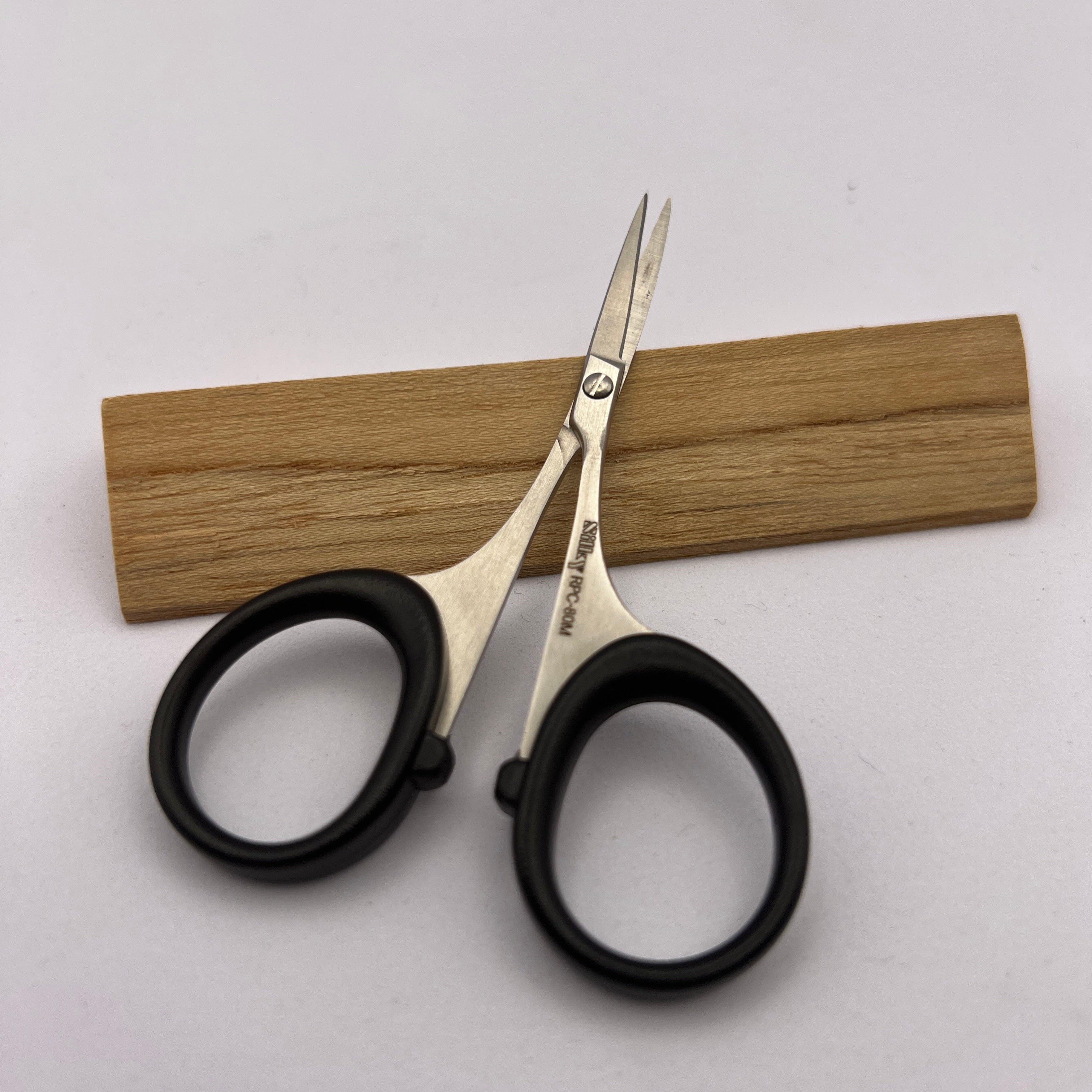
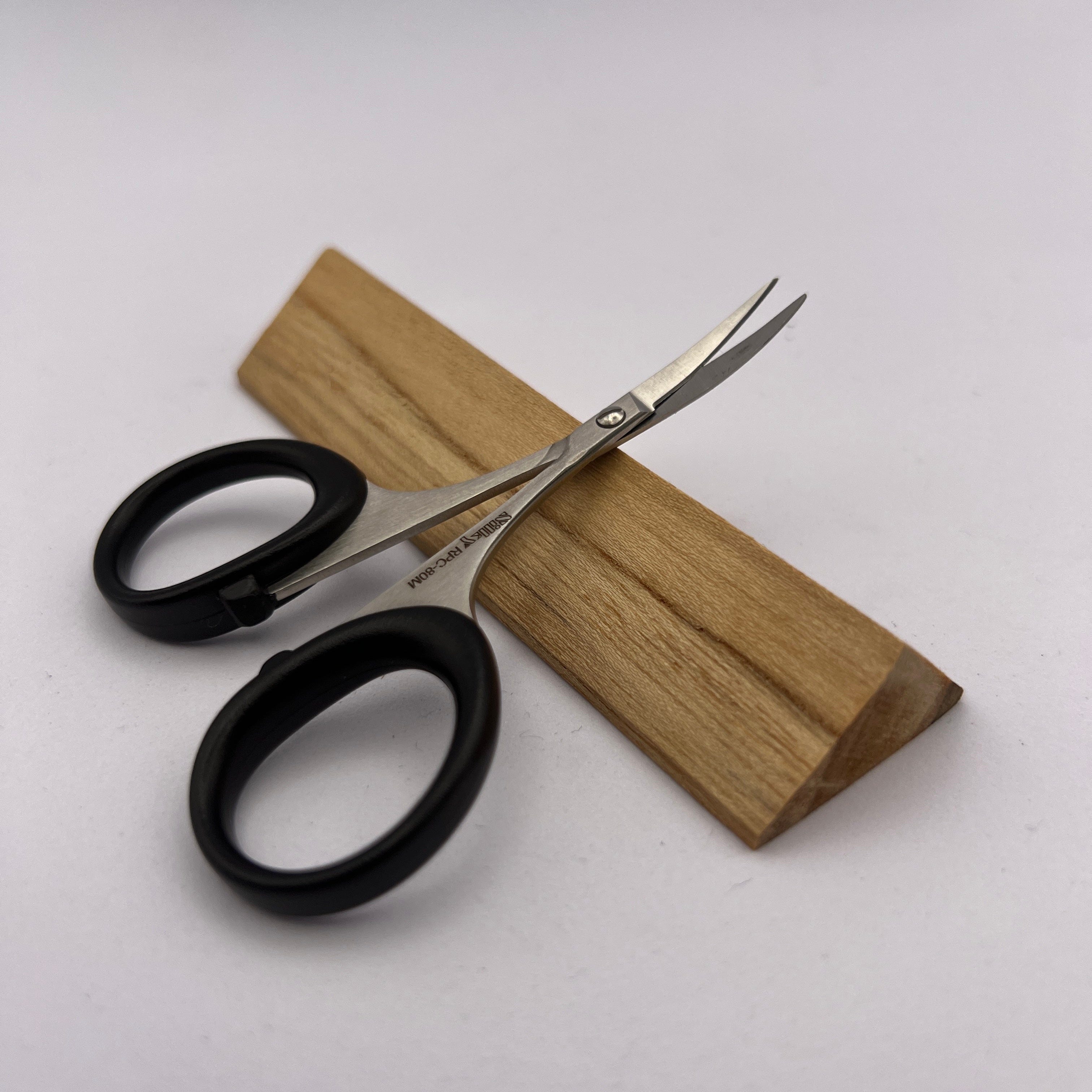
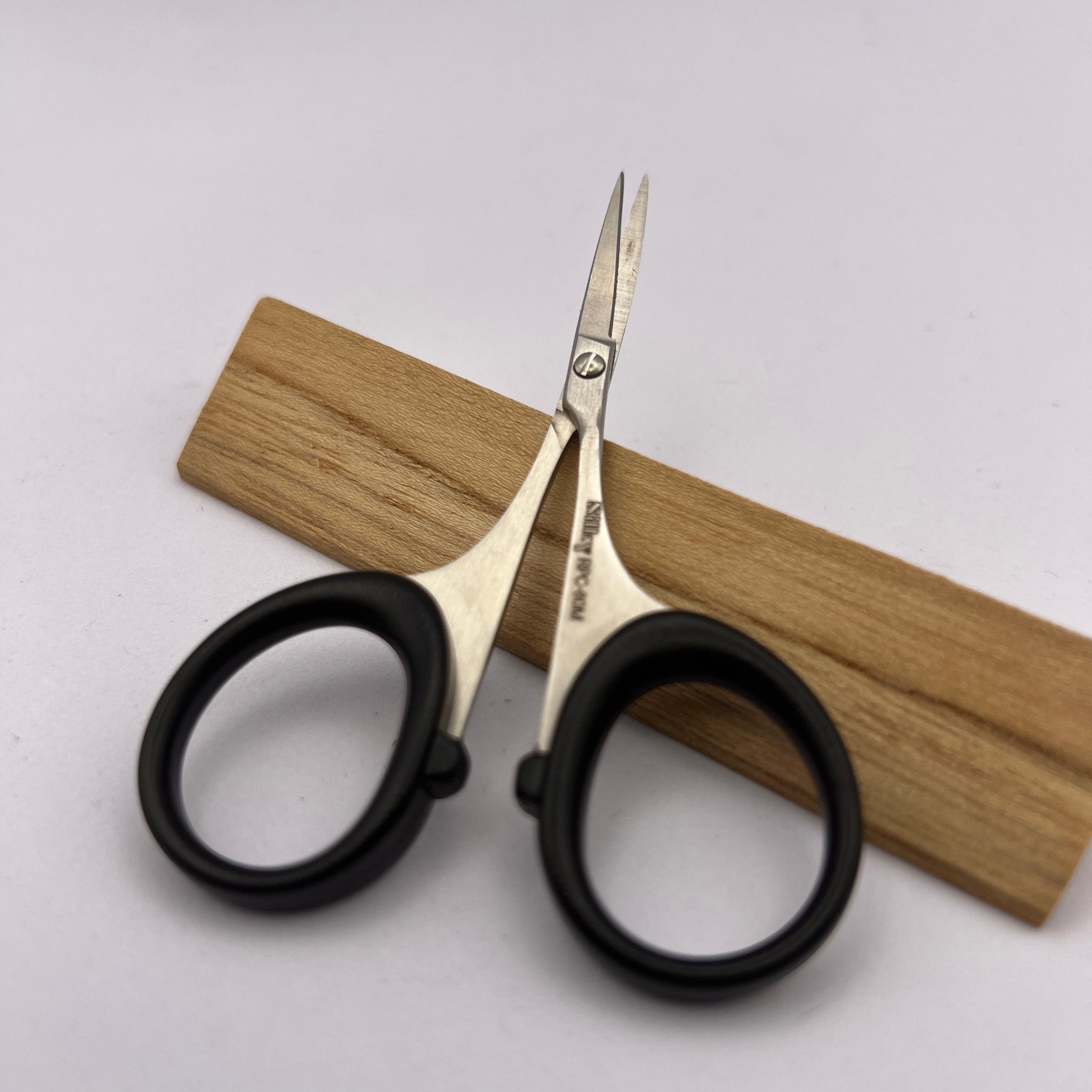
Small in size but exceptional in performance, these Japanese Small Craft Scissors are handcrafted in Seki, Japan, a city renowned for its 800-year legacy of blade mastery. Measuring just 4.3 inches (11 cm), these ultra-sharp stainless steel scissors are designed for delicate, high-precision tasks—perfect for trimming thread ends, cutting washi paper, shaping decals, or creating intricate fabric appliqués.
The blades ensure clean, accurate cuts without snagging and resist rust and wear through years of steady use. Their contoured black handles provide ergonomic comfort and a secure grip, allowing full control even during meticulous tasks. You'll immediately notice the difference: a crisp snip, a balanced feel, and tactile satisfaction that quality tools embody.
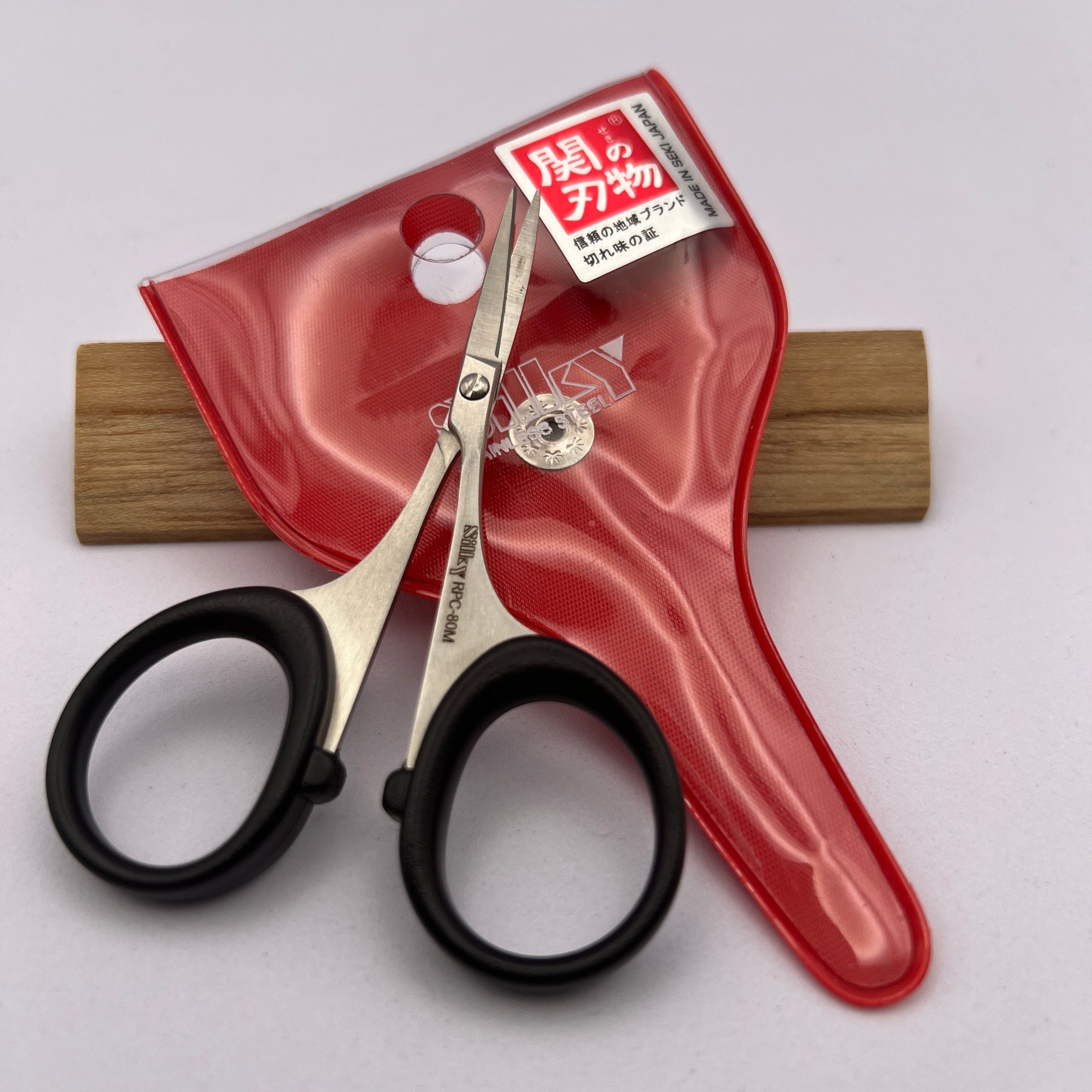
The scissors come nestled in a protective red case, ensuring they remain safe during travel or at home, ready to inspire your creativity. Lightweight yet robust, they cater to hobbyists, tailors, quilters, students, and designers seeking reliable tools for everyday use. More than just a tool, they encapsulate Japanese craftsmanship where sharpness meets simplicity and function meets elegance.
Elevate your tools. Elevate your craft.
Product Information
Care instructions


Made by Towa in Japan
Towa knives are meticulously manufactured in a renowned knife factory in Seki City, Gifu Prefecture—a town with an 800-year legacy of swordsmithing excellence.
Known as the “City of Blades,” Seki has long been home to master swordsmiths who forged weapons for samurai with unmatched precision and skill.
Towa continues this storied tradition by collaborating directly with local artisans to create original, high-performance kitchen knives.
Each blade reflects a seamless blend of time-honored craftsmanship and thoughtful innovation, delivering the sharpness, balance, and durability that define true Japanese quality.
FAQs
All you need to know about Japanese Knives.
What makes Japanese knives different from Western knives?
Japanese knives typically feature harder steel, thinner and sharper blades, and lighter handles compared to Western knives. These characteristics allow for precision cutting, especially suited for detailed culinary tasks, but require careful maintenance to preserve sharpness and avoid damage.
How should I maintain and sharpen a Japanese knife?
Regularly hand-wash and dry your knife immediately after use to prevent rust and corrosion. Sharpen using a whetstone designed specifically for Japanese knives, maintaining a consistent angle (usually around 15 degrees). Avoid dishwashers and harsh cleaning methods to preserve blade integrity.
Can Japanese knives be used for any type of food preparation?
While versatile, certain Japanese knives are specialized: Gyuto (chef’s knife) handles most ingredients, Santoku excels in chopping vegetables and meats, while Yanagiba is specifically suited for slicing sashimi and seafood. Selecting the right knife enhances performance and preserves blade condition.
Why are Japanese knives often more expensive?
Japanese knives are handcrafted, employing traditional methods and premium high-carbon steel, which contributes to their exceptional sharpness, durability, and aesthetics. This artisanal craftsmanship and the high-quality materials used typically result in higher pricing compared to mass-produced knives.
Are Japanese knives suitable for beginners?
Yes, beginners can effectively use Japanese knives, but it’s essential to start with user-friendly styles like Santoku or Gyuto, known for balanced handling and versatility. Proper care, handling, and regular sharpening practices will ensure a positive experience, even for novices.