This site uses cookies for better user experience and analytics.
Forged Japanese Scissors
$119.00
No reviews
No reviews yet · Customers rate us 4.9/5 (47 reviews) · Read them
Forged in Seki City | 6.7 in (17 cm) | Japanese stainless steel
In stock
Ships within 4 business days
Secure, insured delivery from Japan
Complimentary over $199 · otherwise from $30. Shipping policy
$80 away from complimentary shipping
U.S. duties prepaid at checkout
Import duties and taxes are calculated and paid at checkout, so nothing is due on delivery. Learn more
Sourced in Japan, from the makers
Direct from Japanese workshops and their authorised channels.
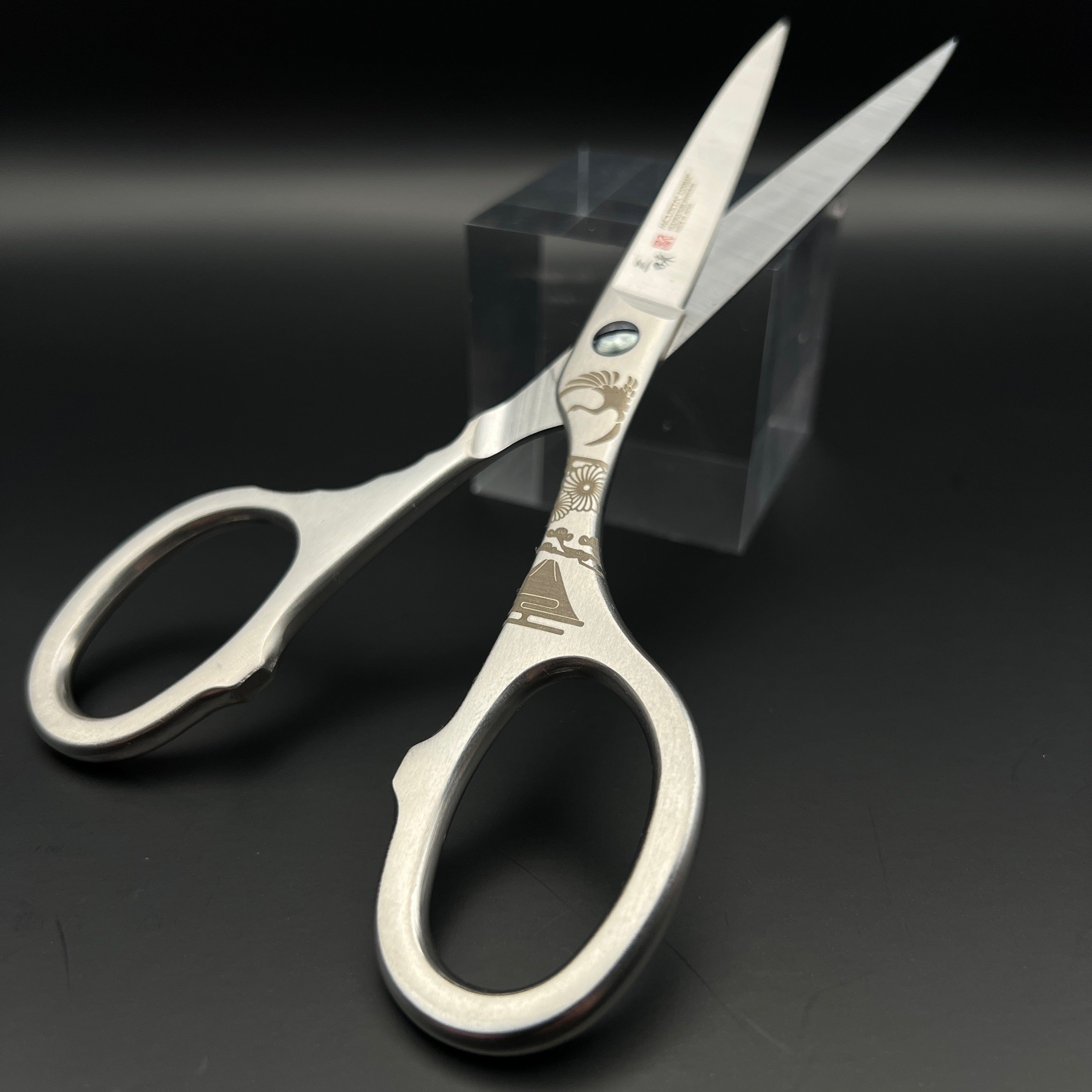
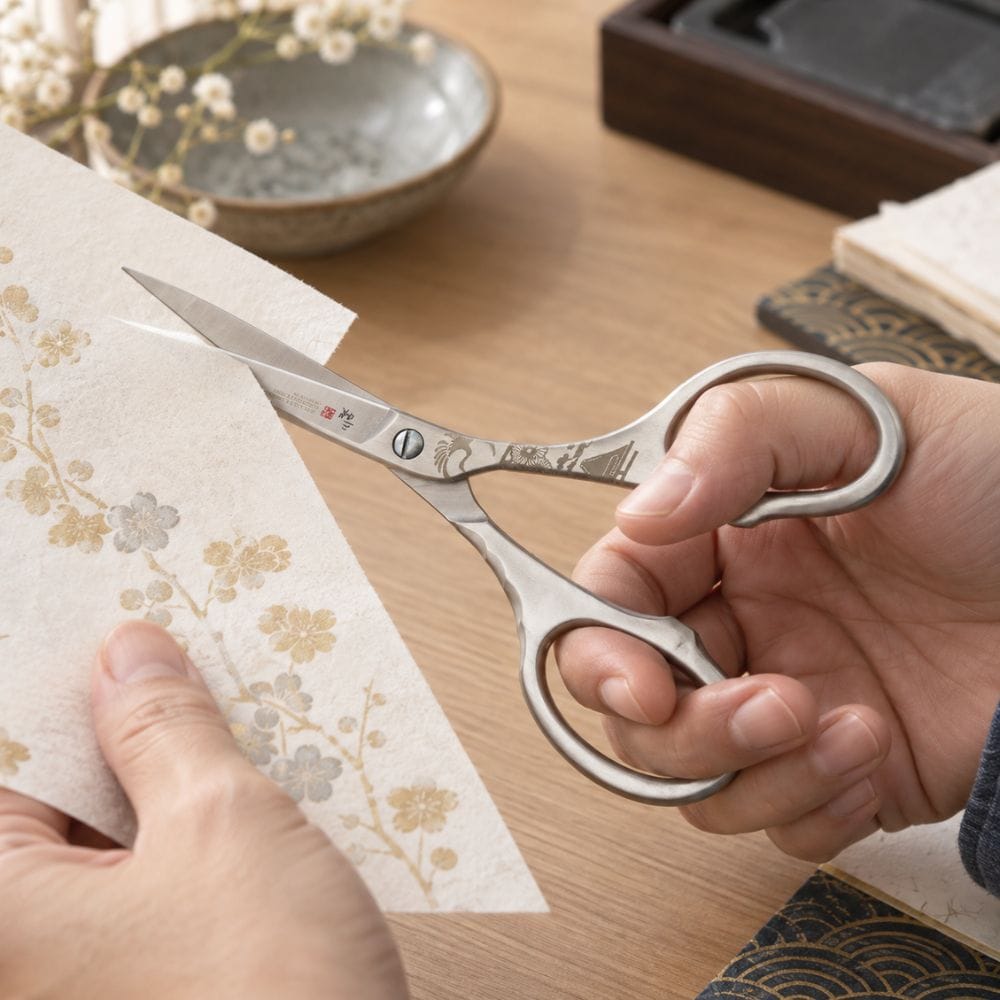
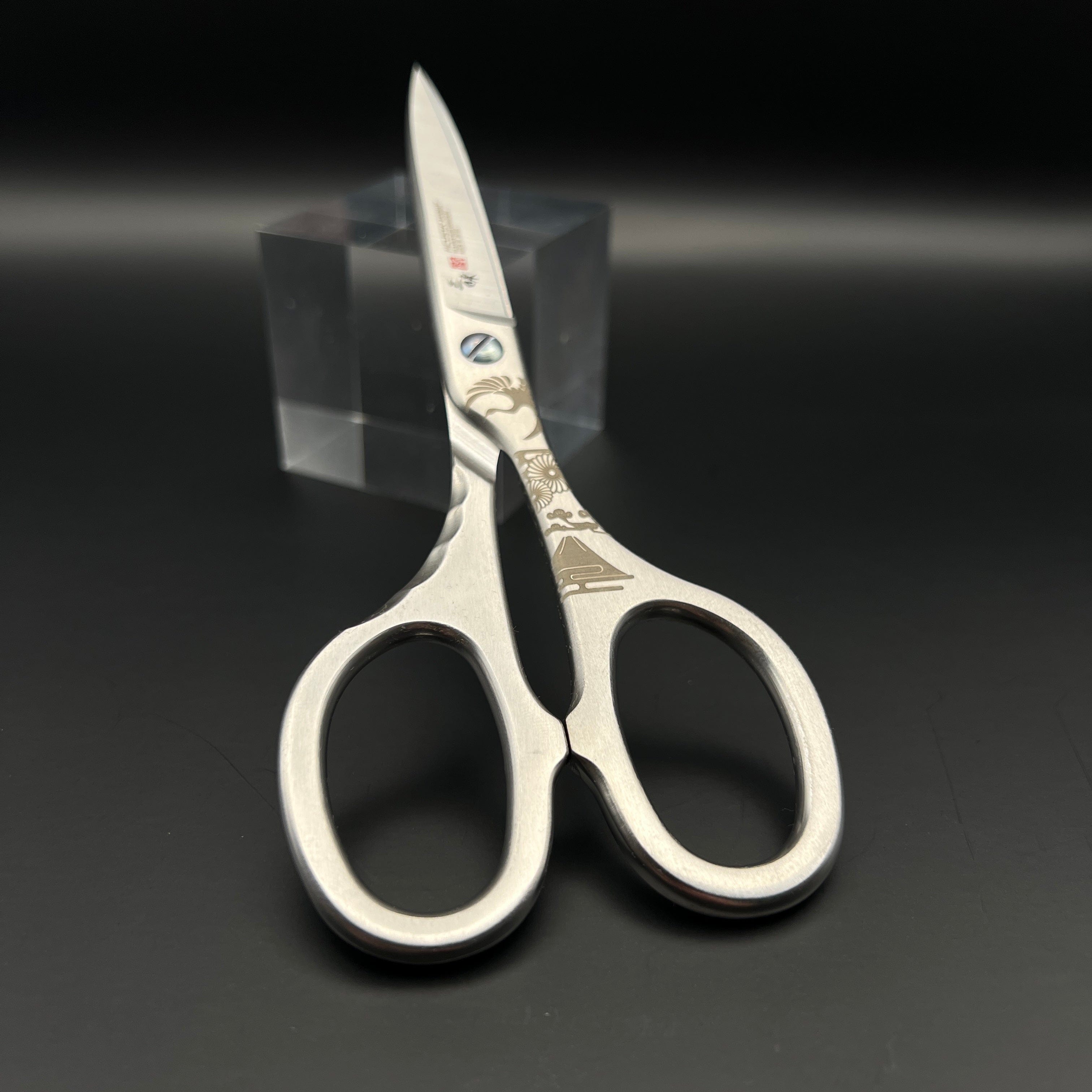
Forged in Seki City, these 6.7 in Japanese scissors are made for precise, controlled cutting. Their sharp molybdenum vanadium stainless steel blades, balanced one-piece construction, and comfortable grip make them ideal for paper craft, origami, kirigami, scrapbooking, studio work, and other detailed cutting tasks.
Why You’ll Love It
Forged in Seki City, Japan’s historic blade-making center
High-carbon molybdenum vanadium stainless steel for sharpness and durability
Smooth, controlled cutting for paper, craft, and studio work
Balanced one-piece construction with a textured grip and sculpted thumb rest
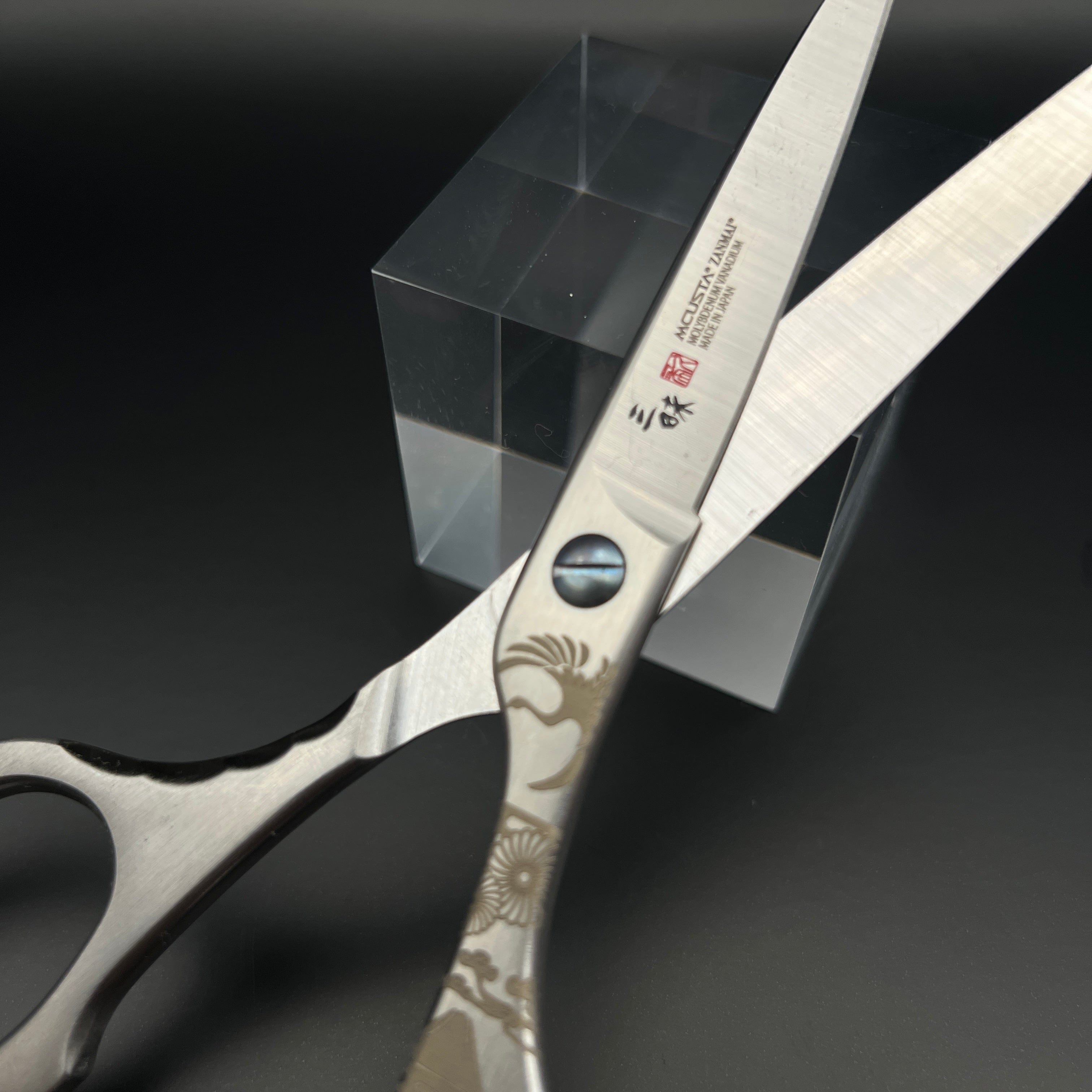
Finished with engraved Mt. Fuji and tsuru crane motifs
Made in Seki City, Gifu Prefecture, these forged Japanese scissors combine traditional blade-making expertise with a clean, modern design.
The 6.7 in (17 cm) size gives them a compact, controlled feel in the hand, making them especially well suited to detailed cutting tasks such as origami, kirigami, scrapbooking, and studio work.
The scissors are made from high-carbon molybdenum vanadium stainless steel, chosen for its balance of sharpness, durability, and corrosion resistance. The blades meet at a finely adjusted pivot for smooth, consistent cutting.
The one-piece construction gives the scissors a solid, balanced feel, while the textured grip and sculpted thumb rest help maintain control during longer cutting sessions.
A laser-engraved Mt. Fuji and tsuru crane motif adds a distinctly Japanese finishing detail without making the design overly decorative.
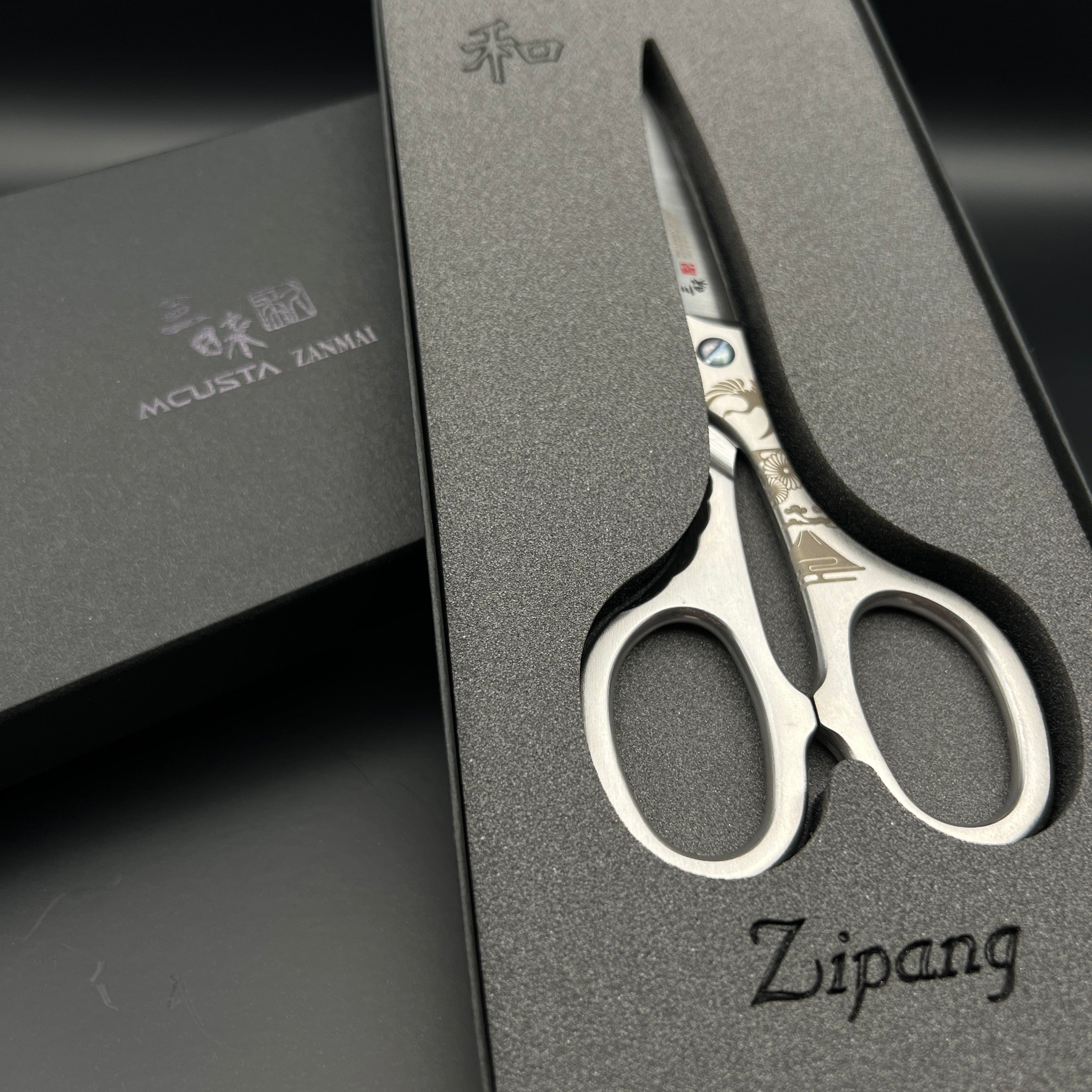
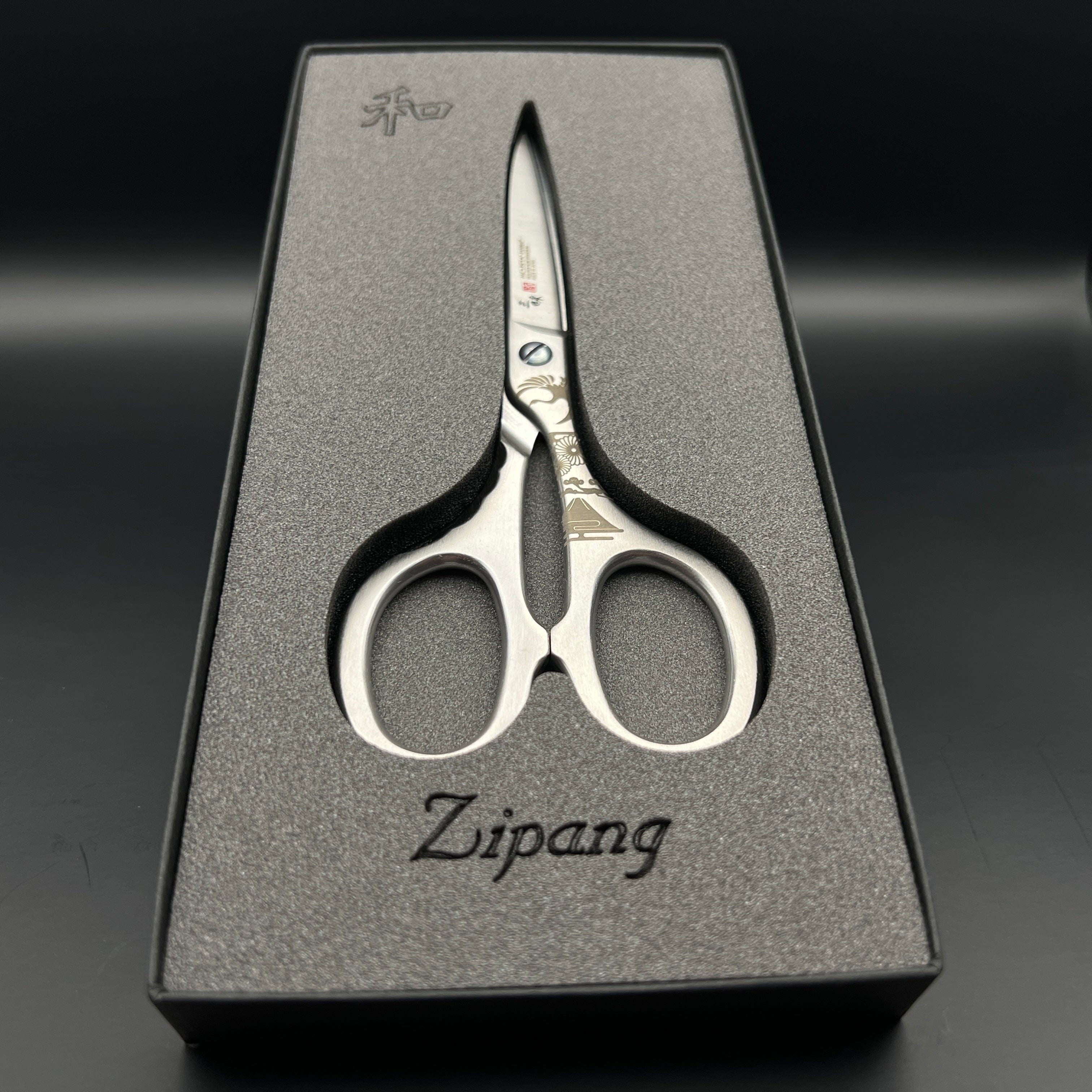
Each pair is individually checked before dispatch and wrapped for protection.
For best performance, wipe the blades clean after use, keep the pivot lightly oiled, and store the scissors in a dry place.
Product Information
Length: 6.7 in (17 cm)
Design: Traditional motif, laser-engraved
Use: Suitable for all precise cutting tasks
Finish: Polished handle
Packaging: Individually hand-tested and presented in artisan-grade wrapping
Material
Molybdenum Vanadium Stainless Steel
Artisan & Craft
Made in Seki, Gifu Prefecture, by Marusho Industry under its Mcusta Zanmai brand. Seki has forged blades for 800 years, and Marusho, a family workshop founded there in 1964, began with scissors long before its knives made the name famous. Each pair is laser-cut and machined in-house, then ground, engraved and adjusted by hand so the blades meet cleanly along the full length of the cut.
Care instructions
To ensure your scissors' sharpness, precision, and longevity, clean them after each use with a soft cloth and sanitize them with alcohol if needed. Regularly apply a drop of oil to the pivot point and open and close the scissors to distribute it evenly. Store them in a dry, protective case to prevent rust and damage, and avoid dropping them. Check the tension periodically and adjust if the blades feel loose or tight. For best performance, professionally sharpen them every 6 to 12 months, depending on use.
Shipping & returns
Orders usually ship from Japan within 5 business days, tracked. Delivery typically takes 7–10 business days depending on destination. U.S. orders are shipped with duties prepaid, so there's nothing to pay on delivery; for other countries, local VAT or duties may be charged on arrival. If anything arrives damaged, email us within 7 days with photos, and we'll arrange a replacement or refund. Unused items in their original packaging can be returned within 30 days; contact us first for a return authorization. Full details in our Shipping policy and Refund policy.
Why do Japanese scissors cost more than the ones in my kitchen drawer?
Most household scissors are stamped from a sheet, ground once, and never touched again. Scissors from Seki are made the way the town has made blades for 800 years: the two halves are ground and set against each other by hand so the edges meet along the whole cut, not just at the pivot. That's why they slice cleanly to the tip instead of folding paper or crushing herbs. It's also why they stay sharp for years rather than months. You're paying for the adjustment, not the steel.
Will they rust? What does "hand wash only" really mean?
It depends on the steel, and we say which on every product page. Stainless steel blades won't rust from normal kitchen use; rinse, dry with a cloth, done. Carbon steel blades are harder and hold a keener edge, but they will spot and rust if left wet, so dry them straight away and wipe a little oil on the blade before storing. What damages both types is the dishwasher: heat and detergent dull the edge and can loosen the pivot. A drop of oil on the pivot now and then keeps the action smooth. That's the entire care routine.
Can I sharpen them myself?
Yes, but you probably won't need to for a long time. When the day comes, a fine whetstone at the existing bevel angle is all it takes; a few passes on each blade. If you'd rather not, any knife sharpener who handles Japanese blades can do it in minutes. What you should never do is run them through a pull-through gadget, which grinds both edges to the wrong angle and undoes the hand adjustment.
Are these right-handed only?
Like almost all traditional Japanese scissors, yes: the blades are set so the cutting edges close correctly when held in the right hand. A left-handed user can operate them but the edges push apart slightly, which affects the cut. If you're buying for someone left-handed, write to us before ordering and we'll tell you honestly whether we have a pair that suits.
What happens if they arrive damaged, or I change my mind?
Every order ships from Japan with tracking. If anything arrives damaged, defective or not what you ordered, email us within 7 days of delivery with photos of the item and the packaging, and we'll arrange a replacement or refund; we handle the carrier claim, not you. If you simply change your mind, you can return unused items in their original box within 30 days of delivery. Write to us first for a return authorisation, then send it back tracked at your own cost, and we refund the item within 10 business days of receiving it. Sale items are final. For U.S. orders, duties are prepaid at checkout, so there's nothing to pay at the door; for other countries, local VAT or duties may be charged on arrival and aren't refundable if a parcel is refused.
Choosing a selection results in a full page refresh.