This site uses cookies for better user experience and analytics.
Metal Color Tall Cup
$34.90
No reviews
Cup • Metal Color Finish Ceramic • 350 cc (12 oz) • Made in Japan
In stock, ready to ship
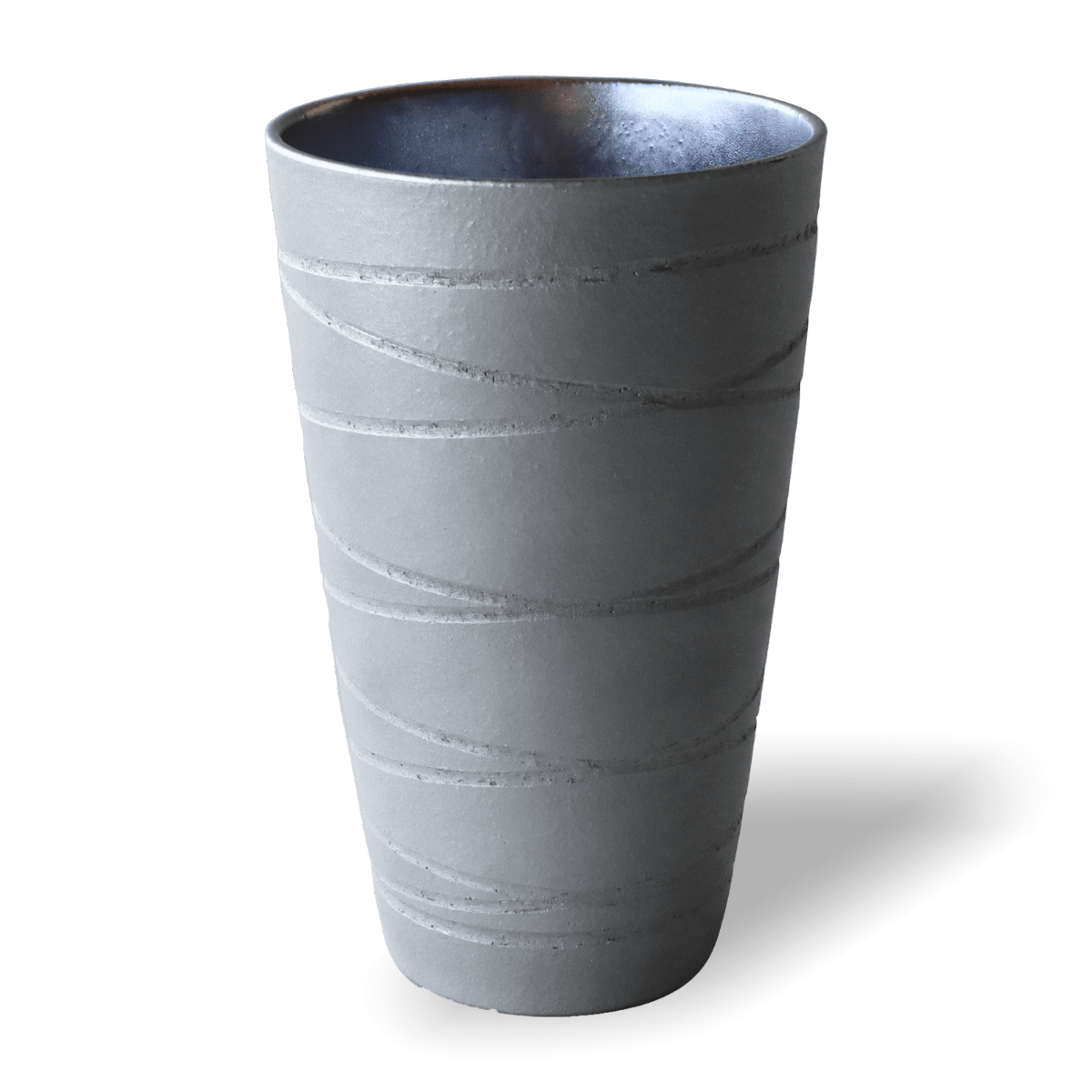
Lifting the Metal Color Tall Cup to your lips reveals its uniquely textured surface, a result of a skilled luster spraying technique. The 12 fl oz capacity is just right for sipping your favorite tea or coffee, offering moments of connection with each pour. Handcrafted at the historic Kinshou Kiln, this durable piece combines functionality with elegant design, making it a reliable companion for both casual and special occasions.
Why You'll Love It?
• Exquisite luster finish from Kinshou Kiln.
• Modern design meets traditional Japanese artistry.
• Handcrafted elegance enhances any table setting.
• Remarkable texture that feels as good as it looks.
Directly sourced from artisan workshops in Japan
No US customs fees or surprise import charges — we take care of everything
These elegant 12 fl oz cups (350 cc) are the work of Shigemichi Tabata, a second-generation artisan at the historic Kinshou Kiln in Toki City, Gifu Prefecture. Perfectly sized for sipping your favorite tea or enjoying a refreshing chilled sake, these cups add a touch of sophistication to your tableware. With a design that harmoniously blends simplicity and functionality, they offer not just beauty but also practicality for everyday use.
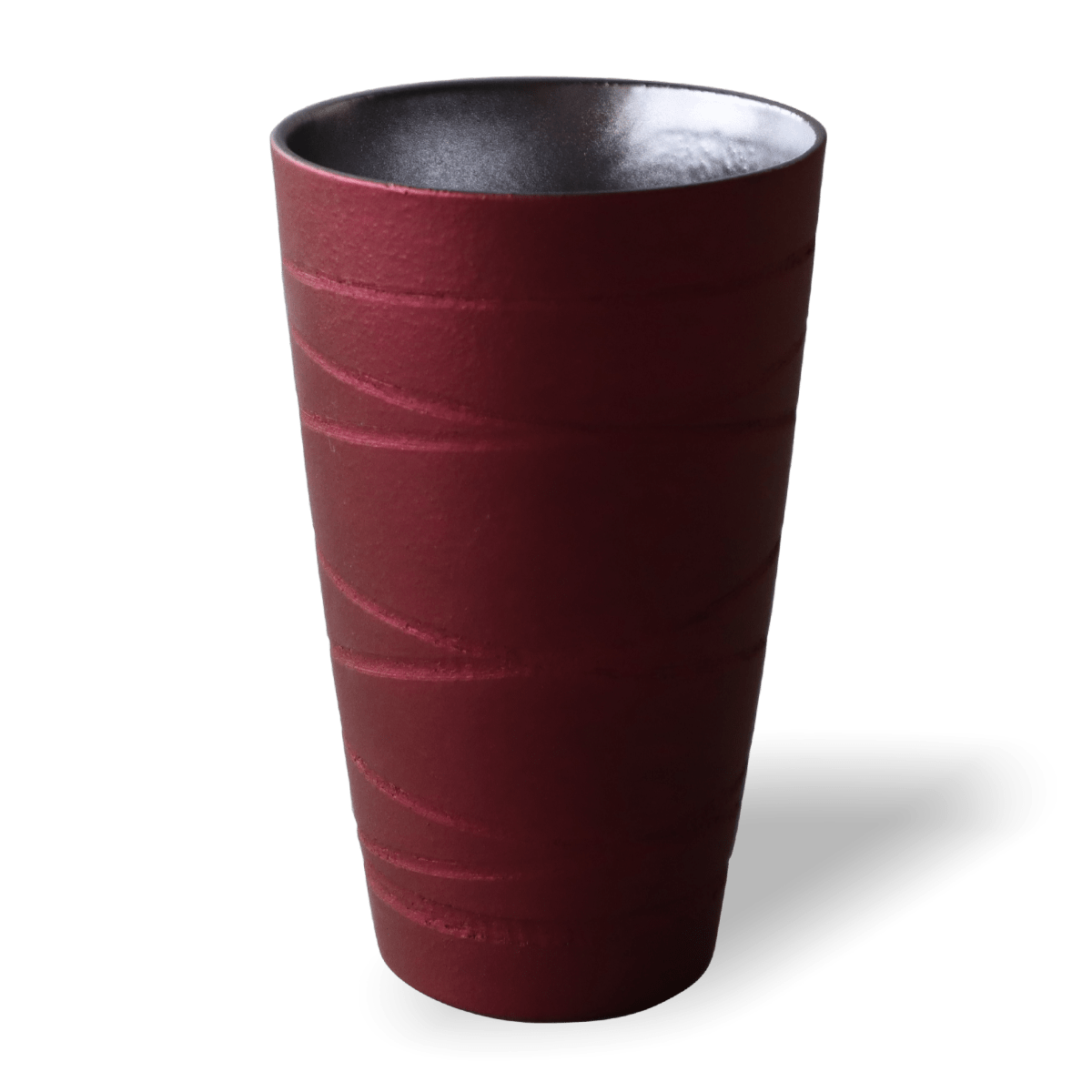
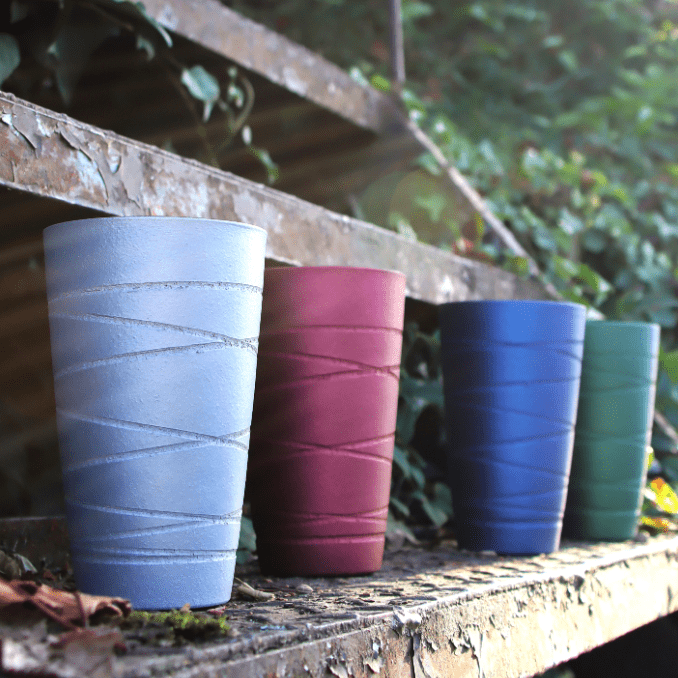
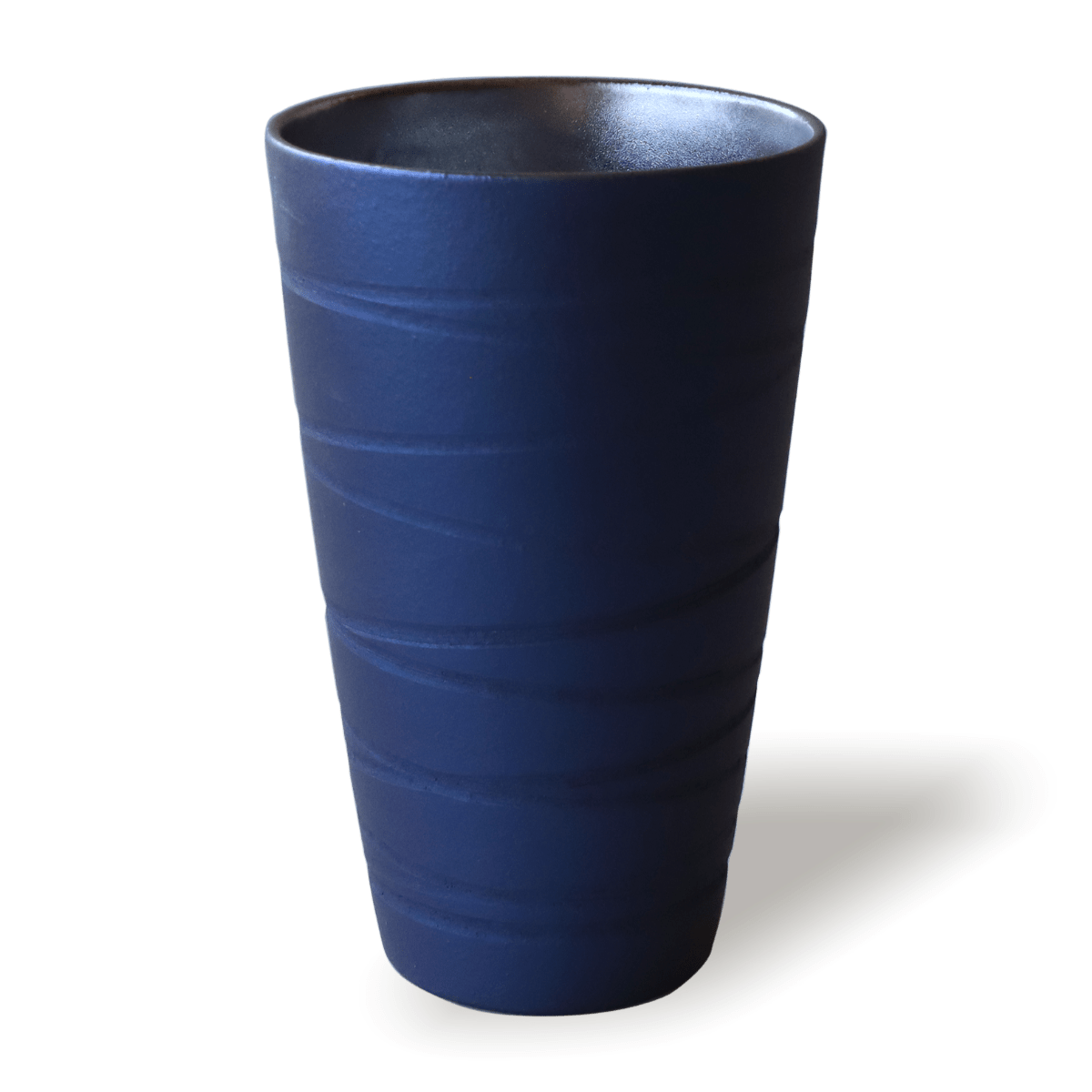
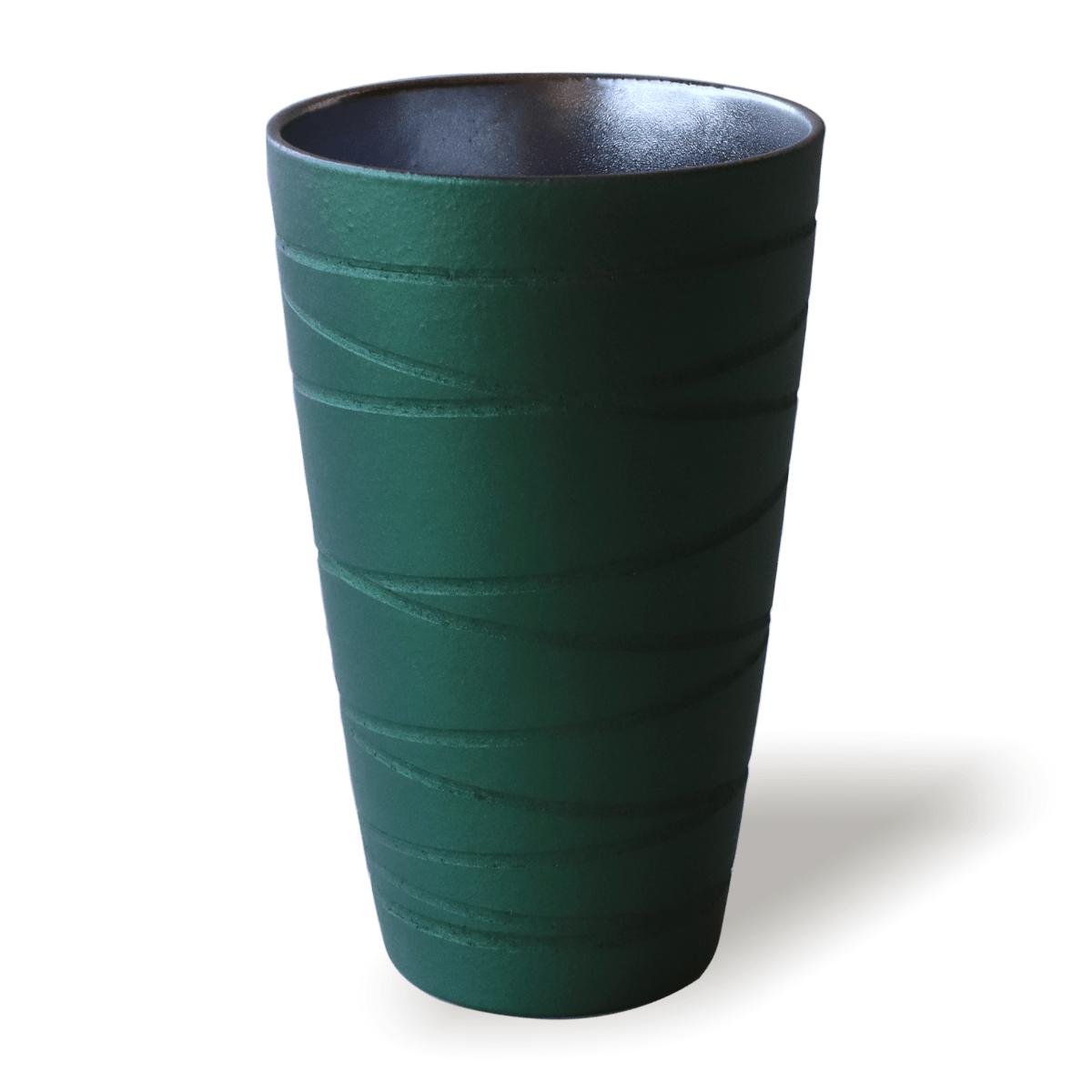
Textured Elegance, Perfected by Hand Each cup showcases a refined luster spraying technique, requiring precise skill to create a soft, metallic sheen that subtly shifts with the light. Available in navy, forest green, charcoal gray, and deep red, the cups feature subtle ringed patterns that bear the marks of the maker's hand, ensuring each piece is unique. The visual interplay of color and texture transforms an everyday moment into a delightful experience.
Durable, Everyday Beauty The matte exterior provides a tactile, grounded feel, while the interior retains a smooth, refined surface. A full-body coating ensures these cups are resistant to scratches from surfaces like tables and countertops. They are designed for versatile use, whether for tea, coffee, chilled sake, or sparkling water, and measure comfortably within the confines of an average hand, making them easy to hold.
Functional Craft, Designed for Life With a form that feels both contemporary and inviting, these cups reflect Mr. Tabata’s philosophy: to support the beauty of everyday living through simple, well-crafted objects. Each cup is thoughtfully wrapped, ensuring your purchase arrives safely and is ready to enhance your home or make a thoughtful gift, showcasing authenticity and care.
Product Information
Capacity: 12 fl oz (350 cc)
Size: 3.54 × 3.74 in (ø90 × H95 mm)
Weight: 6.35 oz (180 g)
Artisan & Craft
Made at Kinshou Kiln in Toki City, Gifu Prefecture, Japan under the supervision of Shigemichi Tabata
Note
Every piece crafted by our artisans tells a unique story.
Subtle marks, slight irregularities in shape, variations in glaze color and texture—these natural differences give each creation its own soul.
Over time, as you use your pieces, their character deepens, becoming part of your daily life and memories.
Toki City, Gifu Prefecture, stands as a beacon of Japan's rich ceramic heritage, particularly renowned for its Mino ware (Minoyaki). With a history spanning over 1,300 years, this region has cultivated a profound tradition of pottery.
During the Azuchi-Momoyama period (1568–1614), Toki became a sanctuary for potters fleeing conflicts in neighboring areas, leading to the establishment of kilns that produced distinctive styles like Oribe, Shino, and Setoguro ware, each celebrated for their unique glazes and forms.
Today, Toki City remains a vibrant hub for ceramic artistry, housing numerous kilns and studios that blend time-honored techniques with contemporary designs.
Made by Shigemichi Tabata in Toki City, Japan
Mr. Tabata philosophy of excellence is resumed in the sentence which resume his life. "I want to create with clay!"
The kiln, built by the previous generation for a son who chose to carry on the family tradition, has been burning steadily for over 40 years. While honoring time-honored techniques, Mr. Tabata crafts ceramics that speak to modern life.
His guiding philosophy is simplicity—a belief that tableware should quietly enhance the dining experience without drawing attention away from the food. Each piece he creates is minimal, unembellished, and deeply intentional. Discover the quiet beauty and singular craftsmanship of pottery that can only be found here.
Made by Shigemichi Tabata in Toki City, Japan
Mr. Tabata philosophy of excellence is resumed in the sentence which resume his life. "I want to create with clay!"
The kiln, built by the previous generation for a son who chose to carry on the family tradition, has been burning steadily for over 40 years. While honoring time-honored techniques, Mr. Tabata crafts ceramics that speak to modern life.
His guiding philosophy is simplicity—a belief that tableware should quietly enhance the dining experience without drawing attention away from the food. Each piece he creates is minimal, unembellished, and deeply intentional. Discover the quiet beauty and singular craftsmanship of pottery that can only be found here.
FAQs
All you need to know about Japanese Pottery.
What types of traditional pottery are made in Japan?
Japan is home to several renowned pottery styles, including Mino ware (Gifu), Bizen ware (Okayama), Arita and Imari ware (Saga), Shigaraki ware (Shiga), and Mashiko ware (Tochigi). Each region has its own distinct materials, glazes, and firing techniques that reflect local history and aesthetics. Toki City in Gifu Prefecture is particularly renowned as the heart of Mino ware (Minoyaki)—the most widely produced pottery style in Japan.
What materials are used in artisan Japanese pottery?
Most artisan pottery in Japan is made from locally sourced clay, often mixed and refined by hand. Natural minerals and ash are used in glazes, and many pieces are wood-fired or fired in traditional climbing kilns (noborigama), producing unique surface textures and natural variations.
Are artisan Japanese pottery pieces safe for food use?
Yes. Authentic artisan pottery is made with food-safe, lead-free glazes and is carefully fired at high temperatures to ensure durability and safety. However, it's important to follow care instructions, especially for unglazed or porous ceramics.
What makes Japanese pottery different from Western ceramics?
Japanese pottery often emphasizes wabi-sabi—the beauty of imperfection—resulting in organic shapes, subtle asymmetry, and natural glazes. Unlike Western ceramics, which may prioritize uniformity, Japanese pieces often celebrate the individuality of each item, reflecting the artist's hand and the firing process.
How should I care for artisan-made Japanese pottery?
Hand-wash pottery with mild soap and avoid extreme temperature changes (like placing hot items into cold water). Some unglazed pieces may absorb moisture, so allow them to fully dry before storing. Avoid microwaves or dishwashers unless the piece is specifically labeled as safe for such use.
Do I need to season Minoyaki cups before using them?
For most Minoyaki cups, especially if they are fully glazed, seasoning is not required. However, if the cup has an unglazed interior or base, or a slightly porous finish, a simple seasoning process—known as medome—can help prevent stains, odor absorption, and hairline cracks over time.
To season a Minoyaki cup: 1. Rinse the cup gently with water (no soap). 2. Fill a bowl or pot with warm water and add a small spoonful of cooked rice or flour. 3. Submerge the cup and let it soak for 30–60 minutes. 4. Rinse again and let it air-dry completely.
This step helps fill microscopic pores in the ceramic, sealing the surface naturally and extending the life of your handcrafted piece. Always follow any care instructions provided by the maker.
Choosing a selection results in a full page refresh.