

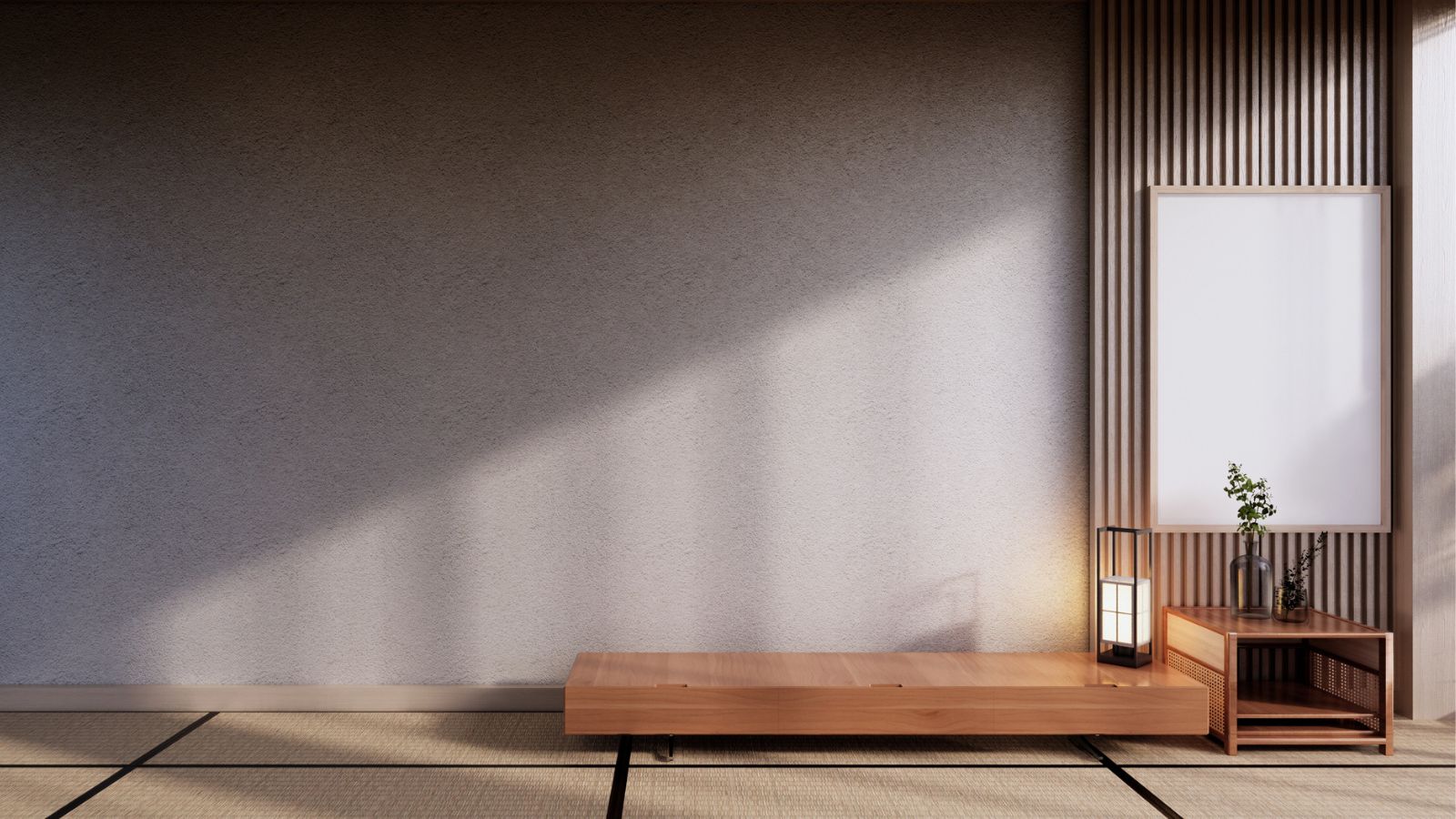
In recent years, Japanese home decor has gone from a niche aesthetic to a global movement. People everywhere are looking to Japan for inspiration — for serenity, simplicity, craftsmanship, and a way of living that feels more intentional. As life becomes increasingly busy and digital, the Japanese home offers something modern spaces often lack: warmth, mindfulness, and human connection.
From washi (和紙) paper lamps and handcrafted ceramics to minimalist layouts and natural materials, Japanese interiors are not just visually appealing — they represent a philosophy. They show us how to live comfortably with less, choose meaningful objects, and shape homes that support wellness and inner calm.
This guide takes you deep into the heart of Japanese home culture. We'll explore its origins, its modern evolution, and why the world has fallen in love with its timeless approach. Along the way, you’ll discover authentic Japanese decor pieces — from tableware to lighting — crafted by artisans using techniques passed down for generations, many of which are beautifully represented in the curated collections at MyJapaneseWorld.com.
Decorative Accents and Art: The Soul of Japanese Home Decor
At the heart of Japanese home decor lies a deep respect for art, craft, and cultural symbolism. Decorative objects are never chosen randomly. Each piece — from wall scrolls to ceramic vases — carries intention, heritage, and an aesthetic purity that elevates the space without overwhelming it.
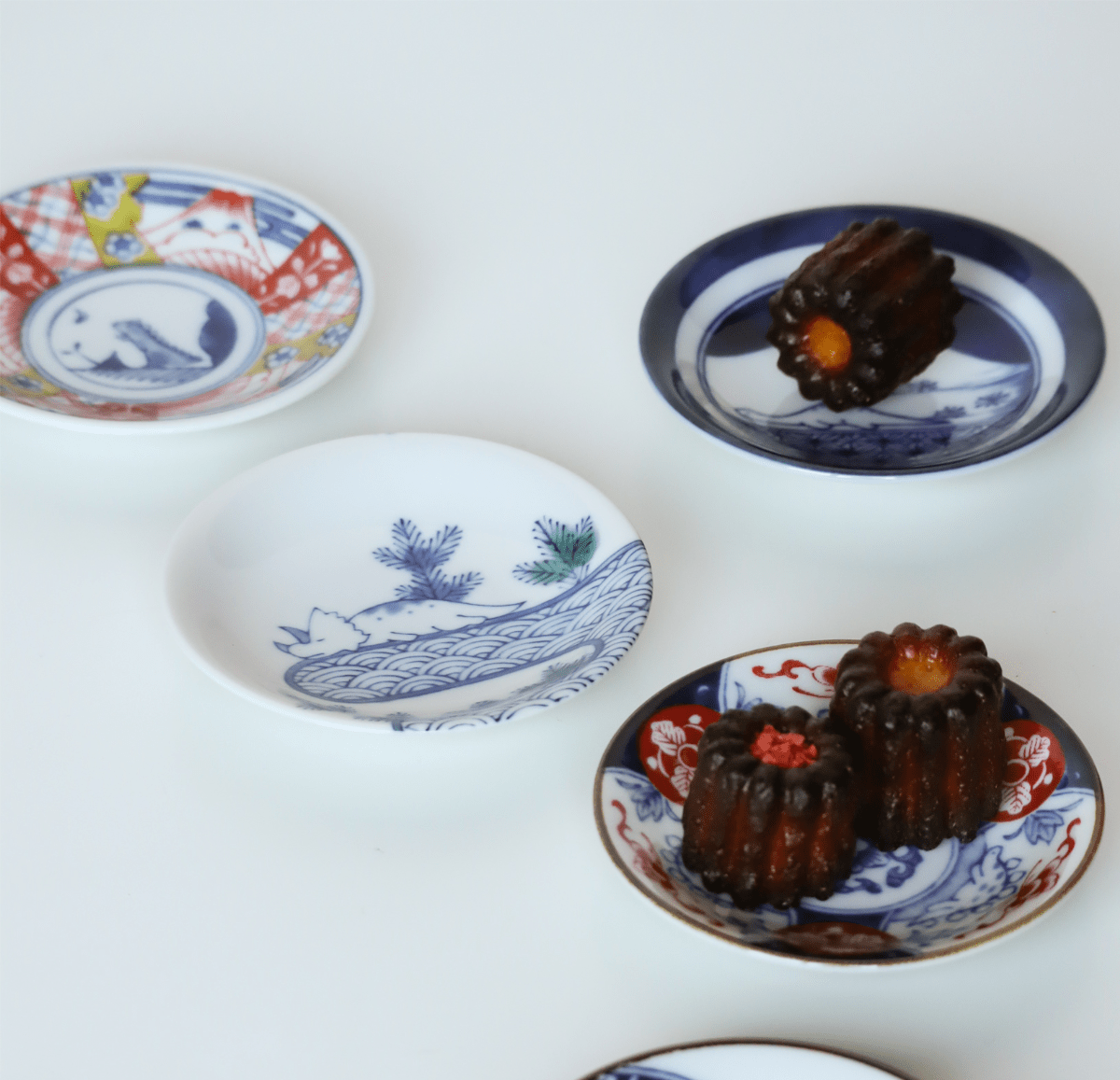
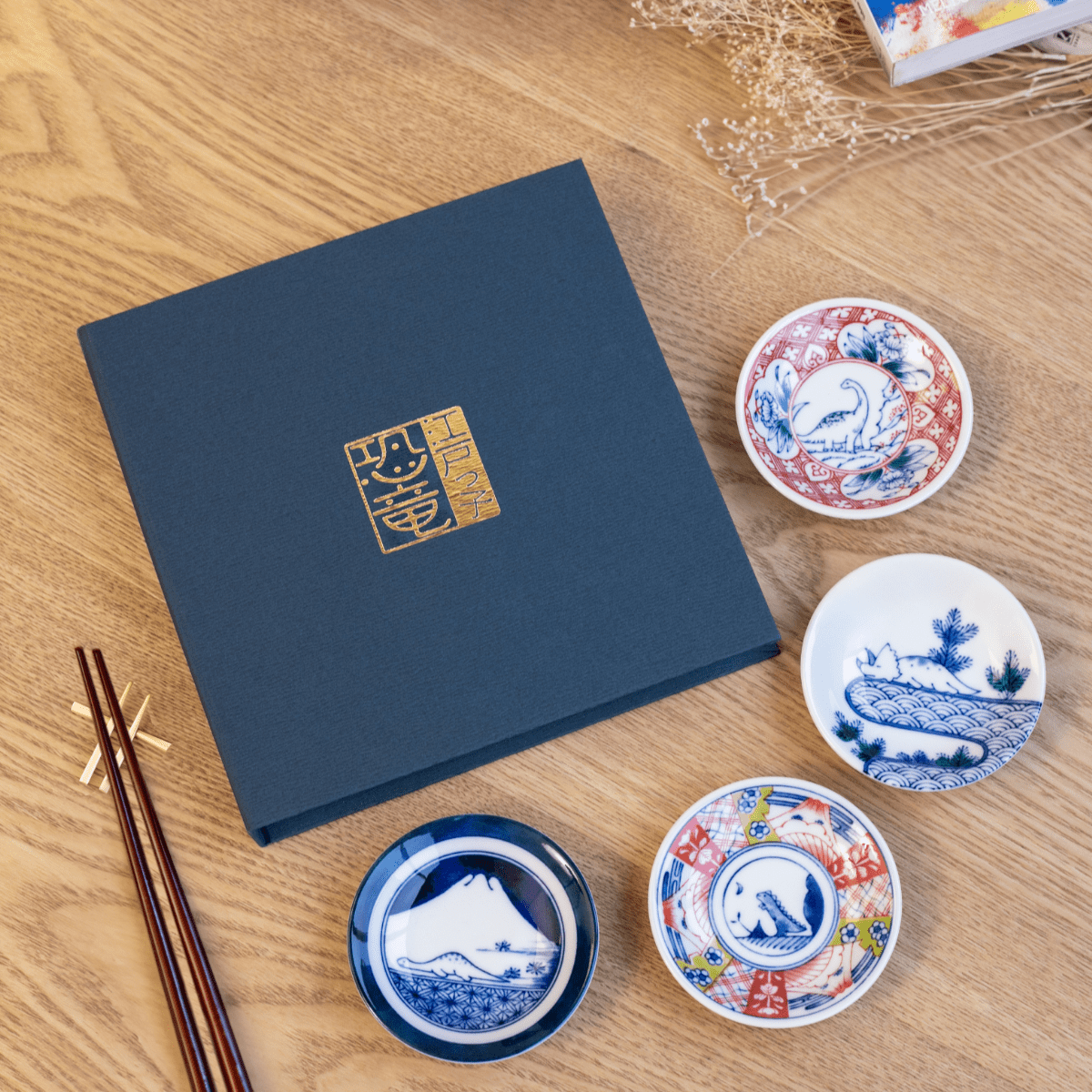
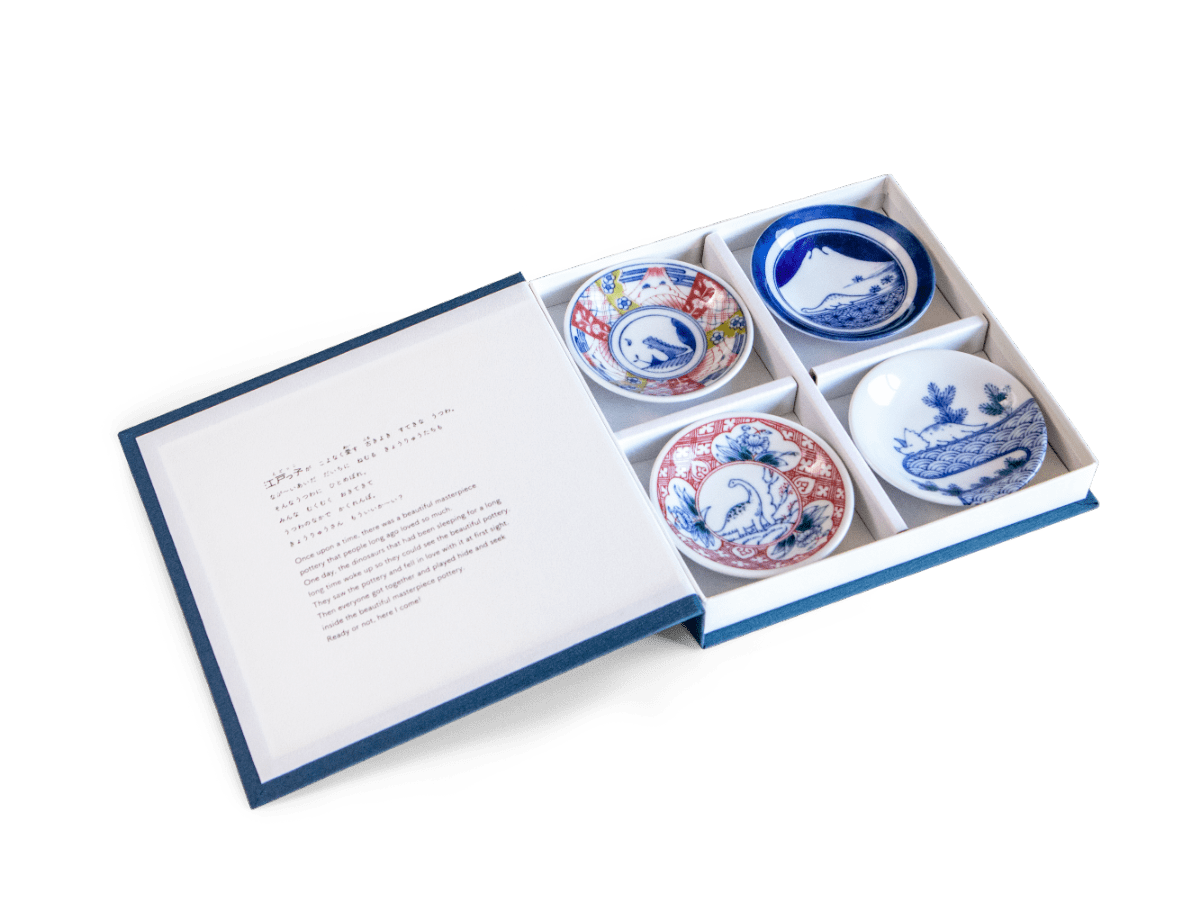
Ceramic Art Pieces and Tableware
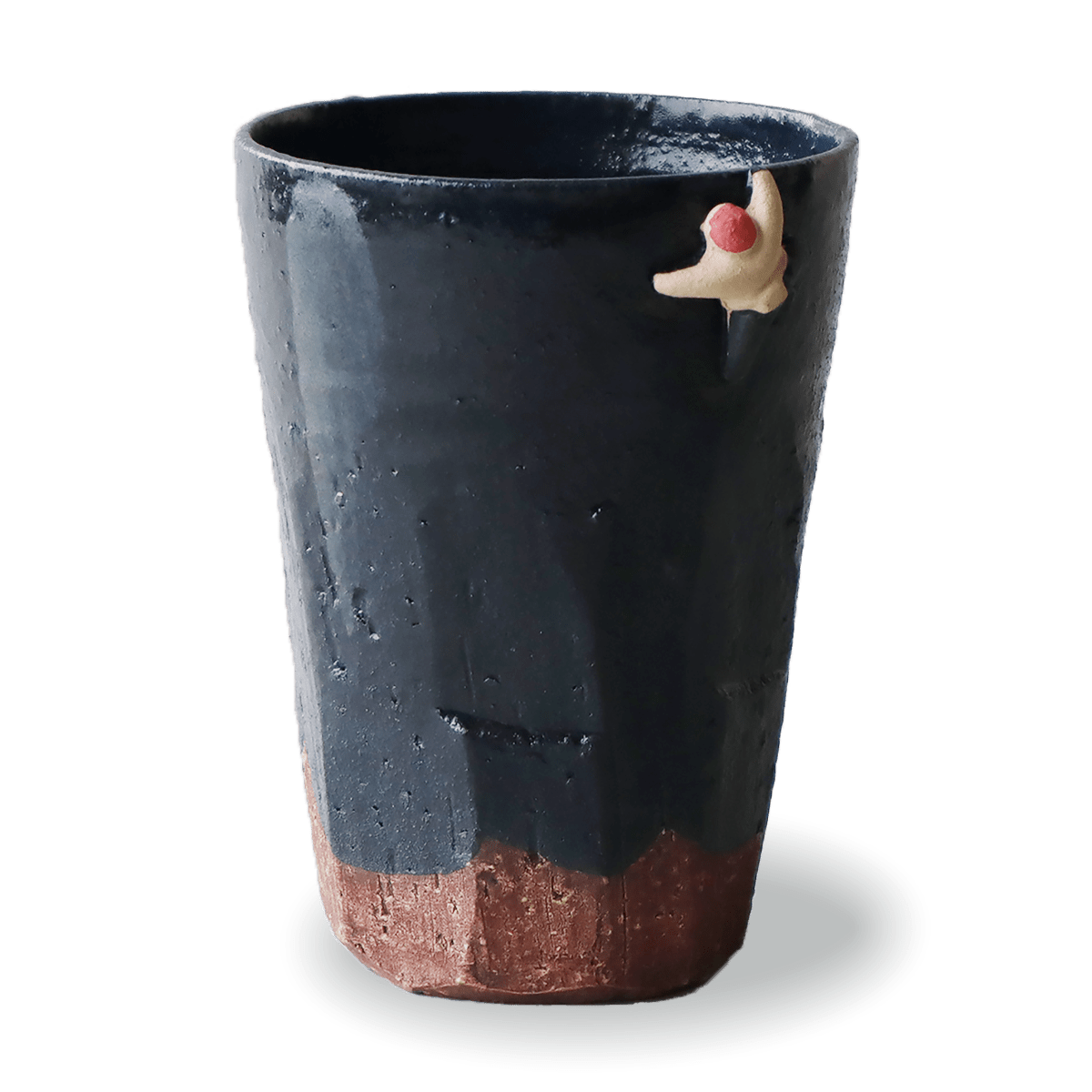
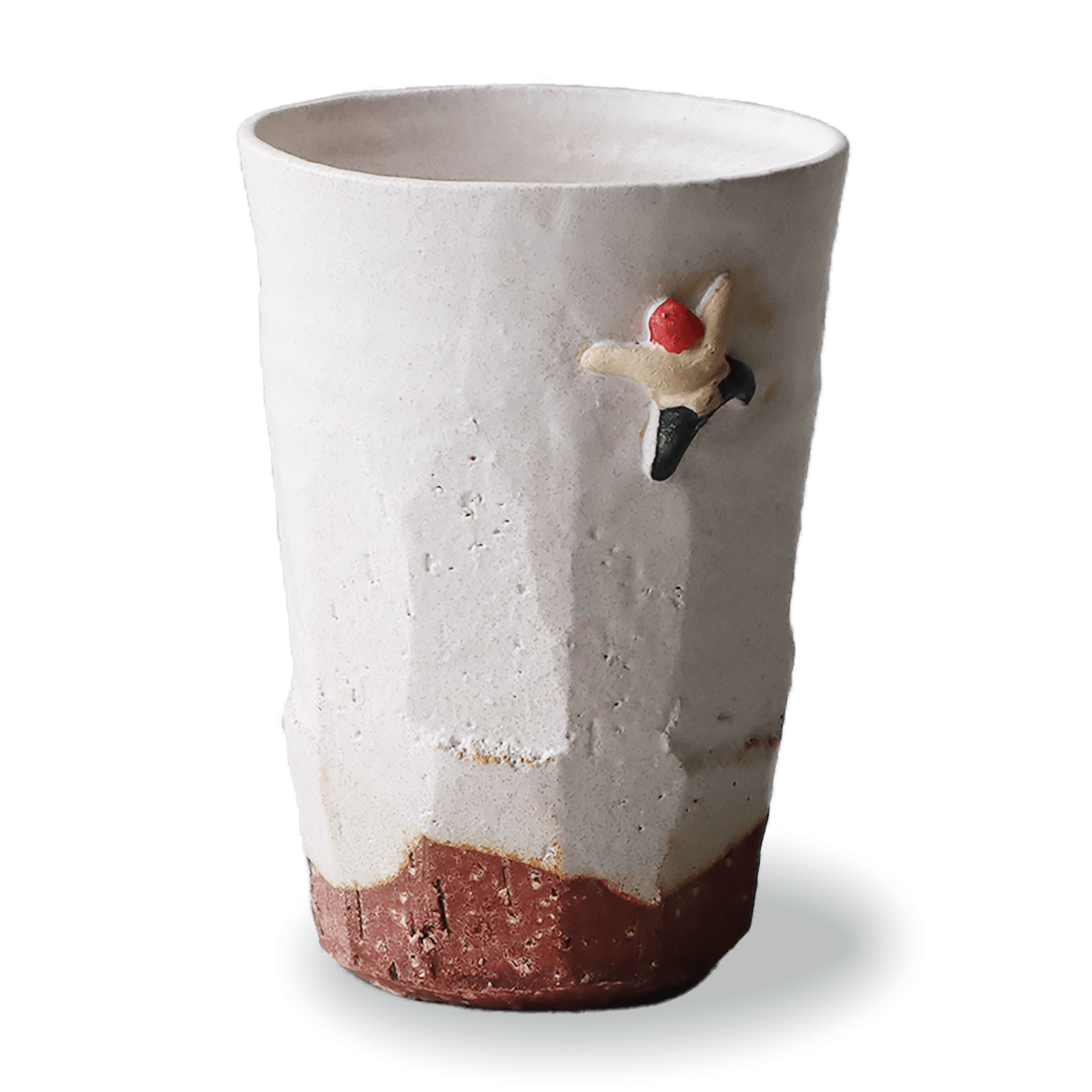
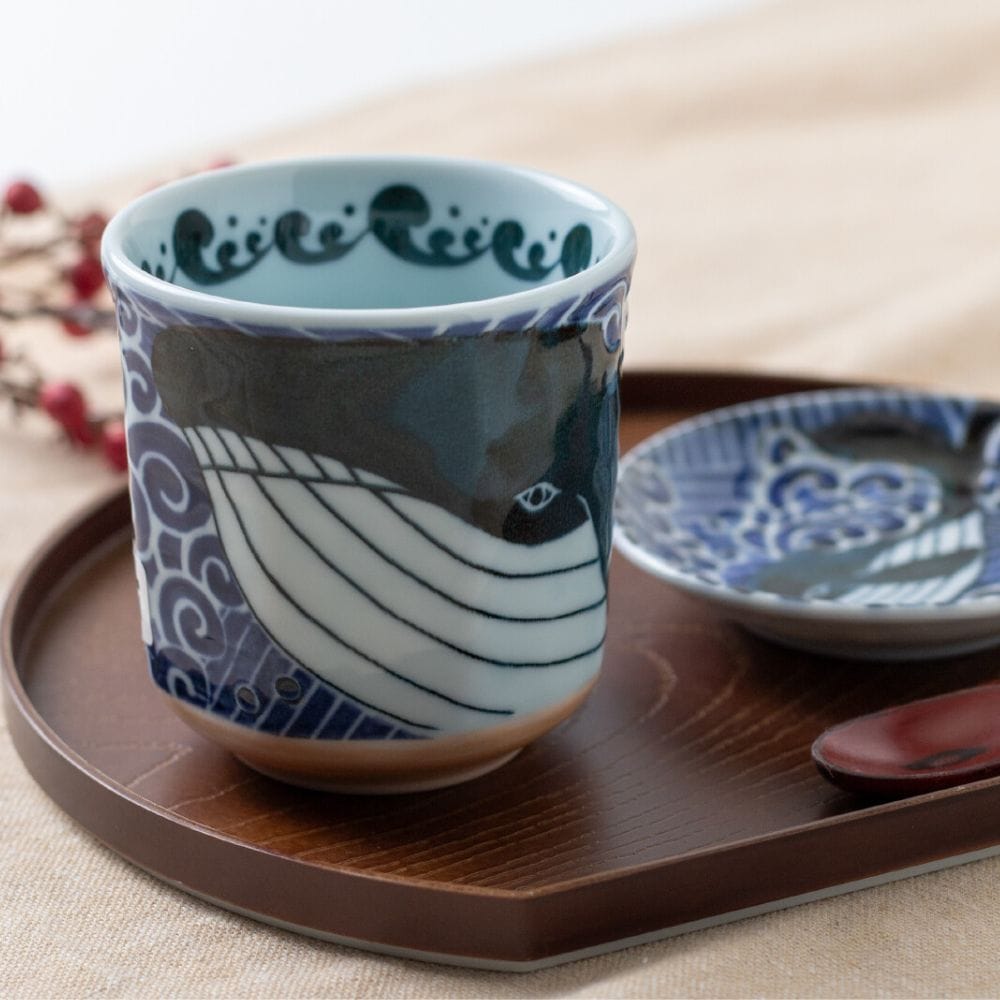
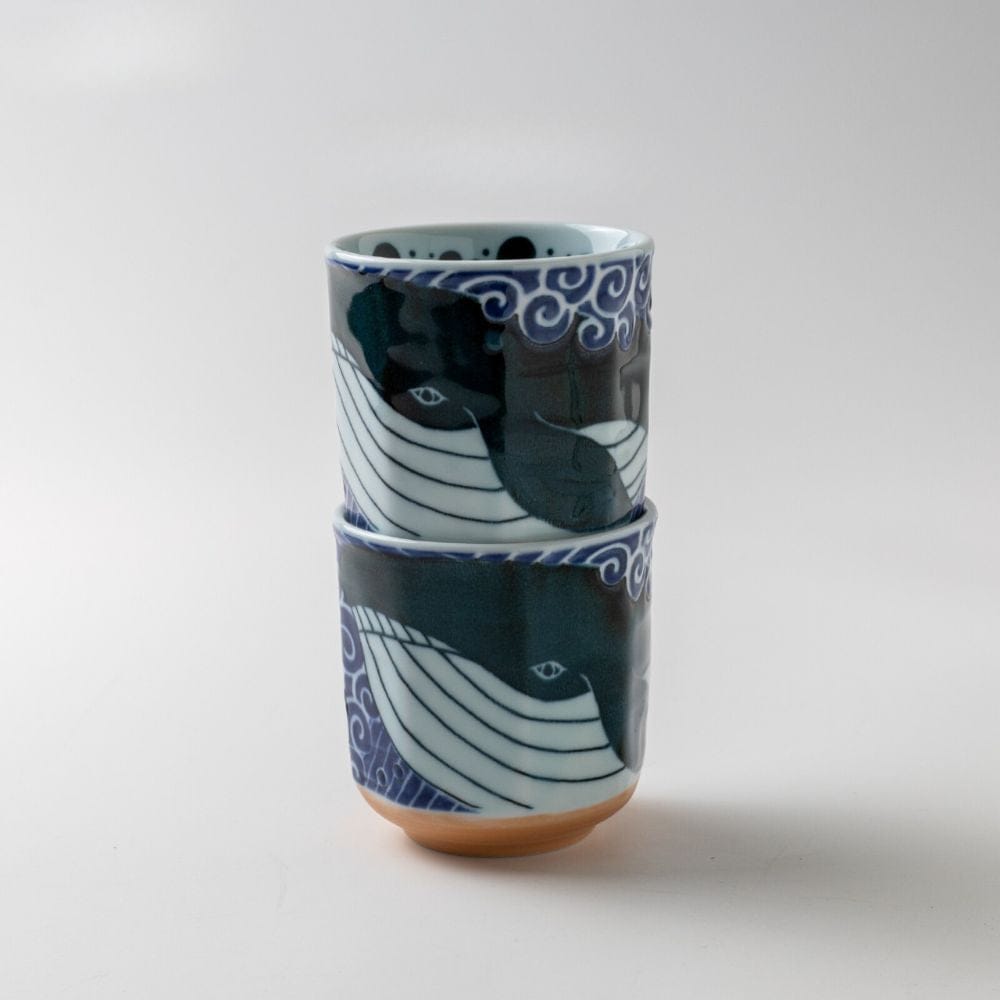
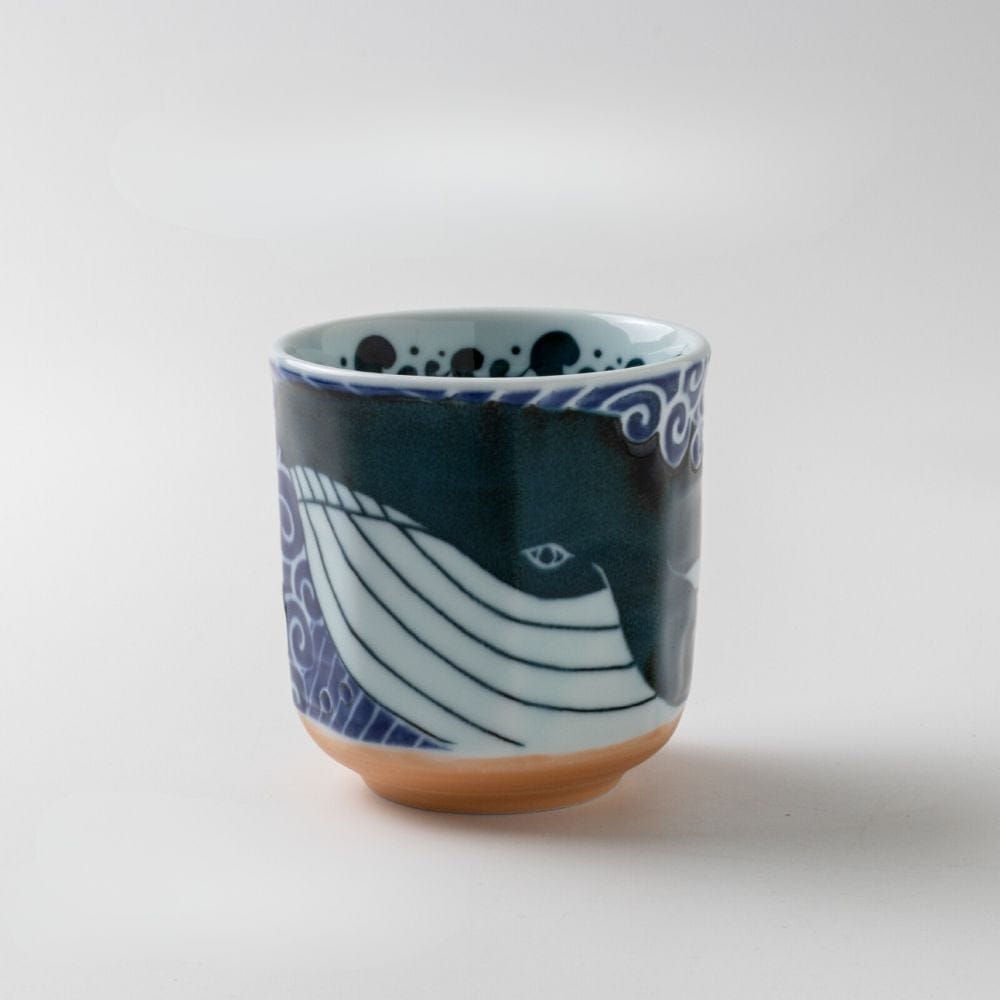
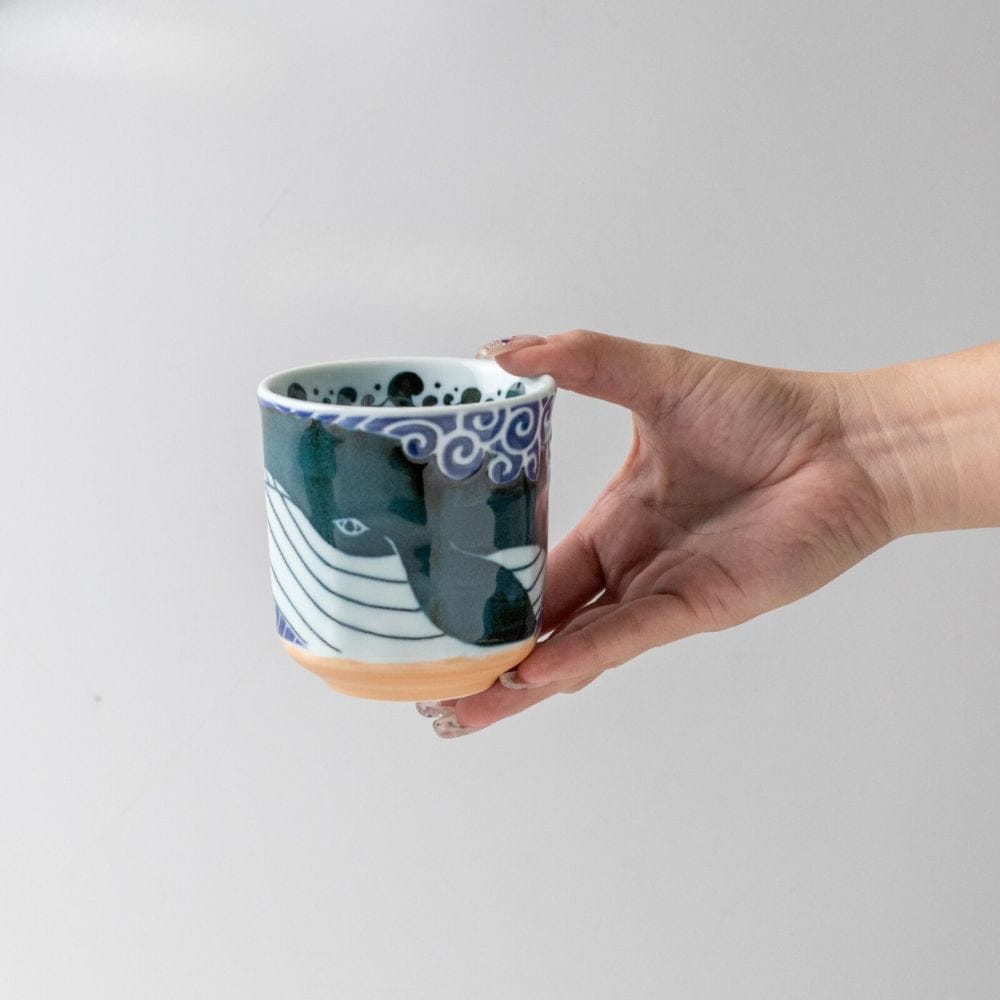
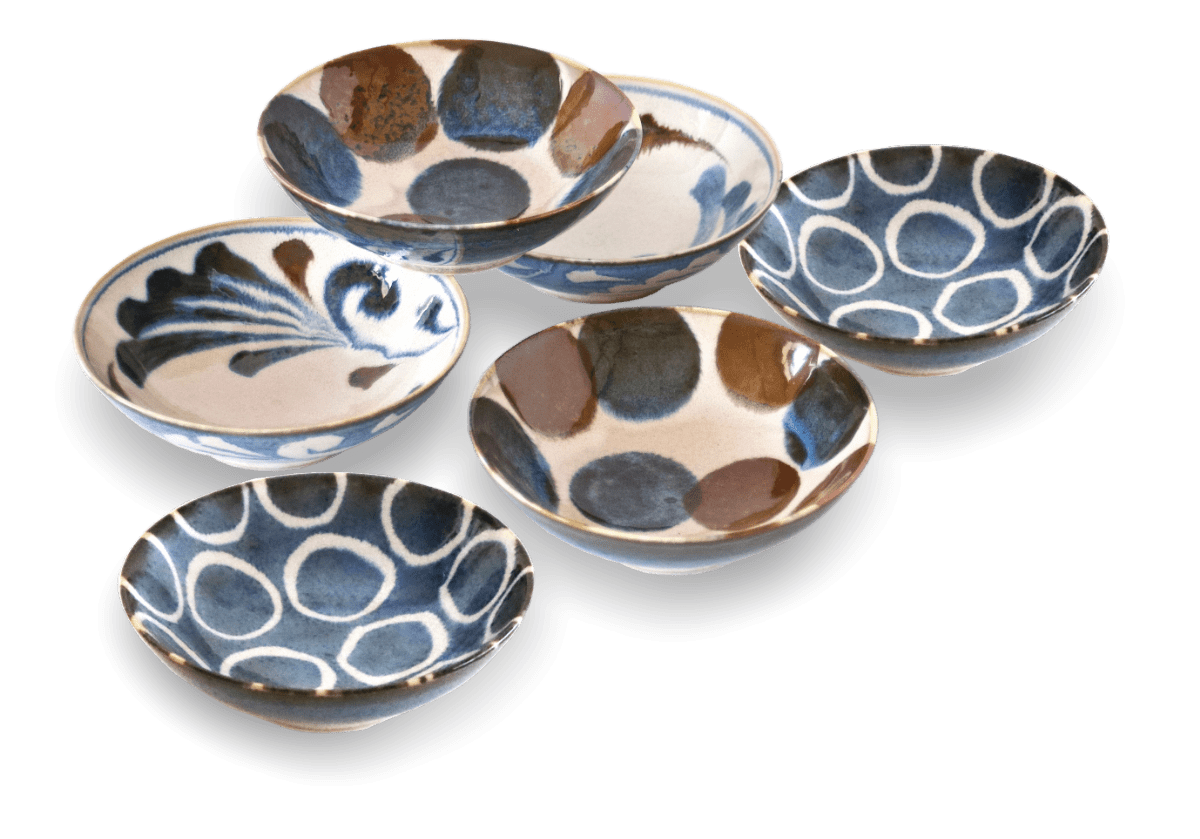
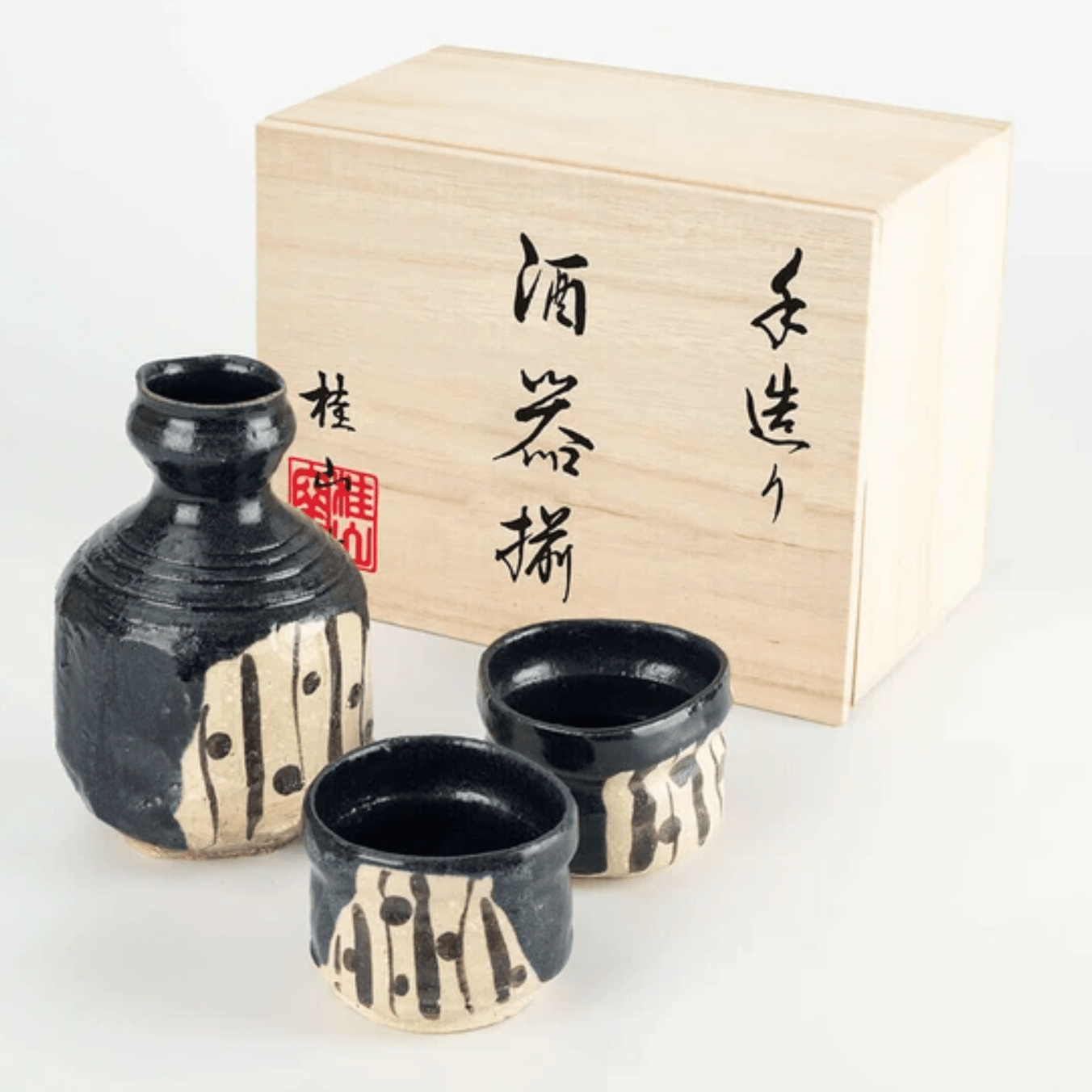
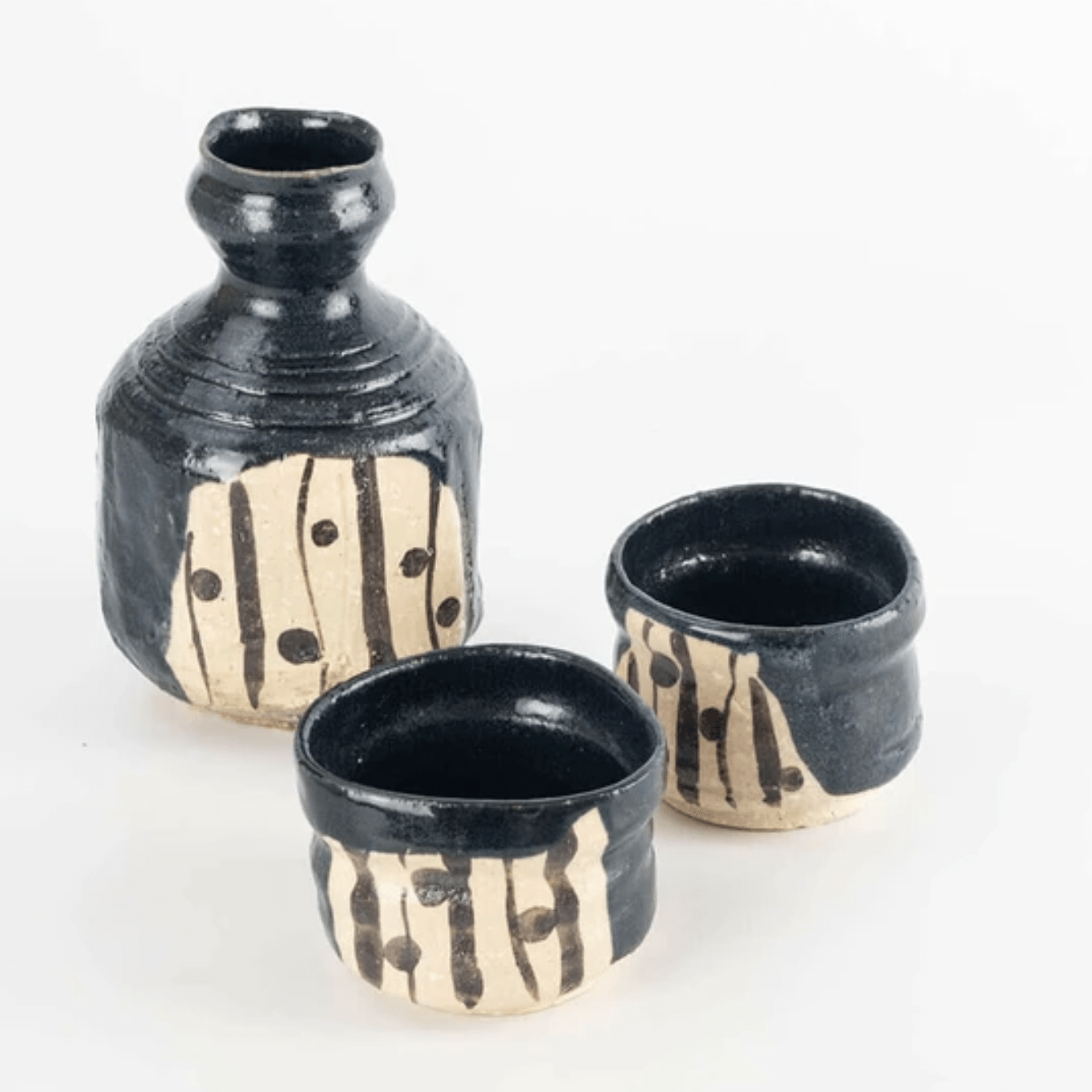
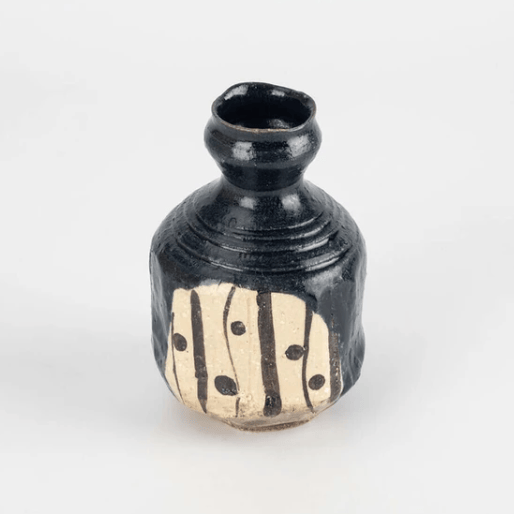
Japanese ceramics are celebrated worldwide for their tactile beauty, subtle glazing, and the philosophy of wabi-sabi (侘寂) — the embrace of imperfection. Whether displayed on shelves or used daily, ceramic bowls, plates, and sake cups become decorative accents that blend function and artistry.
Many households display Bizen, Arita, or Shigaraki ware as art. A simple hand-thrown bowl can carry centuries of tradition and the unmistakable fingerprint of the kiln.
On My Japanese World, you’ll find artisan-crafted tableware that follows these same time-honoured techniques — pieces that feel alive with history.
Hanging Scrolls and Wall Art
Japanese homes often incorporate kakejiku (掛軸), traditional hanging scrolls featuring calligraphy or seasonal paintings. These scrolls are not merely decorations; they express the mood of the season and set the emotional tone of a room.
More contemporary Japanese interiors may include lacquer art with maki-e (蒔絵) gold dust, kintsugi-inspired pieces, or minimalist ink paintings that celebrate negative space—a central concept in Japanese aesthetics.
The Appeal of Minimal Decorative Accessories
Where Western decor often prioritizes abundance, Japanese spaces choose presence. A single ikebana vase or handmade plate can carry more power than an entire gallery wall. The focus is: Less clutter. More meaning.

Japandi and Other Fusion Styles: A Global Love Story
The rise of Japandi style — a blend of Japanese minimalism and Scandinavian warmth — has been one of the biggest global decor trends of the decade. Both cultures value natural materials, simplicity, and intentional living, making the fusion feel seamless.
Why Japandi Works
- Shared emphasis on natural materials like wood, linen, clay, and bamboo.
- Clean, uncluttered lines that create visual rest.
- Warm minimalism rather than cold sterility.
- A calm palette inspired by nature.
Japandi also appeals to those who want the serenity of Japanese interiors with the cozy softness of Nordic design — a harmonious middle ground.
The Japanese Roots of Japandi
Elements such as tokonoma (床の間) alcoves, low furniture, and tatami-inspired textures carry a quiet elegance that pairs naturally with Scandinavian hygge. This global trend has helped introduce millions of people to Japanese craftsmanship, natural materials, and slow-living practices.
Minimalism and Functionality: The Art of Subtraction
Minimalism in Japanese design is not about emptiness — it is about purpose. Known as the aesthetics of subtraction, Japanese interiors strip away excess to reveal what truly matters.
Simple Shapes and Thoughtful Lines
Whether it’s a paper table lamp, a lacquer tray, or a steel-pipe shelf, the form follows a refined simplicity. Nothing is added without purpose.
Usability at the Core
Every item in a Japanese home must be both beautiful and functional. This aligns with the idea of aesthetics of use — beauty emerging from everyday interaction.
For example:
- A lacquer bowl designed for perfect hand feel.
- A soy sauce dispenser engineered never to drip.
- A paper lamp with a dimming touch sensor that sets the mood.
In Japanese design, functionality is an art form.
Durability and Longevity
Master craftspeople create objects meant to last decades, sometimes generations. This stands in stark contrast to disposable decor trends and fast furniture commonly seen in other markets.

Natural Materials and Warmth: A Home Connected to Nature
One of the most universally loved elements of Japanese home decor is its use of natural materials. Wood, bamboo, washi paper, stone, lacquer, and natural fibers bring organic warmth into the home.
The Influence of Traditional Materials
Japanese interiors often feature:
- Kumiko (組子) woodwork — delicate lattice patterns crafted without nails.
- Bamboo accents used in baskets, lamps, and blinds.
- Washi paper lampshades inspired by Isamu Noguchi’s Akari series.
- Lacquerware that offers a glossy, luxurious layer to dining spaces.
- Cedar used in masu cups and handcrafted homeware.
Lighting: The Secret to Japanese Ambience
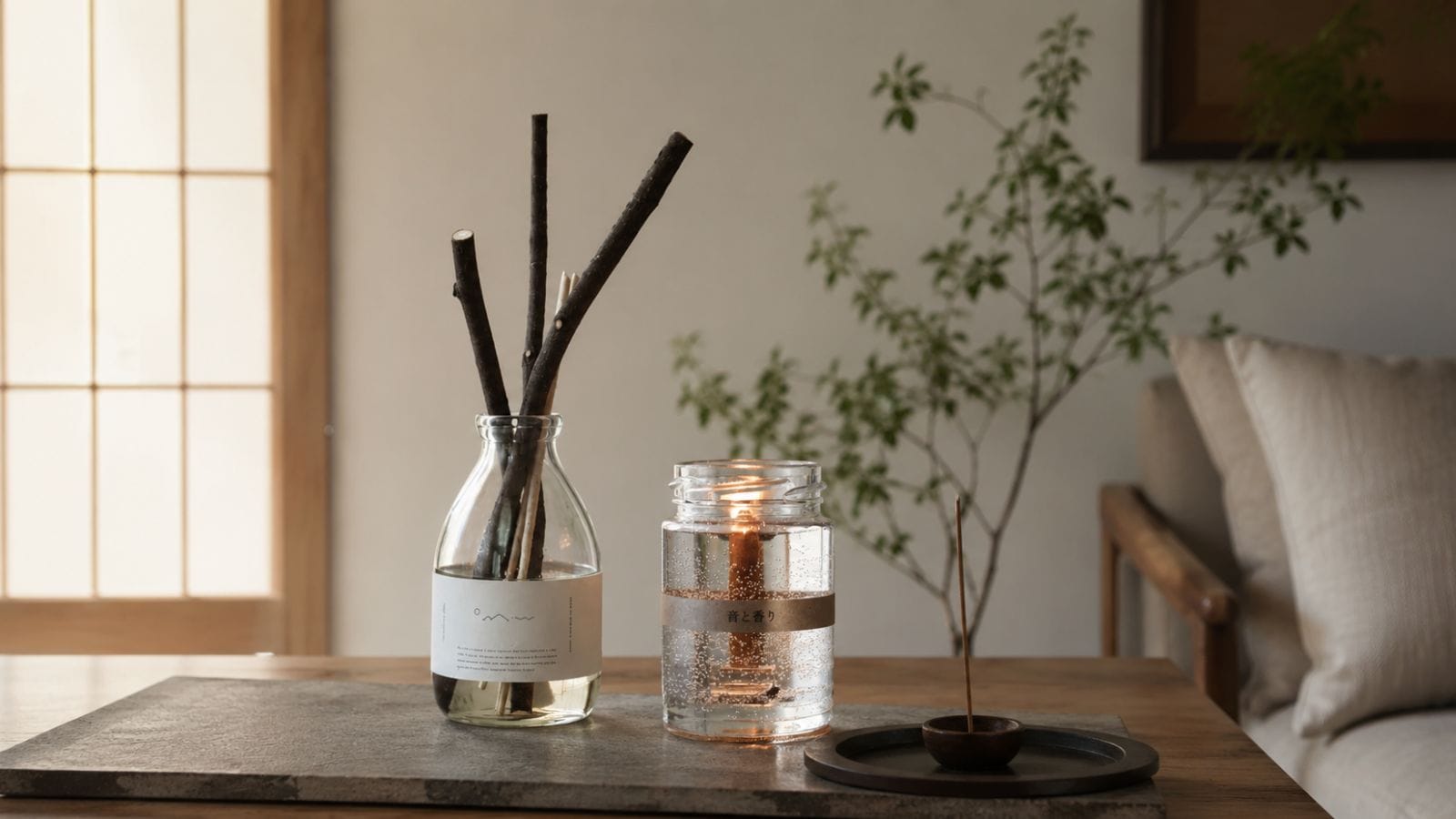
Soft, diffused lighting is essential. Paper lanterns and floor lamps create a serene, warm glow — never harsh. Lighting represents light and shadow in harmony, a concept rooted in Jun’ichirō Tanizaki’s classic aesthetic essay, In Praise of Shadows.
For those seeking authentic lighting pieces, Japanese paper lamps and ceramic lampshades at My Japanese World embody this gentle atmosphere beautifully.
Organization and Storage Solutions: Living Efficiently
In Japan, space is precious — especially in urban areas like Tokyo. The result? A world-renowned culture of intelligent storage and efficient organization.
Design-Conscious Storage
Japanese storage items aim to be both practical and visually clean:
- Minimalist baskets and bins
- Kitchen countertop organizers
- Jewelry and accessory trays
- Laundry and bathroom storage systems
- Stackable shelves that “disappear” into the room
Space-creating items help maintain order while blending seamlessly into the home. This is another reason Japandi and Japanese interiors resonate worldwide — they promote mental clarity through physical organization.

Room-Specific Furnishing: A Japanese Touch for Every Space
Living Room
Expect low furniture, neutral tones, soft lighting, and a few carefully selected decor items. Floor lamps and shoji-inspired screens bring a sense of openness and harmony.
Bedroom
Light bedding, natural textiles, and minimal accessories create a restful retreat. The goal is to build a sanctuary — a space free from visual noise.
Kitchen and Dining
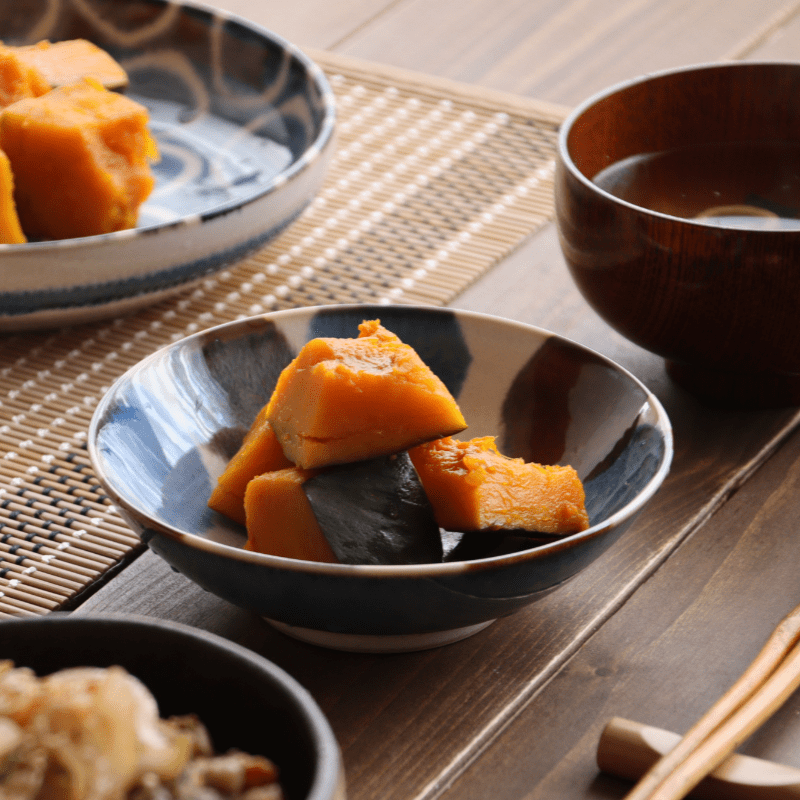
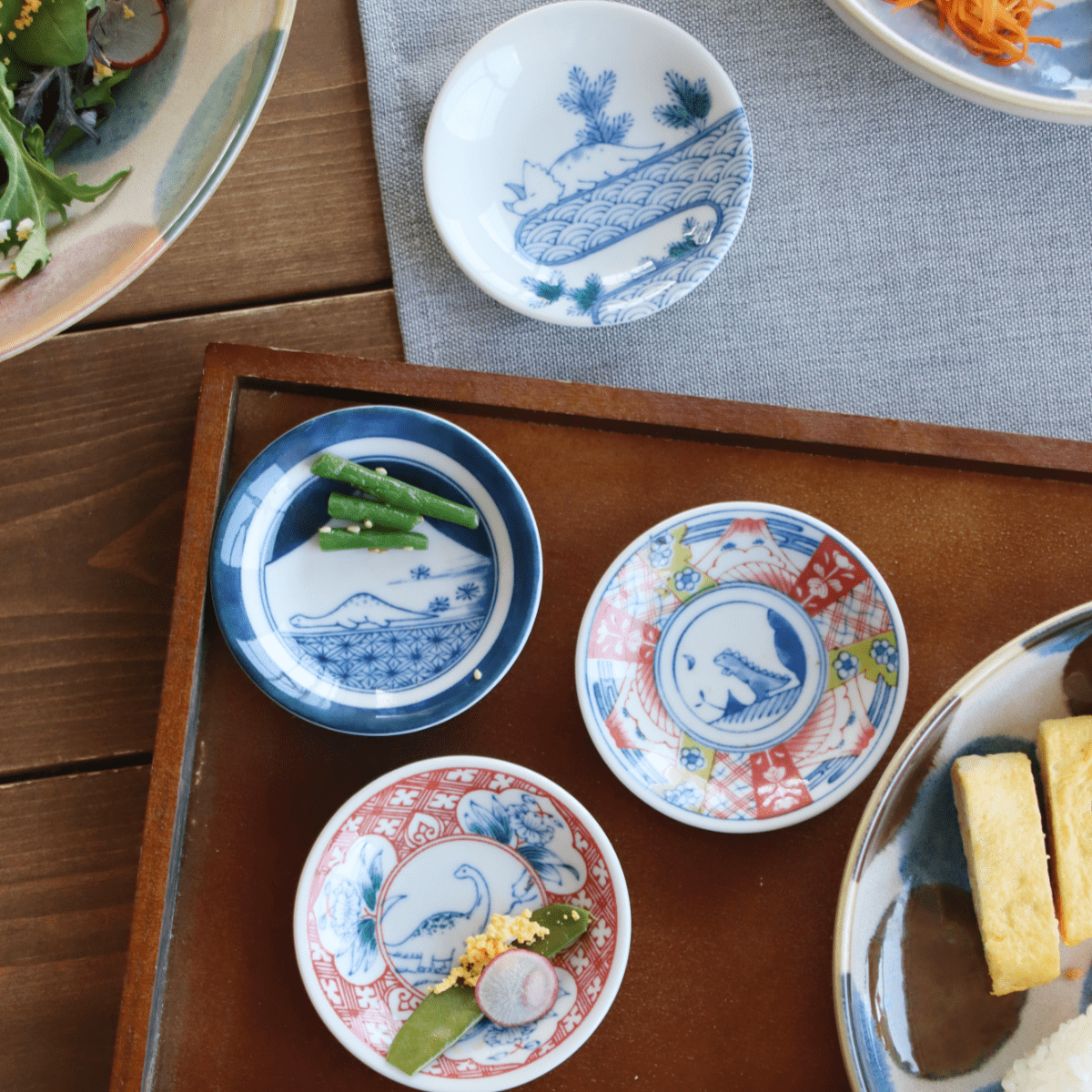
Tableware plays a starring role. Handmade ceramics, lacquer trays, bamboo chopsticks, and elegant sake sets turn everyday meals into mindful rituals.
The curated Japanese tableware collection at My Japanese World is an excellent starting point for anyone wanting to bring this atmosphere home.
Sustainability and Authenticity: Choosing with Intent
Global buyers love Japanese home decor because it stands firmly against disposable culture. Authentic Japanese crafts prioritize:
- Natural, eco-conscious materials
- Sustainable production methods
- Time-honoured techniques passed down through generations
- Durability — objects meant to age gracefully
Many artisans come from regions known for specialized crafts — such as Ishikawa Prefecture for lacquerware, Gifu for lanterns, and Arita for porcelain. When you choose handcrafted items, you support master craftspeople preserving cultural heritage.

Traditional Meets Modern: A Timeless Yet Evolving Style
Japanese design effortlessly bridges the past and present. Traditional techniques are incorporated into modern objects in a way that feels fresh yet deeply rooted.
Modern Interpretations of Classic Materials
- Shoji-inspired sliding doors using acrylic instead of paper
- Steel-pipe shelving with minimalist frameworks
- Gold leaf art panels contrasting industrial aesthetics
- Contemporary lighting innovations based on classic lantern forms
This harmony between old and new gives Japanese decor an enduring, contemporary appeal — never outdated, constantly evolving.
Wellness and Mindfulness in Design: A Sanctuary for Modern Life
The greatest reason the world has embraced Japanese home culture is its emphasis on wellness. Japanese home design nurtures a mindful, grounded way of living.
A Serene Environment
The absence of clutter, the presence of natural light, the use of warm wood, and the celebration of seasonal beauty all create a home that soothes the mind.
Objects with Meaning
In Japan, even everyday items — bowls, lamps, trays — are thoughtfully crafted and cherished. This instills gratitude, mindfulness, and presence in daily rituals.
The handcrafted items at My Japanese World reflect this balanced relationship between beauty and practicality.
Why the World Loves Japanese Home Decor
Japanese home culture has become globally influential because it offers what people crave today:
- Simplicity in a world of overstimulation
- Warm, natural materials in an age of screens and plastics
- Mindful living amid constant busyness
- Authenticity when mass production dominates
- Craftsmanship with soul and story
It is more than an aesthetic — it is a lifestyle. A way to reconnect with nature, cherish beauty, and create a home that supports wellness and joy.
Conclusion
The rise of Japanese home culture reflects a global desire for simplicity, authenticity, and calm. Whether through handcrafted ceramics, soft paper lighting, minimalist design, or natural materials, Japanese decor offers a deeply human way to shape our living spaces.
If you’re looking to bring this timeless philosophy into your home, explore the curated artisan collections at MyJapaneseWorld.com. Each piece is handcrafted in Japan, selected for its beauty, heritage, and unique story — helping you build a space that feels peaceful, balanced, and alive with meaning.
FAQs
1. What defines Japanese home decor?
Minimalism, natural materials, traditional craftsmanship, and a focus on harmony and simplicity define Japanese home decor. It blends beauty with functionality to create calming spaces.
2. What materials are commonly used in Japanese interiors?
Wood, bamboo, washi paper, ceramic, lacquer, linen, and natural fibers are central to Japanese design. These materials add warmth and an organic feel to the home.
3. What is the Japandi style?
Japandi is a fusion of Japanese minimalism and Scandinavian softness. It emphasizes clean lines, warm natural materials, and a calm, earthy color palette.
4. Why is Japanese home decor so popular globally?
People love Japanese decor for its serenity, sustainability, craftsmanship, and its ability to foster mindfulness in everyday life — qualities increasingly sought after worldwide.
5. How can I incorporate Japanese decor into my home?
Start with natural materials, soft lighting, handcrafted ceramics, and decluttered spaces. Even a single artisan-made vase or lamp can shift the atmosphere of a room.




Share: