This site uses cookies for better user experience and analytics.
Black Oribe Mino Sake Set by Keizan Kiln
$149.00
2 reviews
Black Oribe Mino Ware • Sake Set for Two • 8.6 oz / 255 ml Tokkuri • Toki, Gifu, Japan
In stock
Ships within 4 business days
Secure, insured delivery from Japan
Complimentary over $199 · otherwise from $30. Shipping policy
$50 away from complimentary shipping
U.S. duties prepaid at checkout
Import duties and taxes are calculated and paid at checkout, so nothing is due on delivery. Learn more
Sourced in Japan, from the makers
Direct from Japanese workshops and their authorised channels.
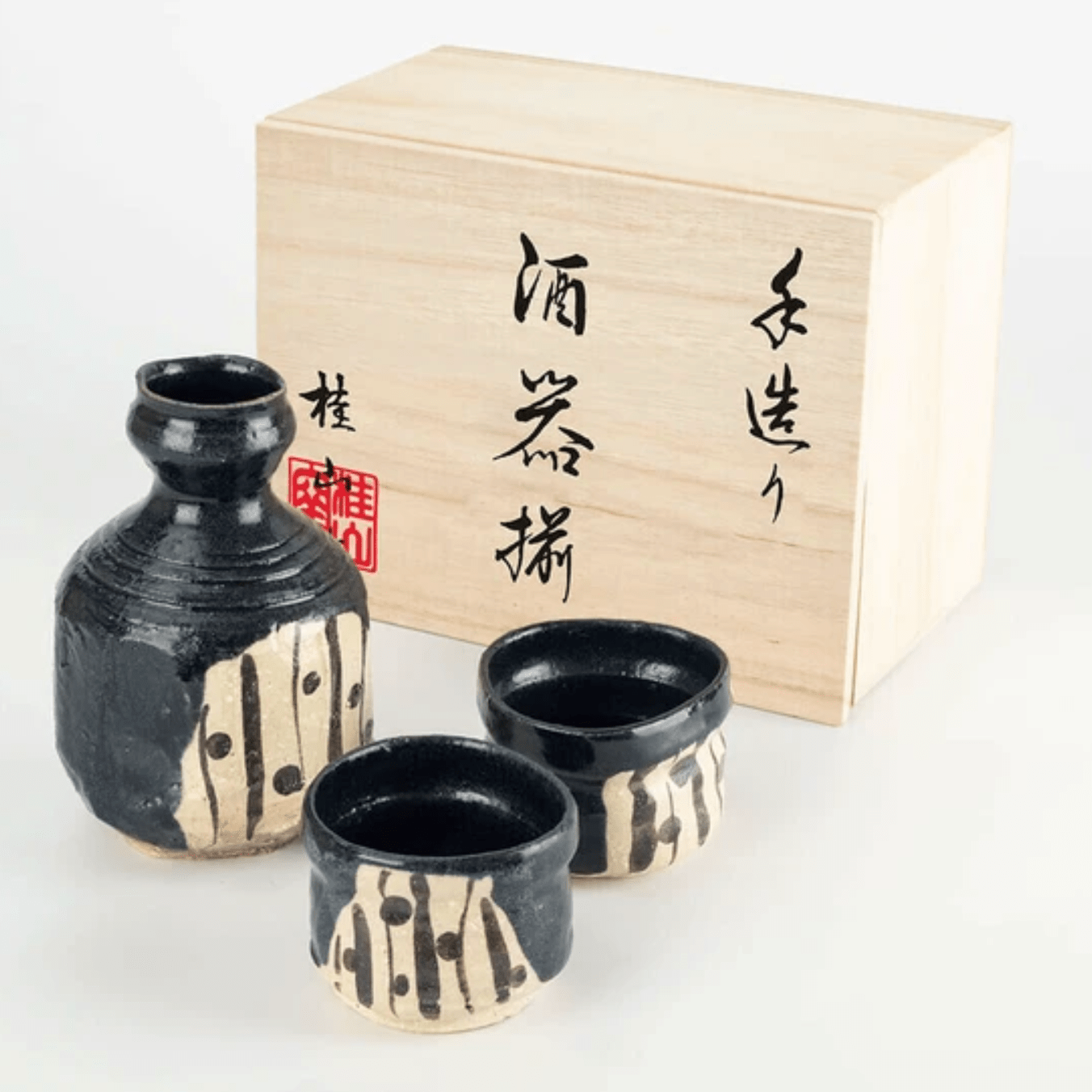
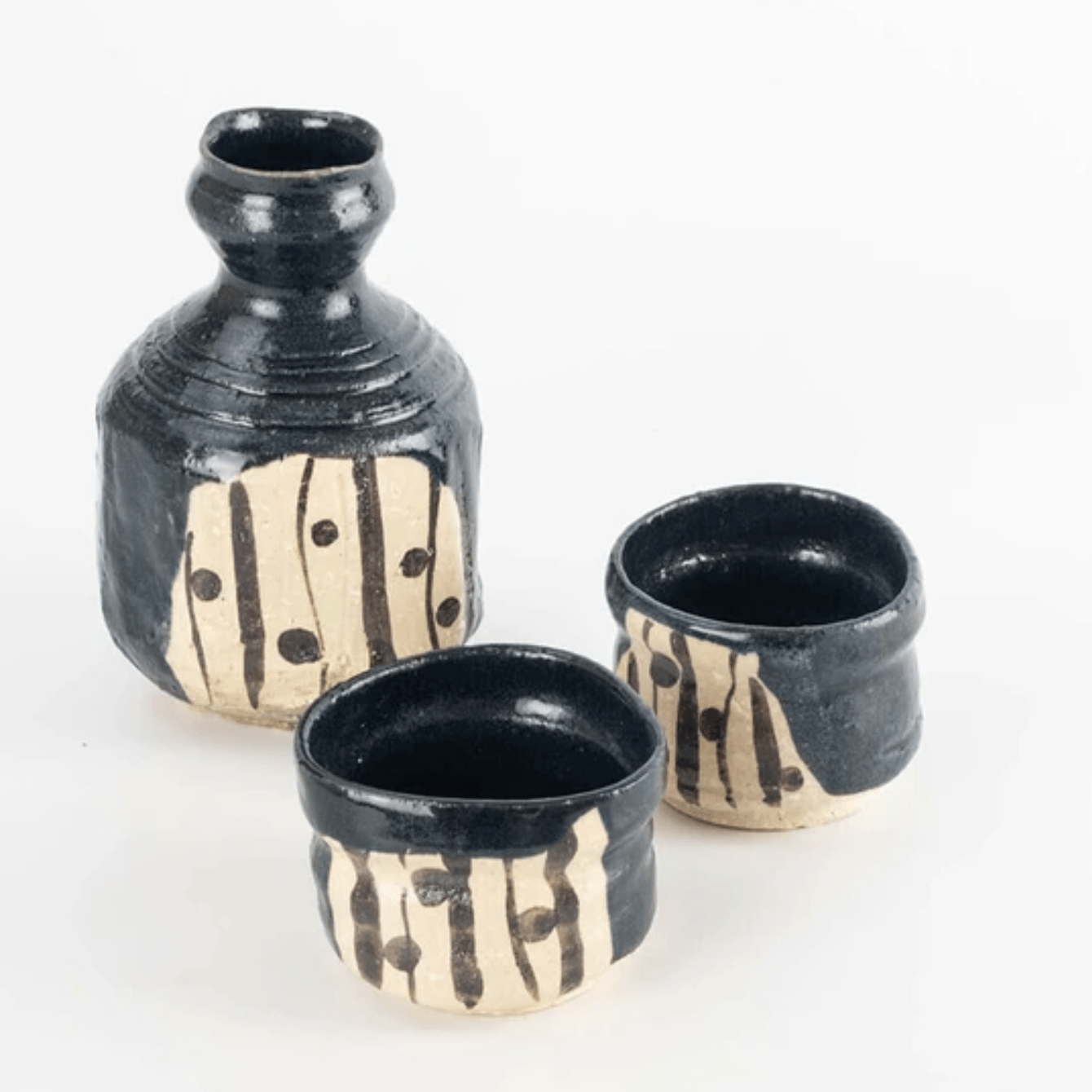
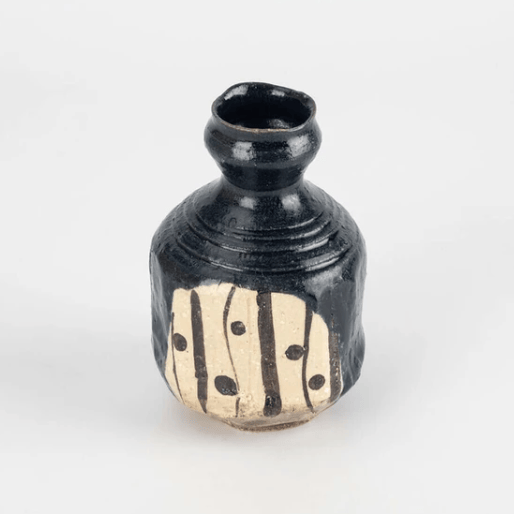
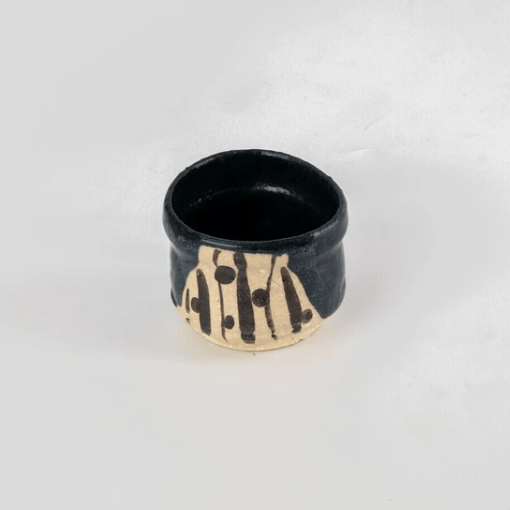
Made in Toki, Gifu, this Black Oribe sake set brings together one 8.6 oz (255 ml) tokkuri and two 3.2 oz (95 ml) sake cups, each with the rich surface variation that gives Oribe ware its distinctive character. The tokkuri measures approximately 3.1 in × 4.7 in H (8 × 12 cm), while each cup measures approximately 2.5 in × 2 in H (6.3 × 5 cm). Presented in a traditional wooden box, it is a complete sake service for two that balances everyday usability with the individuality of Japanese ceramics.
Why You’ll Love It
Black Oribe glaze with expressive variations from piece to piece
Complete sake set for two — one 8.6 oz (255 ml) tokkuri and two 95 ml cups
Made at Keizan Kiln in Toki, Gifu, a major Mino ware center
Traditional wooden presentation box, ideal for gifting and storage
Handmade character — subtle differences in shape and glaze make each set individual
Bold Tradition, Hand-Fired – Handmade Black Oribe Sake Set by Keizan Kiln
Product Description
A striking expression of Black Oribe ware, this sake set combines a deep, glossy black glaze with expressive white decoration and the subtle variation that gives handmade Japanese ceramics their individual character.
Made in Toki, Gifu Prefecture — one of the historic centers of Mino ware — the set includes one 255 ml (8.6 oz) tokkuri and two 95 ml (3.2 oz) sake cups. Its compact proportions make it especially well-suited to serving sake for two, while the dark glaze lends a strong, sculptural presence to the table.
Black Oribe is known for its dramatic contrast and lively surface character. Small differences in glaze, form, and decoration are part of the ware's appeal and make each set subtly individual rather than perfectly uniform.
The set is associated with Keizan Kiln in Toki, where traditional Japanese ceramic forms continue to be produced for contemporary use. The result is a piece that feels rooted in Mino’s ceramic heritage while remaining practical enough for regular use at home.
Presented in a traditional wooden box, the set also makes a thoughtful gift for a sake enthusiast, collector of Japanese ceramics, or anyone who appreciates objects with a clear sense of place and making.
Keizan Kiln is based in Toki, Gifu, at the heart of the Mino ceramic region, and traces its history back more than a century to its first generation, Keijirō Wada. Today, fourth-generation potter Kazufumi Wada continues the workshop’s tradition, producing tableware, tea utensils and craft pieces that combine inherited techniques with a contemporary sensitivity to form and use. His work reflects the character of Mino clay and glaze rather than perfect uniformity, allowing subtle variations in surface, tone and shape to become part of each piece’s identity. Wada is also a director of the Mino Ceramic Art Association and received the 35th Takuo Award in 2017, followed by recognition from Gifu Prefecture in 2018 for his contribution to preserving and passing on traditional culture. In this Black Oribe sake set, that heritage is expressed through the dramatic contrast of the glaze, the tactile quality of the vessels and the quiet irregularities that distinguish handmade Mino ware from industrially uniform ceramics.
Notes
Each item is individually handcrafted by skilled artisans. As a result, slight variations in color, pattern, and shape may occur compared to the product images. These subtle differences are a hallmark of authentic craftsmanship and contribute to the unique character of every piece.
Questions & Answers
What is included in the Black Oribe sake set?
The set includes one tokkuri sake flask and two matching sake cups, presented in a traditional wooden box.
What is Black Oribe ware?
Black Oribe is a distinctive style within the Mino ceramic tradition, known for its deep dark glaze, strong contrast and expressive surface variation. Those variations are part of the character of the ware rather than defects.
Will every set look exactly the same?
No. Because of the handmade nature of the pieces and the way the glaze responds during firing, subtle differences in tone, texture, decoration and form can occur from one set to another.
Is the sake set suitable for gifting?
Yes. The set is presented in a traditional wooden box, making it particularly well suited to birthdays, anniversaries, housewarmings and gifts for sake or Japanese ceramic enthusiasts.
Can I use the set regularly, or is it mainly decorative?
It is designed to be used. The compact tokkuri and two cups make it especially suitable for serving sake for two, while the handmade finish gives the set the character of a craft object.
5 stars: 2 (100%)
4 stars: 0 (0%)
3 stars: 0 (0%)
2 stars: 0 (0%)
1 star: 0 (0%)
S
Sarah M
This set is beautiful and absolutely something special
This set is beautiful and absolutely something special. I bought it for my husband and it’s been the perfect gift. We’ve really enjoyed using them.
C
Chris
Beautifully crafted and exactly what I was looking for
Beautifully crafted and exactly what I was looking for. The design feels authentic and traditional, with a finish that make serving sake feel like a true ritual rather than just pouring a drink. The craftsmanship is excellent, and the set looks even better in person than in the photos. I highly recommended.
Thank you so much for your lovely review! We're thrilled to hear you appreciate the craftsmanship and traditional feel of the sake set. Enjoy many beautiful moments with it!
Toki 土岐- Keizan Kiln
Toki City, Gifu Prefecture, stands as a beacon of Japan's rich ceramic heritage, particularly renowned for its Mino ware (Minoyaki).
With a history spanning over 1,300 years, this region has cultivated a profound tradition of pottery.
During the Azuchi-Momoyama period (1568–1614), Toki became a sanctuary for potters fleeing conflicts in neighboring areas, leading to the establishment of kilns that produced distinctive styles like Oribe, Shino, and Setoguro ware, each celebrated for its unique glazes and forms.
Today, Toki City remains a vibrant hub for ceramic artistry, housing numerous kilns and studios that blend time-honored techniques with contemporary designs.
Made by Kazufumi Wada in Toki City, Japan
Kazufumi Wada carries forward a legacy of over 90 years at Keizan Kiln, founded by his grandfather Keijiro Wada, with an unwavering commitment to the timeless art of Japanese ceramics. A true master of his craft, Wada creates each piece entirely by hand—eschewing molds in favor of intuition, tradition, and an acute sensitivity to clay, glaze, and flame. His work is defined by a pursuit of glaze richness, achieved through meticulous control of kiln temperature and firing time, resulting in surfaces that feel both organic and refined. A member of the Mino Ceramics Association, Wada has earned numerous accolades, including selections to prestigious exhibitions such as the Asahi Ceramic Exhibition, Chunichi International Ceramic Exhibition, and the International Ceramic and Porcelain Festival. In recognition of his artistry, he was awarded the 35th Takuo Award by the Mino Ceramic Art Association. Through his guidance and creations, Kazufumi Wada offers a rare and intimate glimpse into the living tradition of Japanese pottery.
FAQs
All you need to know about Japanese Pottery.
What types of traditional pottery are made in Japan?
Japan is home to several renowned pottery styles, including Mino ware (Gifu), Bizen ware (Okayama), Arita and Imari ware (Saga), Shigaraki ware (Shiga), and Mashiko ware (Tochigi). Each region has its own distinct materials, glazes, and firing techniques that reflect local history and aesthetics. Toki City in Gifu Prefecture is particularly renowned as the heart of Mino ware (Minoyaki)—the most widely produced pottery style in Japan.
What materials are used in artisan Japanese pottery?
Most artisan pottery in Japan is made from locally sourced clay, often mixed and refined by hand. Natural minerals and ash are used in glazes, and many pieces are wood-fired or fired in traditional climbing kilns (noborigama), producing unique surface textures and natural variations.
Are artisan Japanese pottery pieces safe for food use?
Yes. Authentic artisan pottery is made with food-safe, lead-free glazes and is carefully fired at high temperatures to ensure durability and safety. However, it's important to follow care instructions, especially for unglazed or porous ceramics.
What makes Japanese pottery different from Western ceramics?
Japanese pottery often emphasizes wabi-sabi—the beauty of imperfection—resulting in organic shapes, subtle asymmetry, and natural glazes. Unlike Western ceramics, which may prioritize uniformity, Japanese pieces often celebrate the individuality of each item, reflecting the artist's hand and the firing process.
How should I care for artisan-made Japanese pottery?
Hand-wash pottery with mild soap and avoid extreme temperature changes (like placing hot items into cold water). Some unglazed pieces may absorb moisture, so allow them to fully dry before storing. Avoid microwaves or dishwashers unless the piece is specifically labeled as safe for such use.
Do I need to season my matcha bowls before using them?
In most cases, seasoning a matcha bowl is not necessary—especially if the bowl is fully glazed, as the glaze naturally seals the surface and makes it ready for use. However, if the bowl is unglazed or has a raw clay base, a simple seasoning process called medome can help prevent cracking or staining. To season, soak the bowl in warm water mixed with a spoonful of cooked rice or flour for about 30–60 minutes, then rinse and let it dry completely. This step helps fill tiny pores in the ceramic and adds durability over time.
Choosing a selection results in a full page refresh.