

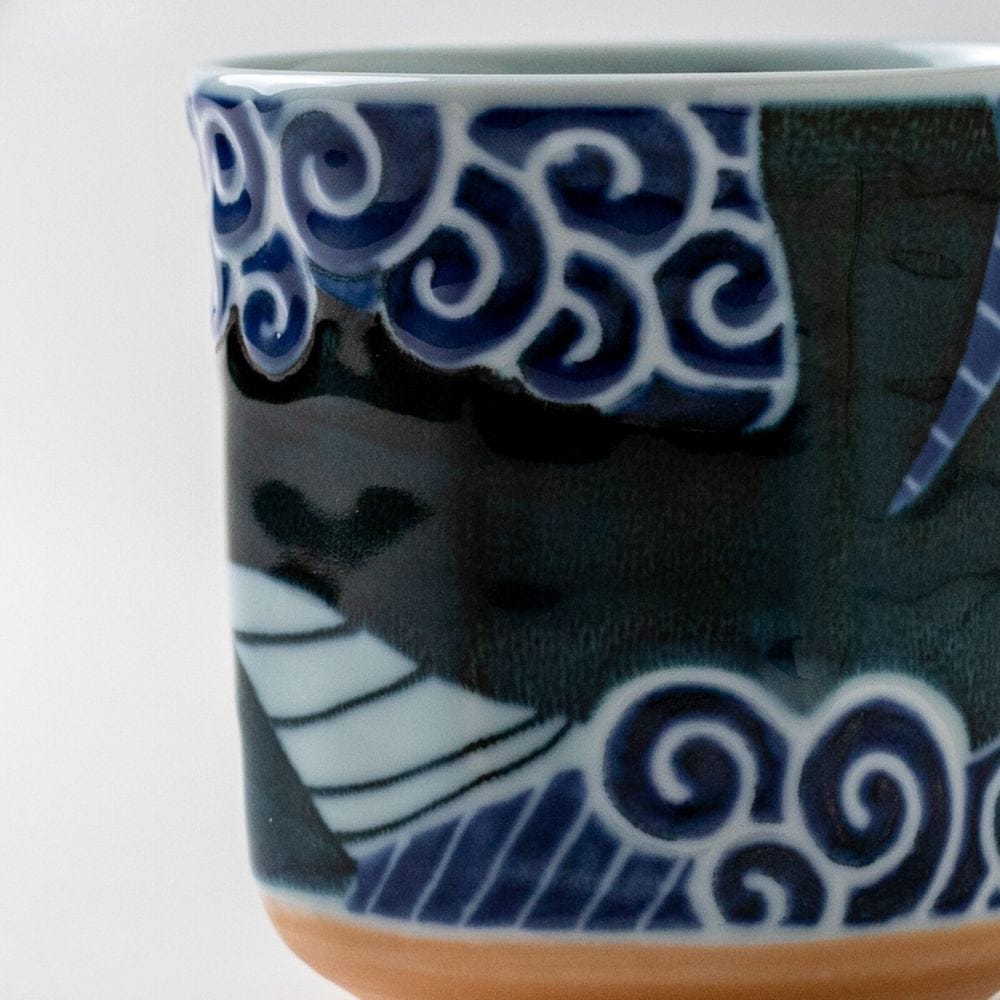
Blue Whale Tea Cup
Secure, insured delivery from Japan
Complimentary over $199 · otherwise from $30. Shipping policy
$189.10 away from complimentary shipping
U.S. duties prepaid at checkout
Import duties and taxes are calculated and paid at checkout, so nothing is due on delivery. Learn more
Sourced in Japan, from the makers
Direct from Japanese workshops and their authorised channels.
Why You’ll Love It
Pairs well with
Blue Whale Tea Cup
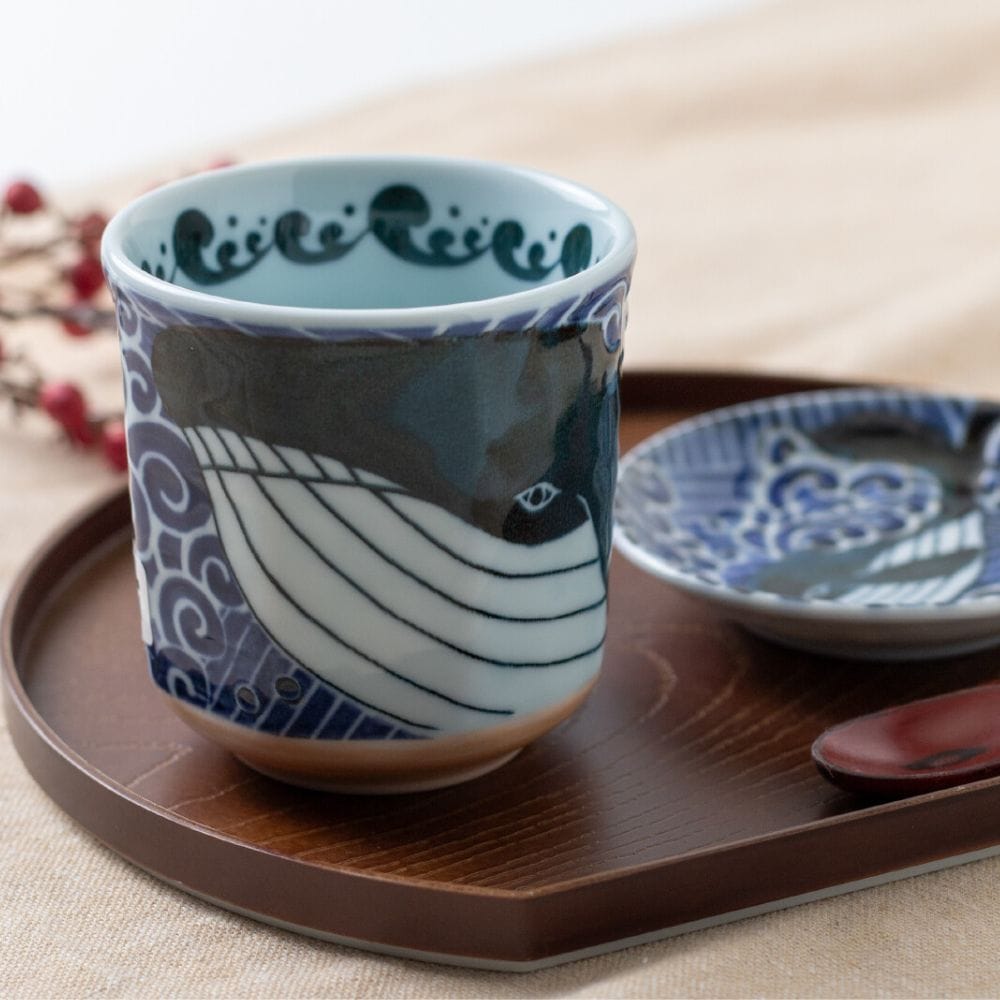
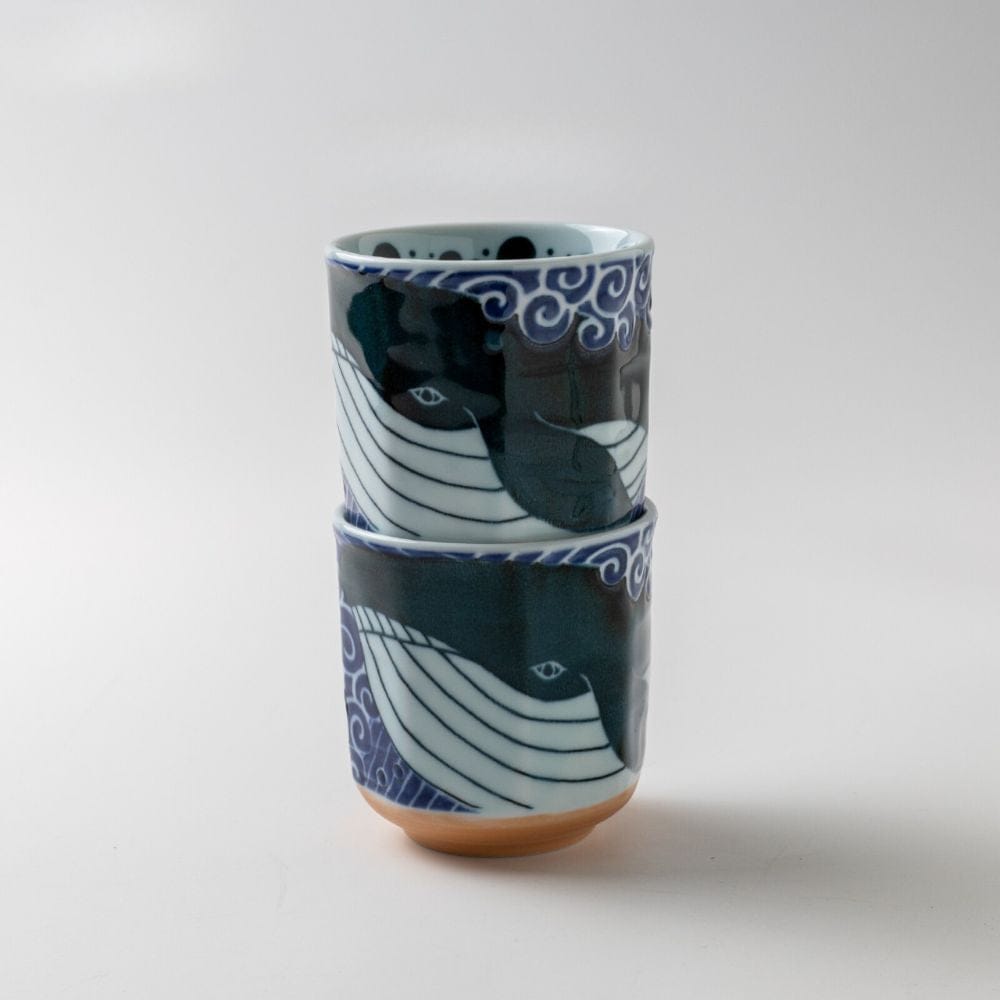
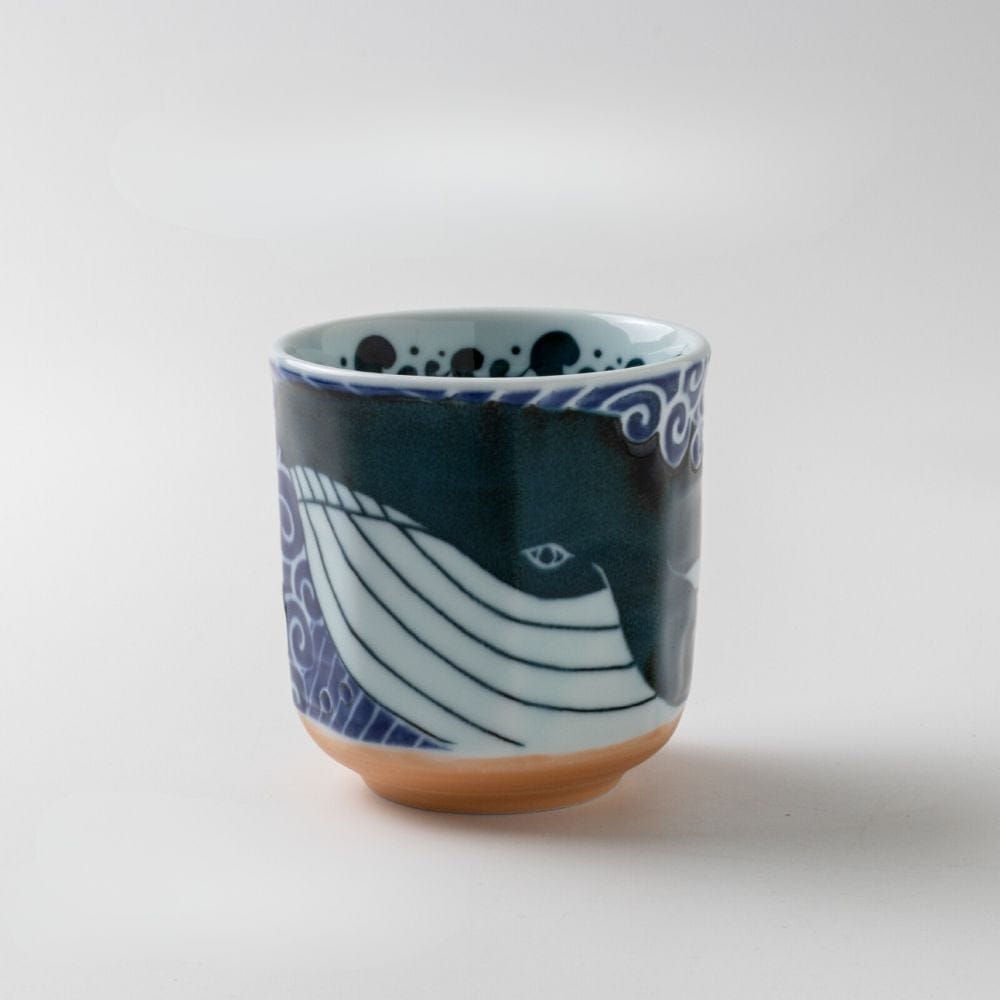
Indulge in a serene tea moment with the exquisite Blue Whale Tea Cup, a unique piece from Minoru Pottery's beloved "Shiranami Kujira" series. This octagonal teacup invites you to slow down and savor every sip, featuring a delicate whale gliding through waves, perfectly capturing the ocean's calming beauty. Imagine the soothing warmth of your favorite tea cradled in this cup as you take a mindful break from your day.
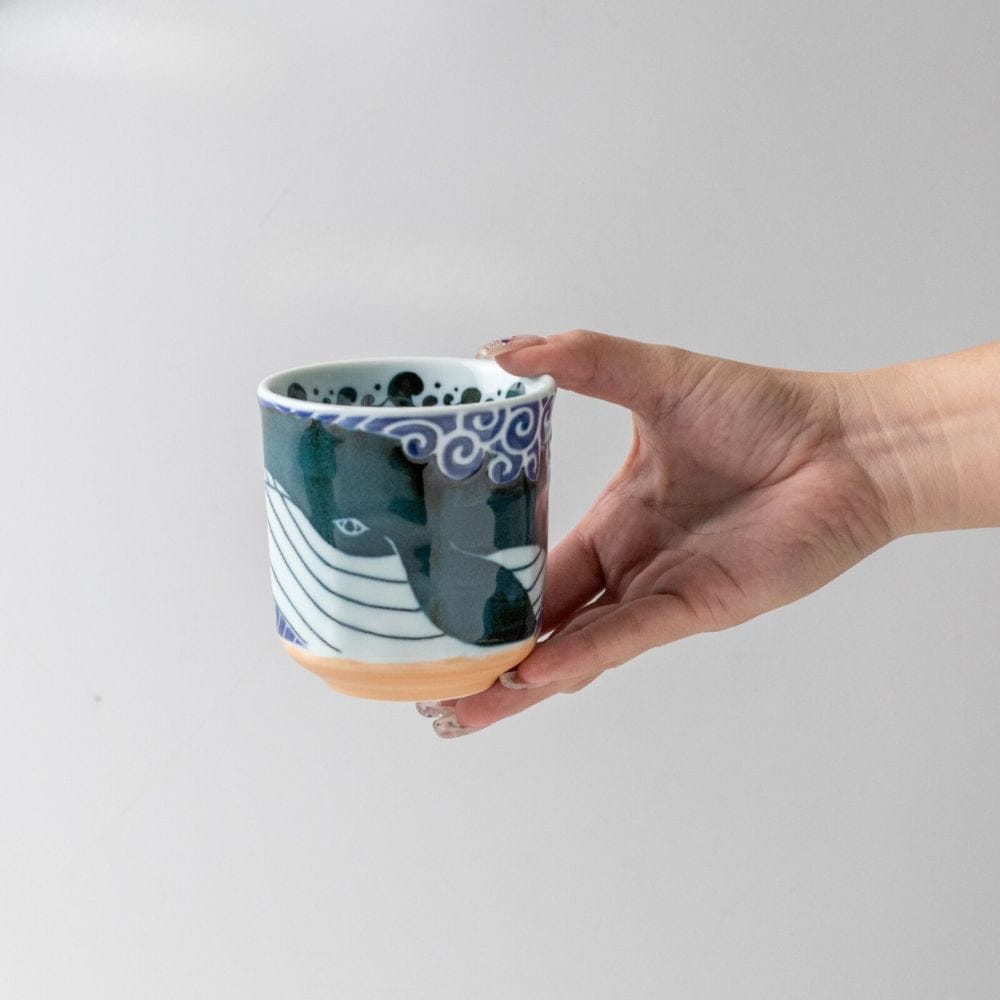
Artisan Craftsmanship Meets Traditional EleganceHandcrafted in the Mino region of Japan, each Blue Whale Tea Cup showcases distinctive Mino ware pottery techniques. Made from fine porcelain, it boasts a smooth, glossy finish that feels delightful against your lips. The octagonal shape is designed for enhanced grip and comfort during sipping, allowing you to fully immerse yourself in the sensory experience. With a generous capacity of approximately 280 ml, it’s perfect for soothing green tea or aromatic herbal blends, making it a versatile addition to your kitchen.
Enhance Your Home DecorThe Blue Whale Tea Cup is not only functional but also a striking accent piece that enhances your dining experience. Its vibrant marine motif and balanced form create an atmosphere of artistry and charm, adding a unique touch of elegance when entertaining guests or enjoying quiet moments alone. This cup is sure to spark conversations and admiration alike.
A Thoughtful Gift for Any OccasionLooking for a meaningful gift? The Blue Whale Tea Cup is a beautiful choice for tea lovers and collectors of Japanese tableware alike. This enchanting design is carefully packaged to ensure it arrives in perfect condition, making gifting even more special. It’s not just a cup; it’s an invitation to relax and appreciate the beauty in simplicity.
Product Information
Care instructions
Mino ware · Gifu, Japan
Mino ware: 1,300 years of ceramic innovation
Mino ware comes from the Tono region of Gifu Prefecture, one of Japan's most important ceramic-producing areas. Over centuries, kilns in the region developed a remarkable range of styles, from restrained Shino and Oribe pieces tied to tea culture to everyday tableware for modern Japanese homes. Rather than being defined by a single look, Mino ware is known for that diversity. A ceramic tradition that has continued to evolve with the way people actually live and eat.
Discover Mino
Learn more about Mino ware
What is Mino ware?
Mino ware, or Minoyaki, is the broad ceramic tradition associated with the Mino region of present-day Gifu Prefecture. Rather than describing one fixed aesthetic, the name encompasses ceramics with a wide range of forms, glazes and decorative approaches developed across the region over more than 1,300 years.
Why is Mino ware so diverse?
Mino developed as a large ceramic-producing region rather than around one narrowly defined style. Generations of potters experimented with different clays, firing methods, shapes and glazes, creating a tradition in which rustic tea wares, expressive glazes and practical everyday tableware can all belong to the same ceramic family.
What are Shino and Oribe?
Shino and Oribe are two of the best-known ceramic traditions associated with Mino. Shino is celebrated for its soft white glaze, subtle texture and often understated decoration, while Oribe is known for expressive forms and distinctive green, black and painted surfaces. Together with Kiseto and Setoguro, they are closely associated with the celebrated Momoyama-period tea ceramics of the Mino region.
Where is Mino ware made?
Mino ware is produced primarily in the Tōnō area of eastern Gifu Prefecture, including major ceramic centres such as Tajimi, Toki and Mizunami. The region remains one of Japan's most important centres of ceramic and tableware production today.