

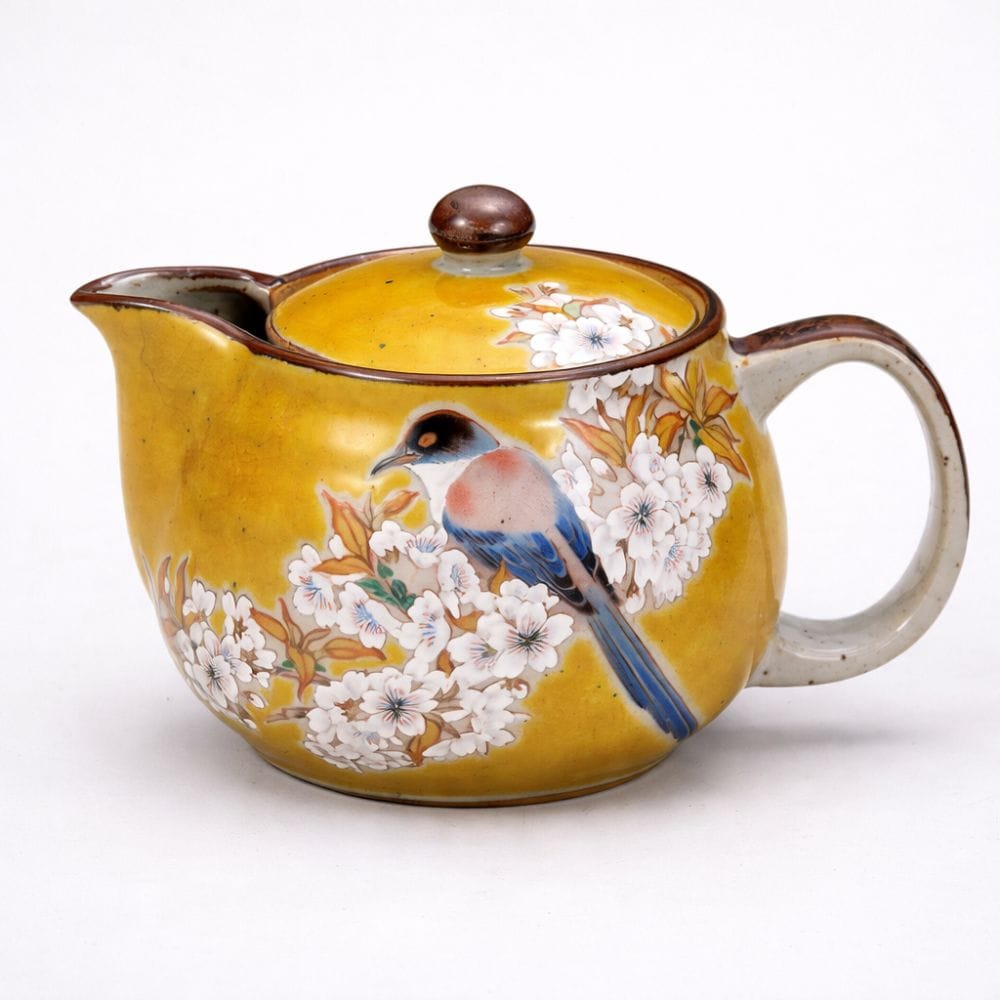
Kutani Cherry and Bird Tea Pot
Secure, insured delivery from Japan
Complimentary over $199 · otherwise from $30. Shipping policy
$100 away from complimentary shipping
U.S. duties prepaid at checkout
Import duties and taxes are calculated and paid at checkout, so nothing is due on delivery. Learn more
Sourced in Japan, from the makers
Direct from Japanese workshops and their authorised channels.
Why You’ll Love It
Pairs well with
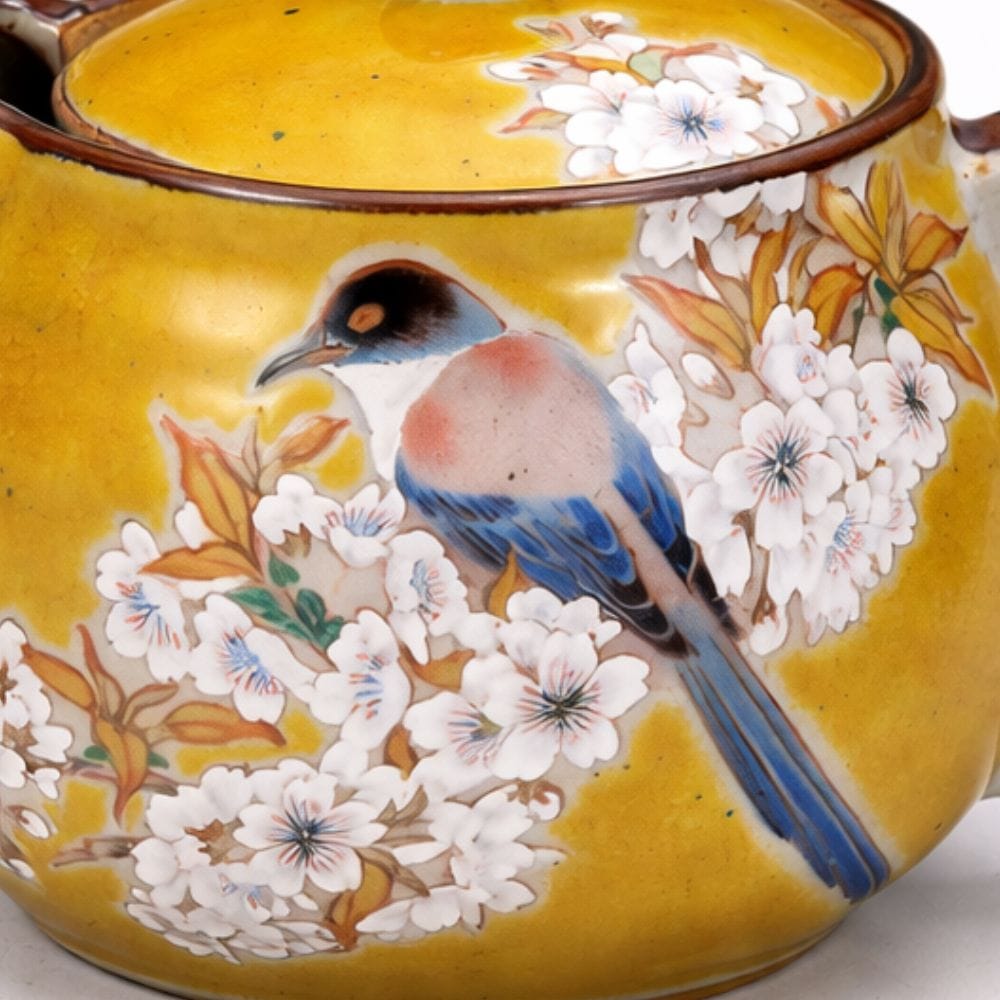
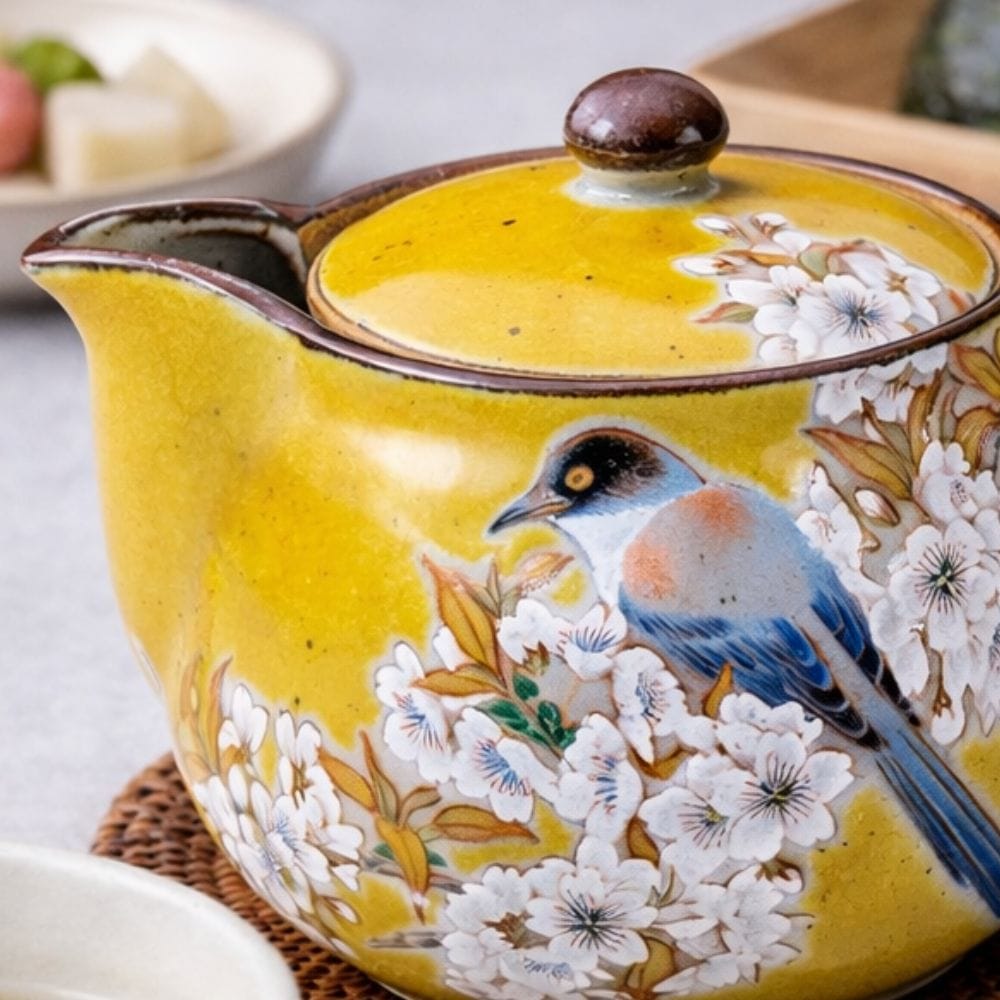
Experience the serene beauty of Japanese culture with our Cherry and Bird Kutani Tea Pot. This exceptional piece of art serves not just tea but tells a story of fine craftsmanship. The vibrant yellow glaze features a delicate bird nestled among cherry blossoms, inviting nature's beauty into your home. Each glance at this teapot evokes tranquility and an appreciation for the natural world.
Exceptional Craftsmanship
Handcrafted in the Kutani region of Japan, this teapot exemplifies the exquisite Kutani ware style that has enchanted collectors for centuries. Artisans utilize a unique overglaze decoration technique, applying colored enamels over the initial glaze, resulting in vivid colors that endure. This teapot, measuring 12.5 cm in height and with a capacity of 360 cc (approximately 12.2 fl oz), is ideal for intimate tea gatherings or solitary moments of reflection.
The intricate patterns demonstrate the potter's wheel skill, showcasing dedication and artistry in every detail. Five harmonious colors—red, green, yellow, purple, and navy blue—combine to create a visual feast that complements your home decor. This teapot functions not just as a vessel but as an artistic centerpiece, enriching your daily life. It is crafted at a renowned kiln that focuses specifically on Kutani techniques, ensuring authenticity and quality.
Enhancing Your Daily Rituals
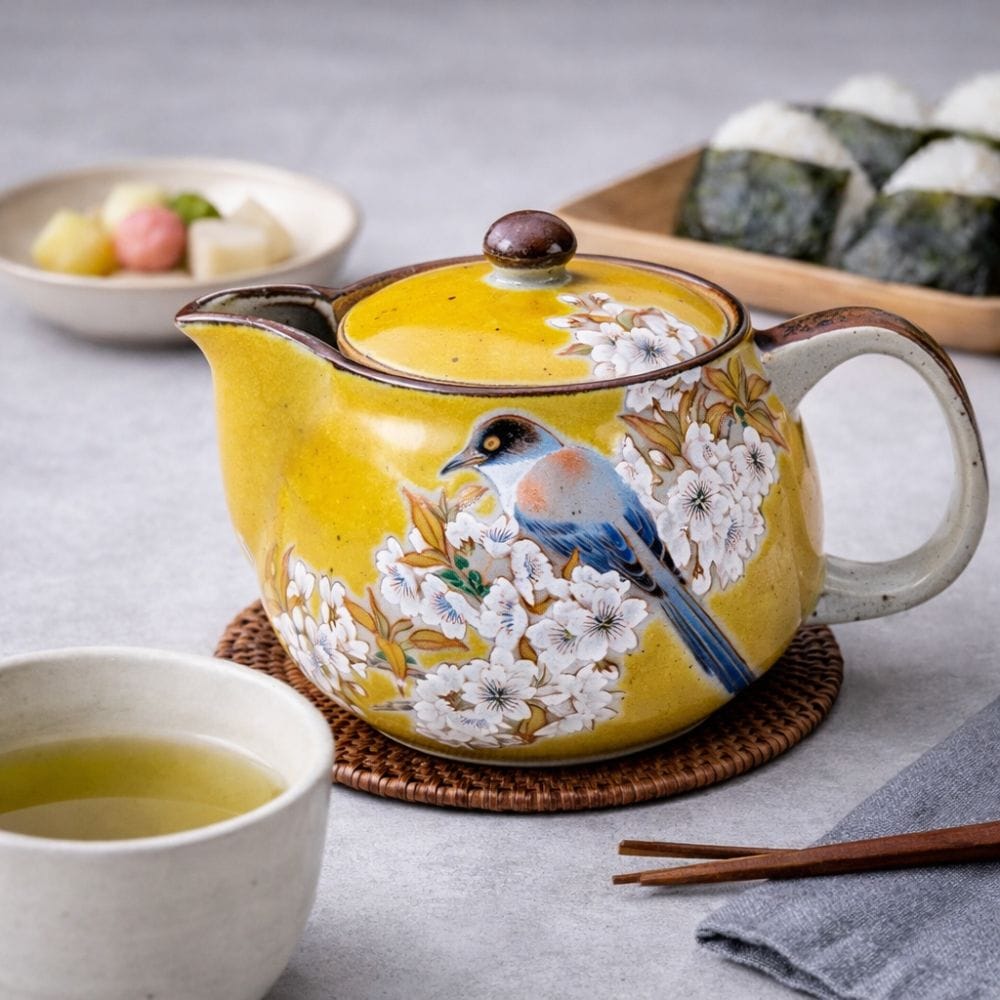
Imagine pouring your favorite tea from this beautifully shaped teapot, feeling the warmth of the ceramic against your hands. The Cherry and Bird Kutani Tea Pot invites you to slow down and savor each sip, transforming a simple act into a cherished ritual. Whether sharing tea with friends or enjoying a moment alone, this teapot adds elegance and mindfulness to your day.
Each teapot is packaged in a stylish paper box, making it a delightful gift for loved ones or a treasured addition to your collection of Japanese ceramics. Handle with care to maintain its beauty for years to come. Please note that this item may occasionally be out of stock. The Cherry and Bird Kutani Tea Pot is more than just a vessel; it’s an invitation to embrace beauty and the simple pleasures of tea.
Product Information
Care instructions
Note
Questions About This Piece
What’s the story behind the cherry blossoms and bird?
Is this teapot meant to be displayed or actually used?
How does the artwork hold up with regular use?
What kind of tea works best in it?
Who does this teapot resonate with most?

Kutani ware · Ishikawa, Japan
Kutani: Japan’s art of brilliant color
Kutani ware emerged in Ishikawa in the 17th century and became celebrated for bold overglaze painting and an unmistakably rich use of color. Its decorative language ranges from expressive nature motifs to highly detailed compositions, giving Kutani porcelain a vivid character unlike almost any other Japanese ceramic tradition.
Discover Kutani
Learn more about Kutani ware
What is Kutani ware?
Kutani ware is a tradition of Japanese porcelain associated with Ishikawa Prefecture. It first developed in the 17th century and is especially known for richly colored overglaze decoration, bold compositions and a wide range of styles that evolved over several centuries.
What are the five colors of Kutani ware?
The traditional Kutani palette is often referred to as Kutani Gosai, or the five Kutani colors: red, yellow, green, purple and dark blue. These vivid overglaze enamels are used in different combinations, from dense decorative painting to more restrained contemporary work.
Where is Kutani ware made?
Kutani ware is associated with Ishikawa Prefecture in Japan’s Hokuriku region, particularly the areas around Kaga, Komatsu and Kanazawa. The original Kutani production began near present-day Kaga in the mid-1600s.
Why does Kutani ware look so different from other Japanese porcelain?
Kutani is distinguished by its emphasis on decoration after the porcelain body has been fired. Layers of colored enamel are applied over the glaze, allowing artists to create saturated color, strong outlines and highly expressive imagery. This gives Kutani ware a more painterly and often more dramatic appearance than many other Japanese porcelain traditions.