

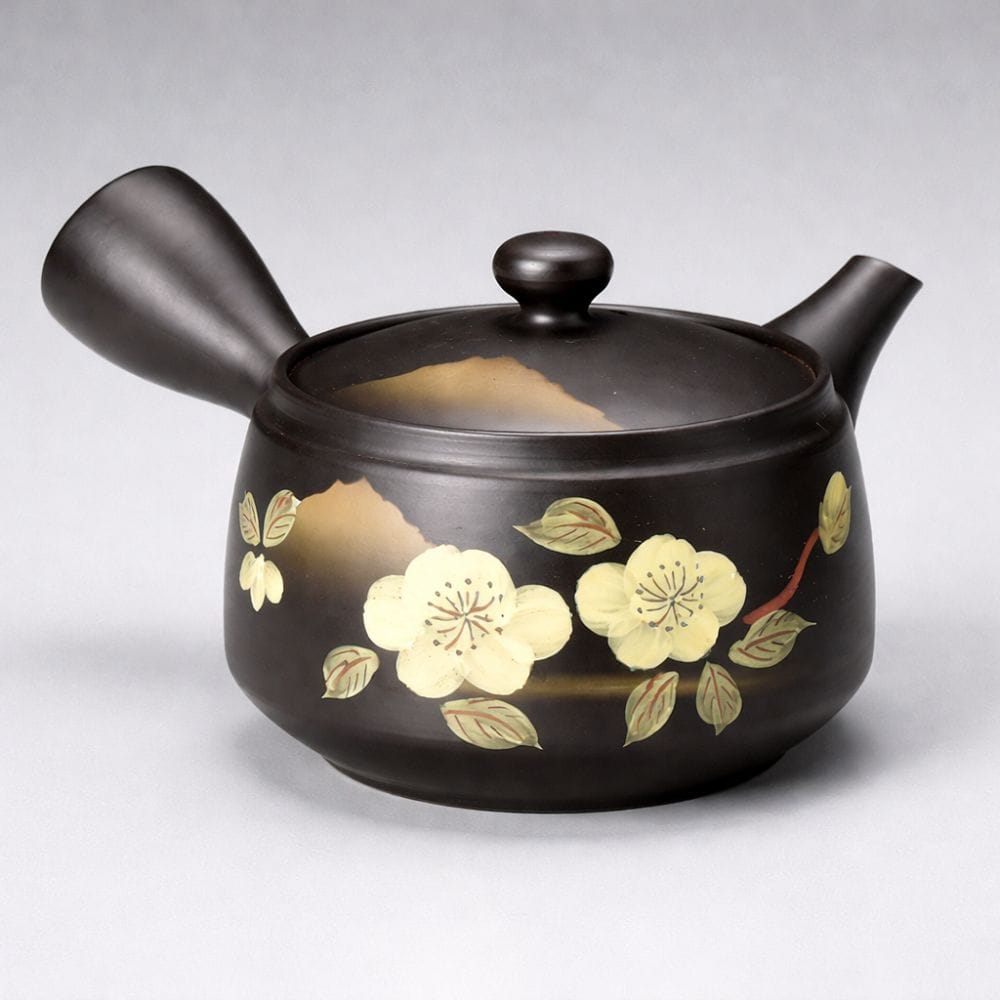
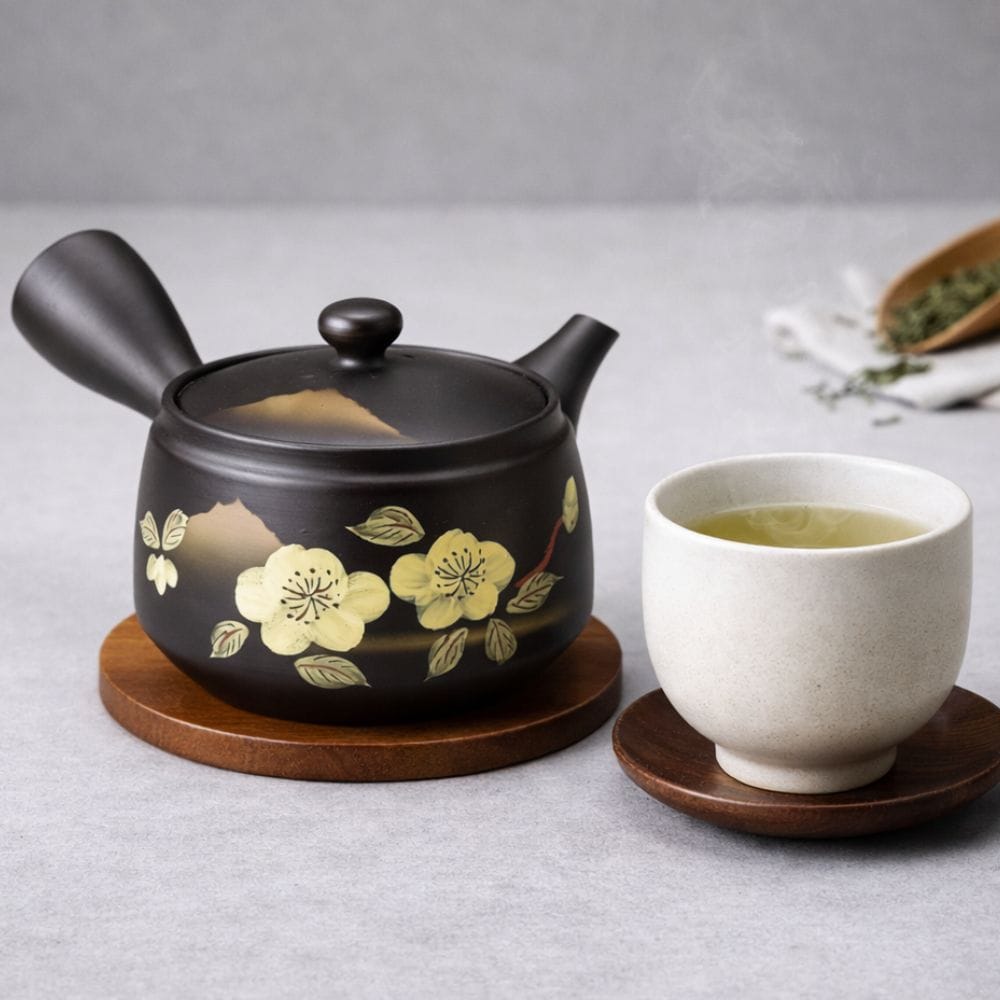
Tokoname Gold Flower Tea Pot
Secure, insured delivery from Japan
Worldwide shipping from $30 · free over $150. Shipping policy
$59 of $150 with this item · $91 to go
U.S. duties prepaid
No extra import charges on delivery — the price you see is the price you pay. Learn more
Sourced in Japan, from the makers
Direct from Japanese workshops and their authorised channels.

Why You’ll Love It
Pairs well with
Tokoname Gold Flower Tea Pot
Immerse yourself in the serene world of tea with the Tokoname Gold Flower Tea Pot, a handcrafted piece that seamlessly blends tradition with functionality. This beautiful teapot serves as a centerpiece while enhancing your daily tea rituals with its thoughtful design. You’ll appreciate the smooth glaze on the rim as you pour your favorite brew.
Artisanal Craftsmanship
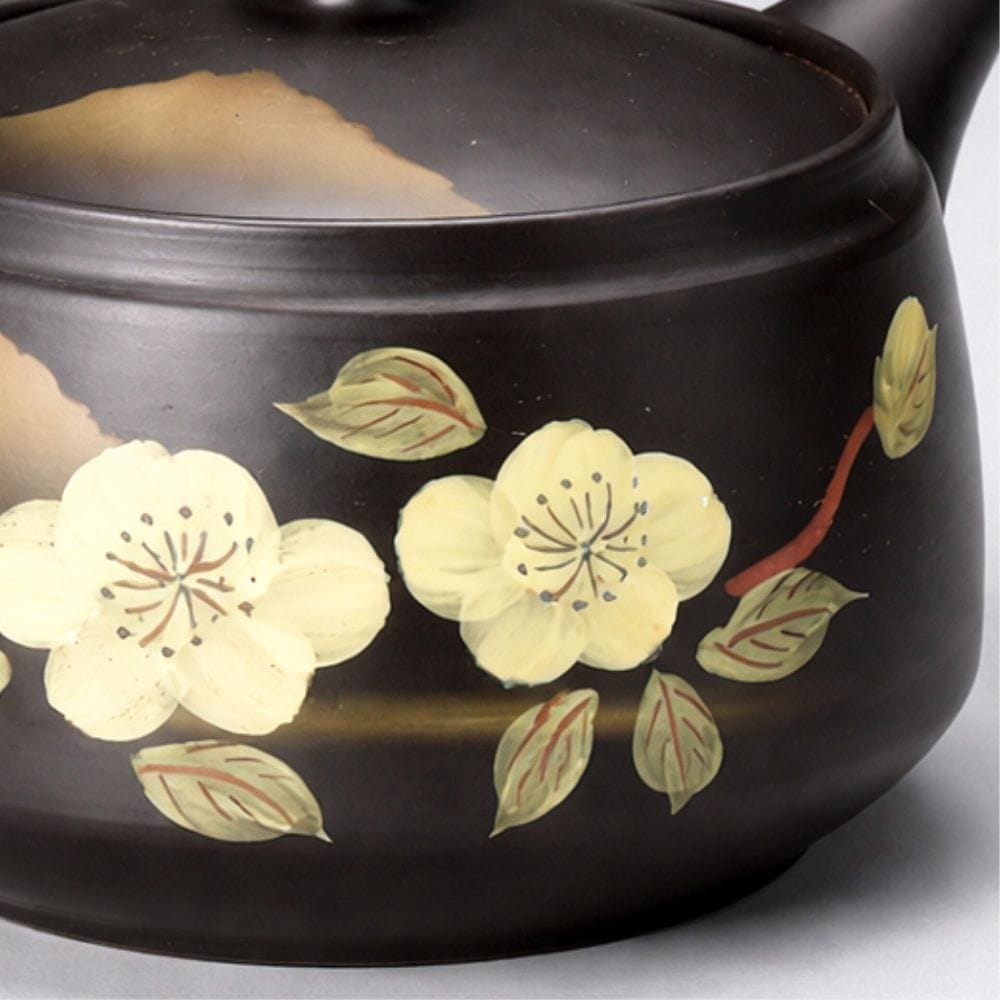
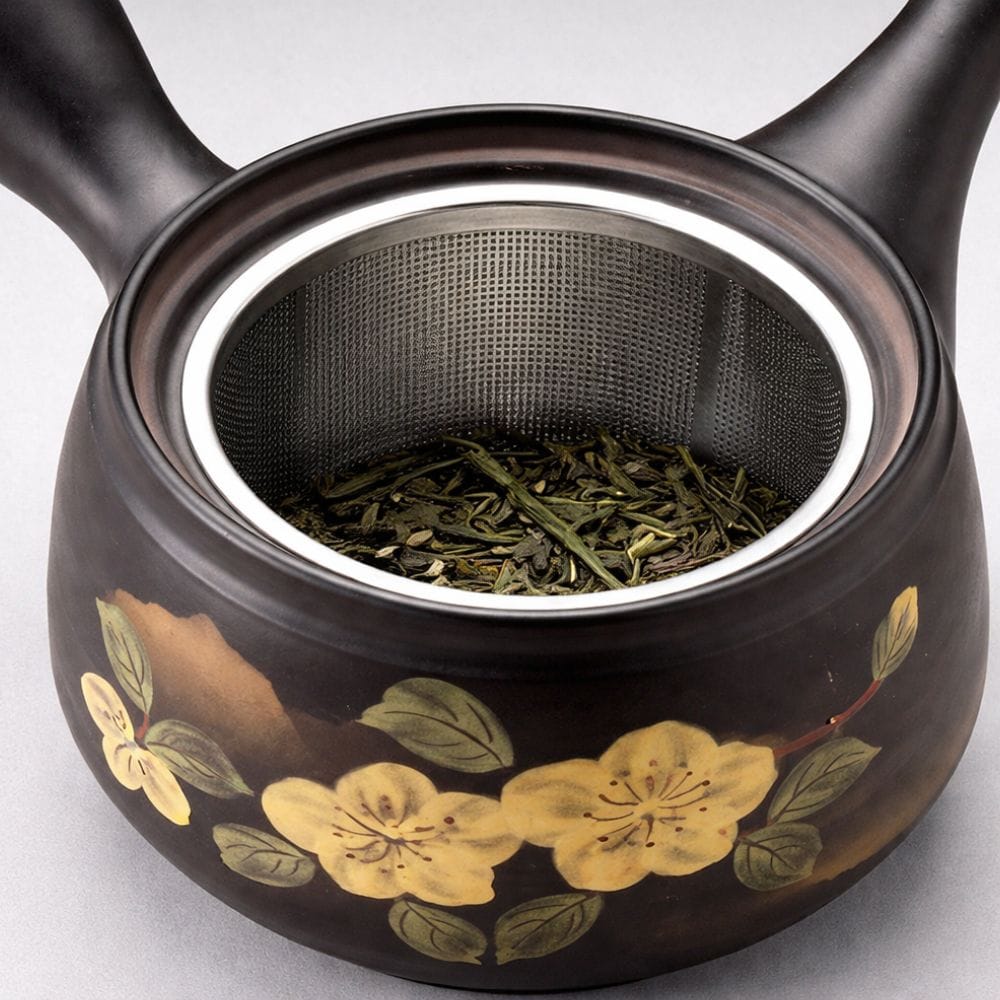
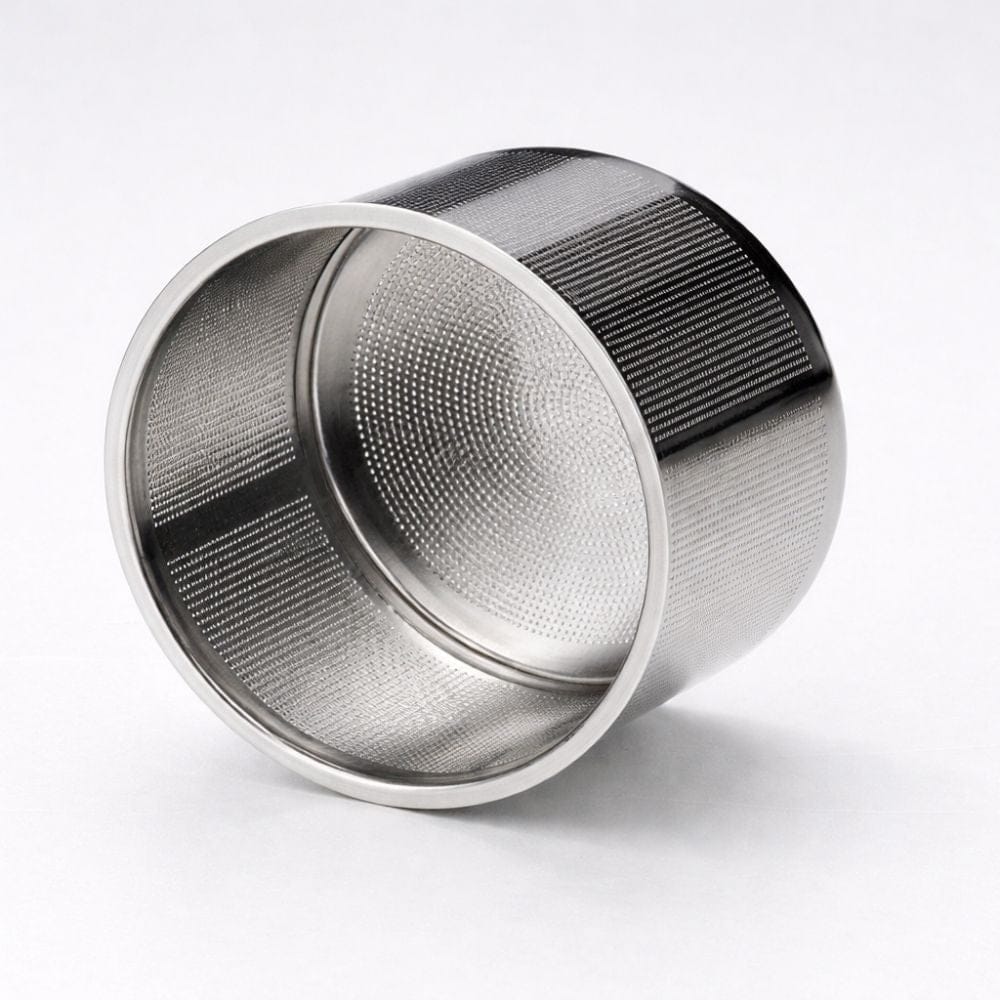
Created in Aichi Prefecture, Japan, this teapot showcases delicate floral motifs hand-painted in warm gold tones, inviting nature into your home. Made from durable ceramic, its strong cylindrical shape resists deformation over time, ensuring longevity. The innovative built-in tea strainer allows only pure tea flavors to infuse your cup while preventing leaves from escaping, so you can enjoy a clean, smooth brew every time.
Functional Benefits
With a capacity of 300cc (approximately 10.1 oz), the Tokoname Gold Flower Tea Pot is ideal for serving multiple cups of green tea, such as Sencha or Gyokuro. The ergonomic side handle enables precise pouring, and the stainless steel strainer can be quickly rinsed, ensuring no tea residue affects subsequent brews.
Product Information
Care instructions
Note

FAQs
All you need to know about Tokoname Ware.
What is Tokoname ware, and why is it so special?
Tokoname ware (常滑焼, Tokoname-yaki) is a traditional form of Japanese pottery that originates from Tokoname City in Aichi Prefecture, one of the Six Ancient Kilns of Japan. With over 900 years of history, it is celebrated for its distinctive use of iron-rich red clay, which is often left unglazed to allow the clay’s natural beauty to shine. This unglazed surface develops a soft sheen and character with age and use, especially when used with tea. Tokoname ware is renowned for its balance of rustic charm, elegant simplicity, and everyday functionality, making it both a collector’s favorite and a staple of modern Japanese homes.
Why are Tokoname teapots (kyūsu) especially valued by tea lovers?
Tokoname’s side-handled teapots, or kyūsu, are highly prized in Japanese tea culture for their superb heat retention, smooth pour, and the unique way the unglazed clay enhances the flavor of green tea—particularly sencha and gyokuro. The clay subtly absorbs tea oils over time, enriching the aroma and depth of future brews. Many Tokoname teapots also feature built-in ceramic mesh filters, which allow for a clean, refined pour without metal interference. These qualities, paired with minimalist design and ergonomic handling, make Tokoname teapots a must-have for serious tea enthusiasts.
Is Tokoname ware always red? Are there other styles or finishes?
While Tokoname ware is most famously associated with its iconic reddish-brown clay, not all pieces are the same. The region’s artisans also produce wares with black, gray, or ash-glazed finishes, depending on the firing techniques, clay blends, and whether they use oxidation or reduction kilns. Some artists incorporate modern design sensibilities, experimenting with glazes and forms, while others preserve traditional aesthetics. Regardless of style, the unifying theme is a commitment to natural textures, balanced forms, and the philosophy of wabi-sabi—the beauty of imperfection and impermanence.
Can Tokoname ware be used daily, or is it mostly decorative?
Tokoname ware is not only beautiful—it’s also highly functional and durable, intended for everyday use. Items like teapots, cups, planters, and incense holders are made to be used regularly. The clay’s natural heat resistance and strength make it ideal for repeated brewing and handling. That said, as with all artisanal ceramics, a little care goes a long way. Avoid using Tokoname ware in microwaves or dishwashers (especially unglazed pieces), and hand wash with warm water only. With proper care, these pieces can last a lifetime and become even more beautiful with age.
How do I know if a piece is authentic Tokoname ware?
Authentic Tokoname ware is typically handcrafted in Tokoname City by artisans who are part of long-established studios or kilns. Many genuine pieces bear a maker’s seal or signature, often engraved or stamped on the base. You may also find regional certifications or documentation when purchasing from reputable sources. Look for details that reflect handcraftsmanship—subtle variations in glaze, slight asymmetry, or a tactile surface. Buying from trusted retailers or directly from workshops ensures authenticity and helps support the preservation of Tokoname’s cultural heritage.