

Blue Whale Bowl
Secure, insured delivery from Japan
Worldwide shipping from $30 · free over $150. Shipping policy
$14.90 of $150 with this item · $135.10 to go
U.S. duties prepaid
No extra import charges on delivery — the price you see is the price you pay. Learn more
Sourced in Japan, from the makers
Direct from Japanese workshops and their authorised channels.
Why You’ll Love It
Pairs well with
Blue Whale Bowl
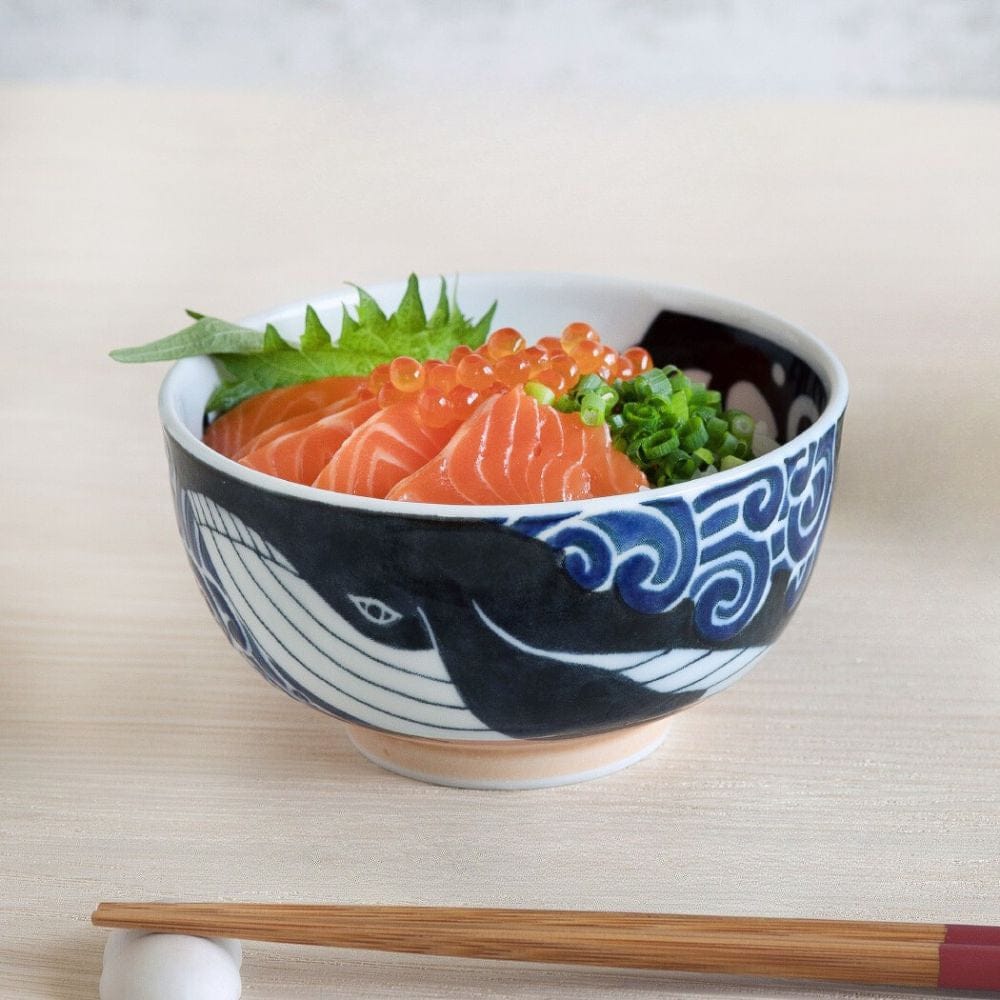
Discover the enchanting beauty of the Blue Whale Bowl, a handcrafted piece that brings the tranquil essence of the ocean to your table. With its captivating design and exceptional craftsmanship, this bowl serves not only as exquisite tableware but also as a conversation starter and a memory maker, perfect for intimate dinners or casual gatherings.
Artistry Meets Functionality
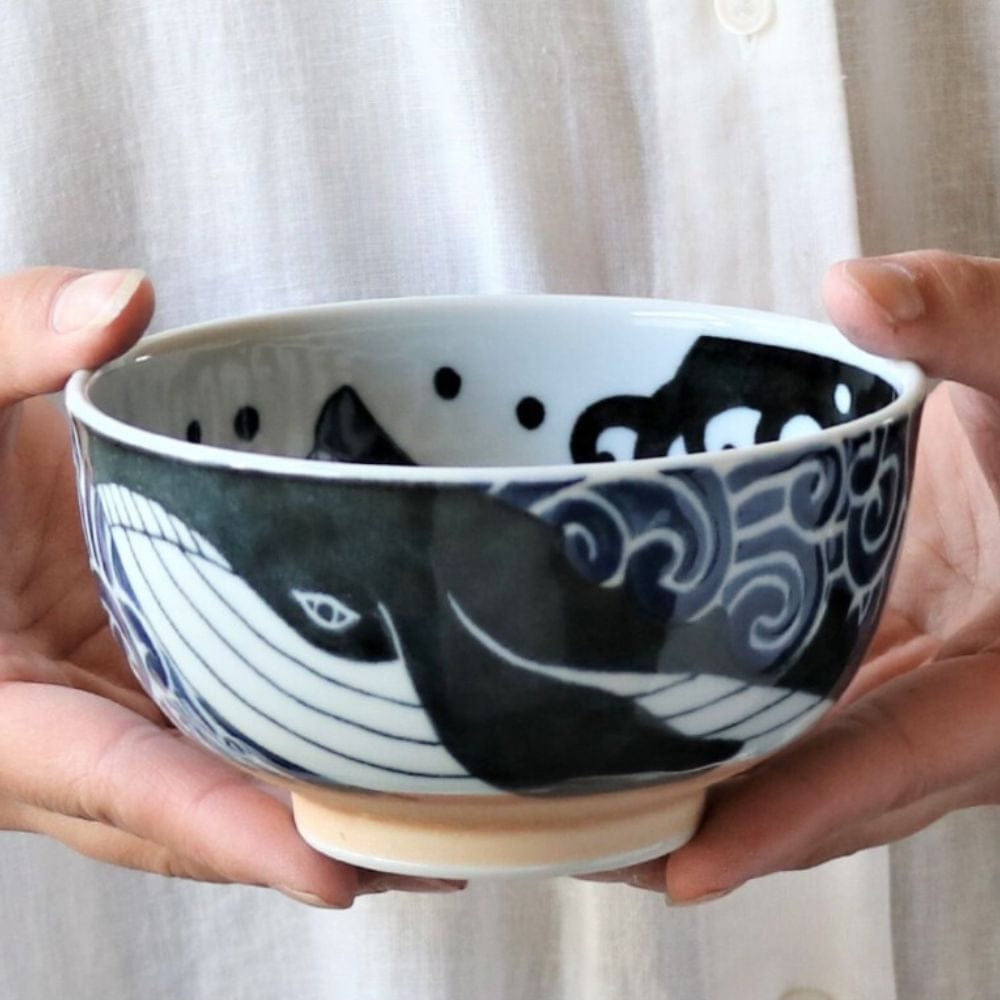
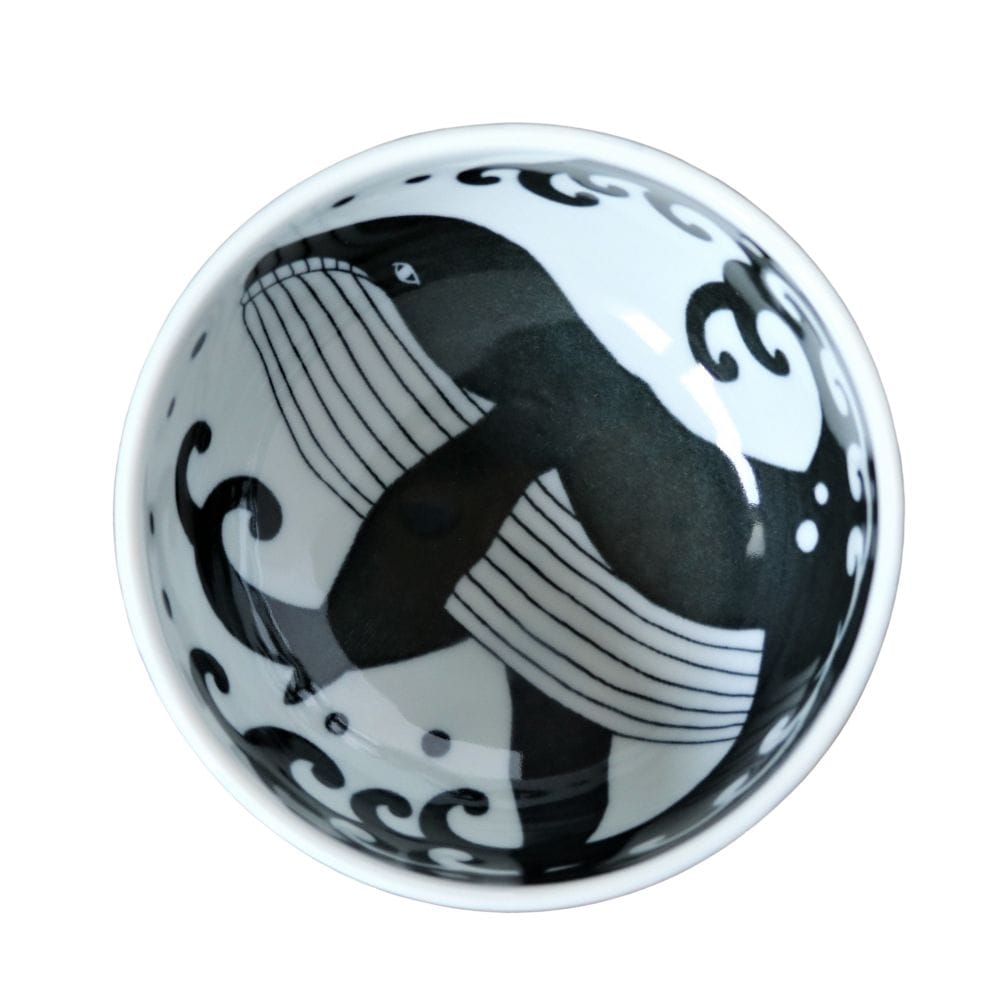
Handcrafted in the historic Gifu Prefecture, renowned for over 1,300 years of Mino ware production, this bowl features a whimsical depiction of a whale gliding through stylized waves, painted in deep indigo and soft black tones. The vivid imagery captures the sea's dynamic movement, making it a striking centerpiece. Measuring 5.1 inches in diameter and 2.8 inches in height (φ13.0×H7.0cm) and with a generous capacity of 500ml, it is perfectly sized for meals ranging from comforting ramen to vibrant salads. The wide opening and deep interior provide ample room for toppings, making it ideal for both casual breakfasts and elegant dinners.
Durability and Care
Crafted from durable porcelain and treated to be water-repellent, the Blue Whale Bowl is designed for daily enjoyment. It is microwave- and dishwasher-safe, making cleanup effortless. The smooth glaze enhances the bowl’s beauty while making it resistant to stains and scratches, ensuring its charm endures through countless meals. Thoughtfully packaged, it arrives ready to impress, whether as a gift or a treat for yourself.
A Thoughtful Gift for Any Occasion
Whether you seek a unique gift for a loved one or wish to enrich your own tableware collection, the Blue Whale Bowl is an outstanding choice. Its charming design and skilled craftsmanship make it a delightful addition for those who appreciate artistic dining experiences, ensuring that every meal is a celebration of beauty and taste.
Product Information
Care instructions
Mino ware · Gifu, Japan
Mino ware: 1,300 years of ceramic innovation
Mino ware comes from the Tono region of Gifu Prefecture, one of Japan's most important ceramic-producing areas. Over centuries, kilns in the region developed a remarkable range of styles, from restrained Shino and Oribe pieces tied to tea culture to everyday tableware for modern Japanese homes. Rather than being defined by a single look, Mino ware is known for that diversity. A ceramic tradition that has continued to evolve with the way people actually live and eat.
Discover Mino
Learn more about Mino ware
What is Mino ware?
Mino ware, or Minoyaki, is the broad ceramic tradition associated with the Mino region of present-day Gifu Prefecture. Rather than describing one fixed aesthetic, the name encompasses ceramics with a wide range of forms, glazes and decorative approaches developed across the region over more than 1,300 years.
Why is Mino ware so diverse?
Mino developed as a large ceramic-producing region rather than around one narrowly defined style. Generations of potters experimented with different clays, firing methods, shapes and glazes, creating a tradition in which rustic tea wares, expressive glazes and practical everyday tableware can all belong to the same ceramic family.
What are Shino and Oribe?
Shino and Oribe are two of the best-known ceramic traditions associated with Mino. Shino is celebrated for its soft white glaze, subtle texture and often understated decoration, while Oribe is known for expressive forms and distinctive green, black and painted surfaces. Together with Kiseto and Setoguro, they are closely associated with the celebrated Momoyama-period tea ceramics of the Mino region.
Where is Mino ware made?
Mino ware is produced primarily in the Tōnō area of eastern Gifu Prefecture, including major ceramic centres such as Tajimi, Toki and Mizunami. The region remains one of Japan's most important centres of ceramic and tableware production today.