


Arita Ink Flow Lidded Bowl — Japanese Porcelain with Serene Wave Design
Secure, insured delivery from Japan
Worldwide shipping from $30 · free over $150. Shipping policy
$39 of $150 with this item · $111 to go
U.S. duties prepaid
No extra import charges on delivery — the price you see is the price you pay. Learn more
Sourced in Japan, from the makers
Direct from Japanese workshops and their authorised channels.
Why You’ll Love It
Pairs well with
Arita Ink Flow Lidded Bowl — Japanese Porcelain with Serene Wave Design
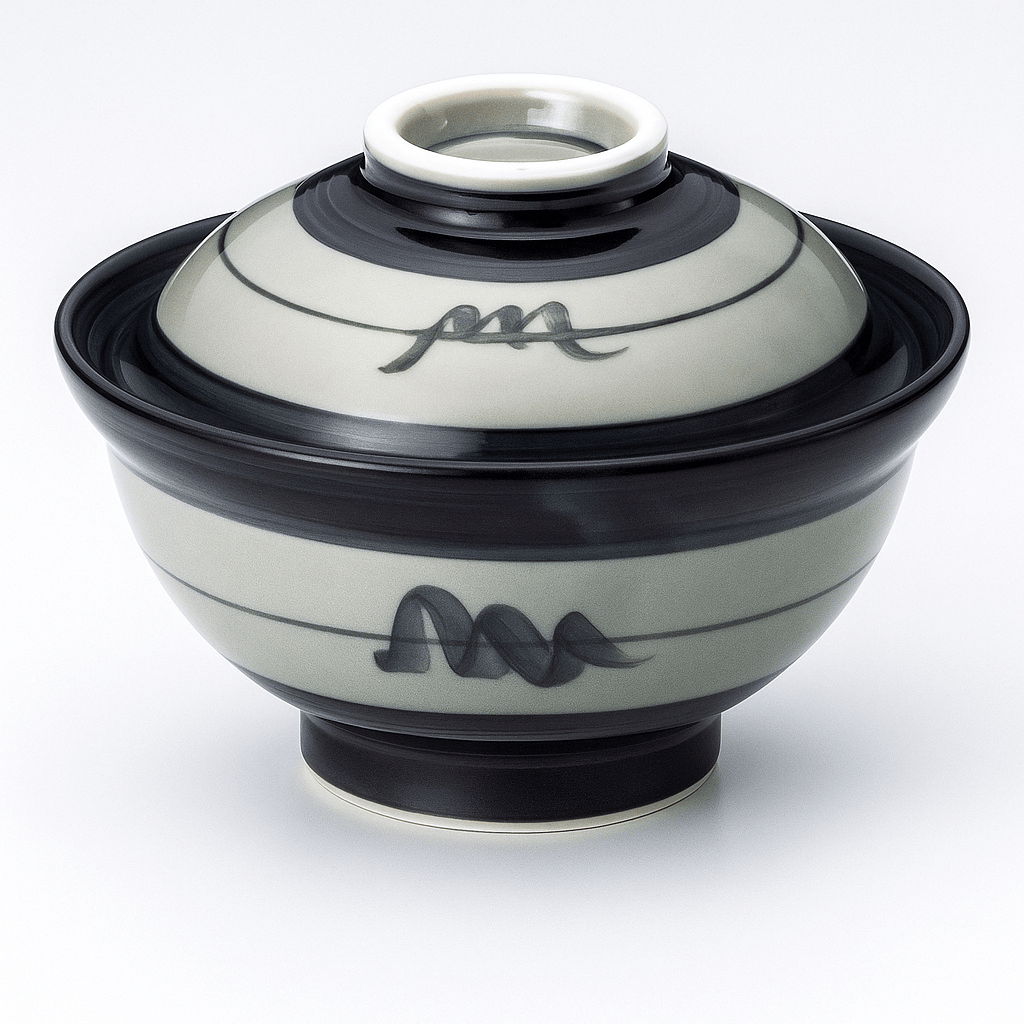
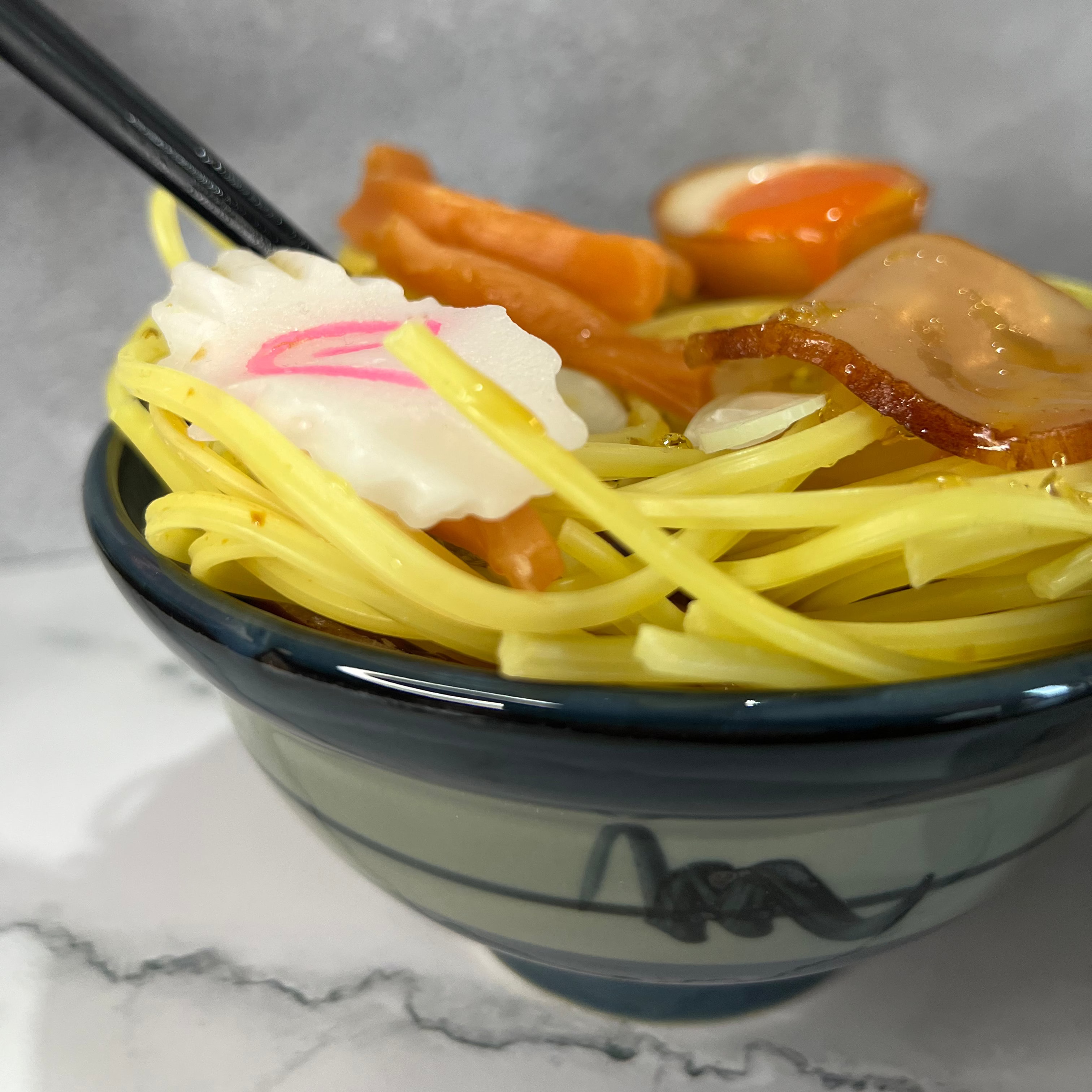
Introducing the Ink Flow Lidded Bowl, a beautiful piece of Japanese porcelain that transcends mere functionality to become a work of art in your home. With a diameter of 6.1 inches (15.5 cm) and a height of 4.5 inches (11.4 cm), this elegant bowl invites you to savor not just your meals but also the beauty of craftsmanship. Ideal for serving everything from savory miso soup to fresh salads.
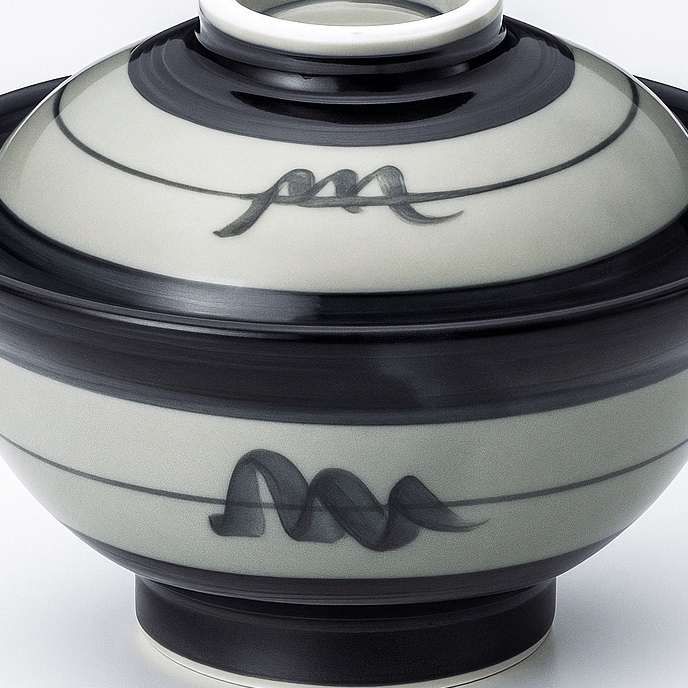
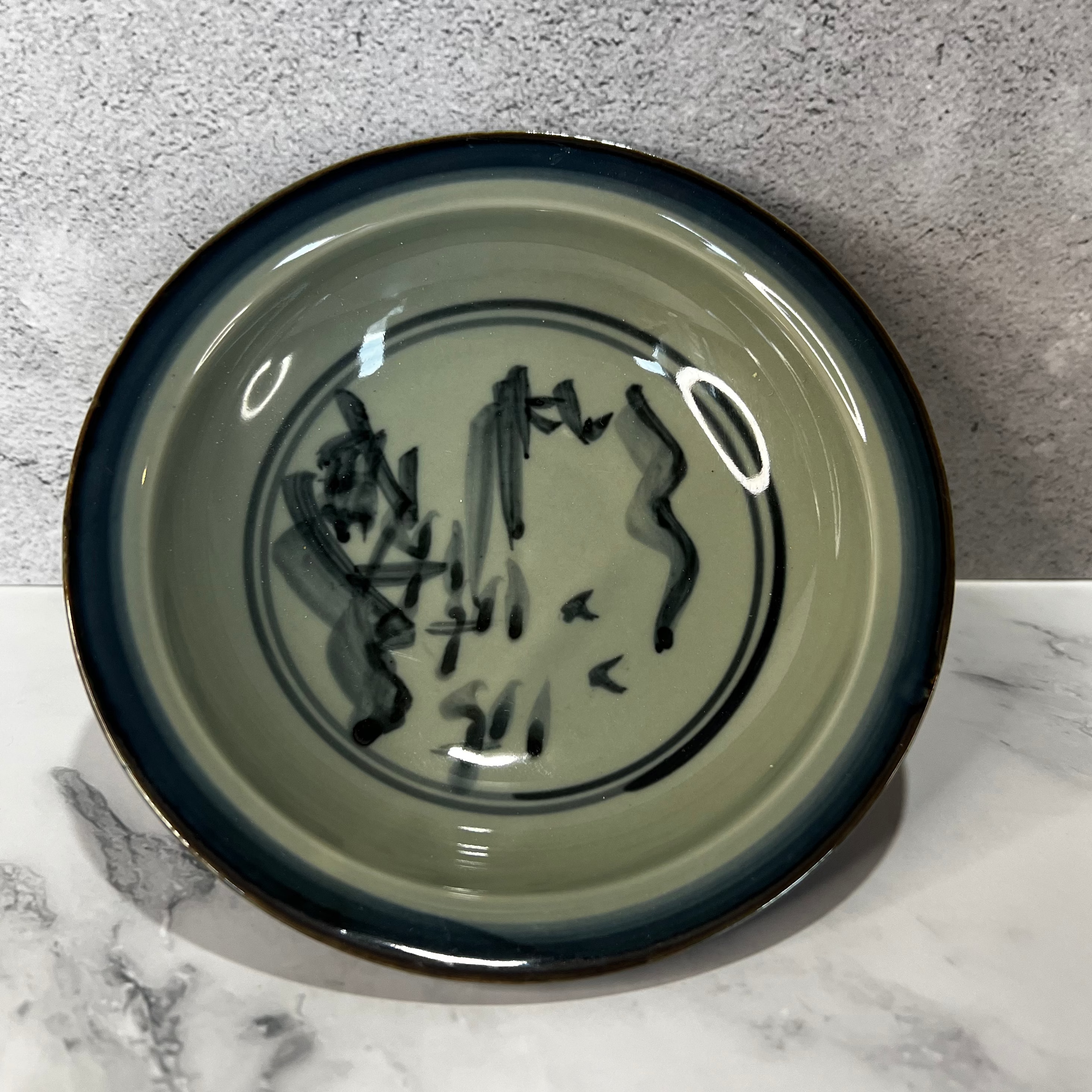
The Ink Flow Lidded Bowl is a celebration of minimalist design, showcasing a soft gray-white glaze that envelops its smooth porcelain body. Adorned with delicate black bands and a mesmerizing wave-like brush motif, the bowl and its lid reflect a modern interpretation of Arita-yaki (有田焼) aesthetics. This artistic pattern, executed in freehand strokes, creates not just visual interest but also enhances your dining presentation — a subtle indication of sophistication.
Its monochrome palette of charcoal, ink gray, and ivory presents a serene, contemporary look that harmonizes seamlessly with both traditional and modern table settings. Whether you’re hosting an elegant dinner party or enjoying a quiet meal at home, the Ink Flow Lidded Bowl enhances your dining experience, making your favorite dishes even more enjoyable.
Handcrafted in Arita, Saga Prefecture, Japan, this bowl reflects the high standards of Japanese pottery. The blended motifs of karakusa (arabesque) and nami (wave) embody precision with clean lines and a perfectly fitted lid. The evenly applied glaze and finely balanced rim not only enhance its beauty but also help retain warmth, making it practical for serving a variety of dishes stylishly.
The Ink Flow Lidded Bowl combines functionality and elegance for daily use. Its thoughtful design makes it ideal for serving a variety of dishes, while its aesthetic adds a touch of sophistication to your dining experience. Each time you reach for this bowl, you'll appreciate the artistry and tradition that goes into its creation, enriching your meals with a sense of cultural heritage.
Product Information
Care instructions
Note
Questions About This Piece
What makes the Ink Flow Lidded Bowl unique?
What can I use this lidded bowl for?
Is this bowl made in Japan?
Is it suitable for everyday use?
Does the glaze pattern look exactly like the photos?

Arita porcelain · Saga, Japan
Arita: the birthplace of Japanese porcelain
Arita is where Japanese porcelain first flourished in the early 1600s. Known for its fine white body, refined decoration and generations of specialist craftsmanship, Arita ware remains one of Japan’s most enduring ceramic traditions.
Discover Arita
Learn more about Arita porcelain
What is Arita ware?
Arita ware is Japanese porcelain made in and around Arita, Saga Prefecture. The name covers a wide range of styles, from traditional blue-and-white designs to richly painted and contemporary pieces, united by the region's long porcelain-making tradition.
Why is Arita porcelain special?
Arita porcelain combines technical precision with a long tradition of decorative craftsmanship. Its fine, hard porcelain body allows for crisp forms and detailed decoration, while generations of specialist makers have developed distinctive glazing, painting and firing techniques.
Where is Arita ware made?
Arita ware is made in the town of Arita and the surrounding ceramic region of Saga Prefecture on Kyushu, in southern Japan. The area remains closely associated with porcelain production more than four centuries after the craft first developed there.
How is Arita porcelain different from other Japanese ceramics?
Arita ware is porcelain rather than stoneware or earthenware. Compared with many Japanese ceramic traditions, it tends to have a finer, lighter and more refined body, often with a bright white surface that provides an ideal base for detailed painted decoration.