

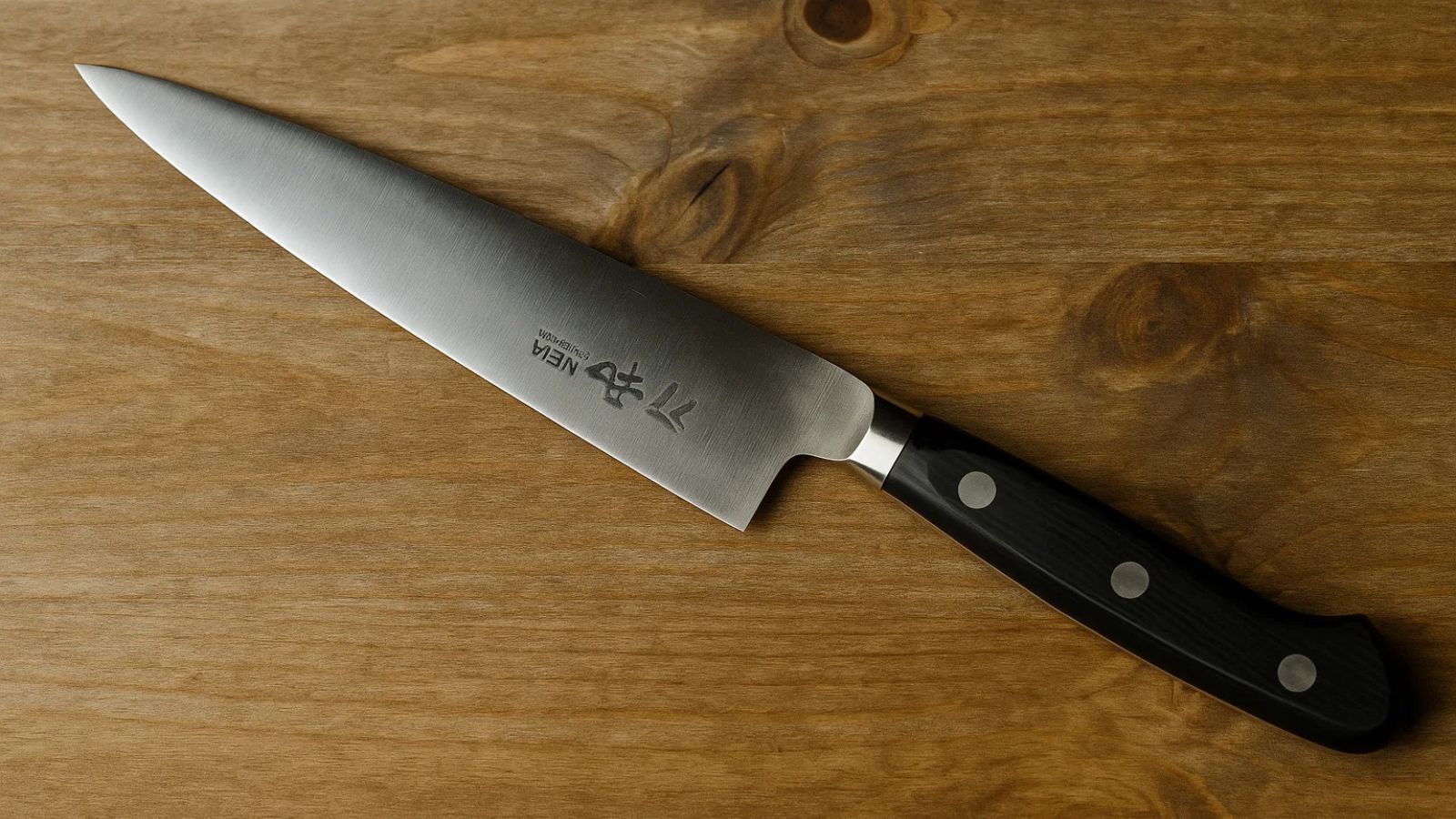
Introduction: Why the Petty Knife Deserves Your Attention
If you've ever marveled at the precision of Japanese knife skills, the delicate julienne of daikon, the elegant curve of a sliced apple, or the smooth glide through a fillet there’s a good chance a petty knife was at work. Smaller than a gyuto (牛刀, chef’s knife) yet more versatile than a paring knife, the petty knife is the unsung hero of both professional and home kitchens.
Named after the French "petite," the petty knife blends compact size with razor-sharp performance. In Japan, where culinary precision is an art form, these knives are trusted for intricate tasks like peeling, slicing fruit, trimming vegetables, and even filleting small fish. Let’s explore what makes a Japanese petty knife exceptional and how this blade might just become your new everyday essential.

Japanese Craftsmanship: What Sets a Petty Knife Apart
Traditional Materials, Modern Performance
Many Japanese petty knives are forged using legendary steels like white #2 carbon (shirogami #2) or blue #1 carbon (aogami #1), known for their exceptional sharpness and edge retention. More rust-resistant options like ginsanko stainless or inox steel provide durability without sacrificing performance ideal for busy kitchens.
Other popular steel types include:
- AUS-8 stainless: Excellent for beginners due to ease of maintenance
- Carbon clad: Combines the sharp edge of carbon with a protective stainless layer
- Mono-steel: Offers clean aesthetics and simplified sharpening
Signature Shapes and Geometry
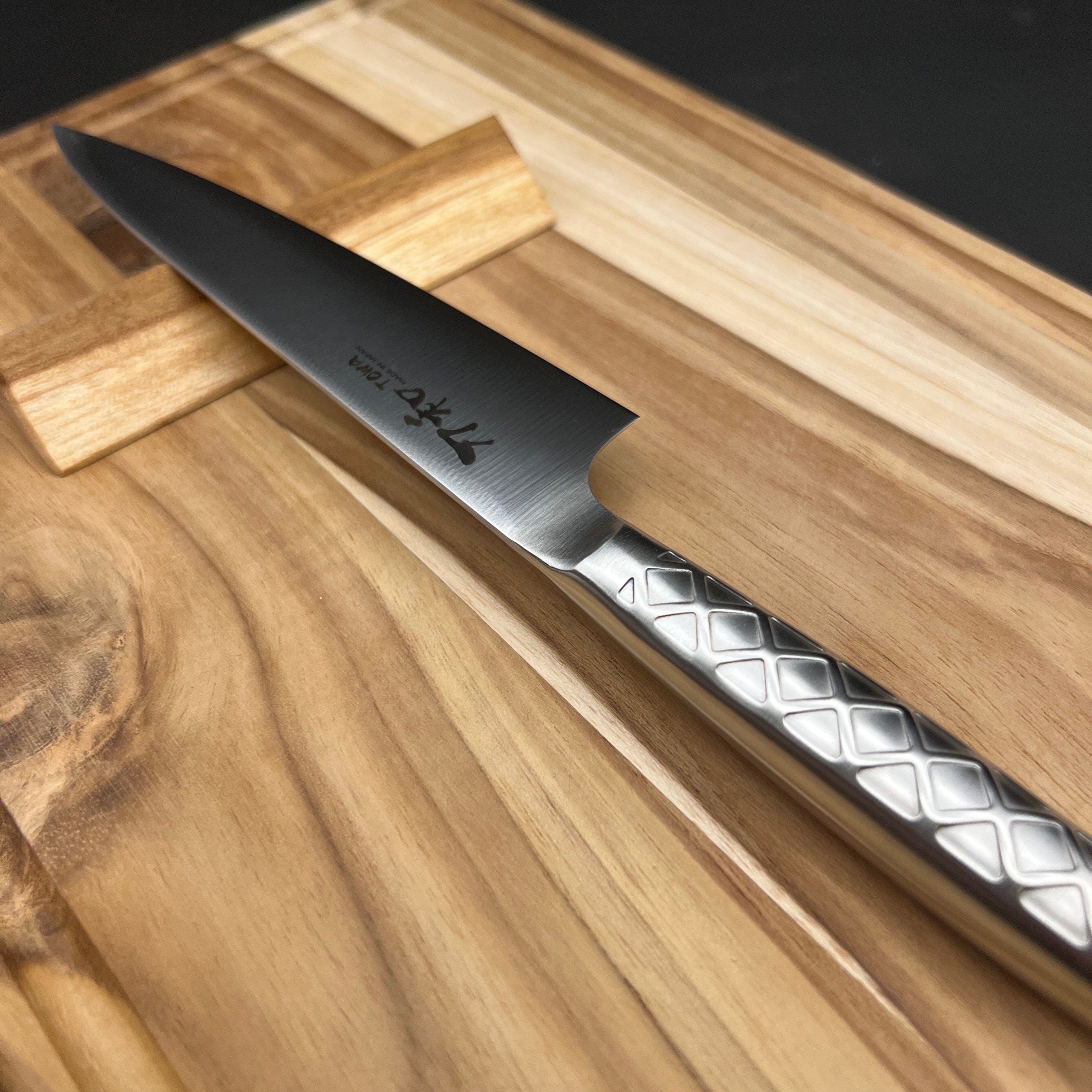
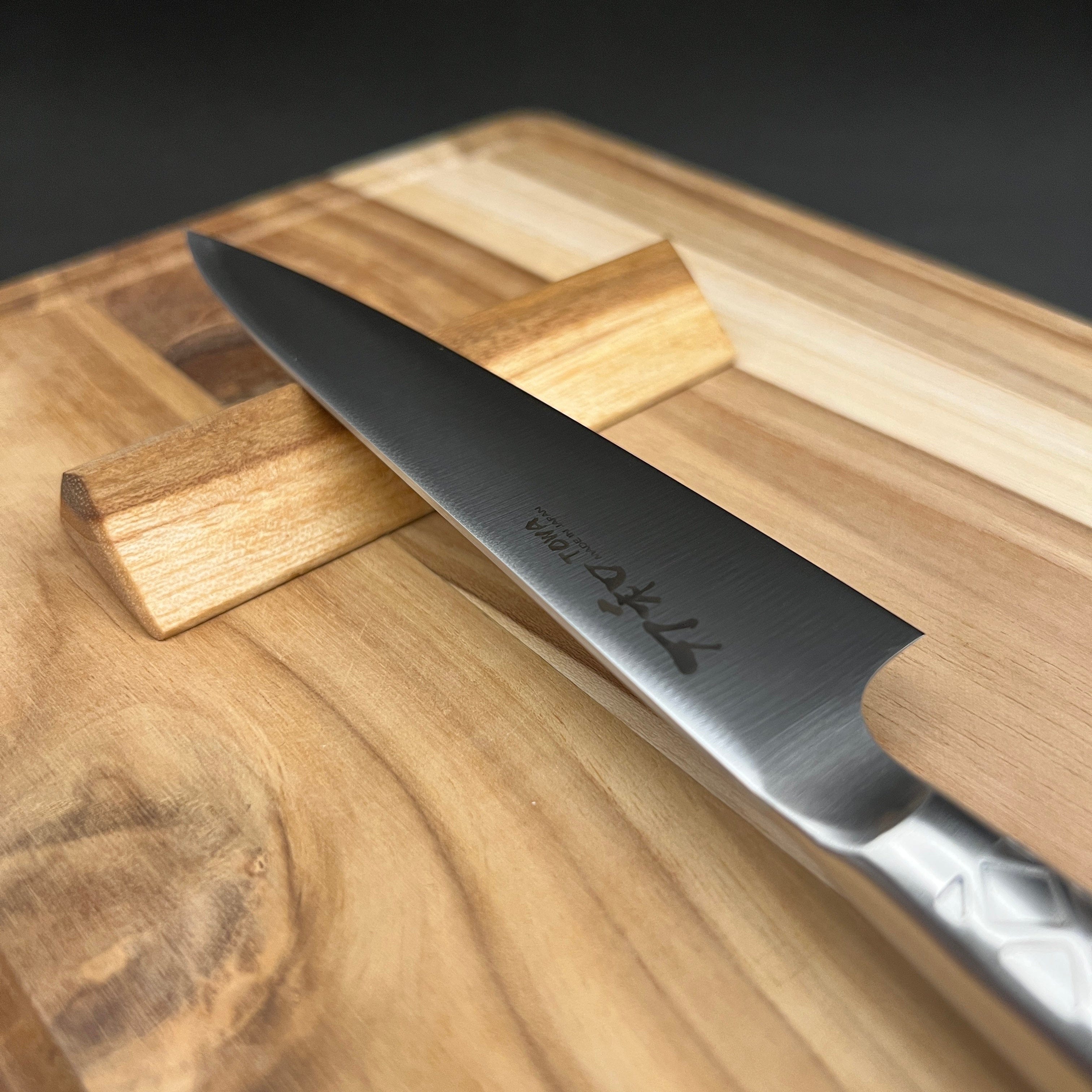
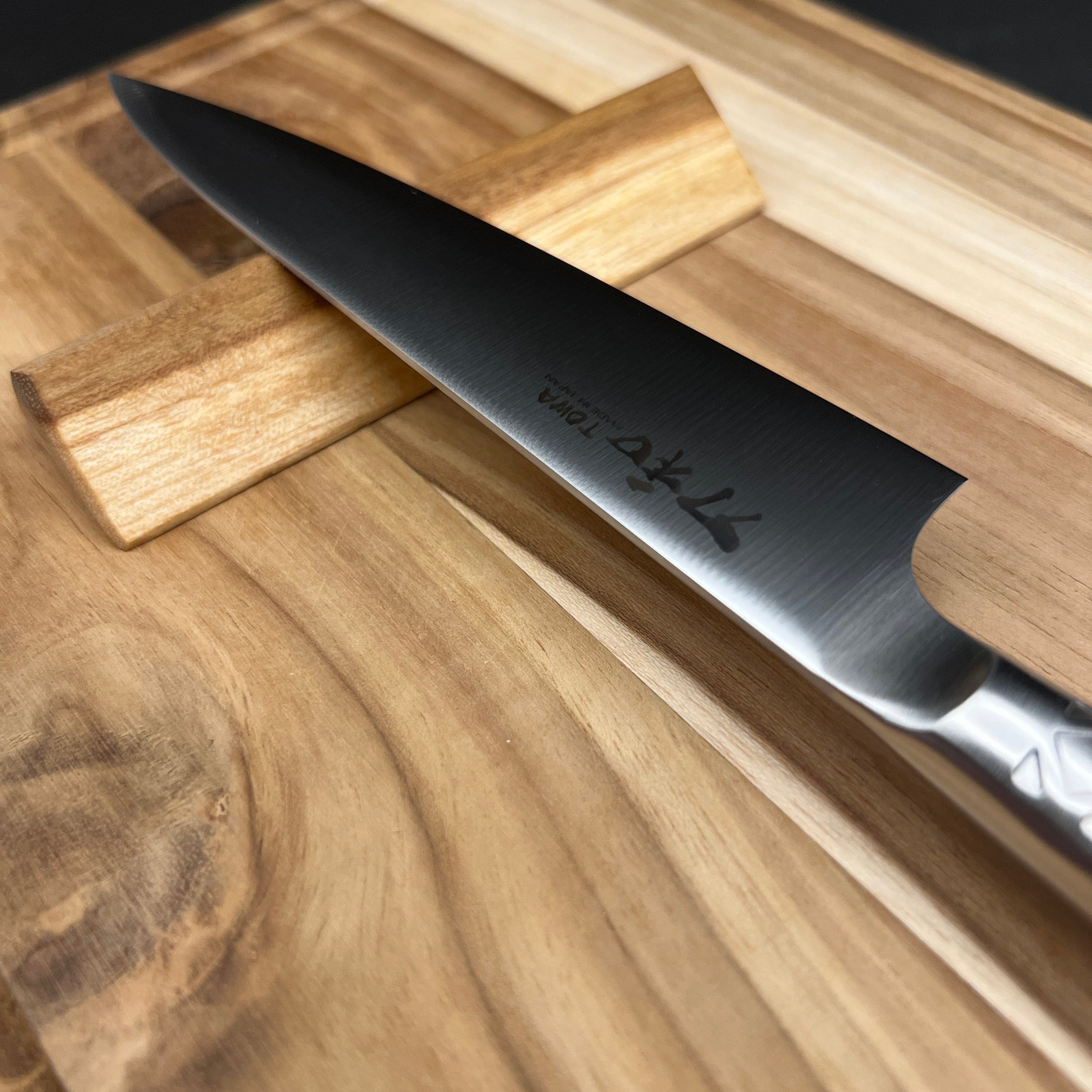
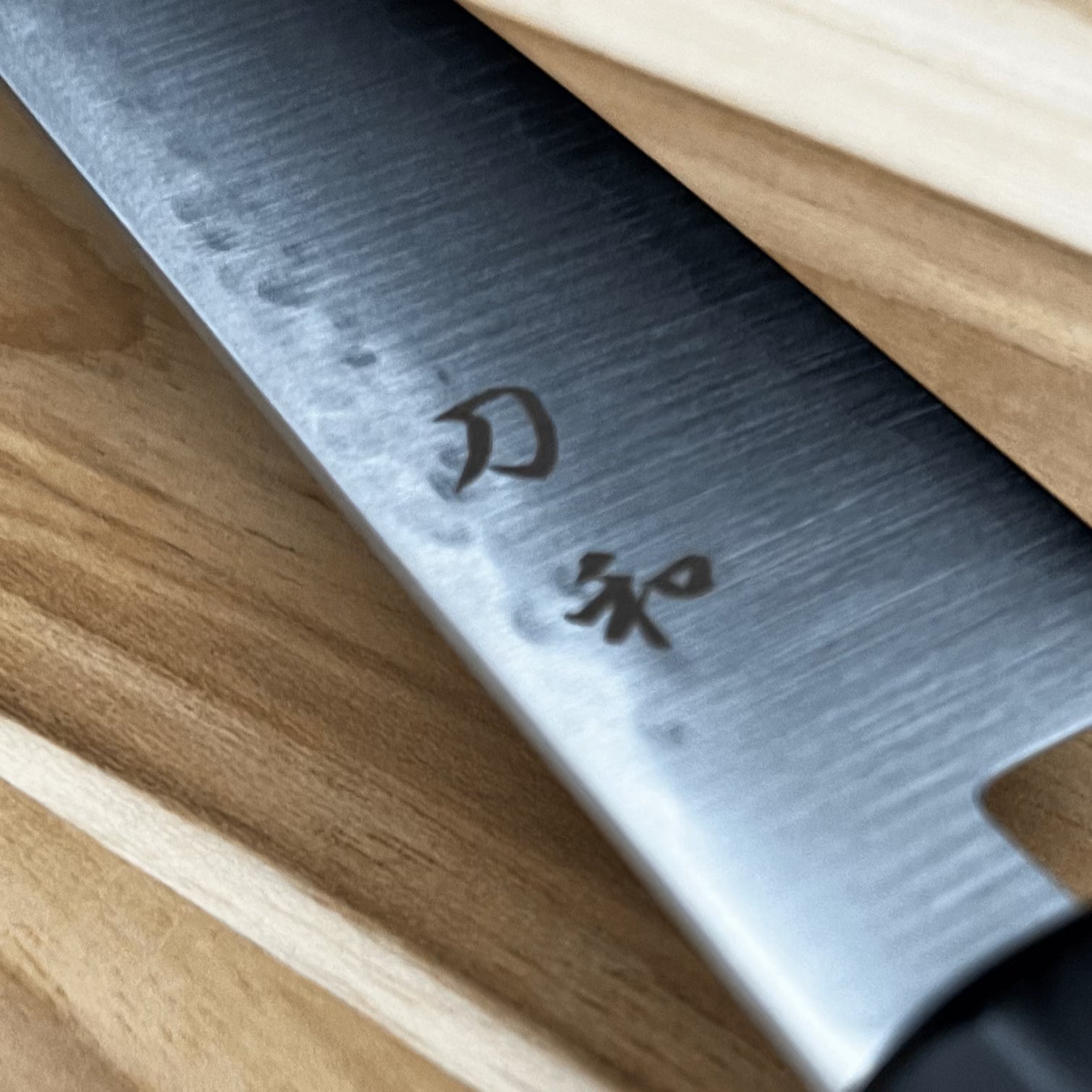
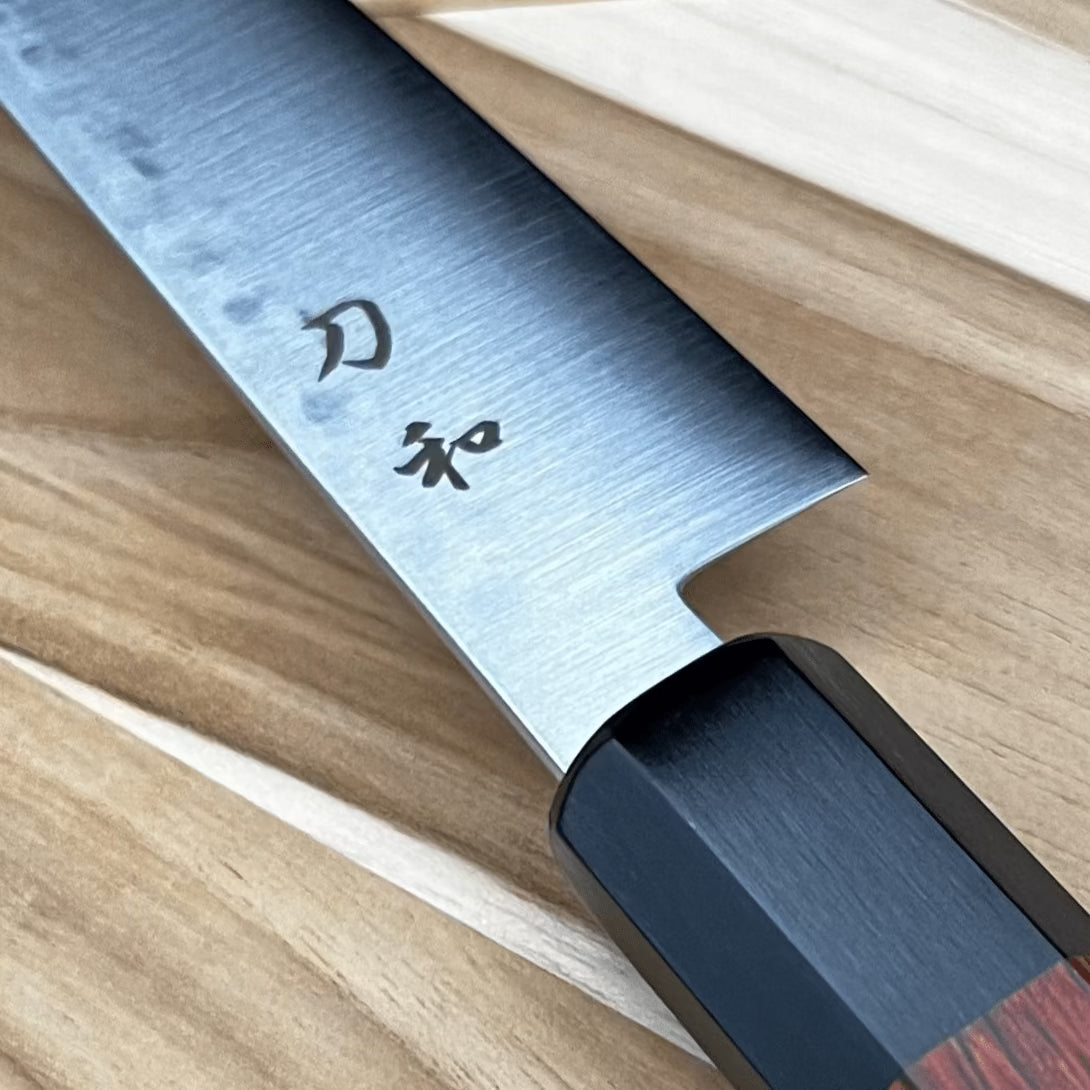
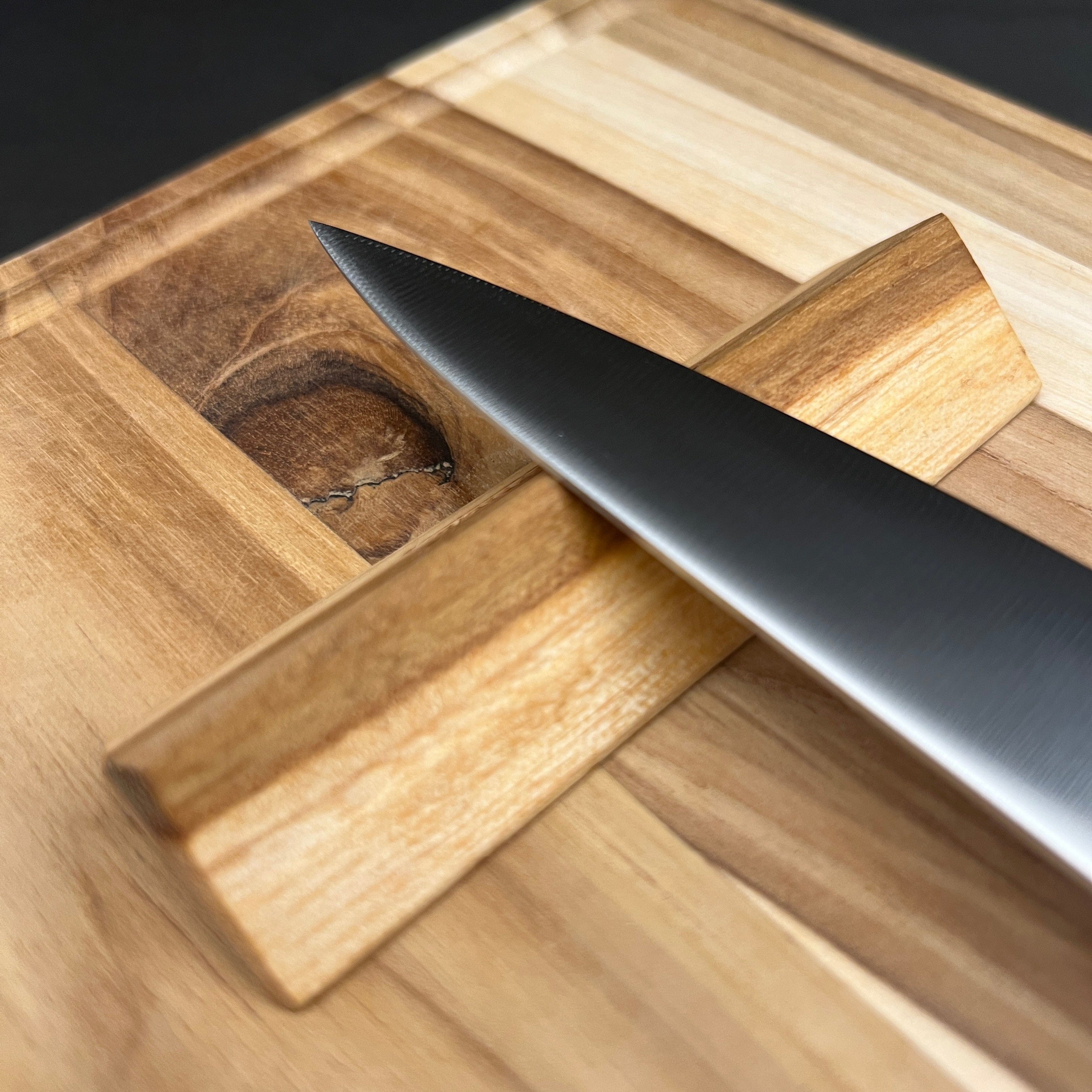
A true Japanese petty features a distal taper a blade that gradually thins toward the tip for superior control. Many also include a convex grind, improving cutting performance and food release. The spine and choil (the back and heel of the knife) are often polished for comfort, especially if you use a pinch grip.
A Tool for Every Task: Petty Knife Utility in the Kitchen
Despite their size typically ranging from 120mm to 180mm (4.7–7 inches) petty knives shine across a surprising range of tasks:
- Peeling and paring fruits and vegetables
- Trimming vegetables with clean cuts
- Filleting and boning small fish or poultry
- Chopping herbs with precision
- Making garnishes or scoring ingredients for presentation
- Navigating tight spaces on the cutting board
Think of it as the perfect in-between: more nimble than a chef knife, more capable than a paring knife. Whether you’re crafting intricate dishes or making breakfast, a good petty knife will be your go-to.

Sizing, Styles, and Handles: Finding the Right Fit
Types and Sizes
Japanese petty knives come in various constructions and aesthetics:
- Kiritsuke petty-utility: A hybrid with a flatter edge, ideal for push cuts
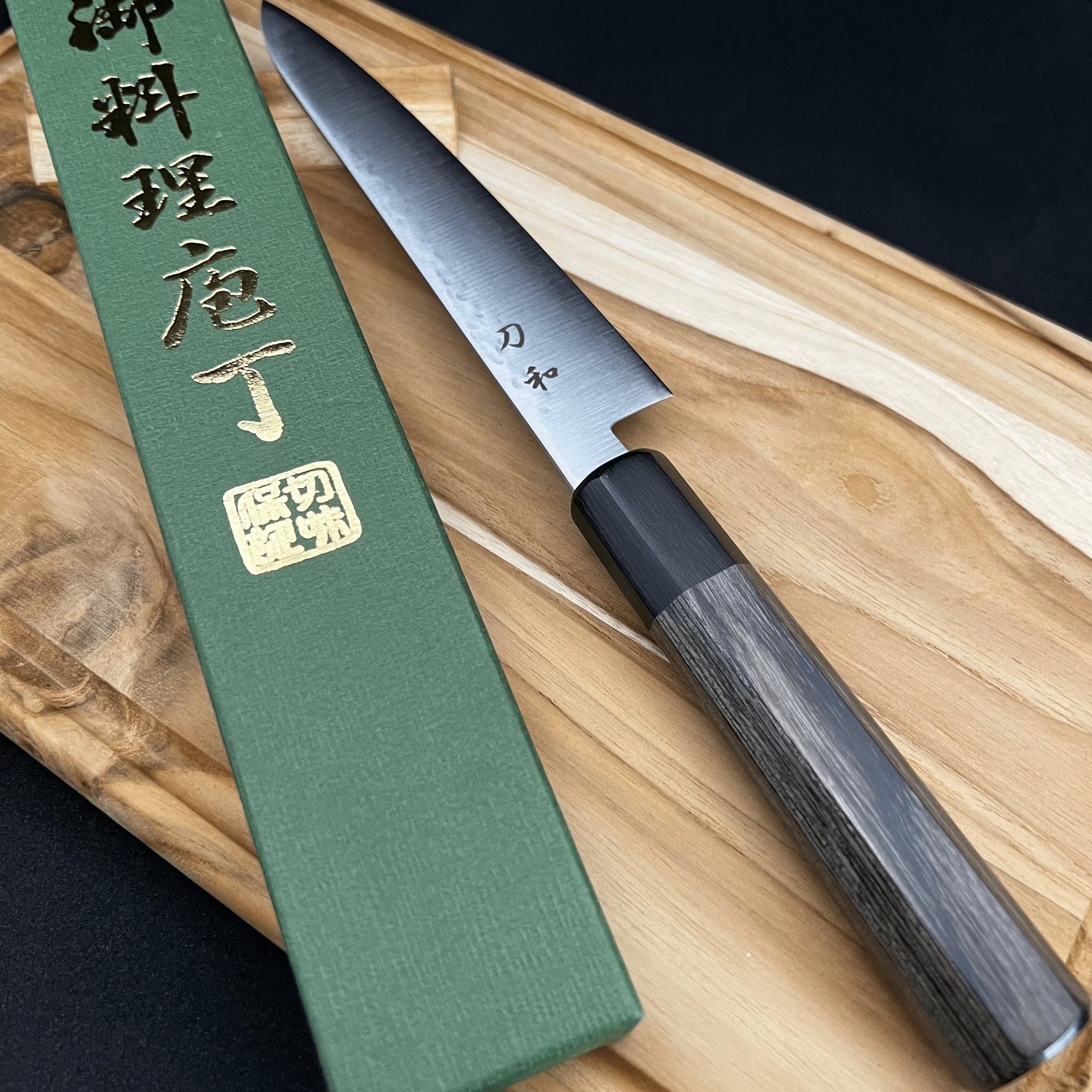
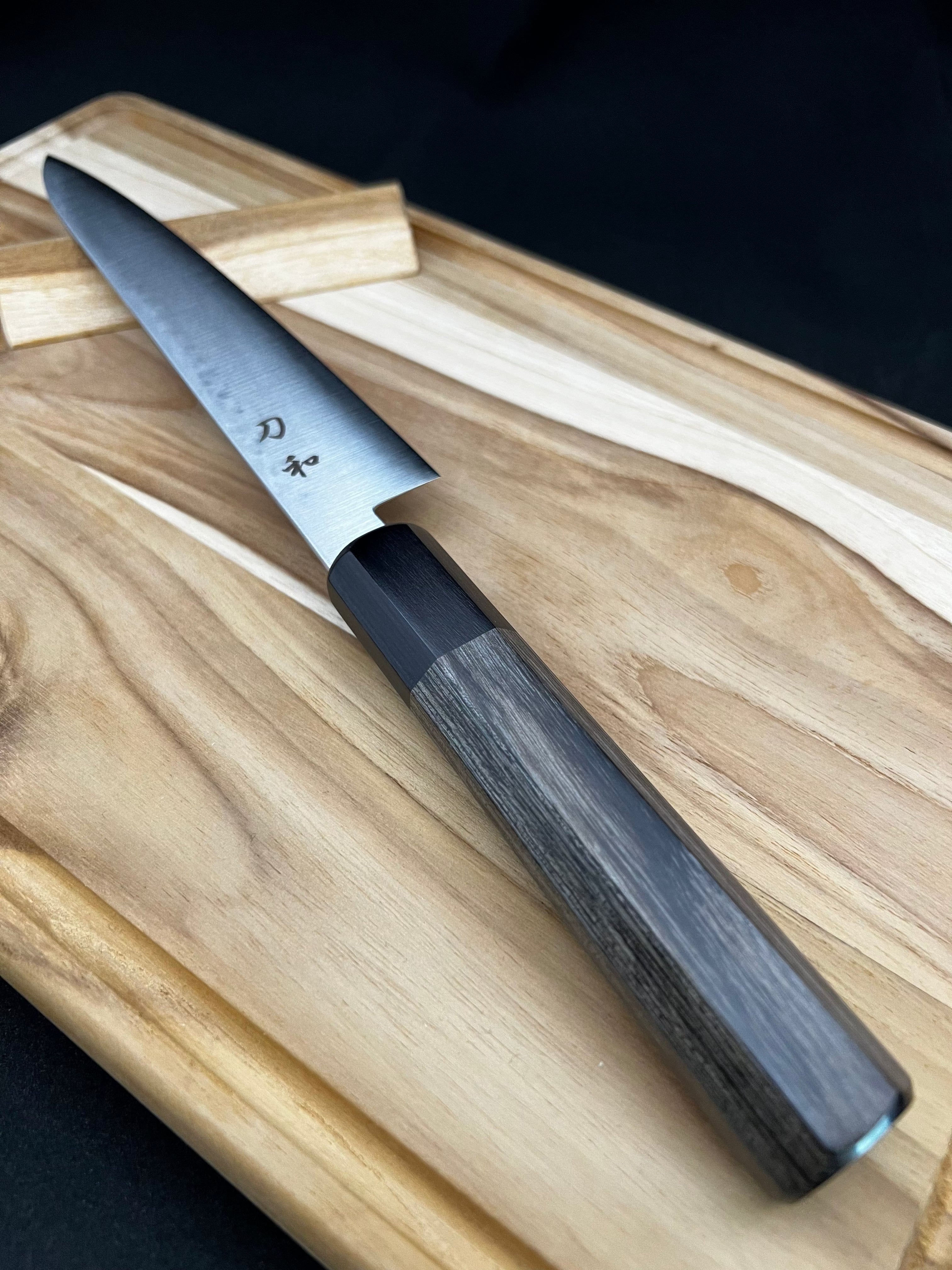
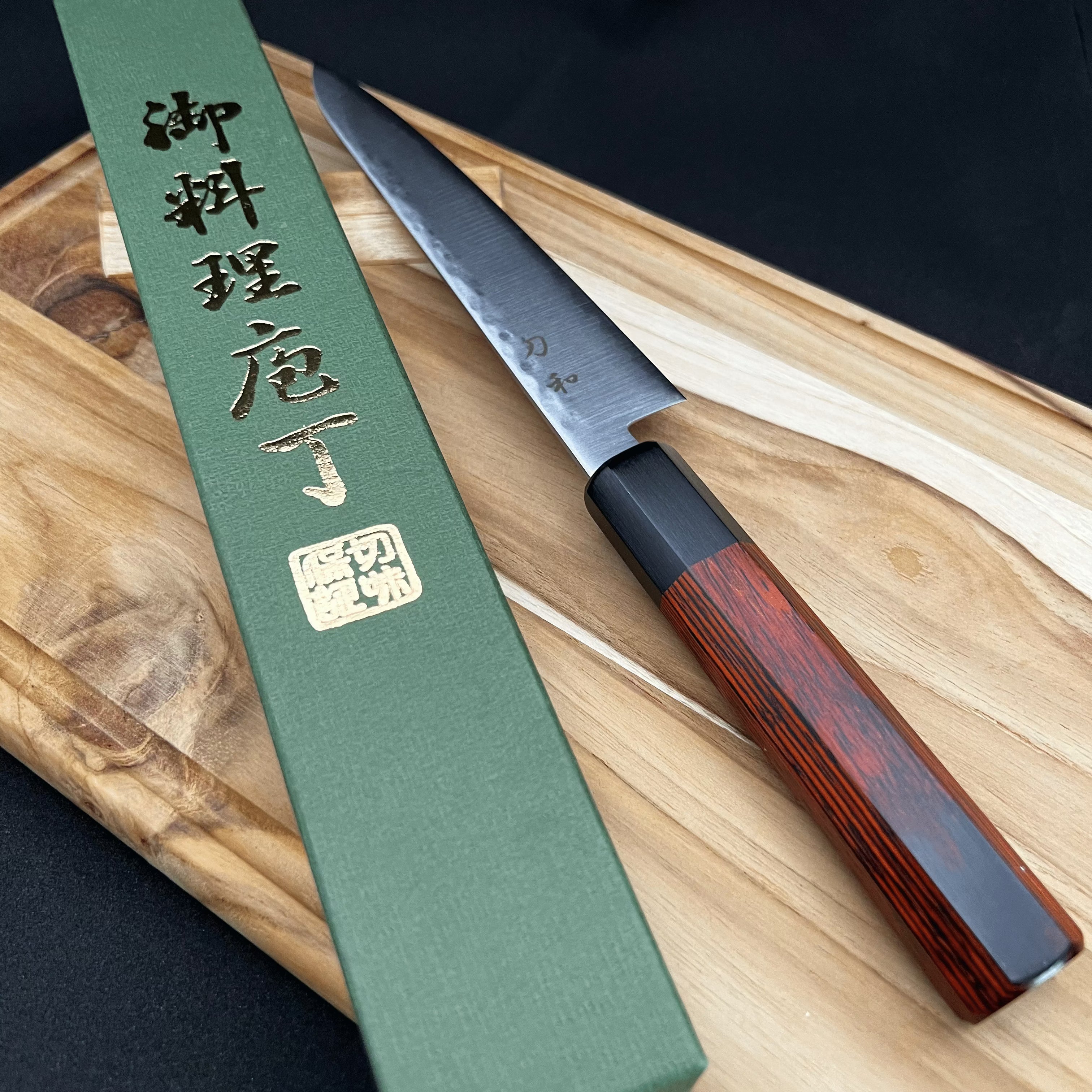
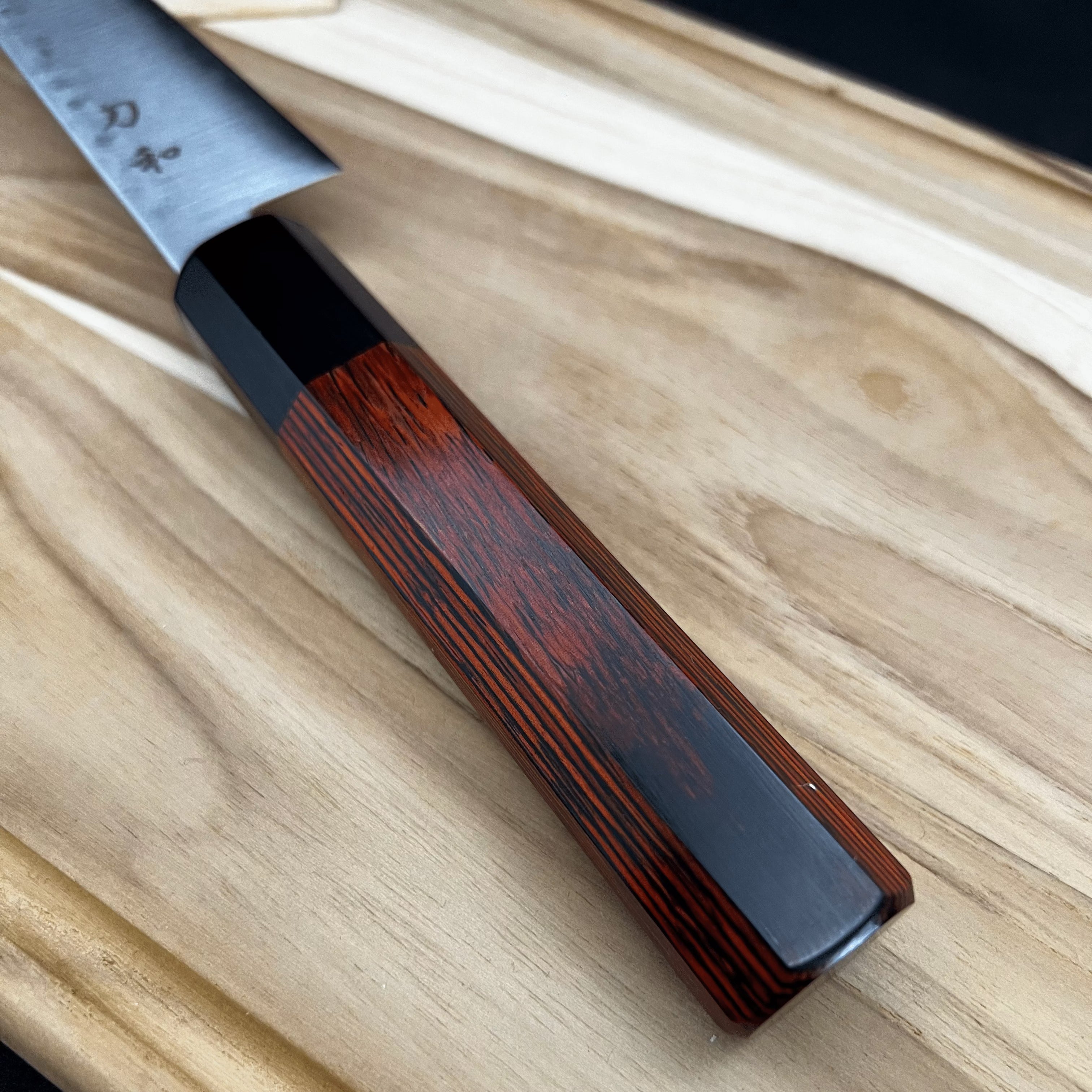
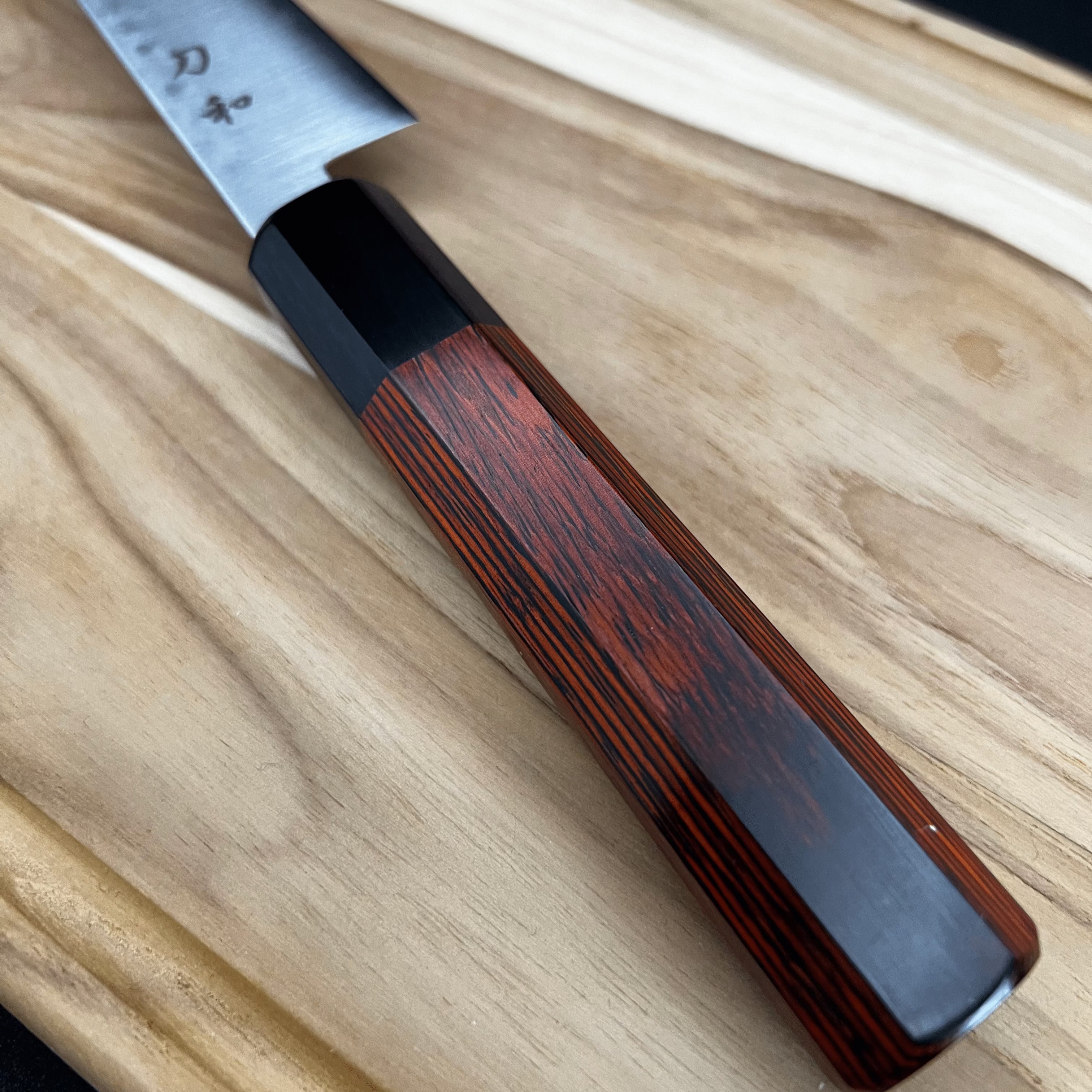
- Wa-petty: Traditional Japanese handle (wa-handle), often octagonal
- Stainless Damascus clad: Known for its beautiful wavy patterns
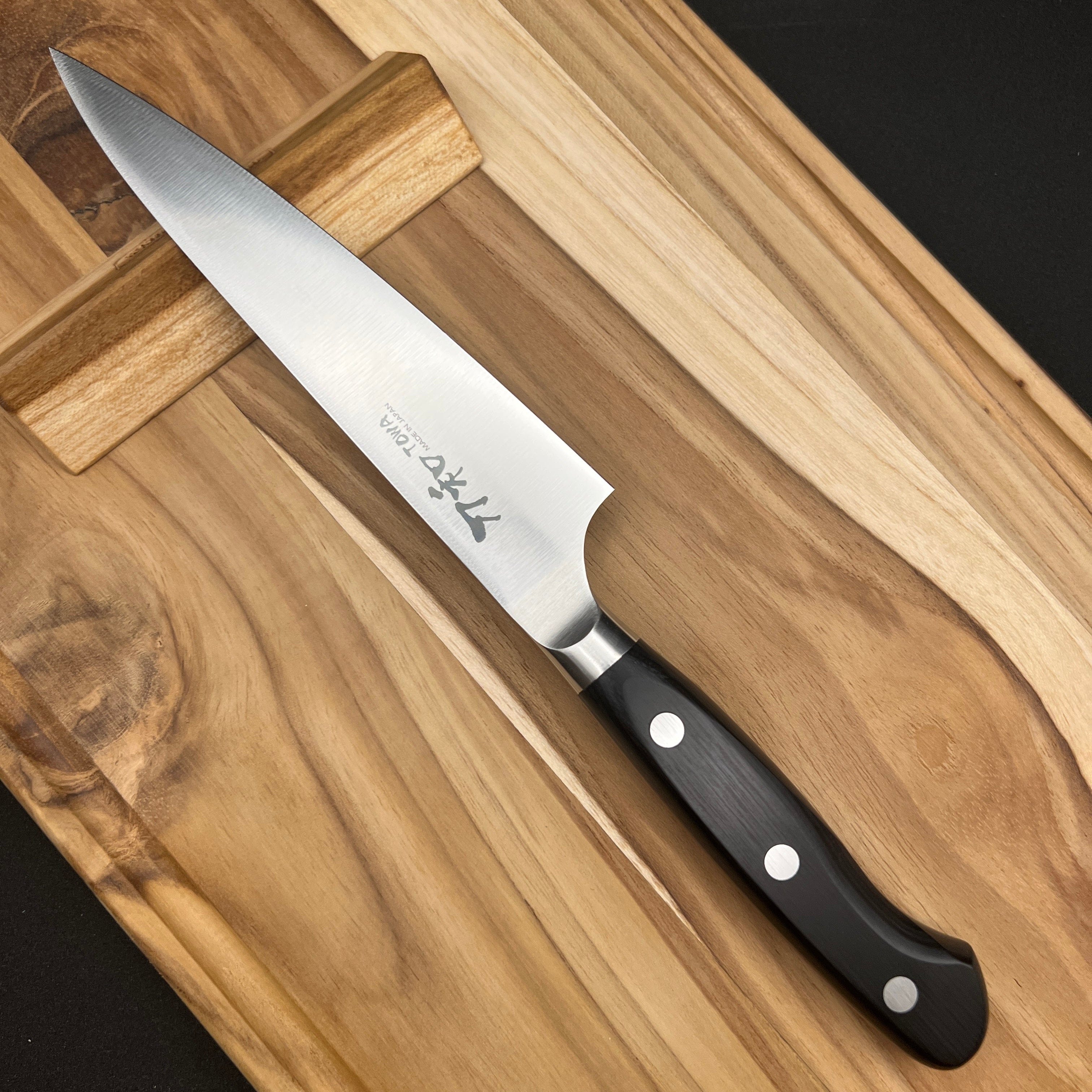
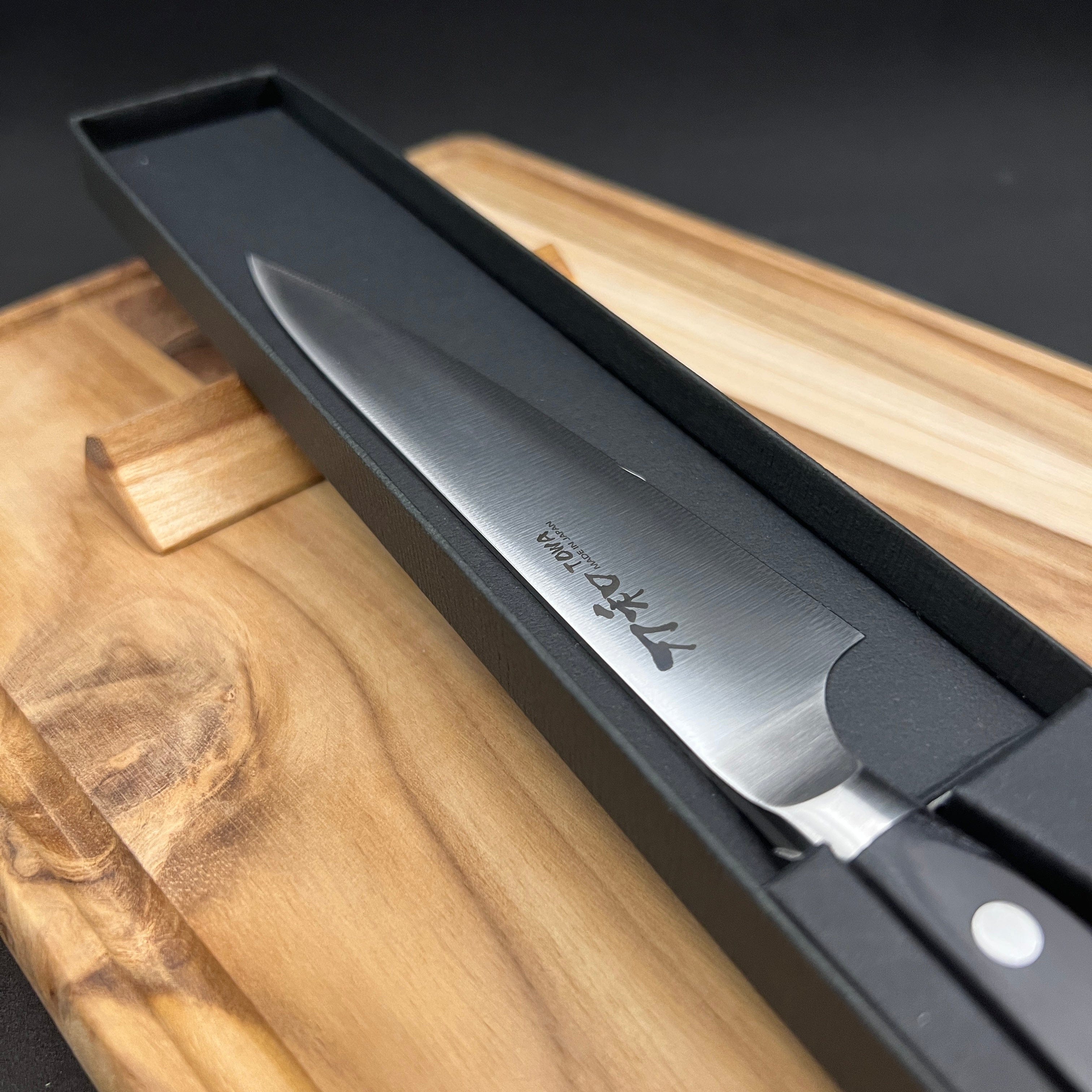
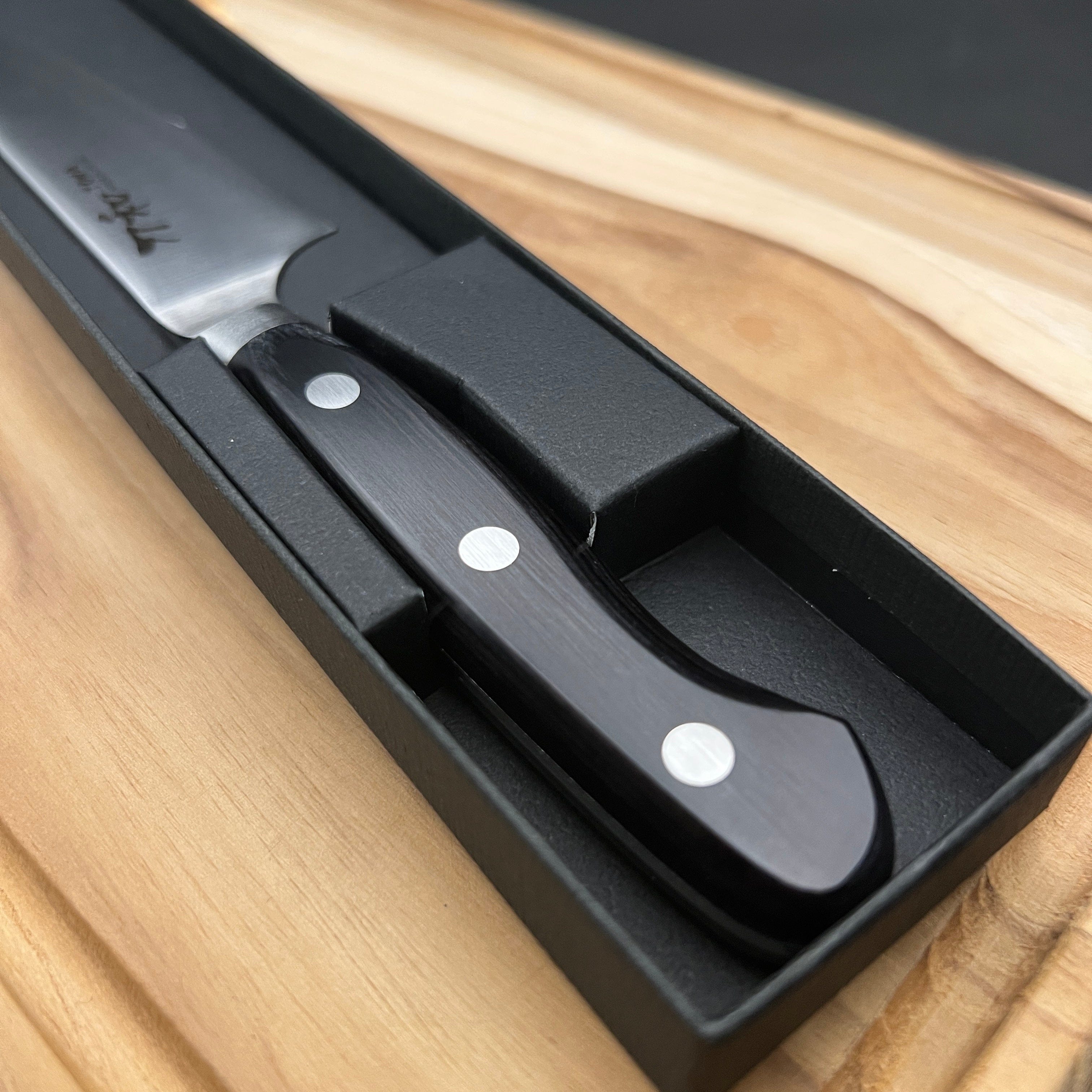
- Western pakkawood: For those who prefer Western-style grip
Important specs to consider:
- Blade length: Typically 150mm–165mm (6" is popular)
- Spine thickness and blade height at heel: Affect control and strength
- Construction type: Mono-steel vs. clad steel
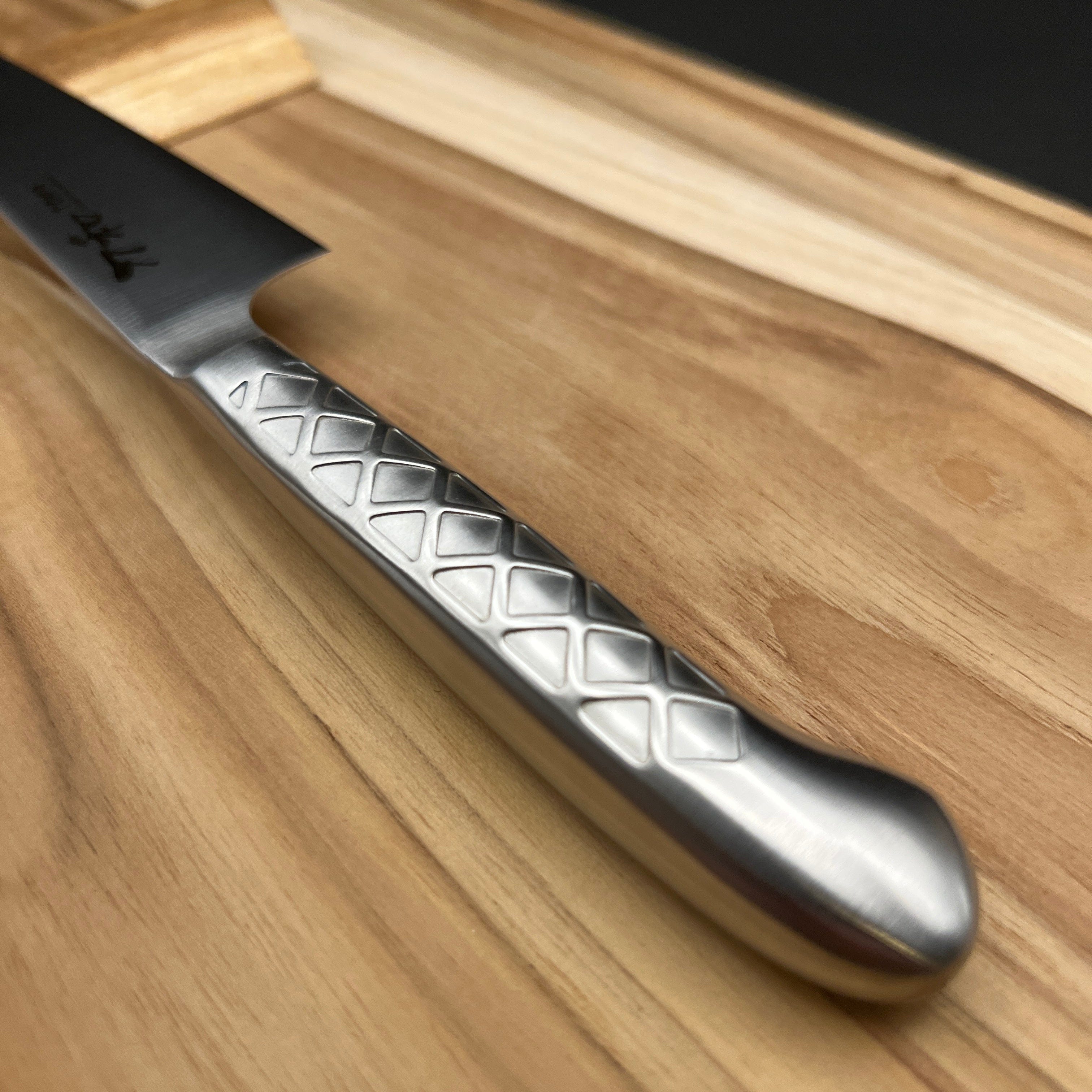
- Handle type: Options include octagonal ho wood, burnt chestnut, or walnut with a walnut ferrule
Caring for Your Petty Knife: Maintenance and Warranty
A Japanese petty knife is an investment worth protecting. Here’s how to make it last:
- Sharpening: Many artisans and retailers offer lifetime sharpening. For those doing it themselves, a wide-bevel sharpening technique maintains the edge best.
- Cleaning: Hand wash only. Avoid dishwashers and wipe dry immediately.
- Storage: Use a saya or knife guard to protect the edge.
- Warranty: Many premium petty knives come with a lifetime warranty covering craftsmanship, including issues with forging, heat treatment, or structural defects.
Pro tip: Maintain the polish, and regularly inspect the core steel edge for chips.

How to Choose Your First (or Next) Petty Knife
Key Considerations
- Experience level: Beginners may prefer aus-8 stainless for low maintenance.
- Task type: For intricate work, go with kiritsuke petty-utility or single bevel for ultimate control (like with a yanagiba).
- Aesthetic preferences: Love tradition? Choose a kurouchi finish. Want sleek minimalism? Go for mono-steel with a hard wood handle.
Bring Japanese Craftsmanship Into Your Kitchen
A petty knife is more than a blade, it’s a gateway to the heart of Japanese cooking philosophy: precision, beauty, and respect for ingredients.
Explore our curated collection of Japanese petty knives and artisan tableware at MyJapaneseWorld.com because the tools you use should be as artful as the meals you create.


Share: