

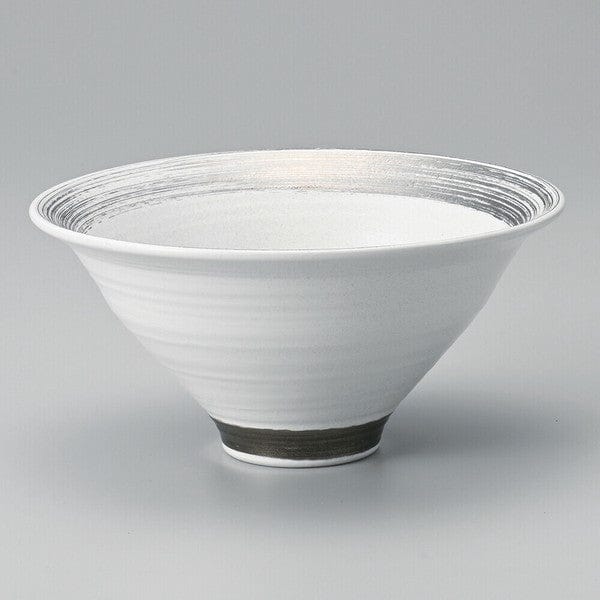
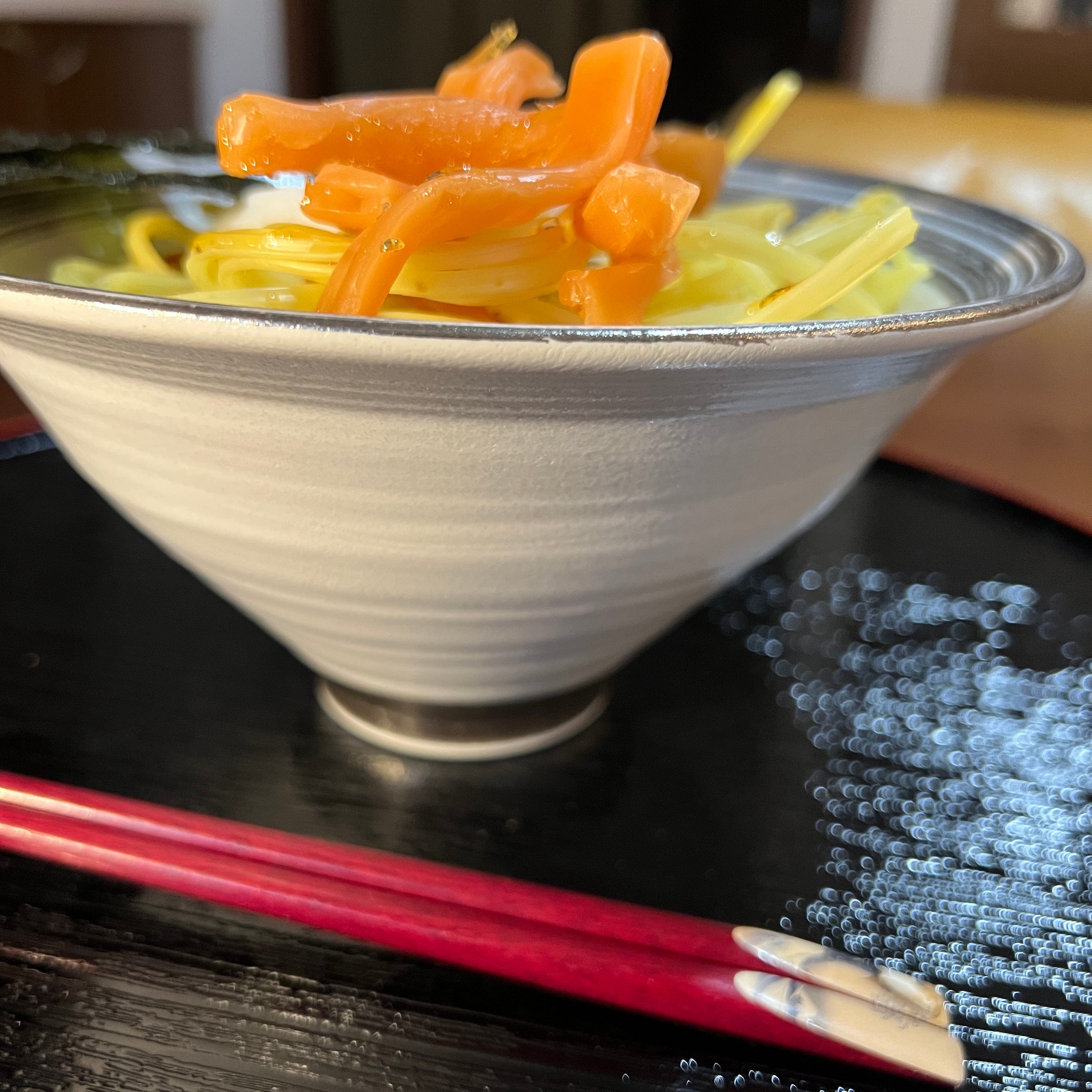


Shirokessho Ramen Bowl
Secure, insured delivery from Japan
Worldwide shipping from $30 · free over $150. Shipping policy
$59 of $150 with this item · $91 to go
U.S. duties prepaid
No extra import charges on delivery — the price you see is the price you pay. Learn more
Sourced in Japan, from the makers
Direct from Japanese workshops and their authorised channels.
Why You’ll Love It
Pairs well with
Shirokessho Ramen Bowl
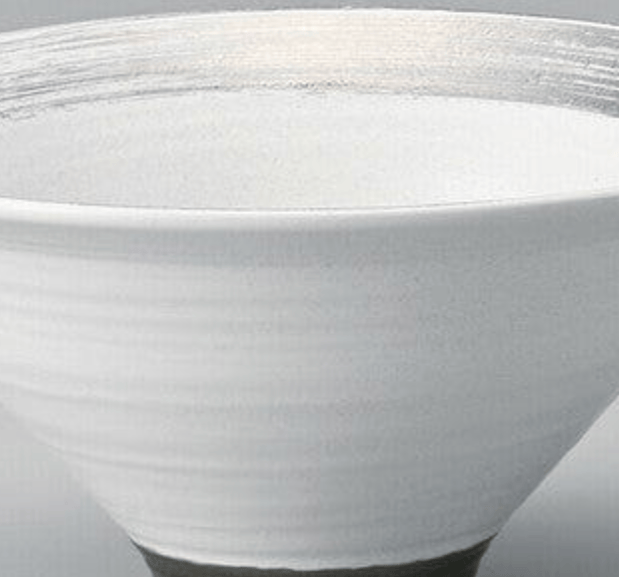
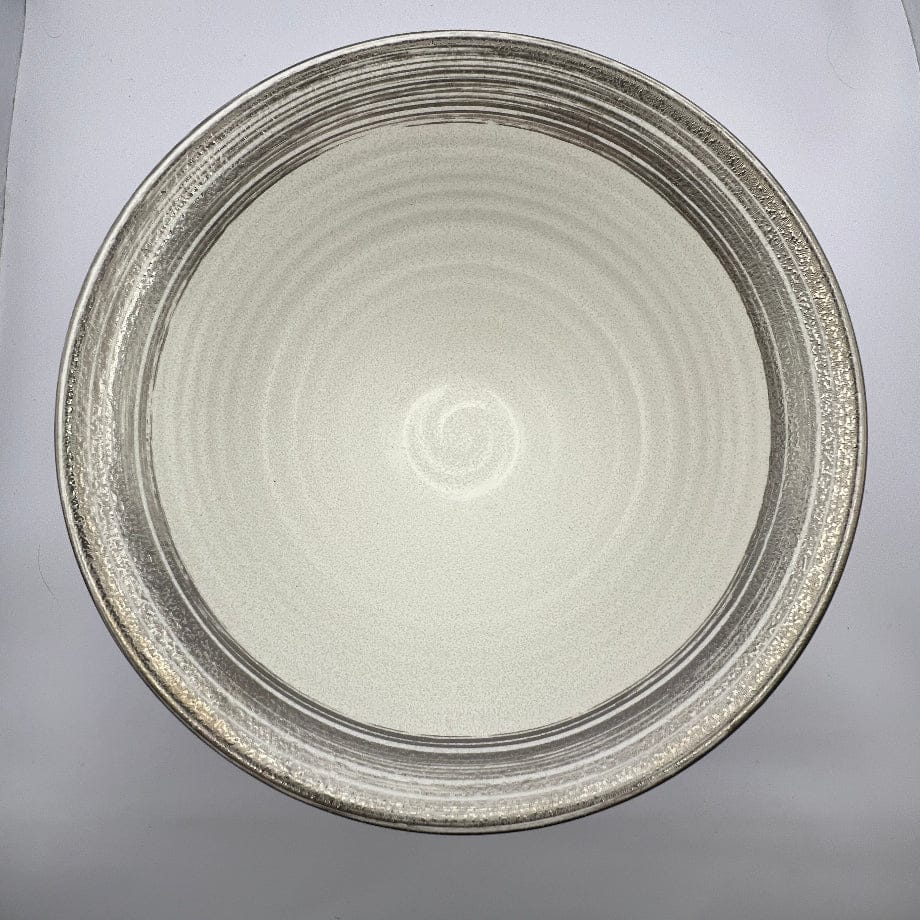
Indulge your senses with the Shirokessho Ramen Bowl, a beautiful representation of Japanese craftsmanship and modern design. Handcrafted in Gifu Prefecture, Japan, this bowl exemplifies the cherished Minoyaki pottery tradition, where each piece is crafted with care. The bowl's minimalist aesthetic features a soft matte-white surface with subtle gray tones, evoking the tranquility of a snowy landscape and creating a serene dining experience.
Elegant Design Meets Functionality
Measuring approximately 7.5 to 8 inches (19.7 cm) in diameter and 3 inches (7.6 cm) in height, the Shirokessho Ramen Bowl is ideal for serving ramen, udon noodles, rice, salads, or simmering dishes. Its tall, flared shape and wide opening showcase your culinary creations, allowing steam to rise, enhancing the aroma and flavor of your favorite dishes. The smooth glaze ensures effortless cleaning, making it not just an aesthetic piece but a practical addition to your kitchen. Weighing around 1.1 lb (500 g), the bowl provides a solid feel while remaining lightweight for easy handling.
Artisan-Made Touch
The handmade metallic silver banding along the rim adds sophistication and catches the light, resembling frost on a winter morning. Beneath the glaze, faint wheel-thrown textures reveal the maker’s hand, embodying the beauty of imperfection. This bowl is more than just tableware; it’s a distinct piece of art that enriches both casual meals and special gatherings.
Versatile and Practical
This bowl combines versatility and elegance, making it perfect for hosting dinner parties or enjoying a cozy meal. It’s dishwasher-safe and easy to store, ensuring convenience in your modern lifestyle. Experience the blend of tradition and modernity with the Shirokessho Ramen Bowl. Each use not only enriches your meals but also connects you to the craftsmanship of Japanese pottery. Add this artisan-made piece to your collection and enhance your dining experience today!
Compare different shapes and finishes in our Japanese ramen bowl collection.
Product Information
Care instructions
Mino ware · Gifu, Japan
Mino ware: 1,300 years of ceramic innovation
Mino ware comes from the Tono region of Gifu Prefecture, one of Japan's most important ceramic-producing areas. Over centuries, kilns in the region developed a remarkable range of styles, from restrained Shino and Oribe pieces tied to tea culture to everyday tableware for modern Japanese homes. Rather than being defined by a single look, Mino ware is known for that diversity. A ceramic tradition that has continued to evolve with the way people actually live and eat.
Discover Mino
Learn more about Mino ware
What is Mino ware?
Mino ware, or Minoyaki, is the broad ceramic tradition associated with the Mino region of present-day Gifu Prefecture. Rather than describing one fixed aesthetic, the name encompasses ceramics with a wide range of forms, glazes and decorative approaches developed across the region over more than 1,300 years.
Why is Mino ware so diverse?
Mino developed as a large ceramic-producing region rather than around one narrowly defined style. Generations of potters experimented with different clays, firing methods, shapes and glazes, creating a tradition in which rustic tea wares, expressive glazes and practical everyday tableware can all belong to the same ceramic family.
What are Shino and Oribe?
Shino and Oribe are two of the best-known ceramic traditions associated with Mino. Shino is celebrated for its soft white glaze, subtle texture and often understated decoration, while Oribe is known for expressive forms and distinctive green, black and painted surfaces. Together with Kiseto and Setoguro, they are closely associated with the celebrated Momoyama-period tea ceramics of the Mino region.
Where is Mino ware made?
Mino ware is produced primarily in the Tōnō area of eastern Gifu Prefecture, including major ceramic centres such as Tajimi, Toki and Mizunami. The region remains one of Japan's most important centres of ceramic and tableware production today.