This site uses cookies for better user experience and analytics.
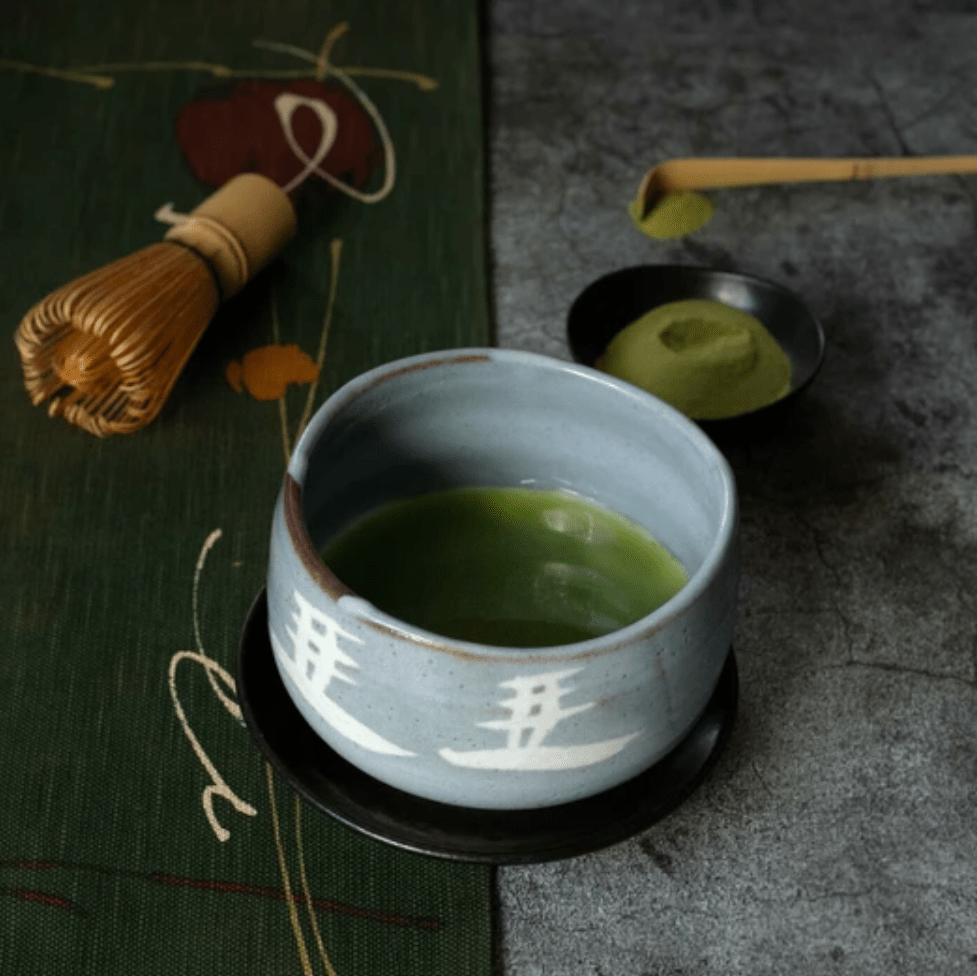
Large Nodate Mino Matcha Bowl by Kazufumi Wada
$49.00
No reviews
No reviews yet · Customers rate us 4.9/5 (46 reviews) · Read them
Mino Ware • Large Matcha Chawan • 19.6 fl oz / 580 ml • Toki, Gifu, Japan
In stock
Ships within 4 business days
Secure, insured delivery from Japan
Worldwide shipping from $30 · free over $150. Shipping policy
$49 of $150 with this item · $101 to go
U.S. duties prepaid at Checkout
No extra import charges on delivery — the price you see is the price you pay. Learn more
Sourced in Japan, from the makers
Direct from Japanese workshops and their authorised channels.
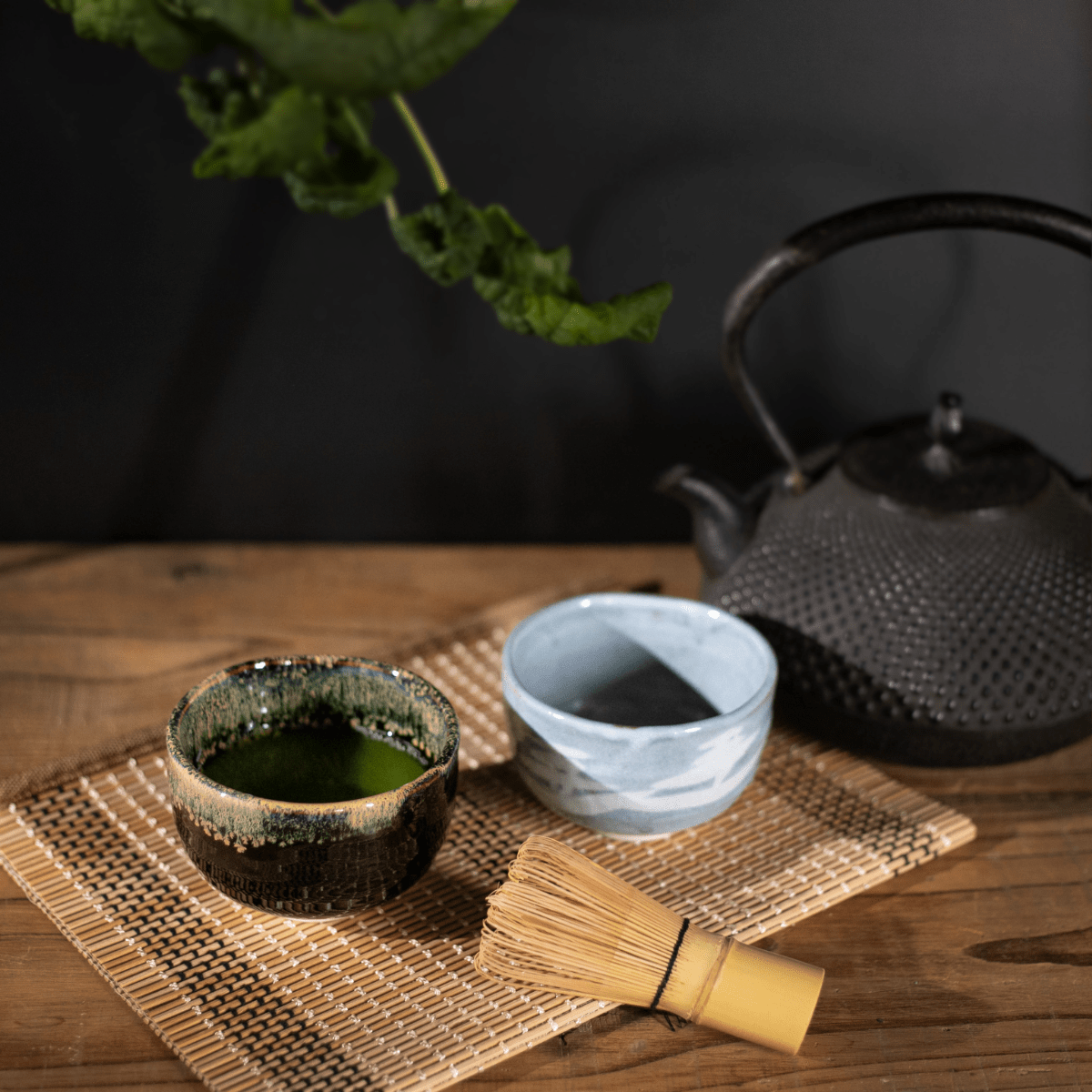
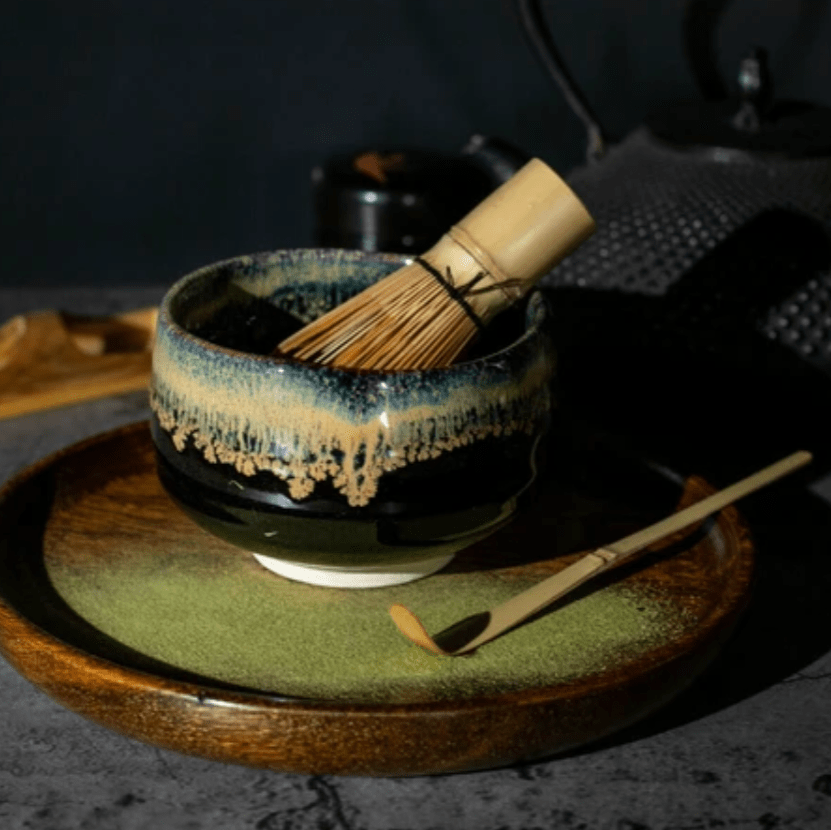
A generously sized Mino ware chawan made in Toki, Gifu, under the supervision of Kazufumi Wada. Its wide, open form gives the bamboo whisk plenty of room to move, while the substantial pottery body feels stable in the hands and on the table. With a capacity of 19.6 fl oz (580 ml), it is especially well suited to those who prefer more space for whisking and a more substantial matcha bowl.
Why You’ll Love It
xtra room for whisking — the wide, open form gives the chasen plenty of space to move freely
Generous 19.6 fl oz / 580 ml capacity for comfortable matcha preparation
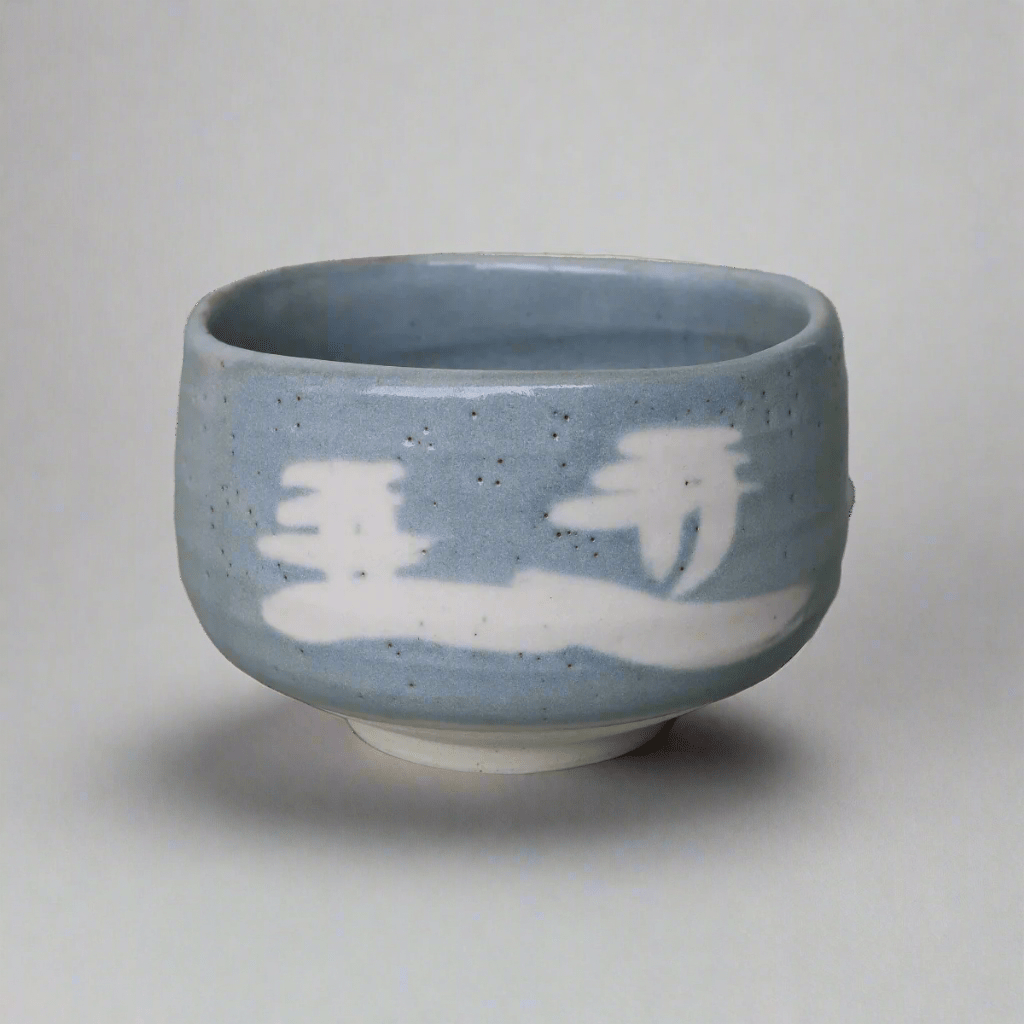
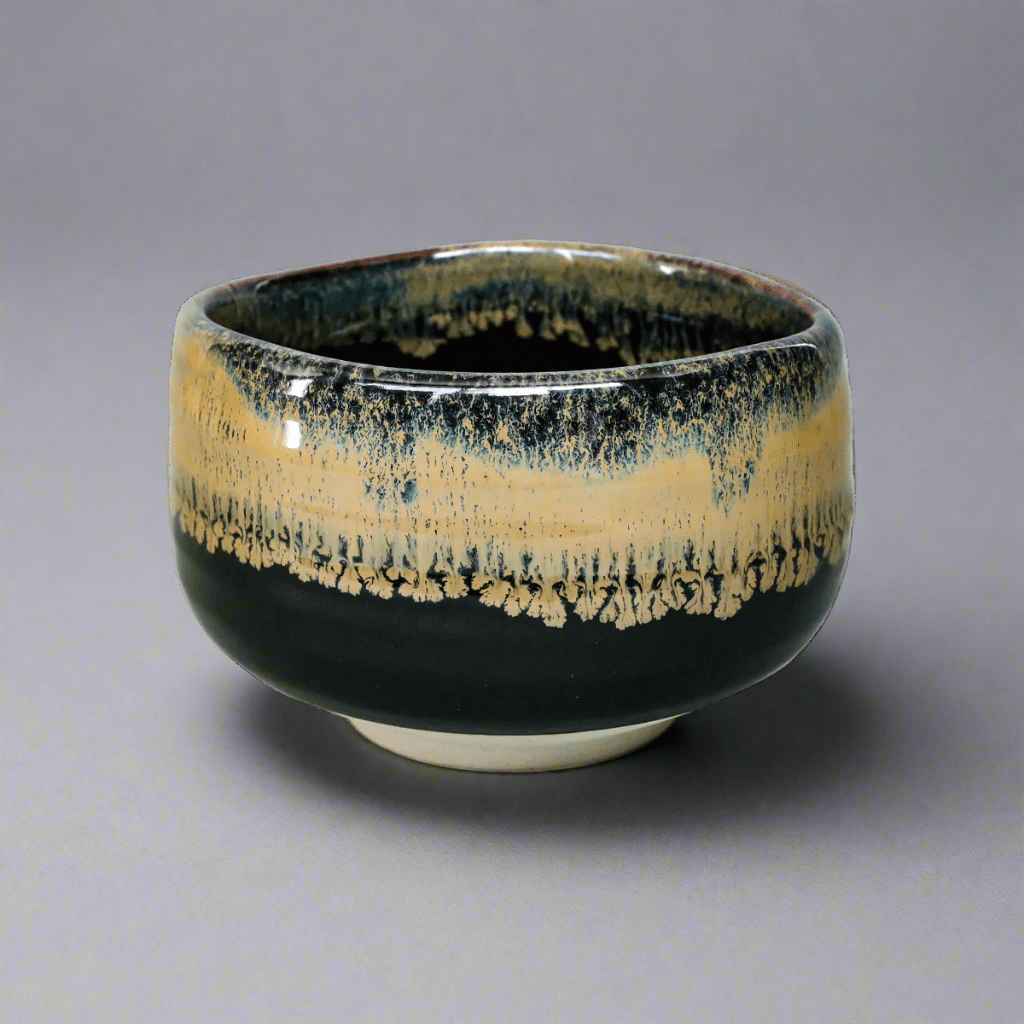
Two distinctive finishes — Tenmokukin Unofunagashi in gold or Nezumishino Sansui in gray
Mino ware from Toki, Gifu, one of Japan’s major ceramic regions
Individual glaze variation gives each bowl its own surface character
The Large Nodate Matcha Bowl is a Mino ware matcha bowl, handcrafted in Toki City, Gifu Prefecture, under the supervision of Kazufumi Wada. Its wide, open form gives you space to whisk matcha comfortably and move at an unhurried pace.
It holds up to 19.6 fl oz (580 cc). Its large capacity makes it suitable for generous servings, shared preparation, or anyone who prefers extra whisking space.
The bowl is offered in two finish options: Tenmokukin unofunagashi in gold and Nezumishino sansui in gray.
Made from pottery with a substantial feel, it is designed to sit steadily in the hand and on the table. Hand wash recommended. Not suitable for microwave or dishwasher use. Avoid soaking or abrasive cleaning to preserve the glaze.
Every piece carries natural variation in shape, glaze color, and texture, so each bowl has its own character.
Looking for another shape or glaze? Explore our full collection of Japanese matcha bowls.
Prefer a smaller vessel? Compare this 580 ml bowl with the 200 ml Karu Matcha Cup. If you need a bowl, bamboo whisk and whisk holder together, explore the Kamishiro Matcha Starter Set.
Product Information
Dimensions: 4.5 in diameter × 3.2 in H (11.5 × 8 cm)
Hand wash recommended. Not suitable for microwave or dishwasher use. To preserve the glaze, avoid soaking or abrasive cleaning.
Artisan & Craft
Kazufumi Wada works in Toki, Gifu Prefecture, at the heart of the Mino ceramic region. His approach combines the long-established techniques of Mino ware with forms intended for contemporary use, allowing glaze, clay and firing to give each piece its own character rather than pursuing perfect uniformity. In this Large Nodate Matcha Bowl, that approach is particularly visible in the expressive surfaces of the two finishes: the deeper, more dramatic Tenmokukin Unofunagashi and the quieter Nezumishino Sansui. The generous form remains practical at its core, offering ample room for whisking while preserving the tactile qualities that make handmade Japanese pottery rewarding to use.
Notes
Each piece may show slight irregularities in shape and variations in glaze color and texture.
Questions & Answers
How much matcha does this bowl hold?
It holds up to 19.6 fl oz (580 cc), which gives you room for one generous serving and enough space for comfortable whisking.
Is the wide shape useful for preparing matcha?
Yes. The wide opening gives the chasen more room to move, which makes whisking easier and helps the bowl feel steady in use.
What finish choices are available?
You can choose Gold or Gray. The listed finish options are Tenmokukin unofunagashi for gold and Nezumishino sansui for gray.
How should I care for it?
Hand wash only. It is not suitable for the microwave or dishwasher, and it should not be soaked or cleaned with abrasive materials.
Toki City, Gifu Prefecture, stands as a beacon of Japan's rich ceramic heritage, particularly renowned for its Mino ware (Minoyaki).
With a history spanning over 1,300 years, this region has cultivated a profound tradition of pottery.
During the Azuchi-Momoyama period (1568–1614), Toki became a sanctuary for potters fleeing conflicts in neighboring areas, leading to the establishment of kilns that produced distinctive styles like Oribe, Shino, and Setoguro ware, each celebrated for its unique glazes and forms.
Today, Toki City remains a vibrant hub for ceramic artistry, housing numerous kilns and studios that blend time-honored techniques with contemporary designs.
Made by Kazufumi Wada in Toki City, Japan
Kazufumi Wada carries forward a legacy of over 90 years at Keizan Kiln, founded by his grandfather Keijiro Wada, with an unwavering commitment to the timeless art of Japanese ceramics. A true master of his craft, Wada creates each piece entirely by hand—eschewing molds in favor of intuition, tradition, and an acute sensitivity to clay, glaze, and flame. His work is defined by a pursuit of glaze richness, achieved through meticulous control of kiln temperature and firing time, resulting in surfaces that feel both organic and refined. A member of the Mino Ceramics Association, Wada has earned numerous accolades, including selections to prestigious exhibitions such as the Asahi Ceramic Exhibition, Chunichi International Ceramic Exhibition, and the International Ceramic and Porcelain Festival. In recognition of his artistry, he was awarded the 35th Takuo Award by the Mino Ceramic Art Association. Through his guidance and creations, Kazufumi Wada offers a rare and intimate glimpse into the living tradition of Japanese pottery.
Made by Kazufumi Wada in Toki City, Japan
Kazufumi Wada carries forward a legacy of over 90 years at Keizan Kiln, founded by his grandfather Keijiro Wada, with an unwavering commitment to the timeless art of Japanese ceramics. A true master of his craft, Wada creates each piece entirely by hand—eschewing molds in favor of intuition, tradition, and an acute sensitivity to clay, glaze, and flame. His work is defined by a pursuit of glaze richness, achieved through meticulous control of kiln temperature and firing time, resulting in surfaces that feel both organic and refined. A member of the Mino Ceramics Association, Wada has earned numerous accolades, including selections to prestigious exhibitions such as the Asahi Ceramic Exhibition, Chunichi International Ceramic Exhibition, and the International Ceramic and Porcelain Festival. In recognition of his artistry, he was awarded the 35th Takuo Award by the Mino Ceramic Art Association. Through his guidance and creations, Kazufumi Wada offers a rare and intimate glimpse into the living tradition of Japanese pottery.
FAQs
All you need to know about Japanese Pottery.
What types of traditional pottery are made in Japan?
Japan is home to several renowned pottery styles, including Mino ware (Gifu), Bizen ware (Okayama), Arita and Imari ware (Saga), Shigaraki ware (Shiga), and Mashiko ware (Tochigi). Each region has its own distinct materials, glazes, and firing techniques that reflect local history and aesthetics. Toki City in Gifu Prefecture is particularly renowned as the heart of Mino ware (Minoyaki)—the most widely produced pottery style in Japan.
What materials are used in artisan Japanese pottery?
Most artisan pottery in Japan is made from locally sourced clay, often mixed and refined by hand. Natural minerals and ash are used in glazes, and many pieces are wood-fired or fired in traditional climbing kilns (noborigama), producing unique surface textures and natural variations.
Are artisan Japanese pottery pieces safe for food use?
Yes. Authentic artisan pottery is made with food-safe, lead-free glazes and is carefully fired at high temperatures to ensure durability and safety. However, it's important to follow care instructions, especially for unglazed or porous ceramics.
What makes Japanese pottery different from Western ceramics?
Japanese pottery often emphasizes wabi-sabi—the beauty of imperfection—resulting in organic shapes, subtle asymmetry, and natural glazes. Unlike Western ceramics, which may prioritize uniformity, Japanese pieces often celebrate the individuality of each item, reflecting the artist's hand and the firing process.
How should I care for artisan-made Japanese pottery?
Hand-wash pottery with mild soap and avoid extreme temperature changes (like placing hot items into cold water). Some unglazed pieces may absorb moisture, so allow them to fully dry before storing. Avoid microwaves or dishwashers unless the piece is specifically labeled as safe for such use.
Do I need to season my matcha bowls before using them?
In most cases, seasoning a matcha bowl is not necessary—especially if the bowl is fully glazed, as the glaze naturally seals the surface and makes it ready for use. However, if the bowl is unglazed or has a raw clay base, a simple seasoning process called medome can help prevent cracking or staining. To season, soak the bowl in warm water mixed with a spoonful of cooked rice or flour for about 30–60 minutes, then rinse and let it dry completely. This step helps fill tiny pores in the ceramic and adds durability over time.
Choosing a selection results in a full page refresh.