This site uses cookies for better user experience and analytics.
Hasami AMIE Soba Choko Cup
$19.00
No reviews
No reviews yet · Customers rate us 4.9/5 (44 reviews) · Read them
Single cup • Ceramic pottery • 3.5" (9 cm) diameter × 2.5" (6.4 cm) height • Made in Japan
In stock
Ships within 4 business days
Secure, insured delivery from Japan
Worldwide shipping from $30 · free over $150. Shipping policy
$19 of $150 with this item · $131 to go
U.S. duties prepaid
No extra import charges on delivery — the price you see is the price you pay. Learn more
Sourced in Japan, from the makers
Direct from Japanese workshops and their authorised channels.
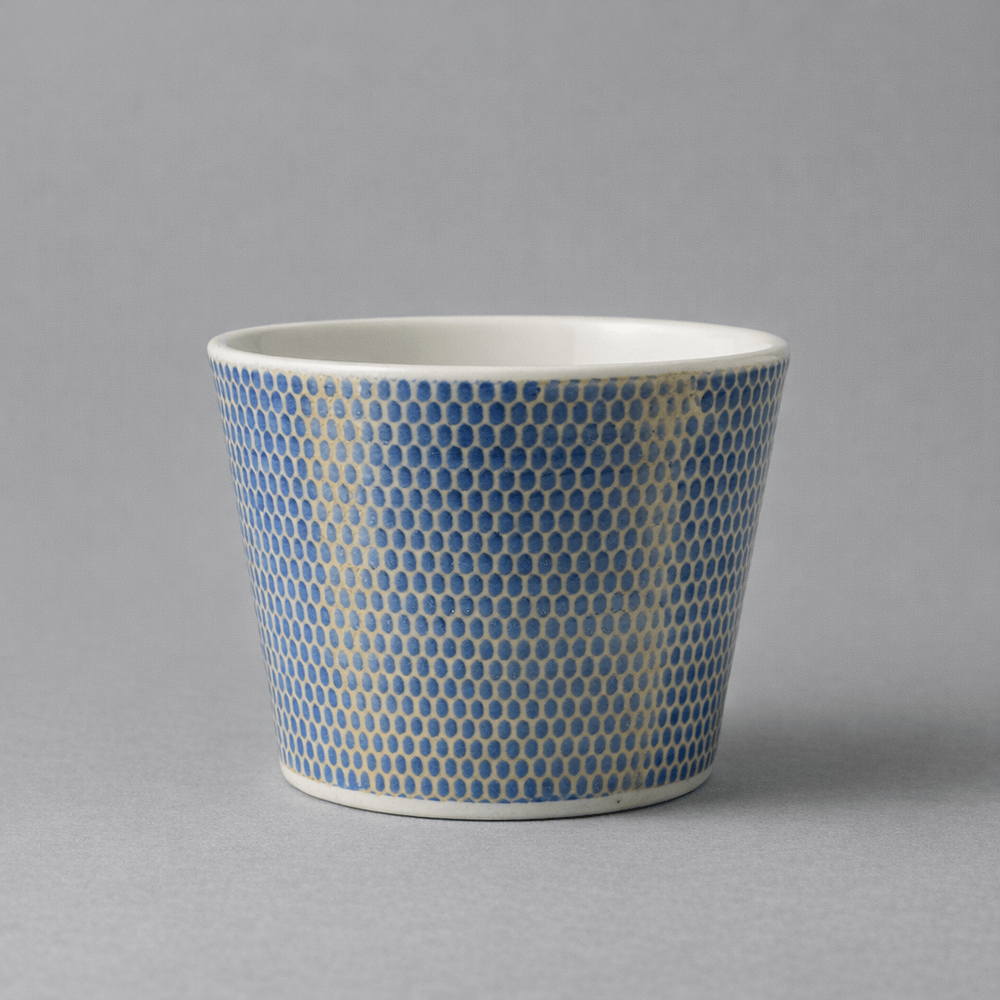
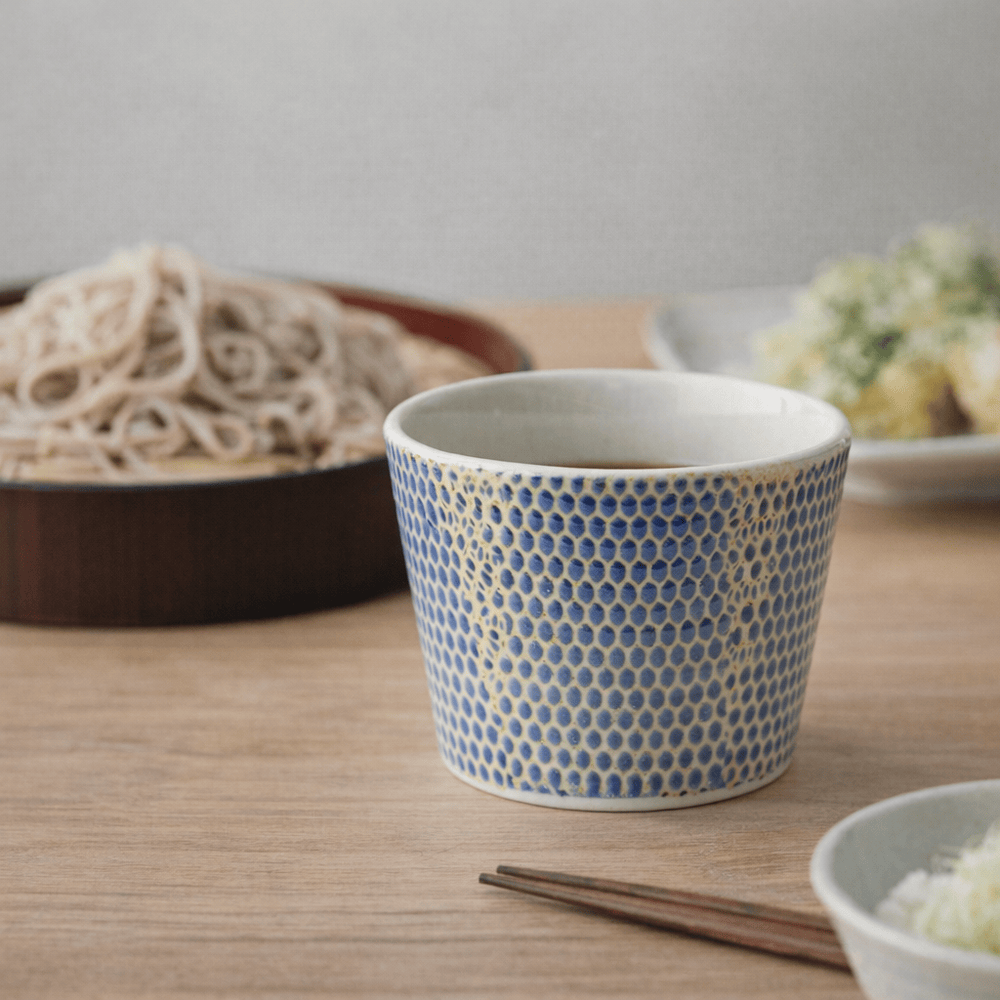
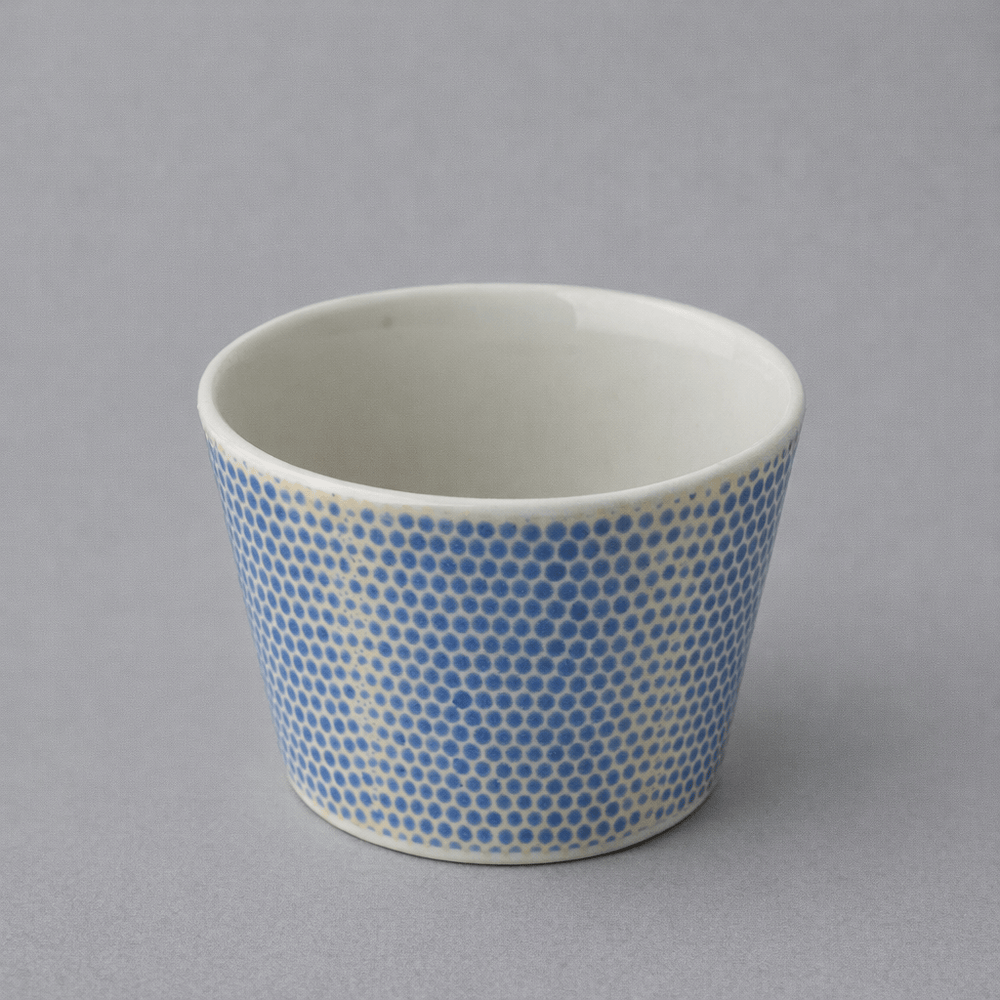
A small pour of tea, a dip of soba broth, or a side dish fits neatly into the Hasami AMIE Soba Choko Cup. Its inban-stamped AMIE pattern gives the ceramic surface a crisp printed look, while the 3.5" × 2.5" (9 cm × 6.4 cm) size feels comfortable in hand. Made in Japan, it includes one cup in a logo craft box and is dishwasher- and microwave-safe.
If you have any questions, you are always welcome to contact us. We'll get back to you as soon as possible, within 24 hours on weekdays.
Shipping Information
Your order is carefully packed and dispatched from Japan within 2–5 business days. All shipments include tracking for real-time updates and full insurance for peace of mind, ensuring your items arrive safely wherever you are in the world.
Customer Support
If you have any questions about this product or your order, our team is here to help. Send us an email at support@myjapaneseworld.com , and we’ll get back to you as quickly as possible with friendly, personalized assistance.
Refund Policy
We want you to be delighted with your purchase. If your item arrives damaged or there is any issue with your order, don't hesitate to contact us at support@myjapaneseworld.com within 7 days of delivery. We will gladly offer a replacement or a full refund. Please note that returns must be in their original condition and packaging. For full details, please visit our Refund Policy page:
Contact Us
If you need any assistance, feel free to contact us at support@myjapaneseworld.com — we’re always happy to help.
Everyday cup for soba, drinks, and sides
Product Description
The Hasami AMIE Soba Choko Cup is a compact ceramic vessel made for everyday table use. Its size works well for soba broth, drinks, desserts, or small side dishes, and the inban-stamped AMIE pattern gives the surface a clear printed look.
Made in Japan from ceramic pottery, each cup is hand-finished by a craftsman. Because natural materials are used, slight differences in color may appear from piece to piece.
The form is simple and versatile, so it moves easily from noodle service to tea, small portions, or other daily uses. It comes with one cup in a logo craft box and measures 3.5" × 2.5" (9 cm × 6.4 cm).
Product Information
Material: Ceramic pottery
Size: 3.5" × 2.5" (9 cm × 6.4 cm)
Origin: Japan
Care: Dishwasher safe; microwave safe; not for open fire
Included: 1 cup
Notes: Hand-finished by a craftsman. Made using the traditional inban stamping technique. Slight variations in color may occur due to natural materials and hand-finishing.
Care instructions
Dishwasher safe and microwave safe. Do not use over open fire. Hand-finished ceramic with slight variations in color from piece to piece; handle with care.
Artisan & Craft
Made in Hasami, Japan, this soba choko cup is formed from ceramic pottery and hand-finished by a craftsman. It uses the traditional inban stamping technique for its AMIE pattern, giving the surface a clear printed character suited to everyday table use.
Note
Hand-finished ceramic cup made with the traditional inban stamping technique, so slight variations in color may occur from piece to piece. Dishwasher and microwave safe, but not for open fire.
Questions About This Piece
Can this cup be used for more than soba dipping sauce?
Yes. A soba choko is a versatile small vessel that can also be used for drinks and for serving side dishes or small portions, making it useful at everyday meals.
Is this a good gift item?
It comes in a dedicated craft box with a logo, which makes it easy to present as a gift. The handcrafted finish and traditional stamped pattern also give it a thoughtful, artisanal feel.
What makes the decoration on this cup special?
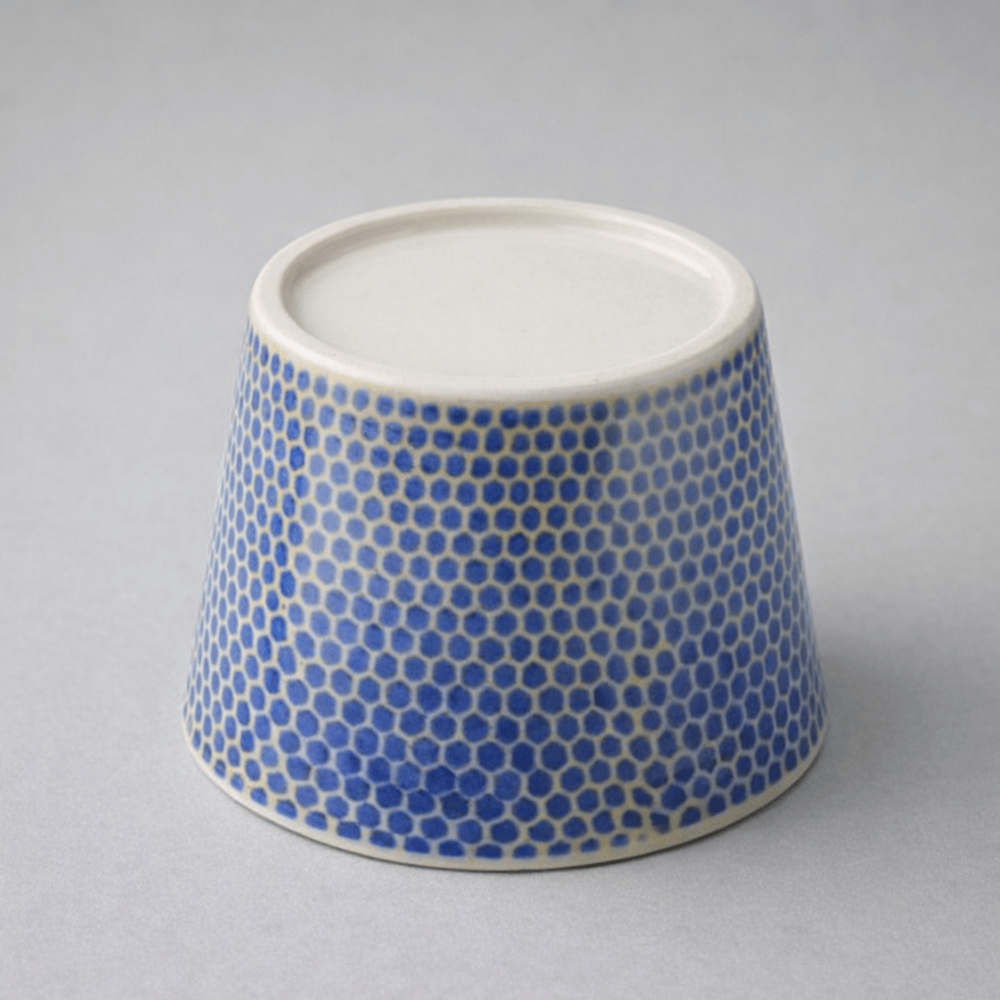
The pattern is made using inban, an old stamping technique that presses the design with a stamp. This gives the cup a traditional Japanese look with a handcrafted character.
Are there any care notes I should know before using it?
Each piece is hand-finished by a craftsman and may show slight differences in color because natural materials are used. It is made for everyday table use and can be enjoyed as part of a daily dining set.
Hasami ware · Nagasaki, Japan
Hasami: four centuries of everyday Japanese porcelain
Hasami has been producing ceramics for more than 400 years.
Known for practical forms, clean design and reliable everyday use,
Hasami ware grew from a pottery town into one of Japan’s most
recognizable tableware traditions.
400+ yearsof ceramic tradition
Made in NagasakiHasami, Japan
Everyday designpractical, clean, enduring
Hasami · Nagasaki Prefecture · Japan
Discover Hasami
Learn more about Hasami ware
What is Hasami ware?
Hasami ware is Japanese ceramic tableware made in and around the
town of Hasami in Nagasaki Prefecture. The area has been producing
ceramics for more than four centuries and is particularly known
for functional tableware designed for regular everyday use.
What makes Hasami ware different?
Hasami ware is often defined by simplicity, practicality and clean
proportions. Rather than focusing only on decorative display,
many Hasami pieces are designed to be comfortable to handle,
easy to combine and useful at the table every day.
Where is Hasami ware made?
Hasami ware is made in Hasami, a pottery town in Nagasaki
Prefecture on the island of Kyushu. The area has long supported
a network of specialist ceramic workshops involved in shaping,
glazing, decorating and firing tableware.
Why is Hasami ware well suited to everyday use?
Hasami ware developed around the idea of making well-designed
ceramics accessible for daily life. Its straightforward forms,
comfortable proportions and versatile designs make it easy to use
across different meals and mix with other Japanese tableware.
Choosing a selection results in a full page refresh.