

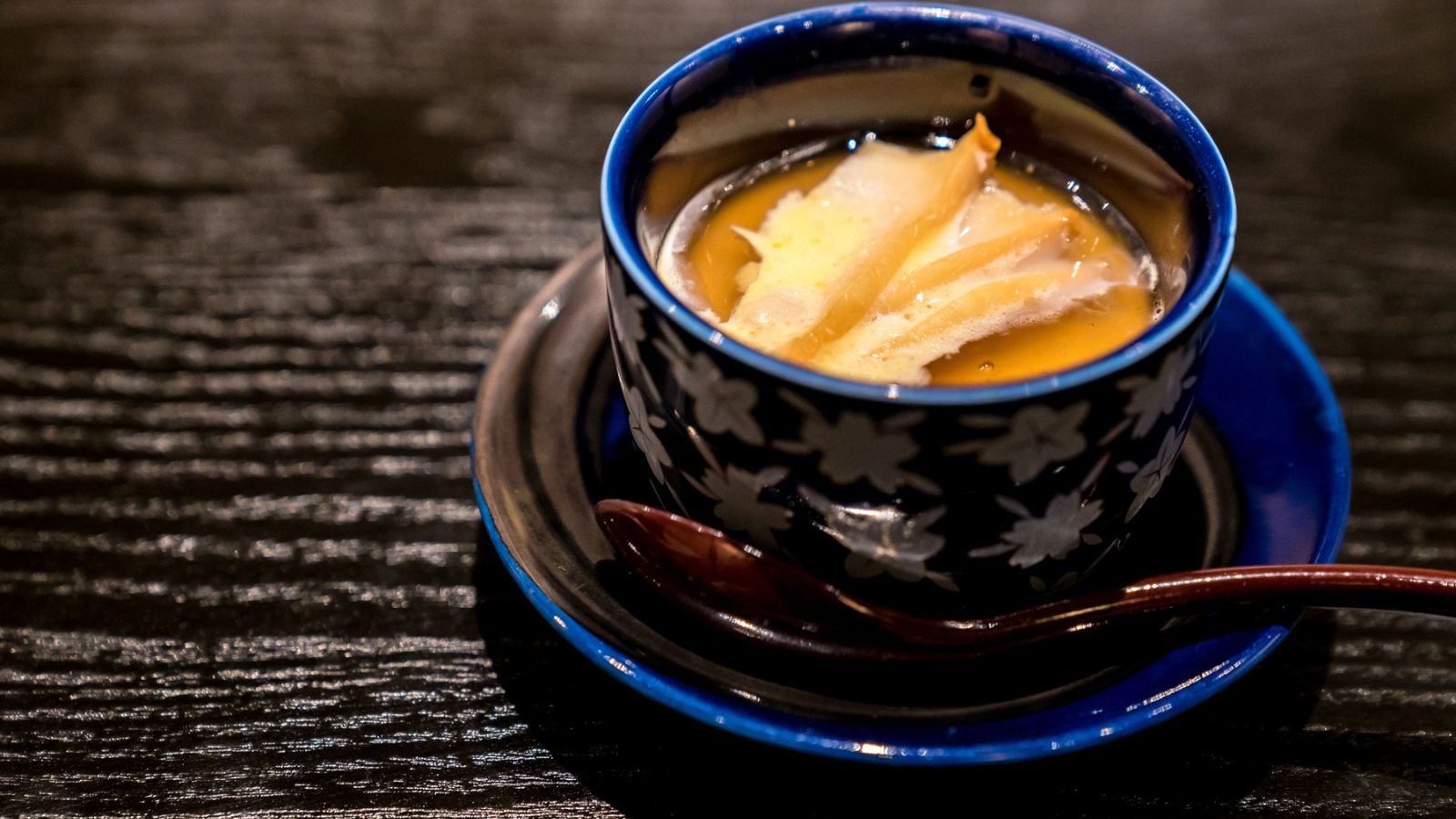
Among the quiet treasures of Japanese cuisine, few dishes embody subtlety, comfort, and craftsmanship as beautifully as chawanmushi (茶碗蒸し). Its smooth, custard-like texture and delicate, savory flavor make it a beloved part of home cooking, kaiseki dining, and celebratory meals across Japan. Served in an elegant, lidded tea-cup-like container, chawanmushi feels less like a recipe and more like a warm invitation—simple ingredients transformed into something extraordinarily comforting.
This guide explores what chawanmushi is, how it fits into Japanese culinary culture, the ingredients that give it its unique flavor, and how to prepare it at home. Along the way, you’ll discover why presentation matters so deeply in this dish and how the right vessel elevates the entire experience. Whether you’re a seasoned cook or simply exploring Japanese cuisine, chawanmushi offers a window into the gentle artistry that defines Japan’s food traditions.

What Is Chawanmushi? A Silky Savory Egg Custard
Chawanmushi literally translates to “steamed in a tea bowl”: chawan (茶碗) meaning tea cup or small bowl, and mushi (蒸し) meaning steamed. Unlike sweet custards found in Western cooking, chawanmushi is a savory egg custard seasoned with dashi (出汁), soy sauce, and mirin. The mixture is steamed gently until it becomes silky and just firm enough to scoop with a spoon.
Typical fillings—such as shiitake mushrooms, kamaboko (fish cake), boiled shrimp, ginkgo nuts, and yuri-ne (lily root)—are placed at the bottom of the cup before the egg mixture is poured in. The result is a layered, delicate dish where each ingredient contributes to a balanced, refined flavor.
It is one of the few Japanese dishes eaten with a spoon, highlighting its gentle texture and its almost ceremonial quietness. In many ways, chawanmushi reflects the heart of Japanese cooking: restraint, harmony, and respect for ingredients.
Cultural Significance of Chawanmushi in Japanese Cuisine
Chawanmushi holds a special place on the Japanese table. While comforting and straightforward enough for everyday meals, it is also refined enough to appear in kaiseki (traditional multi-course dining), tea ceremony cuisine, and festive occasions. Its presence signals warmth and hospitality.
Chawanmushi in Seasonal and Regional Traditions
Depending on the season, the ingredients change. In winter, it may include richly flavored mushrooms or warming dashi. In spring, delicate ingredients such as yuri-ne or young greens symbolize renewal. Coastal regions add fresh crab or scallops, while areas like Nagoya incorporate local styles of broth and fillings.
Across Japan, chawanmushi also bridges generations—grandmothers teach it to grandchildren, restaurants honor it as part of their heritage, and home cooks prepare it as comfort food. This dish travels through family stories as much as through recipes.

Ingredients That Define Authentic Chawanmushi
Although the dish feels luxurious, its ingredients are remarkably simple. The magic lies in precision, balance, and technique.
The Egg Mixture: Light and Delicately Seasoned
The foundation of chawanmushi is a mixture of eggs beaten lightly—never vigorously—then combined with seasoned dashi. The traditional ratio is approximately 1 part egg to 3 parts broth, producing a tender, almost pudding-like consistency.
Dashi: The Soul of the Dish
Dashi infuses chawanmushi with its iconic savory aroma. Classic dashi is made from kombu (kelp) and katsuobushi (bonito flakes). Modern variations include shiitake dashi or vegetarian broth. The type of dashi used dramatically influences the final flavor.
Traditional Fillings
- Shiitake mushrooms: earthy and fragrant
- Kamaboko: brings gentle umami and color
- Boiled shrimp: adds sweetness and texture
- Ginkgo nuts: a classic symbol of longevity
- Chicken: a home-style addition
- Yuri-ne (lily root): lightly sweet, delicate crunch
- Mitsuba: a fresh herbal garnish
Modern and Creative Variations
In contemporary Japanese dining, chawanmushi has evolved into a canvas for creativity. Chefs prepare:
- Uni chawanmushi: luxurious sea urchin custard
- Crab or scallop chawanmushi: ocean-sweet flavors
- Truffle chawanmushi: fusion high-end dining
- Yuzu-infused chawanmushi: refreshing citrus aroma
Despite these innovations, the spirit remains the same: a soft, gentle custard carrying the quiet elegance of Japanese cuisine.

How to Prepare Chawanmushi: A Simple, Authentic Method
Making chawanmushi at home is easier. The key is low, steady heat and careful handling of the egg mixture.
Step-by-Step Preparation
- Prepare the fillings. Slice shiitake, cut kamaboko, boil shrimp, and arrange them at the bottom of each cup.
- Mix the egg custard. Lightly beat eggs to avoid bubbles. Add dashi, soy sauce, and mirin. Strain the mixture through a fine mesh sieve.
- Pour gently. Add the custard over the fillings, leaving a little space at the top.
- Cover the cups. Use lids or foil to prevent water droplets from falling into the custard.
- Steam slowly. Steam on low heat for 12–15 minutes, just until set. Avoid boiling water, as it can cause bubbles and curdling.
How to Achieve Perfect Smoothness
- Keep the heat low and steady—gentle steam is best.
- Strain the egg mixture; it removes chalazae and air bubbles.
- Tap the cup lightly before steaming to release trapped air.
- Do not overcook; chawanmushi should be soft, trembling, and custard-like.
Simple Home-Style Chawanmushi Recipe
Ingredients (serves 2):
- 2 eggs
- 300 ml warm dashi
- 1 tsp soy sauce
- 1 tsp mirin
- 2 boiled shrimp
- 2 thin slices of kamaboko
- 2 ginkgo nuts
- 2 small shiitake slices
- Fresh mitsuba or yuzu peel for garnish
Method: Prepare fillings, mix and strain custard, pour into cups, cover, and steam gently for 12–15 minutes. Top with mitsuba or a touch of yuzu peel and serve immediately.
Serving and Presentation: The Beauty of Chawanmushi
How chawanmushi is served is as meaningful as how it is prepared. Traditionally, it arrives at the table in a lidded ceramic or porcelain cup. Opening the lid releases a fragrant burst of steam—an experience as comforting as the dish itself.
The Traditional Chawanmushi Cup
These cups are more than vessels—they are part of the ritual. Their shape, gentle curves, and satisfying weight emphasize warmth and hospitality. The lid helps maintain the dish’s silky texture by keeping heat and moisture inside during steaming and serving.
Many artisans craft chawanmushi cups with seasonal motifs, soft glazes, and carefully balanced proportions. Choosing the right cup enhances the texture, aroma, and overall dining moment.
How Chawanmushi Is Served in Japan
Chawanmushi may be served:
- Hot in winter, fresh from the steamer
- Cool in summer, offering a delicate refreshing note
- As part of kaiseki dining
- At home during special meals or gatherings
Because it is eaten with a spoon, its smooth texture and warmth shine through with each bite.
Related Dishes and Comparisons
Chawanmushi vs. Chinese Steamed Eggs
Chinese steamed eggs share similar ingredients—egg and broth—but differ in preparation and texture. Chinese versions tend to be looser and more liquid, while chawanmushi is firmer and infused with dashi, creating a more layered umami profile.
Other Japanese Egg Dishes
- Tamago dofu: a firmer, tofu-like egg dish
- Tamagoyaki: sweet rolled egg omelet
- Onsen tamago: slow-cooked hot-spring eggs
Among these, chawanmushi remains the most delicate—more a custard than an egg dish, more an art form than a recipe.

Chawanmushi in Today’s Japanese Dining
From sushi omakase counters to home kitchens, chawanmushi continues to evolve. Chefs now experiment with sea urchin, crab broth, aged dashi, or premium toppings, while home cooks keep the tradition alive with simple, comforting versions.
Its versatility and elegance make it a favorite among both gourmands and casual cooks. And as global interest in Japanese cuisine continues to grow, chawanmushi has become a dish many want to learn, master, and serve beautifully.
The Importance of the Chawanmushi Cup
Because steaming happens directly inside the serving vessel, the cup plays a defining role in texture and experience. Ceramic and porcelain cups offer:
- Soft heat retention
- Smooth, non-reactive surfaces
- Balanced proportions suited to steaming
- Traditional Japanese aesthetics
As MyJapaneseWorld.com continues to expand our collection of artisan-made tableware, we will introduce chawanmushi cups crafted in Japan, designed to honor this dish’s elegance and tradition.
Until then, we invite you to explore our curated Japanese tableware collection, where craftsmanship, beauty, and everyday functionality come together—perfect for elevating dishes like chawanmushi at home.
Conclusion
Chawanmushi is more than a savory egg custard—it is a reflection of Japanese culinary philosophy: gentle flavors, seasonal beauty, and quiet artistry. From the delicate balance of eggs and dashi to the thoughtful presentation in a lidded cup, each element transforms a few simple ingredients into a dish filled with warmth and tradition.
Whether you prepare a classic version with shrimp and shiitake or experiment with modern variations, chawanmushi invites you to slow down, savor subtlety, and appreciate the elegance of Japanese home cooking. And with the right tableware, the experience becomes even more meaningful.
Explore the world of Japanese craftsmanship through our growing collection at MyJapaneseWorld.com—and stay tuned as we introduce artisan-made chawanmushi cups to complete the ritual.
Frequently Asked Questions
What does chawanmushi taste like?
It has a delicate, savory flavor with gentle umami from dashi, soy sauce, and mirin. The texture is silky and custard-like.
Can chawanmushi be eaten cold?
Yes. In summer, it is sometimes served chilled for a refreshing, smooth dish.
Why is my chawanmushi not smooth?
High heat can cause curdling. Always steam gently and strain the egg mixture before cooking.
Can I microwave chawanmushi?
Some home cooks do, but microwaving can easily create bubbles or uneven texture. Steaming is strongly recommended.
Is chawanmushi difficult to make?
Not at all. With careful heat control and simple ingredients, even beginners can create beautifully smooth chawanmushi at home.







Share: