

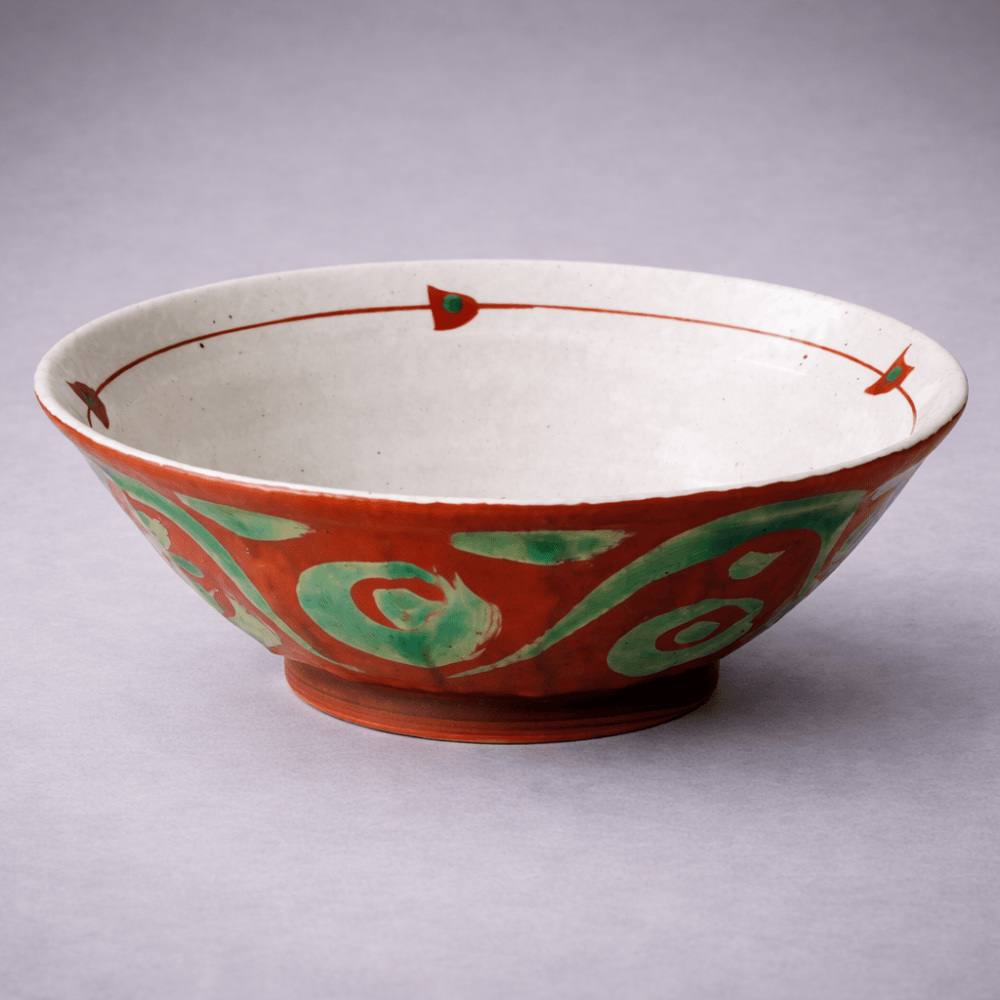
Oribe Red & Green Ramen Bowl
Fast & Secure Delivery from Japan to your Door [Shipping Policy]
No surprise U.S. customs fees. [How we handle U.S. Customs for you]
Shop Safely with Encrypted Checkout and Verified Gateways.
Pairs well with
Oribe Red & Green Ramen Bowl
Elevate your dining experience with the Oribe Red & Green Ramen Bowl, a stunning piece of craftsmanship that beautifully marries function and artistry. Each bowl is meticulously handcrafted in the storied Gifu Prefecture, renowned for its rich ceramic heritage. This eye-catching bowl, with a diameter of 9.6 inches (24.3 cm) and a depth of 3.3 inches (8.5 cm), is perfect for serving steaming bowls of ramen, hearty udon, or even vibrant salads, making it a versatile addition to any kitchen.
Cultural Significance and Unique Design
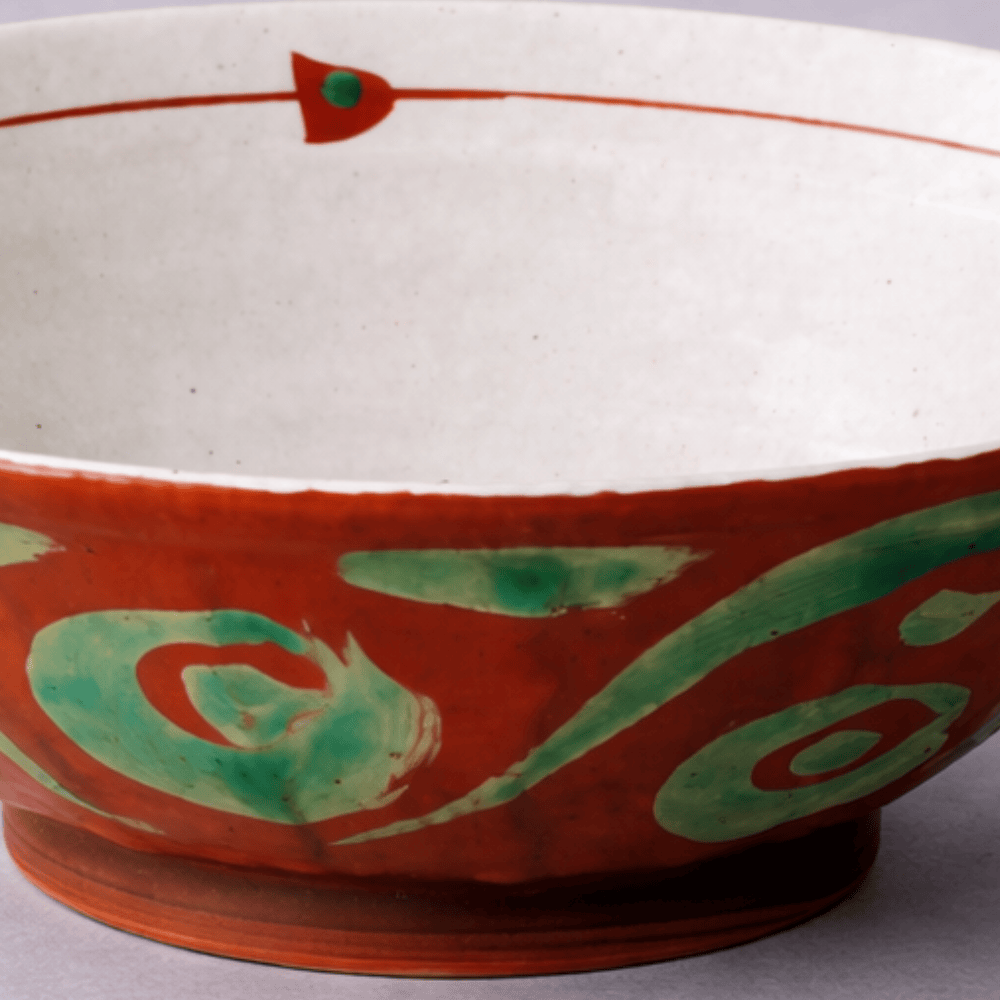
This bowl is a proud representation of Oribe-yaki (織部焼), a ceramic style that emerged in the late 16th century. Inspired by the philosophies of tea master Furuta Oribe, it encourages breaking the mold of traditional symmetry, allowing for spontaneous creativity. The bold interplay of deep red-brown clay, enriched with iron, and vibrant green copper glaze is not only visually striking but also a testament to the beauty of imperfection that defines the wabi-sabi aesthetic.
The slightly uneven texture and natural glaze variations enhance the bowl’s handcrafted authenticity, inviting you to touch and feel its unique characteristics. The inner rim’s minimalist red line, paired with delicate brushwork, showcases a harmonious blend of restraint and expressiveness, making each bowl an individual work of art.
Enhancing Your Daily Life
More than just a bowl, the Oribe Red & Green Ramen Bowl transforms everyday meals into extraordinary experiences. Imagine serving a comforting bowl of ramen, its rich colors reflecting the warmth of your home. This bowl isn’t just about looks; its generous size makes it ideal for family meals or entertaining guests so that everyone can indulge in hearty portions of their favorite dishes.
Product Information
Care instructions

Mino Ware – A Legacy of Japanese Ceramic Art
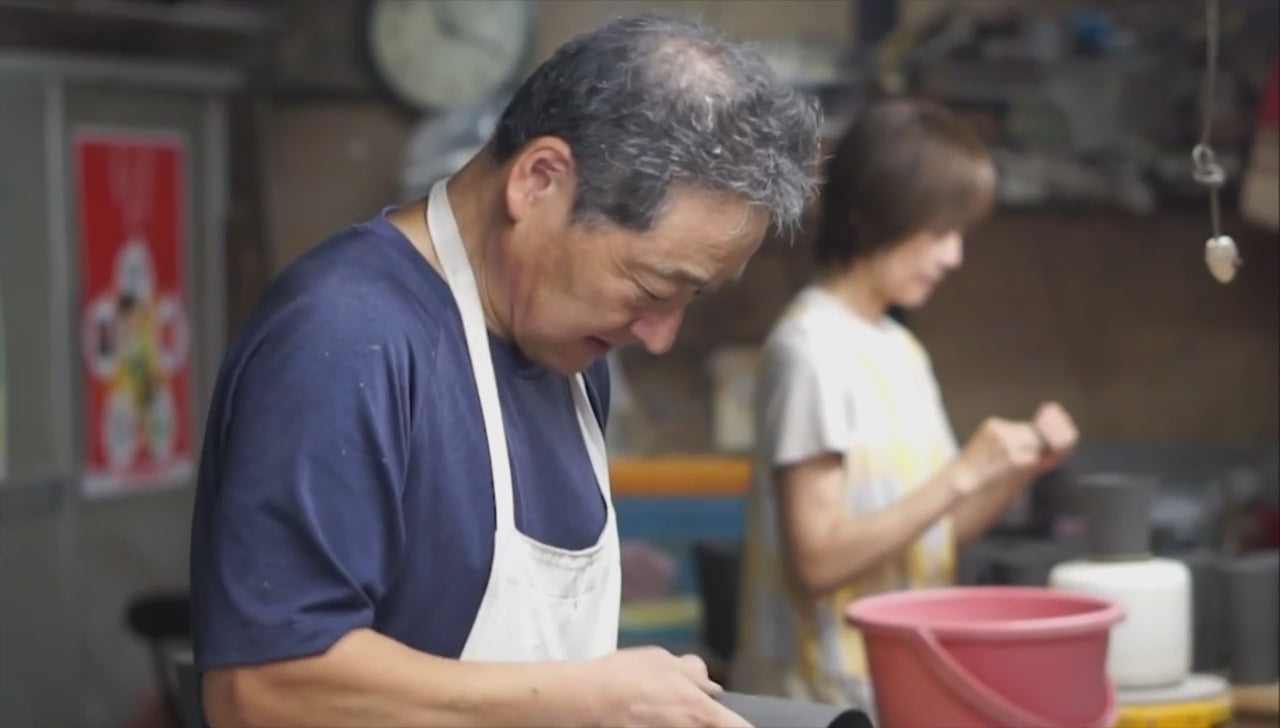
Mino ware (Minoyaki) is one of Japan’s oldest and most revered ceramic traditions, with roots stretching back over 1,300 years. Originating in the mountainous region of Gifu Prefecture, this pottery is celebrated not only for its rich history but also for the extraordinary craftsmanship that defines each piece.
Skilled artisans shape every bowl, cup, and plate by hand, using locally sourced clay and time-honored techniques passed down through generations. The unique glazing styles—from subtle earth tones to vibrant colors—are carefully applied and fired to create intricate textures, crackle patterns, and finishes that make each item one of a kind.
More than just tableware, Mino ware represents a deep connection to nature, simplicity, and the wabi-sabi aesthetic. Each piece is a quiet expression of balance—between utility and beauty, old and new. Whether used daily or saved for special moments, Mino ware brings the spirit of Japanese craftsmanship to your home.
FAQs
All you need to know about Japanese Mino Ware.
What is Mino ware?
Mino ware, or Minoyaki (美濃焼), refers to a traditional style of Japanese ceramics that originated in Gifu Prefecture over 1,300 years ago. It is one of Japan’s most prominent ceramic traditions and is known for its variety of styles, earthy aesthetics, and artisanal craftsmanship. Today, Mino ware accounts for the largest share of ceramic tableware production in Japan.
How is Mino ware made?
Each piece of Mino ware is handcrafted by skilled artisans using locally sourced clay. The process involves shaping the clay by hand or wheel, applying unique glazes, and firing it in kilns at high temperatures. The techniques used—such as Oribe, Shino, and Setoguro glazes—have been perfected over centuries to create the textures, colors, and finishes that define Mino ware.
What makes Mino ware different from other Japanese ceramics?
Unlike many other regional ceramics that follow a uniform aesthetic, Mino ware is known for its diversity. It encompasses over 15 officially recognized styles, ranging from rustic and natural to vibrant and contemporary. This flexibility makes Mino ware both deeply traditional and highly adaptable for modern use.
Is Mino ware safe for everyday use?
Yes, authentic Mino ware is made from food-safe materials and is generally safe for everyday dining. Most Mino ware sold today is microwave and dishwasher compatible, but because of its handcrafted nature, gentle handwashing is often recommended to preserve the glaze and texture.
Why is Mino ware valued by collectors and designers?
Collectors and interior designers appreciate Mino ware for its authenticity, heritage, and aesthetic depth. Each piece embodies the Japanese philosophy of wabi-sabi—beauty in imperfection—and offers a unique tactile and visual experience. The handcrafted nature of Mino ware ensures no two pieces are exactly alike, making them functional works of art.