

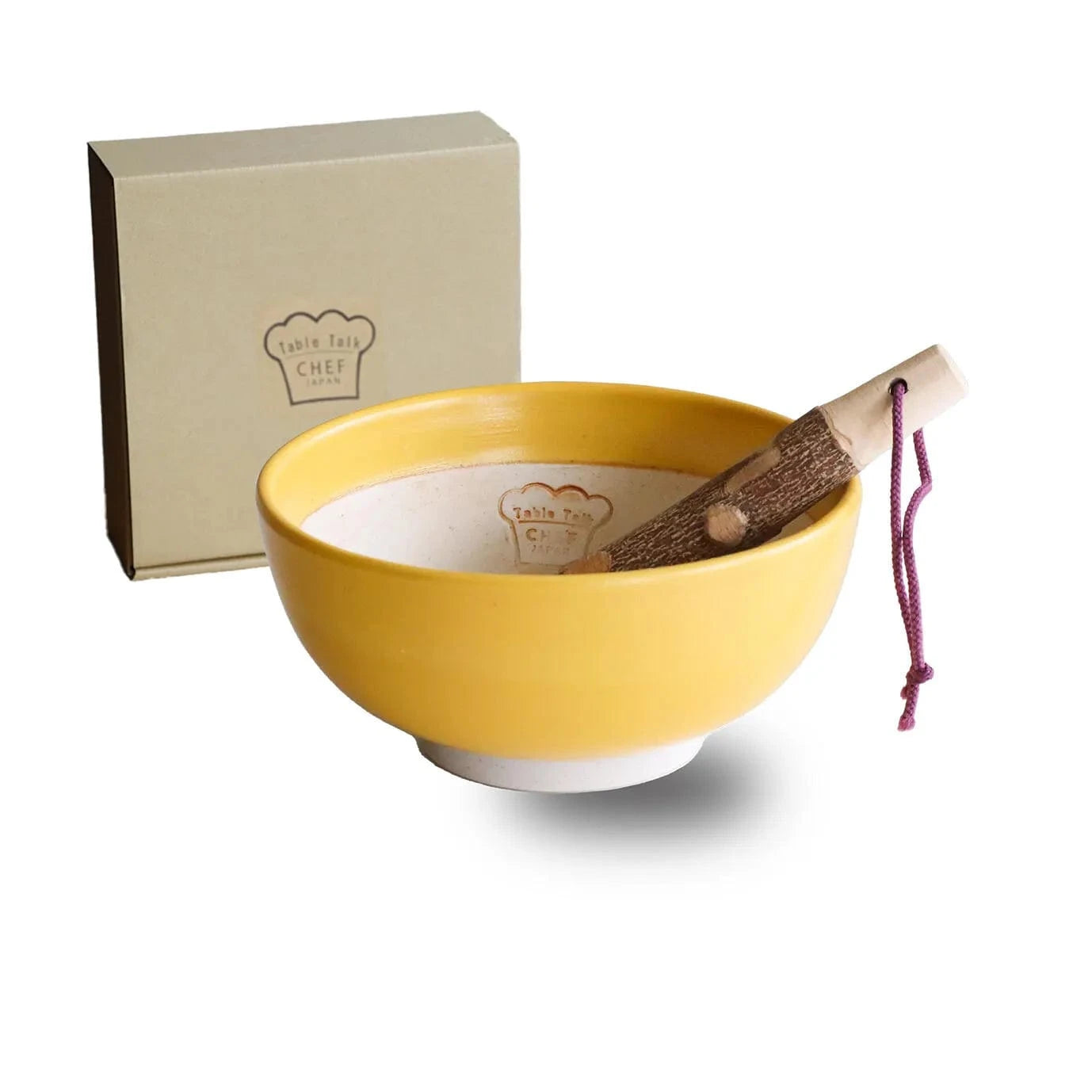
Mustard Mortar & Pestle Set
Why You'll Love It?
Directly sourced from artisan workshops in Japan
No US customs fees or surprise import charges — we take care of everything
Learn moreSecure, insured delivery from Japan
Shipping policyA quiet piece of Japan, brought to your home.
Pairs well with
Mustard Mortar & Pestle Set
Brighten Your Kitchen with Functional Beauty
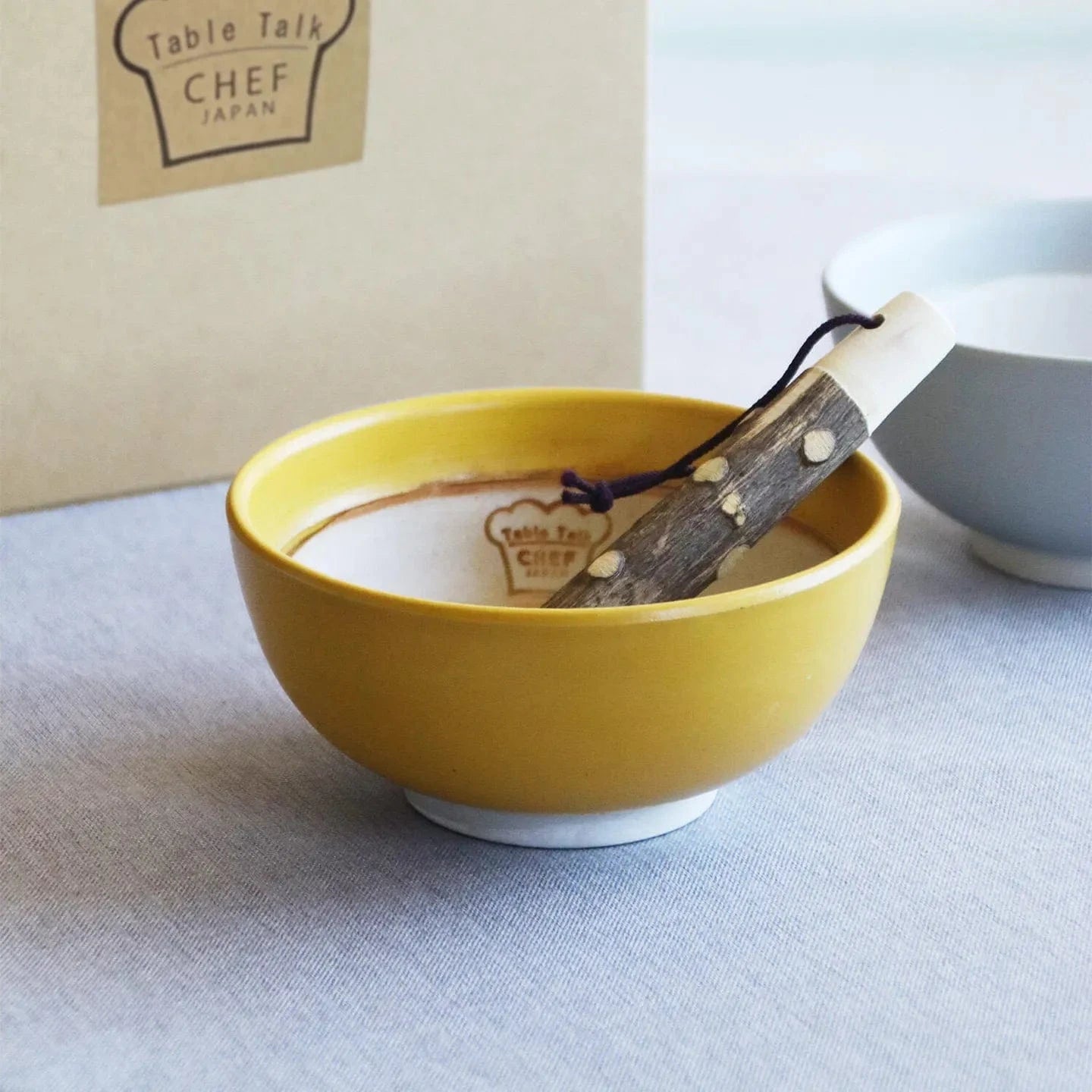
Crafted in Japan using durable ceramic, this mustard-colored mortar is designed with a unique smooth surface that enhances your grinding experience. Its thoughtful design prevents ingredients from clogging, allowing for effortless cleaning of spices with a simple brush. Measuring approximately 5.5 inches in diameter, this set is ideal for preparing everything from freshly ground sesame and basil to nutritious baby food, proving to be both versatile and functional.
The distinct glaze gives each piece its own character, showcasing subtle variations that reflect the artisan's touch from the Ishikawa region. This specific glazing technique not only creates a robust texture but also maintains a refined aesthetic that complements your kitchen or dining table beautifully.
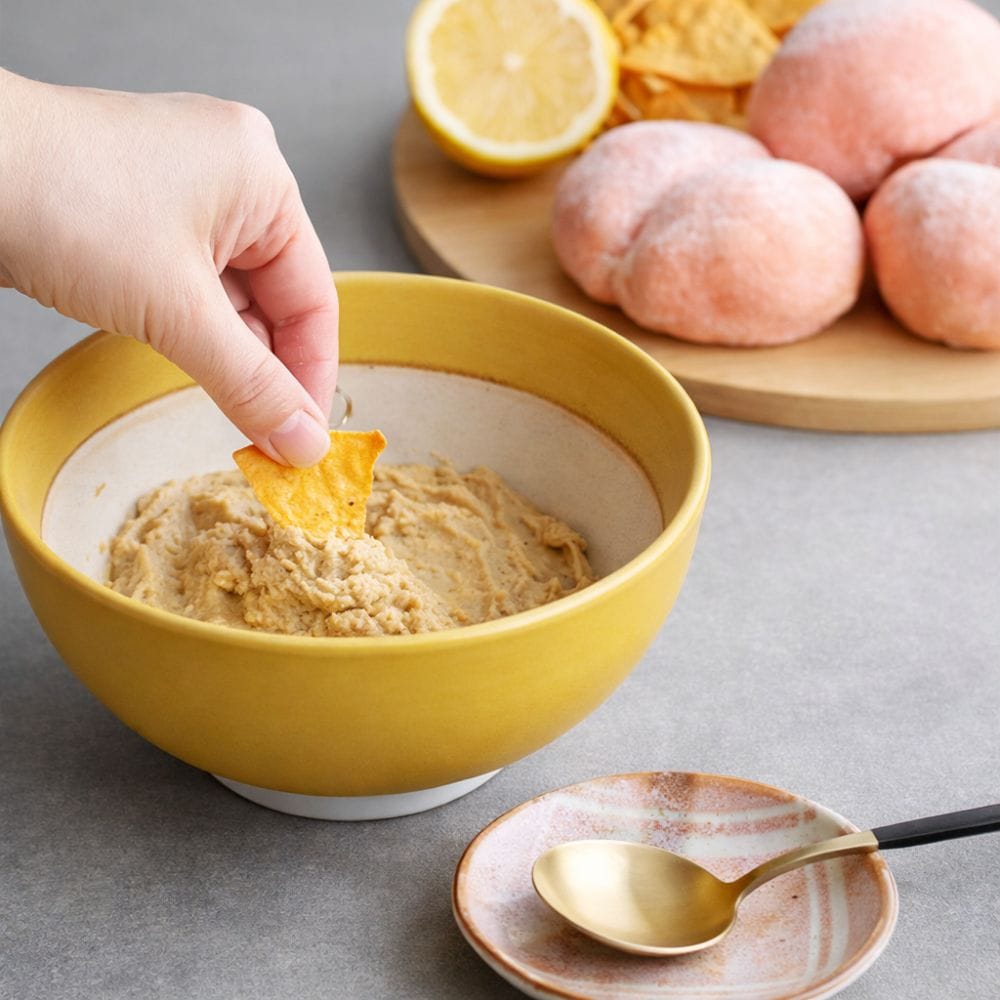
Whether you're creating fresh condiments or serving directly from the bowl, this stylish mortar seamlessly blends beauty with practicality. For care, hand washing is recommended to preserve its unique glaze and ensure its longevity for years of use.
Product Information
Care instructions

Made by Table Talk CHEF in Japan
Table Talk CHEF is a Japanese brand dedicated to crafting versatile cooking tools and tableware.
Each piece is proudly made in Gifu Prefecture, the heart of Mino ware tradition, blending everyday functionality with artisanal beauty.
Designed for use in both kitchen prep and stylish table presentation.
FAQs
All you need to know about Japanese Kitchenware Items.
Why is Japanese kitchenware so highly regarded around the world?
Japanese kitchenware is admired globally for its precise craftsmanship, aesthetic simplicity, and functional elegance. Rooted in centuries of tradition, each tool—from knives to donabe pots—is designed with intentionality, reflecting values such as monozukuri (the spirit of making things with excellence) and shibui (understated beauty). These products aren't just tools—they are cultural expressions of discipline, hospitality, and harmony with nature.
How does Japanese culture influence the design of kitchen tools?
In Japan, culinary preparation is seen as a form of art and mindfulness. This philosophy is reflected in the design of kitchenware: knives are forged like samurai swords with singular precision, mortars and pestles are grooved to enhance grinding efficiency, and ceramics are hand-glazed to emphasize wabi-sabi, the beauty of imperfection. Every curve, texture, and weight is intentional—supporting both form and function.
What makes Japanese ceramics and cookware unique compared to Western counterparts?
Japanese ceramics and cookware often prioritize the relationship between the material and the user. Local clays and natural glazes are chosen not just for durability, but for how they enhance flavor, retain heat, and feel in hand. Unlike mass-produced Western alternatives, many Japanese kitchenware items are handmade in regional kilns, passed down through generations of artisans, and carry a strong sense of place and heritage.
Is Japanese kitchenware still made using traditional methods today?
Yes. While some modern innovations have been introduced, many of Japan’s finest kitchenware items are still crafted using centuries-old techniques. Artisans continue to fire ceramics in wood-burning kilns, forge blades by hand, and shape tools with locally harvested woods or metals. This commitment to tradition ensures that each item carries both functional excellence and cultural authenticity.
How do Japanese households typically use and care for their kitchen tools?
In Japanese homes, kitchen tools are treated with deep respect. Knives are carefully sharpened and never put in the dishwasher. Wooden utensils are hand-washed and air-dried to prevent warping. Ceramics are often warmed before serving to enhance the dining experience. This careful maintenance reflects a broader cultural value of mottainai—the avoidance of waste and appreciation of every object’s life and purpose.