

Product Description

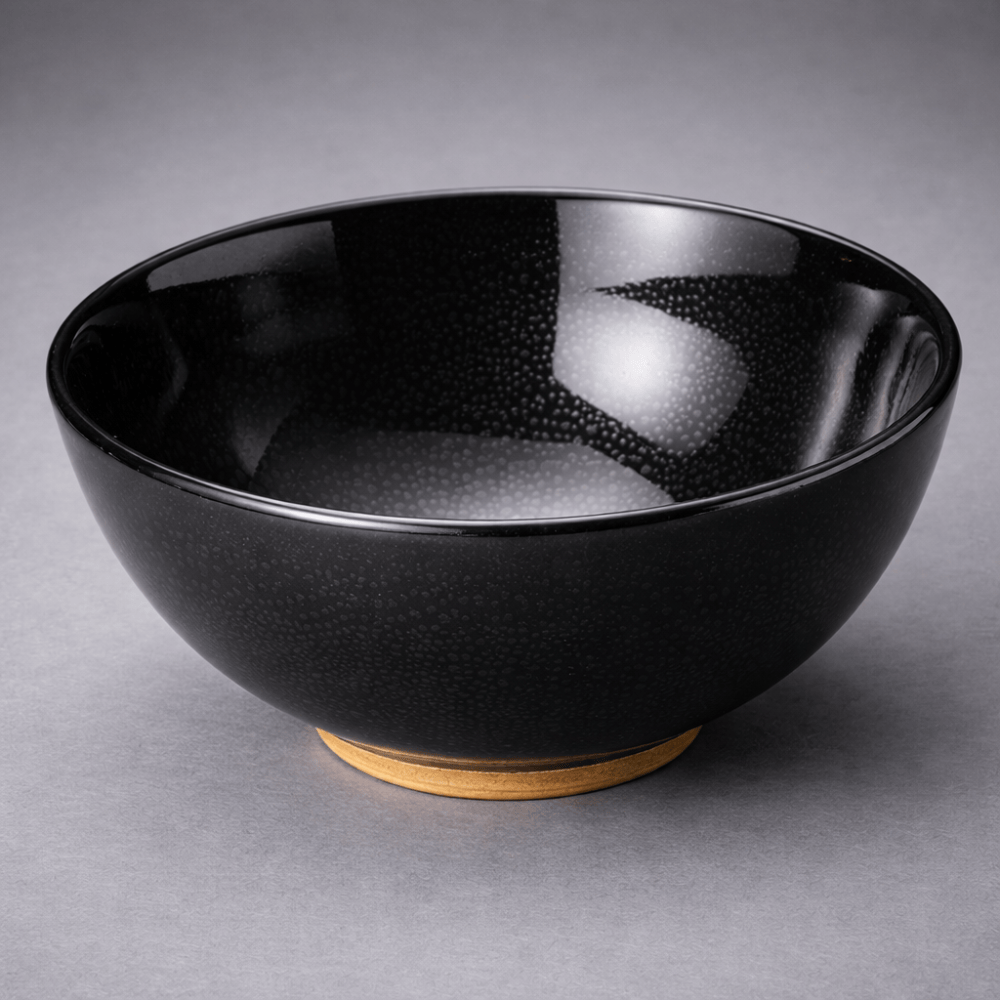
Indulge in the rich flavors of your favorite dishes while enhancing your dining experience with the exquisite Midnight Zen Ramen Bowl. This handcrafted piece of Japanese pottery brings uniqueness to your table; imagine cradling a steaming bowl of ramen, with the glossy surface reflecting the vibrant colors of your meal, and the subtle textures inviting you to explore each delightful bite.

Craftsmanship and Materials

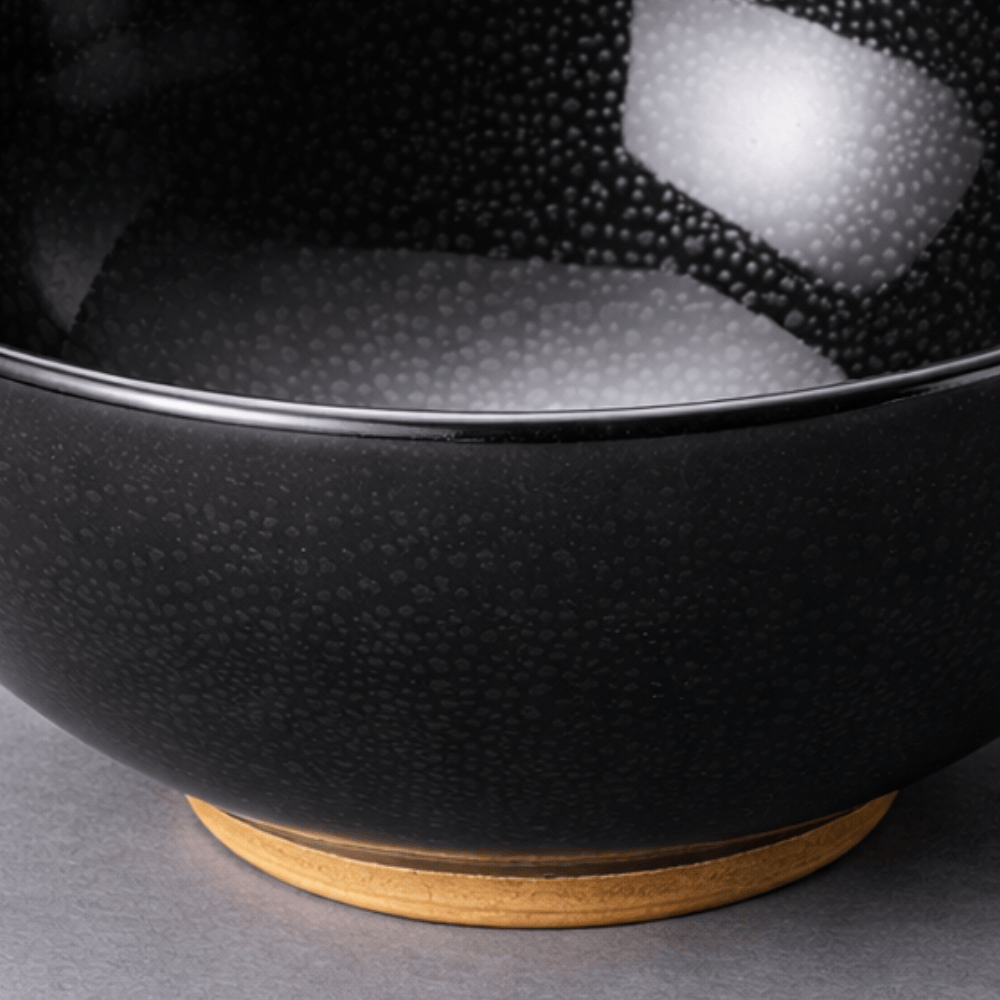
Handcrafted in Japan’s renowned Gifu Prefecture, the Midnight Zen Ramen Bowl embodies the elegance of Minoyaki pottery, a tradition that spans over 1,300 years. Showcasing the sophisticated Kuro-Oribe style, it features a deep black glaze with fine hammered texture that enhances the tactile experience. This glossy finish captivates the eye while ensuring ease in cleaning, so you can savor your meals without concern for chores. Measuring 7.5 to 8 inches (19 to 20 cm) in diameter and 3 inches (7.5 cm) in height, this bowl weighs approximately 1.1 lb (500 g), offering stability perfect for daily use.

The unglazed terracotta foot (kodai) adds an earthy contrast, grounding the piece while enhancing its visual appeal. This harmonious blend of materials reflects the Japanese aesthetic of shibui—quiet elegance expressed through subtle details—making this bowl an exceptional addition to your home decor.

Design and Functionality

Whether you’re hosting a dinner party or enjoying a quiet night in, the Midnight Zen Ramen Bowl enhances every meal with its sophisticated design and practical functionality. Its deep design helps retain heat, ensuring your dishes stay warm and inviting. Ideal for serving ramen, donburi, and salads, it easily transforms your dining table into a gallery of Japanese craftsmanship. Each use allows you to appreciate the meticulous craftsmanship evident in every curve and finish.

Purchase with Confidence

Embrace the beauty of Japanese artisan-made pottery with the Midnight Zen Ramen Bowl. Incorporate this exceptional piece into your kitchenware to enjoy its functional benefits and the story it carries. Enhance your dining experience today and relish the blend of elegance and utility in every meal.

Product Information

- Dimensions: Approx. 7.5 in (diameter) x 3.5 in (height) / φ20 cm x 9 cm
- Weight: Approx. 1.1 lb / 500 g
- Capacity: Suitable for large servings (specific capacity not listed)
- Material: Ceramic
- Made in Japan

Care instructions

### Care Instructions for Kurohana Ramen Bowl

- **Clean After Use**: Gently wipe clean with a soft sponge and warm, soapy water. Rinse thoroughly and dry.
- **Avoid Harsh Chemicals**: Refrain from using abrasive cleaners or scouring pads, as they can damage the surface.
- **Not Dishwasher or Microwave Safe**: To preserve the bowl’s elegant finish, hand wash only; avoid microwave use to prevent thermal shock.
- **Store Safely**: Place in a dry area, ideally cushioned in its original packaging or a soft cloth to prevent scratches.
- **Respect the Craft**: Proper care ensures longevity and maintains the bowl's beauty, honoring the artistry of Japanese craftsmanship.

Enjoy your Kurohana Ramen Bowl, a timeless piece that combines functionality with exquisite design.

Load video:

Mino Ware – A Legacy of Japanese Ceramic Art

Mino ware (Minoyaki) is one of Japan’s oldest and most revered ceramic traditions, with roots stretching back over 1,300 years. Originating in the mountainous region of Gifu Prefecture, this pottery is celebrated not only for its rich history but also for the extraordinary craftsmanship that defines each piece.

Skilled artisans shape every bowl, cup, and plate by hand, using locally sourced clay and time-honored techniques passed down through generations. The unique glazing styles—from subtle earth tones to vibrant colors—are carefully applied and fired to create intricate textures, crackle patterns, and finishes that make each item one of a kind.

More than just tableware, Mino ware represents a deep connection to nature, simplicity, and the wabi-sabi aesthetic. Each piece is a quiet expression of balance—between utility and beauty, old and new. Whether used daily or saved for special moments, Mino ware brings the spirit of Japanese craftsmanship to your home.

FAQs

All you need to know about Japanese Mino Ware.

What is Mino ware?

Mino ware, or Minoyaki (美濃焼), refers to a traditional style of Japanese ceramics that originated in Gifu Prefecture over 1,300 years ago. It is one of Japan’s most prominent ceramic traditions and is known for its variety of styles, earthy aesthetics, and artisanal craftsmanship. Today, Mino ware accounts for the largest share of ceramic tableware production in Japan.

How is Mino ware made?

Each piece of Mino ware is handcrafted by skilled artisans using locally sourced clay. The process involves shaping the clay by hand or wheel, applying unique glazes, and firing it in kilns at high temperatures. The techniques used—such as Oribe, Shino, and Setoguro glazes—have been perfected over centuries to create the textures, colors, and finishes that define Mino ware.

What makes Mino ware different from other Japanese ceramics?

Unlike many other regional ceramics that follow a uniform aesthetic, Mino ware is known for its diversity. It encompasses over 15 officially recognized styles, ranging from rustic and natural to vibrant and contemporary. This flexibility makes Mino ware both deeply traditional and highly adaptable for modern use.

Is Mino ware safe for everyday use?

Yes, authentic Mino ware is made from food-safe materials and is generally safe for everyday dining. Most Mino ware sold today is microwave and dishwasher compatible, but because of its handcrafted nature, gentle handwashing is often recommended to preserve the glaze and texture.

Why is Mino ware valued by collectors and designers?

Collectors and interior designers appreciate Mino ware for its authenticity, heritage, and aesthetic depth. Each piece embodies the Japanese philosophy of wabi-sabi—beauty in imperfection—and offers a unique tactile and visual experience. The handcrafted nature of Mino ware ensures no two pieces are exactly alike, making them functional works of art.