

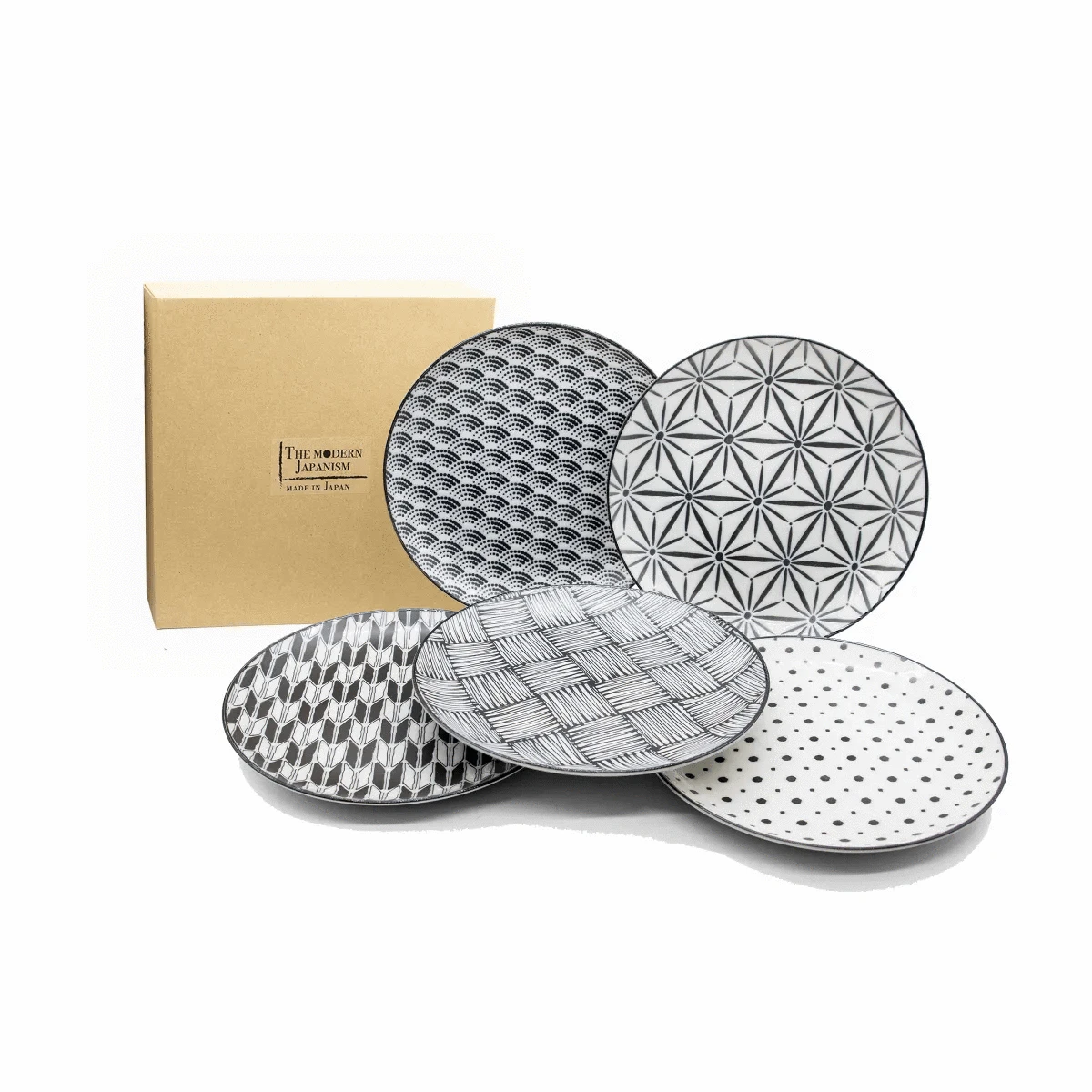
Komon Cake Plate Set (5 pieces)
Secure, insured delivery from Japan
Worldwide shipping from $30 · free over $150. Shipping policy
$44.90 of $150 with this item · $105.10 to go
U.S. duties prepaid
No extra import charges on delivery — the price you see is the price you pay. Learn more
Sourced in Japan, from the makers
Direct from Japanese workshops and their authorised channels.
Why You’ll Love It
Komon Cake Plate Set (5 pieces)
KOMON Bread Plate Set – Timeless Patterns for Everyday Elegance
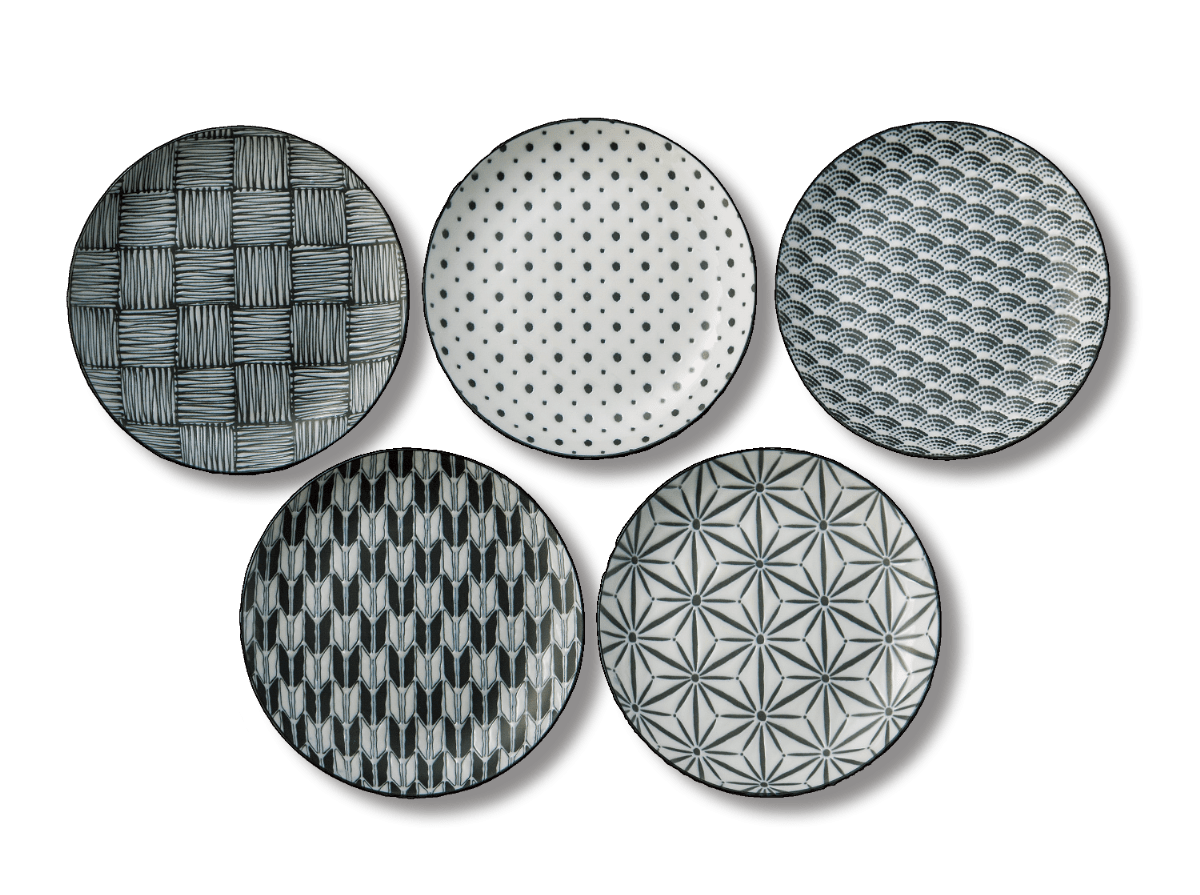
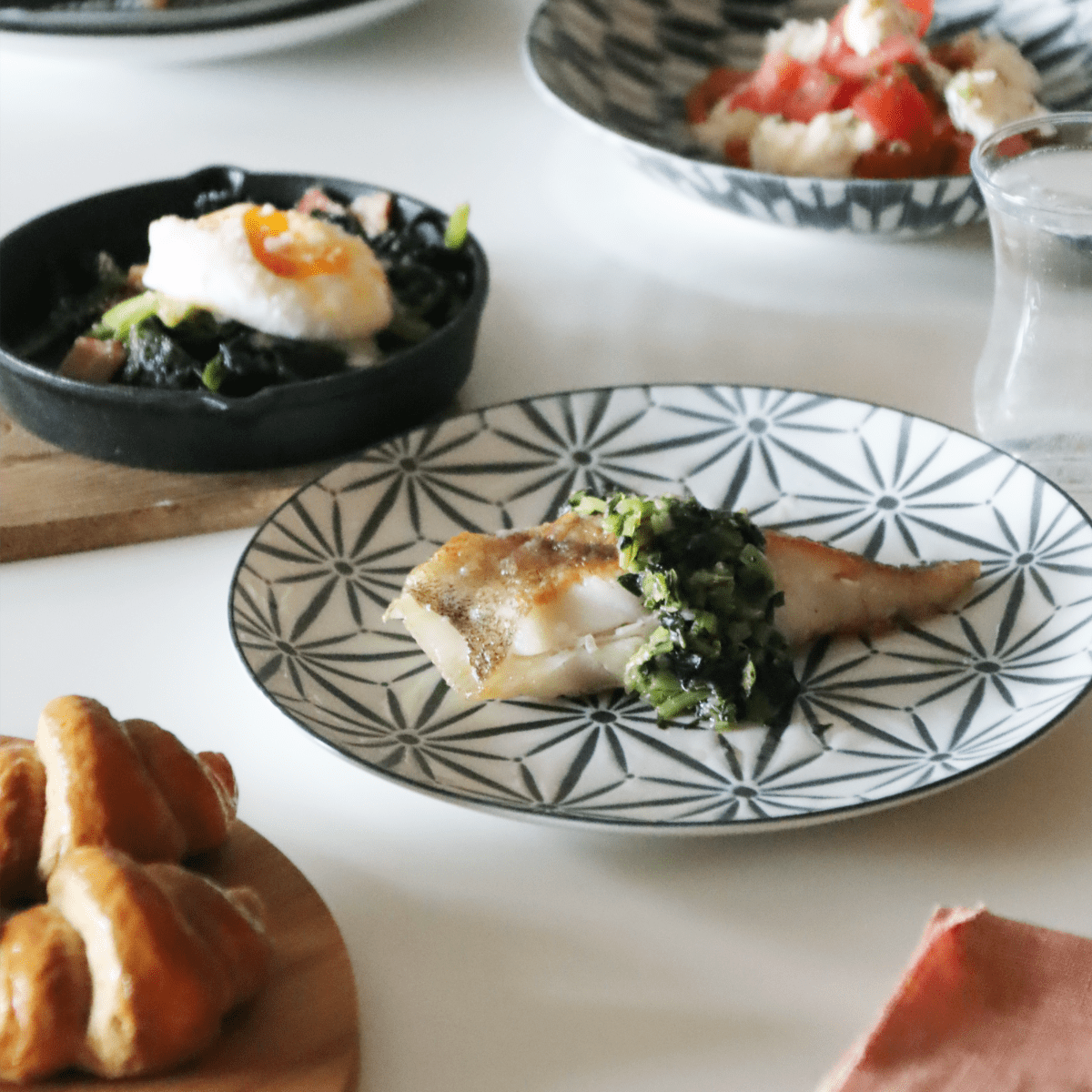
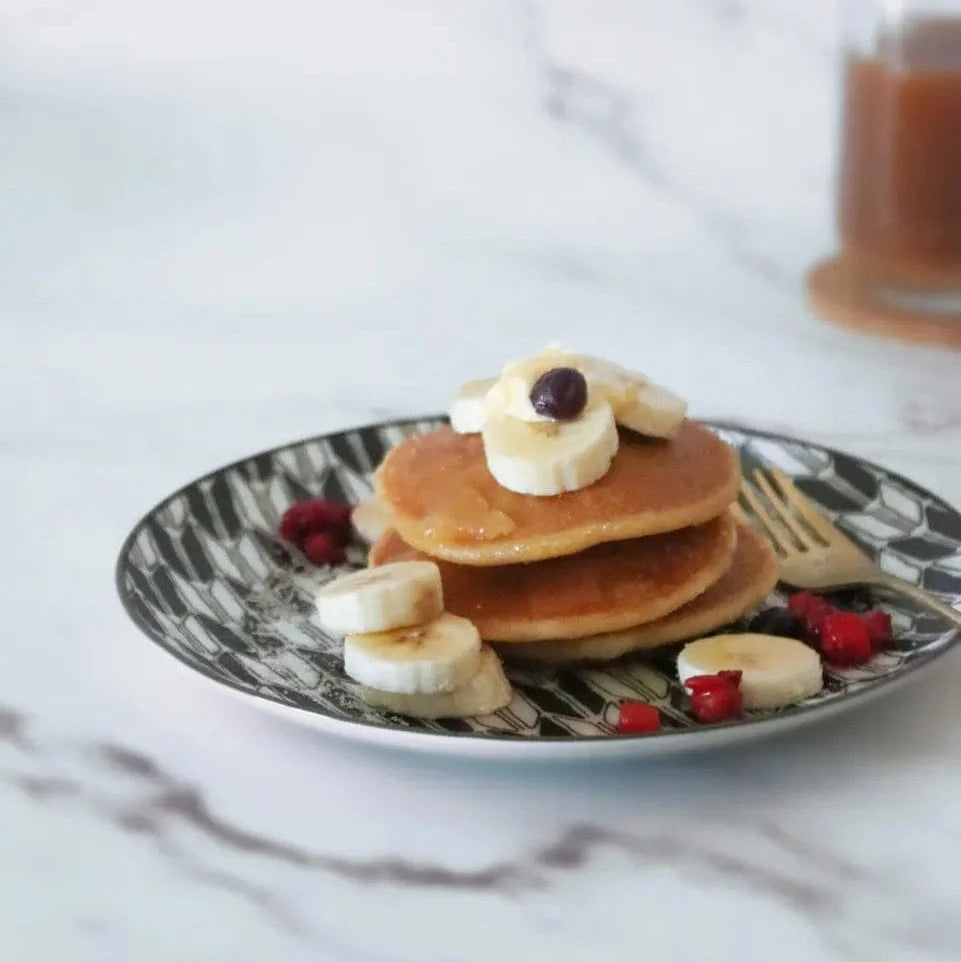
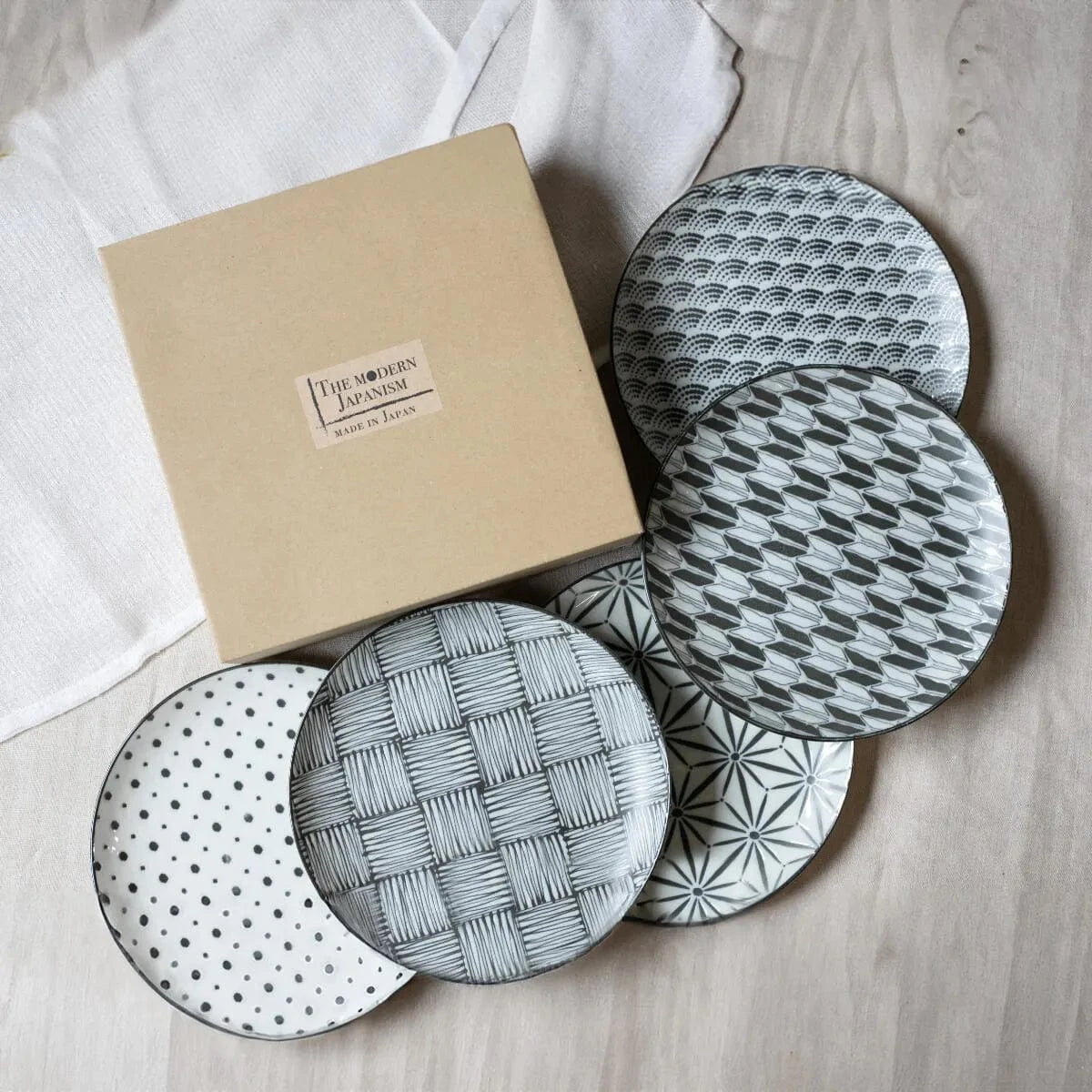
Bring subtle artistry to your everyday dining with the Komon Cake Plate Set. This beautifully boxed set includes five porcelain plates, each featuring a unique traditional Komon pattern—classic Japanese motifs celebrated for their geometric beauty. Each plate measures 8 inches (205 mm) in diameter, making them ideal for serving cakes, pastries, appetizers, or side dishes. Their compact design ensures ease of use while offering a refined touch that enhances your dining experience.
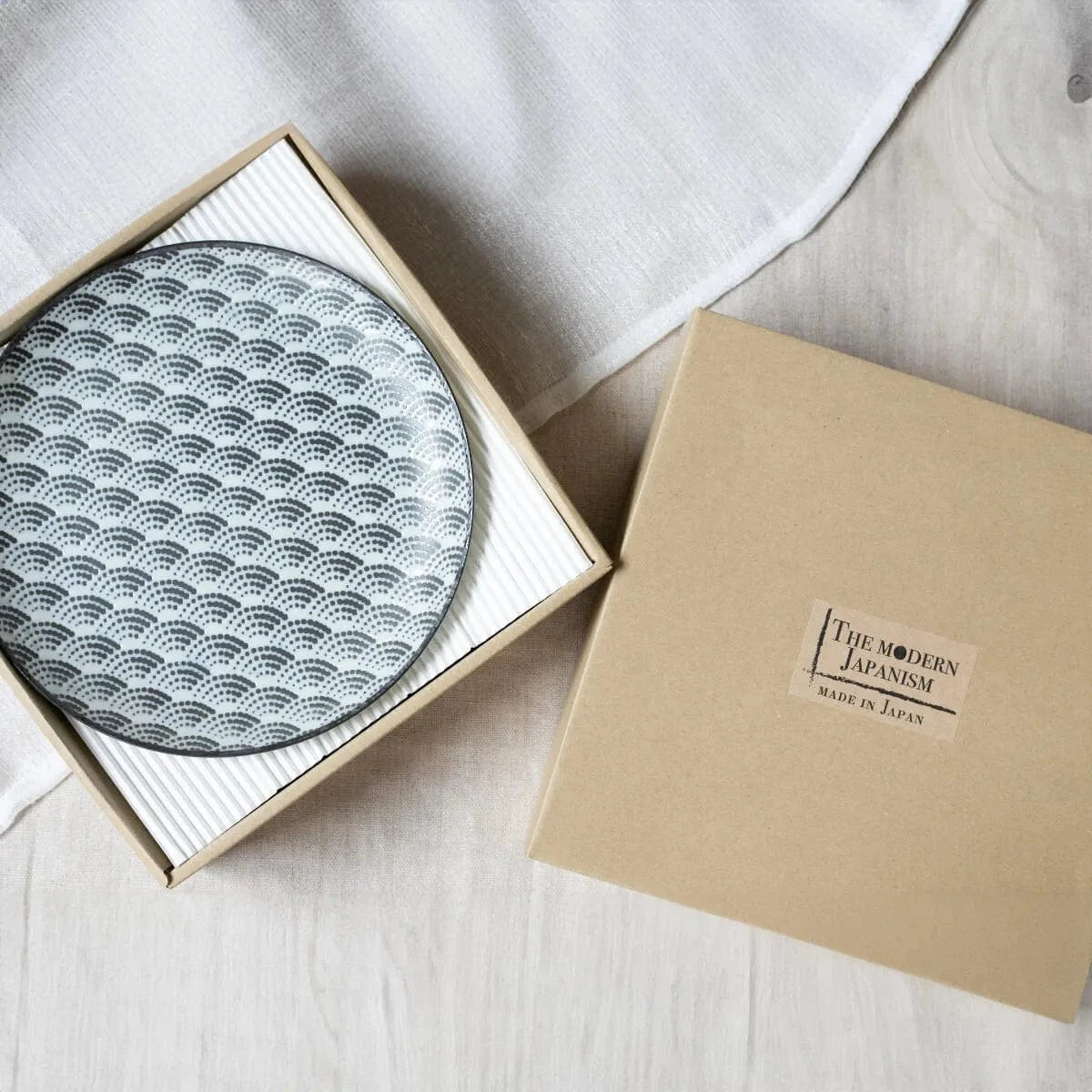
The smooth glazed finish not only enhances the intricate details of each pattern but also provides a durable, easy-to-clean surface, perfect for daily use. Expertly made in Aichi, Japan, these plates reflect a harmony of tradition and modern aesthetics. Presented in an elegant die-cut gift box, this set is perfect for celebrating special occasions, from weddings to housewarmings.
The Symbolism Behind Each Plate
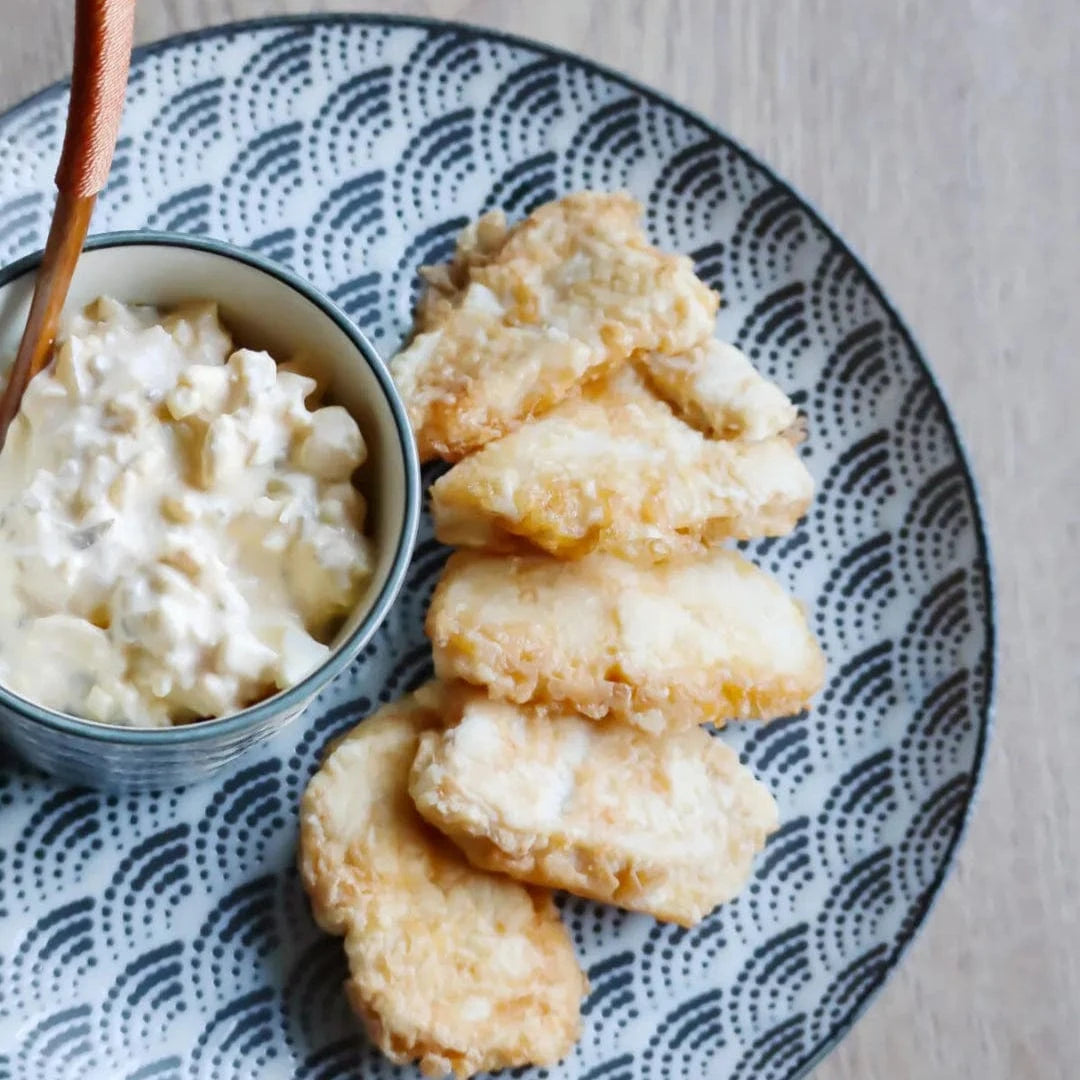
Every plate in the KOMON set tells a unique story through its intricate designs, etched in porcelain. The Asanoha (Hemp Leaf) symbolizes strength, while Yabane (Arrow Feather) represents commitment. Seigaiha (Blue Ocean Waves) evokes wishes for peace, and Ichimatsu (Checkerboard) conveys continuity. Lastly, Mame-Shibori (Bean Dots) adds a cheerful touch to your table setting.
Each design connects the beauty of daily life with centuries of Japanese craftsmanship—infusing every meal you serve with intention and style. The set invites joy into your gatherings, transforming even a simple gathering into a refined culinary experience.
Product Information
Care instructions
Note
FAQs
All you need to know about Japanese Pottery.
What types of traditional pottery are made in Japan?
Japan is home to several renowned pottery styles, including Mino ware (Gifu), Bizen ware (Okayama), Arita and Imari ware (Saga), Shigaraki ware (Shiga), and Mashiko ware (Tochigi). Each region has its own distinct materials, glazes, and firing techniques that reflect local history and aesthetics. Toki City in Gifu Prefecture is particularly renowned as the heart of Mino ware (Minoyaki)—the most widely produced pottery style in Japan.
What materials are used in artisan Japanese pottery?
Most artisan pottery in Japan is made from locally sourced clay, often mixed and refined by hand. Natural minerals and ash are used in glazes, and many pieces are wood-fired or fired in traditional climbing kilns (noborigama), producing unique surface textures and natural variations.
Are artisan Japanese pottery pieces safe for food use?
Yes. Authentic artisan pottery is made with food-safe, lead-free glazes and is carefully fired at high temperatures to ensure durability and safety. However, it's important to follow care instructions, especially for unglazed or porous ceramics.
What makes Japanese pottery different from Western ceramics?
Japanese pottery often emphasizes wabi-sabi—the beauty of imperfection—resulting in organic shapes, subtle asymmetry, and natural glazes. Unlike Western ceramics, which may prioritize uniformity, Japanese pieces often celebrate the individuality of each item, reflecting the artist's hand and the firing process.
How should I care for artisan-made Japanese pottery?
Hand-wash pottery with mild soap and avoid extreme temperature changes (like placing hot items into cold water). Some unglazed pieces may absorb moisture, so allow them to fully dry before storing. Avoid microwaves or dishwashers unless the piece is specifically labeled as safe for such use.