

Kishū Artisan Signature Lacquer Soup Bowl Set
Secure, insured delivery from Japan
Worldwide shipping from $30 · free over $150. Shipping policy
$99 of $150 with this item · $51 to go
U.S. duties prepaid
No extra import charges on delivery — the price you see is the price you pay. Learn more
Sourced in Japan, from the makers
Direct from Japanese workshops and their authorised channels.
Why You’ll Love It
Pairs well with
Kishū Artisan Signature Lacquer Soup Bowl Set
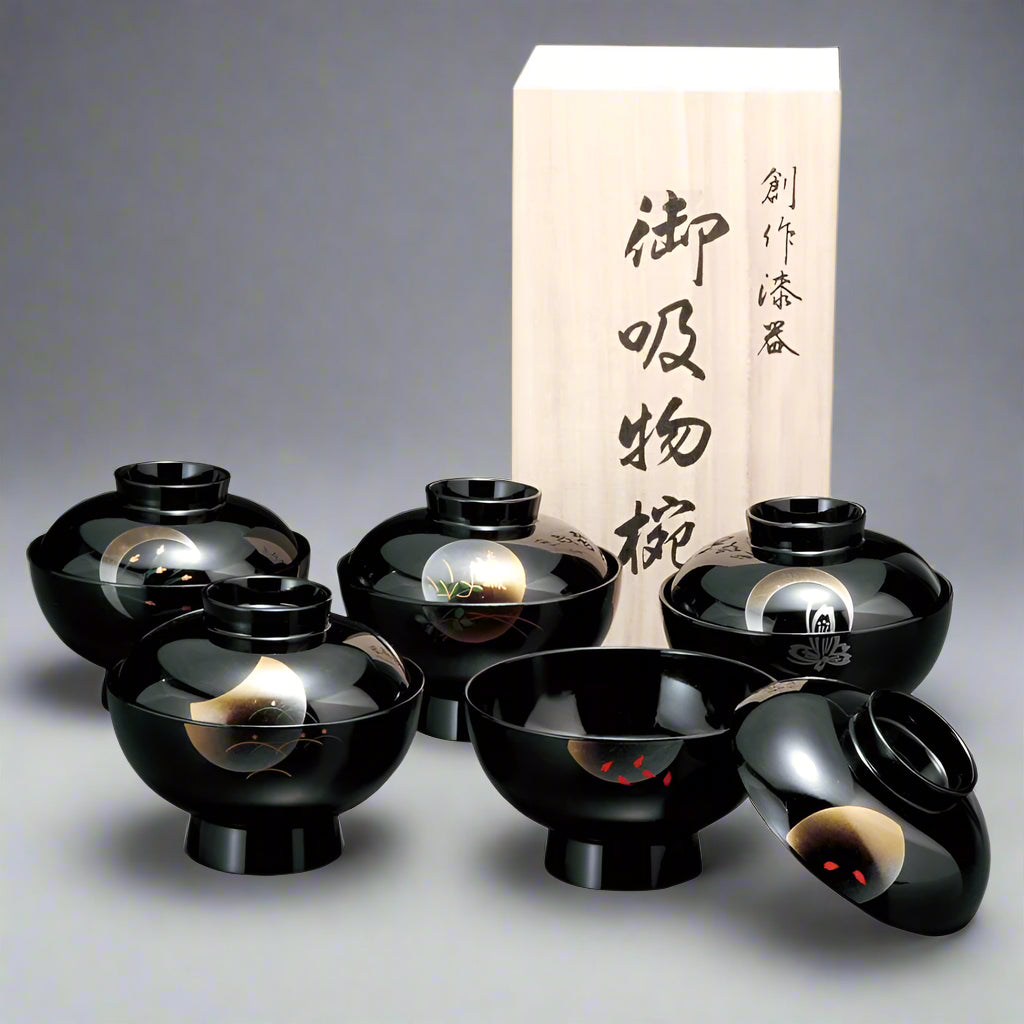
Kishū Artisan Signature Lacquer Soup Bowl Set – Refined Beauty with Collector's Box
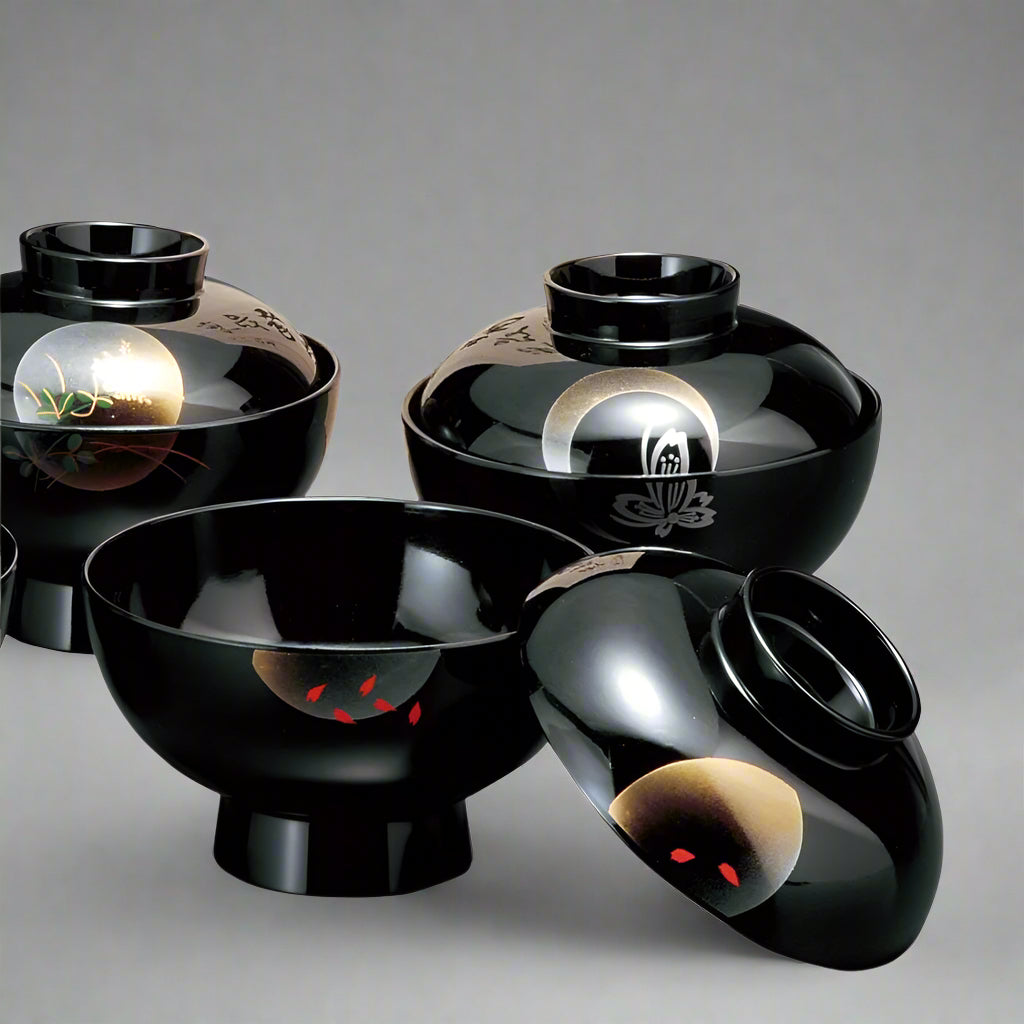
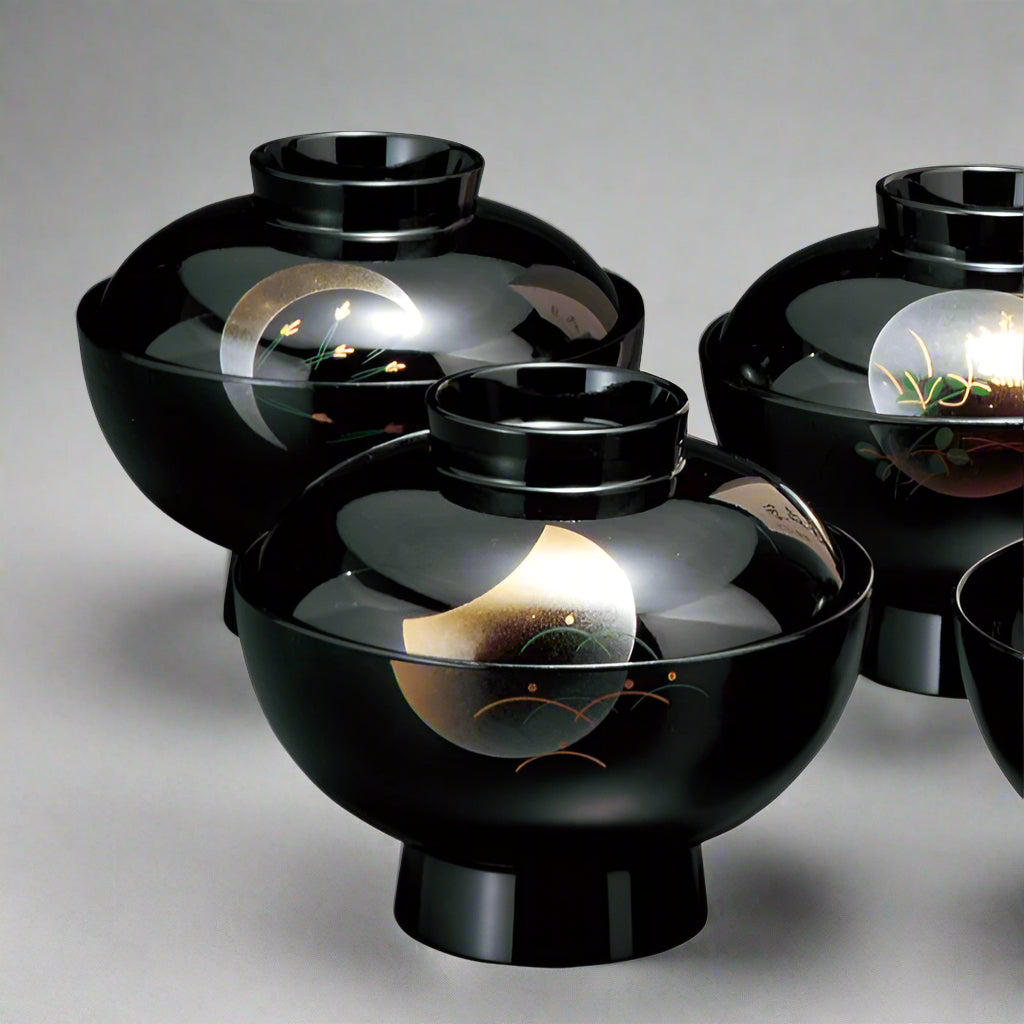
Introducing the Kishū Artisan Signature Lacquer Soup Bowl Set, a remarkable fusion of craftsmanship and luxury. Handcrafted in Wakayama Prefecture, each bowl features intricate golden motifs against a deep black exterior that captures the gaze and adds elegance to your dining experience. Picture yourself serving a warm, fragrant broth in these exquisite bowls, enhancing both flavor and presentation.
Crafted from durable wood composite resin and finished with glossy urethane lacquer, these bowls are designed for lasting use while showcasing exceptional detail. The set is presented in a calligraphy-stamped collector's wooden box, making it an exceptional choice for ceremonial use, family gatherings, or as a cherished heirloom gift for those who appreciate fine dining.
With each bowl measuring approximately 4.7 x 4.1 inches (12 × H10.5 cm), they are perfectly sized for generous servings of soups or broths. The accompanying wooden box, measuring 5.6 x 10 x 5.5 inches (14.2 × 25.4 × 14 cm), offers a refined presentation for both storage and gifting. This set is not just a kitchen accessory; it's a piece of handcrafted Kishū lacquerware that beautifully balances function and a sense of legacy.
Product Information
Care instructions
Note
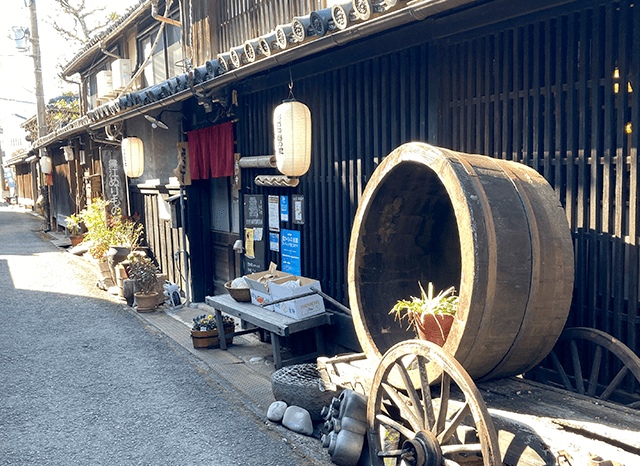
Negoro-nuri: The Timeless Beauty of Wear
Among the most distinguished styles of Kishu lacquerware is Negoro-nuri, renowned for its evocative contrast between vermillion red and black. This technique is said to have originated at Negoro-ji Temple in Iwade City, where monks coated everyday utensils with black lacquer over a red foundation.
Through daily use, the surface gradually wore down, allowing the red underlayer to emerge naturally from beneath the black. This unintentional transformation created a nuanced, aged appearance that came to embody wabi-sabi—an appreciation of impermanence and quiet elegance.
Negoro-nuri is characterized by a thick, resilient lacquer surface designed to endure generations of use. As time passes, the visual shift from black to red unfolds subtly, imparting a sense of depth, movement, and spiritual warmth. This graceful aging process is at the heart of Negoro-nuri’s enduring allure.
FAQs
All you need to know about Negoro-nuri Lacquerware.
What makes Negoro-nuri different from other types of Japanese lacquerware?
Negoro-nuri is unique for its layered red-and-black finish. A red undercoat is covered with black lacquer, and over time, natural wear reveals the red beneath. This creates a dynamic, aged look that evolves with use, embodying the Japanese aesthetic of wabi-sabi—beauty in imperfection and impermanence.
Is the red-and-black contrast in Negoro-nuri intentional or accidental?
Originally, the contrast was a result of daily wear—monks at Negoro-ji Temple used these items so frequently that the top black lacquer wore away. Over time, artisans began to refine and replicate this aged effect intentionally, appreciating its quiet elegance and spiritual symbolism.
Is Negoro-nuri lacquerware durable enough for everyday use?
Yes. One of the hallmarks of Negoro-nuri is its durability. The lacquer is applied in thick, resilient layers, making it resistant to moisture and wear. In fact, its evolving appearance is enhanced by regular use, rather than diminished.
What is the historical significance of Negoro-ji Temple in the development of this style?
Negoro-nuri is named after Negoro-ji, a temple in Iwade City, Wakayama Prefecture, where the technique is believed to have originated. Monks there created practical lacquerware that aged beautifully through daily use, inadvertently giving rise to one of Japan’s most poetic lacquer traditions.
How should I care for Negoro-nuri lacquerware to preserve its beauty?
Avoid harsh detergents, extreme heat, and prolonged soaking. Gently hand-wash with mild soap and a soft cloth. With time and careful handling, the piece will develop an even richer patina—part of what makes Negoro-nuri so cherished among collectors and tea practitioners.