

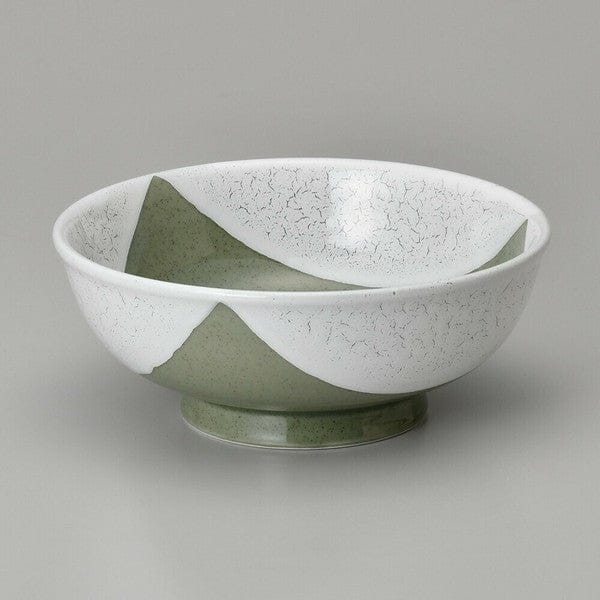
Hakuboku Ramen Bowl
Fast & Secure Delivery from Japan to your Door [Shipping Policy]
Shop Safely with Encrypted Checkout and Verified Gateways.
Pairs well with
Hakuboku Ramen Bowl
Immerse yourself in the art of Japanese dining with the Hakuboku Ramen Bowl. This exquisite bowl, handcrafted in Japan, is not just a vessel; it’s a celebration of culture, craftsmanship, and culinary delight. Picture yourself savoring steaming bowls of ramen, the rich aroma wafting through the air, while the soft green and snow-white glaze mirrors the serene landscapes of springtime in Japan. Every meal becomes a moment of mindfulness, a connection to nature, and a feast for the senses.
Artisanal Craftsmanship & Timeless Design
The Hakuboku Ramen Bowl is a stunning example of Japanese Minoyaki (美濃焼) craftsmanship from Gifu Prefecture, renowned for its historic pottery tradition. The delicate crackle pattern, known as hanshi or kannyu, is meticulously created during firing, giving the bowl a unique, aged beauty that deepens with each use. This design embodies the Japanese aesthetic of wabi-sabi, showcasing the allure of simplicity and the elegance of imperfection.
Measuring 8.7 inches (22 cm) in diameter and 3.5 inches (8.5 cm) in height, this bowl is perfectly proportioned for ramen, donburi, or hearty noodle soups. The gently flared shape not only adds visual grace but also enhances the practicality of serving. With an average weight of about 1.1 lb (500 g), it feels balanced and durable in your hands, ensuring a comfortable dining experience.
Versatile Functionality for Everyday Use
More than just a ramen bowl, the Hakuboku is versatile enough for various culinary delights. Use it as a simmering pot for your favorite stews or a salad bowl for serving generous portions to family and friends. The smooth interior beautifully showcases your culinary creations, while the earthy green undertones blend effortlessly with both modern and traditional table settings.
Indulge in the warmth and charm this artisan-made bowl brings to your home decor. Each use transforms a simple meal into an extraordinary dining experience, reminding you of the beauty in everyday moments. Invest in the Hakuboku Ramen Bowl, where tradition meets functionality, and elevate your dining rituals.
Order now and embrace the elegance of Japanese craftsmanship, adding a touch of authenticity to your culinary adventures.
Product Information
Care instructions

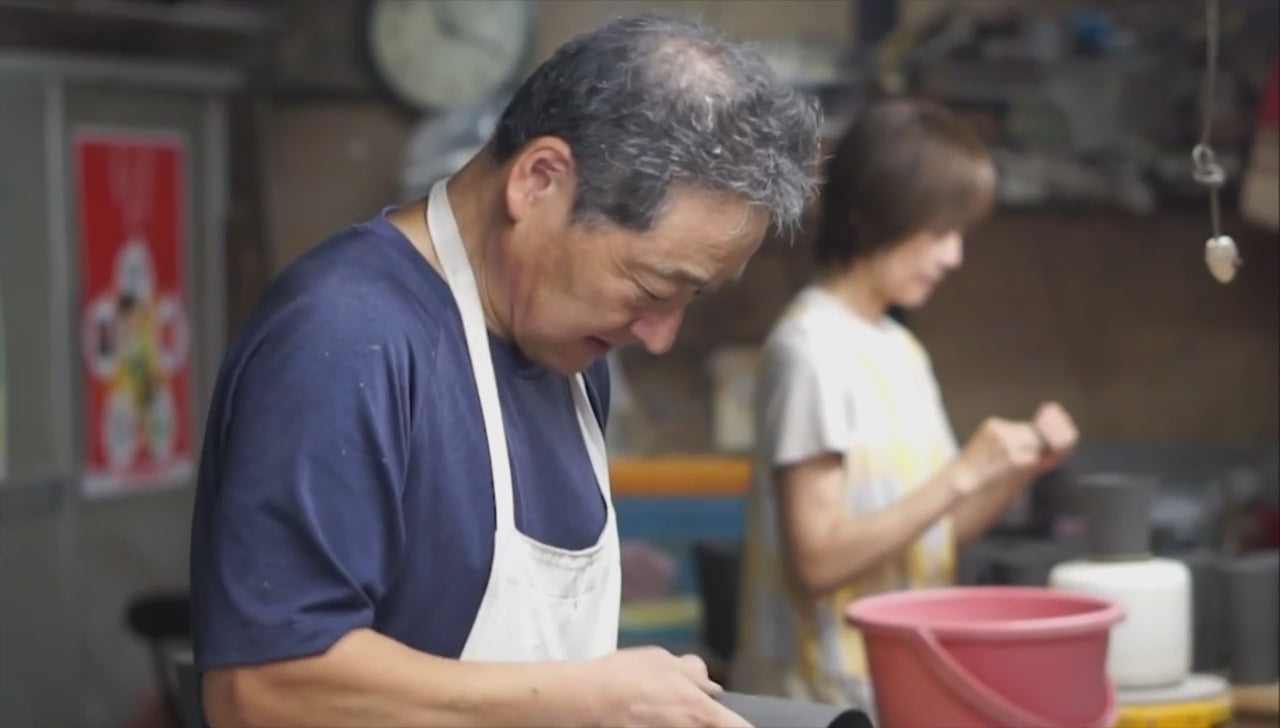
Mino Ware – A Legacy of Japanese Ceramic Art
Mino ware (Minoyaki) is one of Japan’s oldest and most revered ceramic traditions, with roots stretching back over 1,300 years. Originating in the mountainous region of Gifu Prefecture, this pottery is celebrated not only for its rich history but also for the extraordinary craftsmanship that defines each piece.
Skilled artisans shape every bowl, cup, and plate by hand, using locally sourced clay and time-honored techniques passed down through generations. The unique glazing styles—from subtle earth tones to vibrant colors—are carefully applied and fired to create intricate textures, crackle patterns, and finishes that make each item one of a kind.
More than just tableware, Mino ware represents a deep connection to nature, simplicity, and the wabi-sabi aesthetic. Each piece is a quiet expression of balance—between utility and beauty, old and new. Whether used daily or saved for special moments, Mino ware brings the spirit of Japanese craftsmanship to your home.
FAQs
All you need to know about Japanese Mino Ware.
What is Mino ware?
Mino ware, or Minoyaki (美濃焼), refers to a traditional style of Japanese ceramics that originated in Gifu Prefecture over 1,300 years ago. It is one of Japan’s most prominent ceramic traditions and is known for its variety of styles, earthy aesthetics, and artisanal craftsmanship. Today, Mino ware accounts for the largest share of ceramic tableware production in Japan.
How is Mino ware made?
Each piece of Mino ware is handcrafted by skilled artisans using locally sourced clay. The process involves shaping the clay by hand or wheel, applying unique glazes, and firing it in kilns at high temperatures. The techniques used—such as Oribe, Shino, and Setoguro glazes—have been perfected over centuries to create the textures, colors, and finishes that define Mino ware.
What makes Mino ware different from other Japanese ceramics?
Unlike many other regional ceramics that follow a uniform aesthetic, Mino ware is known for its diversity. It encompasses over 15 officially recognized styles, ranging from rustic and natural to vibrant and contemporary. This flexibility makes Mino ware both deeply traditional and highly adaptable for modern use.
Is Mino ware safe for everyday use?
Yes, authentic Mino ware is made from food-safe materials and is generally safe for everyday dining. Most Mino ware sold today is microwave and dishwasher compatible, but because of its handcrafted nature, gentle handwashing is often recommended to preserve the glaze and texture.
Why is Mino ware valued by collectors and designers?
Collectors and interior designers appreciate Mino ware for its authenticity, heritage, and aesthetic depth. Each piece embodies the Japanese philosophy of wabi-sabi—beauty in imperfection—and offers a unique tactile and visual experience. The handcrafted nature of Mino ware ensures no two pieces are exactly alike, making them functional works of art.