

Chopstick Rest Gold Kutani (Set of 5 Pieces)
Secure, insured delivery from Japan
Complimentary over $199 · otherwise from $30. Shipping policy
$100 away from complimentary shipping
U.S. duties prepaid at checkout
Import duties and taxes are calculated and paid at checkout, so nothing is due on delivery. Learn more
Sourced in Japan, from the makers
Direct from Japanese workshops and their authorised channels.
Why You’ll Love It
Pairs well with
Chopstick Rest Gold Kutani (Set of 5 Pieces)
Chopstick Rest Gold Kutani (Set of 5 Pieces)
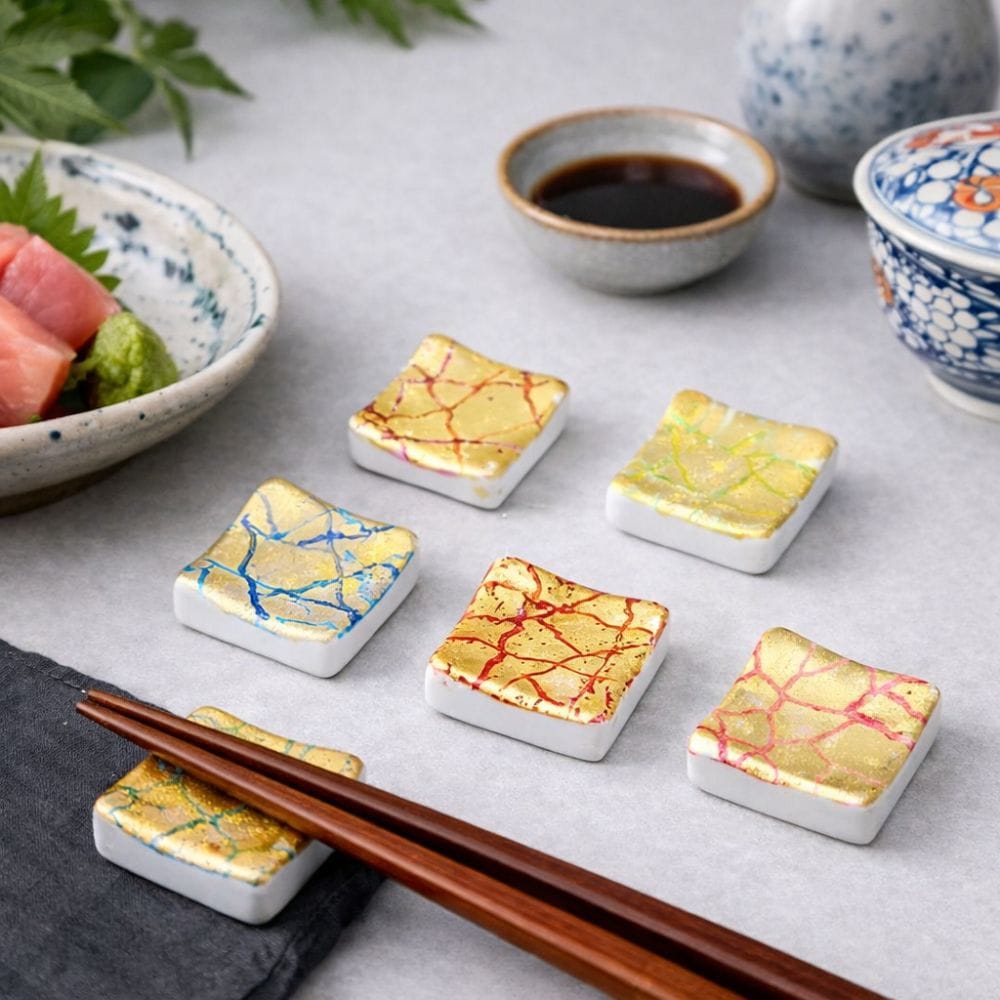
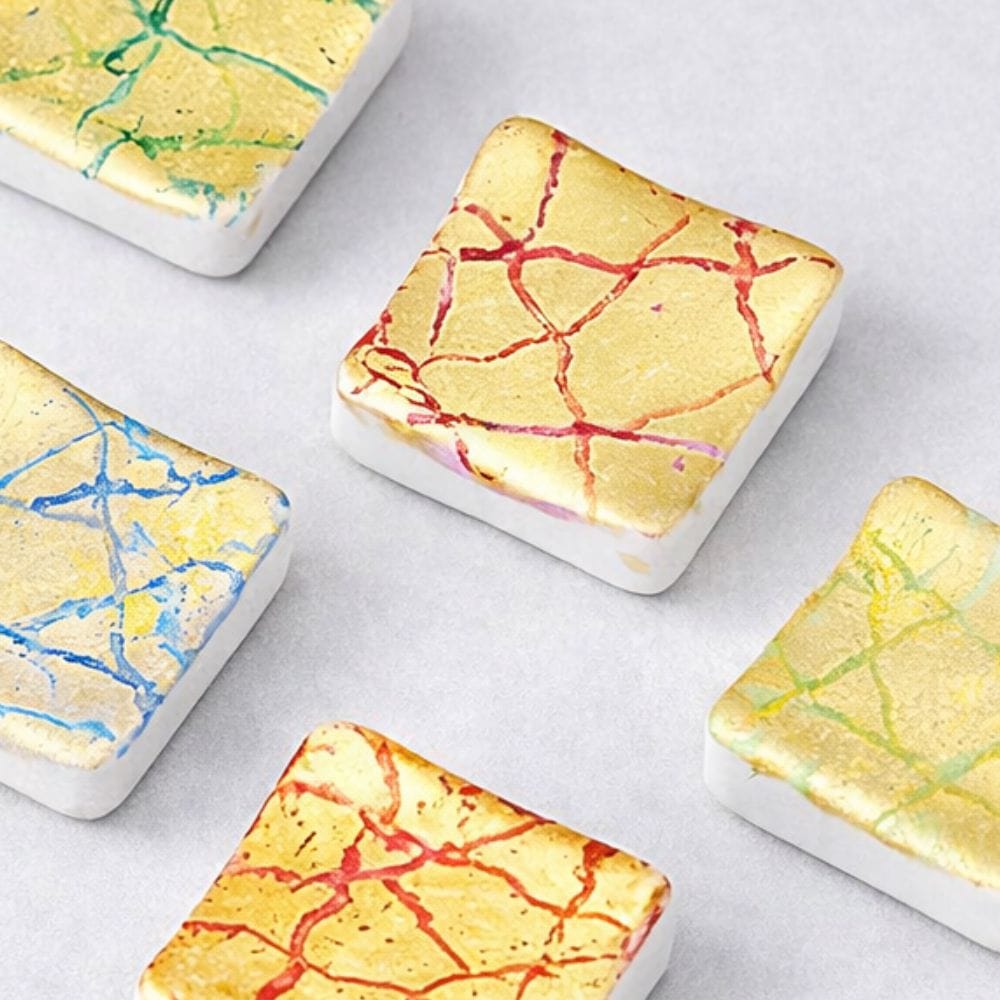
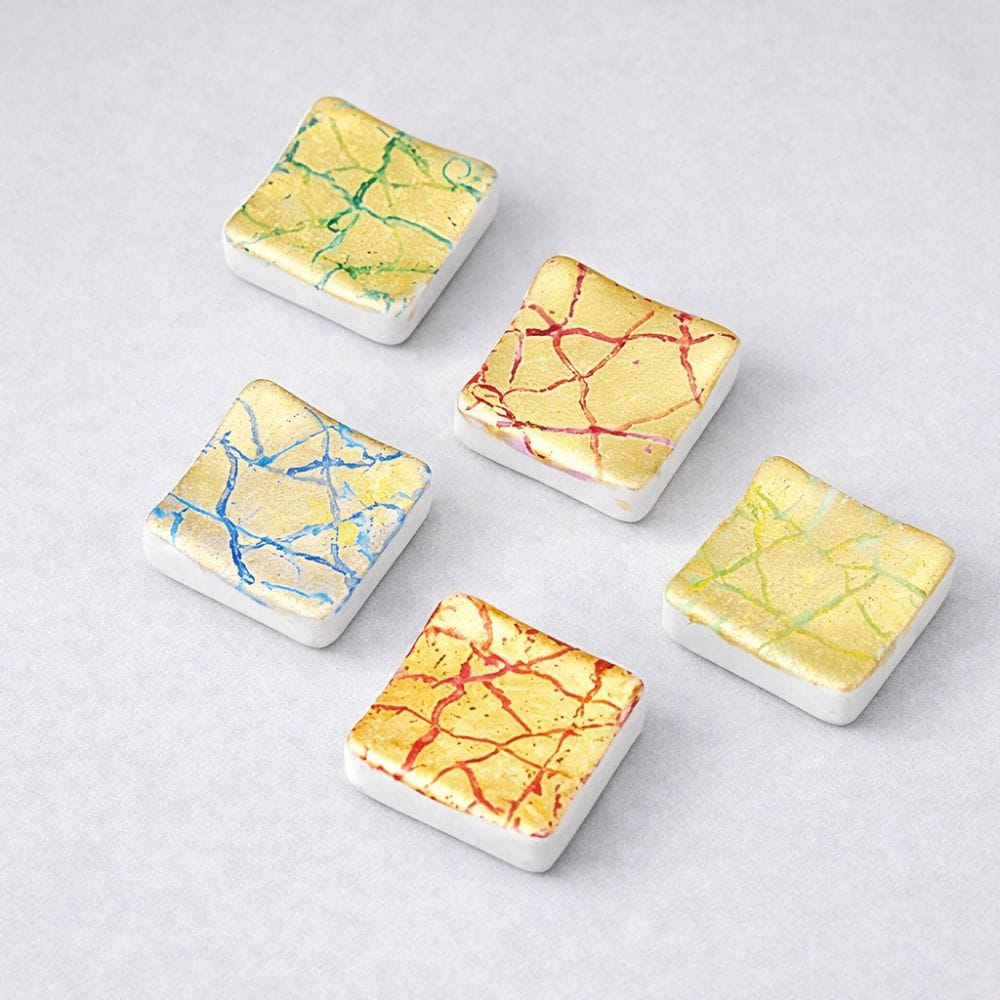
Transform your dining experience with our Chopstick Rest Gold Kutani set, a beautiful collection of five ceramic pieces that embody authentic Japanese artistry. Each rest showcases intricate patterns inspired by nature—floral motifs, birds in flight, and serene landscapes—all rendered in a captivating palette of red, green, yellow, purple, and navy blue. The delicate brushstrokes reveal the craftsmanship, inviting you to appreciate the artistry as you savor each meal.
Craftsmanship and Cultural Heritage
Handcrafted in the Kutani region of Japan, these chopstick rests pay homage to the renowned Kutani ware tradition. Each piece is shaped on a traditional potter’s wheel, reflecting the dedication of the artisans who created it. This unique design blends cultural heritage with practicality. The distinctive aesthetic of Kutani ware, characterized by detailed motifs and vibrant colors, ensures that these rests stand out on your dining table, making every meal an artistic occasion.
Enhancing Daily Life
Designed to securely hold your chopsticks, these rests measure approximately 3.5 inches (9 cm) square, preventing them from rolling off the table and ensuring a tidy dining experience. Their durable ceramic construction provides a stable base while adding warmth and elegance to your decor. These chopstick rests are perfectly sized for both intimate dinners and festive gatherings, enhancing your dining atmosphere and sparking engaging conversation.
Care and Presentation
Packaged in an elegant cosmetic box, this set serves as a thoughtful gift for friends, family, or a special treat for yourself. Due to their ceramic composition, please handle these fragile pieces with care to maintain their beauty and longevity. Each rest is designed to accompany your meals in style while ensuring practicality and elegance.
Product Information
Care instructions
Note
Questions About This Piece
Why use gold on something this small?
Are all five rests identical?
What kind of meals do these suit best?
Do they work with modern tableware?
What do these change about the dining experience?

Kutani ware · Ishikawa, Japan
Kutani: Japan’s art of brilliant color
Kutani ware emerged in Ishikawa in the 17th century and became celebrated for bold overglaze painting and an unmistakably rich use of color. Its decorative language ranges from expressive nature motifs to highly detailed compositions, giving Kutani porcelain a vivid character unlike almost any other Japanese ceramic tradition.
Discover Kutani
Learn more about Kutani ware
What is Kutani ware?
Kutani ware is a tradition of Japanese porcelain associated with Ishikawa Prefecture. It first developed in the 17th century and is especially known for richly colored overglaze decoration, bold compositions and a wide range of styles that evolved over several centuries.
What are the five colors of Kutani ware?
The traditional Kutani palette is often referred to as Kutani Gosai, or the five Kutani colors: red, yellow, green, purple and dark blue. These vivid overglaze enamels are used in different combinations, from dense decorative painting to more restrained contemporary work.
Where is Kutani ware made?
Kutani ware is associated with Ishikawa Prefecture in Japan’s Hokuriku region, particularly the areas around Kaga, Komatsu and Kanazawa. The original Kutani production began near present-day Kaga in the mid-1600s.
Why does Kutani ware look so different from other Japanese porcelain?
Kutani is distinguished by its emphasis on decoration after the porcelain body has been fired. Layers of colored enamel are applied over the glaze, allowing artists to create saturated color, strong outlines and highly expressive imagery. This gives Kutani ware a more painterly and often more dramatic appearance than many other Japanese porcelain traditions.