

Cherry and Bird Ochazuke Bowl
Secure, insured delivery from Japan
Worldwide shipping from $30 · free over $150. Shipping policy
$34 of $150 with this item · $116 to go
U.S. duties prepaid
No extra import charges on delivery — the price you see is the price you pay. Learn more
Sourced in Japan, from the makers
Direct from Japanese workshops and their authorised channels.
Why You’ll Love It
Pairs well with
Cherry and Bird Ochazuke Bowl
Kutani Rice & Chazuke Bowl – Cherry Blossom Bird Motif
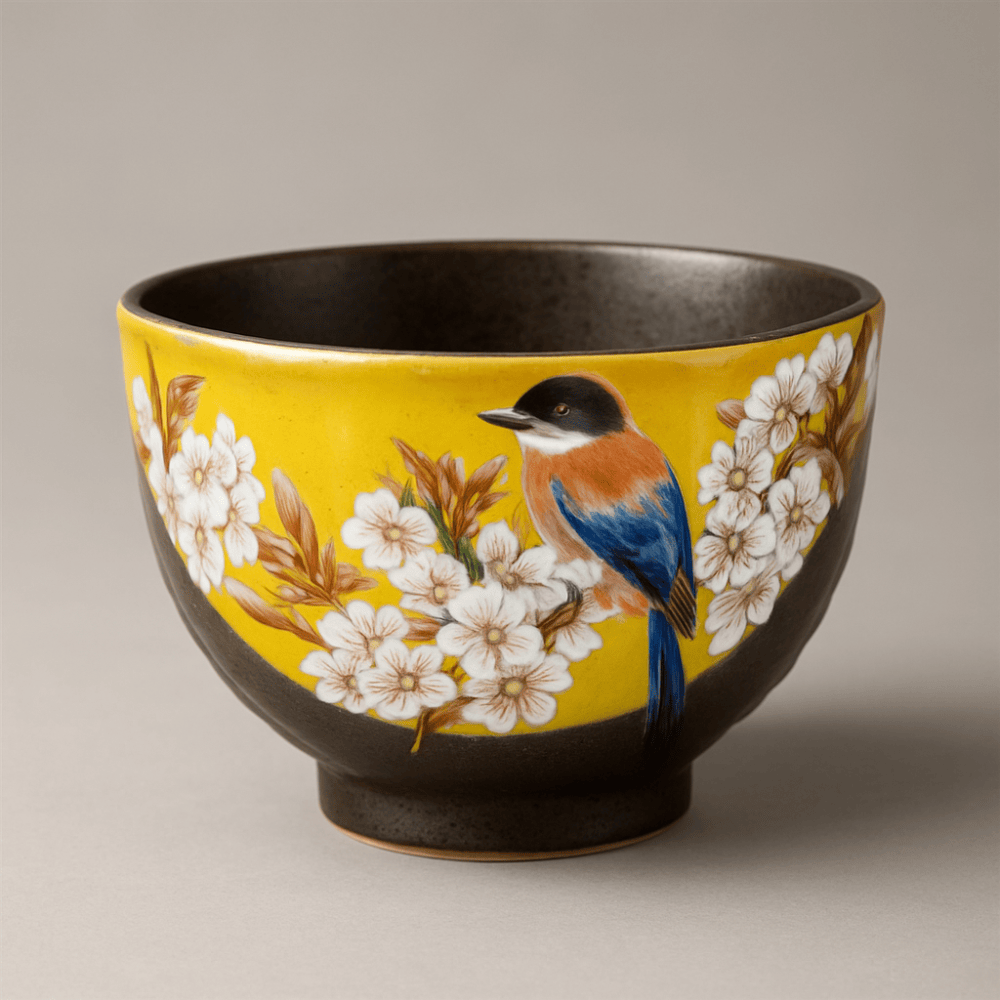
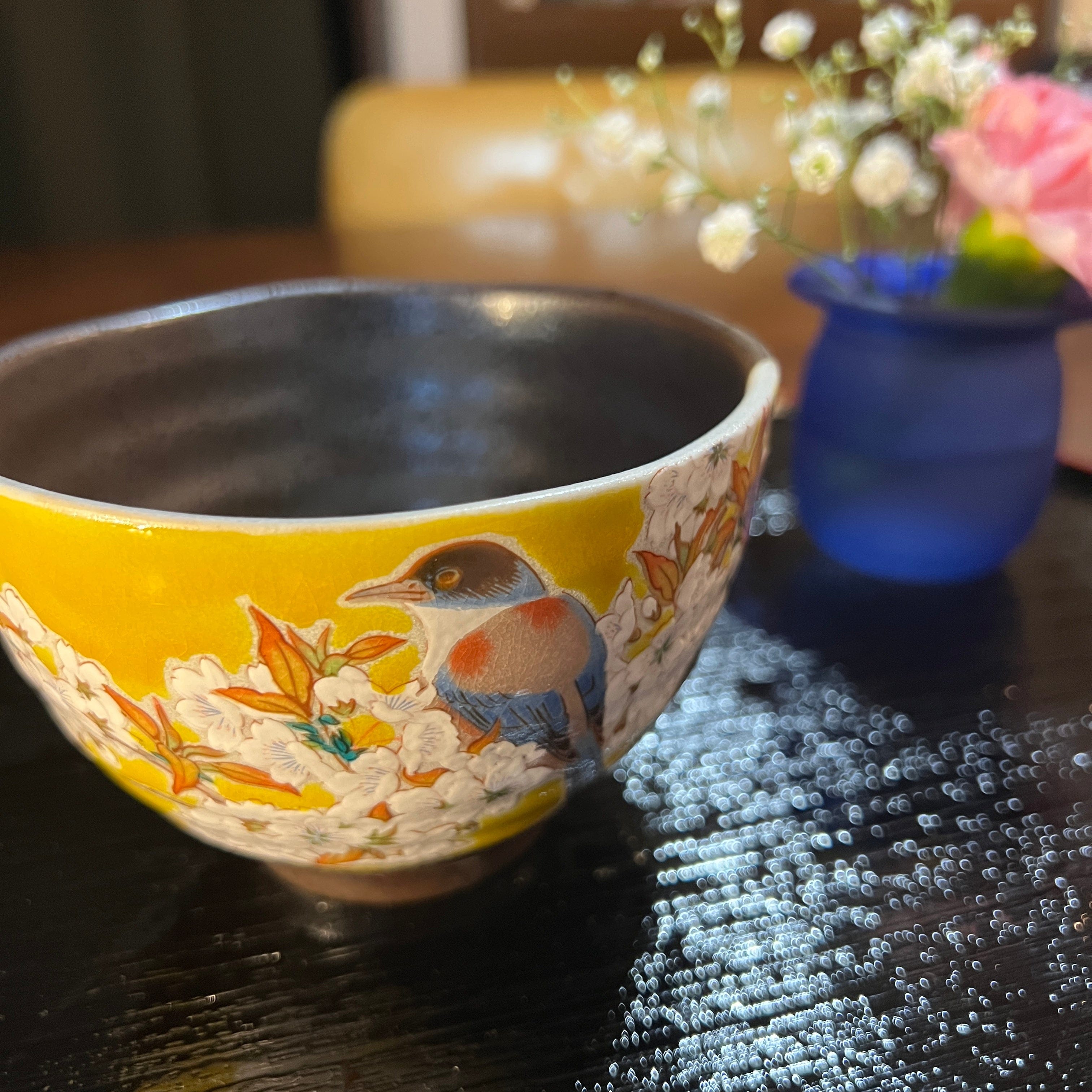
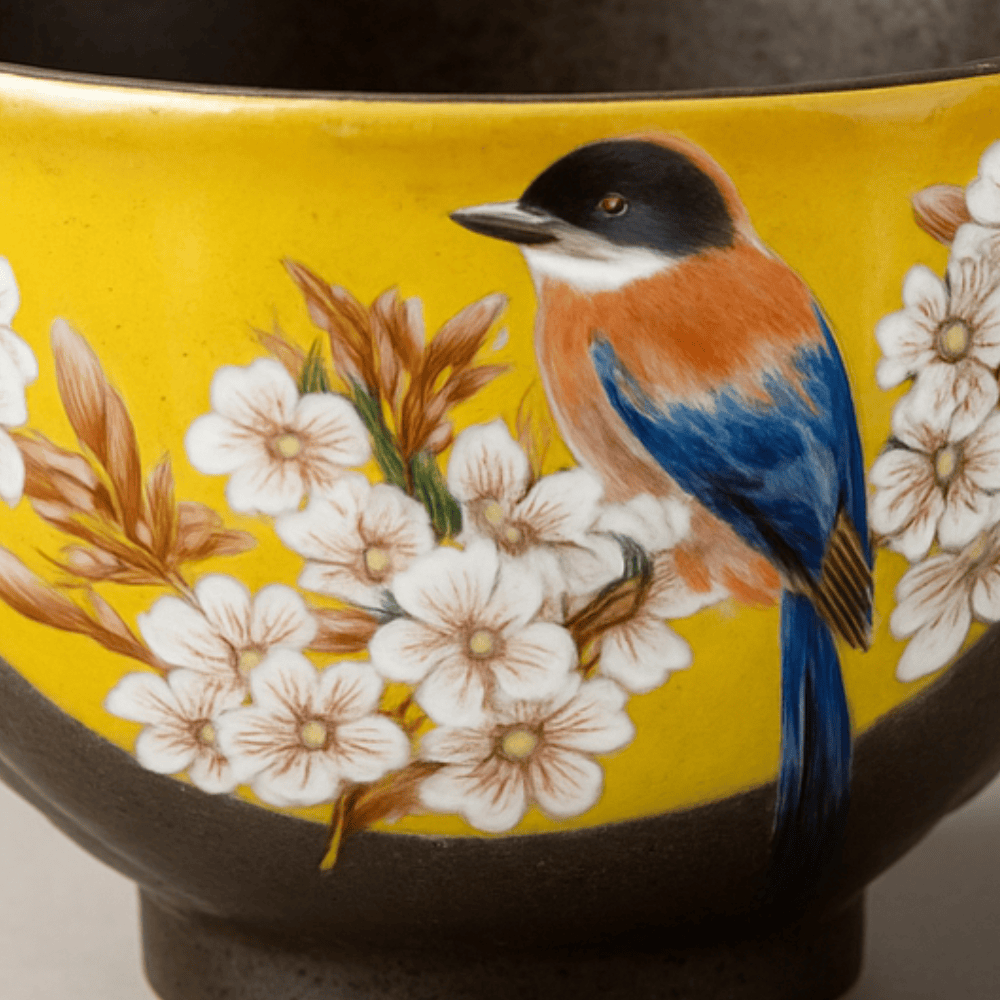
Indulge in the beauty of Japanese artistry with the exquisite Cherry and Bird Ochazuke Bowl. This vibrant ceramic piece measures 4.7 inches in diameter and 3.1 inches in height, showcasing a delicate bird nestled among blossoming cherry branches, hand-painted against a cheerful yellow background. The lively colors and intricate design invite warmth and serenity into your dining space, transforming everyday meals into delightful experiences.
Artisanal Craftsmanship
Handcrafted in the Kutani region of Japan, this bowl exemplifies centuries of traditional Kutani ware techniques. This pottery utilizes a palette of five striking colors—red, green, yellow, purple, and navy blue—each stroke applied with precision to form intricate designs. The combination of floral and fauna motifs not only pleases the eye but also creates a beautiful focal point on your table, making it an inviting centerpiece.
Functional Elegance
The Cherry and Bird Ochazuke Bowl is ideal for serving rice or salads, or for use as an elegant display. Its robust ceramic composition ensures durability for daily use while adding sophistication to your home décor. Measuring 12 cm (4.7 inch) in diameter, it offers ample space for a generous portion, allowing you to enjoy meals in style—whether for casual dining or special gatherings.
What is Chazuke?
Chazuke (also known as ochazuke) is a simple and comforting Japanese dish made by pouring hot green tea, dashi broth, or plain hot water over a bowl of cooked rice. It’s often topped with versatile ingredients like salted salmon, pickled plum (umeboshi), seaweed, sesame seeds, or rice crackers. Light, warm, and soothing, it serves as a quick meal, a late-night snack, or a gentle way to conclude a dining experience.
Product Information
Care instructions
Note

Kutani ware · Ishikawa, Japan
Kutani: Japan’s art of brilliant color
Kutani ware emerged in Ishikawa in the 17th century and became celebrated for bold overglaze painting and an unmistakably rich use of color. Its decorative language ranges from expressive nature motifs to highly detailed compositions, giving Kutani porcelain a vivid character unlike almost any other Japanese ceramic tradition.
Discover Kutani
Learn more about Kutani ware
What is Kutani ware?
Kutani ware is a tradition of Japanese porcelain associated with Ishikawa Prefecture. It first developed in the 17th century and is especially known for richly colored overglaze decoration, bold compositions and a wide range of styles that evolved over several centuries.
What are the five colors of Kutani ware?
The traditional Kutani palette is often referred to as Kutani Gosai, or the five Kutani colors: red, yellow, green, purple and dark blue. These vivid overglaze enamels are used in different combinations, from dense decorative painting to more restrained contemporary work.
Where is Kutani ware made?
Kutani ware is associated with Ishikawa Prefecture in Japan’s Hokuriku region, particularly the areas around Kaga, Komatsu and Kanazawa. The original Kutani production began near present-day Kaga in the mid-1600s.
Why does Kutani ware look so different from other Japanese porcelain?
Kutani is distinguished by its emphasis on decoration after the porcelain body has been fired. Layers of colored enamel are applied over the glaze, allowing artists to create saturated color, strong outlines and highly expressive imagery. This gives Kutani ware a more painterly and often more dramatic appearance than many other Japanese porcelain traditions.