

Blue Whale Spoon
Secure, insured delivery from Japan
Worldwide shipping from $30 · free over $150. Shipping policy
$9.90 of $150 with this item · $140.10 to go
U.S. duties prepaid
No extra import charges on delivery — the price you see is the price you pay. Learn more
Sourced in Japan, from the makers
Direct from Japanese workshops and their authorised channels.
Why You’ll Love It
Pairs well with
Immerse yourself in a delightful dining experience with the captivating Blue Whale Spoon, a unique piece that exemplifies Japanese craftsmanship. Each meal becomes an occasion as you savor your favorite ramen or soup with a spoon that feels like a gentle ocean wave in your hand. This artisan-made spoon is not merely functional but also adds a whimsical touch to your tableware collection.
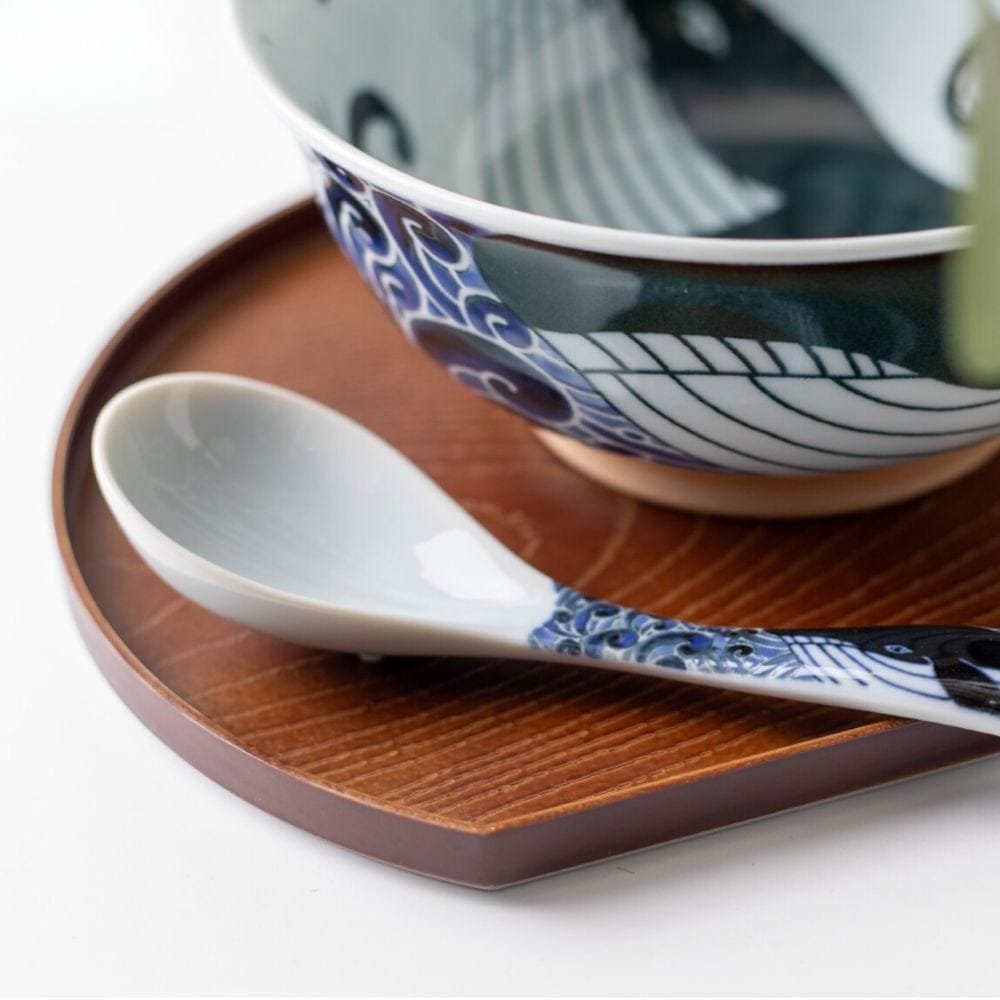
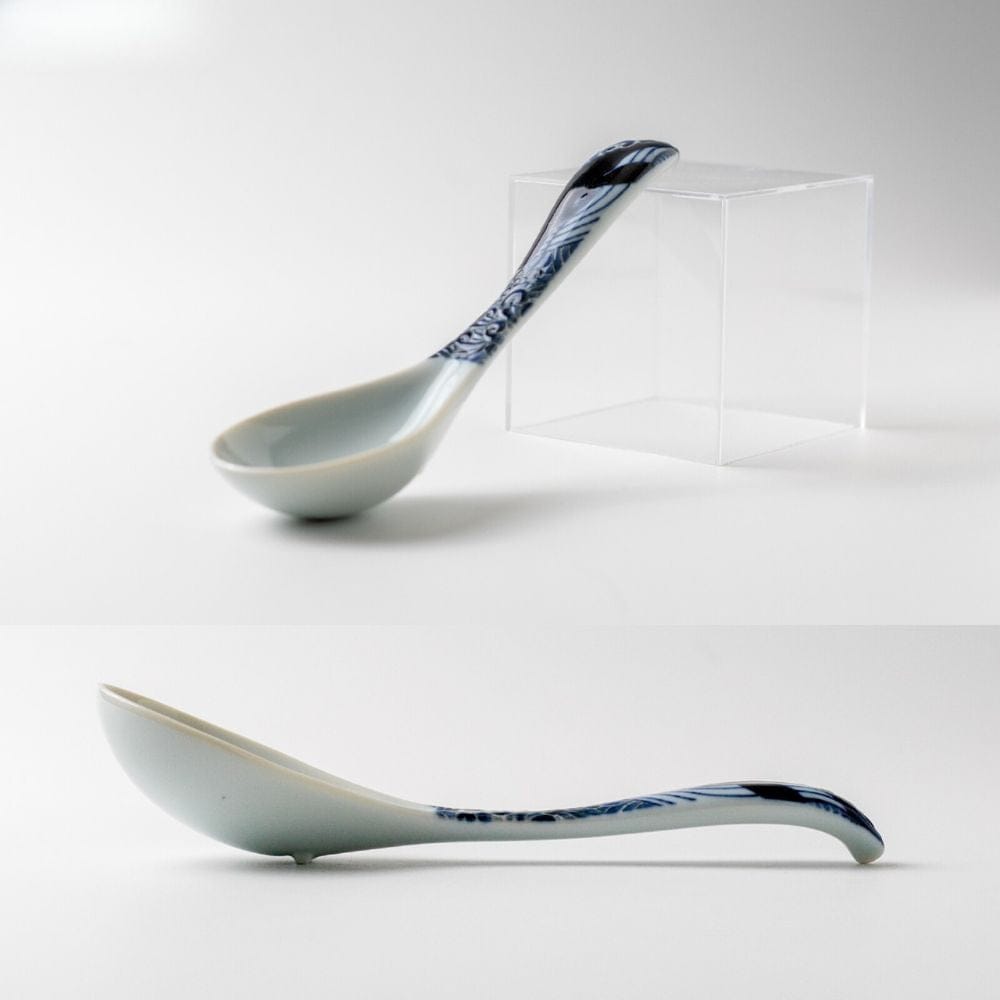
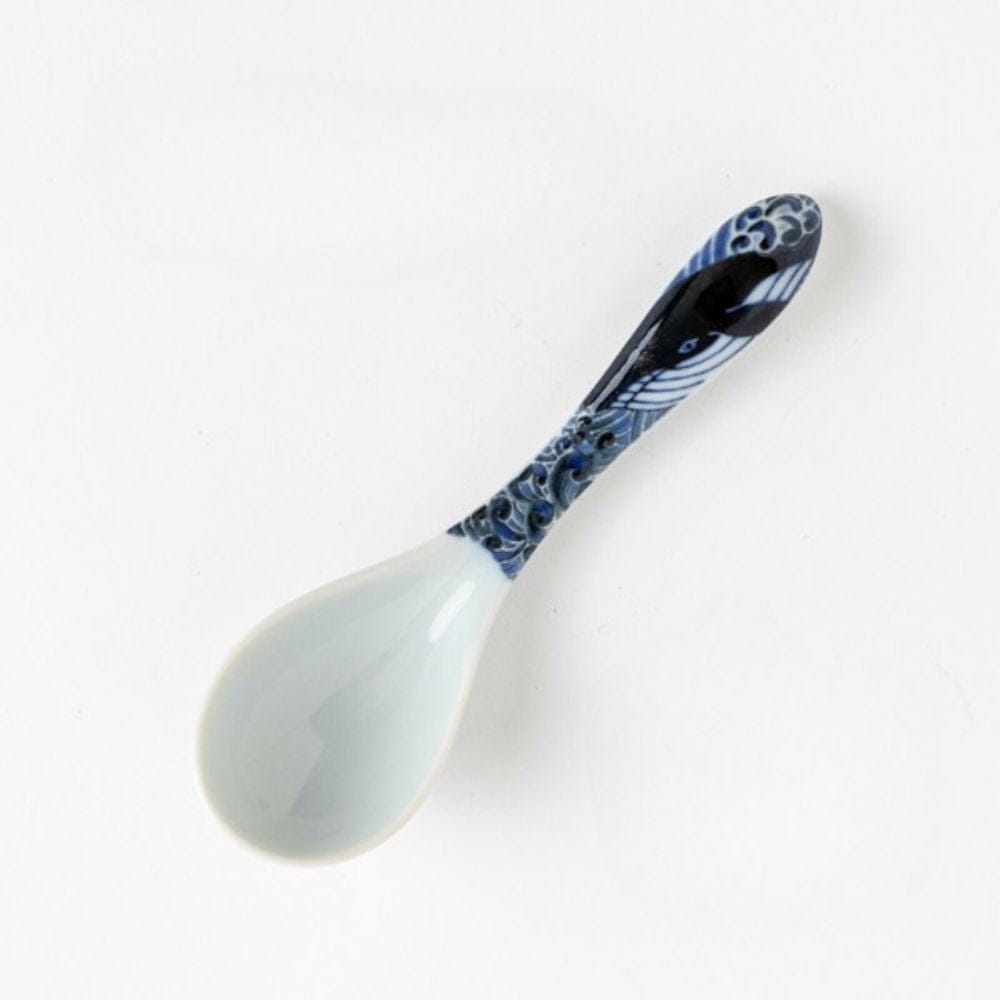
Artistry Meets FunctionalityOriginating from the historic Gifu Prefecture, celebrated for its exquisite Mino ware, the Blue Whale Spoon boasts a design that features a graceful whale gliding through swirling indigo waves. The combination of deep blue, soft black, and crisp white creates a visually striking aesthetic, enhancing every meal. Measuring approximately 6.9 inches (17.5 cm) and weighing around 2.5 ounces (71 g), this spoon is ideal for enjoying everything from flavorful miso soup to delectable desserts. The generously shaped bowl ensures you effortlessly scoop up broth, noodles, and hearty toppings, capturing every delicious bite. With a smooth, glossy surface that resists heat and stains, this spoon is wonderfully suited for everyday use.
Enhance Your Home DecorEnvision serving your culinary creations alongside the Blue Whale Ramen Bowl or other items from the Blue Whale collection. This spoon transcends typical utensils; it is a charming piece that infuses personality and color into your kitchen and dining space.
Whether you're treating yourself or choosing a thoughtful gift for a loved one, the Blue Whale Spoon is an excellent choice. Its unique design and artisanal quality make it a delightful collectible, perfect for those who appreciate handcrafted pieces. Each spoon undergoes thorough inspection to ensure it meets high standards, with slight variations in color or texture that highlight the beauty of handcrafted ceramics.
Product Information
Care instructions
Mino ware · Gifu, Japan
Mino ware: 1,300 years of ceramic innovation
Mino ware comes from the Tono region of Gifu Prefecture, one of Japan's most important ceramic-producing areas. Over centuries, kilns in the region developed a remarkable range of styles, from restrained Shino and Oribe pieces tied to tea culture to everyday tableware for modern Japanese homes. Rather than being defined by a single look, Mino ware is known for that diversity. A ceramic tradition that has continued to evolve with the way people actually live and eat.
Discover Mino
Learn more about Mino ware
What is Mino ware?
Mino ware, or Minoyaki, is the broad ceramic tradition associated with the Mino region of present-day Gifu Prefecture. Rather than describing one fixed aesthetic, the name encompasses ceramics with a wide range of forms, glazes and decorative approaches developed across the region over more than 1,300 years.
Why is Mino ware so diverse?
Mino developed as a large ceramic-producing region rather than around one narrowly defined style. Generations of potters experimented with different clays, firing methods, shapes and glazes, creating a tradition in which rustic tea wares, expressive glazes and practical everyday tableware can all belong to the same ceramic family.
What are Shino and Oribe?
Shino and Oribe are two of the best-known ceramic traditions associated with Mino. Shino is celebrated for its soft white glaze, subtle texture and often understated decoration, while Oribe is known for expressive forms and distinctive green, black and painted surfaces. Together with Kiseto and Setoguro, they are closely associated with the celebrated Momoyama-period tea ceramics of the Mino region.
Where is Mino ware made?
Mino ware is produced primarily in the Tōnō area of eastern Gifu Prefecture, including major ceramic centres such as Tajimi, Toki and Mizunami. The region remains one of Japan's most important centres of ceramic and tableware production today.