

A Surprising Question About a Familiar Flavor
You drizzle it over rice, dip your sushi in it and stir it into marinades but have you ever wondered, is soy sauce actually gluten-free? For many this question only arises after adopting a gluten-free diet or navigating food sensitivities. Yet behind this seemingly simple condiment lies a rich tapestry of history, fermentation, and craftsmanship that deserves a closer look.
Understanding the nuances of soy sauce (醤油 shōyu) especially in its gluten-free varieties is essential for both health and cultural appreciation.
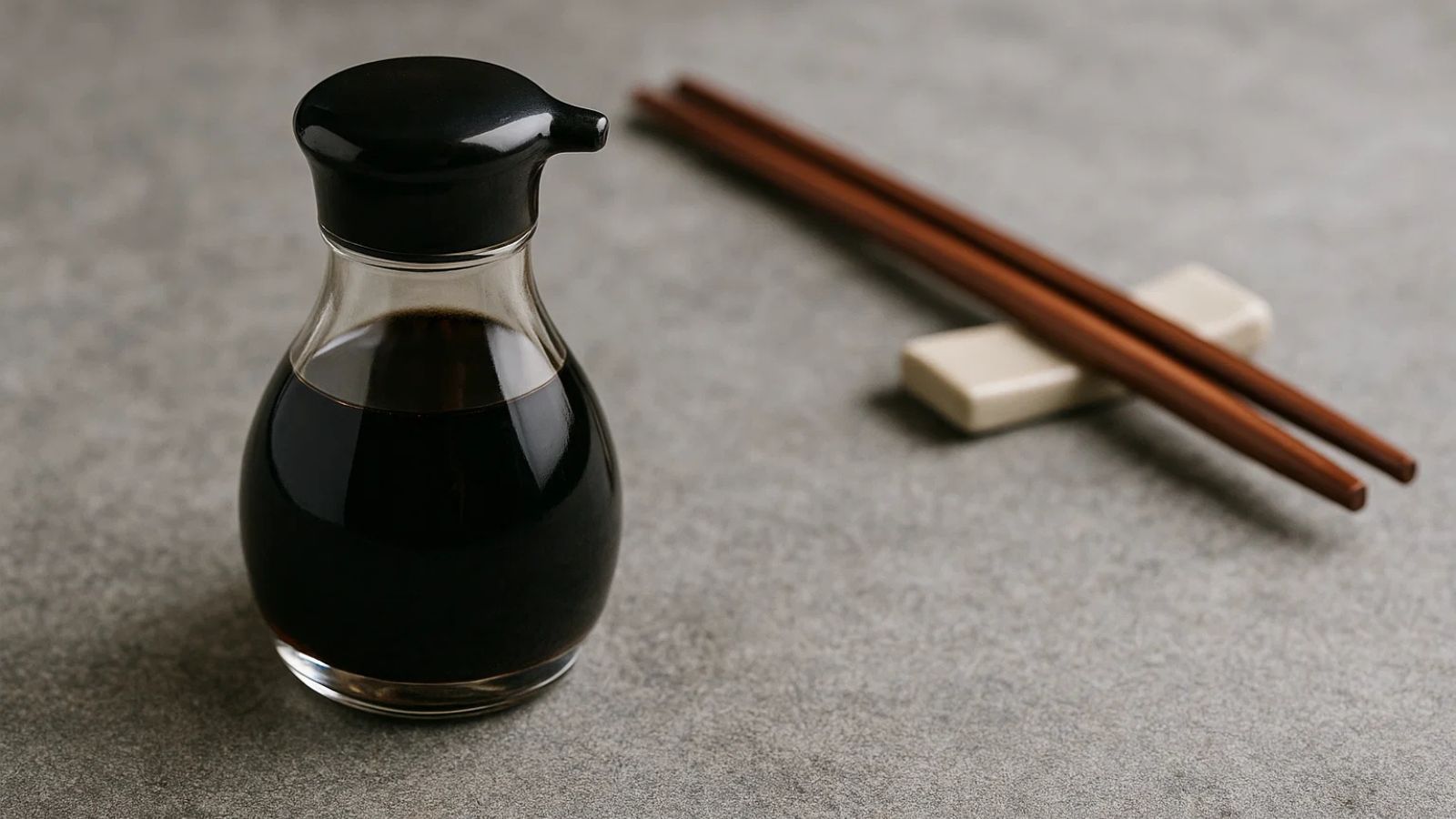
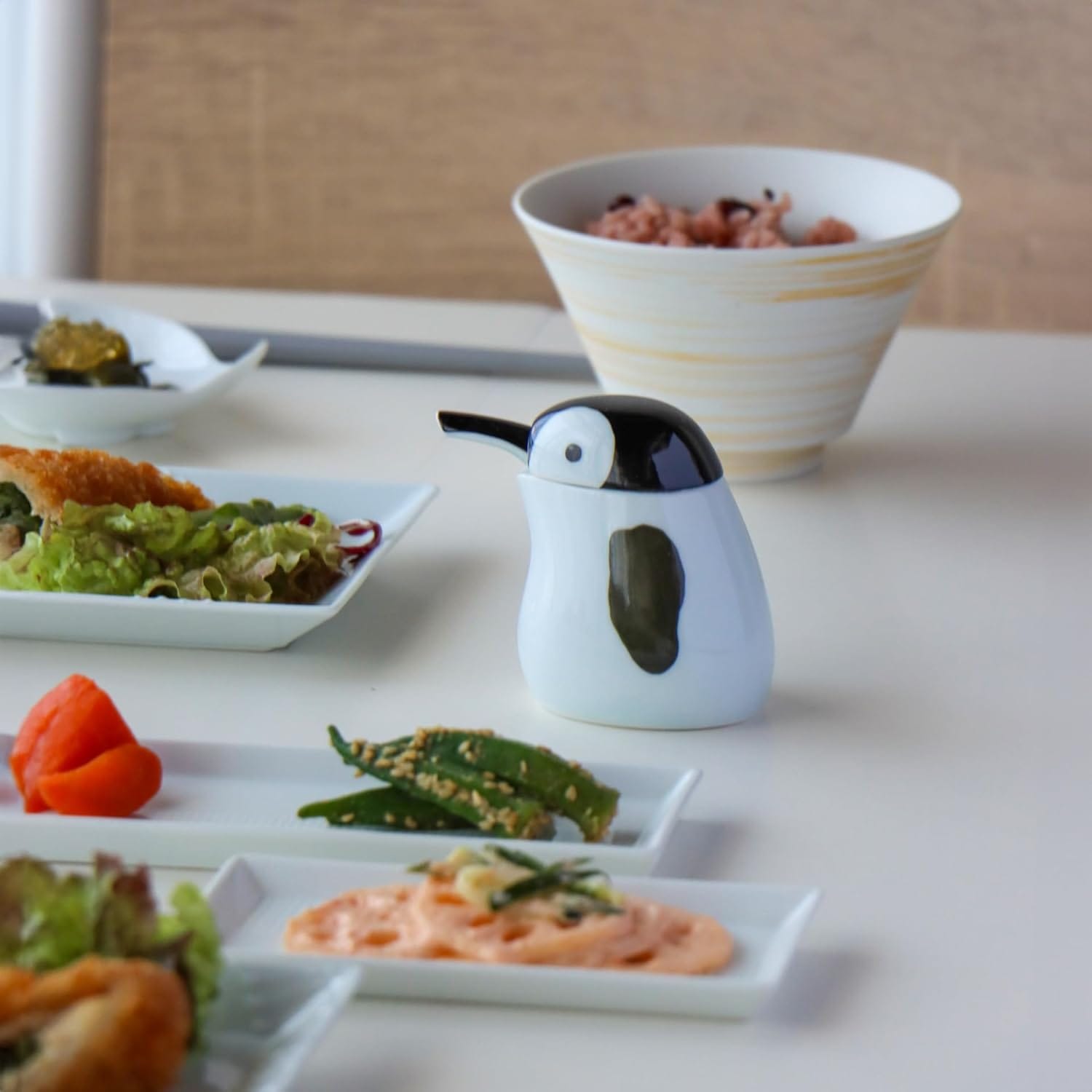
While pondering the question of wether or not soy sauce is gluten free, explore our wonderful collection of soy sauce dispensers!

The Role of Wheat in Traditional Soy Sauce
A Recipe Rooted in Fermentation
Despite its name, soy sauce is not actually made from soybeans alone. Traditional Japanese soy sauce typically includes four main ingredients: soybeans, wheat, salt and water. Although the inclusion of wheat might surprise some especially those assuming soy sauce is purely soy-based product but it's essential to the brewing process.
During fermentation, wheat and soybeans interact with kōji (麹, a mold culture), creating the complex flavor that defines Japanese soy sauce. This process is time consuming and can take months but it is what gives Kikkoman soy sauce and others their savory flavor. However, because wheat is a primary ingredient most traditional soy sauces do contain gluten even if in minimal amounts due to the breakdown of proteins through fermentation.
Gluten Content in Soy Sauce: Not Always Obvious
The exact gluten content of soy sauce varies depending on the fermentation method and recipe used. While some sources suggest that fermentation may reduce gluten levels, research has shown that cross-reactive proteins and hydrolyzed soy protein may still trigger reactions in people with gluten sensitivity or celiac disease. This is why products must meet strict standards to carry a “gluten-free” label and why people following a gluten-free diet should proceed with caution.

So... Is Soy Safe for People with Celiac Disease?
It’s Not Just About the Sauce
Soybeans themselves are naturally gluten-free, but those with celiac disease or gluten sensitivities must still be cautious. Co-occurring conditions like IBS or soy allergy can complicate matters. A celiac dietitian may advise avoiding soy sauce as a whole unless it's clearly labeled gluten-free, especially due to risks of gluten contamination during manufacturing.
Also, some individuals may react to soybean proteins or even to oat proteins due to similarities with gluten (a phenomenon called cross-reactivity). Fermented products including soy sauce are complex and may not be tolerated by everyone. The safest route? Read labels closely and consult with a healthcare provider or dietitian when in doubt. You should always make your health your first priority.
Gluten-Free Soy Sauce Options: What to Look For
Know Your Labels and Brands
Fortunately, the growing demand for gluten-free options has led to a wide array of alternatives. Here's what to look for:
- Kikkoman Gluten-Free Soy Sauce: Brewed without wheat, using rice as a substitute grain.
- San-J Tamari Gluten-Free Soy Sauce: Certified gluten-free, made using little to no wheat.
- Ohsawa Tamari Soy Sauce: Organic and traditionally brewed for purity and depth.
- La Bonne Gluten-Free Soy Sauce and La Choy Soy Sauce: Convenient supermarket options.
Always check the ingredient list and verify any “gluten-free” claim against certifications. Unlike gluten-removed beer which may still contain trace gluten certified gluten-free soy sauces undergo rigorous testing.

Beyond Soy Sauce: Flavorful Gluten-Free Alternatives
When You Want Something Different
If you're looking to explore beyond traditional soy sauce, several alternatives deliver rich flavors while remaining gluten-free:
- Tamari: Most soy sauce-adjacent option.
- Coconut Aminos: Sweeter and soy-free, made from coconut blossom sap.
- Fish Sauce (魚醤 gyoshō): Often gluten-free, adds bold depth to dishes.
- Rice-Based Soy Sauce: A rarer but traditional option found in specialty stores.
Bringing It All Together: Flavor, Culture, and Craft
Japanese cuisine is more than just taste it's about texture, aroma, presentation, and atmosphere. Choosing the right soy sauce is part of this sensory story. The other? How you serve and enjoy it.
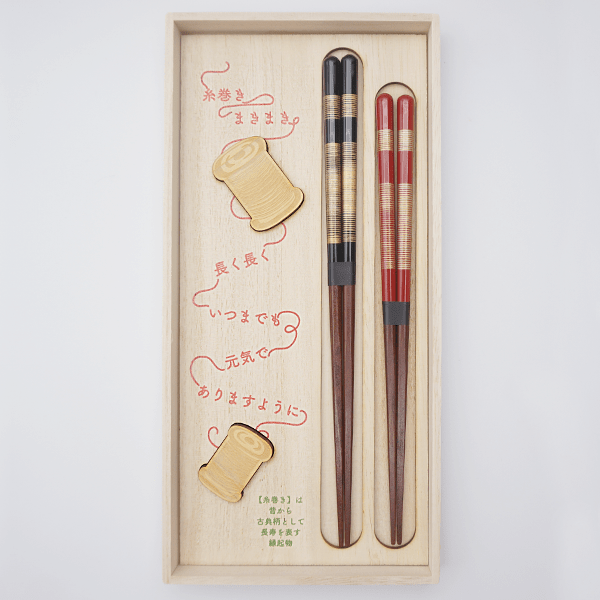
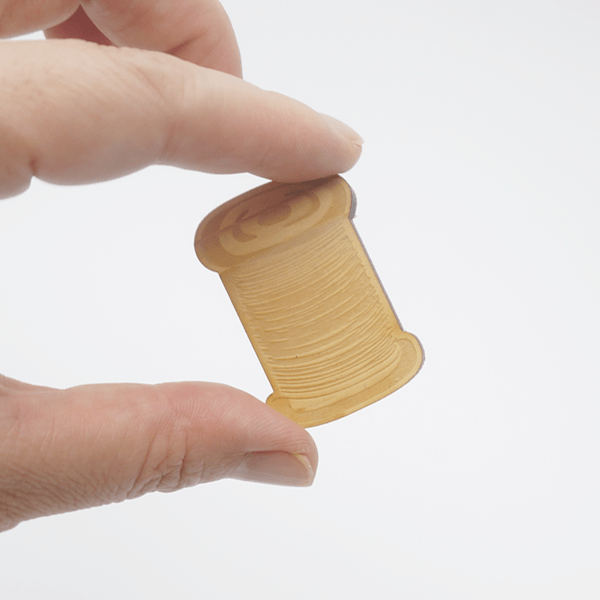
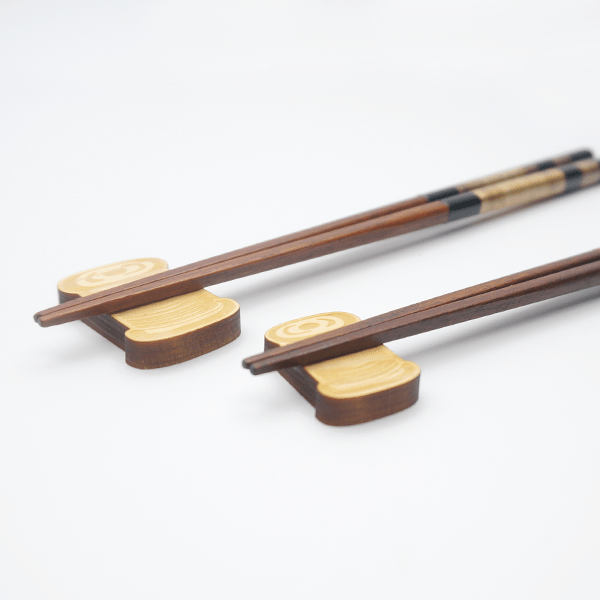
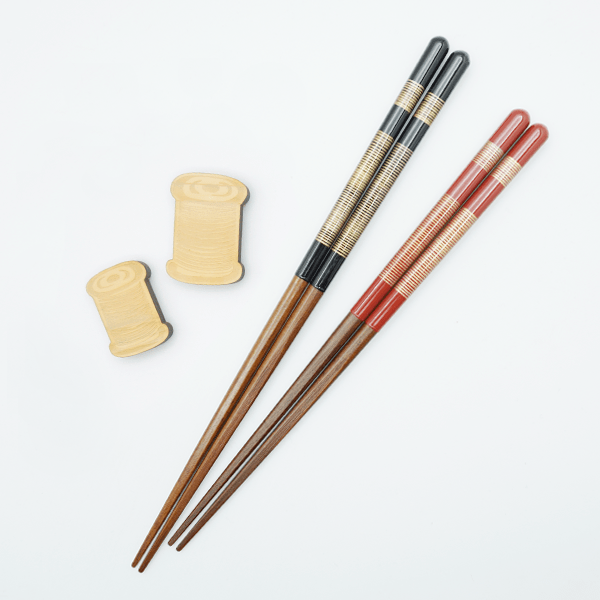
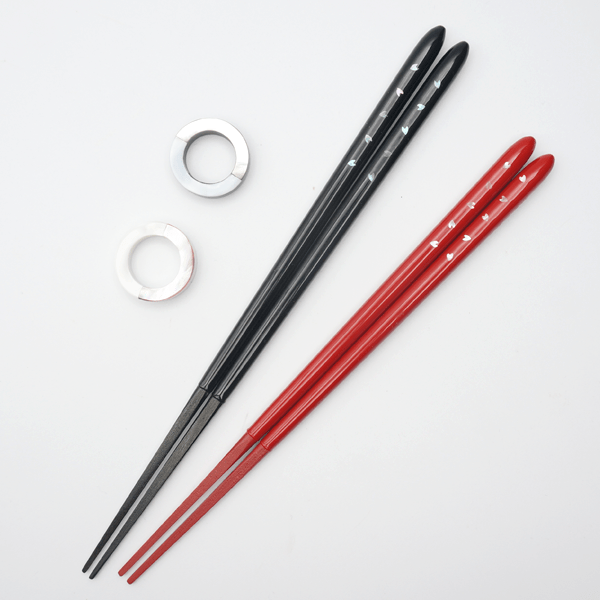
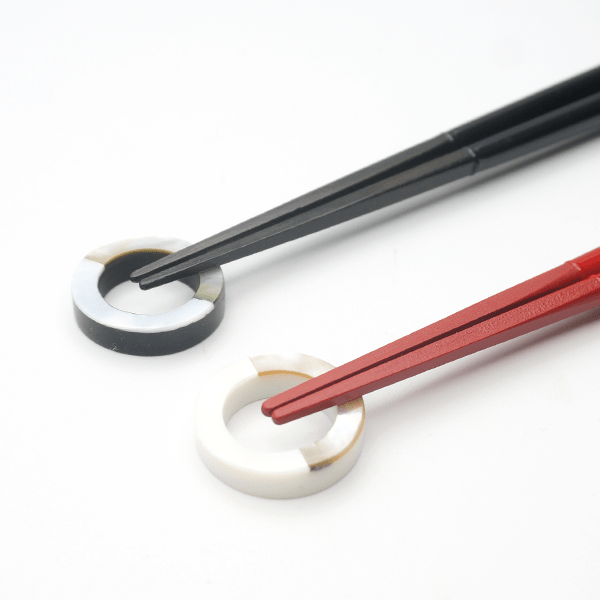
A rich tamari soy sauce served in a beautifully glazed dipping dish (小皿 kozara) or paired with handmade chopstick rests (箸置き hashioki) adds to the experience. Just as the subtle sweetness of coconut aminos can complement a bowl of steamed rice, a handcrafted ceramic rice bowl brings warmth and authenticity to the table.

Final Thoughts: Taste Mindfully, Live Artfully
So, is soy sauce gluten-free? The answer depends on the variety and your needs. While most traditional versions contain wheat, an expanding range of gluten-free options allows everyone to savor the depth of Japanese flavor without compromise.
Ready to enhance your next meal? Explore authentic Japanese artisan tableware and discover how every detail, from the glaze on a dipping dish to the curve of a sake cup adds flavor to life.


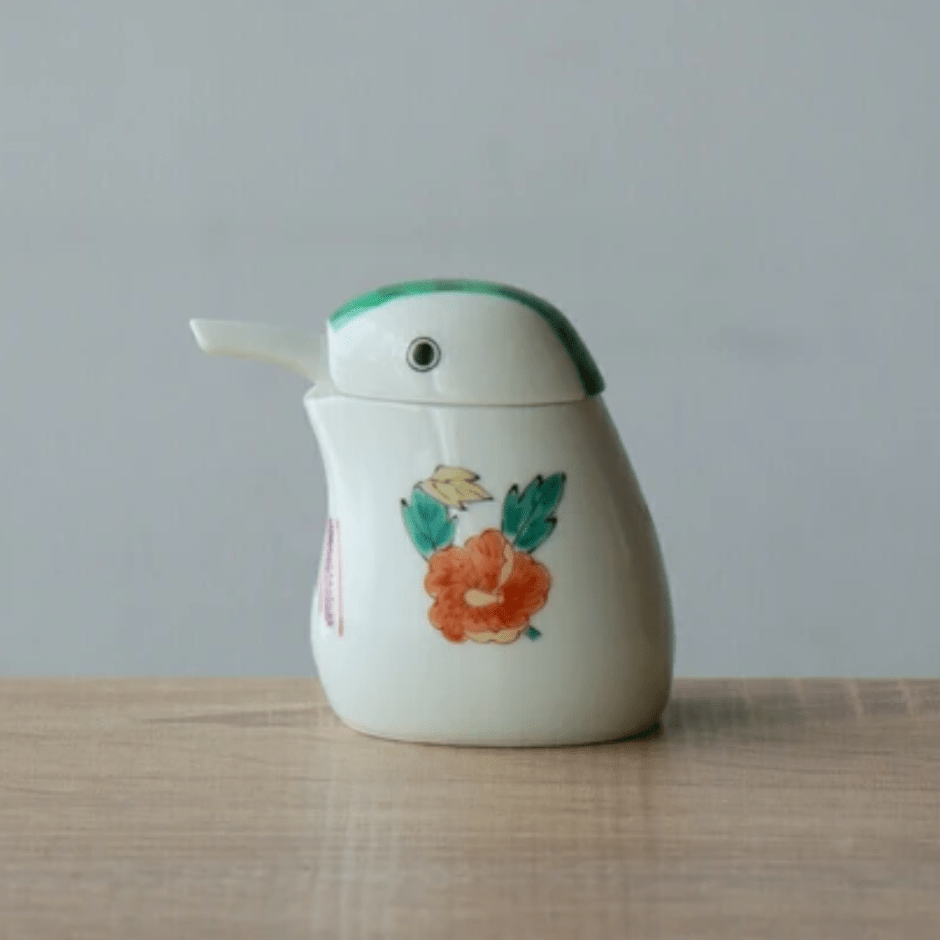




![Kingfisher Soy Sauce Dispenser [Green] Kingfisher Soy Sauce Dispenser [Green]](http://myjapaneseworld.com/cdn/shop/files/kingfisher-soy-sauce-dispenser-green-1210373073.jpg?v=1765169506&width=1000)
![Soy sauce dispenser Kingfisher [Green] Soy sauce dispenser Kingfisher [Green]](http://myjapaneseworld.com/cdn/shop/files/soy-sauce-dispenser-kingfisher-green-1181605891.svg?v=1765164974&width=1000)
![Soy sauce dispenser Kingfisher [Green] Soy sauce dispenser Kingfisher [Green]](http://myjapaneseworld.com/cdn/shop/files/soy-sauce-dispenser-kingfisher-green-1181605890.svg?v=1765164974&width=1000)
![Soy sauce dispenser Kingfisher [Green] Soy sauce dispenser Kingfisher [Green]](http://myjapaneseworld.com/cdn/shop/files/soy-sauce-dispenser-kingfisher-green-1207381148.jpg?v=1765164974&width=3024)

Share: