This site uses cookies for better user experience and analytics.
Rat Shino Nodate Matcha Starter Set
$59.00
No reviews
No reviews yet · Customers rate us 4.9/5 (44 reviews) · Read them
Matcha set including Hand-painted ceramic bowl + Matcha Whisk • 12.2 oz • Handmade in Japan
In stock
Ships within 4 business days
Secure, insured delivery from Japan
Worldwide shipping from $30 · free over $150. Shipping policy
$59 of $150 with this item · $91 to go
U.S. duties prepaid
No extra import charges on delivery — the price you see is the price you pay. Learn more
Sourced in Japan, from the makers
Direct from Japanese workshops and their authorised channels.
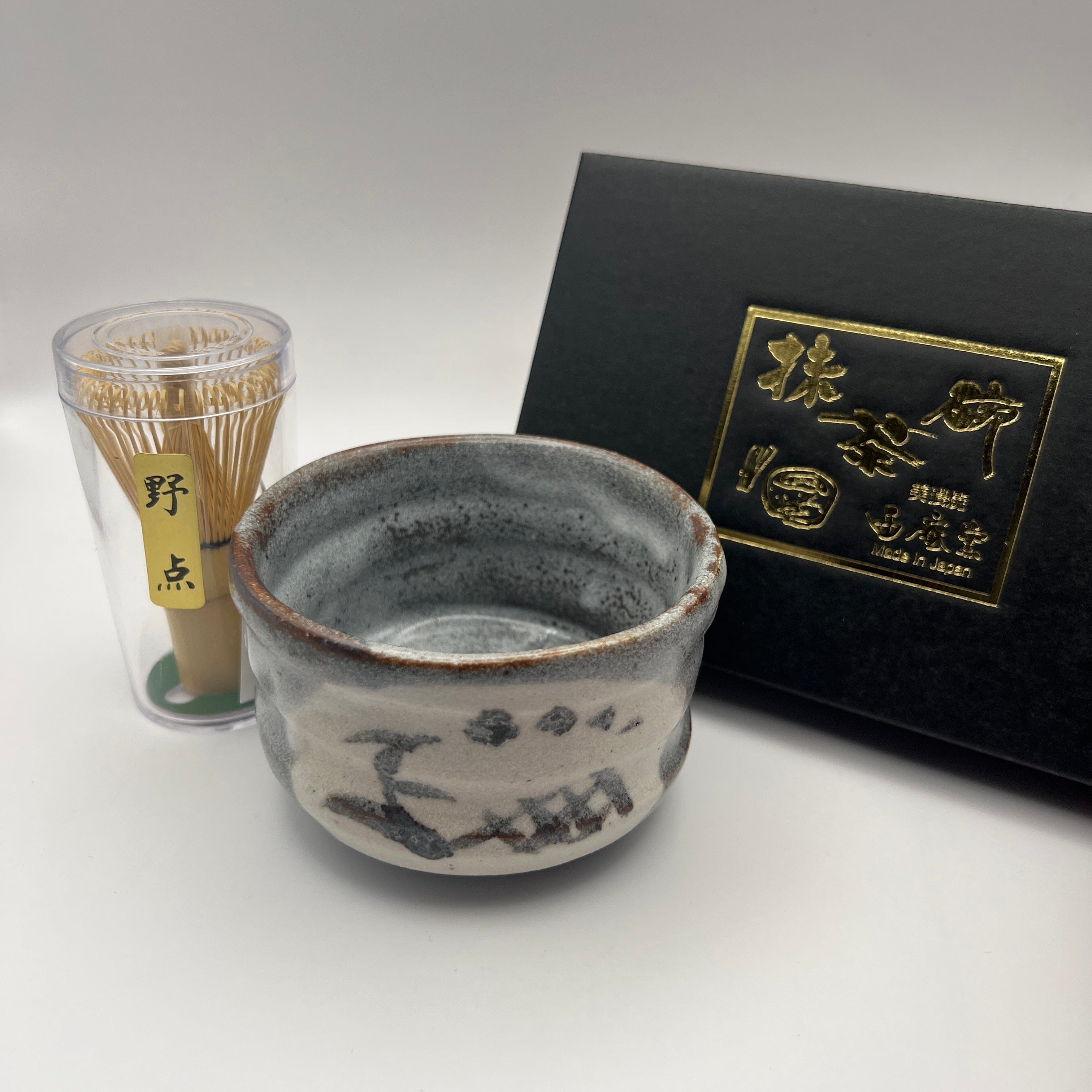
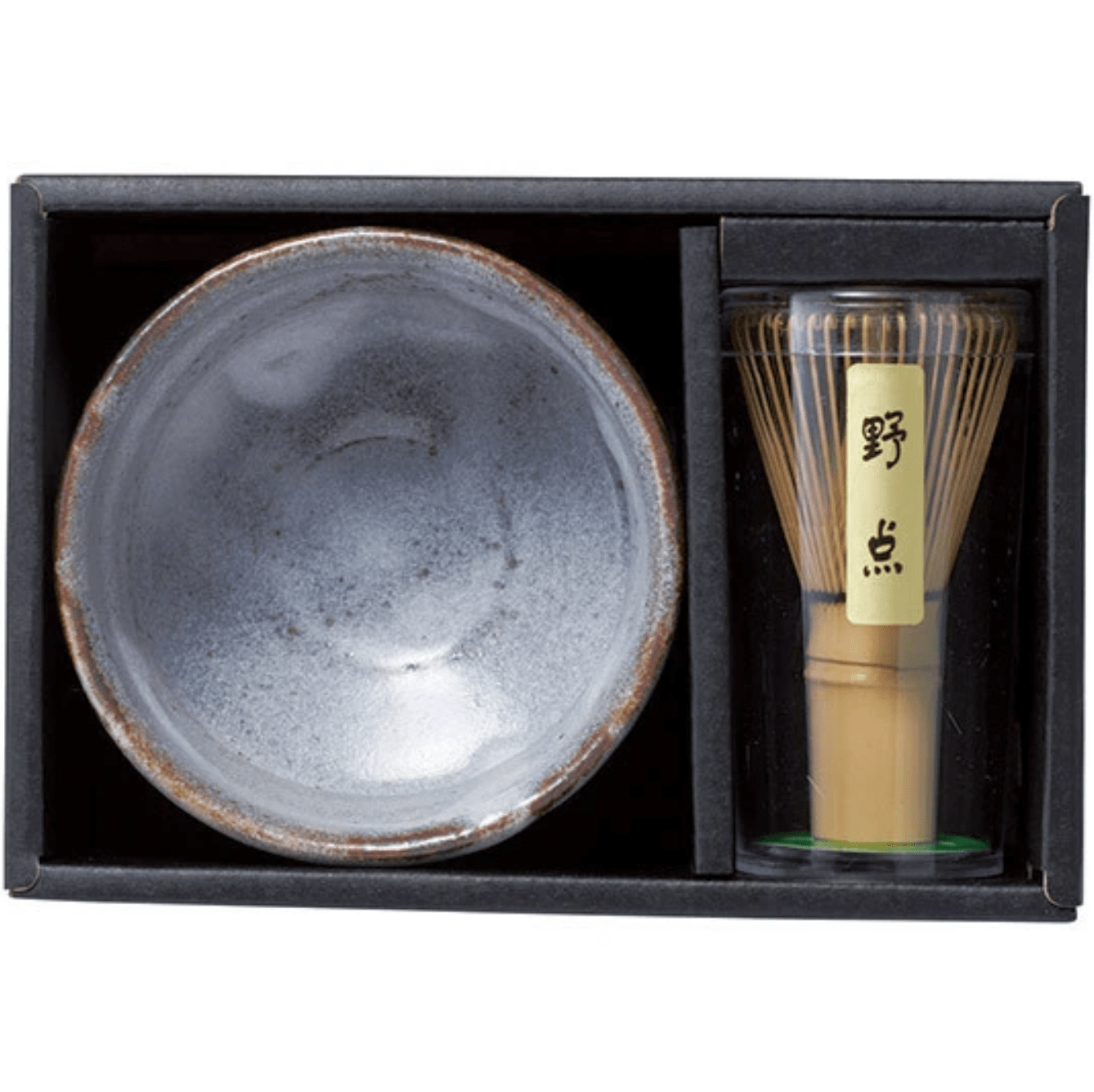
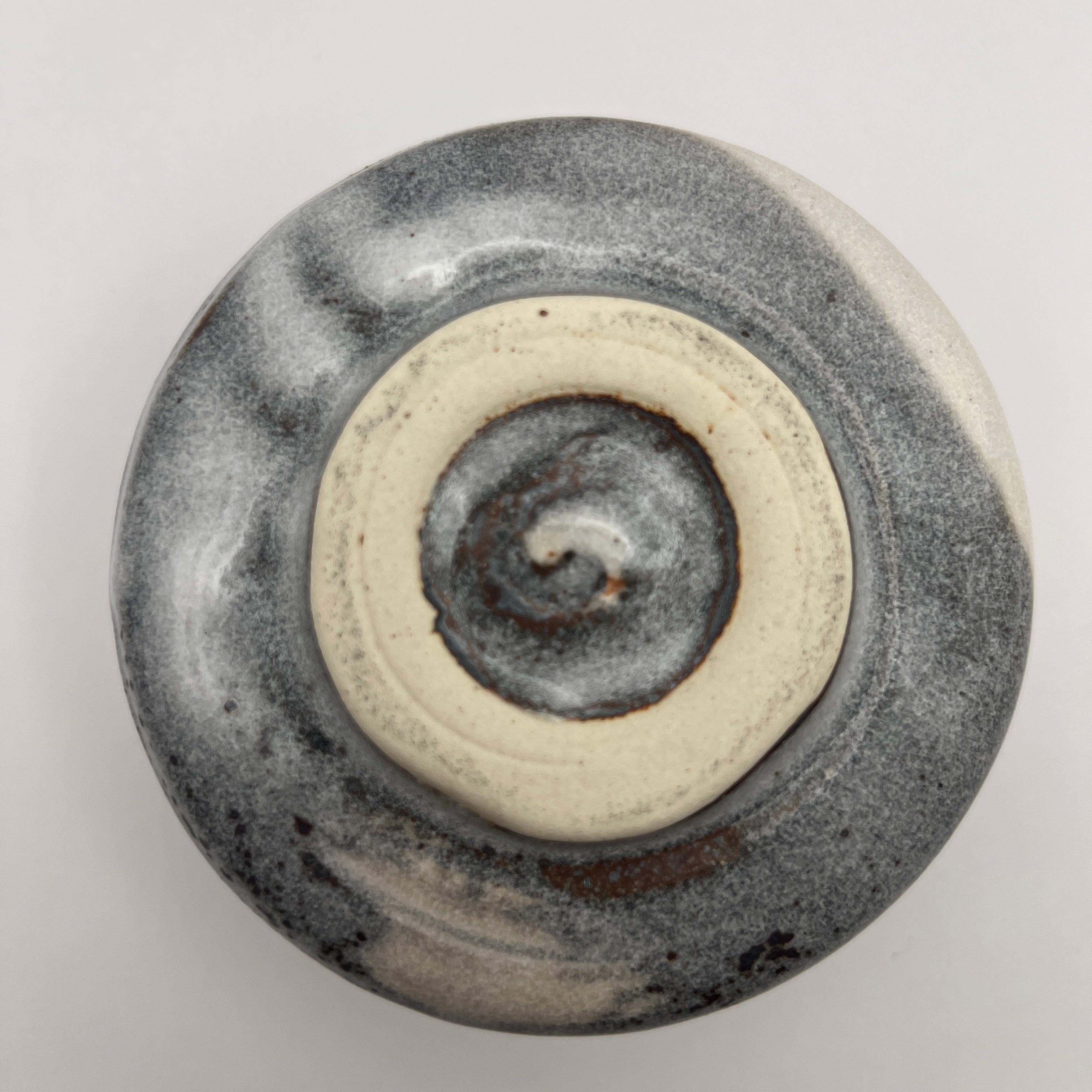
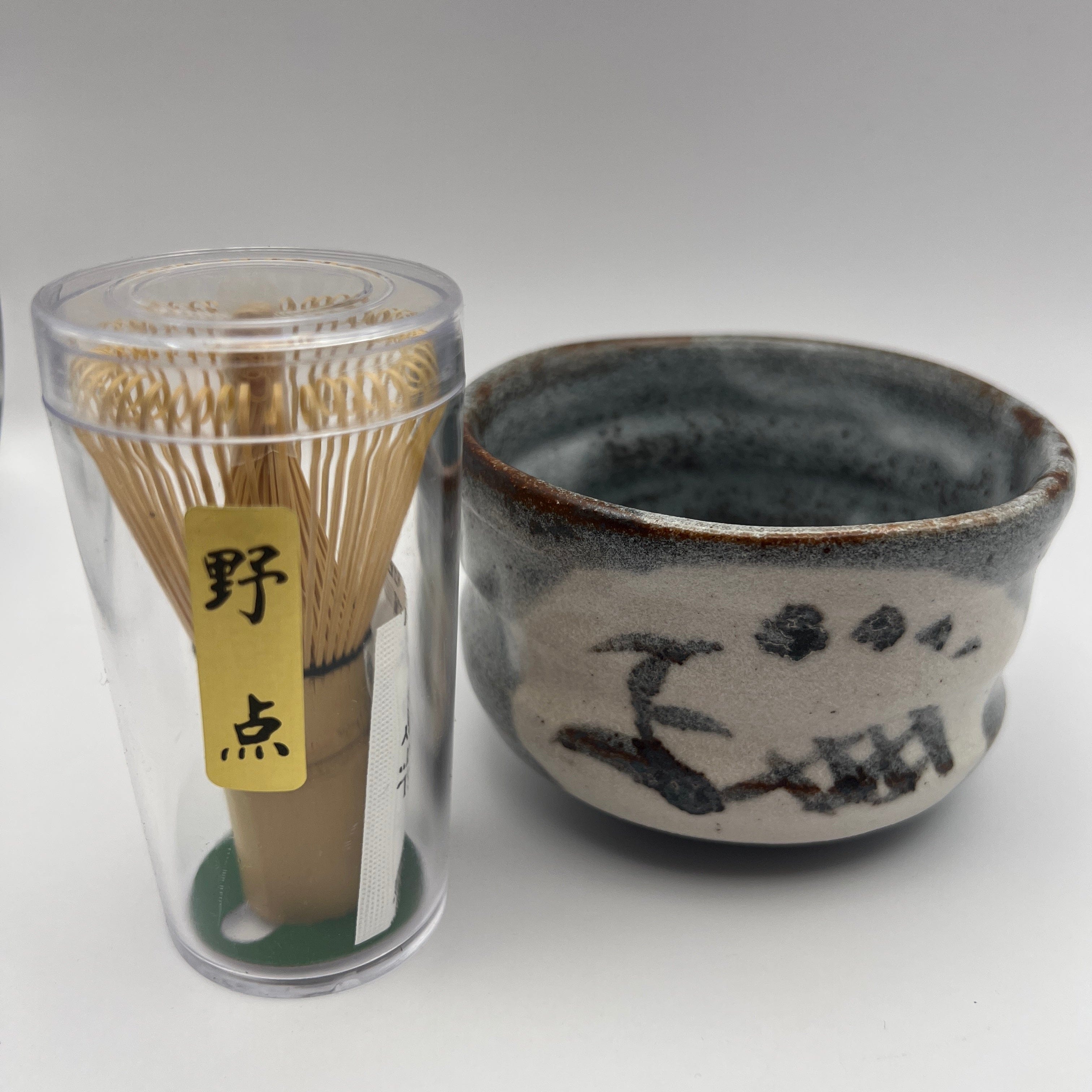
The Rat Shino Nodate Matcha Set is a compact Japanese matcha kit designed for preparing tea anywhere, from your kitchen table to a quiet spot outdoors. The set includes a handcrafted ceramic matcha bowl finished with traditional Shino glaze and a bamboo chasen whisk for creating smooth, frothy matcha.
Inspired by Japan’s nodate tradition—the practice of enjoying tea outdoors—this set brings a sense of calm and simplicity to everyday moments.
Why You’ll Love It
• Handcrafted ceramic matcha bowl with traditional Shino glaze
• Includes bamboo chasen whisk for authentic matcha preparation
• Compact nodate set for travel, picnics, or outdoor tea
• Made in Japan by traditional ceramic artisans
• Gift-ready presentation box
Whisk Tradition into Life – Rat Shino Nodate Matcha Set
Product Description
Celebrate the beauty of imperfection and the magic of the outdoors with the Rat Shino Nodate Matcha Set. This premium Japanese set is handcrafted for tea lovers who seek authenticity and simplicity in their rituals. Whether you enjoy matcha in your garden or within the tranquility of your home, this set provides a satisfying connection to nature and tradition, allowing you to savor moments of calm.
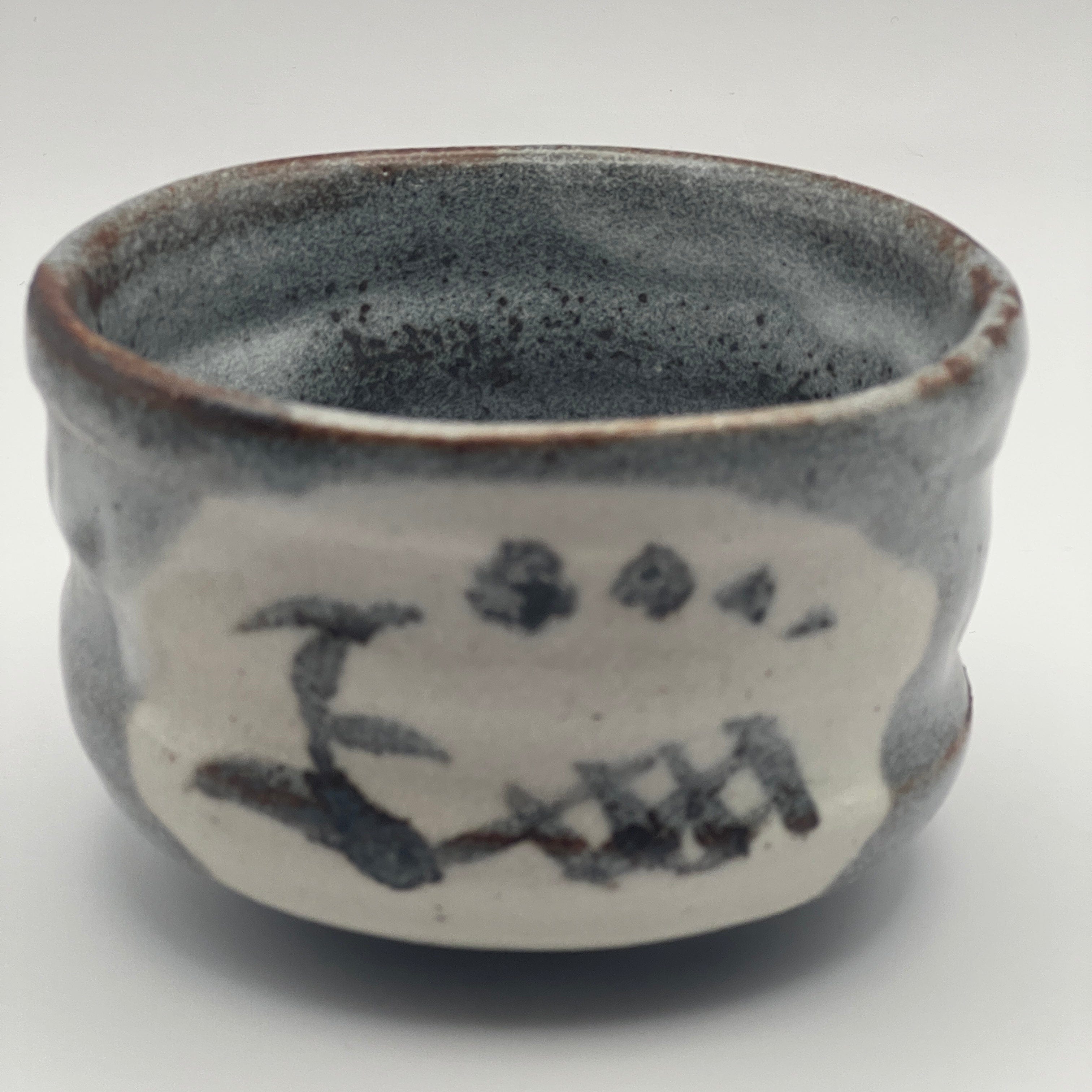
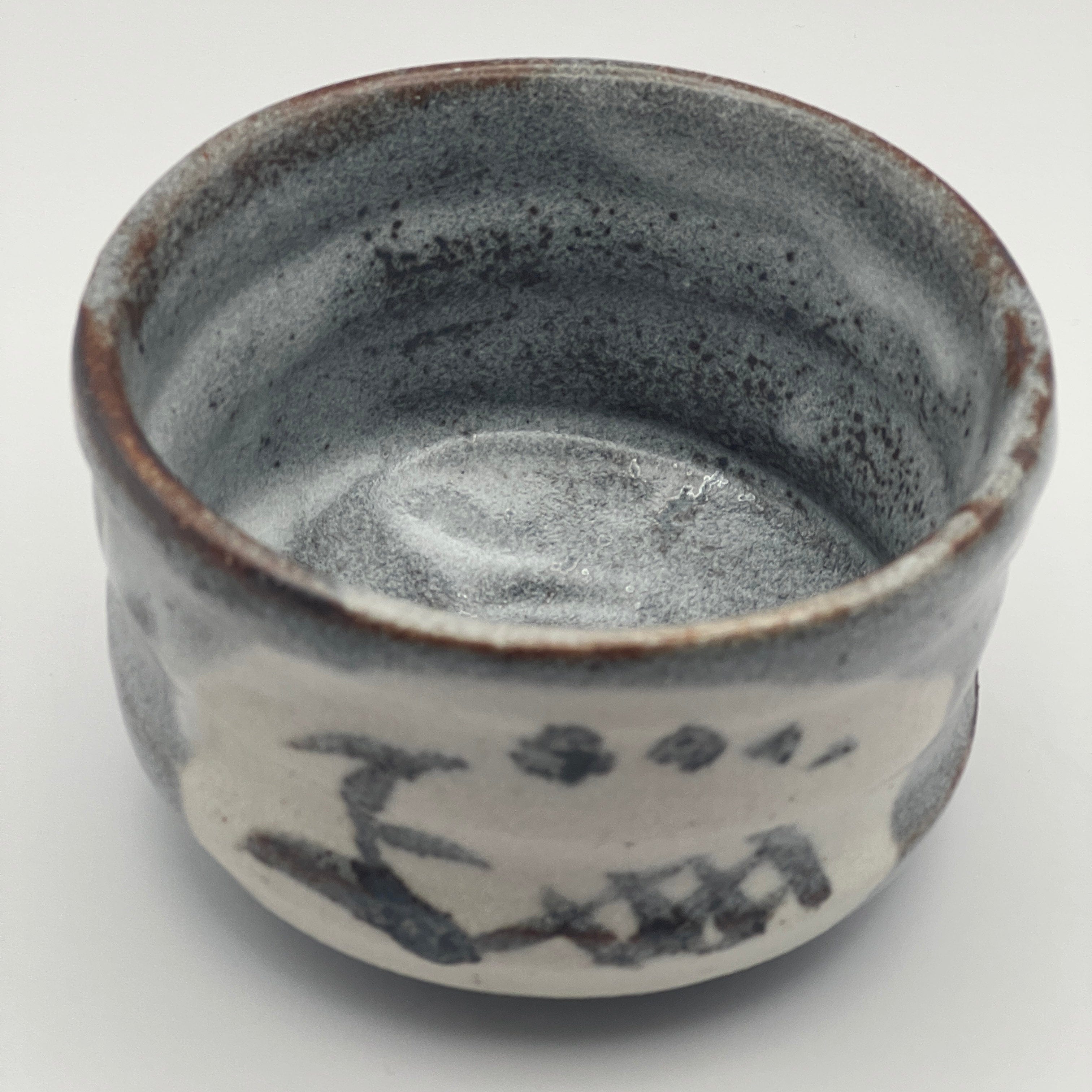
The set includes a charming matcha bowl with a rustic hand-painted design, created using the Shino glazing technique originating in the Mino region of Japan. Known for its soft tones and unique texture, it captures individual stories—rich in character and evoking wabi-sabi aesthetics. With a 12 oz capacity and thick ceramic walls, it retains heat gently to ensure your matcha remains warm while you whisk and sip.
Accompanying the bowl is a compact bamboo tea whisk (chasen). It's the perfect time for your matcha to achieve a silky finish, enhancing its vibrant aroma and creamy mouthfeel. This set arrives in a gift-ready black gift box, adorned with traditional calligraphy, making it ideal for gifting or travel.
This set is an invitation to embrace mindfulness and reconnect with the present, reminding you of the harmony between form and function. Ideal for matcha enthusiasts, tea ceremony beginners, or anyone who appreciates the handmade beauty of Japanese craft.
Handcrafted in Japan. Each piece is unique—variations in glaze and form add to its charm.
Product Information
Matcha Bowl Size: φ3.85 in × H2.44 in (φ9.8 cm × H6.2 cm)
Tea Whisk Size: φ1.89 in × H3.35 in (φ4.8 cm × H8.5 cm)
Rinse matcha bowl gently with warm water after use—do not use detergent.
Dry with a soft cloth and store in a dry area.
Do not microwave or dishwasher the bowl.
Rinse and air dry the bamboo whisk after each use.
Avoid prolonged soaking to preserve natural materials.
Artisan & Craft
The matcha bowl included in this set is made using Mino ware, one of Japan’s most respected ceramic traditions. Produced in the Gifu region for more than 1,300 years, Mino ware is known for its rich history of glazes and its close connection to Japanese tea culture.
Among the many glaze styles developed in Mino kilns, Shino glaze is one of the most distinctive. First created in the 16th century during the Momoyama period, Shino was one of the earliest white glazes produced in Japan. It is recognized for its soft, milky surface, warm undertones, and subtle textures that appear during firing.
Traditional Shino pottery is not meant to look perfectly uniform. During the kiln firing process, natural variations in temperature and glaze thickness create gentle differences in tone, small pinholes, and faint brush marks beneath the surface. These characteristics are valued in Japanese ceramics because they reveal the hand of the maker and the unique conditions of the firing.
Because each bowl is shaped, glazed, and fired individually, no two pieces are exactly the same. These subtle variations are part of what gives handmade Mino ware its character and authenticity, reflecting the Japanese appreciation for natural beauty and craftsmanship.
Note
Each item is individually handcrafted. As a result, slight variations in color, pattern, and shape may occur compared to the product images. These subtle differences are a hallmark of authentic craftsmanship and contribute to the unique character of every piece.
Questions About This Piece
What is nodate?
Nodate refers to the Japanese tradition of preparing matcha outdoors, often during picnics, walks, or garden gatherings.
Is this set suitable for beginners?
Yes. The bowl shape and whisk allow anyone to prepare smooth matcha easily.
Does the set include matcha powder?
No. This set includes the tools only.
Is the bowl microwave safe?
No. Handwashing and traditional use are recommended.
Mino ware · Gifu, Japan
Mino ware: 1,300 years of ceramic innovation
Mino ware comes from the Tono region of Gifu Prefecture, one of Japan's most important ceramic-producing areas. Over centuries, kilns in the region developed a remarkable range of styles, from restrained Shino and Oribe pieces tied to tea culture to everyday tableware for modern Japanese homes. Rather than being defined by a single look, Mino ware is known for that diversity. A ceramic tradition that has continued to evolve with the way people actually live and eat.
Mino ware, or Minoyaki, is the broad ceramic
tradition associated with the Mino region of
present-day Gifu Prefecture. Rather than describing
one fixed aesthetic, the name encompasses ceramics
with a wide range of forms, glazes and decorative
approaches developed across the region over more
than 1,300 years.
Why is Mino ware so diverse?
Mino developed as a large ceramic-producing region
rather than around one narrowly defined style.
Generations of potters experimented with different
clays, firing methods, shapes and glazes, creating
a tradition in which rustic tea wares, expressive
glazes and practical everyday tableware can all
belong to the same ceramic family.
What are Shino and Oribe?
Shino and Oribe are two of the best-known ceramic
traditions associated with Mino. Shino is celebrated
for its soft white glaze, subtle texture and often
understated decoration, while Oribe is known for
expressive forms and distinctive green, black and
painted surfaces. Together with Kiseto and Setoguro,
they are closely associated with the celebrated
Momoyama-period tea ceramics of the Mino region.
Where is Mino ware made?
Mino ware is produced primarily in the Tōnō area
of eastern Gifu Prefecture, including major ceramic
centres such as Tajimi, Toki and Mizunami.
The region remains one of Japan's most important
centres of ceramic and tableware production today.