

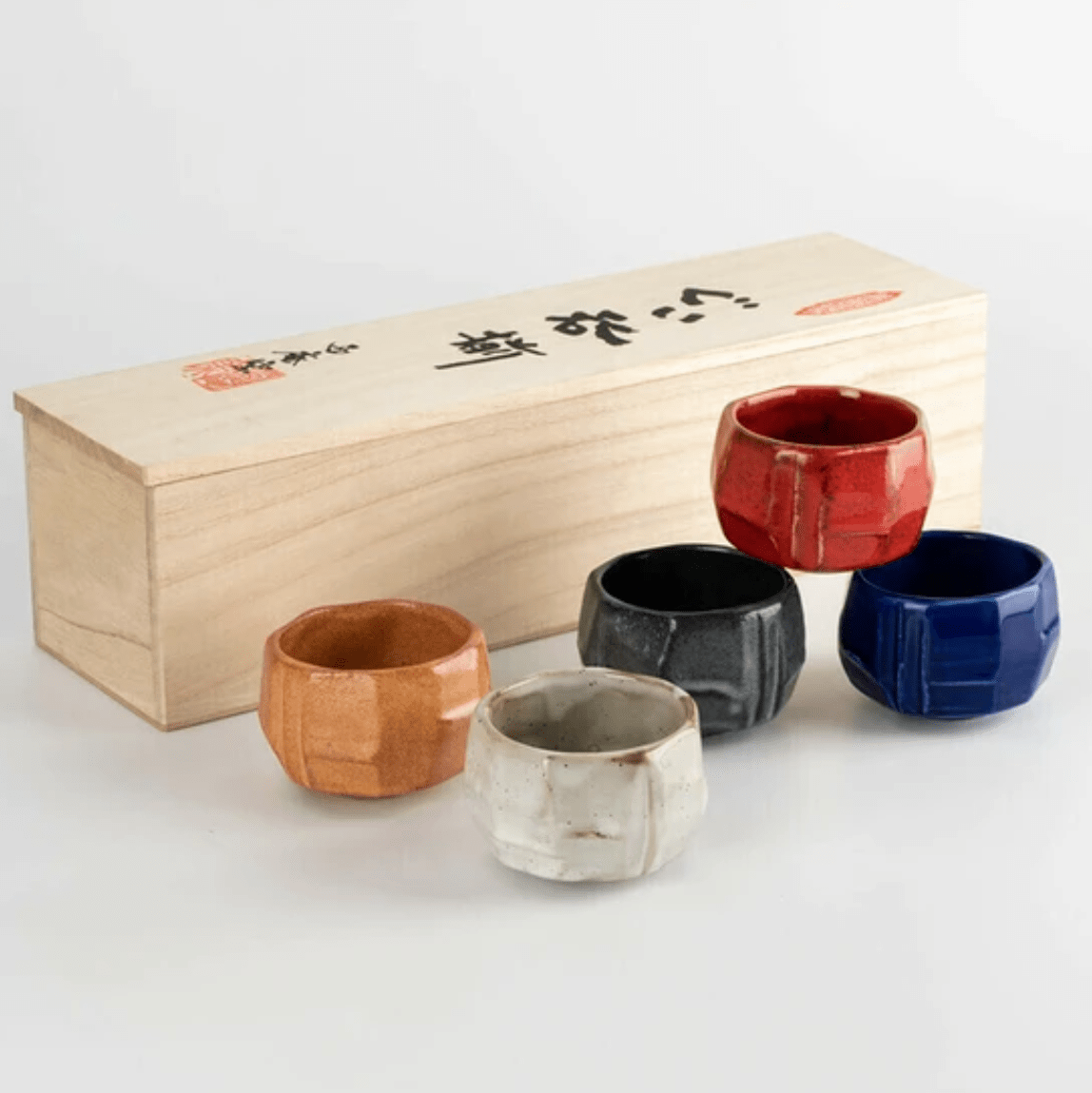
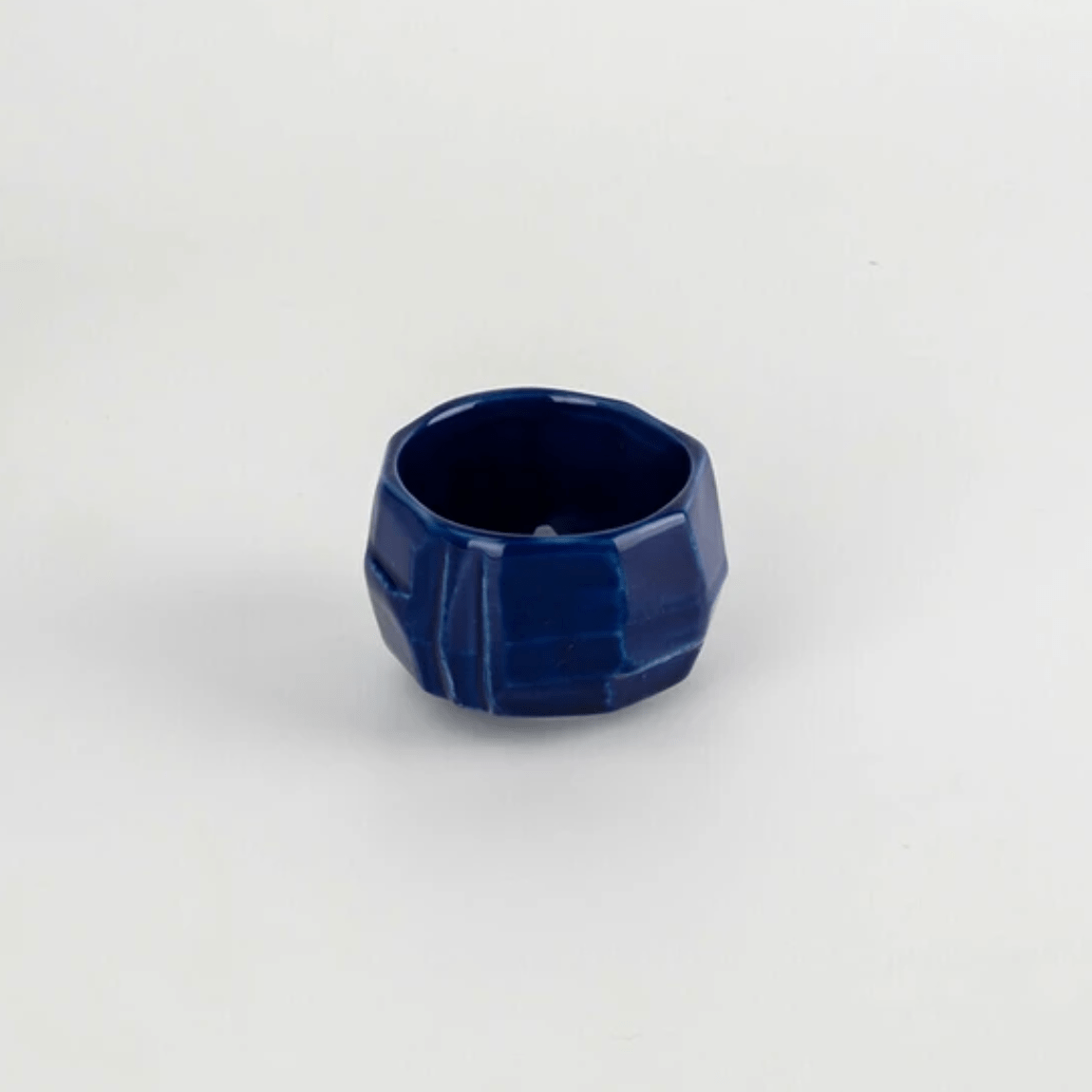
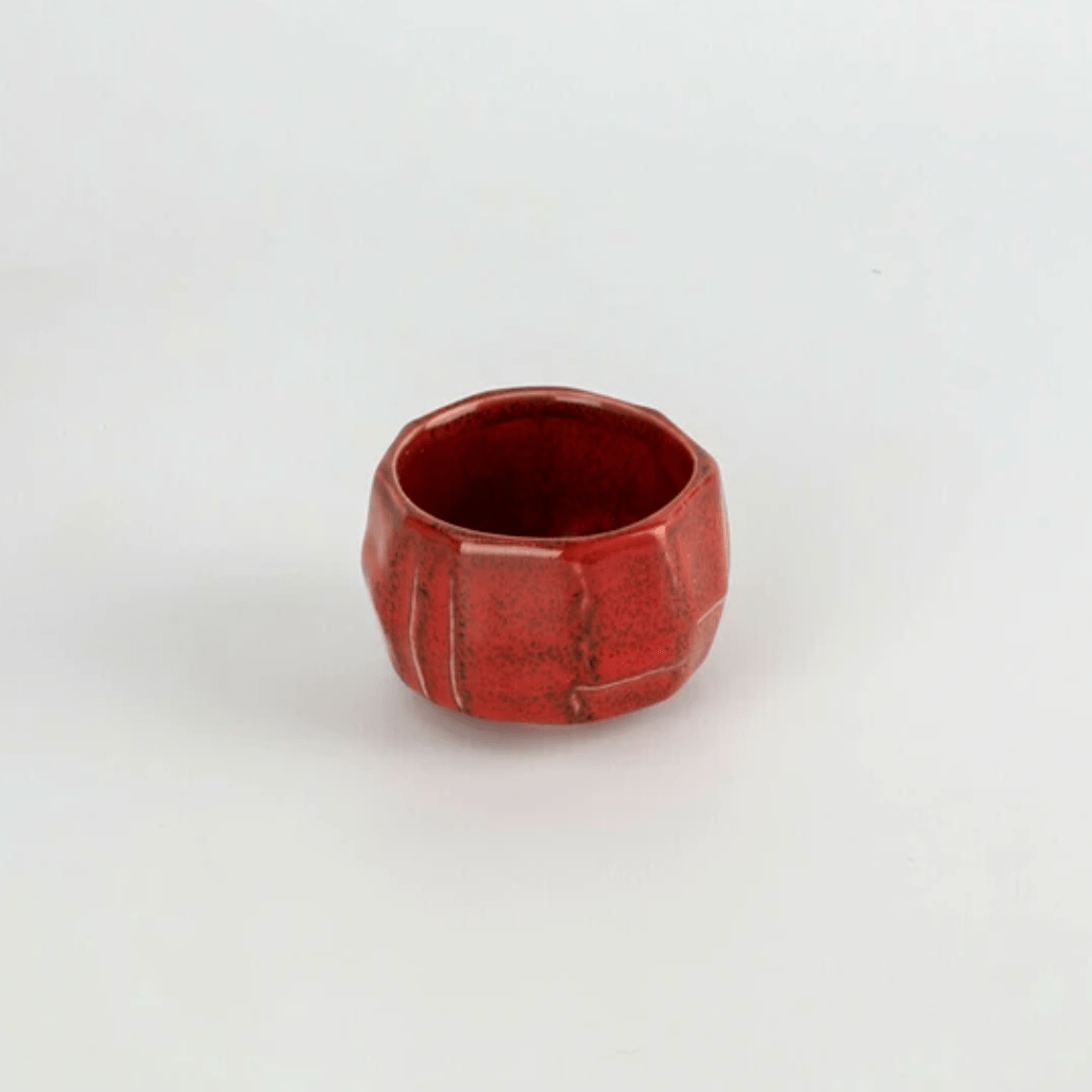
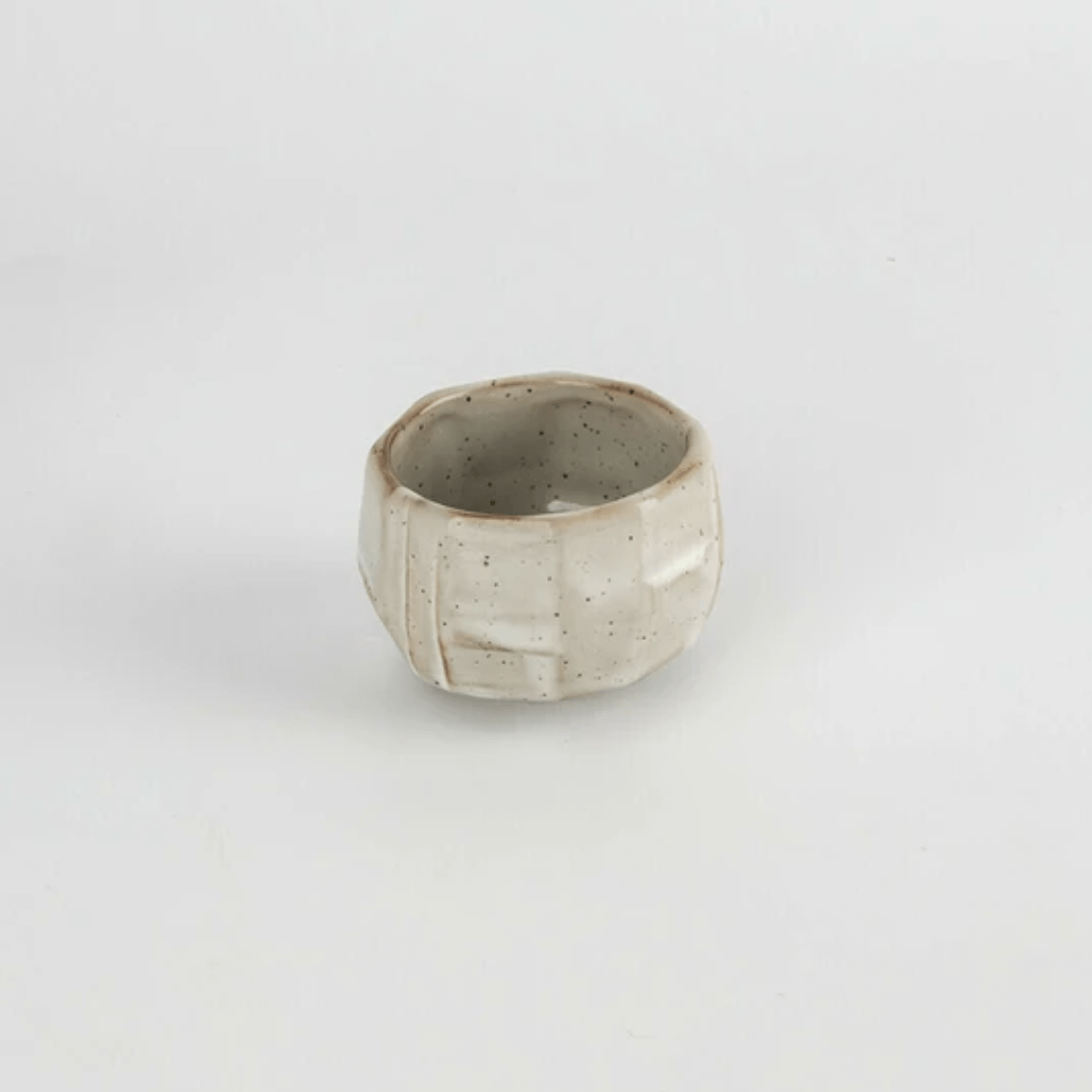
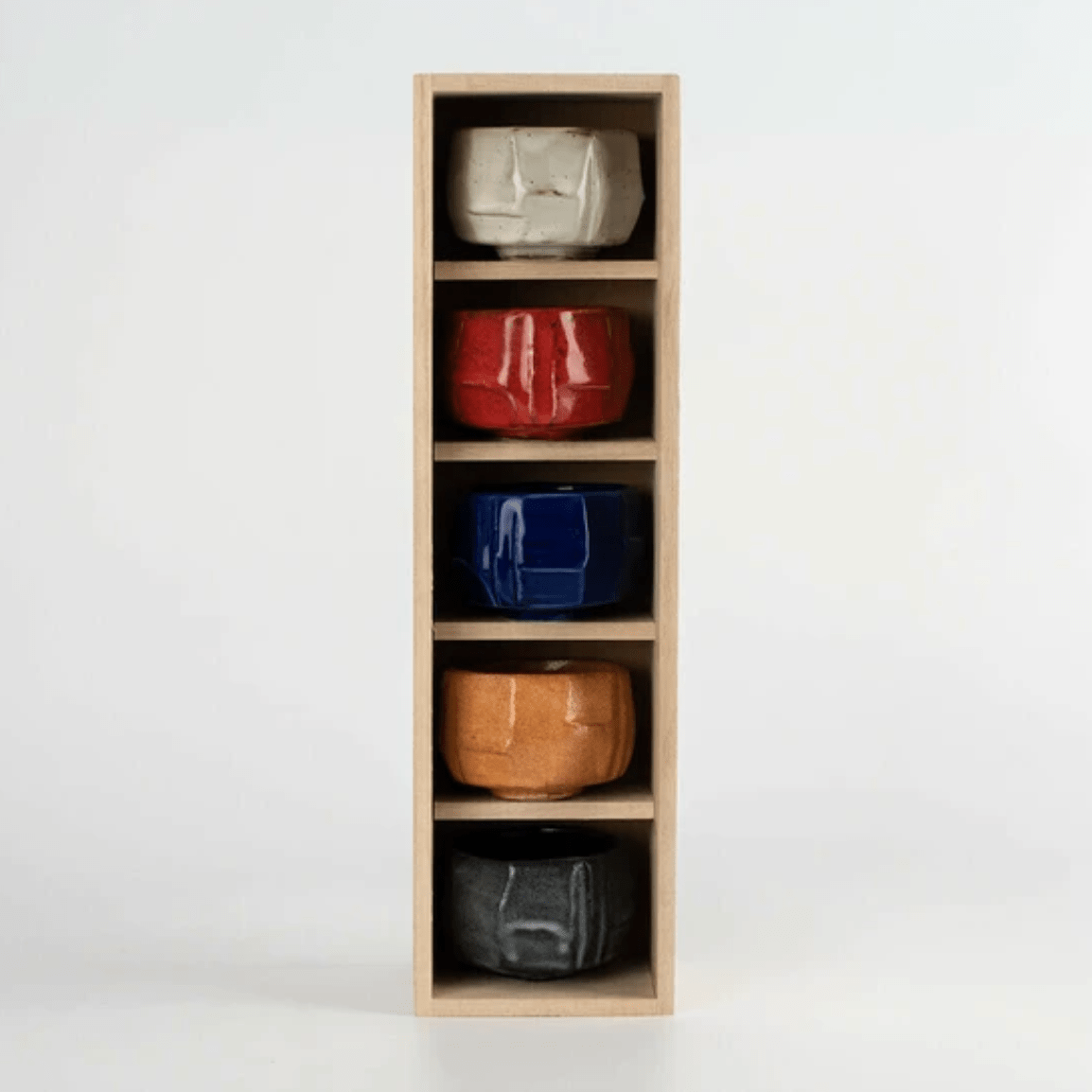
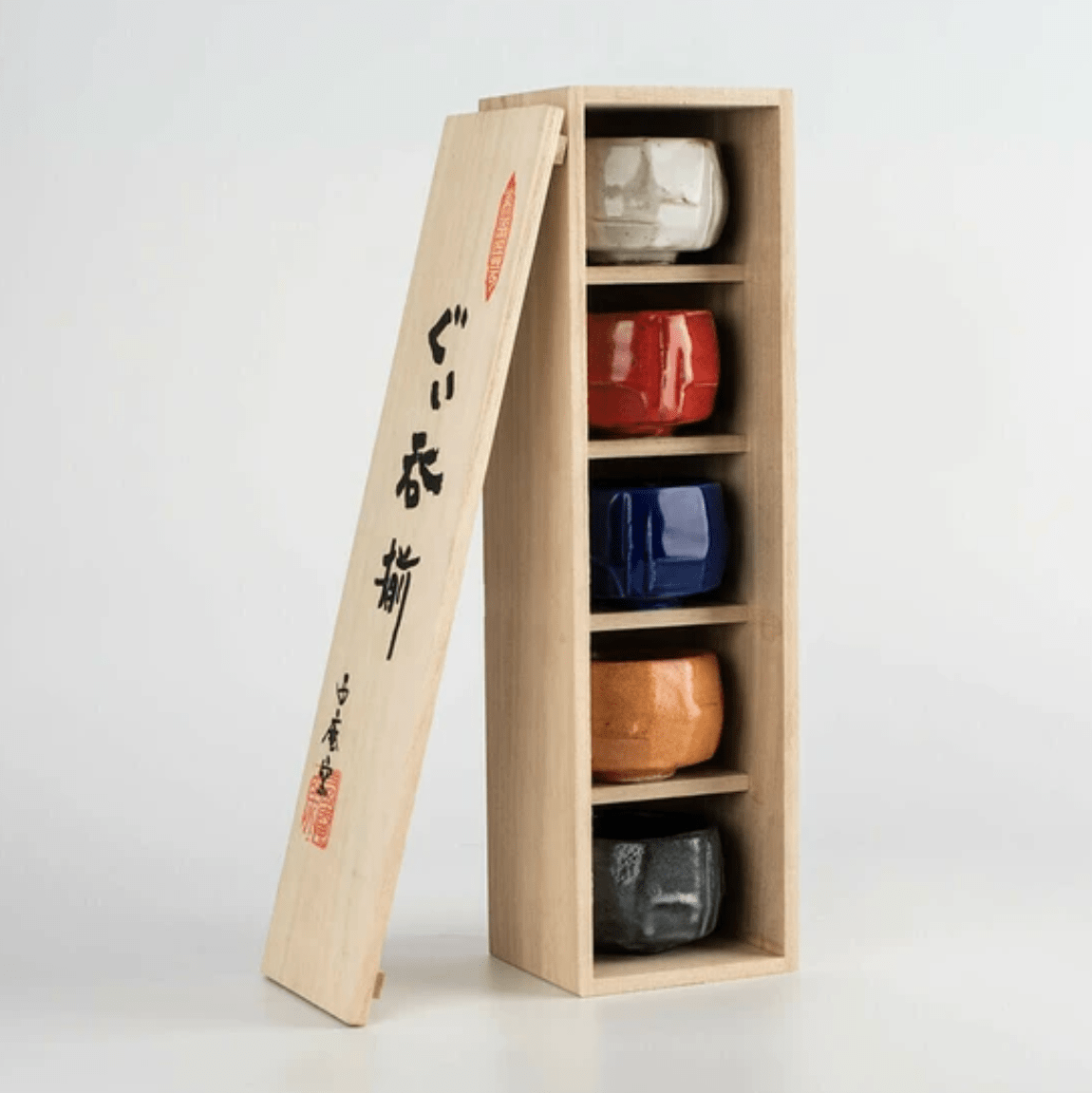
Oiwake Kiln Sake Cup Set (Set of 5 cups)

Why You'll Love It?
Directly sourced from artisan workshops in Japan
No US customs fees or surprise import charges — we take care of everything
Learn moreSecure, insured delivery from Japan
Shipping policyA quiet piece of Japan, brought to your home.
Pairs well with
Earth Meets Elegance – Oiwake Kiln Rock-Glazed Sake Cup Set (5 pcs)
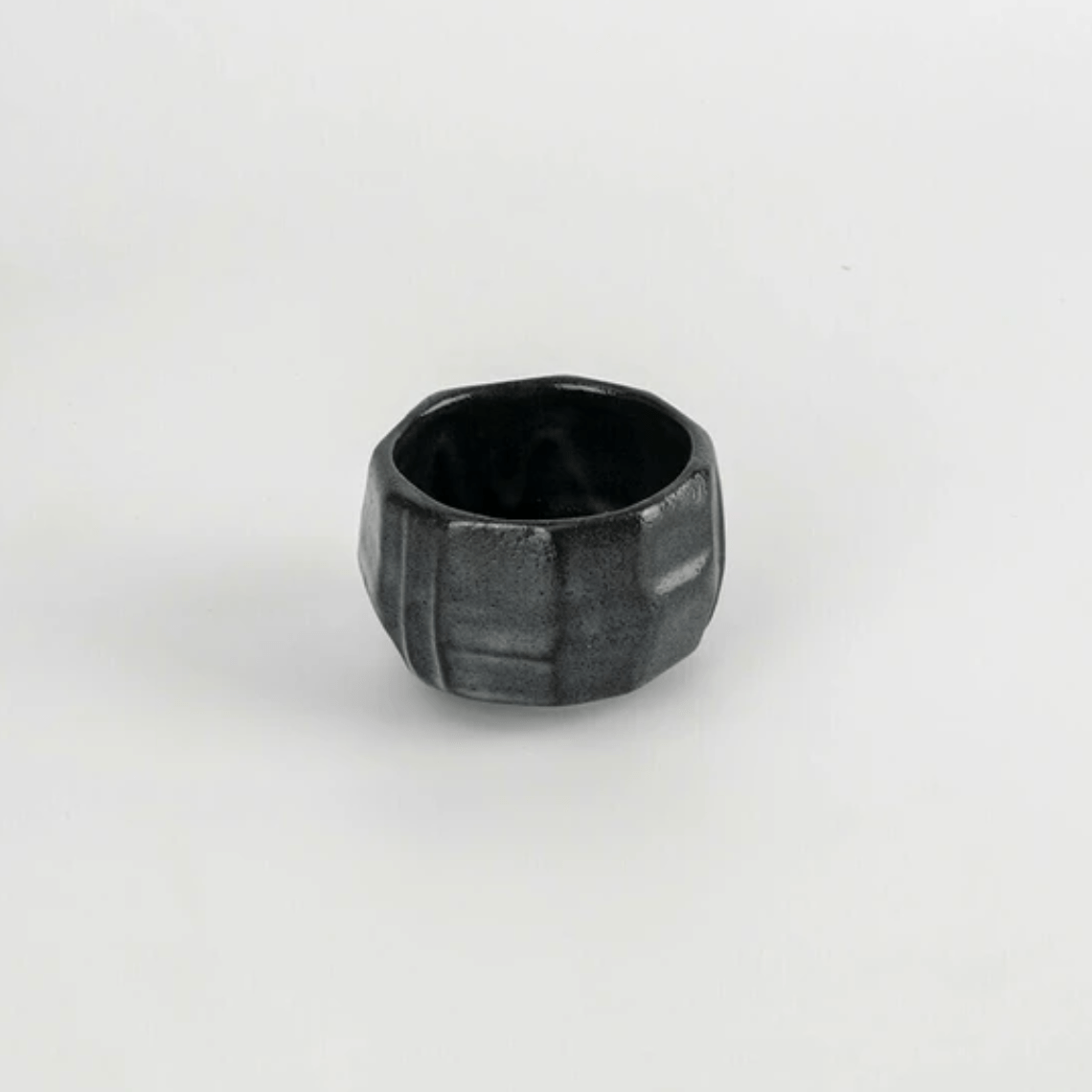
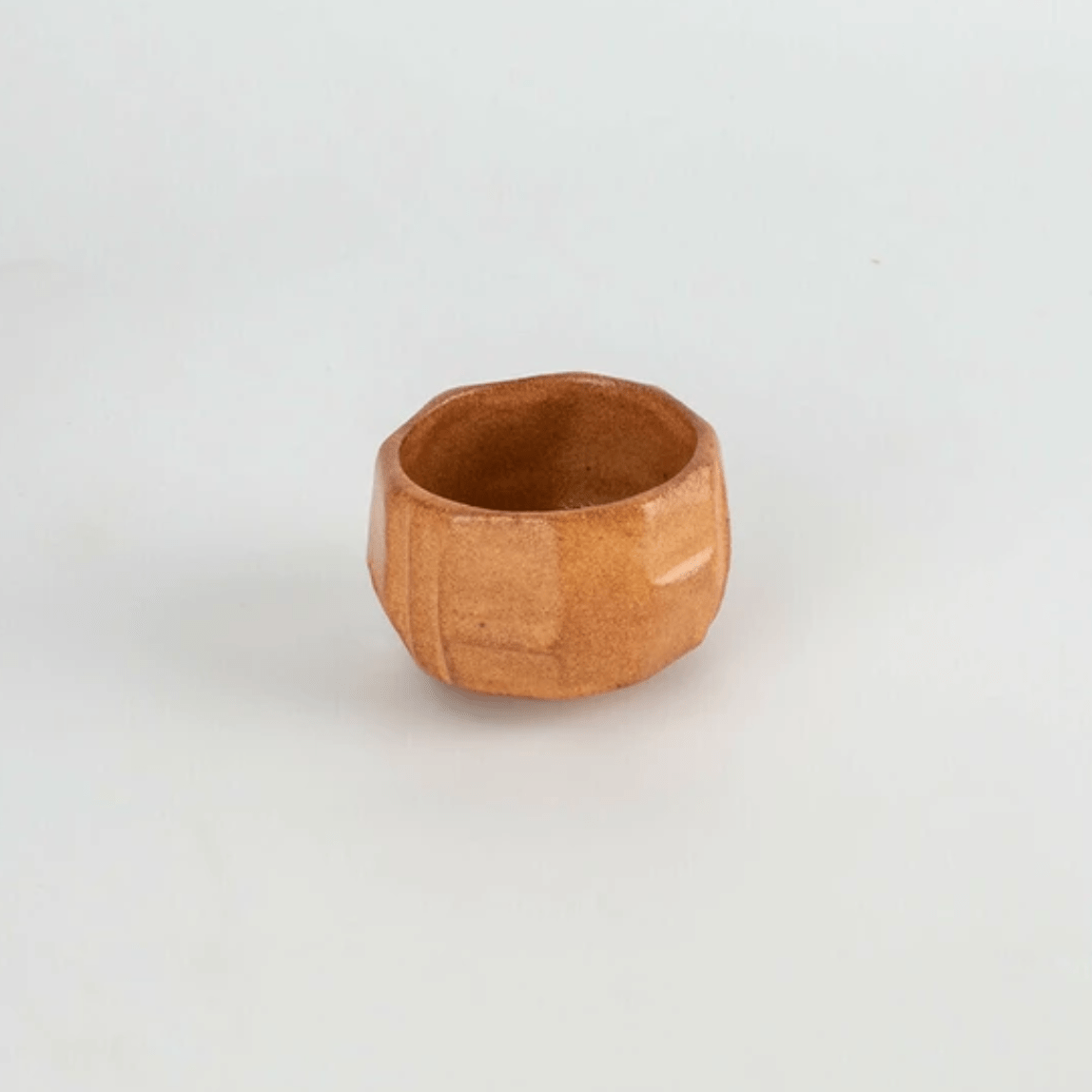
Let every pour echo the rhythm of nature with the Oiwake Kiln Sake Cup Set. Designed to resemble chiseled stone and volcanic earth, this five-piece collection reinterprets traditional Japanese porcelain with a contemporary, geometric edge. Each cup is handcrafted and glazed in a vibrant color palette—deep blue, matte black, ivory white, ember red, and rustic orange—mirroring the elemental tones of Japan’s natural landscape. The unique shapes and textures of these cups create a tactile experience, inviting you to hold and admire them.
The bold, faceted surface gives each piece a sculptural quality that’s as pleasing to touch as it is to behold. The glaze subtly responds to the form, creating highlights and depth that shift under different lighting. These details heighten the tactile experience of sipping sake, adding a sense of ritual to every moment. Each cup holds approximately 2.4 oz (70 ml)—an ideal size for warm or chilled sake or small desserts.
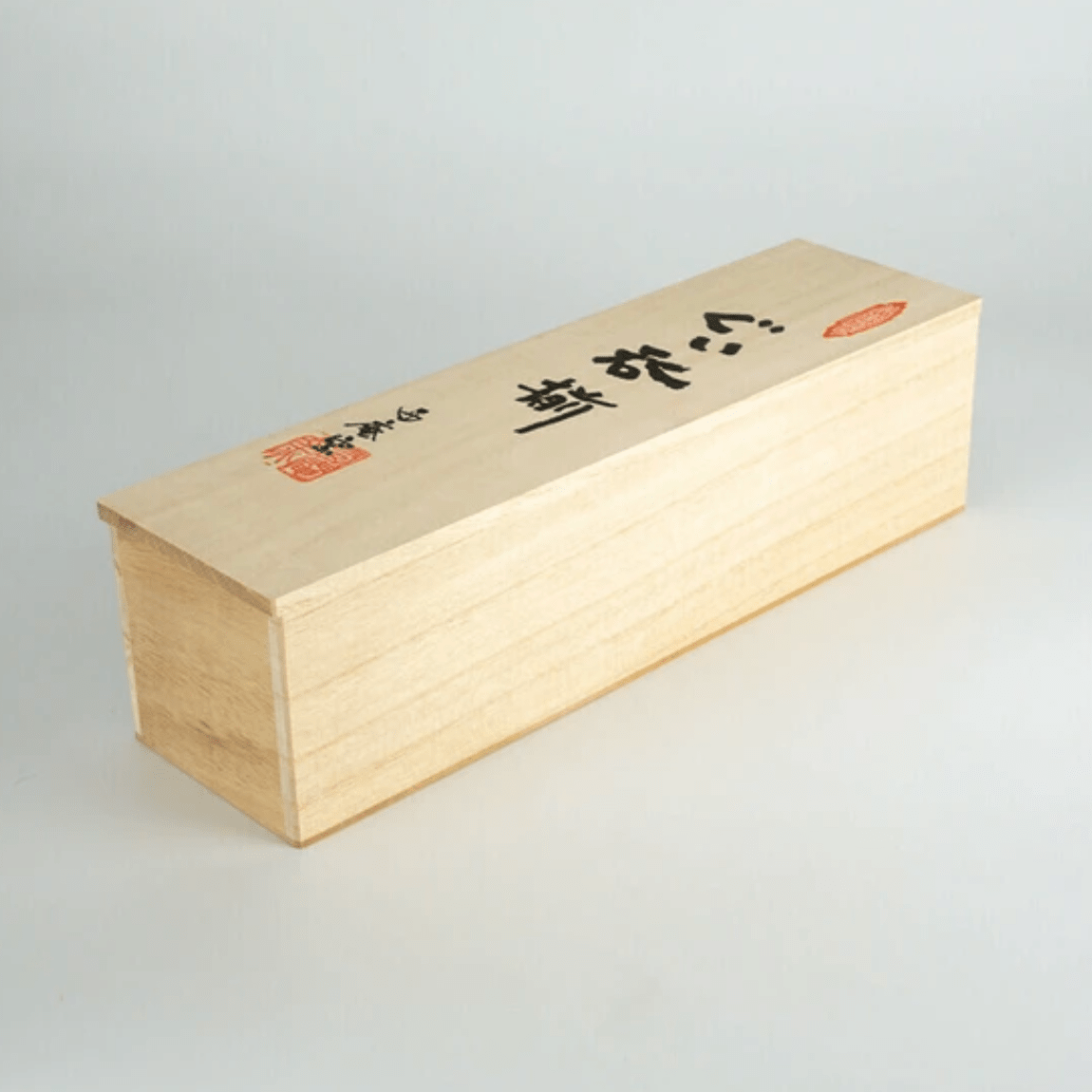
Crafted from porcelain and kiln-fired in Gifu, Japan, the set comes beautifully presented in a kiri-wood box adorned with traditional calligraphy, offering a striking contrast between modern form and time-honored heritage. This thoughtful packaging ensures that each piece arrives in excellent condition, ready to delight both you and your guests.
Perfect as a gift for design-forward drinkers, newlyweds, or those who cherish craftsmanship and modern minimalism, this sake cup set embodies a unique blend of texture, function, and artistic spirit. Grounded in Japanese craftsmanship and elevated through design, the Oiwake Kiln set invites you to savor each sip, transforming it into a meaningful experience.
Product Information
Care instructions
Note
Questions & Answers
Who makes this sake cup set?
Are the cups identical?
What material are they made from?
What kind of sake works best with these cups?

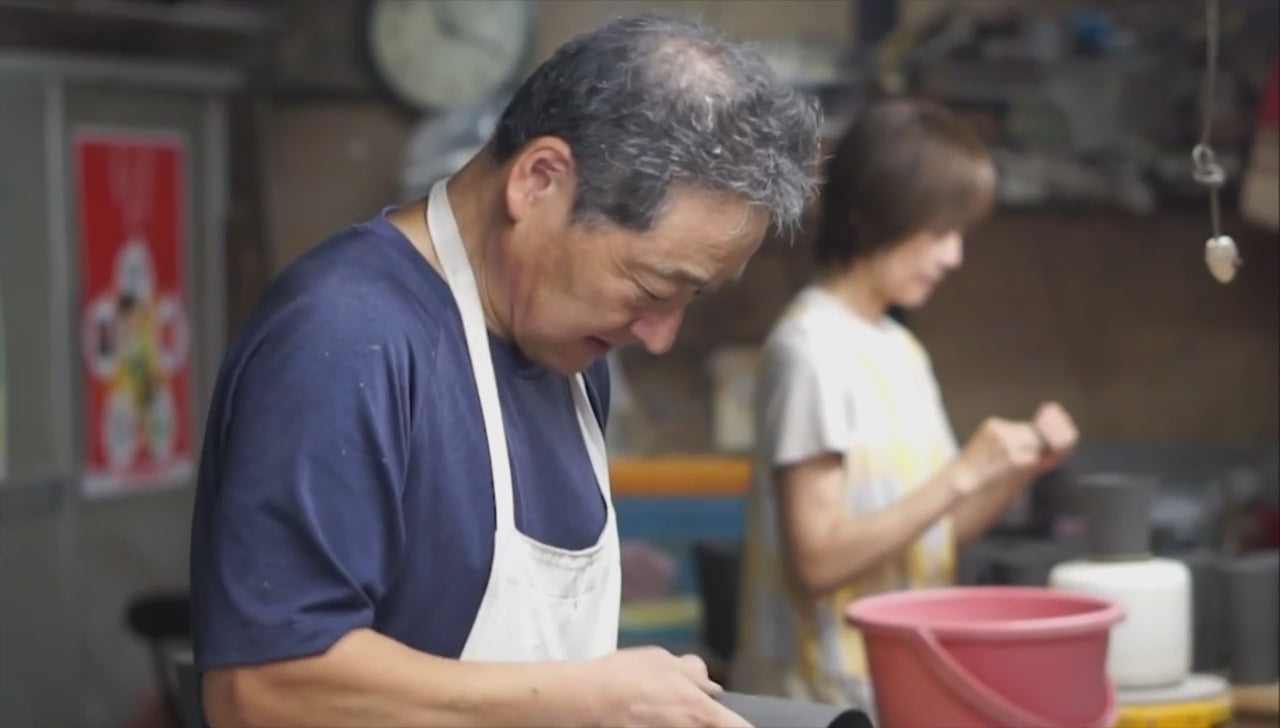
Mino Ware – A Legacy of Japanese Ceramic Art
Mino ware (Minoyaki) is one of Japan’s oldest and most revered ceramic traditions, with roots stretching back over 1,300 years. Originating in the mountainous region of Gifu Prefecture, this pottery is celebrated not only for its rich history but also for the extraordinary craftsmanship that defines each piece.
Skilled artisans shape every bowl, cup, and plate by hand, using locally sourced clay and time-honored techniques passed down through generations. The unique glazing styles—from subtle earth tones to vibrant colors—are carefully applied and fired to create intricate textures, crackle patterns, and finishes that make each item one of a kind.
More than just tableware, Mino ware represents a deep connection to nature, simplicity, and the wabi-sabi aesthetic. Each piece is a quiet expression of balance—between utility and beauty, old and new. Whether used daily or saved for special moments, Mino ware brings the spirit of Japanese craftsmanship to your home.
FAQs
All you need to know about Japanese Mino Ware.
What is Mino ware?
Mino ware, or Minoyaki (美濃焼), refers to a traditional style of Japanese ceramics that originated in Gifu Prefecture over 1,300 years ago. It is one of Japan’s most prominent ceramic traditions and is known for its variety of styles, earthy aesthetics, and artisanal craftsmanship. Today, Mino ware accounts for the largest share of ceramic tableware production in Japan.
How is Mino ware made?
Each piece of Mino ware is handcrafted by skilled artisans using locally sourced clay. The process involves shaping the clay by hand or wheel, applying unique glazes, and firing it in kilns at high temperatures. The techniques used—such as Oribe, Shino, and Setoguro glazes—have been perfected over centuries to create the textures, colors, and finishes that define Mino ware.
What makes Mino ware different from other Japanese ceramics?
Unlike many other regional ceramics that follow a uniform aesthetic, Mino ware is known for its diversity. It encompasses over 15 officially recognized styles, ranging from rustic and natural to vibrant and contemporary. This flexibility makes Mino ware both deeply traditional and highly adaptable for modern use.
Is Mino ware safe for everyday use?
Yes, authentic Mino ware is made from food-safe materials and is generally safe for everyday dining. Most Mino ware sold today is microwave and dishwasher compatible, but because of its handcrafted nature, gentle handwashing is often recommended to preserve the glaze and texture.
Why is Mino ware valued by collectors and designers?
Collectors and interior designers appreciate Mino ware for its authenticity, heritage, and aesthetic depth. Each piece embodies the Japanese philosophy of wabi-sabi—beauty in imperfection—and offers a unique tactile and visual experience. The handcrafted nature of Mino ware ensures no two pieces are exactly alike, making them functional works of art.