This site uses cookies for better user experience and analytics.
Nishiki Goi Porcelain Pasta Plate
$24.90
2 reviews
Pasta Plate • Porcelain • Made in Japan • Water-repellent glaze
In stock
Ships within 4 business days
Secure, insured delivery from Japan
Complimentary over $199 · otherwise from $30. Shipping policy
$174.10 away from complimentary shipping
U.S. duties prepaid at checkout
Import duties and taxes are calculated and paid at checkout, so nothing is due on delivery. Learn more
Sourced in Japan, from the makers
Direct from Japanese workshops and their authorised channels.
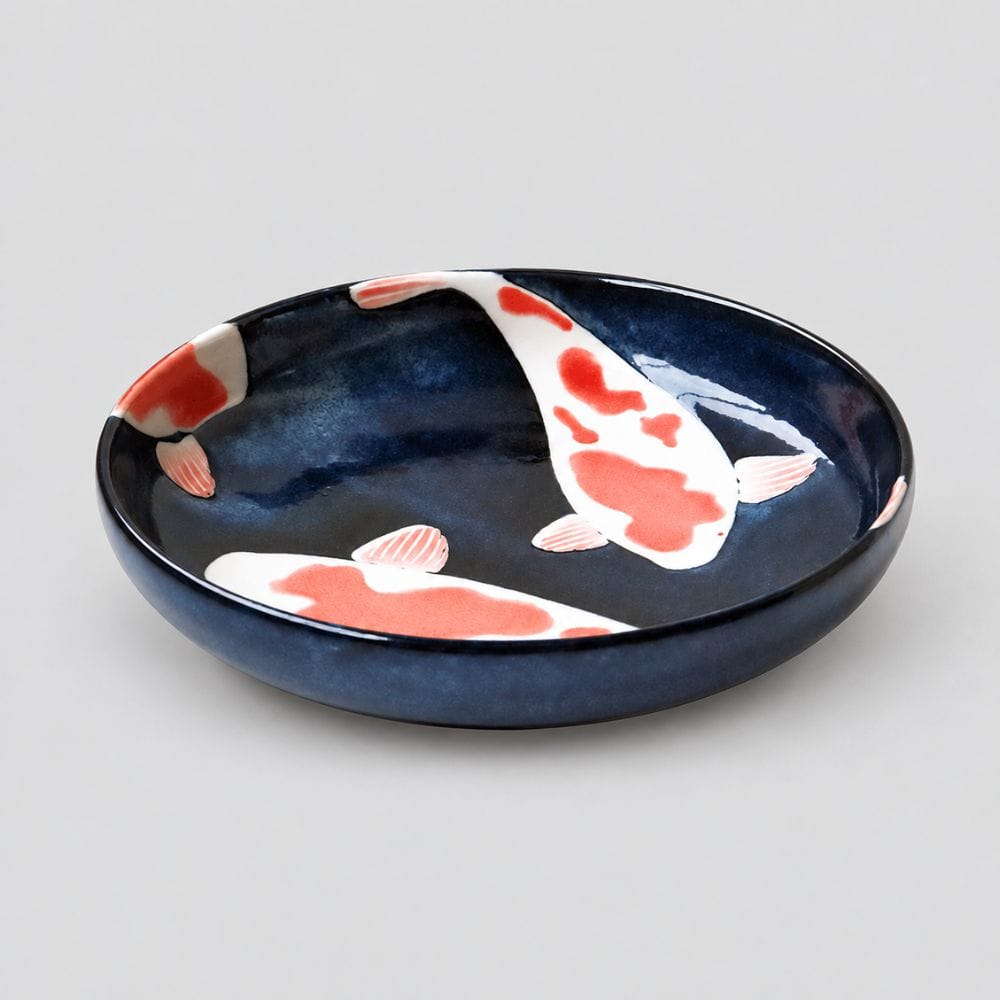
The Nishiki Goi Pasta Plate brings a calm, graphic presence to the table with its twin koi motif and indigo glaze. Its wide, shallow form gives pasta, curry, or donburi room to sit neatly, while the water-repellent finish helps keep serving and cleanup simple for everyday meals or guests.
Why You’ll Love It
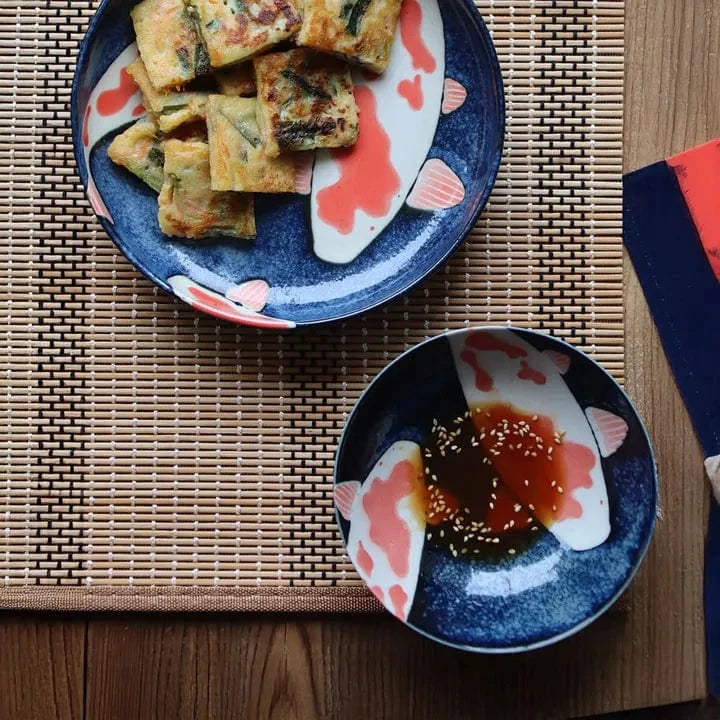
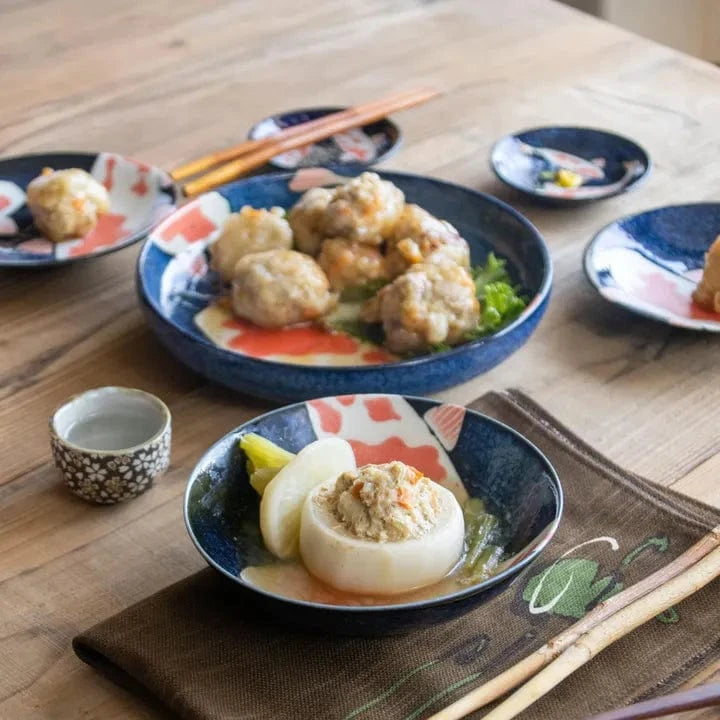
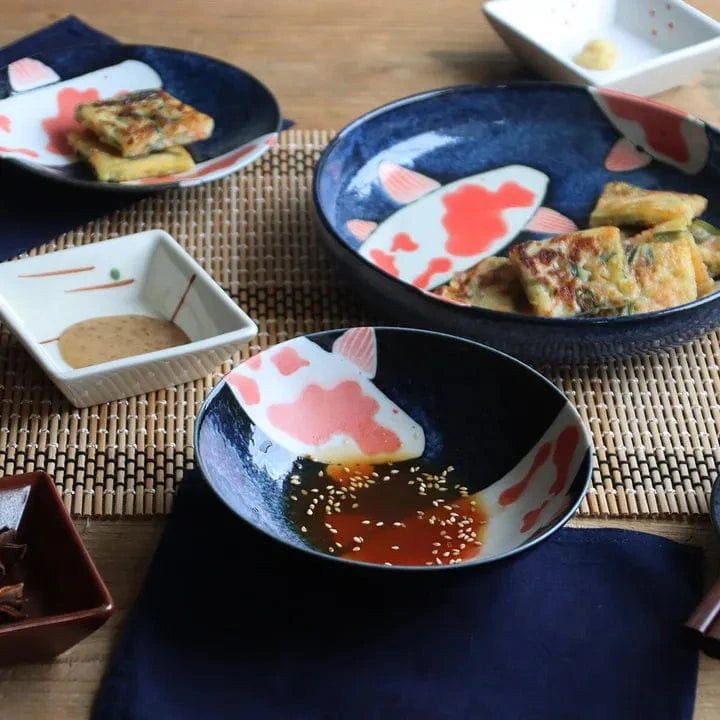
Wide, shallow shape works well for pasta, curry, and donburi.
Made in Japan from porcelain with a water-repellent indigo glaze.
Twin koi motif in circular motion adds a calm, distinctive look.
Sized for individual servings with a low, easy-to-plate profile.
Pairs naturally with the rest of the Nishiki Goi Collection.
The Nishiki Goi Pasta Plate reimagines Western-style dining through the lens of Japanese craftsmanship. Crafted from fine porcelain and finished with a water-repellent glaze, this versatile plate features graceful koi carp—symbols of luck, strength, and harmony—swimming across a serene indigo surface.
Designed with a wide, shallow profile, it's ideal for beautifully presenting pasta, risotto, grilled vegetables, or even Japanese dishes like curry or donburi. The vivid red-and-white koi pattern adds a refined artistic touch while the high-fired porcelain ensures everyday durability.
Whether for weeknight dinners or special occasions, this plate brings a calming balance of form and function to your table.
Pair it with matching bowls, cups, and sushi plates from the Nishiki Goi Collection for a beautifully coordinated table that honors both tradition and versatility.
Product Information
Dimensions: ø 1.8 × H 0.2 in (ø 45 × H 5 mm)
Weight: 0.35 oz (10 g)
Material: Porcelain
Finish: Water-repellent indigo glaze
Design: Twin koi motif in circular motion
Care instructions
- Hand wash gently using mild detergent and a soft cloth.
- Avoid abrasive sponges or harsh chemicals to preserve the delicate luster finish.
- Microwave and Dishwasher Safe.
- Dry thoroughly after washing to maintain pristine condition.
Artisan & Craft
Made in Japan by Jinpoh: Rooted in Heritage, Designed for Today.
Note
Every piece crafted by our artisans tells a unique story.
Subtle marks, slight irregularities in shape, variations in glaze color and texture—these natural differences give each creation its own soul.
Over time, as you use your pieces, their character deepens, becoming part of your daily life and memories.
Questions & Answers
What foods does this plate suit best?
Its wide, shallow shape works well for pasta, risotto, grilled vegetables, curry, and donburi, giving plated dishes room to spread out neatly.
What gives the plate its character?
The twin koi motif in circular motion and the water-repellent indigo glaze give it a distinctive look that feels calm and balanced on the table.
How should I care for it?
Hand wash gently with mild detergent and a soft cloth. Avoid abrasive sponges or harsh chemicals, and dry it thoroughly after washing.
Is it suitable for everyday use?
Yes. The porcelain body and high-fired finish are described as durable enough for everyday dining, while the water-repellent glaze helps make cleanup easier.
5 stars: 2 (100%)
4 stars: 0 (0%)
3 stars: 0 (0%)
2 stars: 0 (0%)
1 star: 0 (0%)
M
Melissa Lusk
Gorgeous & worth the wait
I love these plates - they are beautiful and beautifully crafted and make me so happy every time I use them. There was a delay from the producer and the shop was so gracious and communicative about the issue. It took three months for my order to arrive but they were worth the wait!
Thank you so much for your kind words! We appreciate your patience and support.
F
F.J.
So cute and well-made!
This Nishiki Goi Chopstick Rest is so cute and well-made! The koi design is beautiful and adds a nice touch to my table. It arrived quickly and was carefully packaged. I’m really happy with it!
We’re so happy to hear you love the Nishiki Goi Chopstick Rest—it’s one of our favorites too.
It means a lot to us that you noticed the care we put into the design and packaging. We truly appreciate your support and hope to welcome you back to My Japanese World again soon!
Warm wishes,
The My Japanese World Team
FAQs
All you need to know about Japanese Pottery.
What types of traditional pottery are made in Japan?
Japan is home to several renowned pottery styles, including Mino ware (Gifu), Bizen ware (Okayama), Arita and Imari ware (Saga), Shigaraki ware (Shiga), and Mashiko ware (Tochigi). Each region has its own distinct materials, glazes, and firing techniques that reflect local history and aesthetics. Toki City in Gifu Prefecture is particularly renowned as the heart of Mino ware (Minoyaki)—the most widely produced pottery style in Japan.
What materials are used in artisan Japanese pottery?
Most artisan pottery in Japan is made from locally sourced clay, often mixed and refined by hand. Natural minerals and ash are used in glazes, and many pieces are wood-fired or fired in traditional climbing kilns (noborigama), producing unique surface textures and natural variations.
Are artisan Japanese pottery pieces safe for food use?
Yes. Authentic artisan pottery is made with food-safe, lead-free glazes and is carefully fired at high temperatures to ensure durability and safety. However, it's important to follow care instructions, especially for unglazed or porous ceramics.
What makes Japanese pottery different from Western ceramics?
Japanese pottery often emphasizes wabi-sabi—the beauty of imperfection—resulting in organic shapes, subtle asymmetry, and natural glazes. Unlike Western ceramics, which may prioritize uniformity, Japanese pieces often celebrate the individuality of each item, reflecting the artist's hand and the firing process.
How should I care for artisan-made Japanese pottery?
Hand-wash pottery with mild soap and avoid extreme temperature changes (like placing hot items into cold water). Some unglazed pieces may absorb moisture, so allow them to fully dry before storing. Avoid microwaves or dishwashers unless the piece is specifically labeled as safe for such use.
Choosing a selection results in a full page refresh.