This site uses cookies for better user experience and analytics.
Handcrafted Matcha Bowl
$39.00
No reviews
Handcrafted matcha bowl • Ceramic • 12 cm (4.7 in) diameter • Made in Japan
In stock, ready to ship
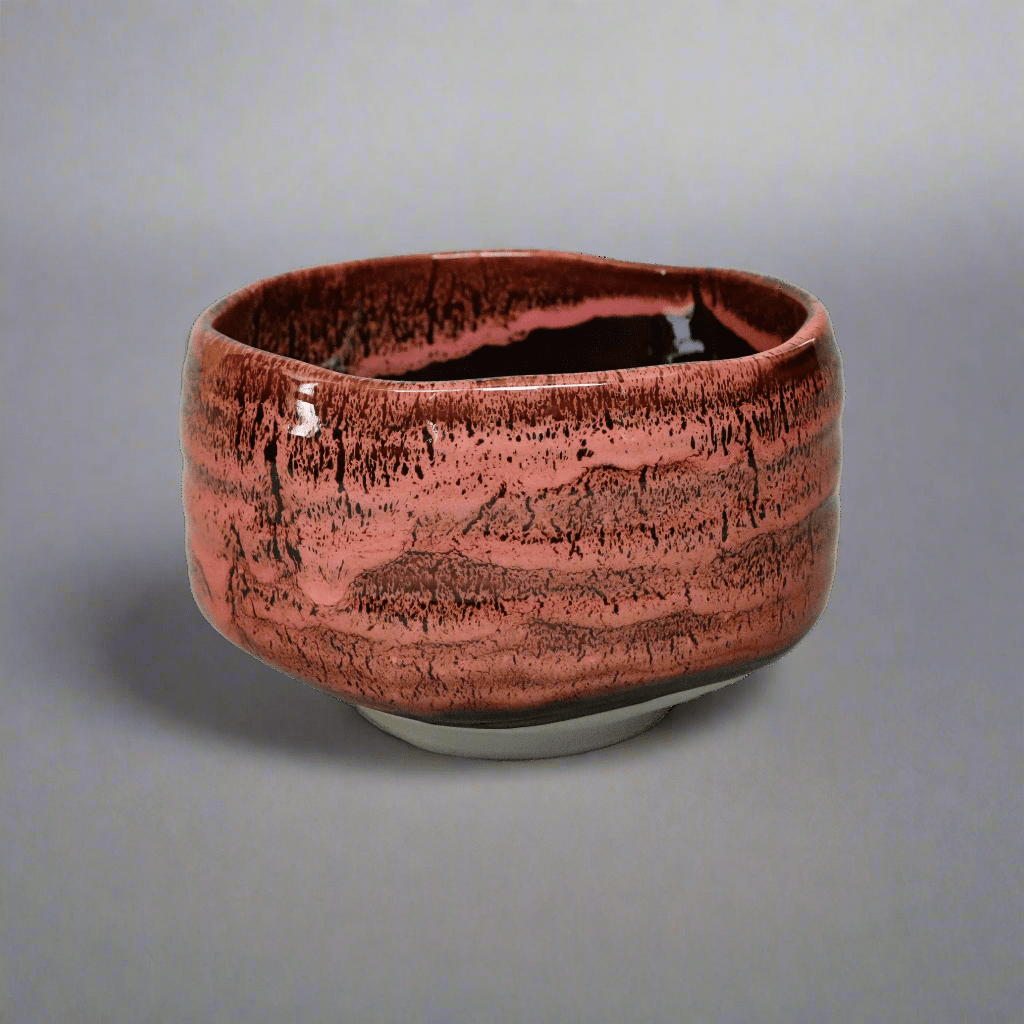
This handcrafted matcha bowl is made from pottery in Seifu, Japan, with a rounded form that sits comfortably in the hands while you whisk and serve matcha. The two finish options bring subtle character to the piece, while the handmade surface and balanced shape support daily tea preparation and quiet ritual alike.
Why You'll Love It?
Enjoy a handmade matcha bowl made in Seifu, Japan.
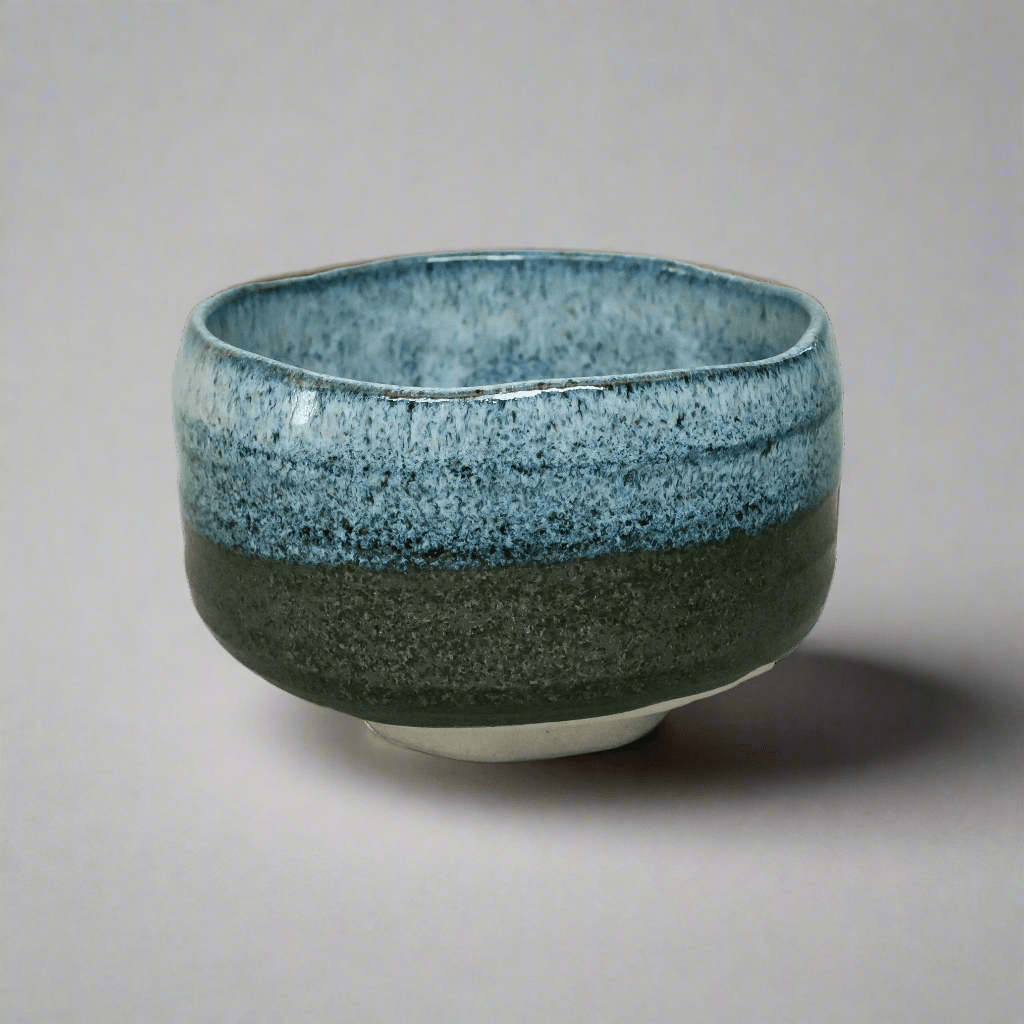
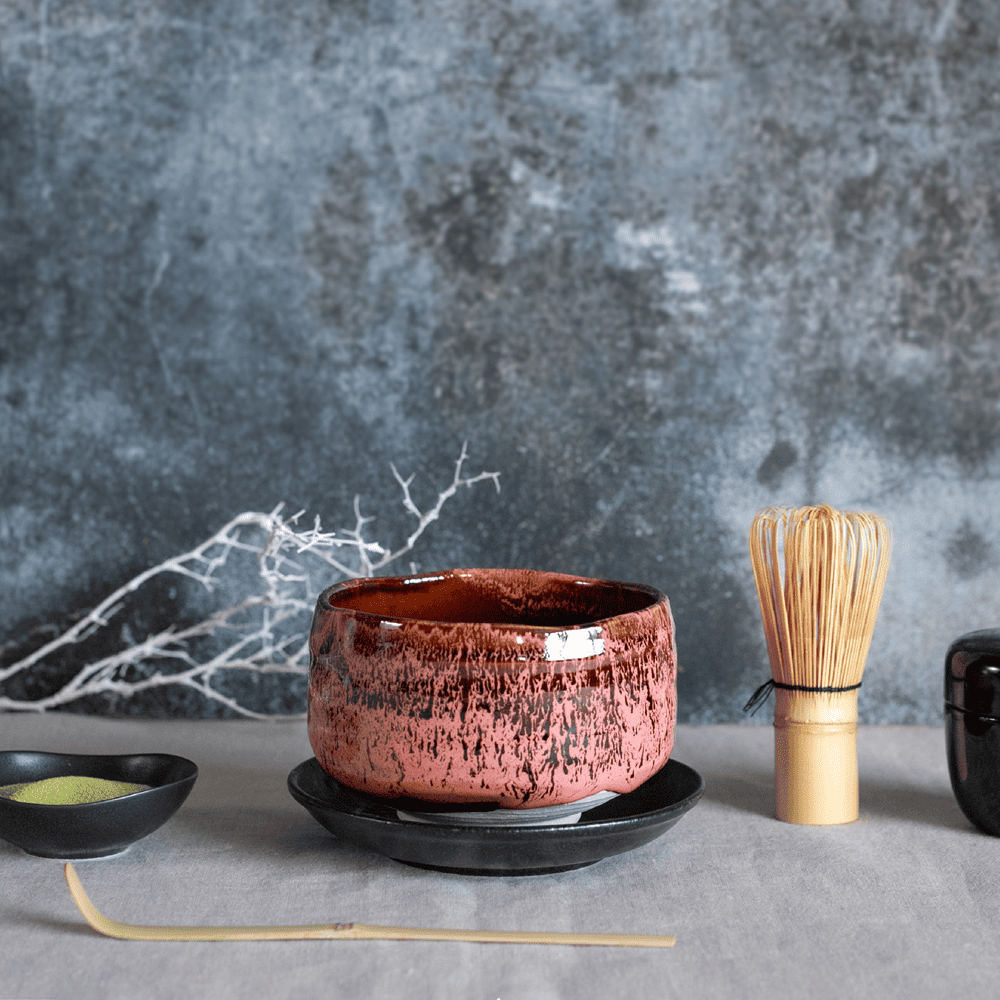
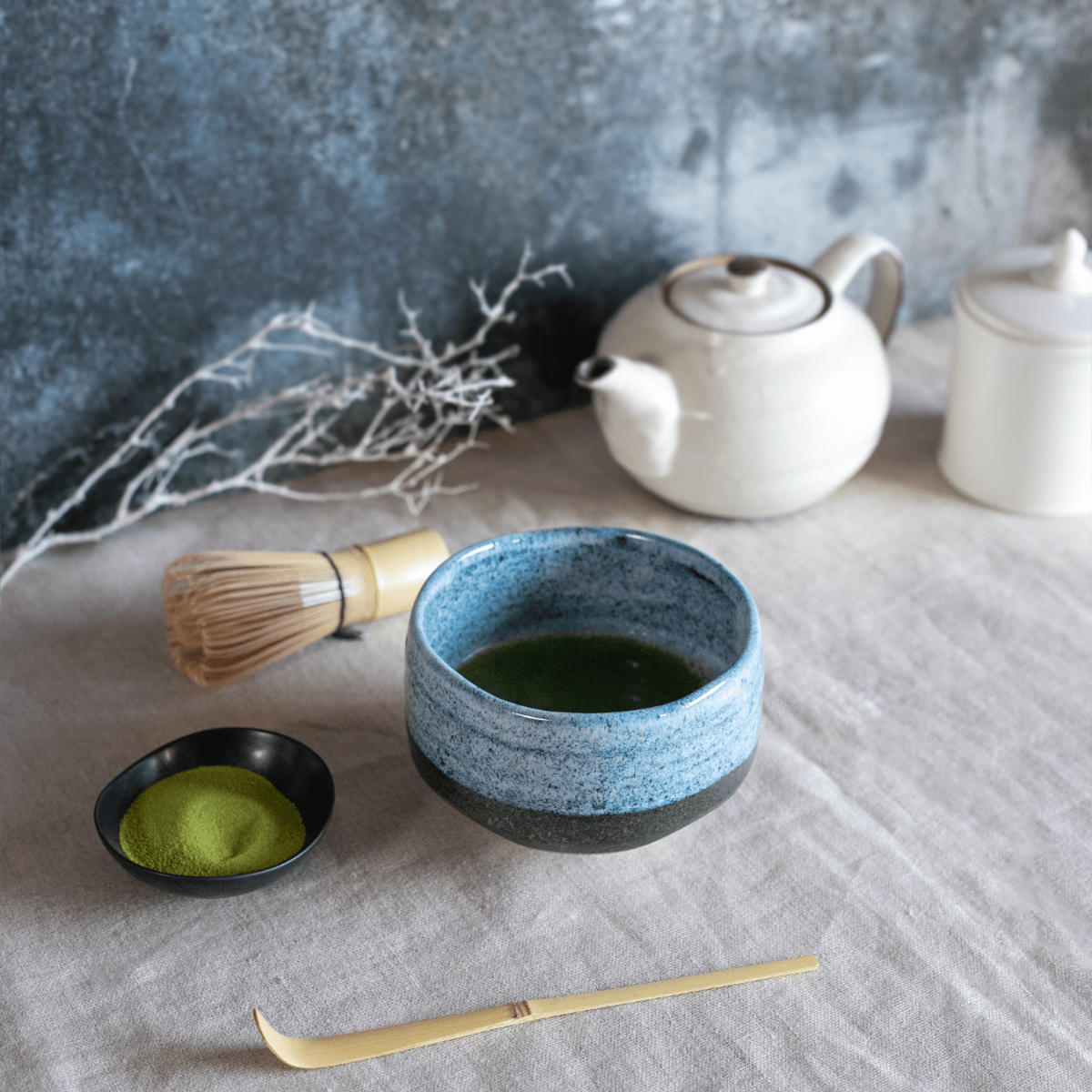
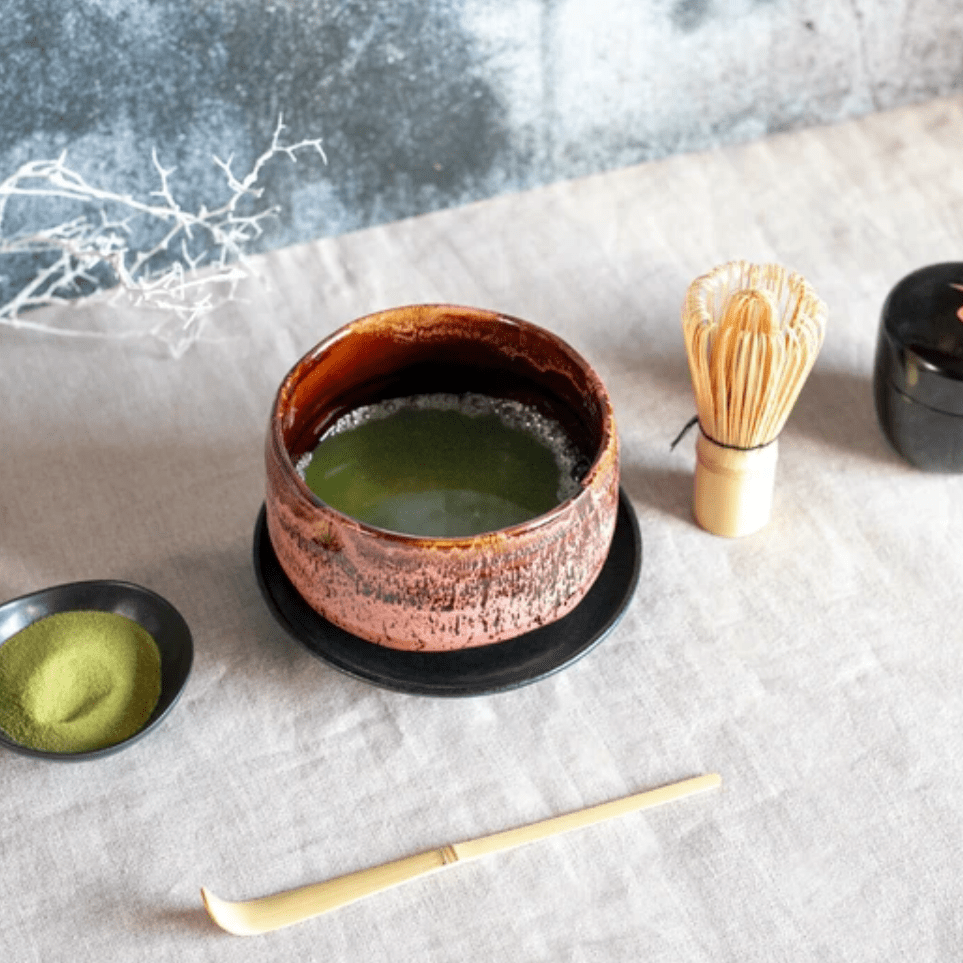
Choose from two finish options: Mingei no Sato Kobiki or Mingei no Sato Oribe.
The rounded form feels steady in hand for whisking matcha.
Each bowl has subtle handmade variations that make it unique.
A practical piece for everyday tea preparation and serving.
Directly sourced from artisan workshops in Japan
No US customs fees or surprise import charges — we take care of everything
Experience timeless Japanese craftsmanship through the tools of everyday beauty.
Product Description
This pottery matcha bowl is handmade in Seifu, Japan, and shaped for the daily preparation of matcha. Each bowl is made one by one with the quiet, practical character of a piece meant to be used often.
It is available in two finish options: Mingei no Sato Kobiki (light grey) and Mingei no Sato Oribe (green). Subtle color variation and hand-finished details make each bowl unique.
The confirmed size is 4.7" × 3.1" (120 × 80 mm), with a capacity of 20.3 fl oz (600 cc) and a weight of 16 oz (450 g). The bowl is practical for whisking matcha and serving it with comfort at home or in a tea setting.
Product Information
Material: Pottery
Dimensions: 4.7" × 3.1" (120 × 80 mm)
Capacity: 20.3 fl oz (600 cc)
Weight: 16 oz (450 g)
Finish Options: Mingei no Sato Kobiki (light grey) / Mingei no Sato Oribe (green)
Origin: Handmade in Seifu, Japan
Care instructions
Hand wash recommended. Not suitable for microwave or dishwasher use. To preserve the integrity of the glaze, avoid soaking or abrasive cleaning.
Artisan & Craft
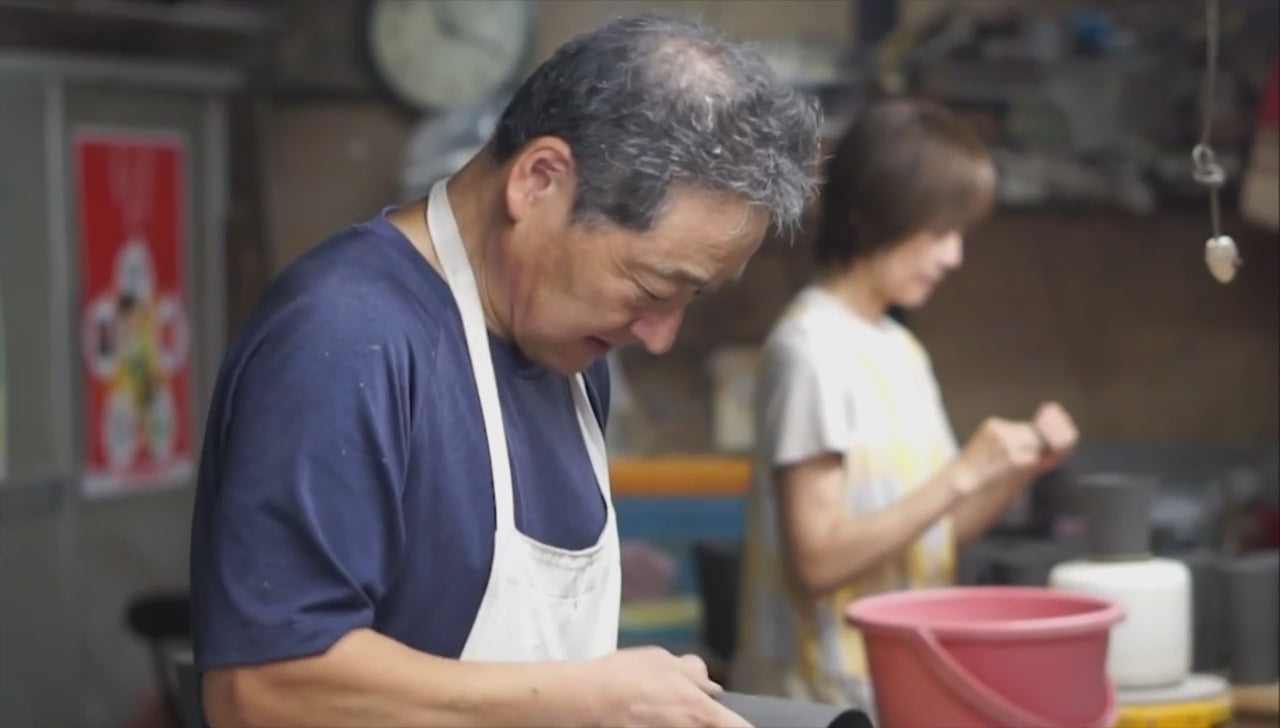
Handmade in Seifu, Japan, this pottery matcha bowl reflects traditional ceramic craft and the care of one-by-one making.
Note
Each bowl is handmade, so subtle variations in glaze color, texture, and shape are part of its character.
Toki 土岐 - The Heart of Minoyaki 美濃焼
Toki City, nestled in Gifu Prefecture, stands as a beacon of Japan's rich ceramic heritage, particularly renowned for its Mino ware (Minoyaki).
With a history spanning over 1,300 years, this region has cultivated a profound tradition of pottery. During the Azuchi-Momoyama period (1568–1614), Toki became a sanctuary for potters fleeing conflicts in neighboring areas, leading to the establishment of kilns that produced distinctive styles like Oribe, Shino, and Setoguro ware, each celebrated for their unique glazes and forms.
Today, Toki City remains a vibrant hub for ceramic artistry, housing numerous kilns and studios that blend time-honored techniques with contemporary designs.
Made by Seifu - A Japanese Artisan Brand
Seifu is a brand crafted by artisans who carry forward the rich tradition and refined techniques of Mino ware, a ceramic heritage that spans over 1,400 years.
Each piece is thoughtfully handmade, allowing you to experience the natural warmth, subtle textures, and quiet elegance that only true craftsmanship can offer.
With Seifu, every item is more than tableware—it’s a connection to centuries of Japanese ceramic artistry.
FAQs
All you need to know about Japanese Pottery.
What types of traditional pottery are made in Japan?
Japan is home to several renowned pottery styles, including Mino ware (Gifu), Bizen ware (Okayama), Arita and Imari ware (Saga), Shigaraki ware (Shiga), and Mashiko ware (Tochigi). Each region has its own distinct materials, glazes, and firing techniques that reflect local history and aesthetics. Toki City in Gifu Prefecture is particularly renowned as the heart of Mino ware (Minoyaki)—the most widely produced pottery style in Japan.
What materials are used in artisan Japanese pottery?
Most artisan pottery in Japan is made from locally sourced clay, often mixed and refined by hand. Natural minerals and ash are used in glazes, and many pieces are wood-fired or fired in traditional climbing kilns (noborigama), producing unique surface textures and natural variations.
Are artisan Japanese pottery pieces safe for food use?
Yes. Authentic artisan pottery is made with food-safe, lead-free glazes and is carefully fired at high temperatures to ensure durability and safety. However, it's important to follow care instructions, especially for unglazed or porous ceramics.
What makes Japanese pottery different from Western ceramics?
Japanese pottery often emphasizes wabi-sabi—the beauty of imperfection—resulting in organic shapes, subtle asymmetry, and natural glazes. Unlike Western ceramics, which may prioritize uniformity, Japanese pieces often celebrate the individuality of each item, reflecting the artist's hand and the firing process.
How should I care for artisan-made Japanese pottery?
Hand-wash pottery with mild soap and avoid extreme temperature changes (like placing hot items into cold water). Some unglazed pieces may absorb moisture, so allow them to fully dry before storing. Avoid microwaves or dishwashers unless the piece is specifically labeled as safe for such use.
What are the benefits of Mino Wave Ceramic Mugs?
Mino ware ceramic beer mugs offer a bar-quality experience right at home. The countless tiny pores in the ceramic create a creamy, fluffy foam as soon as the beer is poured—just like a bartender's perfect pour. These natural pores also help retain the beer’s chill longer than glass, thanks to microscopic air pockets within the material that act as invisible insulators. Paired with a generously sized handle that fits comfortably in the hand, this mug delivers both exceptional function and a satisfying, refreshing drinking experience.
Choosing a selection results in a full page refresh.