

Kutani Stone Pavement Tea Cup
Secure, insured delivery from Japan
Worldwide shipping from $30 · free over $150. Shipping policy
$49 of $150 with this item · $101 to go
U.S. duties prepaid
No extra import charges on delivery — the price you see is the price you pay. Learn more
Sourced in Japan, from the makers
Direct from Japanese workshops and their authorised channels.
Why You’ll Love It
Pairs well with
Kutani Stone Pavement Tea Cup
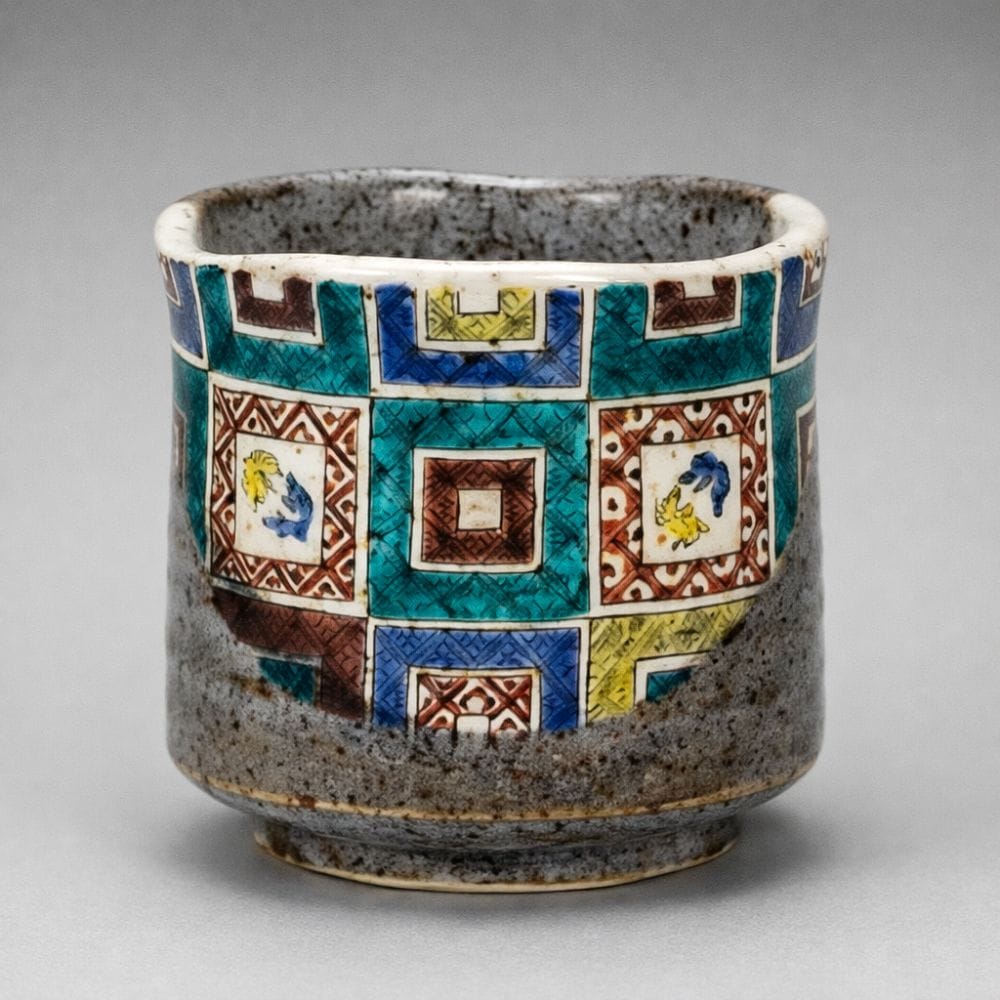
The Kutani Stone Pavement Tea Cup invites you into a world where Japanese cultural heritage meets daily comfort. This exquisite pottery piece embodies the spirit of Kutani ware, known for its vibrant colors and intricate stone pavement patterns, making it a distinctive addition to your home or a thoughtful gift for loved ones.
Artisan Craftsmanship
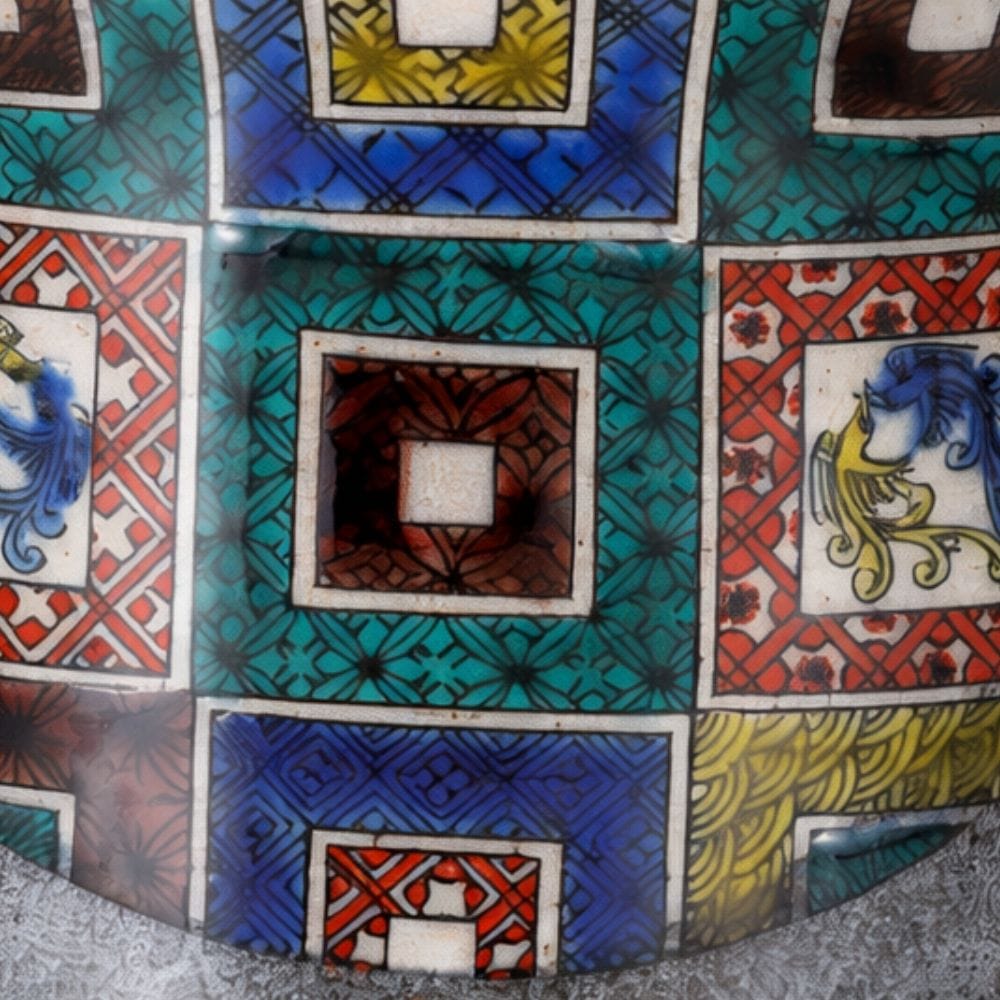
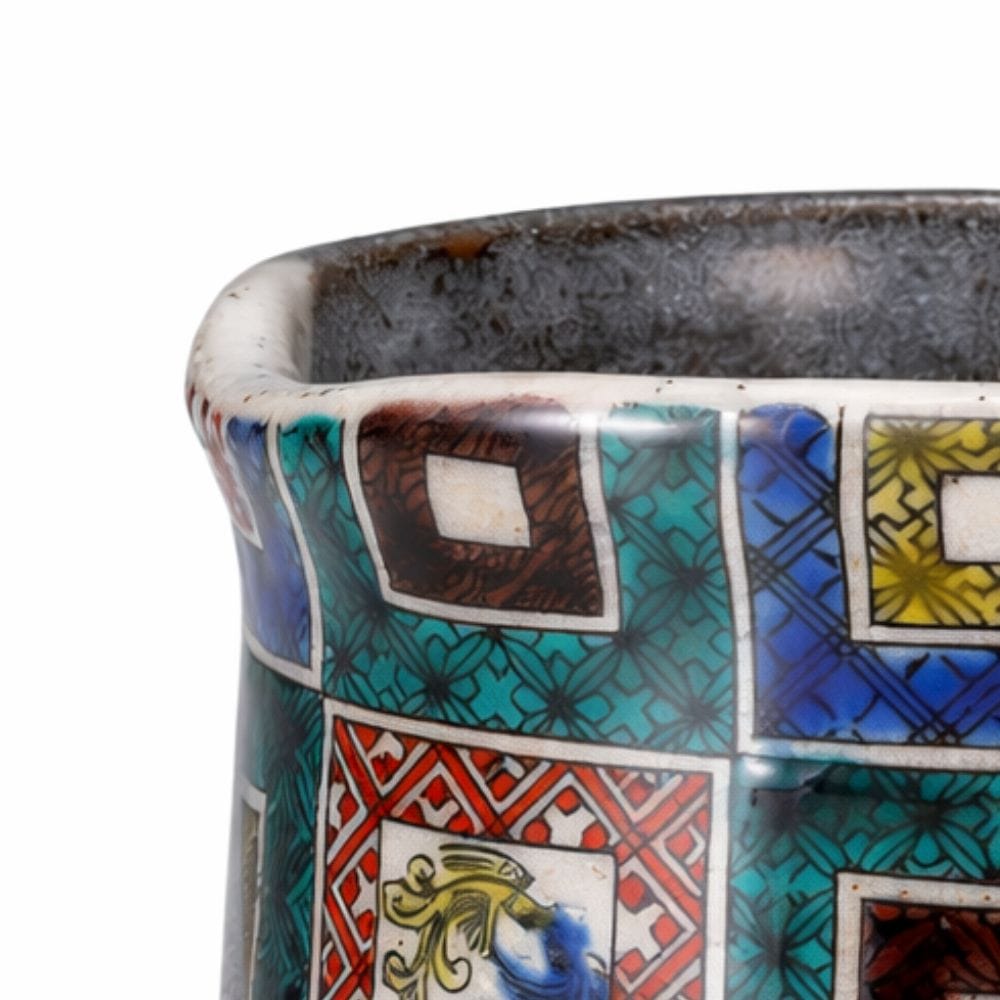
Handmade in Kutani Village, made in Japan, this tea cup showcases the artistry that has characterized Kutani ware since the 17th century. The stone pavement pattern features a harmonious blend of red, green, yellow, purple, and navy blue—applied with precision. Each cup is unique, with variations in pattern and color shading, offering you a one-of-a-kind piece to cherish. The yunomi’s cylindrical shape allows for comfortable use, measuring 3.2 inches (8.2 cm) in diameter and 3.1 inches (8 cm) in height, fitting perfectly in your hand.
Enhancing Your Everyday Life
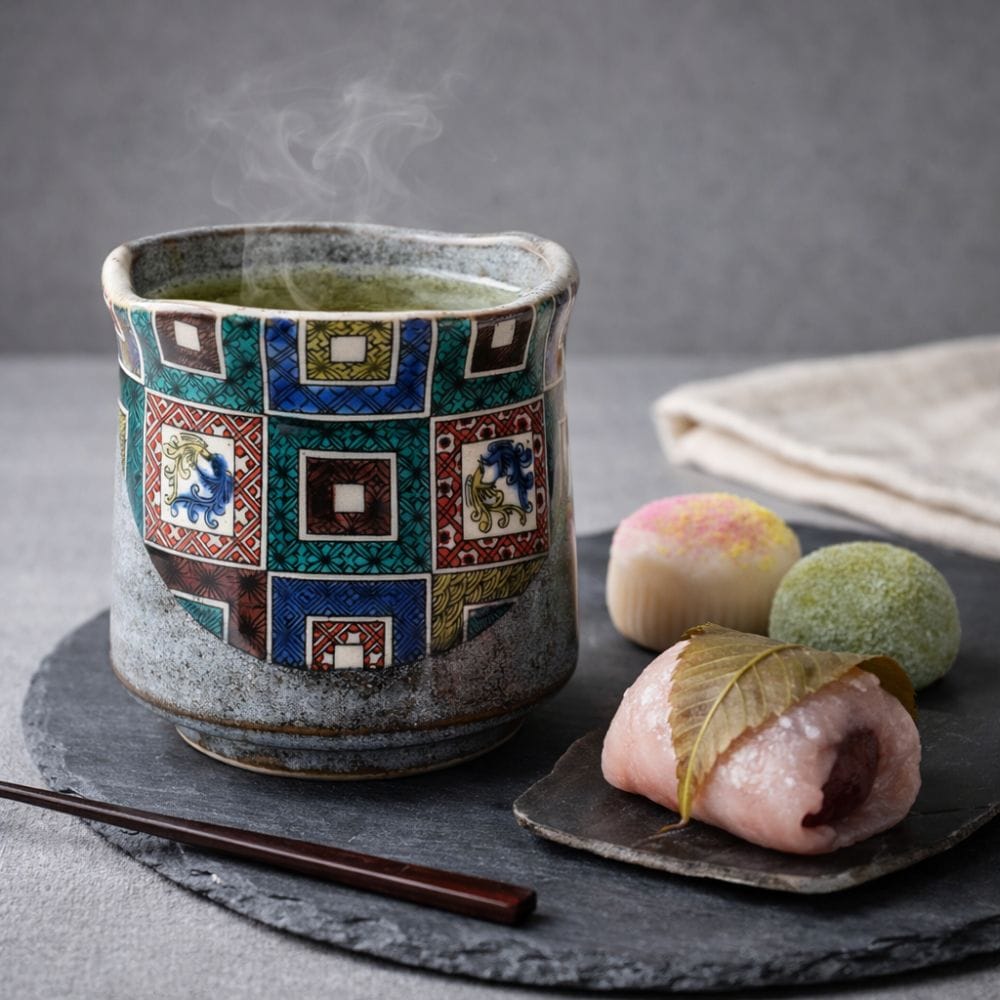
Enjoy a quiet moment with your favorite tea, the warmth of the cup grounding you in the present. This teacup adds elegance to your daily rituals. Its vibrant colors and intricate patterns can spark conversations and enhance your table setting, making it an eye-catching centerpiece for gatherings. This teacup also makes a thoughtful gift for birthdays, weddings, and housewarmings—delight your loved ones with a piece that embodies craftsmanship, enhancing every sip.
A Connection to Culture
With the Kutani Stone Pavement Tea Cup, you’re bringing a piece of traditional craftsmanship into your life. Each cup is a reminder of the beauty of handmade artistry and the joy of sharing moments over tea. Embrace this opportunity to enrich your home decor or surprise someone with a heartfelt gift. Experience Japanese tradition in every sip.
Product Information
Care instructions
Note

Kutani ware · Ishikawa, Japan
Kutani: Japan’s art of brilliant color
Kutani ware emerged in Ishikawa in the 17th century and became celebrated for bold overglaze painting and an unmistakably rich use of color. Its decorative language ranges from expressive nature motifs to highly detailed compositions, giving Kutani porcelain a vivid character unlike almost any other Japanese ceramic tradition.
Discover Kutani
Learn more about Kutani ware
What is Kutani ware?
Kutani ware is a tradition of Japanese porcelain associated with Ishikawa Prefecture. It first developed in the 17th century and is especially known for richly colored overglaze decoration, bold compositions and a wide range of styles that evolved over several centuries.
What are the five colors of Kutani ware?
The traditional Kutani palette is often referred to as Kutani Gosai, or the five Kutani colors: red, yellow, green, purple and dark blue. These vivid overglaze enamels are used in different combinations, from dense decorative painting to more restrained contemporary work.
Where is Kutani ware made?
Kutani ware is associated with Ishikawa Prefecture in Japan’s Hokuriku region, particularly the areas around Kaga, Komatsu and Kanazawa. The original Kutani production began near present-day Kaga in the mid-1600s.
Why does Kutani ware look so different from other Japanese porcelain?
Kutani is distinguished by its emphasis on decoration after the porcelain body has been fired. Layers of colored enamel are applied over the glaze, allowing artists to create saturated color, strong outlines and highly expressive imagery. This gives Kutani ware a more painterly and often more dramatic appearance than many other Japanese porcelain traditions.