This site uses cookies for better user experience and analytics.
Jukusa Rokubei Tea Cup – Mino Ware Ceramic
$9.90
No reviews
No reviews yet · Customers rate us 4.9/5 (44 reviews) · Read them
Ceramic • 10.8 oz (320 cc) • Made in Japan
In stock
Ships within 4 business days
Secure, insured delivery from Japan
Worldwide shipping from $30 · free over $150. Shipping policy
$9.90 of $150 with this item · $140.10 to go
U.S. duties prepaid
No extra import charges on delivery — the price you see is the price you pay. Learn more
Sourced in Japan, from the makers
Direct from Japanese workshops and their authorised channels.
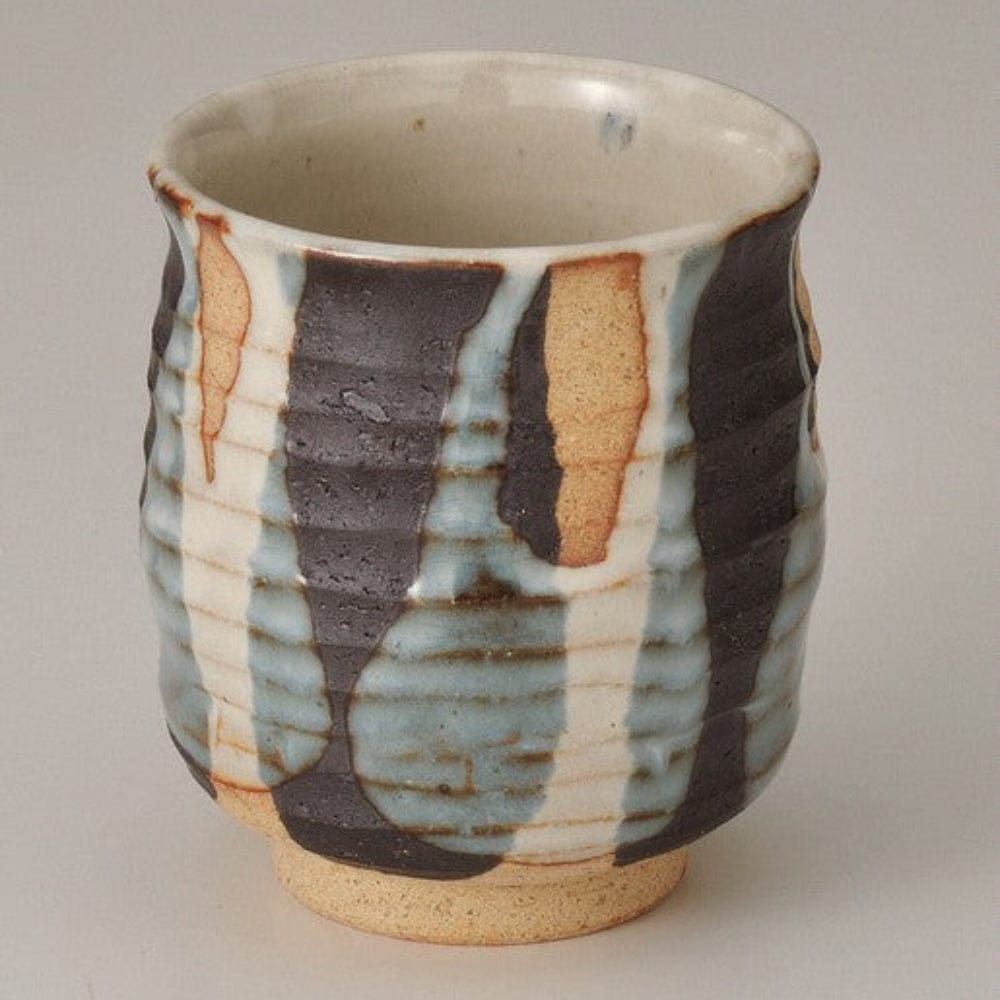
The Jukusa Rokubei Tea Cup is a ceramic Mino ware cup made in Japan. Its 3.35" (8.5 cm) diameter and 3.74" (9.5 cm) height make it a comfortable size for tea, and the 10.8 oz (320 cc) capacity is practical for everyday use. Each piece may show natural variation in color and texture.
Why You’ll Love It
Made of ceramic Mino ware from Japan.
Holds 10.8 oz (320 cc), a practical size for tea.
The handmade process can create natural variation in color and texture.
The Jukusa Rokubei Tea Cup is a ceramic tea cup made in Japan in the Mino ware tradition. It measures 3.35" (8.5 cm) in diameter and 3.74" (9.5 cm) in height, with a full water capacity of 10.8 oz (320 cc).
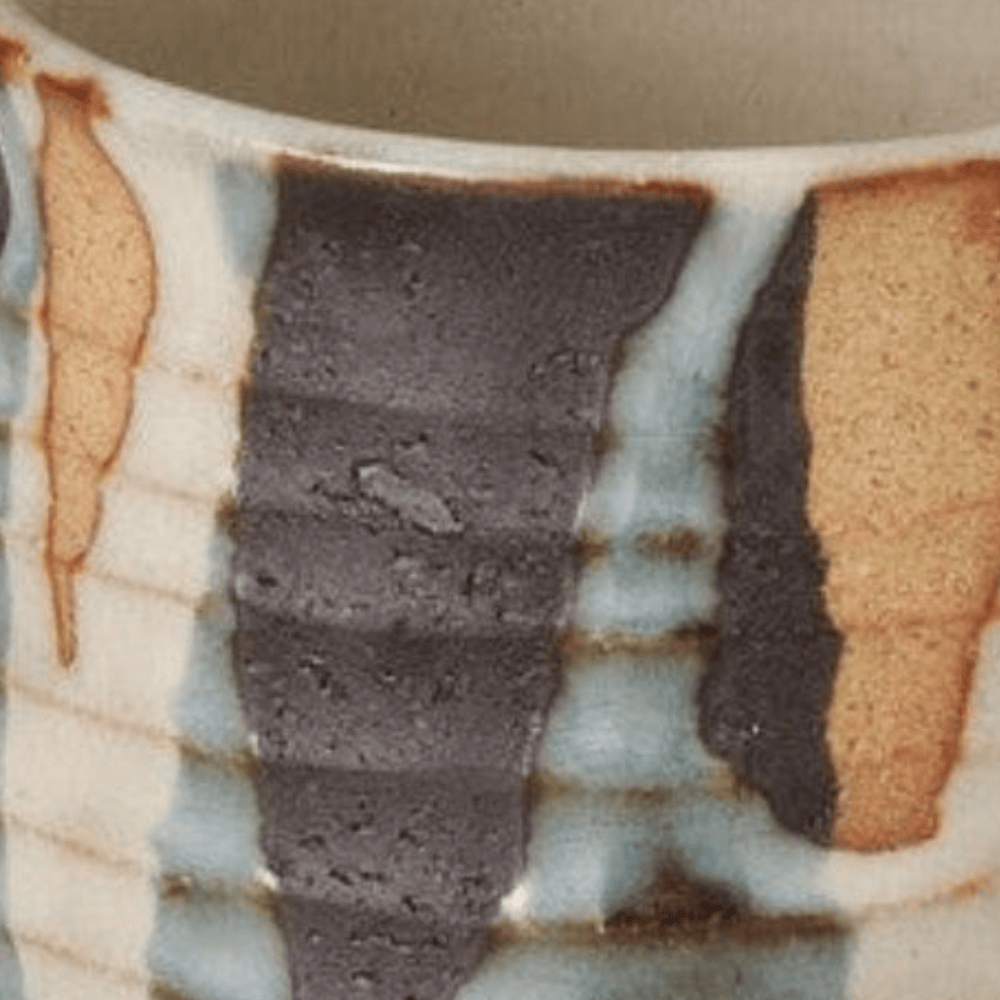
Each piece may show natural pottery characteristics such as iron powder, color unevenness, glaze dripping, and pinholes. These variations are part of the handmade character of the cup and do not affect usability.
Care for it by hand washing with a soft sponge and mild detergent. Do not machine wash or microwave, and allow it to air dry completely before storing.
Product Information
Dimensions:
Diameter: 3.35 in / 8.5 cm
Height: 3.74 in / 9.5 cm
Capacity:
Full Water Capacity: 10.8 fl oz / 320 cc
Material: Ceramic
Made in Japan
Safety Information:
Passed inspection for lead and cadmium
May exhibit natural pottery characteristics such as iron powder, color unevenness, glaze dripping, and pinholes, which do not affect usability
Care instructions
### Care Instructions for Jukusa Rokubei Tea Cup
- Hand wash with a soft sponge and mild detergent; avoid abrasive cleaners.
- Do not machine wash or microwave; heat may damage the ceramic.
- Allow to air dry completely before storing.
- Store in a dry place, ideally in a protective box to maintain its beauty.
- Embrace the unique character of each piece, as variations are a testament to artisanal craftsmanship.
Caring for your Jukusa Rokubei Tea Cup ensures its longevity and preserves the artistry of this exquisite Mino ware.
Artisan & Craft
The Jukusa Rokubei Tea Cup is a ceramic cup made in Japan in the Mino ware tradition. Handmade variation in color and texture is part of its character, and each piece may differ slightly.
Note
Handmade pottery may show natural variation in color, glaze, and surface texture. These characteristics are normal and do not affect usability.
Questions About This Piece
What makes this cup different from a mass-produced teacup?
Each cup is handmade, so natural differences in color, texture, glaze flow, and tiny pinholes may appear. These are part of the character of pottery and do not affect usability.
How should I care for it?
Hand wash with a soft sponge and mild detergent. Do not machine wash or microwave, and let it air dry completely before storing.
Is it suitable for everyday tea drinking?
Yes. Its 10.8 oz (320 cc) capacity and comfortable cup shape make it a practical choice for regular tea service.
What should I expect when it arrives?
You will receive one ceramic tea cup made in Japan. Because it is handmade pottery, each piece may vary slightly in appearance.
Mino ware · Gifu, Japan
Mino ware: 1,300 years of ceramic innovation
Mino ware comes from the Tono region of Gifu Prefecture, one of Japan's most important ceramic-producing areas. Over centuries, kilns in the region developed a remarkable range of styles, from restrained Shino and Oribe pieces tied to tea culture to everyday tableware for modern Japanese homes. Rather than being defined by a single look, Mino ware is known for that diversity. A ceramic tradition that has continued to evolve with the way people actually live and eat.
Mino ware, or Minoyaki, is the broad ceramic
tradition associated with the Mino region of
present-day Gifu Prefecture. Rather than describing
one fixed aesthetic, the name encompasses ceramics
with a wide range of forms, glazes and decorative
approaches developed across the region over more
than 1,300 years.
Why is Mino ware so diverse?
Mino developed as a large ceramic-producing region
rather than around one narrowly defined style.
Generations of potters experimented with different
clays, firing methods, shapes and glazes, creating
a tradition in which rustic tea wares, expressive
glazes and practical everyday tableware can all
belong to the same ceramic family.
What are Shino and Oribe?
Shino and Oribe are two of the best-known ceramic
traditions associated with Mino. Shino is celebrated
for its soft white glaze, subtle texture and often
understated decoration, while Oribe is known for
expressive forms and distinctive green, black and
painted surfaces. Together with Kiseto and Setoguro,
they are closely associated with the celebrated
Momoyama-period tea ceramics of the Mino region.
Where is Mino ware made?
Mino ware is produced primarily in the Tōnō area
of eastern Gifu Prefecture, including major ceramic
centres such as Tajimi, Toki and Mizunami.
The region remains one of Japan's most important
centres of ceramic and tableware production today.