

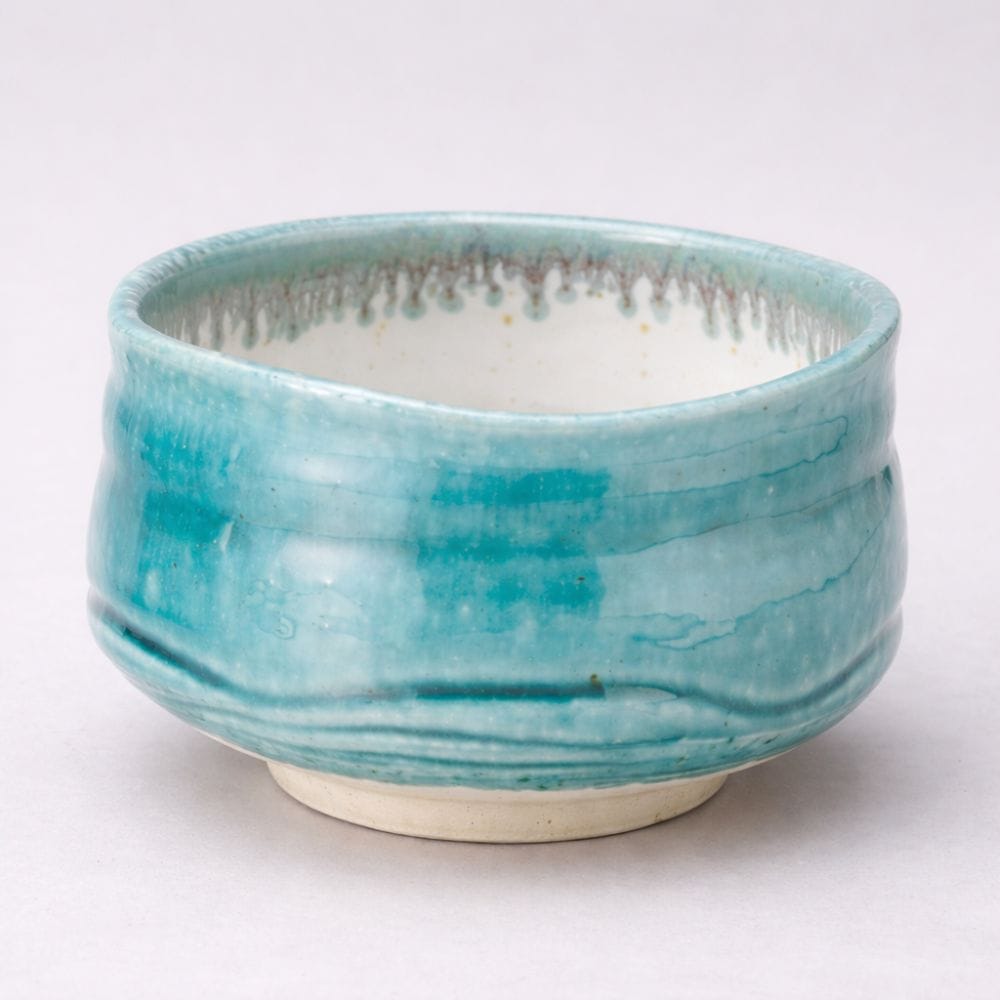
Iguchi Turkish Blue Mino Matcha Bowl
Secure, insured delivery from Japan
Worldwide shipping from $30 · free over $150. Shipping policy
$39 of $150 with this item · $111 to go
U.S. duties prepaid
No extra import charges on delivery — the price you see is the price you pay. Learn more
Sourced in Japan, from the makers
Direct from Japanese workshops and their authorised channels.
Why You’ll Love It
Pairs well with
Iguchi Turkish Blue Mino Matcha Bowl
Iguchi Turkish Blue Mino Ware Matcha Bowl
Immerse yourself in the world of Japanese tea culture with the Iguchi Turkish Blue Mino Matcha Bowl. Handcrafted in Japan’s Mino region, this matcha bowl or "Chawan" serves not only as a functional piece for your tea rituals but also highlights the distinctive beauty of Mino ware pottery, celebrated for over 1300 years. Each bowl showcases the unique characteristics of artisan-made pottery, reflecting the craftsmanship involved in its creation.
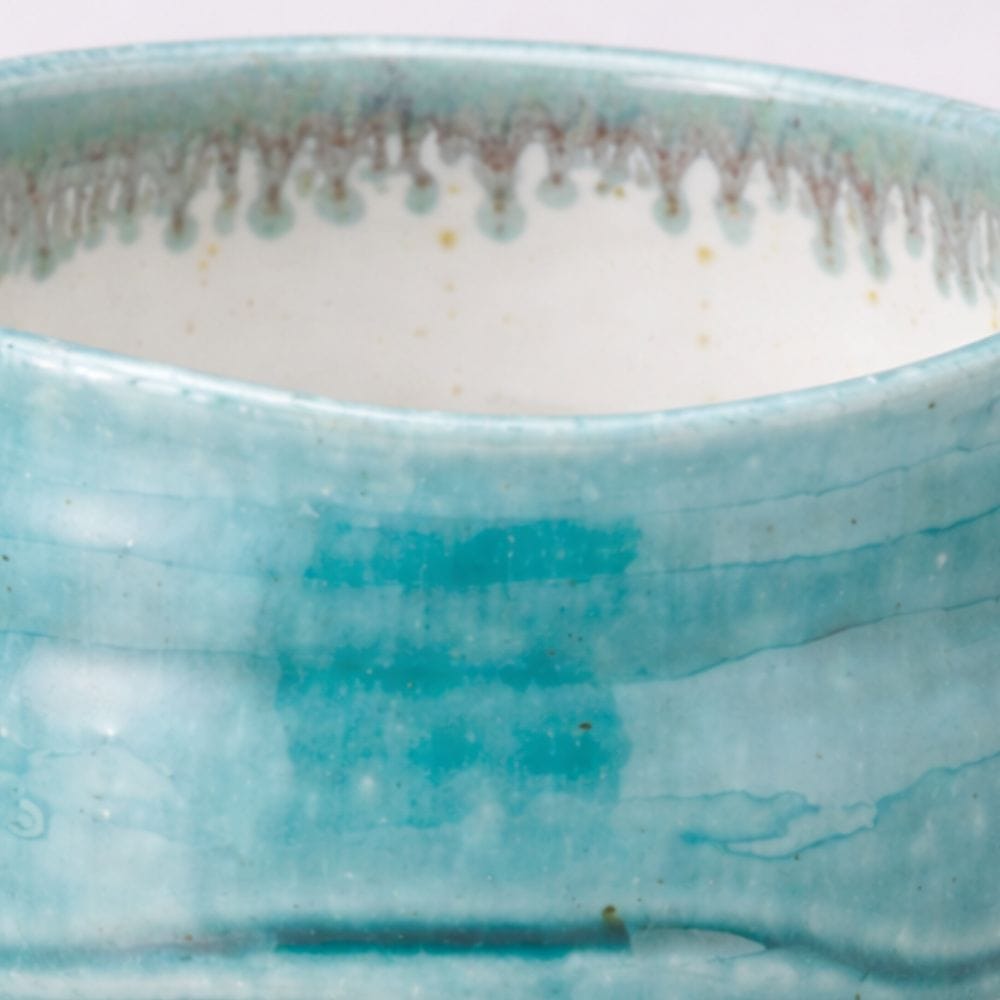
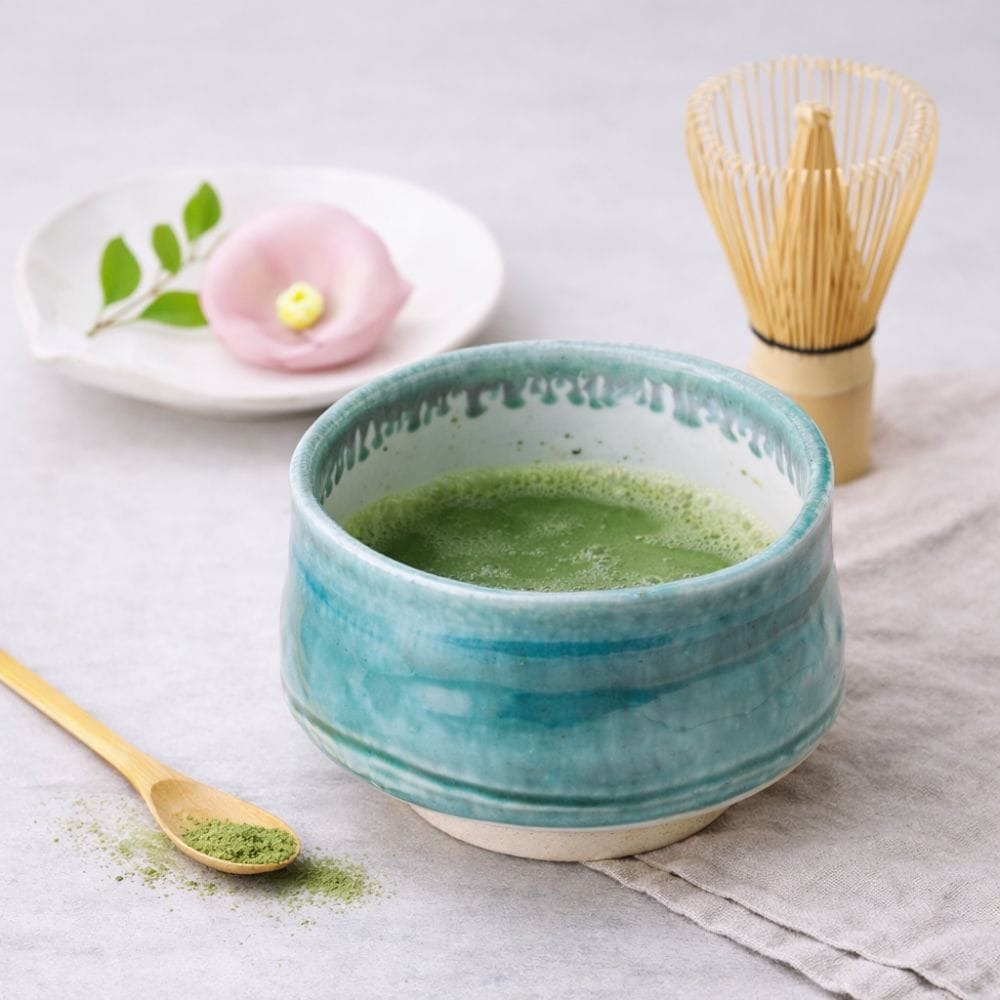
With a diameter of 4.5 inches (11.5 cm) and a height of 2.8 inches (7 cm), this bowl is perfectly sized for whisking matcha. The Turkish blue glaze features elegant variations and natural drips, introducing a contemporary flair to a classic form. The slight irregularities in shape and texture resonate with the Wabi-Sabi philosophy, honoring the beauty of imperfection. Whether you're hosting a formal tea ceremony or enjoying a quiet moment, this bowl enhances the ambiance.
Constructed from durable ceramic, the Iguchi bowl is designed for regular enjoyment. It is free of lead and cadmium and has passed rigorous safety inspections for peace of mind. Although it is not microwave or dishwasher safe, caring for this bowl is straightforward; hand wash gently to maintain its vibrant glaze and artisan appeal. Each piece may vary, allowing you to own a truly one-of-a-kind addition to your collection.
Incorporating the Iguchi Turkish Blue Mino Matcha Bowl into your daily life enriches your tea-drinking experience. The tea ceremony, or "Chanoyu," emphasizes mindfulness and appreciation, and this bowl serves as an ideal vessel for those reflective moments. By choosing this bowl, you embrace a piece of Japanese artistry that has endured through generations.
Add the Iguchi Turkish Blue Mino Matcha Bowl to your collection today, and enjoy a beautifully crafted piece that complements your tea rituals and home decor. Each bowl’s unique imperfections not only tell a story but also connect you to the artisans of Japan.
Product Information
Care instructions
Questions About This Piece
Why is the color called “Turkish blue”?
How does this color interact with matcha?
Is this bowl more expressive than neutral-toned ones?
Does the glaze feel smooth or textured?
Mino ware · Gifu, Japan
Mino ware: 1,300 years of ceramic innovation
Mino ware comes from the Tono region of Gifu Prefecture, one of Japan's most important ceramic-producing areas. Over centuries, kilns in the region developed a remarkable range of styles, from restrained Shino and Oribe pieces tied to tea culture to everyday tableware for modern Japanese homes. Rather than being defined by a single look, Mino ware is known for that diversity. A ceramic tradition that has continued to evolve with the way people actually live and eat.
Discover Mino
Learn more about Mino ware
What is Mino ware?
Mino ware, or Minoyaki, is the broad ceramic tradition associated with the Mino region of present-day Gifu Prefecture. Rather than describing one fixed aesthetic, the name encompasses ceramics with a wide range of forms, glazes and decorative approaches developed across the region over more than 1,300 years.
Why is Mino ware so diverse?
Mino developed as a large ceramic-producing region rather than around one narrowly defined style. Generations of potters experimented with different clays, firing methods, shapes and glazes, creating a tradition in which rustic tea wares, expressive glazes and practical everyday tableware can all belong to the same ceramic family.
What are Shino and Oribe?
Shino and Oribe are two of the best-known ceramic traditions associated with Mino. Shino is celebrated for its soft white glaze, subtle texture and often understated decoration, while Oribe is known for expressive forms and distinctive green, black and painted surfaces. Together with Kiseto and Setoguro, they are closely associated with the celebrated Momoyama-period tea ceramics of the Mino region.
Where is Mino ware made?
Mino ware is produced primarily in the Tōnō area of eastern Gifu Prefecture, including major ceramic centres such as Tajimi, Toki and Mizunami. The region remains one of Japan's most important centres of ceramic and tableware production today.