

Hasamiki Indigo Cup - Large
Secure, insured delivery from Japan
Worldwide shipping from $30 · free over $150. Shipping policy
$35 of $150 with this item · $115 to go
U.S. duties prepaid
No extra import charges on delivery — the price you see is the price you pay. Learn more
Sourced in Japan, from the makers
Direct from Japanese workshops and their authorised channels.
Why You’ll Love It
Pairs well with
Hasamiki Indigo Cup - Large
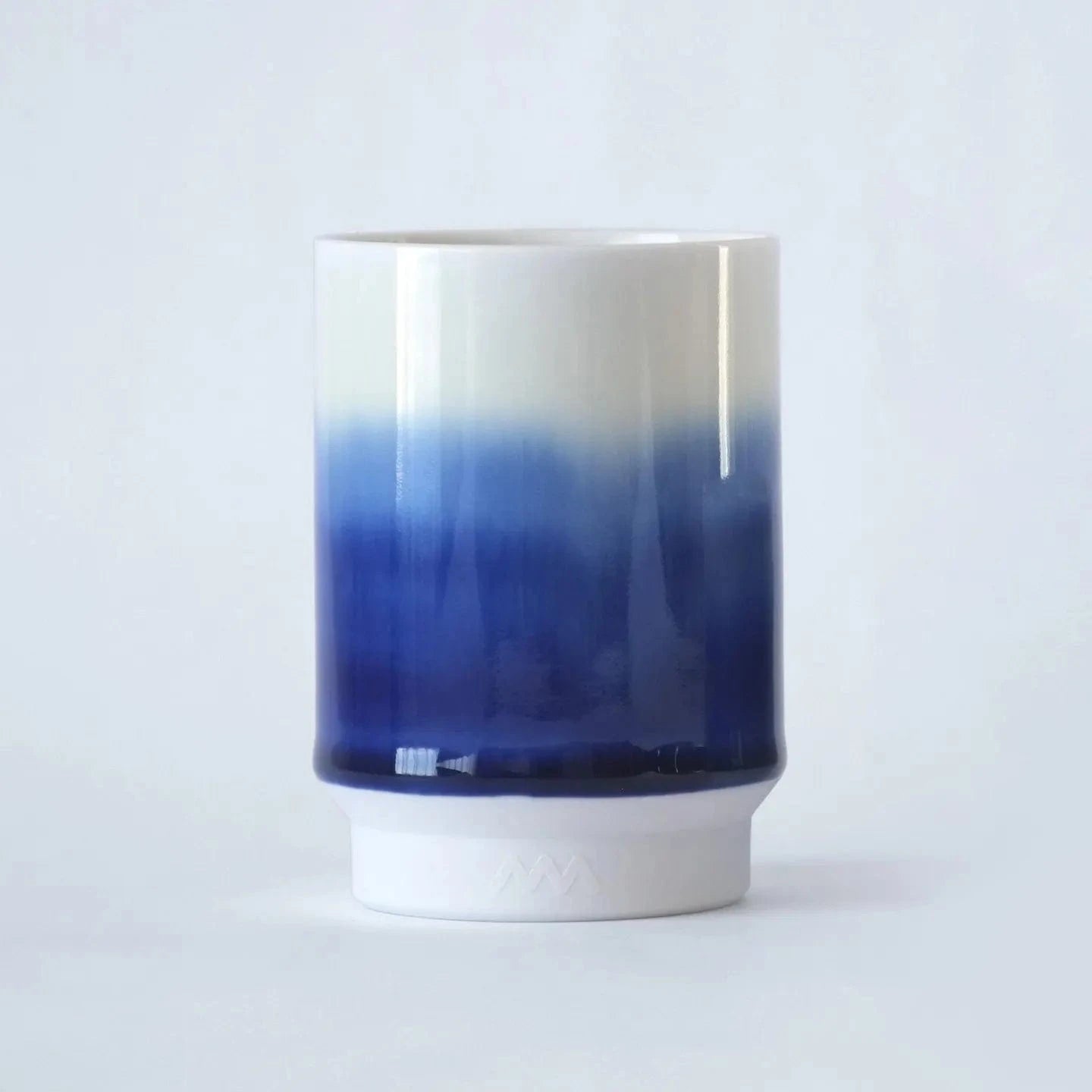
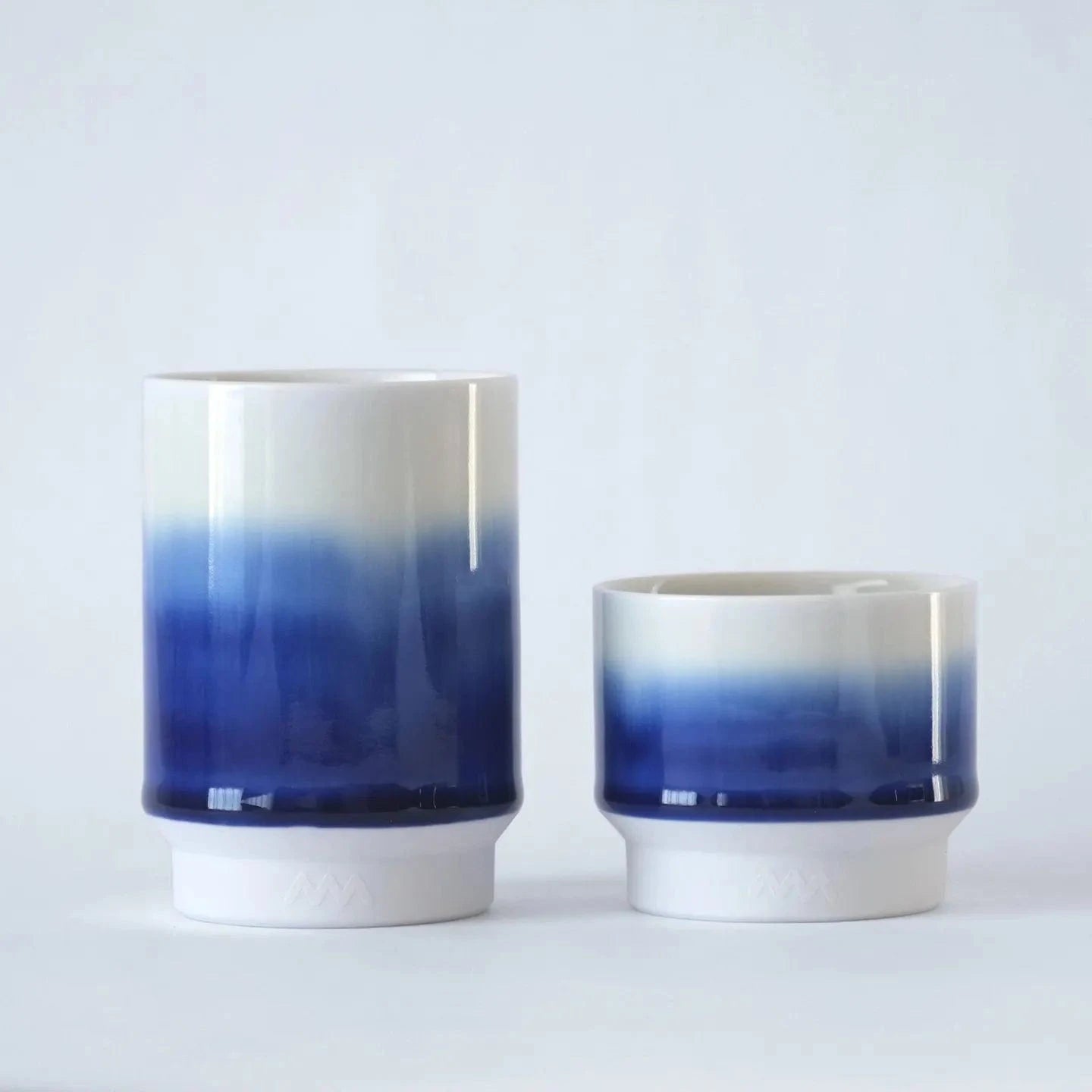
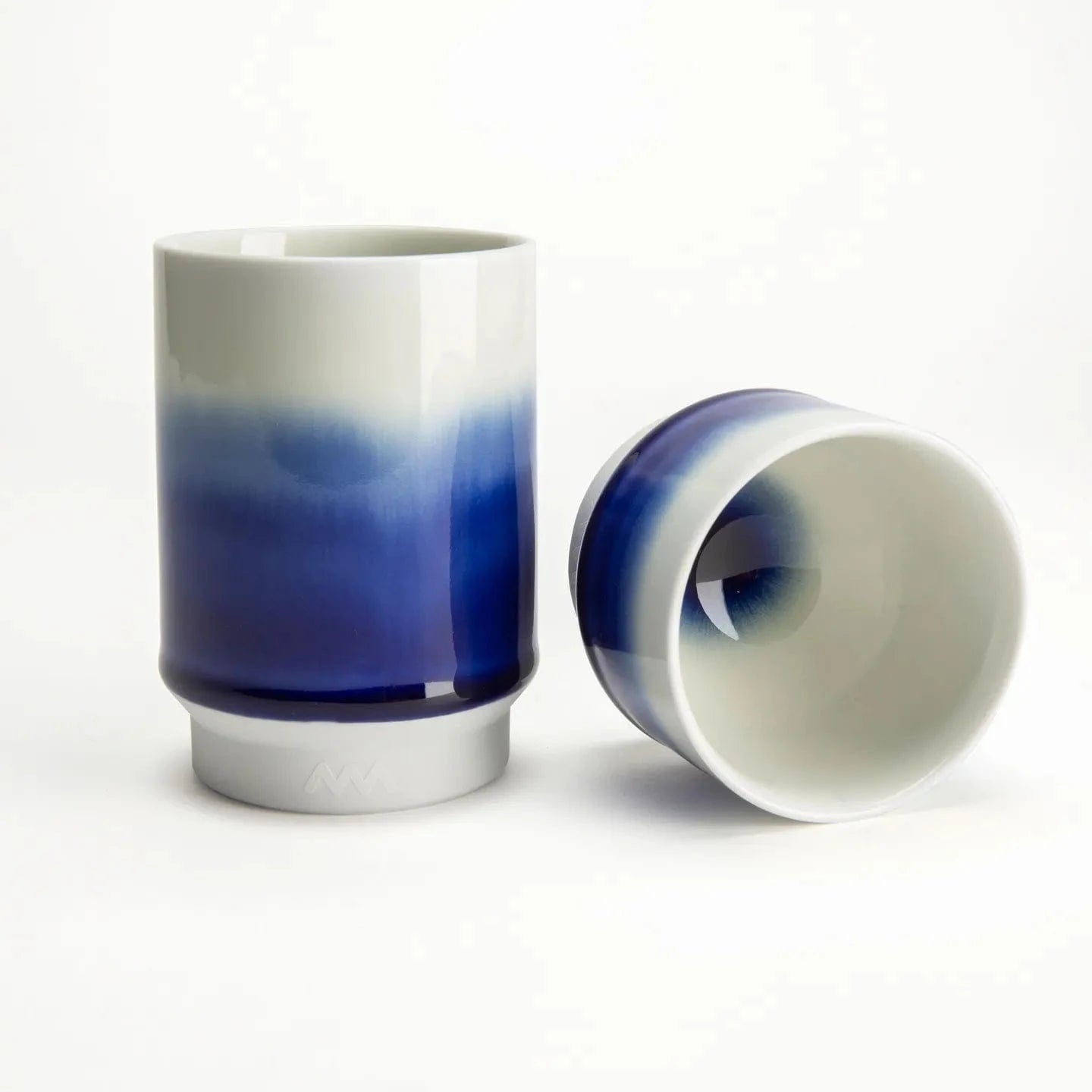
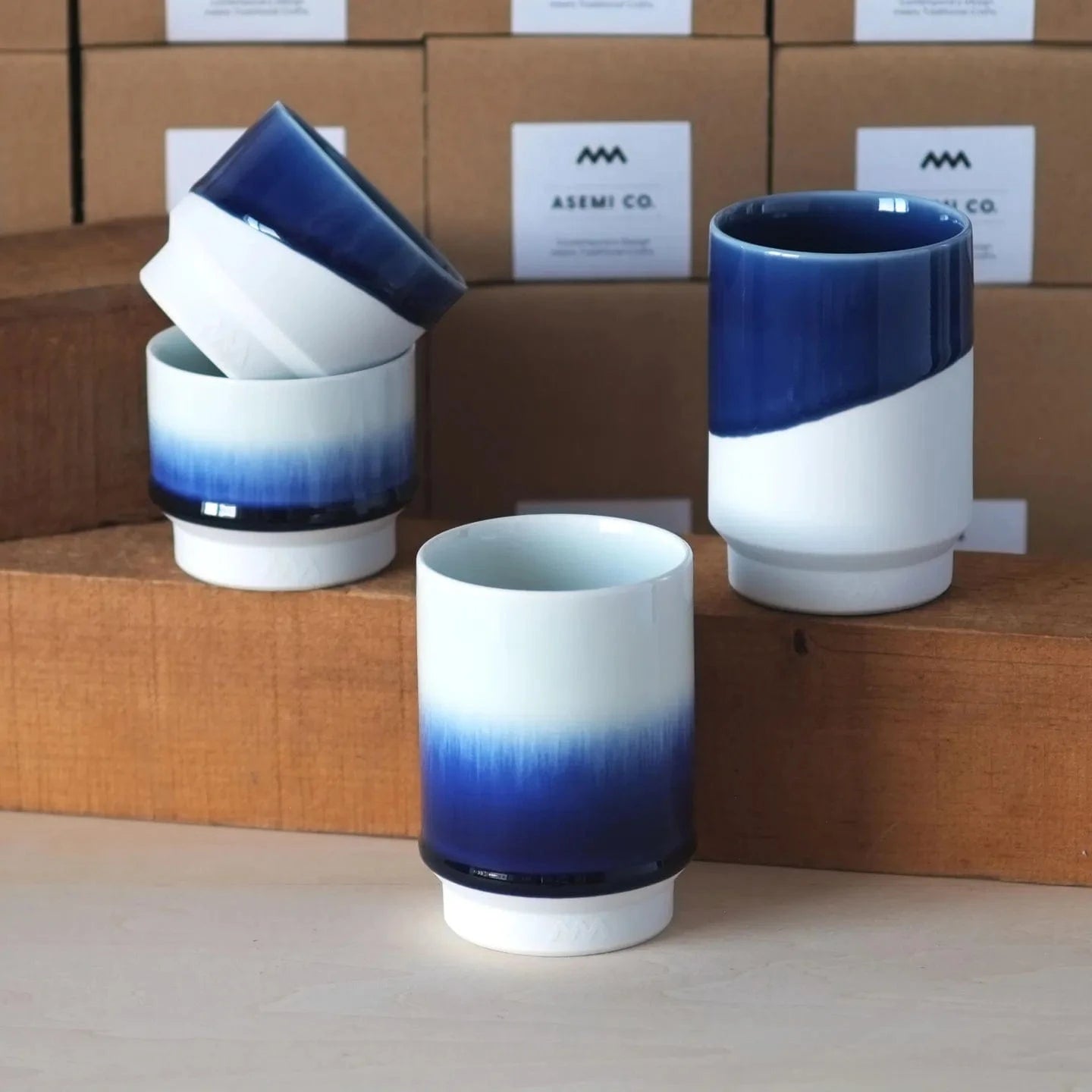
Experience the elegance of centuries-old craftsmanship with the Hasamiki Indigo Cup (L) by Asemi Co. Handcrafted in Hasami, Nagasaki—a region renowned for its porcelain artistry since the Edo period—this teacup seamlessly combines contemporary minimalism with Japanese tradition. The deep indigo glaze flows organically into crisp white porcelain, creating a smooth ombré effect that is both serene and sophisticated, inviting a moment of pause with each use. The captivating color contrast draws the eye, ensuring your table setting is visually inspiring.
With a generous capacity of 7.8 oz (230 ml), this cup is perfect for savoring your favorite tea, coffee, or even sake. Its versatile design suits both everyday enjoyment and elegant gatherings, making it an ideal choice for those who appreciate quality in every sip. Each cup is hand-fired in a traditional kiln, showcasing unique glaze patterns that ensure no two pieces are alike, enhancing its character and charm.
The elegant proportions and striking color difference make this cup not just a vessel, but a statement piece. Each drink transforms into a sensory experience, whether you’re indulging in a morning brew or hosting friends for an evening tea. Its thoughtful design fits comfortably in hand, allowing you to fully embrace your beverage.
For care, simply hand wash to maintain its beauty over time. Packaged to protect its exquisite craftsmanship, this cup promises to be a cherished addition to your collection or a thoughtful gift for someone special. Enjoy the meticulous artistry and the daily joy it brings to your sipping rituals.
Product Information
Care instructions
Note

FAQs
All you need to know about the Japanese Pottery Styles.
What are the major traditional styles of Japanese pottery?
Japan is home to a rich diversity of regional pottery styles, each with distinct techniques and aesthetics. Notable types include:
Bizen ware (備前焼): Unglazed stoneware fired for days, known for its earthy, fire-marked surface.
- Shigaraki ware (信楽焼): Rustic, coarse clay pieces with ash glaze and warm tones.
- Oribe ware (織部焼): Recognized by green copper glaze and bold asymmetrical designs.
- Shino ware (志野焼): Thick white glazes with soft textures and iron brushwork.
- Kutani ware (九谷焼): Vivid overglaze porcelain with rich, multicolored painting.
- Hasami ware (波佐見焼): Refined porcelain with clean forms and modern simplicity.
- Arita ware (有田焼): Delicate blue-and-white porcelain, often highly decorative.
How are these traditional styles used in modern homes?
While rooted in history, Japanese pottery is widely used today for both everyday and decorative purposes.
- Bizen and Shigaraki ware are often used for flower vases, tea utensils, or minimalist home décor.
- Hasami and Arita ware are favored for daily tableware due to their durability and elegant simplicity.
- Oribe and Shino ware are appreciated for tea ceremony use, but are also integrated into eclectic dining sets.
- Kutani ware is typically used for formal dining and artistic display due to its vivid ornamentation.
Can traditional Japanese pottery go in the microwave or dishwasher?
It depends on the style and glaze.
- Porcelain types like Hasami and Arita are usually microwave and dishwasher safe.
- Stoneware types such as Bizen or Shigaraki, which are porous and unglazed, should be hand-washed and kept out of microwaves.
Always check product-specific care instructions, as handmade items may vary.
Are Japanese pottery pieces suitable for Western dining settings?
Absolutely. Japanese ceramics pair beautifully with Western cuisine and interiors. Their natural textures, varied glazes, and elegant imperfections add warmth and individuality to any table. For example:
- A Shino ware bowl elevates pasta with rustic charm.
- A Kutani porcelain plate makes desserts visually stunning.
- A Bizen sake cup can be repurposed as an espresso shot glass or dipping bowl.
Why is handmade Japanese pottery often more expensive?
Handmade Japanese pottery reflects generations of skill, regional materials, and artisanal firing methods. The unpredictability of wood-fired kilns, hand-glazing, and limited production runs all contribute to each piece’s uniqueness—and value. In contrast to mass-produced ceramics, you're purchasing a piece of living cultural heritage. Many customers find that the emotional resonance and durability of these pieces more than justify the price.