This site uses cookies for better user experience and analytics.
Genji Matcha Bowl Oboro Sakura Matcha Starter Set
$59.00
No reviews
No reviews yet · Customers rate us 4.9/5 (44 reviews) · Read them
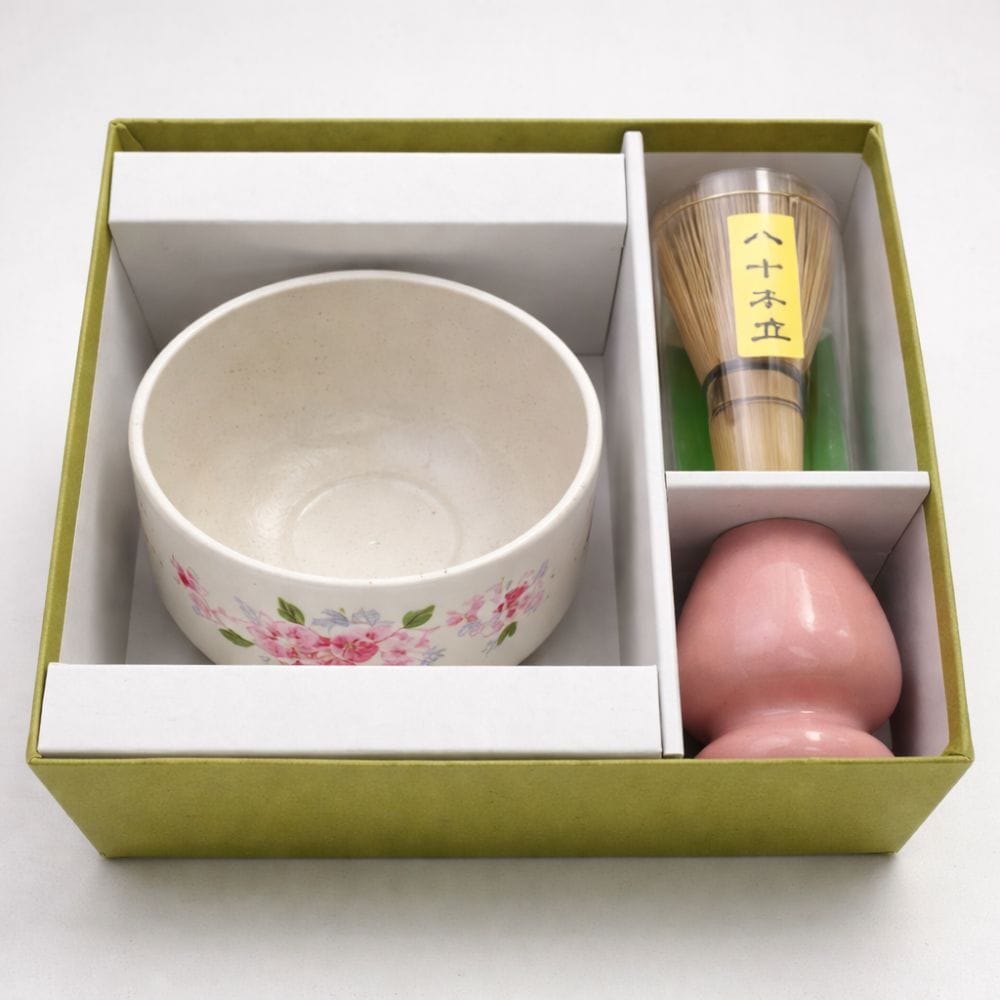
Set includes Ceramic bowl + Whisk + Holder • 12.2 cm (4.8") diameter • Made in Japan
In stock
Ships within 4 business days
Secure, insured delivery from Japan
Worldwide shipping from $30 · free over $150. Shipping policy
$59 of $150 with this item · $91 to go
U.S. duties prepaid
No extra import charges on delivery — the price you see is the price you pay. Learn more
Sourced in Japan, from the makers
Direct from Japanese workshops and their authorised channels.
Whisk matcha in the Genji Matcha Bowl Oboro Sakura Starter Set, where the gentle contours guide your hand for effortless motion. Feel the smooth glaze as your fingers wrap around the bowl's ergonomic shape, allowing for precise whisking. At 4.4 inches wide, the bowl accommodates frothy beverages without spills while its cherry blossom design invites tranquility into your daily ritual. Crafted from durable Mino ware in Japan, it seamlessly marries function with a serene aesthetic.
Why You’ll Love It
• Hand-glazed Mino ware showcases sakura beauty.
• Whisk matcha smoothly in perfect form.
• Crafted in Gifu, steeped in tradition.
• Unique size enhances daily tea rituals.
• Each bowl radiates calm and connection.
Blossoms in Every Bowl – Genji Oboro Sakura Matcha Starter Kit
Product Description
The Genji Matcha Bowl Oboro Sakura Set brings a serene, floral touch to your tea ritual. Hand-glazed in the Gifu region of Japan, the Mino ware bowl features delicately rendered pink sakura petals and green leaves, inviting calm and connection with every use. Measuring approximately 4.8 inches in diameter × 3.0 inches in height (12.2 cm × 7.5 cm), its shape is thoughtfully designed for smooth whisking and a comfortable grip, making it ideal for daily matcha preparation. The unique hand-painted floral motifs ensure that each bowl is one-of-a-kind, adding an exclusive touch to your collection.
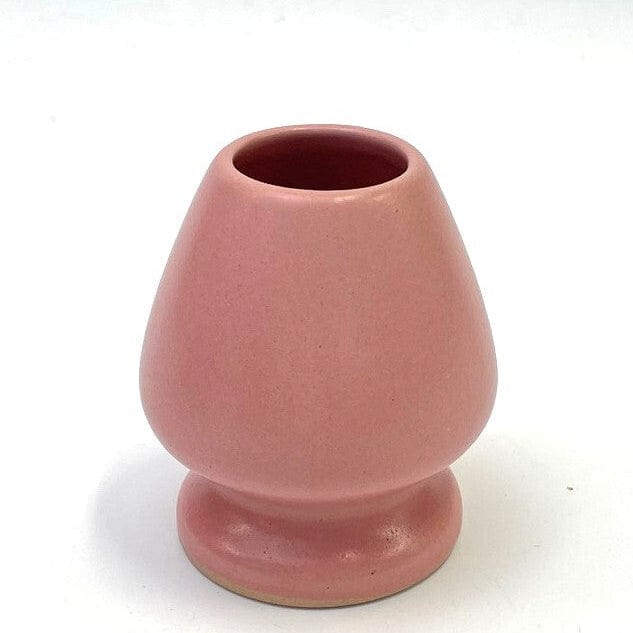
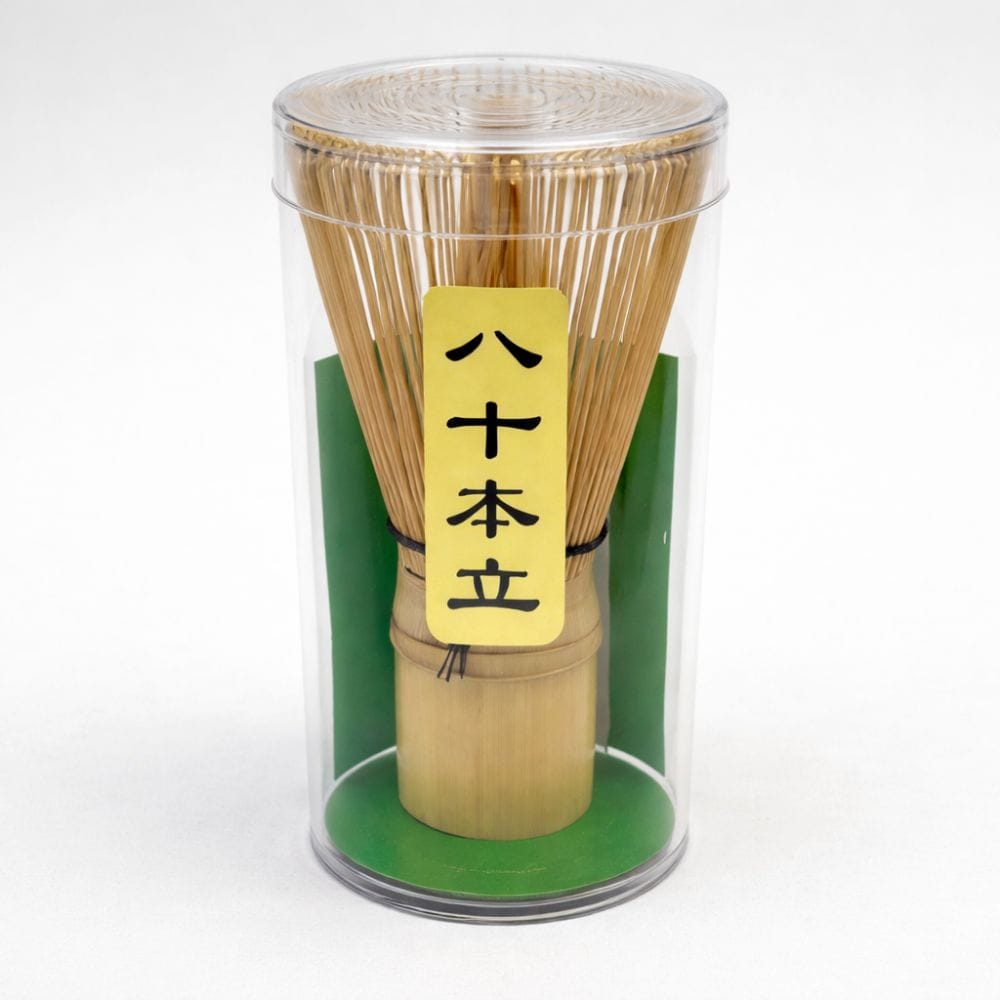
This complete set includes an 80-prong bamboo chasen, expertly engineered to aerate and froth your matcha to exquisite texture; a pastel pink ceramic whisk holder that preserves the shape and longevity of your chasen; and a gift-ready green box that adds a thoughtful touch for special moments. The set not only serves a practical purpose but also enhances your visual experience, thanks to the harmonious colors and smooth surface.
Whether you're new to matcha or seeking to deepen your appreciation, the Oboro Sakura Set seamlessly blends function with beauty. The gentle curves are not only pleasing to the eye but also enhance your tactile experience while whisking. Enjoy the sensory pleasure of every bloom, every whisk, and every sip as you indulge in the art of matcha enjoyment.
Product Information
Matcha Bowl Dimensions: 4.8 in / 12.2 cm × 3.0 in H / 7.5 cm H
Chasen Dimensions: 2.2 in / 5.6 cm × 4.1 in H / 10.5 cm H
Chasen Holder Dimensions: 2.6 in / 6.5 cm × 2.8 in H / 7.0 cm H
Total Weight: Approx. 18.3 oz / 520 g
Material: Ceramic (bowl and holder), Bamboo (chasen)
Packaging: Gift box
Made in Japan
Care instructions
Hand wash all components with warm water
Do not use in dishwasher or microwave
Rinse the matcha bowl before and after use—avoid using detergents
Allow the bamboo whisk to dry fully on its holder to maintain shape
Store in a cool, dry place away from direct sunlight
Artisan & Craft
The bowl in this set is crafted using Mino ware, a traditional ceramic style produced in Gifu Prefecture that has been part of Japanese pottery for more than 1,300 years. Mino ceramics are widely used for tea utensils and are valued for their durable clay, refined glazes, and handcrafted character.
The bowl is decorated with sakura (cherry blossom) motifs, a classic element in Japanese art that symbolizes the arrival of spring and the changing seasons. The design is applied by hand before firing so that the glaze and kiln heat naturally blend with the decoration.
Each bowl is shaped, glazed, and fired individually. As a result, slight differences in glaze tone, brushwork, and surface texture naturally occur. These variations are a normal part of the ceramic process and highlight the craftsmanship behind handmade Japanese pottery.
Note
Each matcha bowl is artisan-made using traditional techniques. As a result, slight variations in color, pattern, and texture are natural and celebrated as part of its unique character.
Mino ware · Gifu, Japan
Mino ware: 1,300 years of ceramic innovation
Mino ware comes from the Tono region of Gifu Prefecture, one of Japan's most important ceramic-producing areas. Over centuries, kilns in the region developed a remarkable range of styles, from restrained Shino and Oribe pieces tied to tea culture to everyday tableware for modern Japanese homes. Rather than being defined by a single look, Mino ware is known for that diversity. A ceramic tradition that has continued to evolve with the way people actually live and eat.
Mino ware, or Minoyaki, is the broad ceramic
tradition associated with the Mino region of
present-day Gifu Prefecture. Rather than describing
one fixed aesthetic, the name encompasses ceramics
with a wide range of forms, glazes and decorative
approaches developed across the region over more
than 1,300 years.
Why is Mino ware so diverse?
Mino developed as a large ceramic-producing region
rather than around one narrowly defined style.
Generations of potters experimented with different
clays, firing methods, shapes and glazes, creating
a tradition in which rustic tea wares, expressive
glazes and practical everyday tableware can all
belong to the same ceramic family.
What are Shino and Oribe?
Shino and Oribe are two of the best-known ceramic
traditions associated with Mino. Shino is celebrated
for its soft white glaze, subtle texture and often
understated decoration, while Oribe is known for
expressive forms and distinctive green, black and
painted surfaces. Together with Kiseto and Setoguro,
they are closely associated with the celebrated
Momoyama-period tea ceramics of the Mino region.
Where is Mino ware made?
Mino ware is produced primarily in the Tōnō area
of eastern Gifu Prefecture, including major ceramic
centres such as Tajimi, Toki and Mizunami.
The region remains one of Japan's most important
centres of ceramic and tableware production today.