This site uses cookies for better user experience and analytics.
Brush Blue Mino Ware Noodle Bowl Set by Awasaka – 3 Pieces
$49.90
Set of 3 • Mino Ware Porcelain • 8.5 in / 21.5 cm • 50.7 fl oz / 1,500 ml • Made in Japan
In stock
Ships within 4 business days
Secure, insured delivery from Japan
Complimentary over $199 · otherwise from $30. Shipping policy
$149.10 away from complimentary shipping
U.S. duties prepaid at checkout
Import duties and taxes are calculated and paid at checkout, so nothing is due on delivery. Learn more
Sourced in Japan, from the makers
Direct from Japanese workshops and their authorised channels.
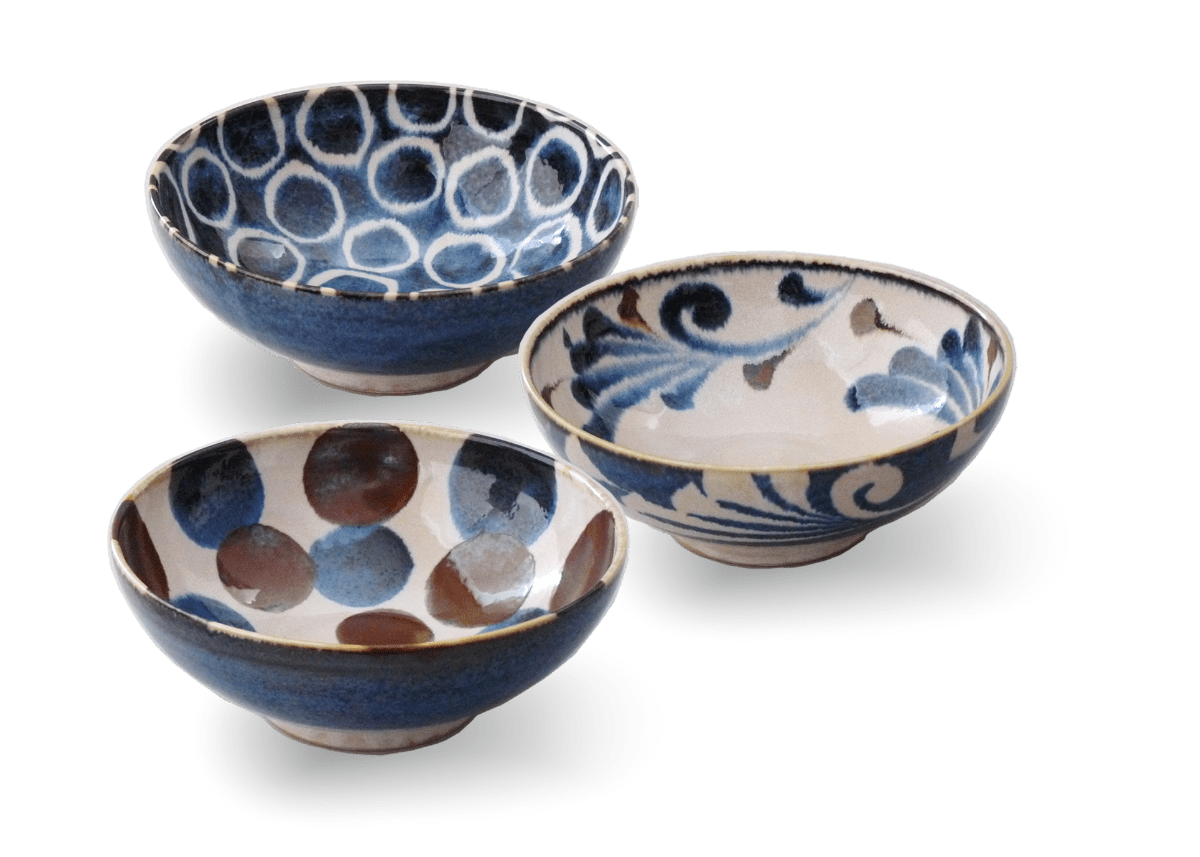
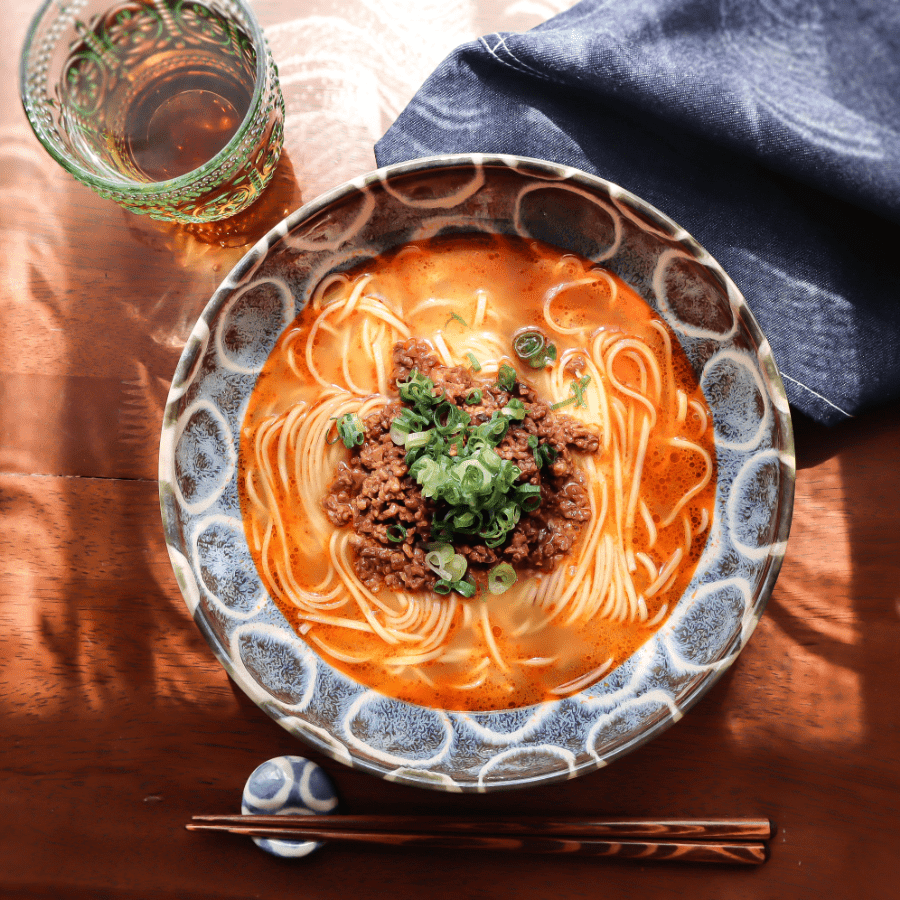
Three 8.5 in (21.5 cm) Mino ware porcelain bowls, each with a generous 50.7 fl oz (1,500 ml) capacity for ramen, udon, rice bowls, and substantial one-bowl meals. The coordinated Brush Blue surfaces vary naturally in indigo shading and glaze flow, giving the set visual variety while remaining easy to combine at the table.
Why You’ll Love It
Set of three coordinated but individually patterned Brush Blue bowls.
Generous 50.7 fl oz / 1,500 ml capacity for ramen, udon, rice dishes, and hearty meals.
Mino ware porcelain made in Japan.
Natural variation in indigo shading, glaze flow, and pattern gives each bowl character.
Brush Blue Mino Ware Noodle Bowl Set by Awasaka – 3 Pieces
$49.90
Three generous Mino ware bowls, each with its own Brush Blue character
Product Description
The Brush Blue Noodle Bowl Set brings together three generous Mino ware porcelain bowls from Awasaka’s Brush Blue series. Each bowl measures approximately 8.5 in in diameter × 3.1 in high (21.5 × 8 cm) and holds about 50.7 fl oz (1,500 ml), giving plenty of room for ramen, udon, soba, rice bowls, stews, or substantial salads.
The surface is intentionally expressive rather than perfectly uniform. Across the Brush Blue series, differences in indigo shading, glaze flow, and the way the pattern softens or blurs during production give individual pieces their own character while keeping the three bowls visually coordinated.
The bowls are made from porcelain, so despite their generous size they remain practical for regular use. Their depth makes them especially suited to broth-based dishes and meals with generous toppings, while the three different Brush Blue designs let you set a coordinated table without every place setting looking identical.
Made in Japan as Mino ware, the set is dishwasher safe and may be used in the microwave for reheating. Each set contains three bowls.
Dimensions (each): Ø8.5 × 3.1 in H / Ø21.5 × 8 cm H
Capacity (each): Approx. 50.7 fl oz / 1,500 ml
Material: Porcelain
Microwave: Yes, for reheating
Dishwasher: Yes
Origin: Japan
Care instructions
Dishwasher safe. Microwave safe for reheating only. For hand washing, use mild detergent and a soft sponge. Avoid abrasive cleaners, and take care around the rim when stacking or storing.
Artisan & Craft
Brush Blue is a tableware series by Awasaka, a company based in Mizunami, Gifu Prefecture. The series is defined by indigo, folk-art-inspired, hand-drawn-style surfaces. Variations in color depth, glaze flow, and pattern blur are part of the production character of the series, so coordinated pieces retain subtle differences rather than looking mechanically identical.
Note
Variations in indigo shading, glaze flow, pattern blur, small iron spots, pinholes, and minor differences in shape may occur during firing. These are characteristic of the production process and do not affect normal use.
Made by the MODERN JAPANIST
BRUSH BLUE Collection – A brush of tranquility for the modern table
The BRUSH BLUE Collection celebrates the art of traditional Japanese craftsmanship through its hand-painted designs and serene indigo tones. Each piece is carefully brushed, resulting in subtle variations that make every item truly one of a kind.
The soft blue hues, inspired by classic Japanese motifs, evoke a sense of calm and harmony at the table—enhancing both the visual appeal of your dishes and the experience of everyday dining.
FAQs
All you need to know about Japanese Pottery.
What types of traditional pottery are made in Japan?
Japan is home to several renowned pottery styles, including Mino ware (Gifu), Bizen ware (Okayama), Arita and Imari ware (Saga), Shigaraki ware (Shiga), and Mashiko ware (Tochigi). Each region has its own distinct materials, glazes, and firing techniques that reflect local history and aesthetics. Toki City in Gifu Prefecture is particularly renowned as the heart of Mino ware (Minoyaki)—the most widely produced pottery style in Japan.
What materials are used in artisan Japanese pottery?
Most artisan pottery in Japan is made from locally sourced clay, often mixed and refined by hand. Natural minerals and ash are used in glazes, and many pieces are wood-fired or fired in traditional climbing kilns (noborigama), producing unique surface textures and natural variations.
Are artisan Japanese pottery pieces safe for food use?
Yes. Authentic artisan pottery is made with food-safe, lead-free glazes and is carefully fired at high temperatures to ensure durability and safety. However, it's important to follow care instructions, especially for unglazed or porous ceramics.
What makes Japanese pottery different from Western ceramics?
Japanese pottery often emphasizes wabi-sabi—the beauty of imperfection—resulting in organic shapes, subtle asymmetry, and natural glazes. Unlike Western ceramics, which may prioritize uniformity, Japanese pieces often celebrate the individuality of each item, reflecting the artist's hand and the firing process.
How should I care for artisan-made Japanese pottery?
Hand-wash pottery with mild soap and avoid extreme temperature changes (like placing hot items into cold water). Some unglazed pieces may absorb moisture, so allow them to fully dry before storing. Avoid microwaves or dishwashers unless the piece is specifically labeled as safe for such use.
Choosing a selection results in a full page refresh.