

Black and White Mino Matcha Bowl
Secure, insured delivery from Japan
Worldwide shipping from $30 · free over $150. Shipping policy
$49 of $150 with this item · $101 to go
U.S. duties prepaid
No extra import charges on delivery — the price you see is the price you pay. Learn more
Sourced in Japan, from the makers
Direct from Japanese workshops and their authorised channels.
Why You’ll Love It
Pairs well with
Black and White Mino Matcha Bowl
Black and White Mino ware Matcha Bowl
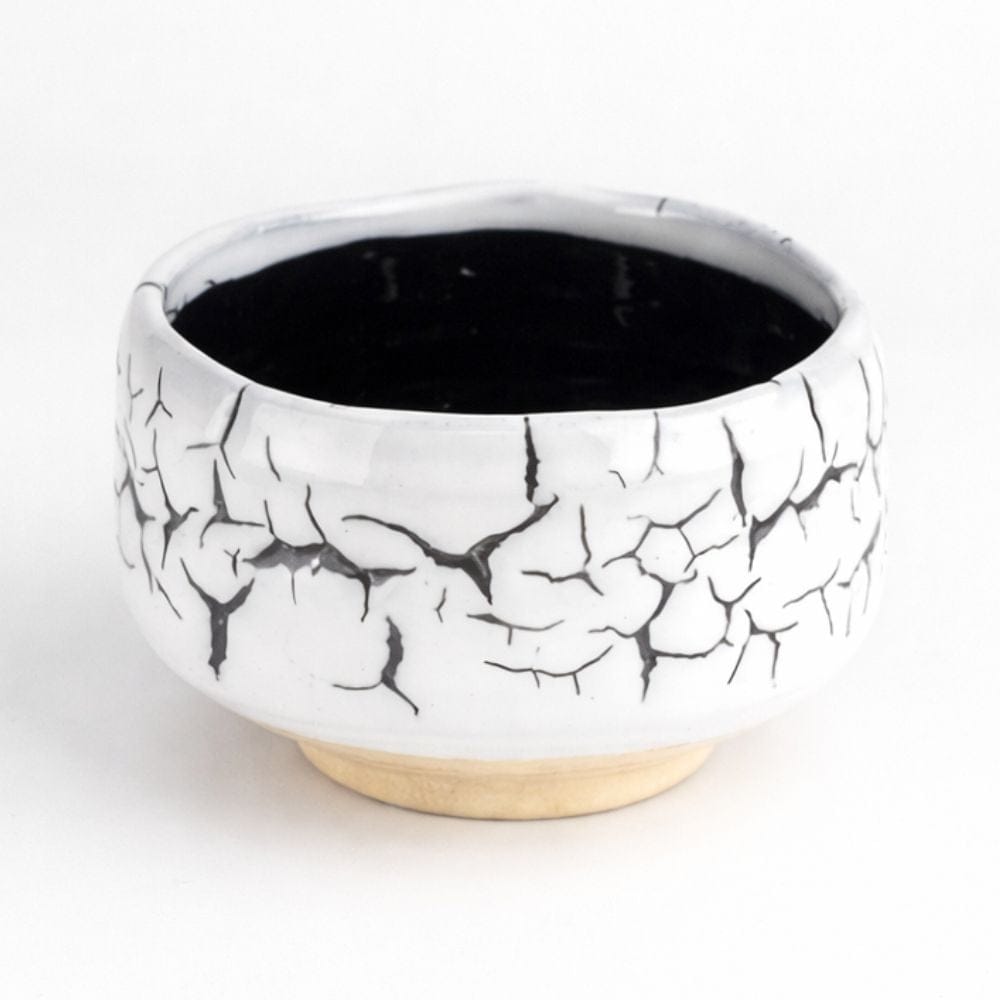
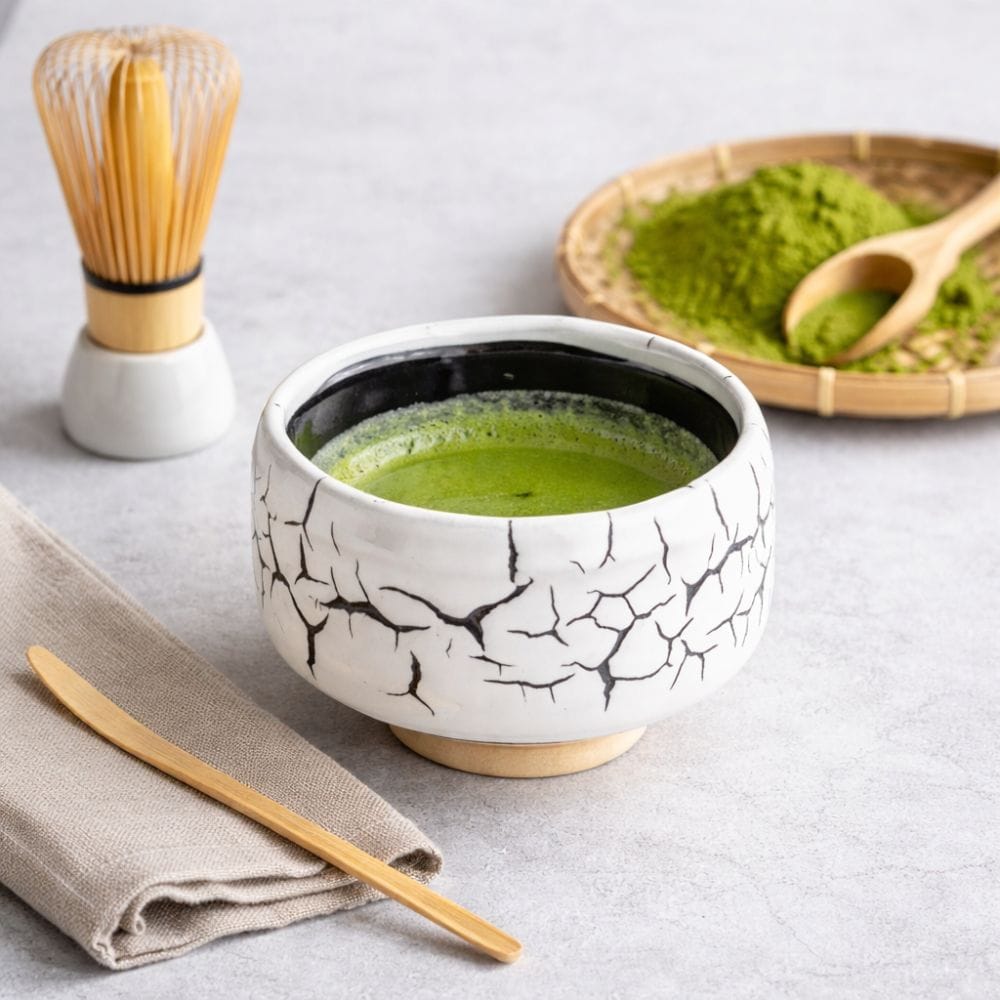
Immerse yourself in the serene world of Japanese tea culture with our Black and White Mino Matcha Bowl. This handcrafted chawan, or tea bowl, is not just a vessel for your matcha; it is a canvas of artistry designed to enhance your tea-drinking ritual. The bowl features a pristine white exterior, accented with rough black incisions that catch the eye and invite touch, creating an inviting surface for hands to hold. Each piece is unique, reflecting the artisanal process that goes into its creation, capturing the essence of craftsmanship.
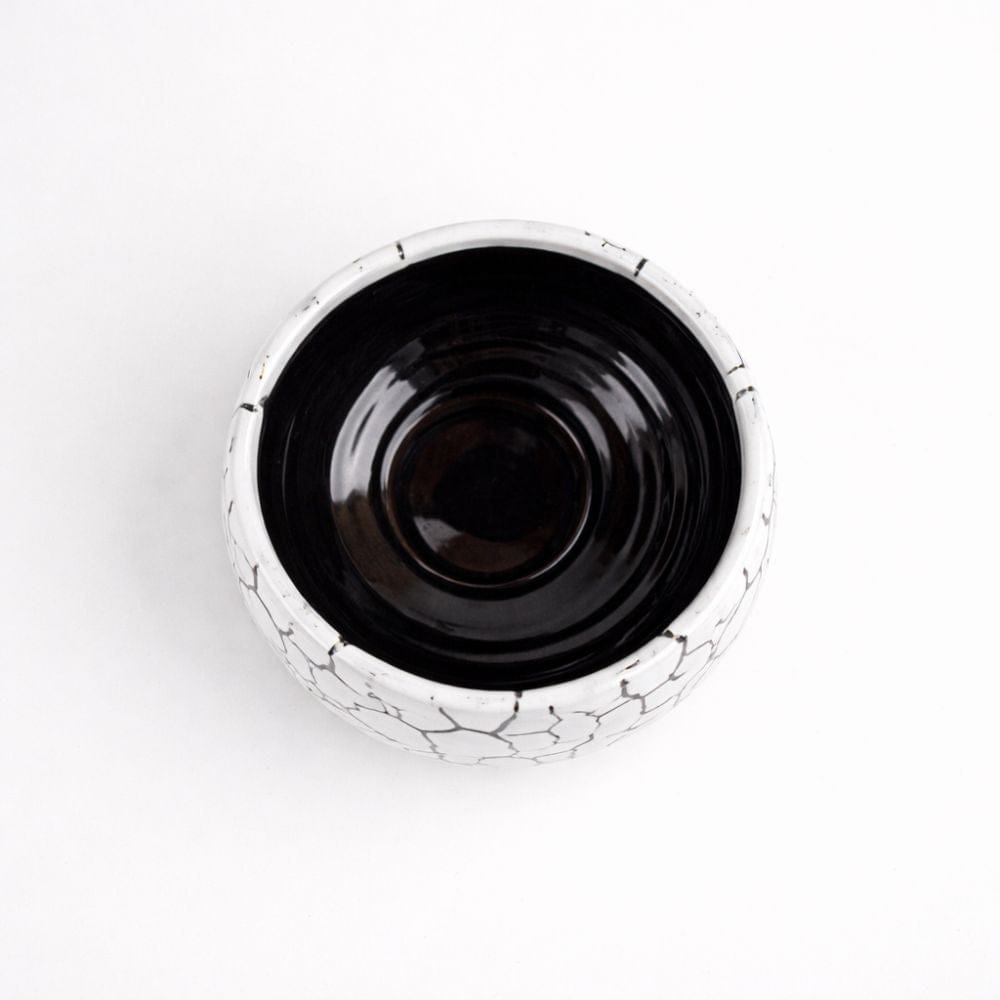
Crafted from ceramic in the Mino region of Japan, this bowl showcases a modern twist on traditional Raku ware techniques, known for their distinctive crackled glaze. The striking black interior contrasts with the white exterior, creating visual harmony that enhances your experience. With a diameter of 4.96 inches (12.6 cm) and a height of 3.23 inches (8.2 cm), it fits comfortably in your hands, allowing you to savor each sip while enjoying its unique textural details.
Enhancing Your Daily Ritual
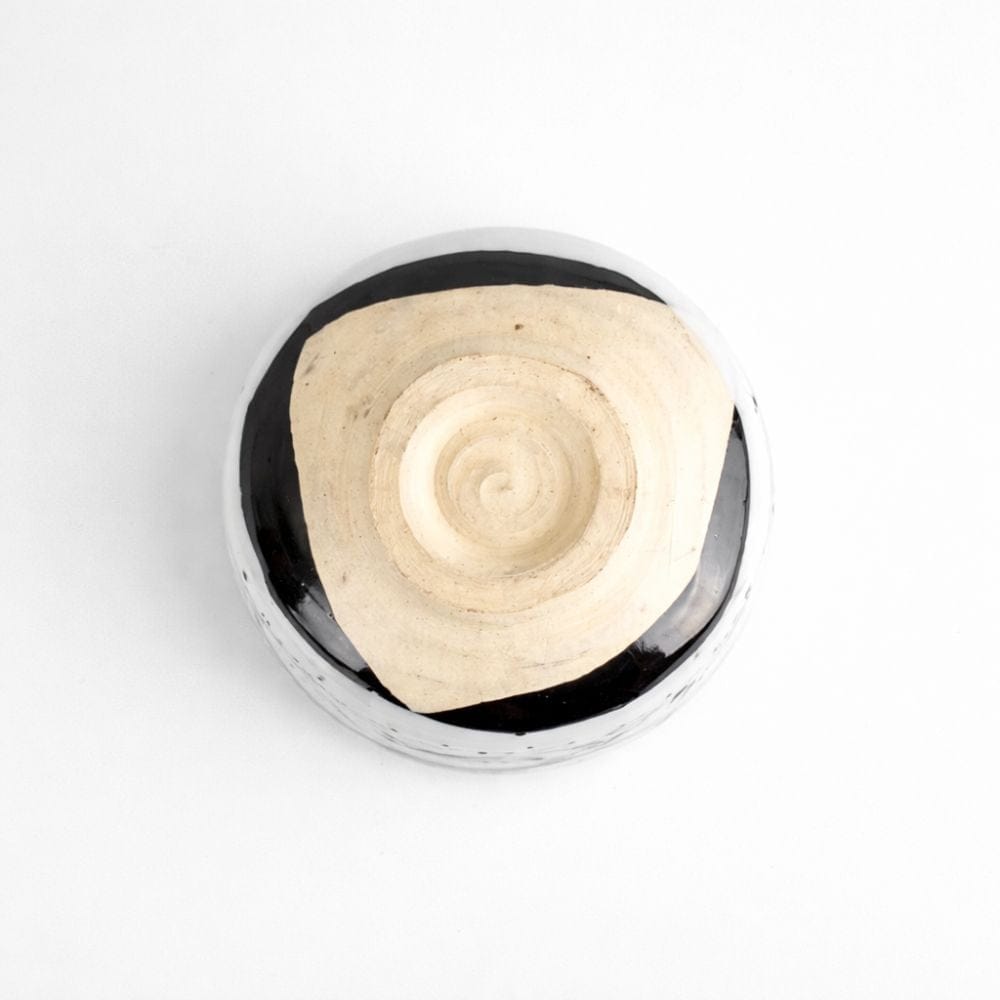
Using the Black and White Mino Matcha Bowl transforms your daily tea ritual into a moment of mindfulness. The tactile feel of the ceramic and its design create an atmosphere of calm, whether you are hosting a tea ceremony or enjoying a quiet moment to yourself. The unglazed base highlights the natural clay while emphasizing the bowl's handcrafted origins, making each bowl a distinctive expression of artistry. Crafted by skilled artisans in a local kiln, this piece reflects a dedication to quality you can appreciate.
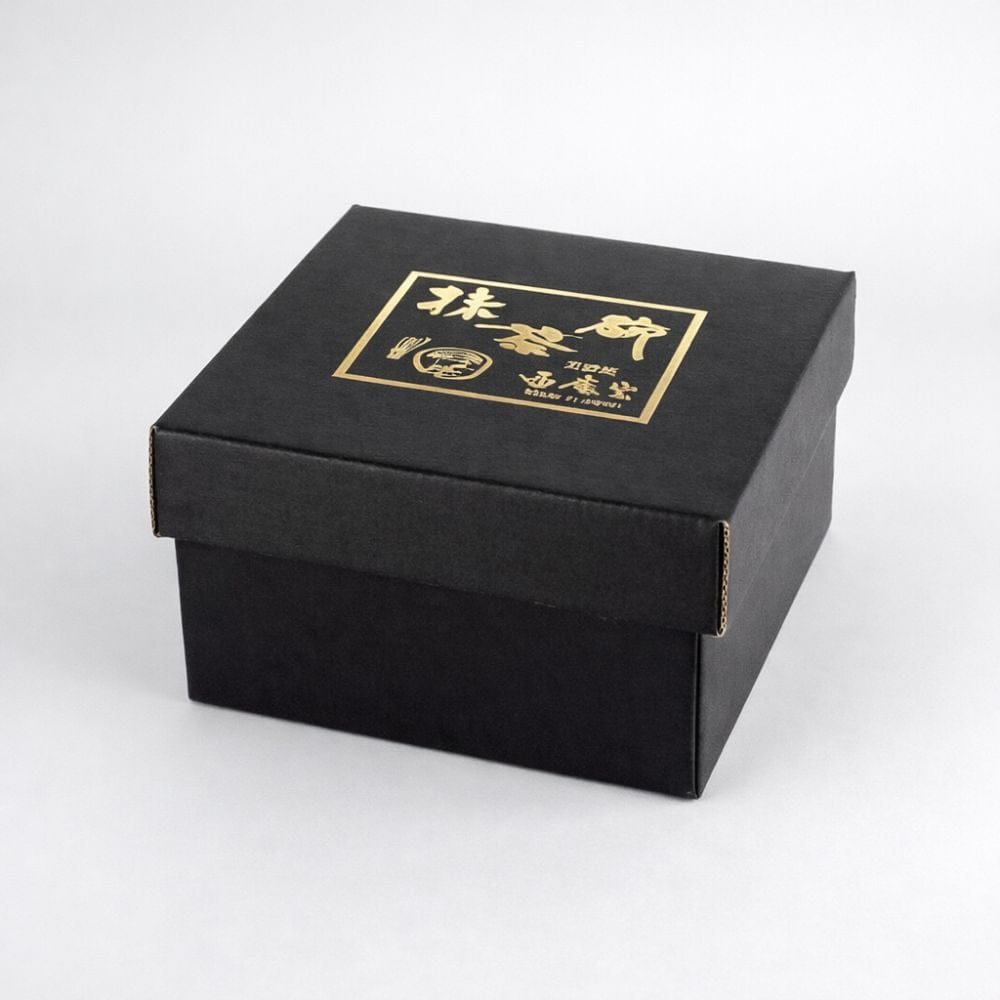
This Mino ware matcha bowl comes beautifully packaged in an individual presentation box, making it an ideal gift for tea lovers or a thoughtful treat for yourself. For care, we recommend gentle handwashing to preserve the bowl’s artistry. Please note that due to the nature of pottery, colors and sizes may vary slightly, ensuring that each piece remains truly one-of-a-kind.
Product Information
Care instructions
Note
Questions About This Piece
What kind of presence does this bowl have on the table?
Does the interior pattern affect the matcha experience?
Is this bowl more modern or traditional in feel?
How does it behave when whisking matcha?
Mino ware · Gifu, Japan
Mino ware: 1,300 years of ceramic innovation
Made across the Tōnō region of eastern Gifu, Mino ware is not defined by a single look. Its strength lies in remarkable diversity. More than 1,300 years of ceramic production reached an especially creative period around the late sixteenth and early seventeenth centuries, when Shino, Oribe, Kiseto and Setoguro helped reshape the aesthetics of Japanese tea ware. That freedom of form, glaze and expression remains at the heart of Mino ceramics today.
Discover Mino
Learn more about Mino ware
What is Mino ware?
Mino ware, or Minoyaki, is the broad ceramic tradition associated with the Mino region of present-day Gifu Prefecture. Rather than describing one fixed aesthetic, the name encompasses ceramics with a wide range of forms, glazes and decorative approaches developed across the region over more than 1,300 years.
Why is Mino ware so diverse?
Mino developed as a large ceramic-producing region rather than around one narrowly defined style. Generations of potters experimented with different clays, firing methods, shapes and glazes, creating a tradition in which rustic tea wares, expressive glazes and practical everyday tableware can all belong to the same ceramic family.
What are Shino and Oribe?
Shino and Oribe are two of the best-known ceramic traditions associated with Mino. Shino is celebrated for its soft white glaze, subtle texture and often understated decoration, while Oribe is known for expressive forms and distinctive green, black and painted surfaces. Together with Kiseto and Setoguro, they are closely associated with the celebrated Momoyama-period tea ceramics of the Mino region.
Where is Mino ware made?
Mino ware is produced primarily in the Tōnō area of eastern Gifu Prefecture, including major ceramic centres such as Tajimi, Toki and Mizunami. The region remains one of Japan's most important centres of ceramic and tableware production today.