







 01
How to Choose a Japanese Tea Cup
Explore yunomi, porcelain and stoneware styles, and learn how shape, material and size can help you choose the right cup for tea.
Read the guide
Explore how shape, material and regional ceramic traditions influence the way a Japanese tea cup looks, feels and performs.
01
Explore yunomi, porcelain and stoneware styles, and learn how shape, material and size can help you choose the right cup for tea.
Read the guide 02
Discover the history of yunomi, why many Japanese tea cups have no handles, and how regional ceramics shaped their distinctive forms.
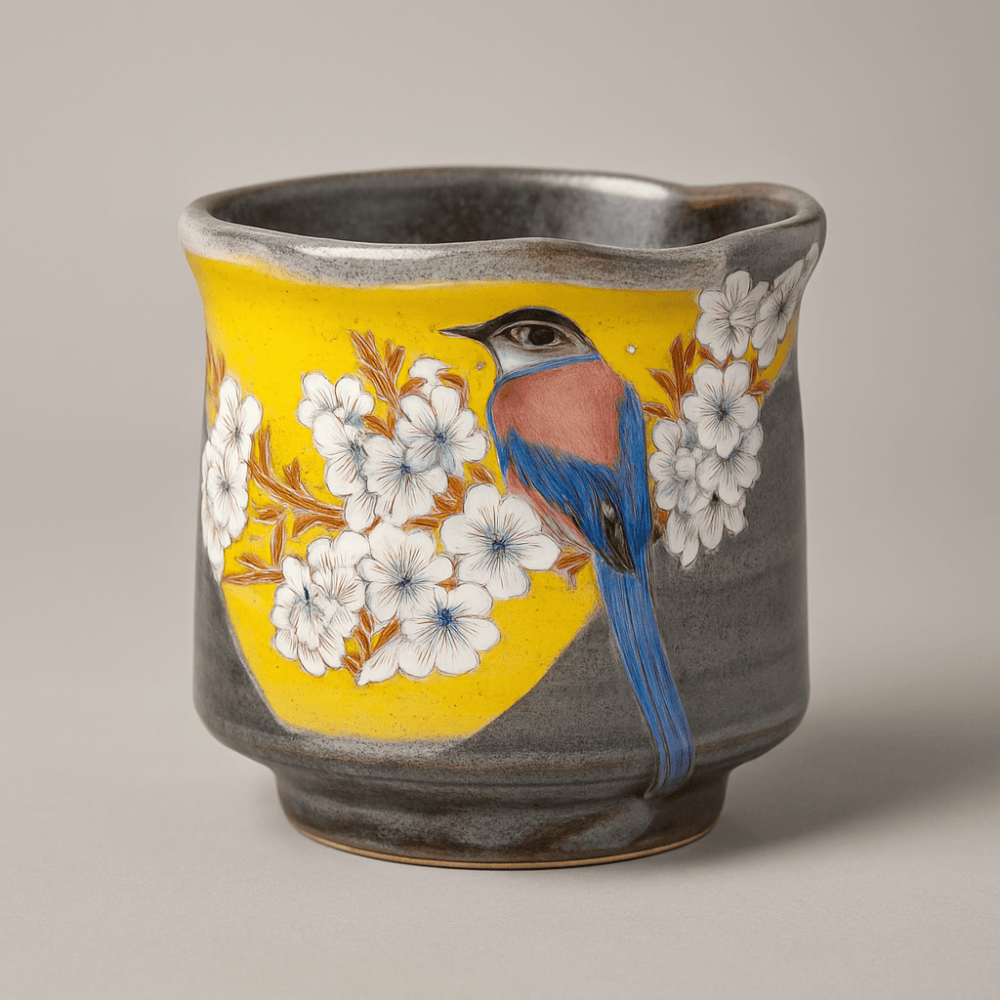
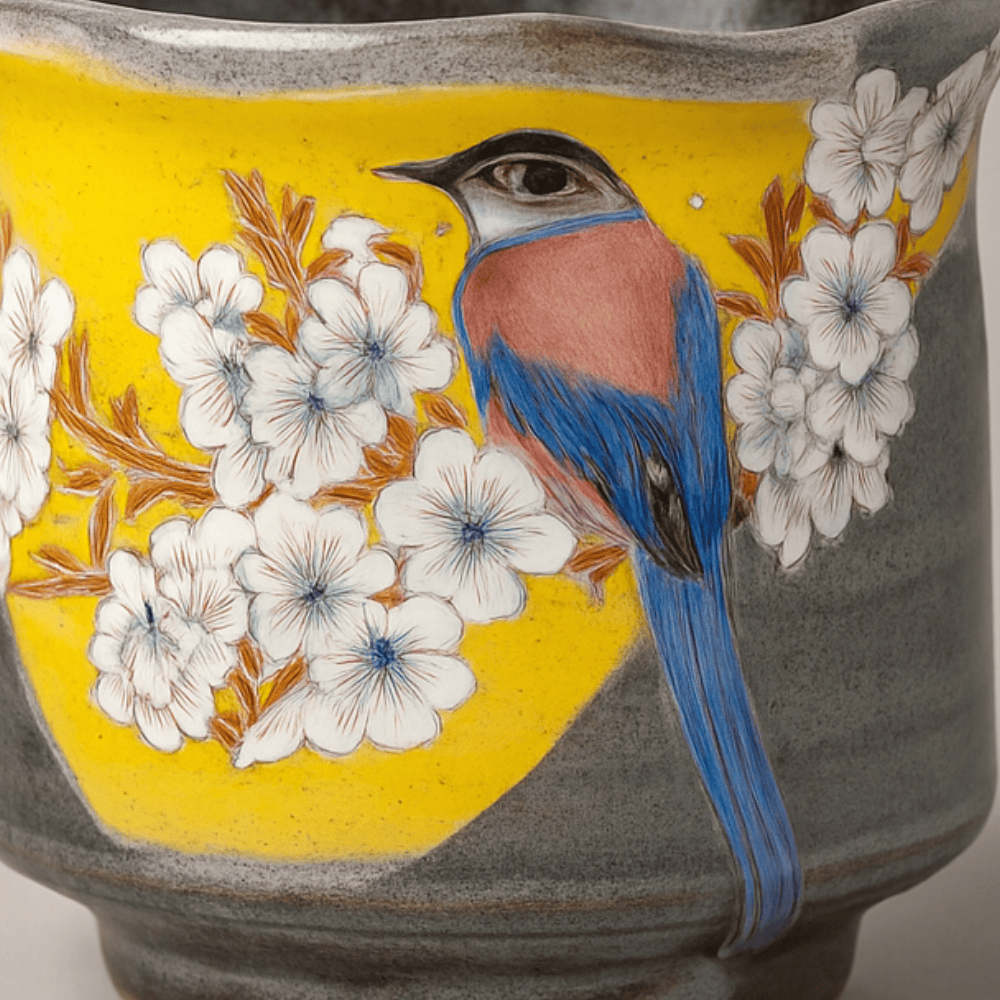
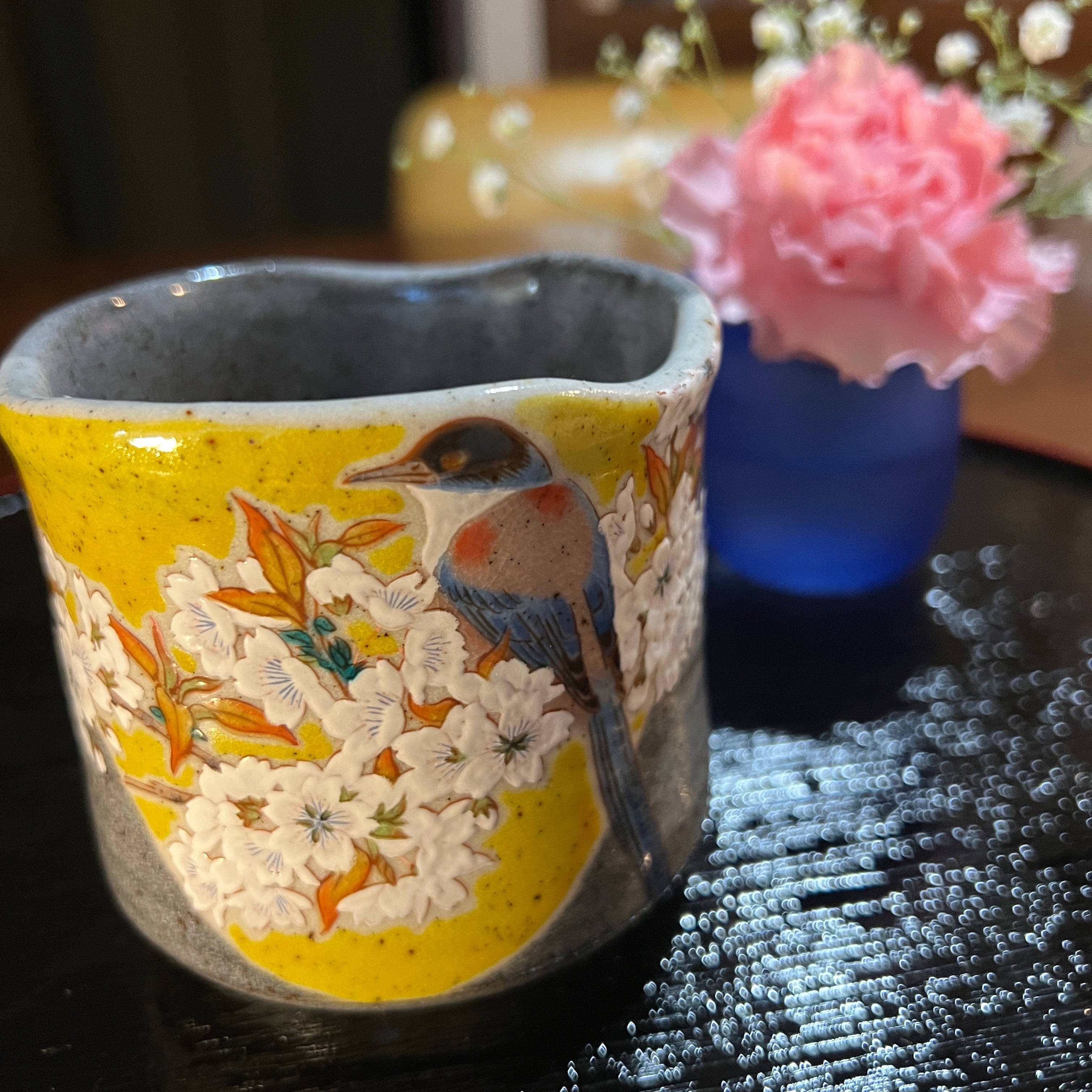
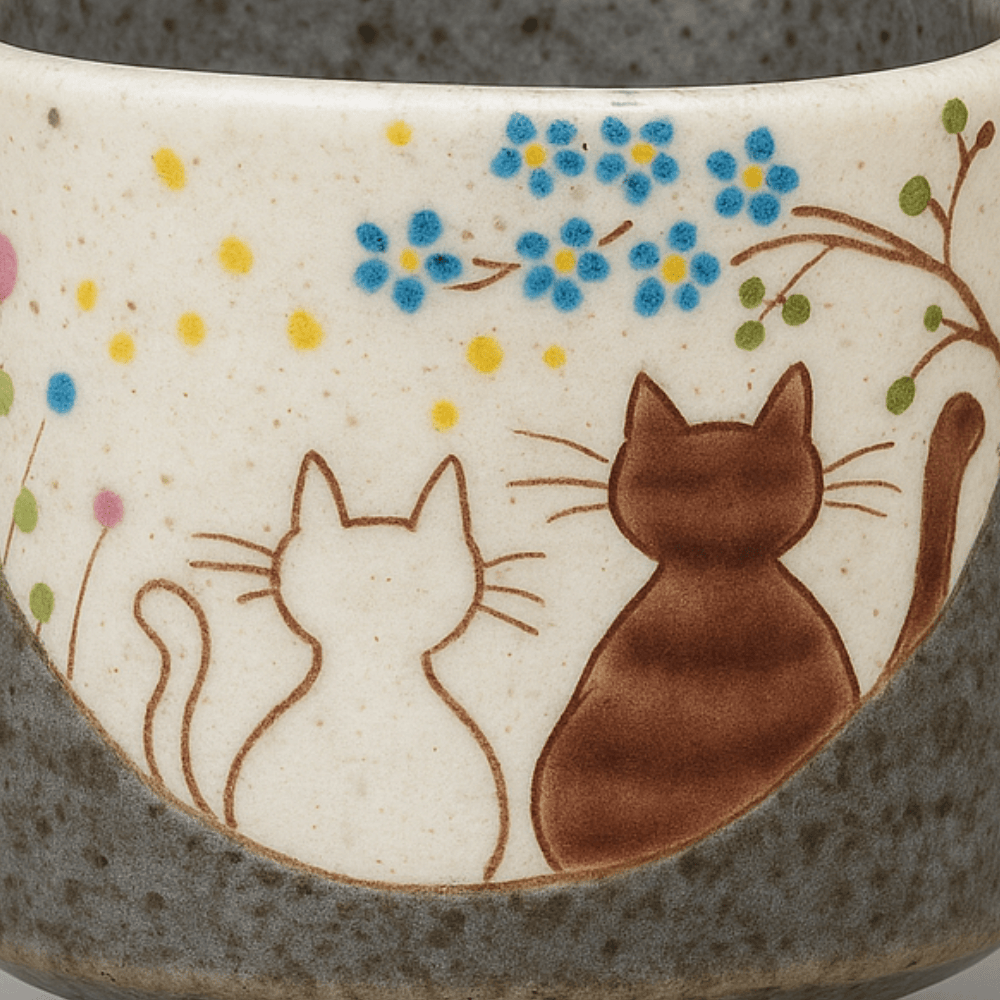
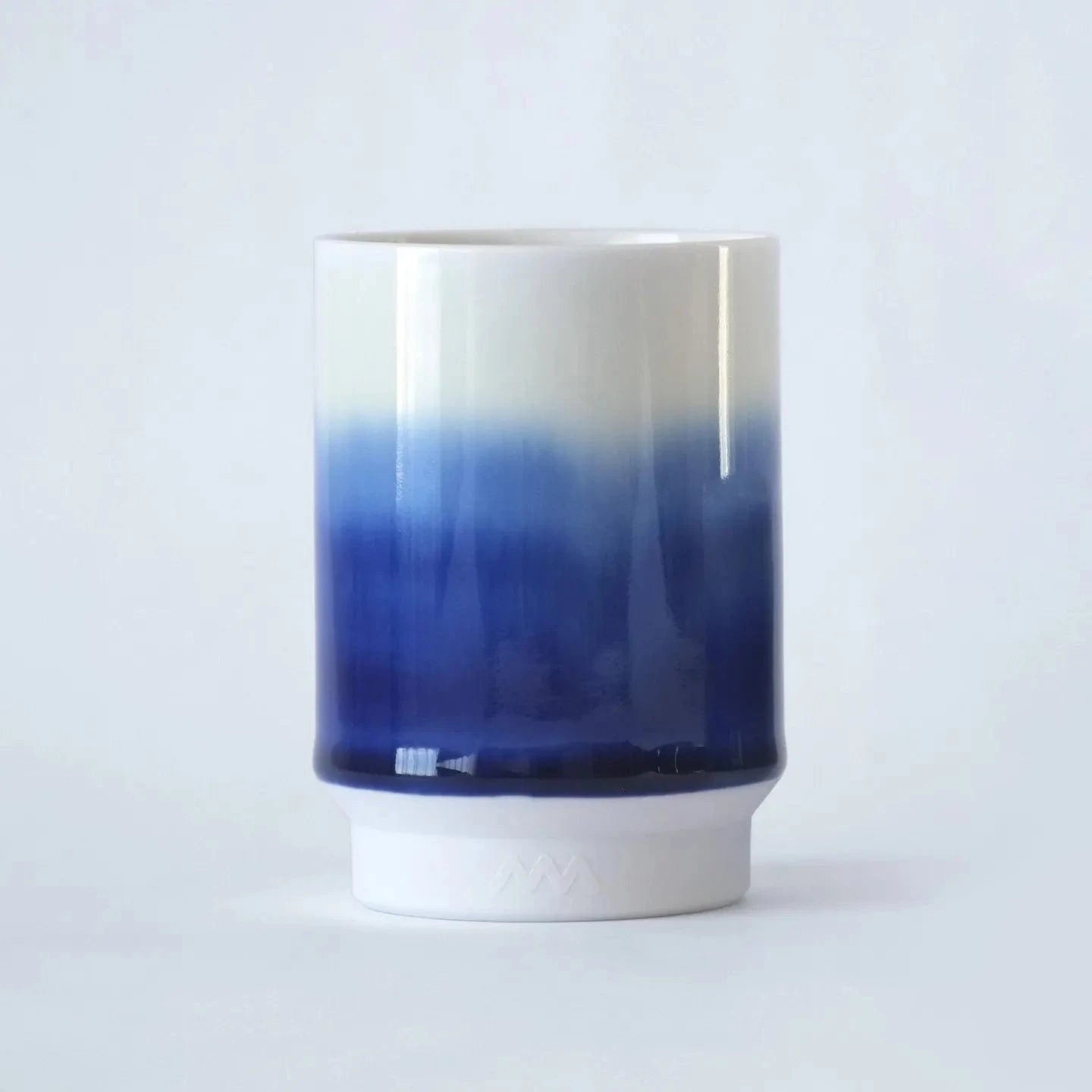
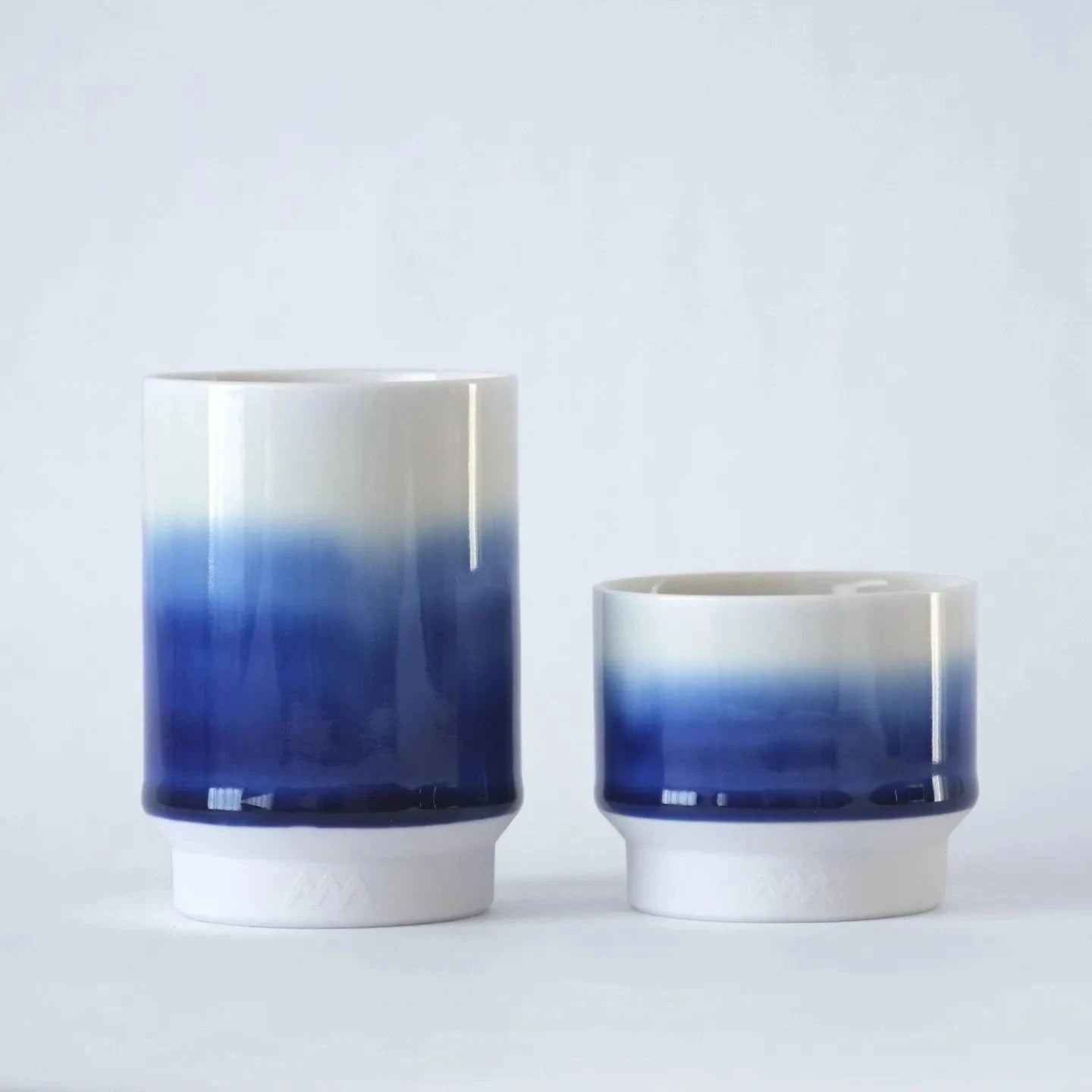
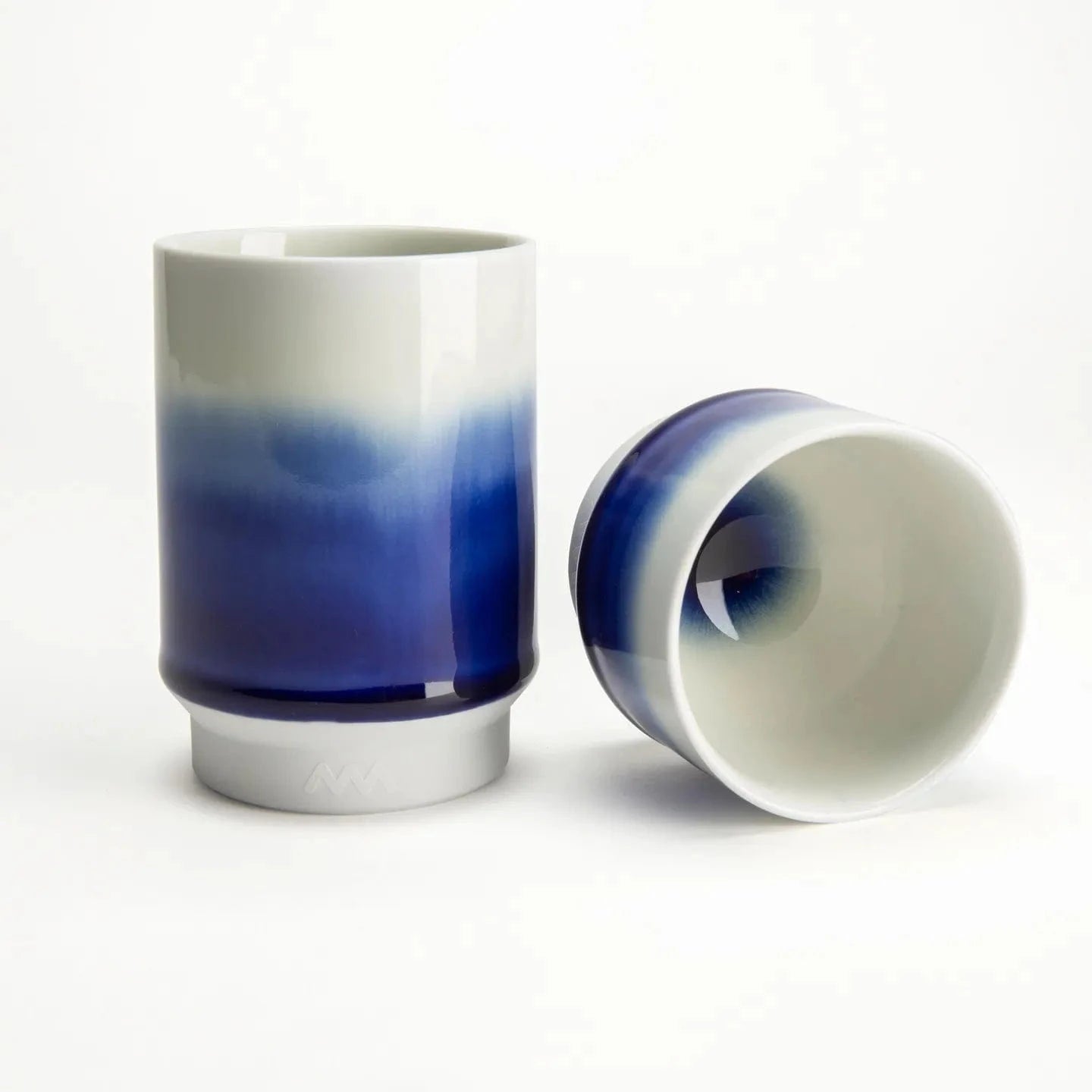
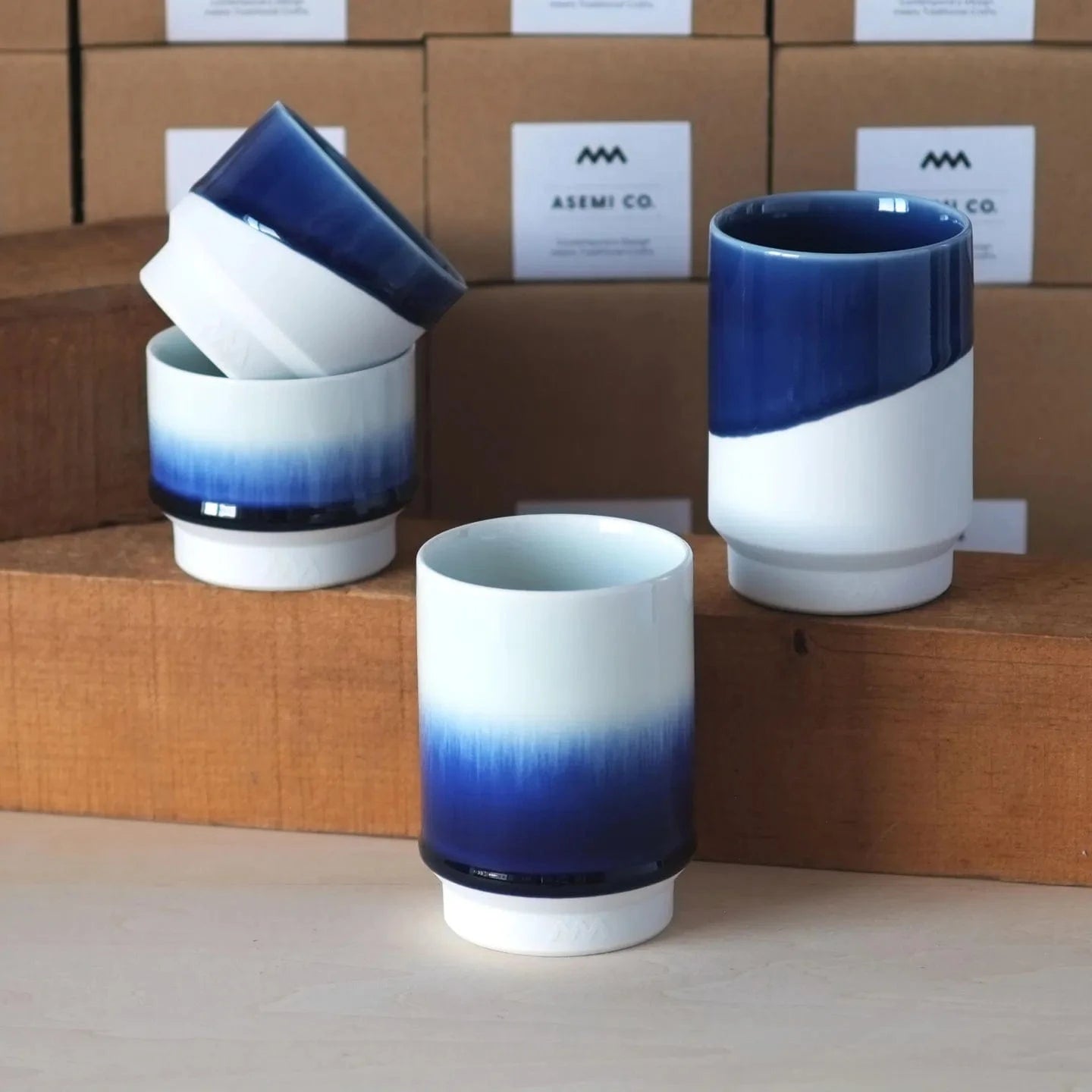
Read the articleJapanese tea cups range from handleless yunomi made for everyday tea to larger mugs designed for tea, coffee and other hot drinks. Their proportions, rim shape and weight all influence how they feel in the hand.
Different ceramic regions bring very different characters to these everyday vessels. Bizen is known for earthy fired surfaces, Hasami for clean porcelain forms, while Mino, Arita, Kutani and Kyoto traditions offer their own approaches to glaze, decoration and shape.
Choosing the right cup is largely a matter of use and preference: some people favour a light porcelain vessel, while others prefer the warmth and texture of heavier stoneware. The best choice is one that feels natural to hold and suits the drinks you enjoy most often.
Practical answers to help you choose a Japanese tea cup or mug.
A yunomi is an everyday Japanese tea cup, typically taller than a ceremonial tea bowl and usually made without a handle. It is commonly used for green tea and other everyday teas.
Handleless cups are traditional in Japan and allow the drinker to hold the vessel directly in both hands. Shape, wall thickness and material all influence how warm the cup feels and how comfortably it can be held.
Tea cups are often smaller and may be handleless, while mugs are usually larger and include a handle. Both can be used for tea, but mugs are also well suited to coffee and larger everyday servings.
It depends on the feel and appearance you prefer. Bizen and other stoneware traditions tend to offer more earthy texture, while Hasami and Arita porcelain often feel smoother and lighter. Mino and Kutani pieces can range from understated glazes to more expressive decoration.
Yes. The tea cups and mugs in this collection are made in Japan and selected from Japanese ceramic makers, kilns and specialist workshops. Individual product pages provide the specific ware, region or maker information where available.
Pair your favourite cup with Japanese teapots, preparation tools and tea storage selected for everyday tea at home.


