





 01
01
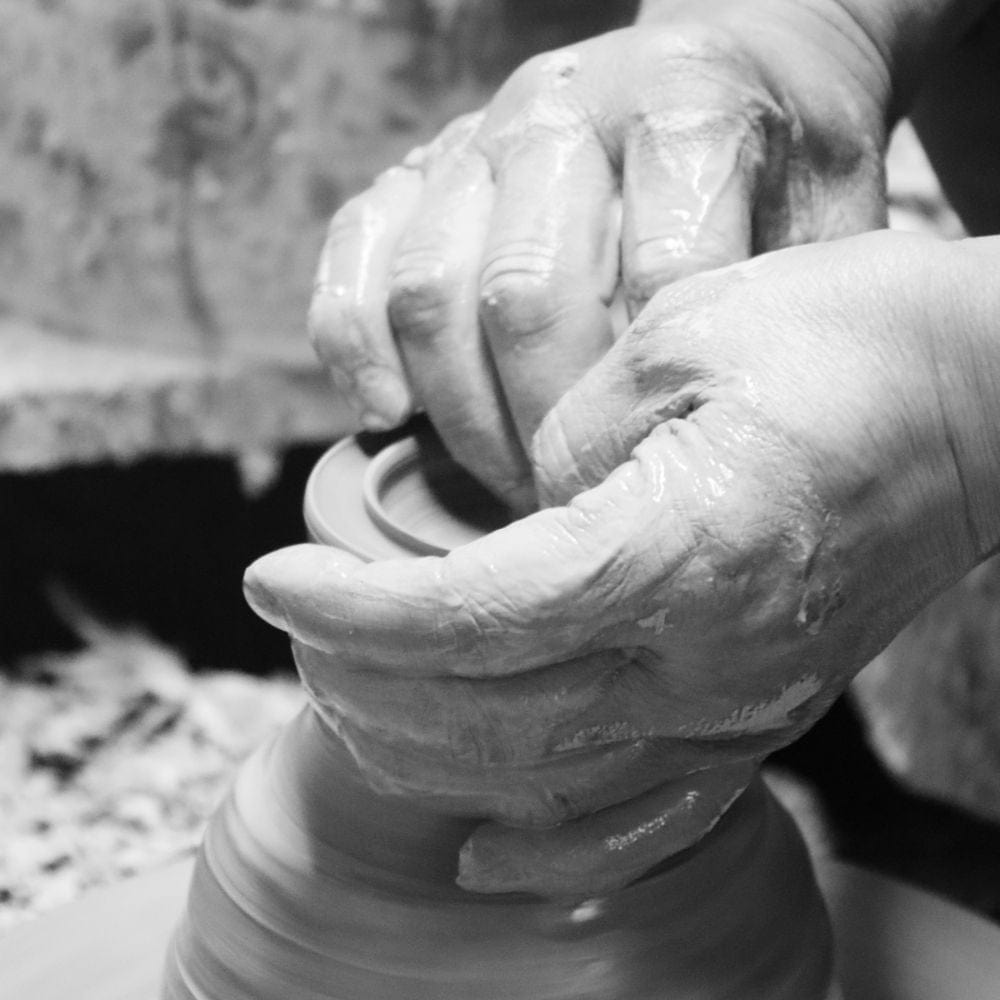
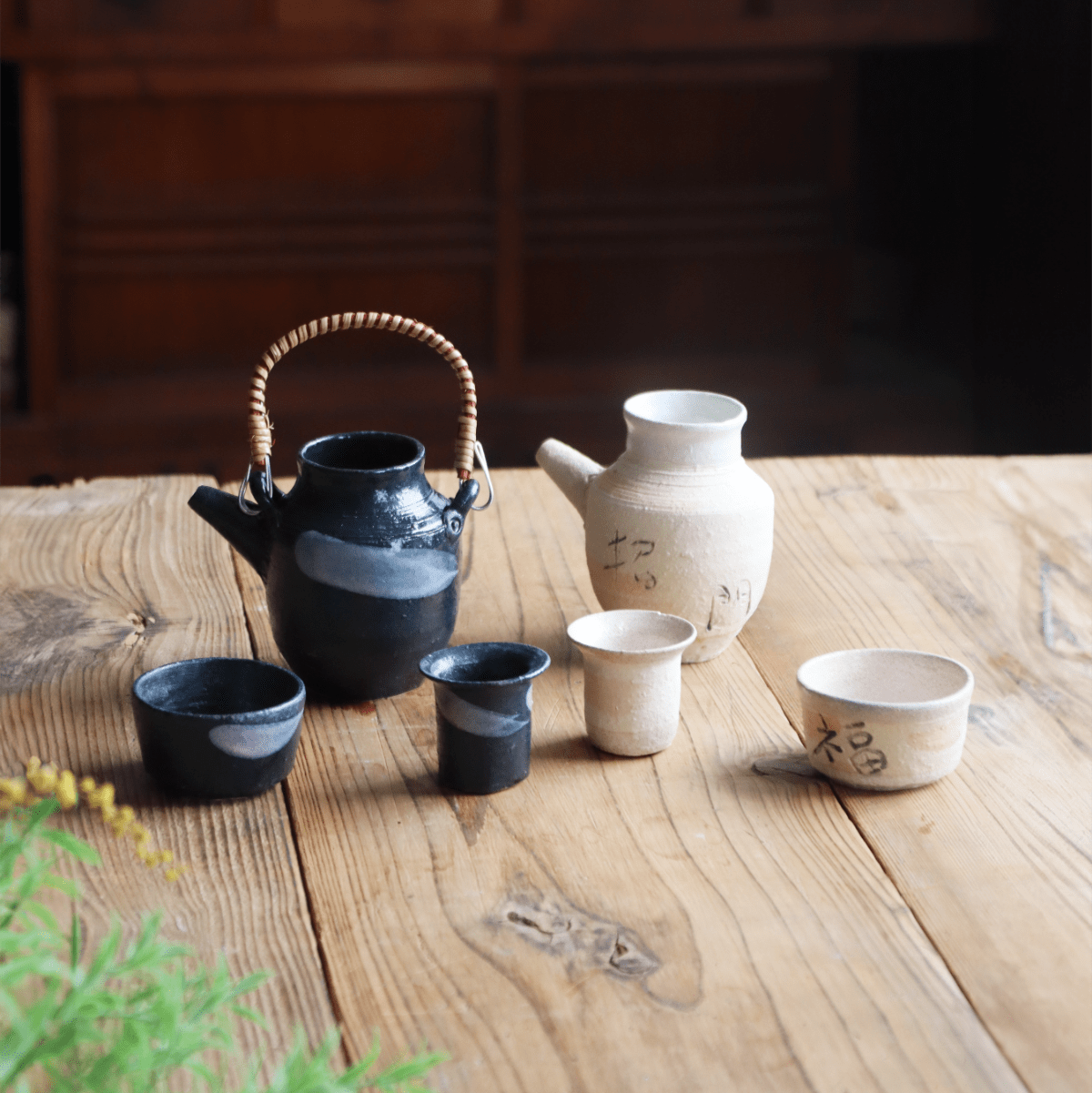
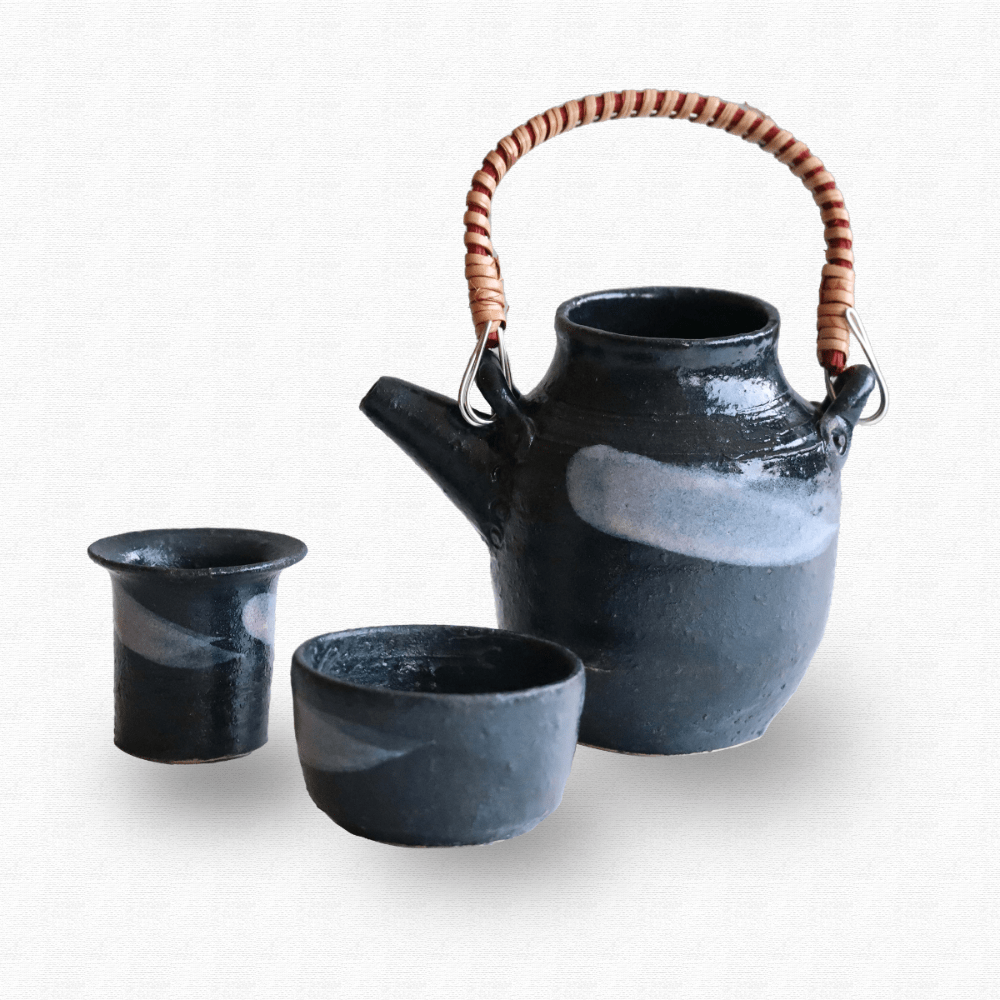
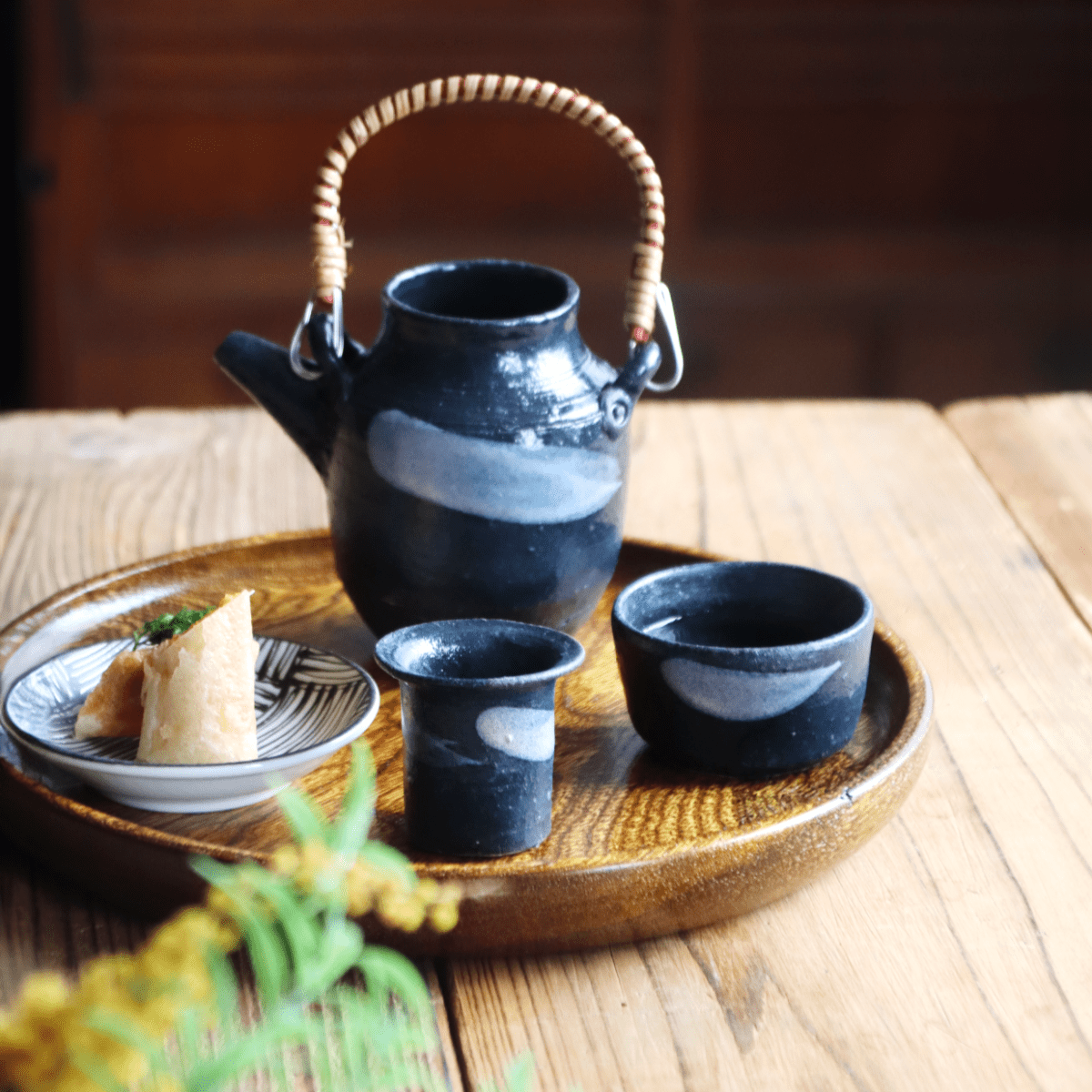
Ceramic Sake Sets: Tradition & Craftsmanship
From tokkuri and ochoko to regional pottery traditions, discover how Japanese craftsmanship shapes the way sake is served and enjoyed.
Read the guide
Discover the vessels, craftsmanship and traditions behind the Japanese ritual of serving and enjoying sake.
01
From tokkuri and ochoko to regional pottery traditions, discover how Japanese craftsmanship shapes the way sake is served and enjoyed.
Read the guide 02
02
Origin, clay, porcelain, glazing and regional traditions all tell part of the story. Learn what to look for when choosing genuine Japanese sake ware.
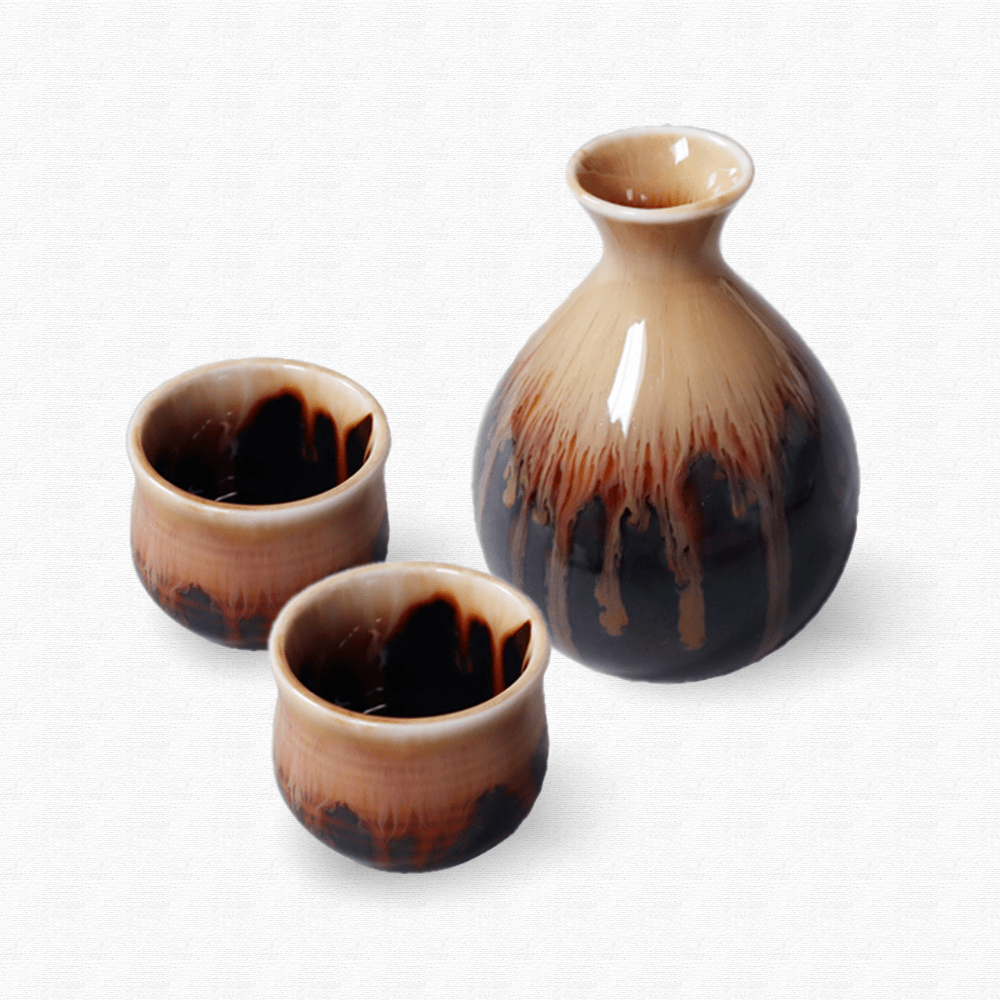
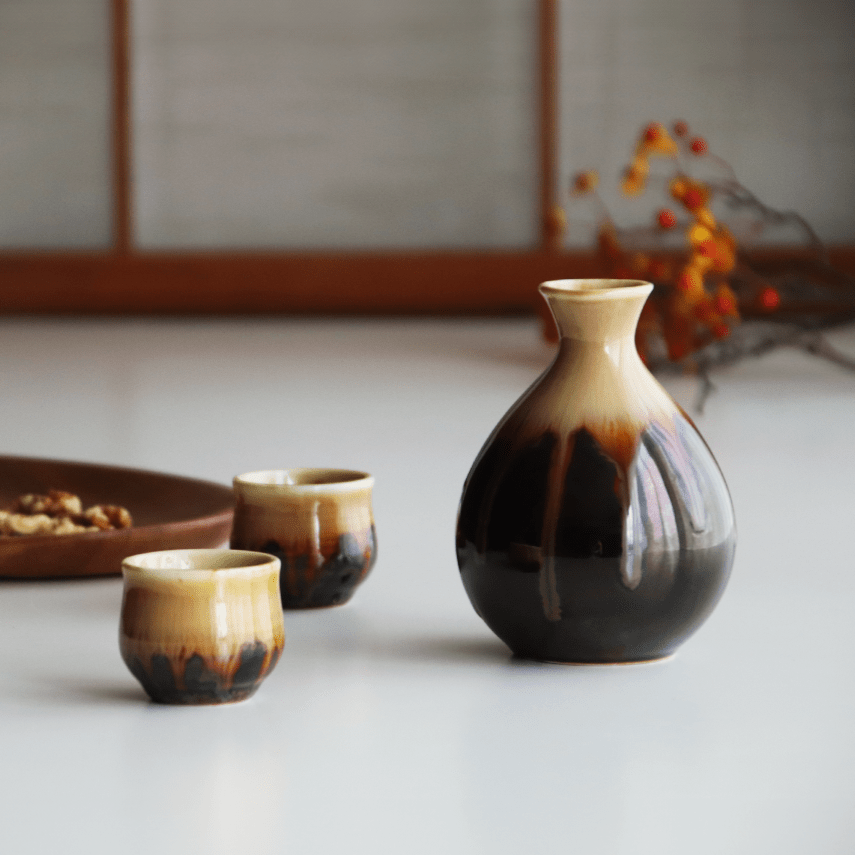
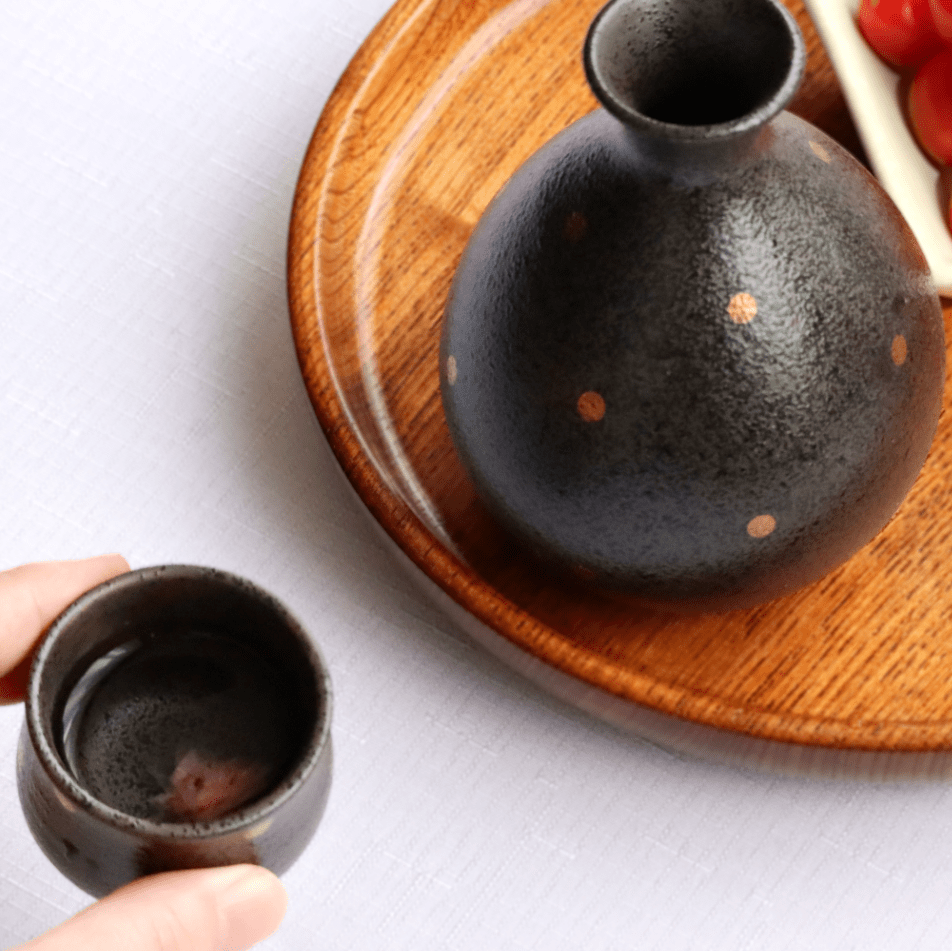
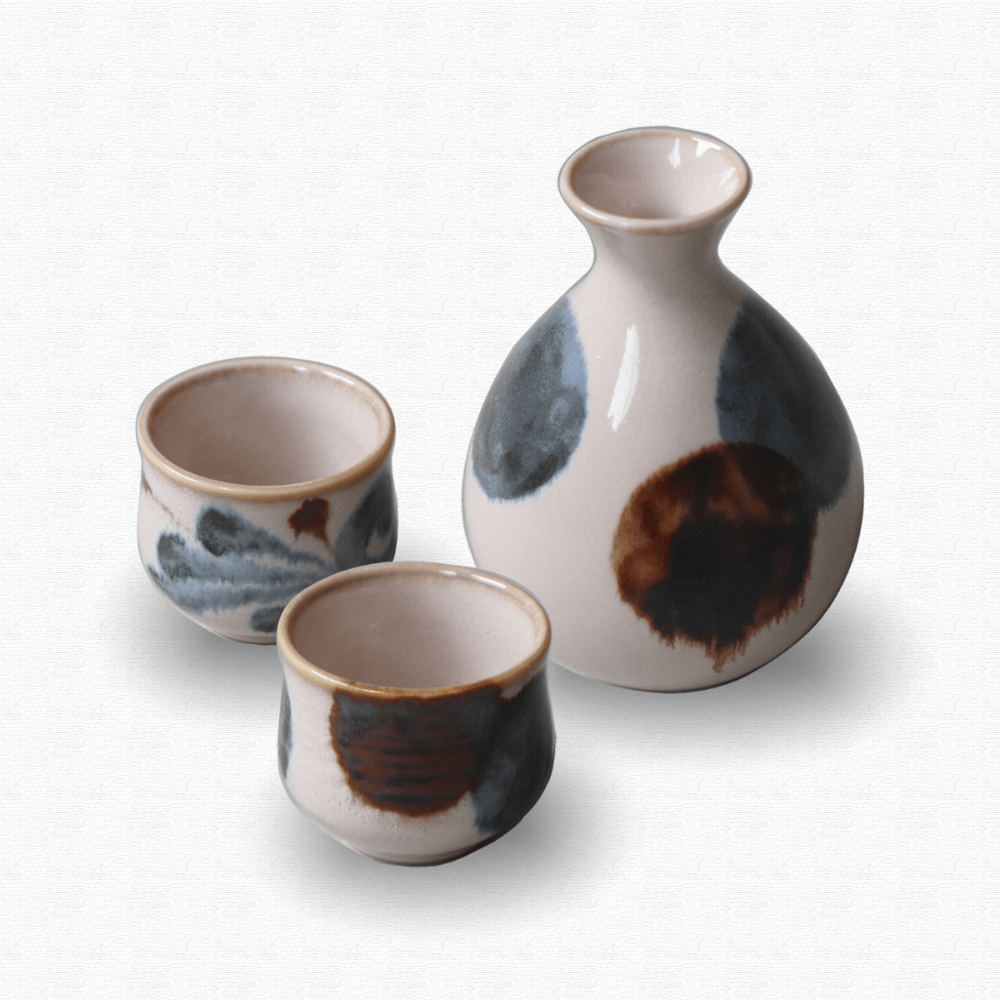
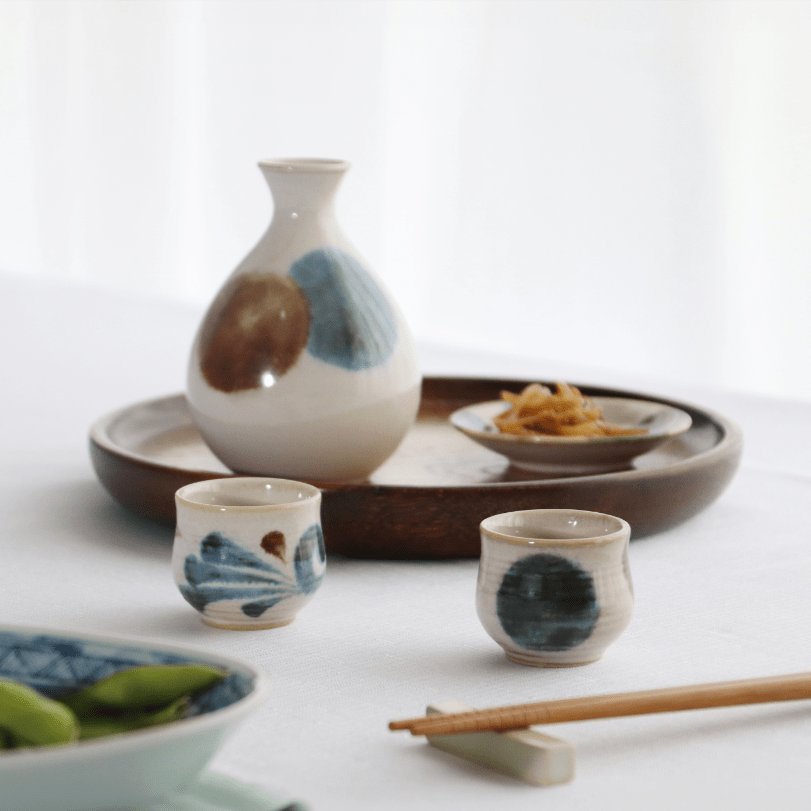
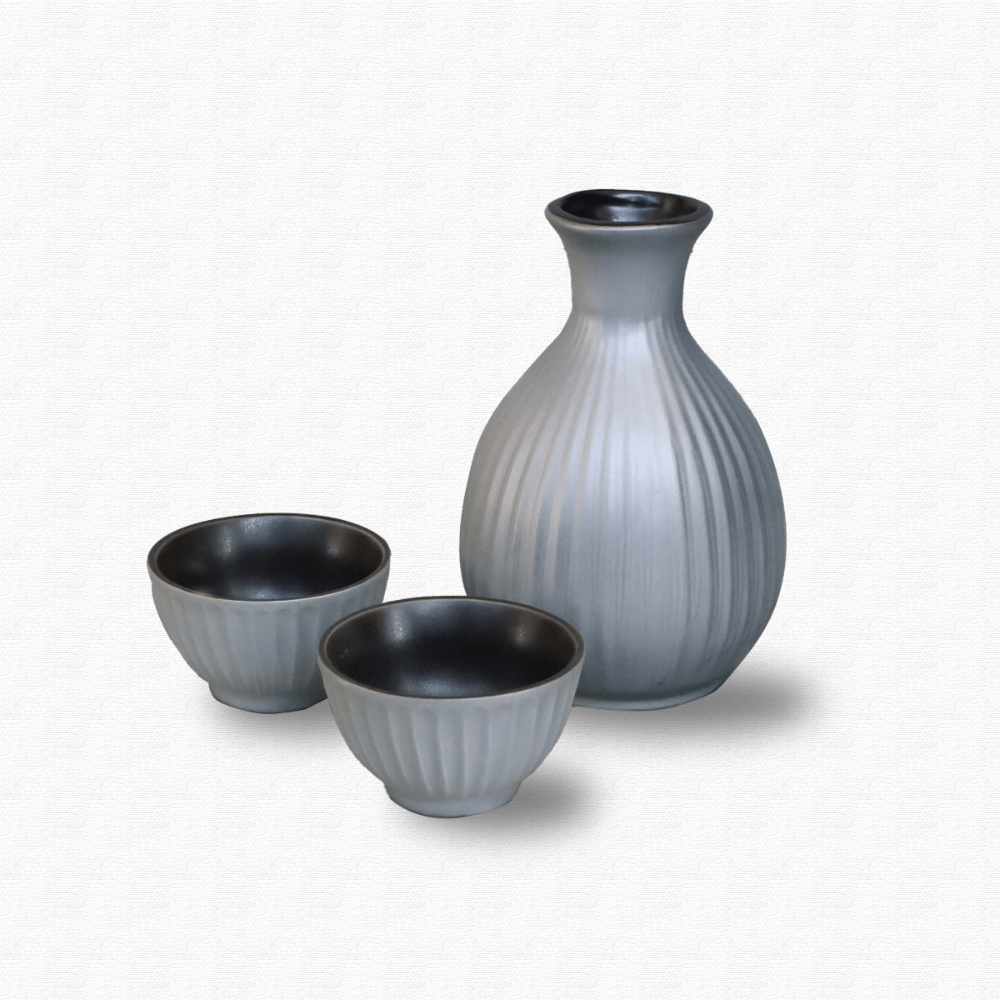
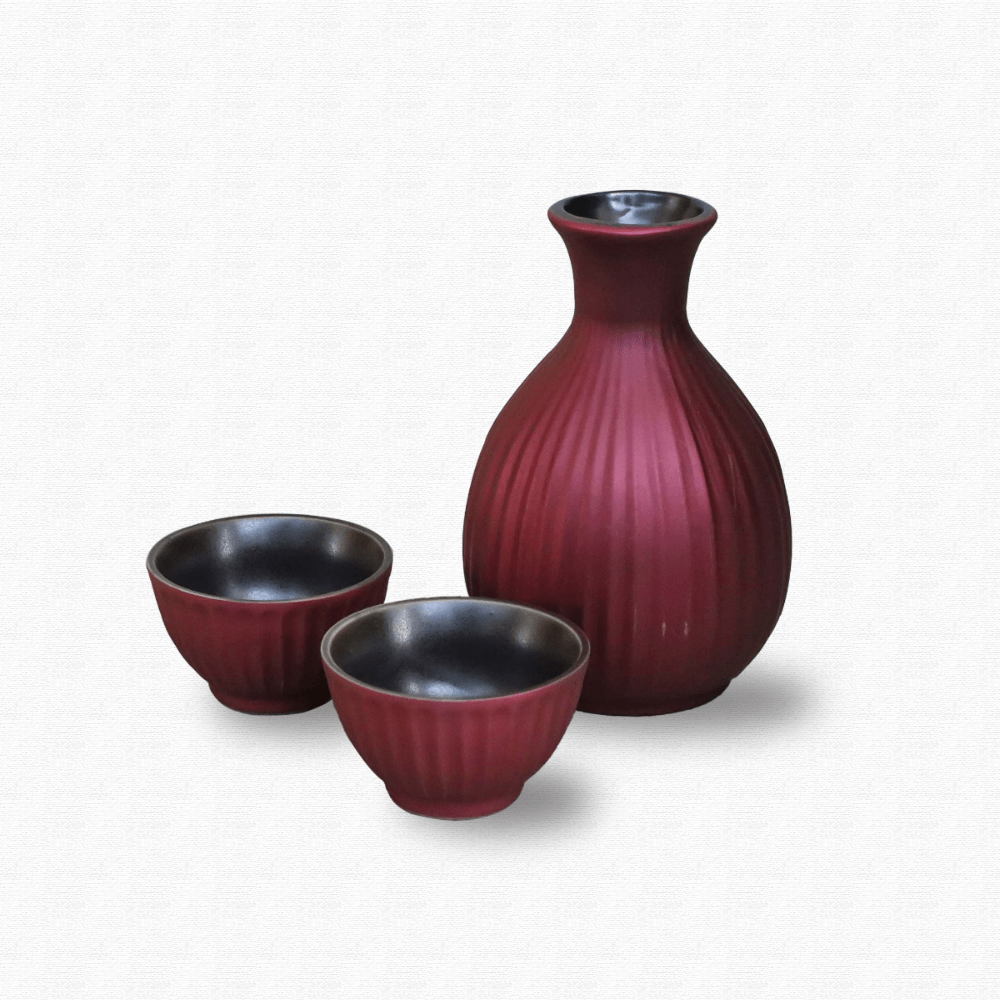
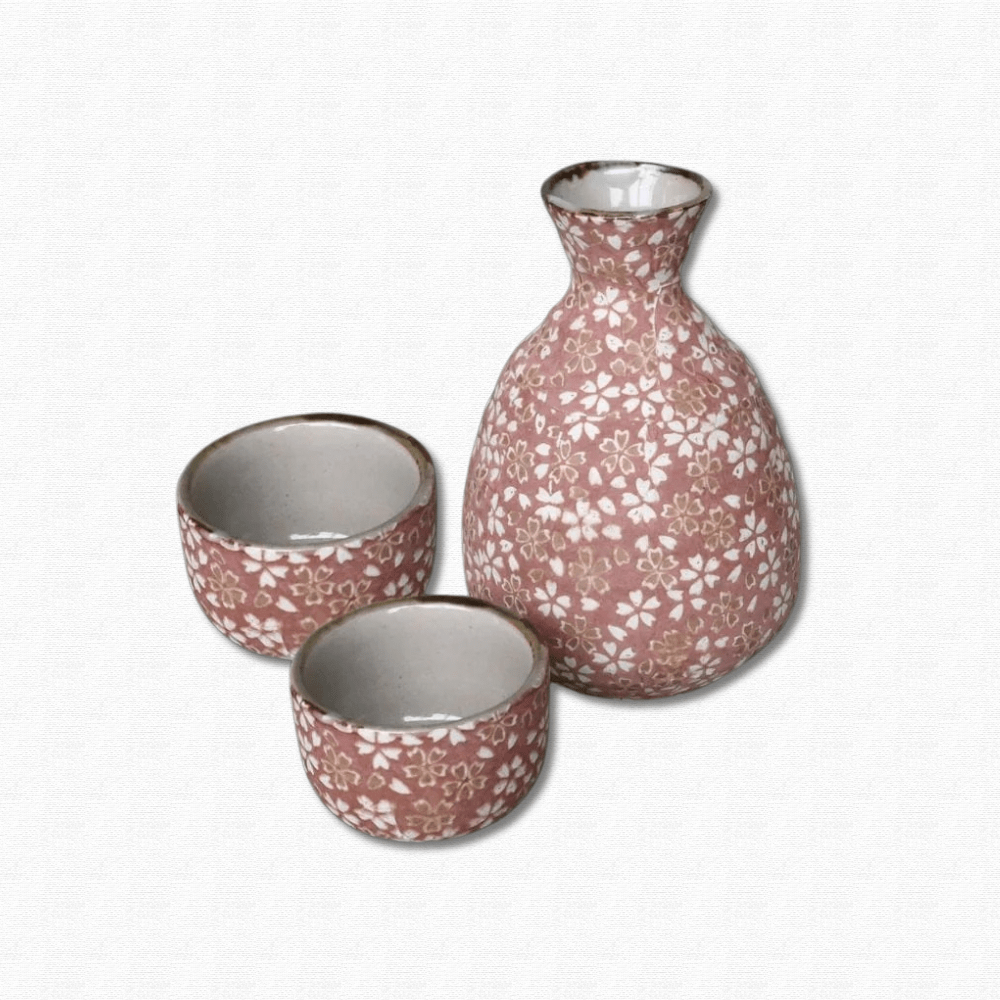
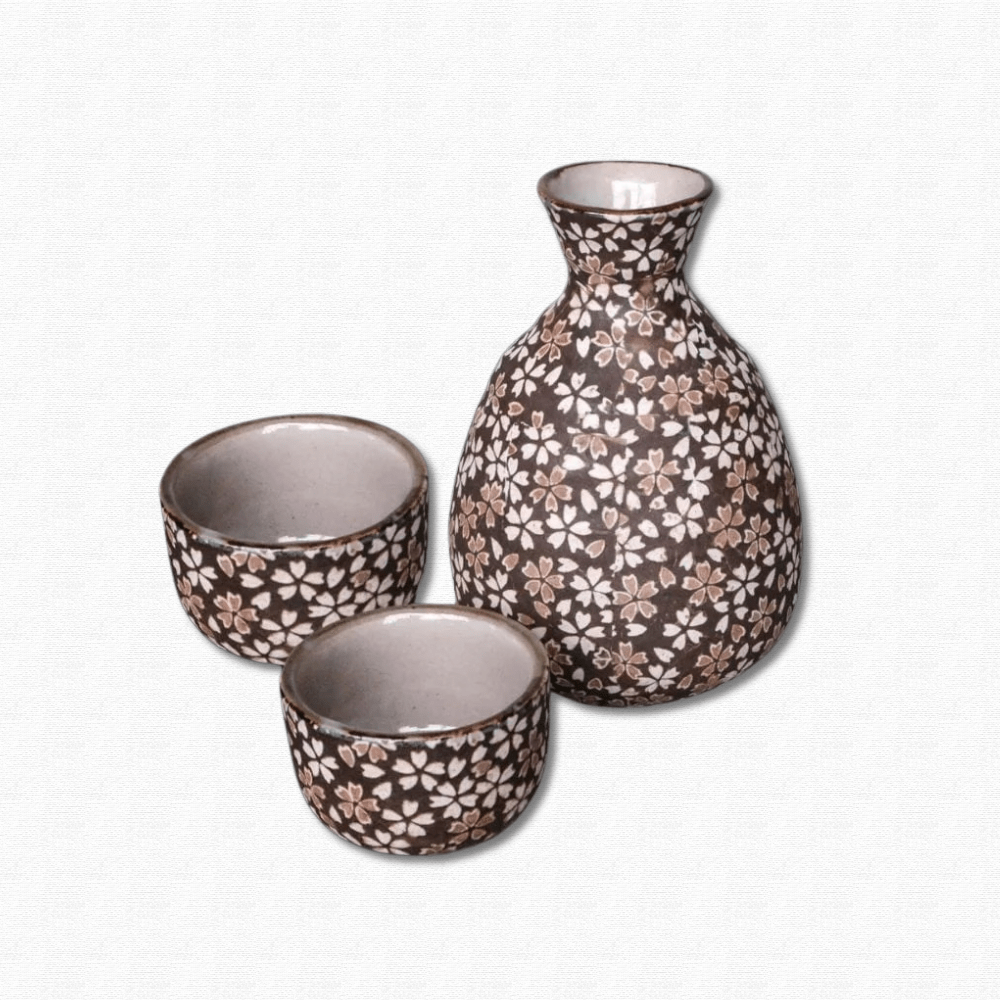
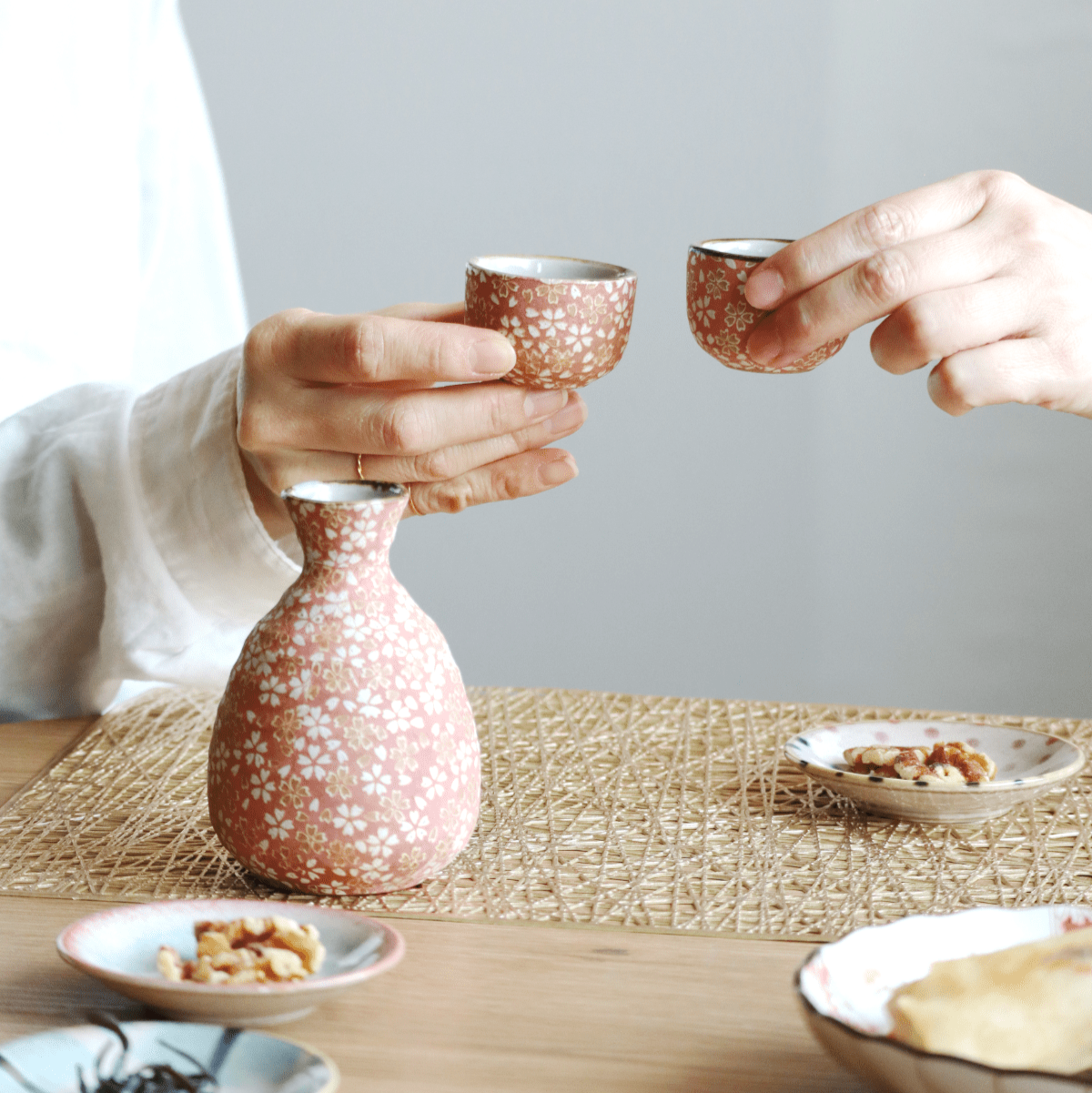
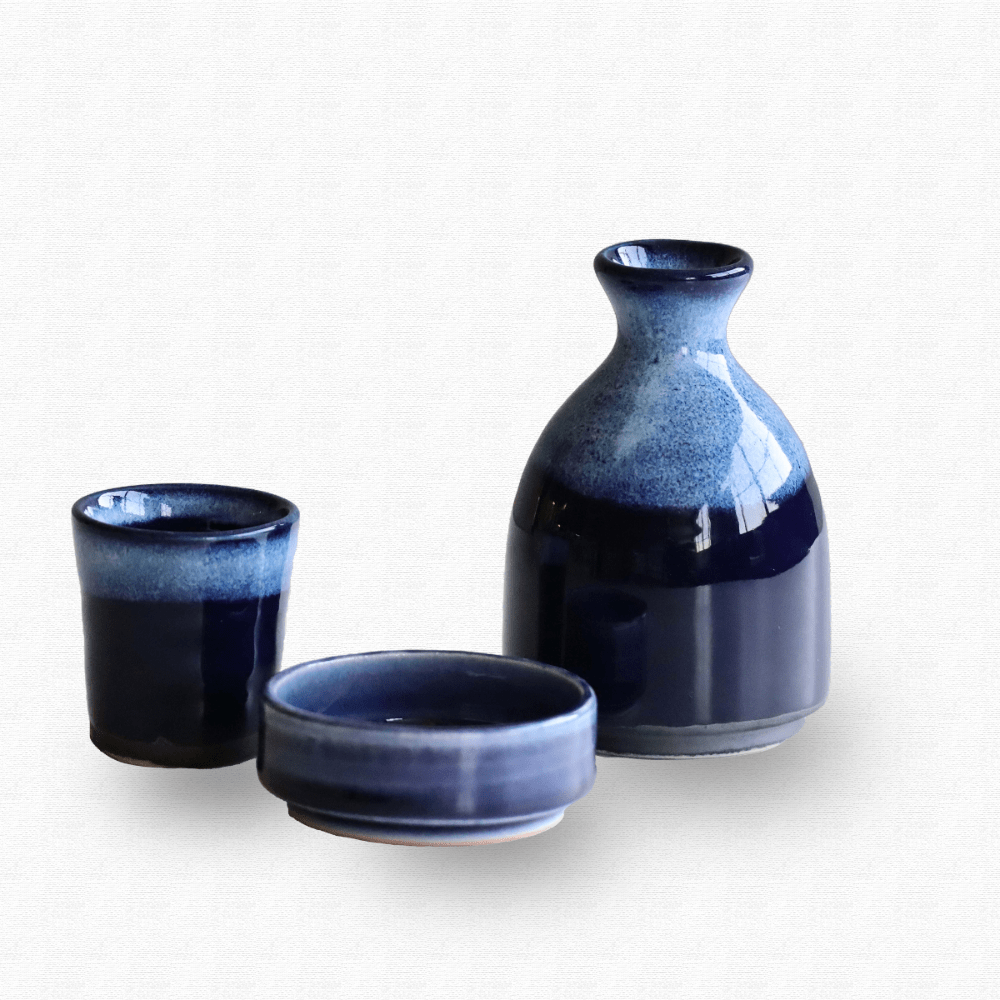
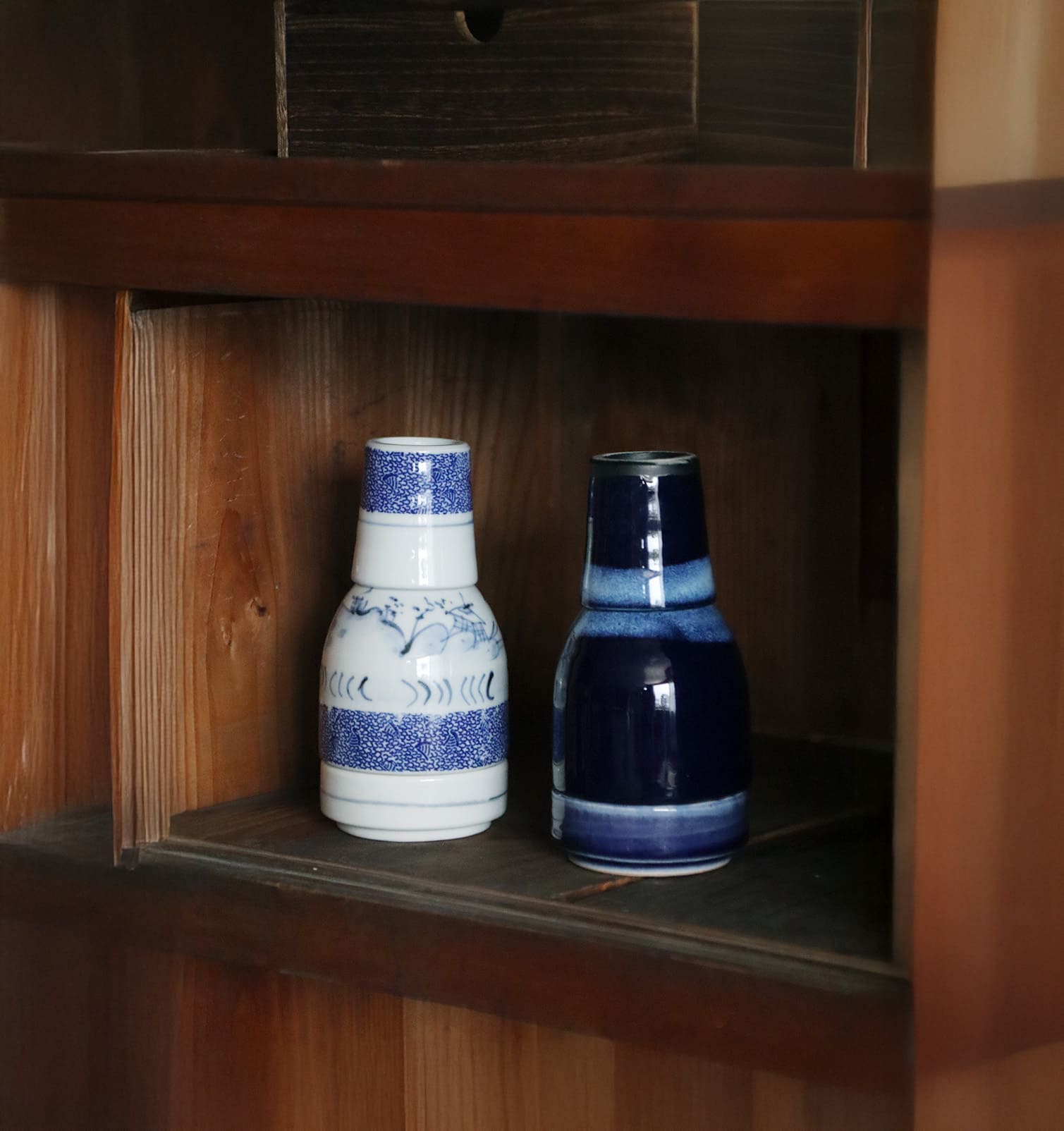
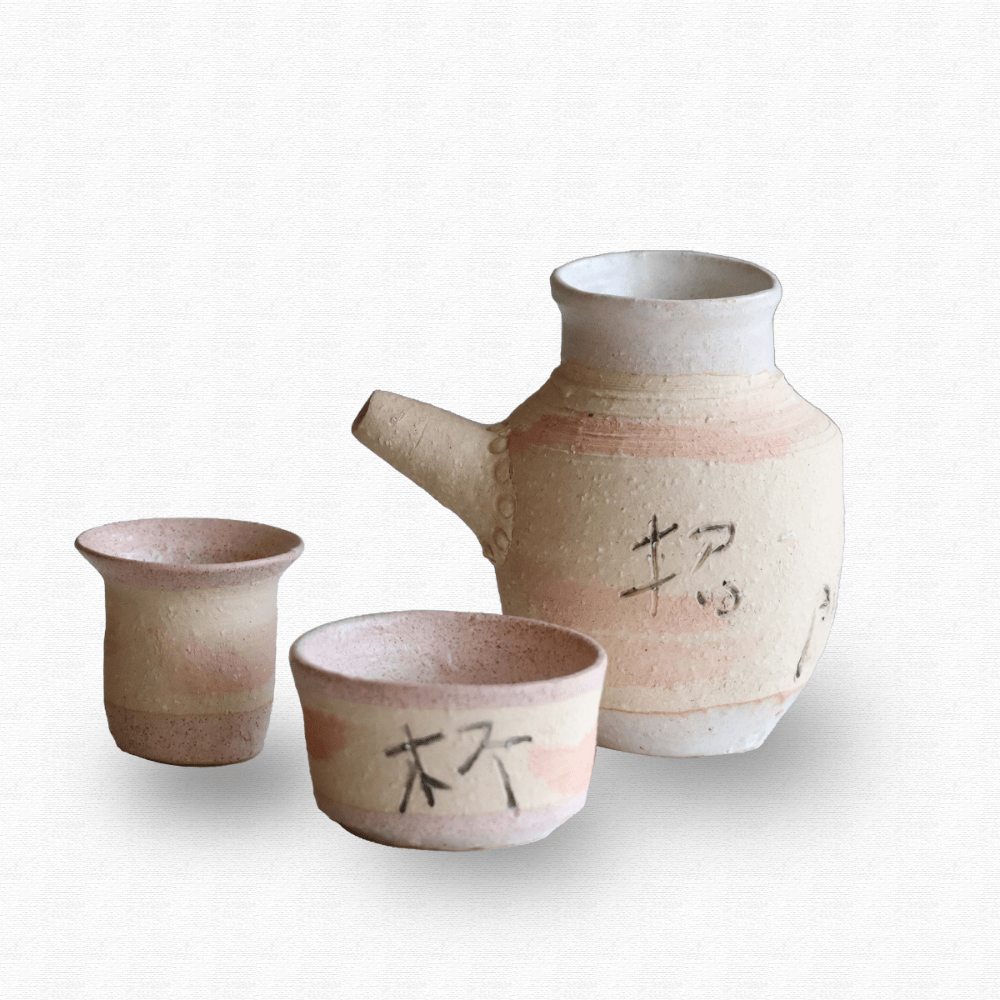
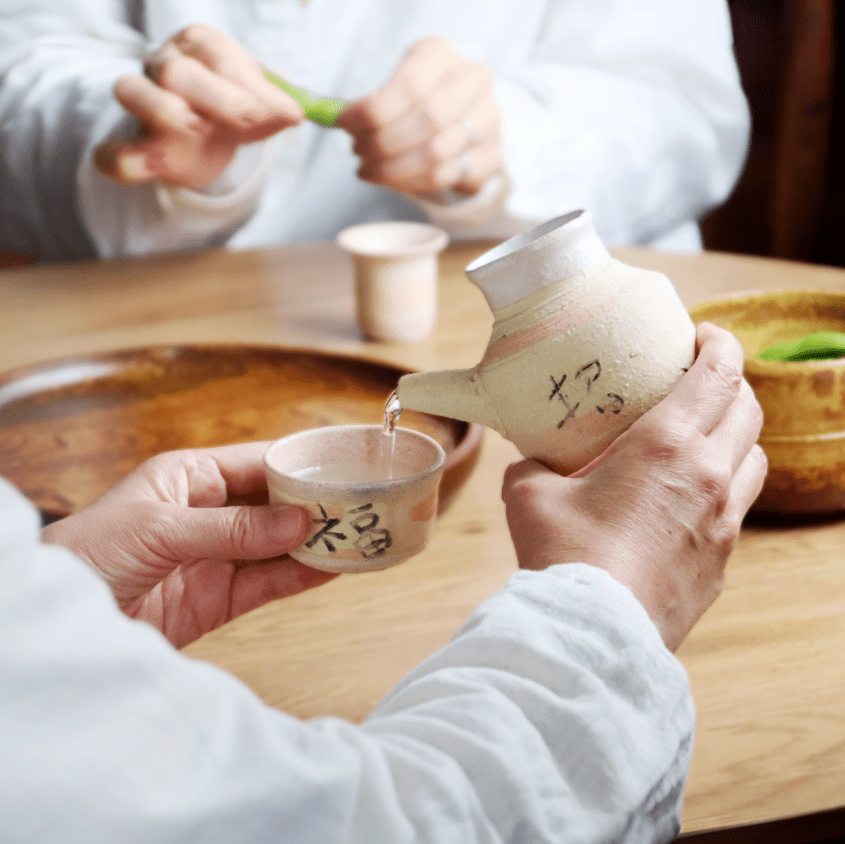
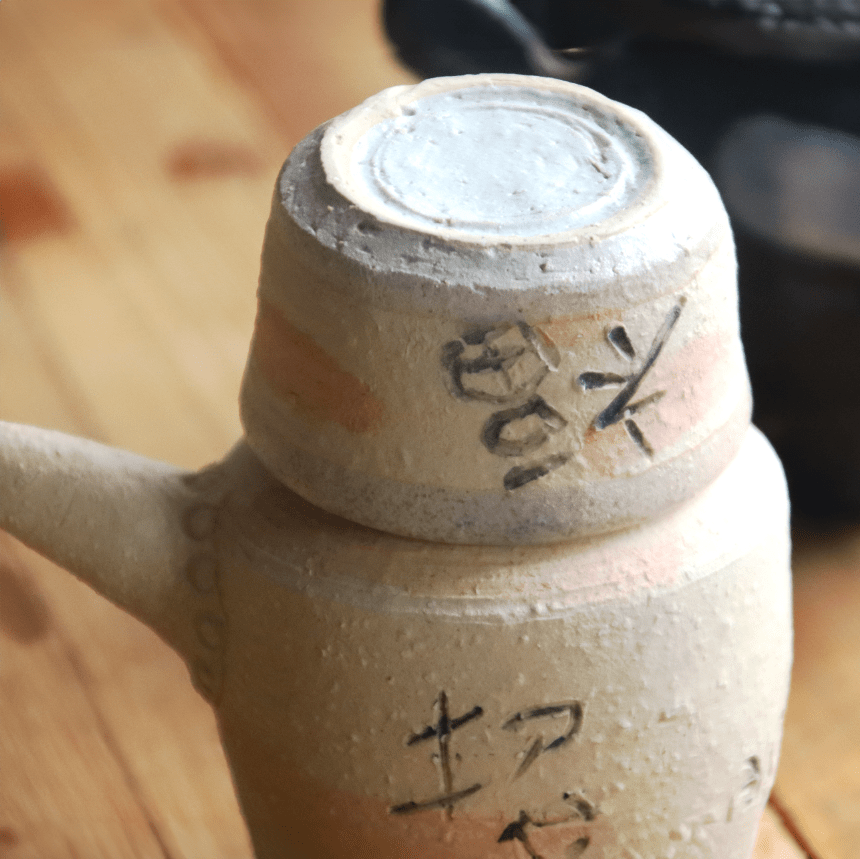
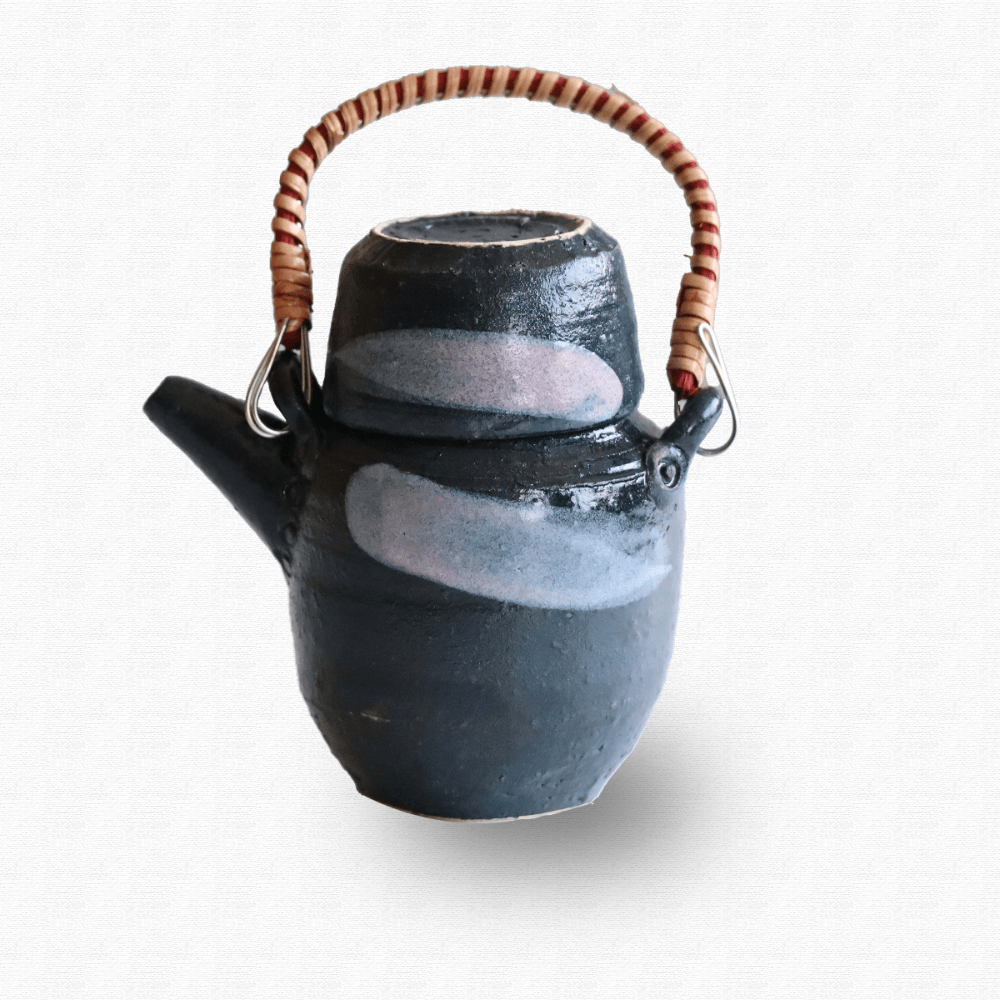
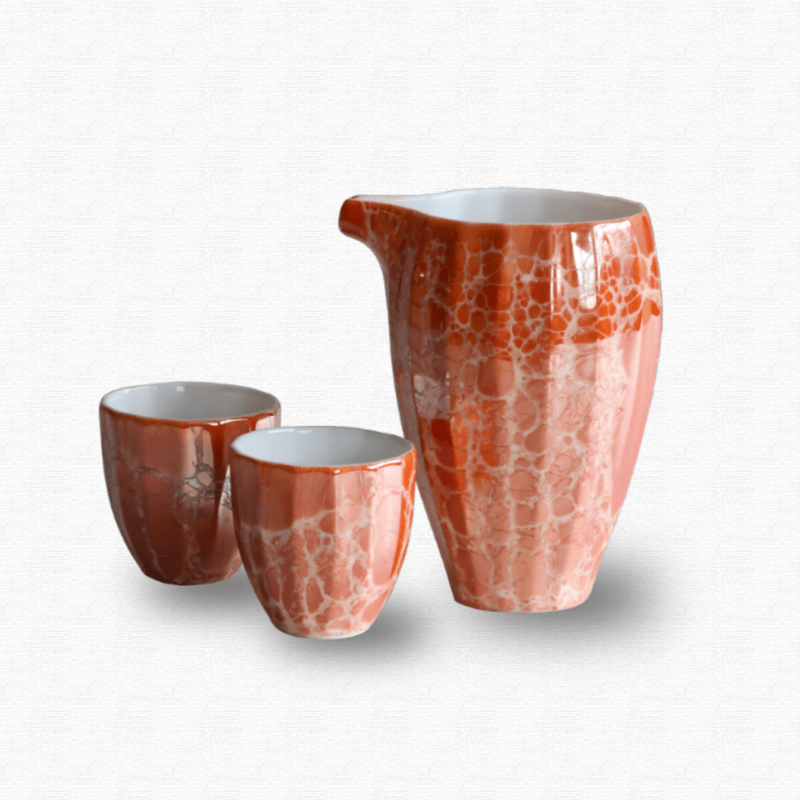
Read the articleA Japanese sake set brings together the vessels used to serve and share sake, most commonly a tokkuri flask with small drinking cups such as ochoko or guinomi.
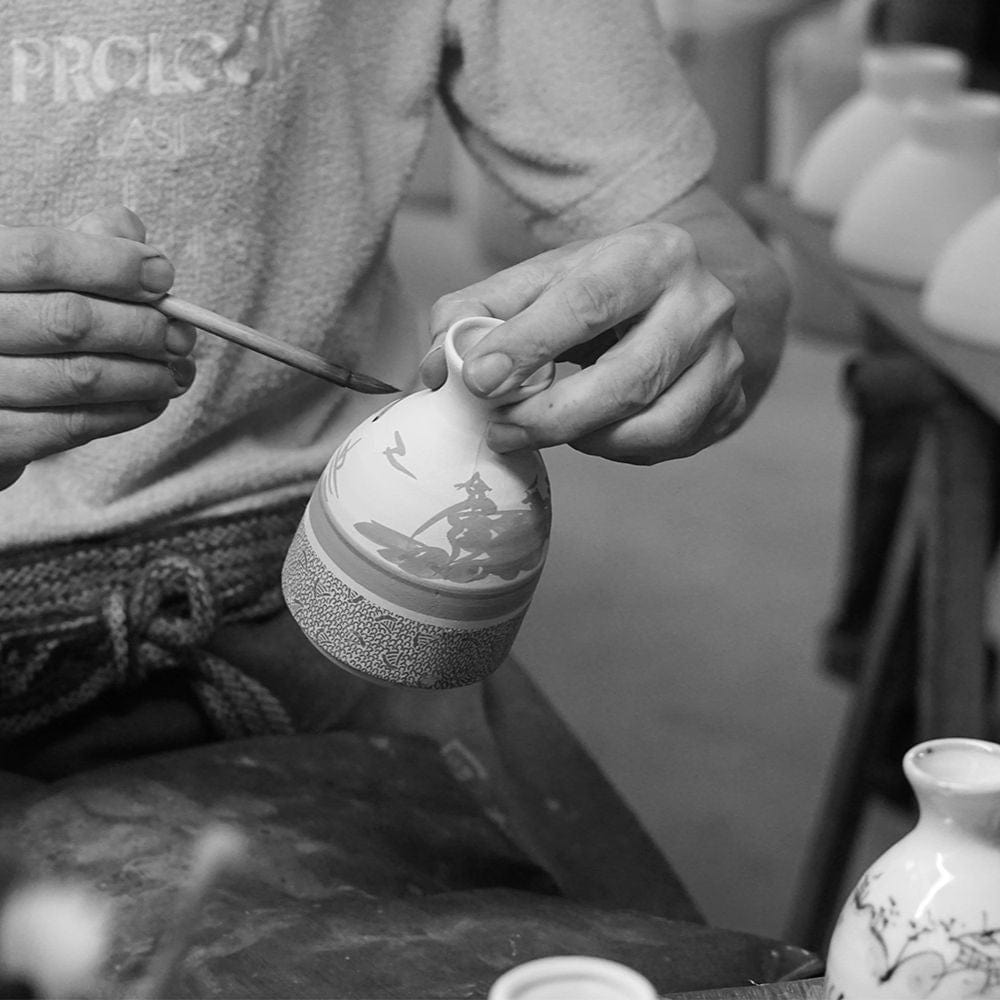
Across Japan, ceramic traditions such as Mino, Arita, Kutani and Hasami give sake ware very different personalities. Some pieces favour quiet glazes and natural textures, while others feature refined porcelain, painted decoration or expressive firing effects.
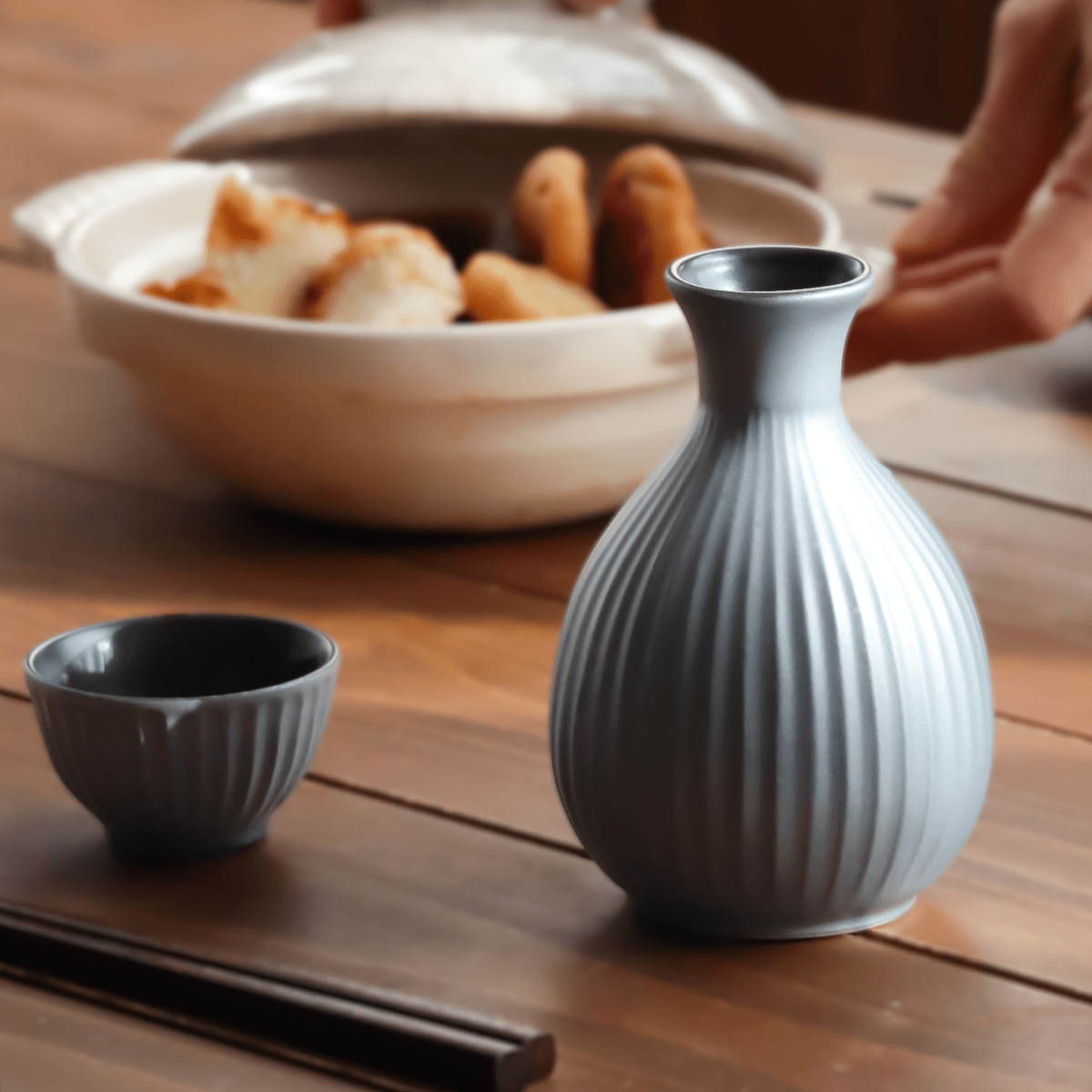
Choosing a sake set is as much about how you enjoy sake as how the pieces look. Shape, material and size can influence the experience of pouring, holding and drinking, whether sake is served gently warmed, at room temperature or chilled.
Practical answers to help you choose and enjoy Japanese sake ware.
A traditional sake set usually includes a serving flask, called a tokkuri, together with two or more small sake cups. Depending on the set, the cups may be ochoko, guinomi or another style of Japanese drinking vessel.
Ochoko are typically small sake cups designed for frequent pouring and sharing. Guinomi are generally larger and allow you to enjoy a slightly more generous serving. Both are traditional forms, and the choice is largely a matter of drinking style and personal preference.
Many ceramic and porcelain sake sets can be used for both chilled and gently warmed sake. The best serving method can depend on the material and construction of the individual piece, so we recommend checking the product details before heating any vessel.
Yes. Our sake sets are made in Japan and selected from Japanese ceramic makers and specialist workshops. Depending on the piece, they may reflect traditions such as Mino, Arita, Kutani, Hasami and other regional Japanese styles.
From individual drinking cups to small plates and serving pieces, discover the objects that belong naturally beside your sake set.