

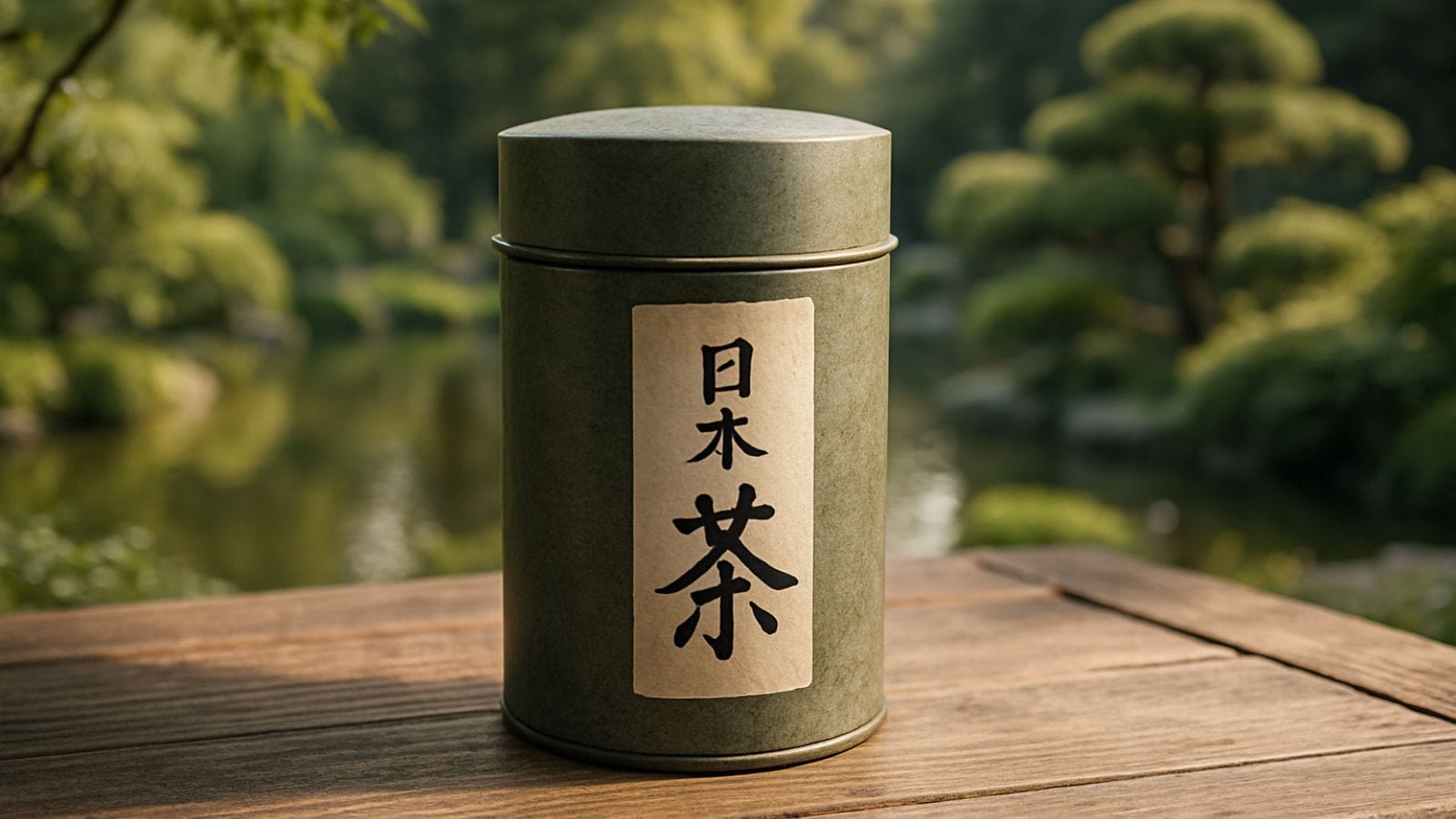
 01
The Art of the Japanese Tea Canister
Discover the role of the chazutsu, the materials used to make it, and why careful sealing and thoughtful construction matter when storing Japanese tea.
Read the guide
Sorry, there are no products in this collection.
Explore how Japanese tea canisters protect tea from air, light and moisture while bringing craft and material character to storage.
01
Discover the role of the chazutsu, the materials used to make it, and why careful sealing and thoughtful construction matter when storing Japanese tea.
Read the guide 02
Learn how air, light, humidity and temperature affect matcha, and why choosing the right container is an important part of keeping tea fresh after opening.
Read the guideJapanese tea canisters, often known as chazutsu, are designed to protect tea while keeping it close at hand for everyday use. A well-fitted container helps reduce exposure to air, light and moisture between servings.
Materials vary widely. Traditional Kabazaiku canisters use polished cherry bark, while other designs may combine metal, paper, textiles or lacquered surfaces. Each material gives the canister a different texture, weight and visual character.
Beyond storage, tea canisters are part of the broader Japanese tea setting. Their proportions, lids and finishes are often designed with the same attention to touch and everyday ritual found in teapots, cups and other tea utensils.
Practical answers to help you choose and use a Japanese tea canister.
A Japanese tea canister is a storage container designed for tea, often referred to as a chazutsu. It is typically made to limit unnecessary exposure to air, light and humidity while keeping tea convenient to access for everyday preparation.
Kabazaiku is a traditional Japanese craft that uses the bark of wild cherry trees to create polished decorative and functional objects. Tea canisters are among its best-known forms, valued for their warm natural surface and distinctive grain.
Some tea canisters are suitable for matcha, but matcha is particularly sensitive to air, light, heat and moisture. For best results, choose a well-sealed, opaque container and follow the storage guidance provided for the individual product.
A close-fitting lid helps reduce exposure to air and humidity, but construction varies between canister styles. Some designs use an inner lid or double-lid structure, while others rely on a carefully fitted outer lid. Check the product details for the specific design.
Care depends on the material. Keep the interior dry and avoid exposing the canister to excessive heat, moisture or direct sunlight. Wooden and cherry-bark canisters should generally be wiped gently rather than soaked, while other materials may have different care requirements.


